

Dolmabahce Palace In Istanbul – Nerve Center Of The Ottoman Empire
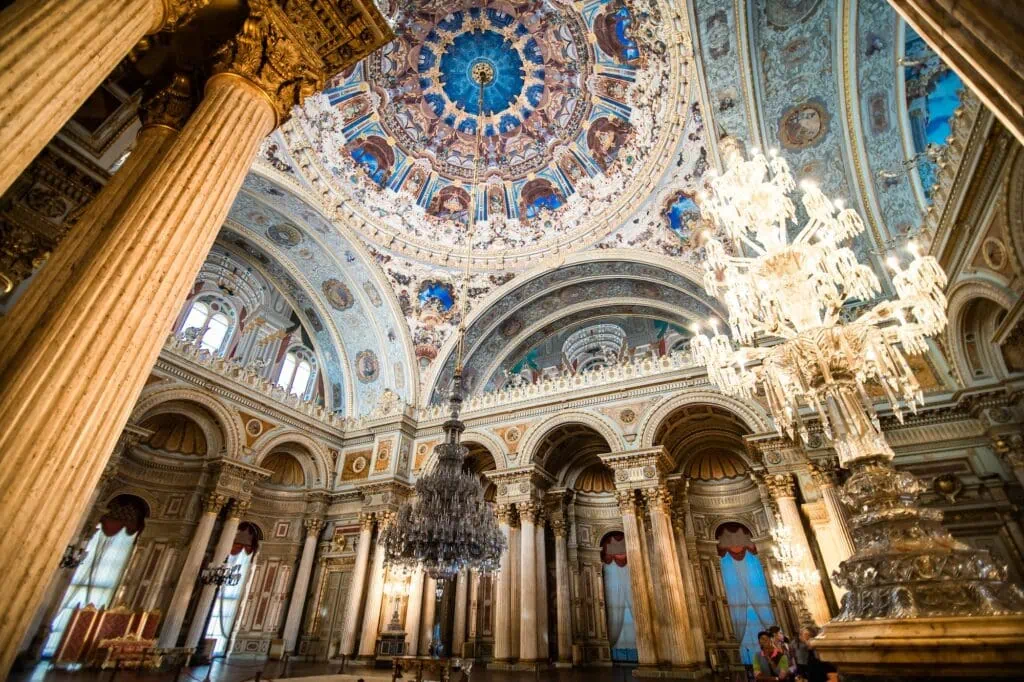
The golden chandeliers catch Istanbul’s morning light like captured stars.
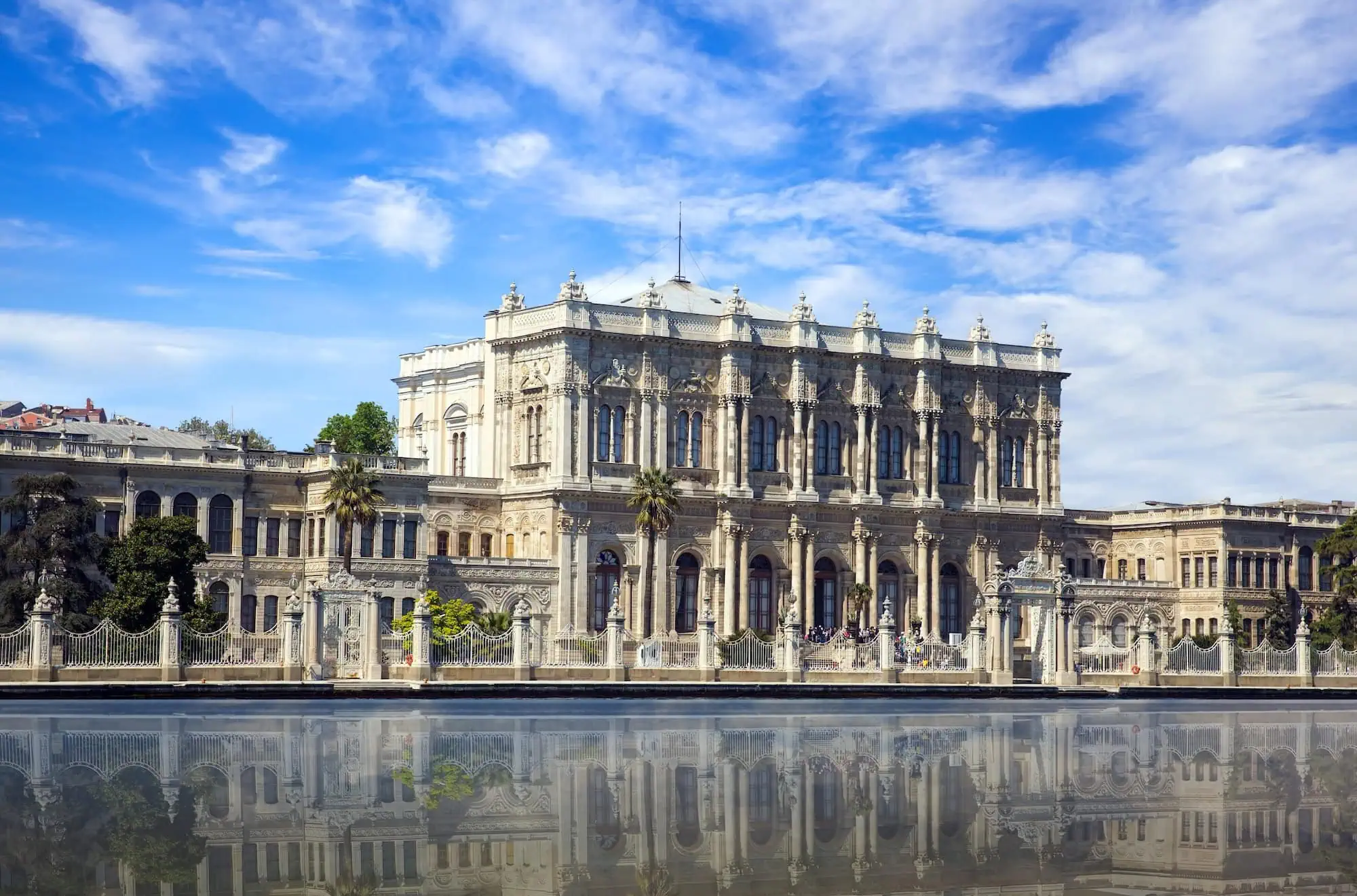
Standing majestically on the European shore of the Bosphorus, Dolmabahce Palace represents one of history’s most ambitious architectural achievements. Built between 1843 and 1856 during the reign of Sultan Abdülmecid I, this extraordinary structure reflects the Ottoman Empire’s shift toward European-inspired design while preserving its imperial identity.
Dolmabahce Palace can be included in our Egypt and Turkey Holiday packages, where Istanbul’s grand palaces are combined with its historic landmarks and Egypt’s ancient wonders for a rich and immersive travel experience.
The palace served as the administrative center of the empire during its final decades and later played a key role in the early years of the Turkish Republic under Mustafa Kemal Atatürk.
Today, visitors are drawn to its opulent interiors—featuring vast halls, crystal staircases, and ceilings adorned with gold—offering a glimpse into one of the most luxurious royal residences of its time.
Table of Contents
A Sultan’s Vision for Modern Imperial Living
Sultan Abdülmecid I commissioned this palace to replace the medieval Topkapı Palace as his primary residence. The location along the Bosphorus waterfront wasn’t chosen randomly.
European diplomats and merchants regularly traveled these waters, making the palace a statement of Ottoman modernization visible to international visitors. The sultan wanted to demonstrate that his empire could embrace contemporary European styles while maintaining its distinctive character and power.
The Balyan Family’s Architectural Legacy
Garabet Balyan and his son Nigoğayos Balyan designed every intricate detail. These Armenian architects had already established their reputation with other significant Ottoman projects, but Dolmabahce became their masterpiece. Their vision combined Baroque Revival and Rococo Revival elements with traditional Ottoman spatial concepts.
The main façade stretches 600 meters (1,968 feet) along the waterfront. Ornate balconies project from each level, creating dramatic shadows that shift throughout the day. The central avant-corps rises prominently, topped with a distinctive dome that can be spotted from ferry boats crossing the Bosphorus.
Construction Challenges and Innovations
Building on reclaimed land presented significant engineering obstacles. Workers first had to create stable foundations in the soft soil near the water’s edge. The construction process required importing materials from across Europe, including the famous Baccarat crystal that would later become one of the palace’s signature features.
The project consumed approximately 5 million Ottoman gold pounds, equivalent to roughly 35 tonnes of gold by today’s standards. This enormous expense strained the imperial treasury but created employment for thousands of craftsmen, artisans, and laborers across Istanbul.
Palace Layout and Architectural Magnificence
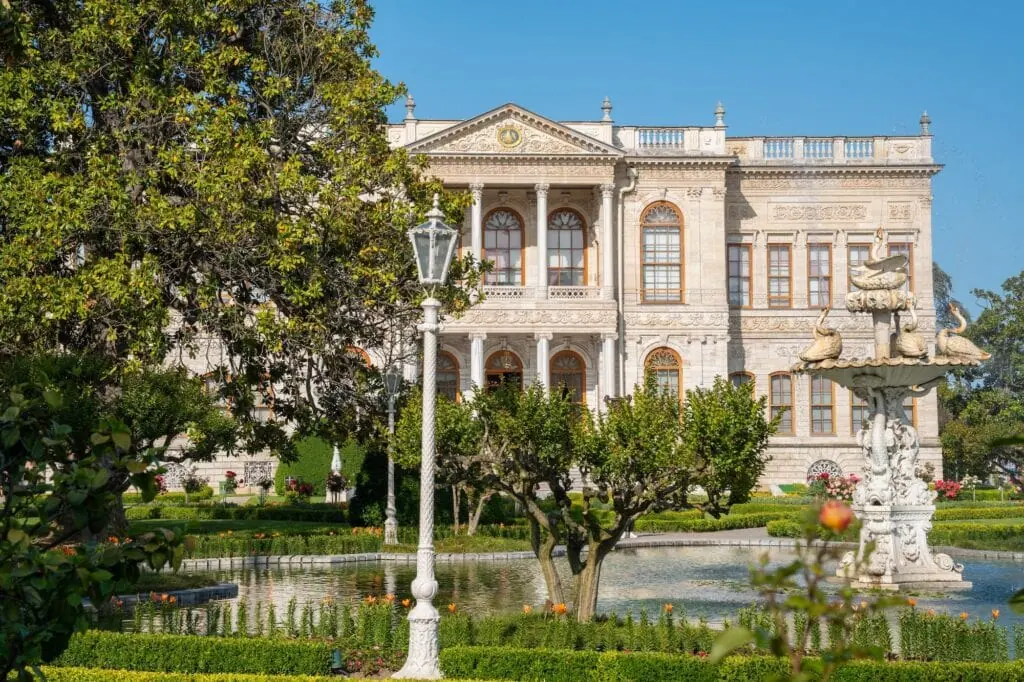
The complex contains 285 rooms and 46 halls spread across three main sections. Each area served specific functions in the intricate protocol of Ottoman court life.
The Selamlik housed the sultan’s public and administrative quarters, while the Harem provided private family spaces. A magnificent ceremonial hall connects these sections, creating one of the world’s largest palace ballrooms. European architects had never before attempted to design such vast interior spaces for imperial ceremonies.
Crystal chandeliers hang from gilded ceilings throughout the public areas. The largest weighs 4.5 tonnes and contains 750 individual lights. When all chandeliers illuminate simultaneously during special events, the effect creates an almost otherworldly atmosphere that visitors often describe as stepping into a jeweled dream.
Decorative Arts and Interior Treasures
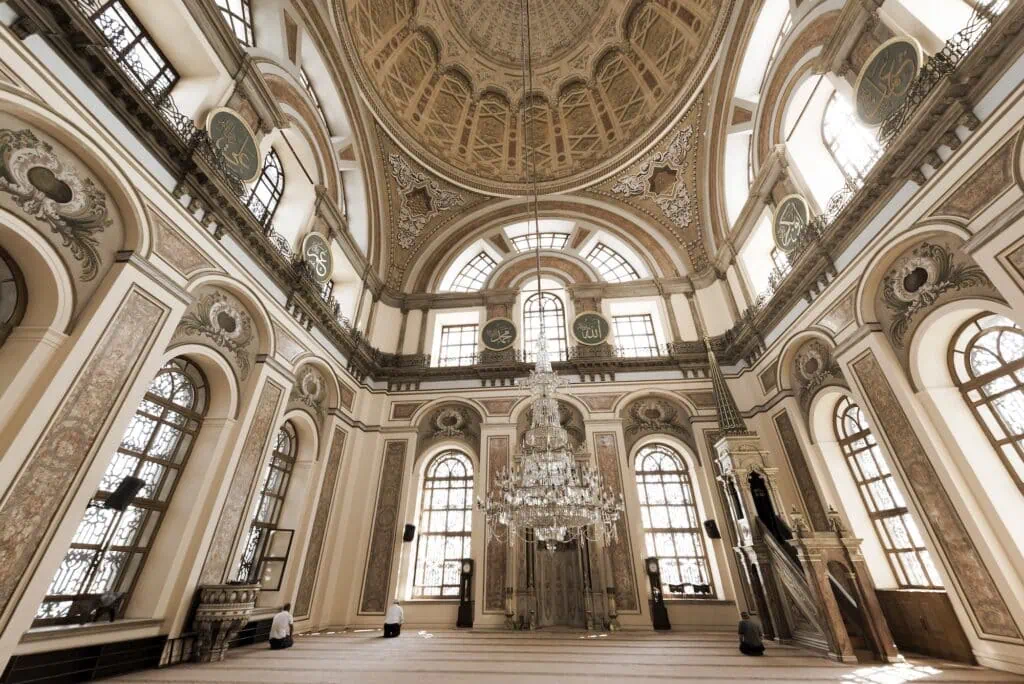
Hereke carpets cover the floors in precious silk and wool combinations. These carpets were specially woven for the palace, featuring patterns that complement the European furniture while incorporating traditional Ottoman motifs. Ivan Aivazovsky, the renowned Russian-Armenian marine painter, created several seascapes specifically for the palace walls.
The throne room displays an eclectic mix of furniture acquired from Paris, Vienna, and London workshops. Each piece was selected to harmonize with the overall design scheme while representing the finest European craftsmanship of the era.
Experiencing the Palace as a Modern Visitor
Current entrance fees are 2000 Turkish Lira (approximately $70) for international visitors. The palace operates from 9:00 am to 5:30 pm (09:00-17:30) Tuesday through Sunday, with Monday closures for maintenance.
Guided tours are mandatory and last approximately 75-90 minutes. Professional guides lead groups through the main ceremonial areas, explaining the historical significance while pointing out architectural details that casual observers might miss. Photography restrictions apply in certain rooms to preserve delicate fabrics and paintings from flash damage.
Advance booking through the National Palaces website prevents disappointment, especially during peak tourist seasons. Skip-the-line tickets are available through various tourism platforms, typically costing around $55 USD and including audio guides in multiple languages.
Getting There and Practical Considerations
Kabataş ferry terminal sits just steps from the palace entrance. Regular boats connect this stop with Eminönü, Karaköy, and other major Istanbul districts. The journey from Sultanahmet takes roughly 20 minutes by public transport.
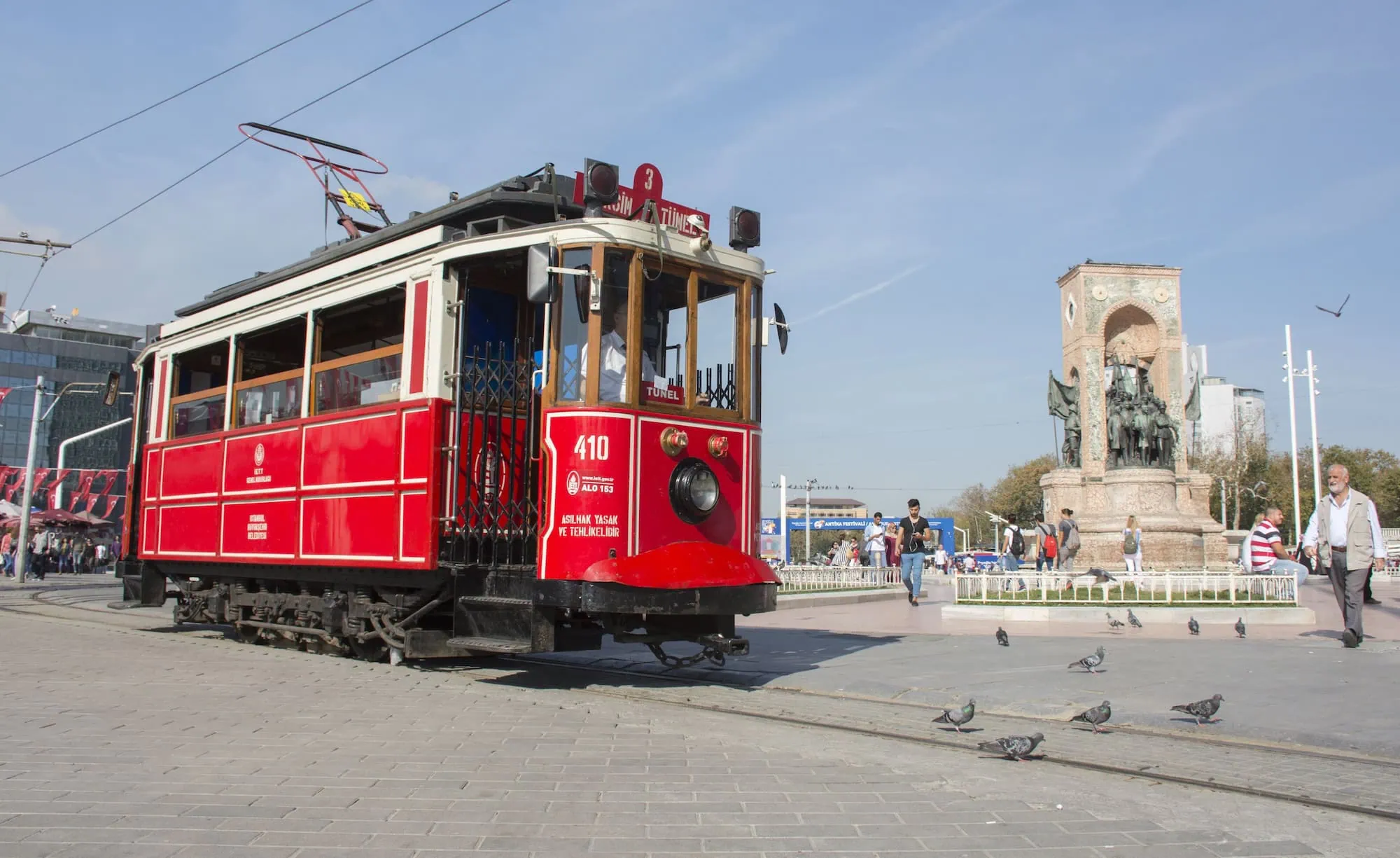
Tram line connects Kabataş to Taksim Square in approximately 10 minutes. Many visitors combine their palace tour with exploration of nearby Beşiktaş district, which offers excellent restaurants and shopping opportunities within walking distance.
Comfortable walking shoes are essential, as tours involve considerable standing and movement across marble floors. The palace maintains strict dress codes, requiring modest attire for both men and women.
From Empire to Republic: Atatürk’s Final Chapter
Mustafa Kemal Atatürk spent his final years in this palace, using it as his primary residence from 1927 until his death. His bedroom remains exactly as it was on November 10, 1938, when Turkey’s founding father passed away at 9:05 am.
All clocks in the palace stopped at this precise moment and remain frozen in time. This powerful memorial gesture continues today, creating an emotional connection between visitors and modern Turkish history.
The Republican Transformation
After the Ottoman Empire’s dissolution, the palace adapted to serve the new republic’s needs. Atatürk used the ceremonial halls for state receptions and diplomatic meetings with foreign dignitaries. The European-style salons proved perfect for the republic’s modernization efforts and international relationship building.
The palace collections grew during this period to include gifts from world leaders and examples of early republican-era art. These additions complement the original Ottoman treasures, creating a comprehensive display of Turkey’s cultural evolution.
Planning Your Visit to Maximize the Experience
Morning visits often provide the best lighting for photography in permitted areas. The Bosphorus views from the palace gardens appear particularly striking when the water catches the early sun.
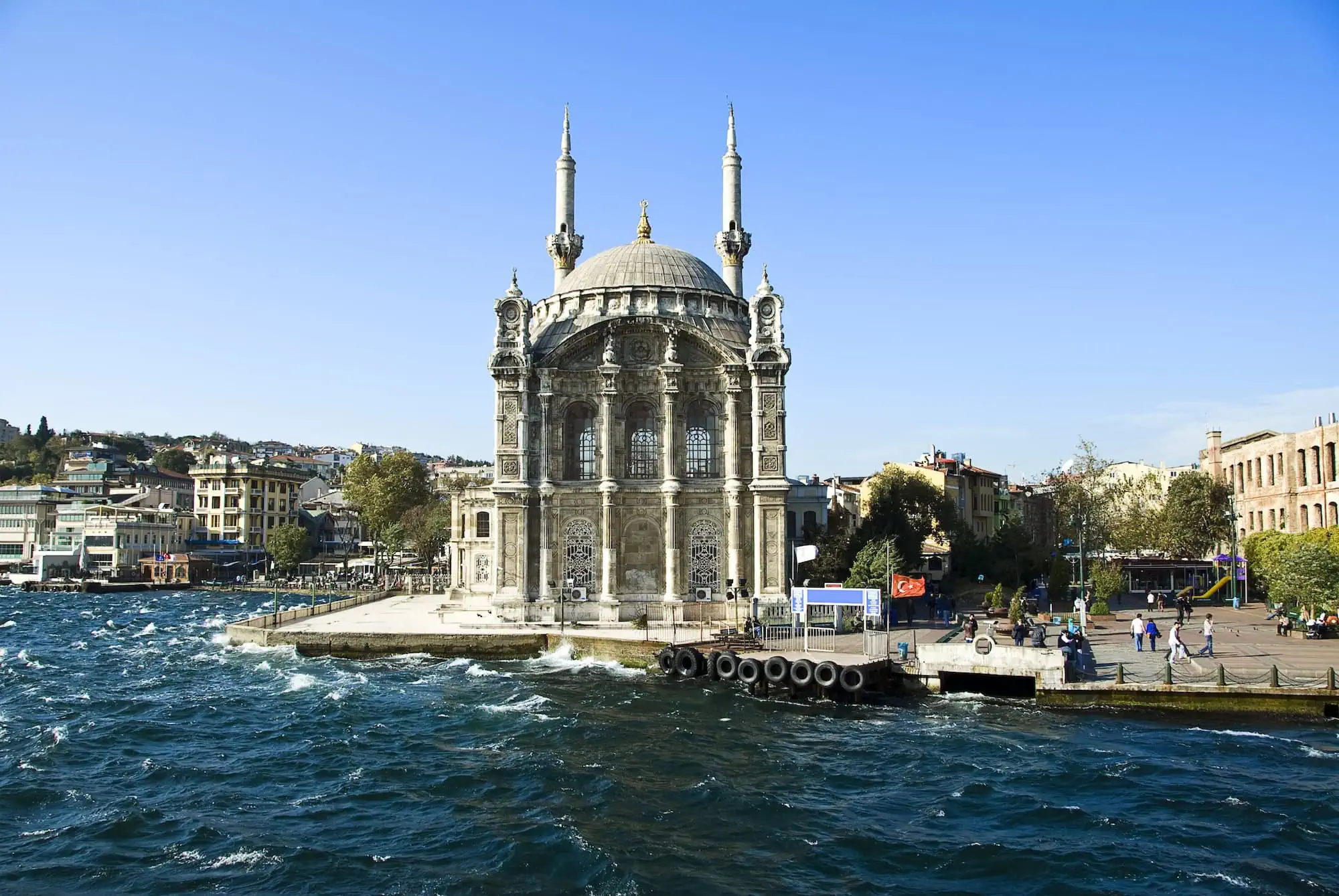
Combining your palace tour with visits to nearby tourist attractions creates an efficient Istanbul itinerary. The Naval Museum sits within a 10-minute walk, while Ortaköy Mosque and its famous weekend market are easily accessible by a short taxi ride or public transport.
Seasonal Considerations and Crowd Management
Spring and fall offer ideal weather conditions for both indoor touring and garden exploration. Summer brings larger crowds but extended daylight hours for better exterior photography. Winter visits provide a more intimate experience with fewer tourists, though some outdoor areas may have limited access.
European cruise ship schedules significantly impact daily visitor numbers. Checking the Galataport arrival calendar helps identify potentially crowded days to avoid if you prefer a more relaxed touring experience.
Frequently Asked Questions
Plan for approximately 2.5-3 hours including the guided tour, garden exploration, and travel time to/from central Istanbul.
Yes, combined tickets allow access to all public areas during a single visit, though separate guided tours may be required.
The Beşiktaş district offers numerous restaurants within a 10-minute walk, ranging from traditional Turkish cuisine to international options.
Dolmabahçe represents 19th-century Ottoman modernization with European architecture, while Topkapı showcases traditional Ottoman palace design from the 15th-17th centuries.
Yes, especially between April and October when tourism reaches its highest levels and same-day tickets may be unavailable.
Photography is permitted in designated areas only, with flash photography strictly prohibited throughout the interior.
Limited accessibility options exist, though the historic nature of the building presents some challenges. Contact the palace administration for specific details.
Modest dress is required – covered shoulders and knees for both men and women, with comfortable walking shoes recommended.
Yes, audio guides are typically available in German, French, Spanish, Italian, Russian, and several other languages.
Many tour operators offer combination packages including palace entry and Bosphorus boat tours, which provide excellent value and time efficiency.
The main chandelier weighs 4.5 tonnes, contains 750 lights, and was a gift from Queen Victoria, making it both historically significant and architecturally stunning.
It’s considered the largest and most luxurious 19th-century palace, rivaling Versailles in scale and exceeding most European palaces in decorative grandeur.

Design Your Custom Tour
Explore Egypt and Turkey your way by selecting only the attractions you want to visit