

The Spice Market In Istanbul – Epic Spice Trade Center Of Turkey
A sensory journey through Istanbul’s historic spice heart – where color, aroma, and trade have thrived since the 17th century
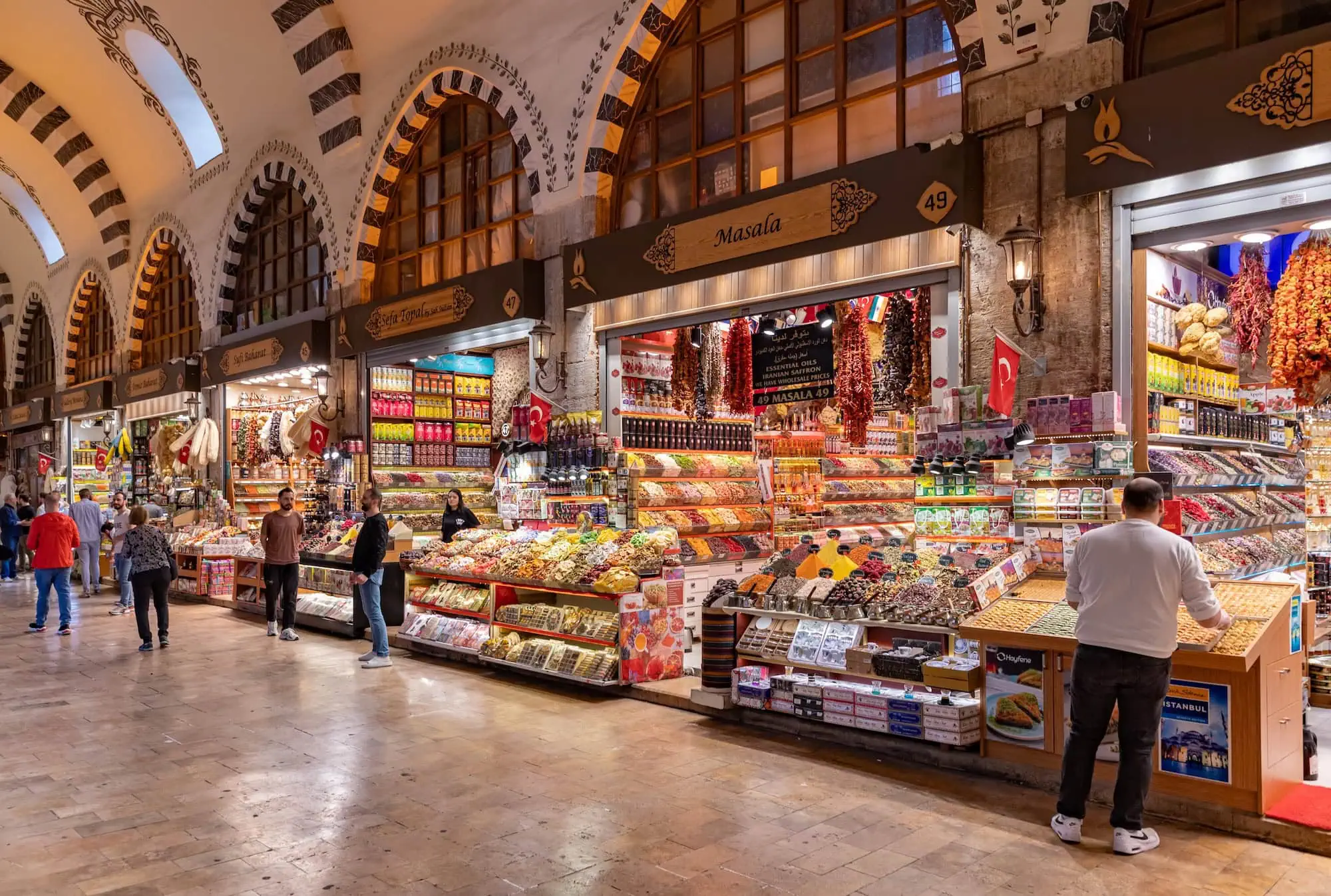
The Spice Bazaar stands as one of Istanbul’s most captivating cultural experiences, where Ottoman-era architecture meets the vibrant energy of modern Turkish commerce. Built in the 1660s as part of the impressive Yeni Camii complex, this historic marketplace continues to attract visitors with its rich colors, aromas, and flavors.
The Spice Bazaar can be included in our Egypt and Turkey Adventure Tours, where Istanbul’s historic markets are combined with its iconic landmarks and Egypt’s ancient wonders for a diverse and immersive journey.
Unlike the larger Grand Bazaar, the Spice Market focuses on culinary specialties—from high-quality saffron and sumac to traditional Turkish delights and local delicacies. Walking through its corridors offers a deeper connection to Turkey’s food culture and trading heritage.
With decades of experience guiding travelers through Istanbul, we consistently recommend this market as one of the most authentic and memorable stops in the city.
Table of Contents
History and Architecture of Mısır Çarşısı
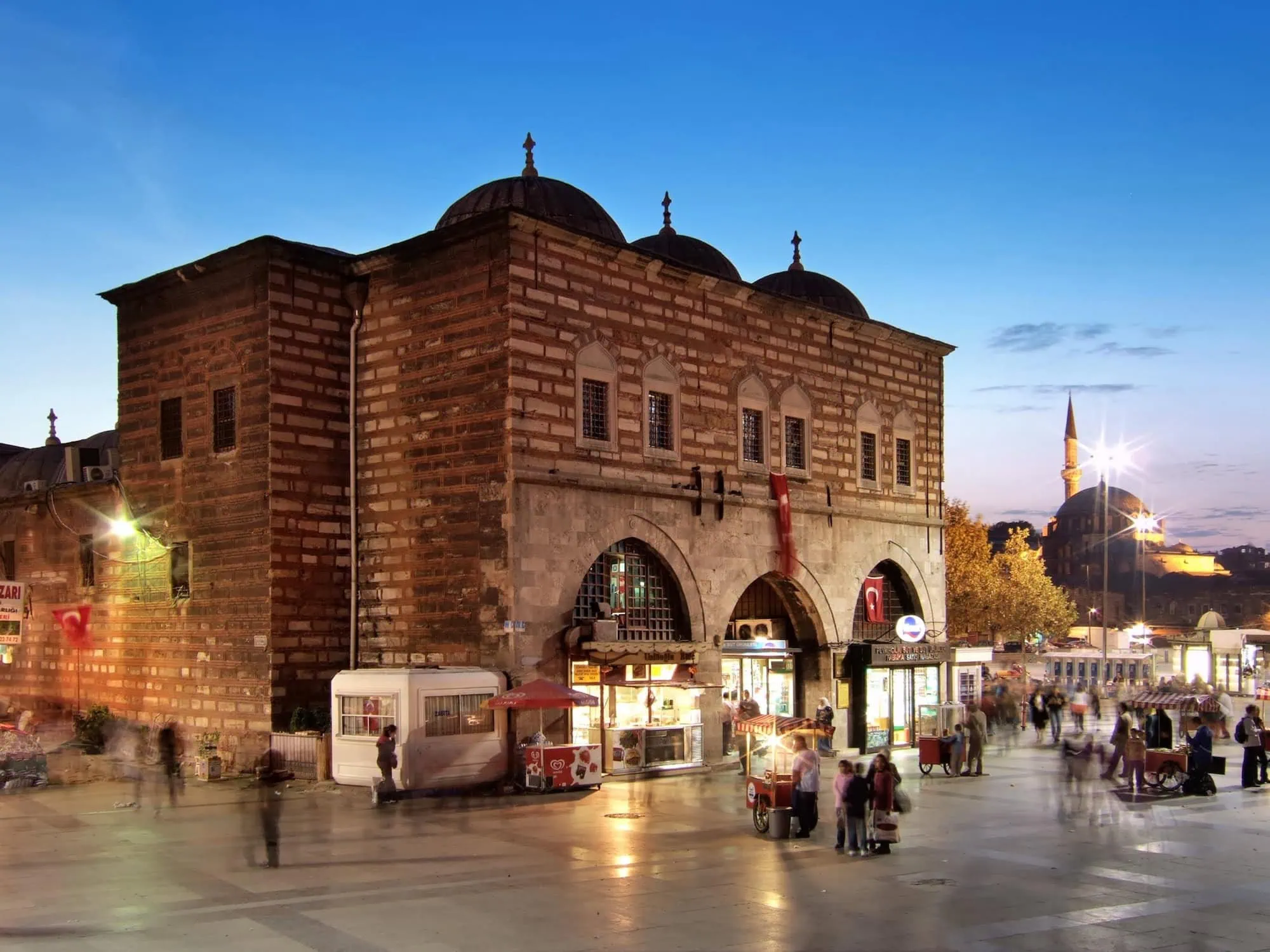
The Egyptian Bazaar, known locally as Mısır Çarşısı, carries a fascinating origin story that connects it to Egypt’s ancient trade routes. Constructed between 1660 and 1664 by master architect Koca Kasım Ağa, the bazaar was financed through taxes collected from Ottoman Egypt – hence its name “Egyptian Bazaar.” This L-shaped marketplace served as a crucial hub for importing exotic spices, medicinal herbs, and luxury goods from Egypt, India, and the Far East.
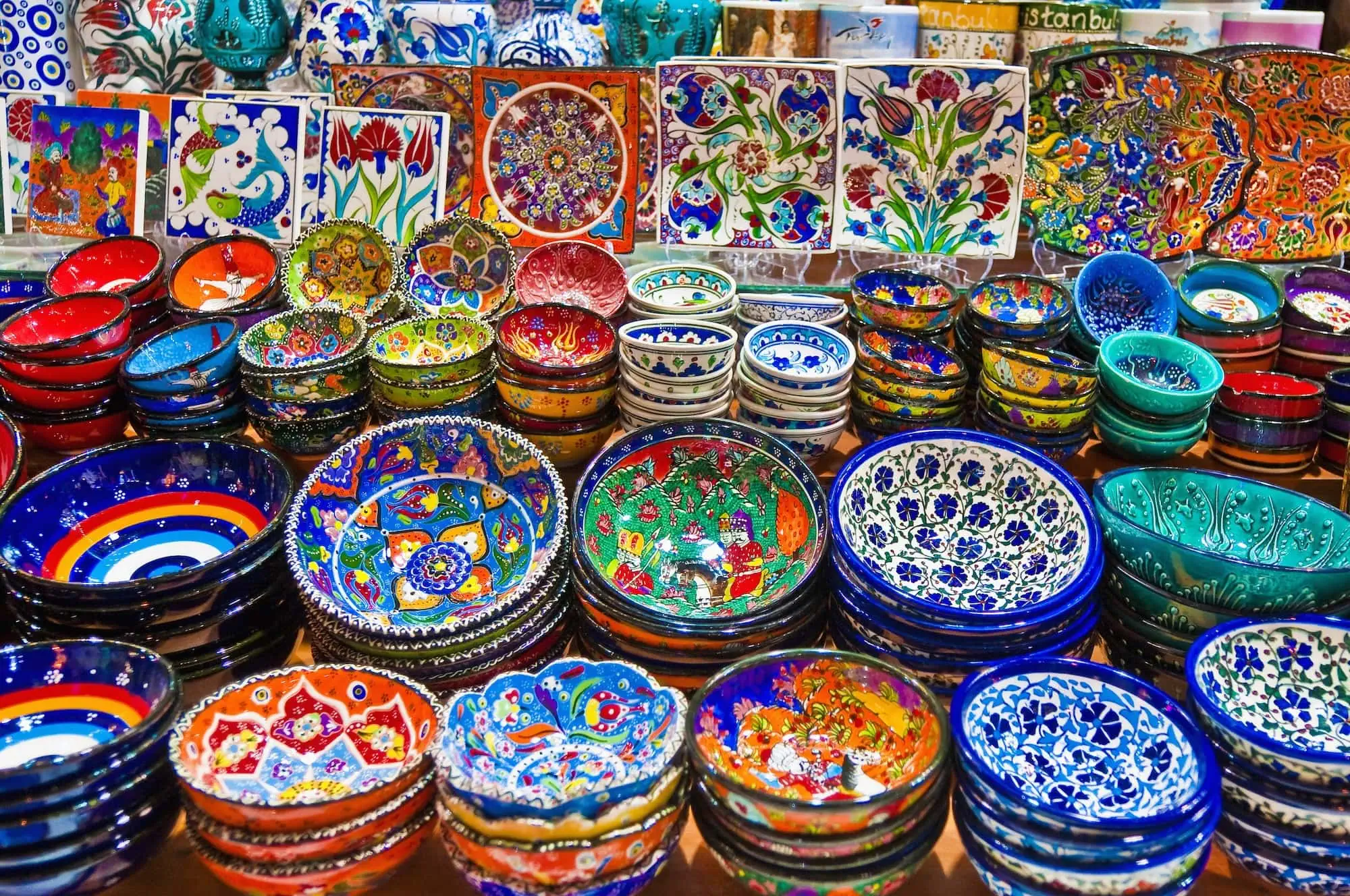
The revenues generated here helped fund the construction of the adjacent Yeni Camii mosque, creating an integrated religious and commercial complex that exemplified Ottoman urban planning.
Architectural Marvel of the 17th Century
The bazaar’s distinctive architecture reflects classical Ottoman commercial design with its series of stone vaulted halls and arched doorways. Eighty-eight shops line the interior corridors, each designed with specific ventilation systems to preserve delicate spices and aromatic goods.
The main entrance faces the Golden Horn, strategically positioned to welcome merchants arriving by sea.
Cultural Significance Through the Ages
For over 350 years, the Spice Bazaar has maintained its role as Istanbul’s premier destination for culinary ingredients and traditional Turkish products. During the Ottoman Empire’s height, this marketplace connected European and Asian trade routes, making it one of the world’s most important commercial centers.
Today, it preserves that legacy while adapting to modern tourism and local shopping needs.
What to Buy at the Spice Bazaar
Walking through the bazaar reveals Turkey’s incredible culinary diversity spread across dozens of specialized vendors. Premium Turkish spices form the heart of every visit here. Look for sumac, with its distinctive burgundy color and tangy flavor that enhances salads and grilled meats.
Pul biber, Turkey’s beloved red pepper flakes, adds the perfect heat to countless dishes. Çörek otu (nigella seeds) provides a unique nutty flavor essential to Turkish bread and pastries. Many vendors offer custom spice blends, allowing you to create personalized combinations for your home kitchen.
Turkish delights represent another bazaar specialty that shouldn’t be missed. These soft, sweet confections come in dozens of varieties – from classic rosewater and lemon flavors to modern creations featuring pistachios, hazelnuts, and pomegranate. Quality varies significantly between vendors, so we recommend tasting before purchasing to ensure freshness.
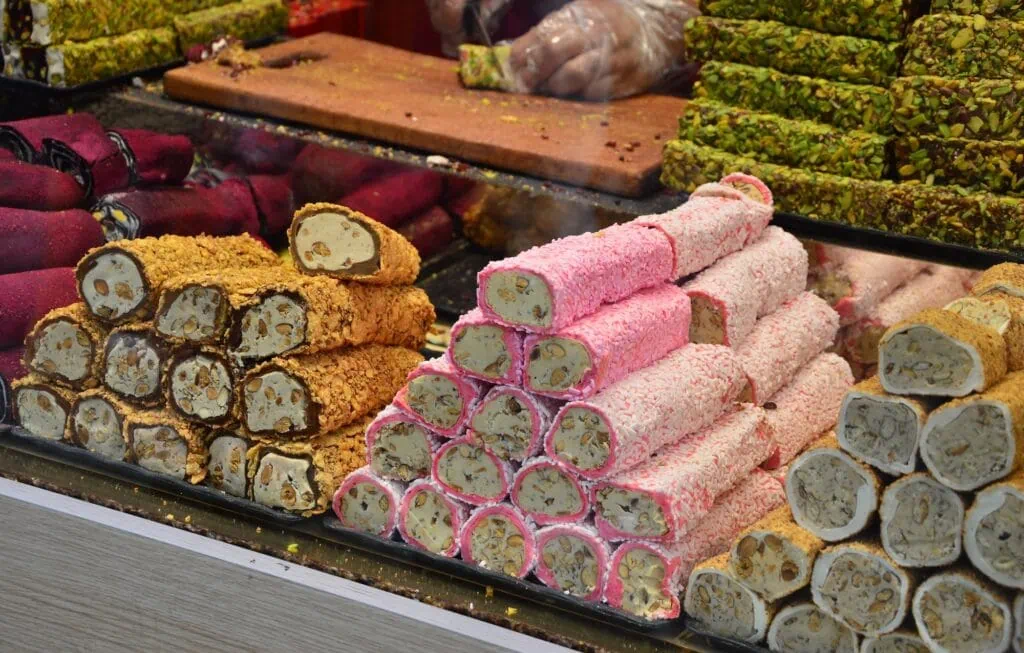
Tea culture thrives throughout the bazaar with vendors offering everything from traditional black tea to herbal blends featuring apple, sage, and linden flowers. Turkish coffee, ground to an ultra-fine powder, makes an excellent souvenir for coffee enthusiasts. Some shops even demonstrate traditional preparation methods.
Honey and Natural Products
Local honey varieties showcase Turkey’s diverse landscape, from pine honey collected in Mediterranean forests to flower honey from Anatolia’s wildflower meadows. Many vendors also stock propolis, royal jelly, and other bee products valued for their health benefits.
Dried Fruits and Nuts
Merchants display beautiful pyramids of dried apricots, figs, and dates alongside premium nuts like Turkish hazelnuts and pistachios from Gaziantep. These make excellent gifts and provide healthy snacking options during Istanbul exploration.
Shopping Tips and Bargaining Strategies
Success at the Spice Bazaar requires understanding Turkish commercial culture and developing basic negotiation skills. Prices here are rarely fixed, and vendors expect some level of bargaining – though the process should remain friendly and respectful.
Start by browsing several shops to understand price ranges before committing to purchases. Quality vendors will gladly offer samples of spices and sweets, helping you make informed decisions.
Compare prices across multiple stalls since quality and pricing can vary substantially between neighboring shops. Fresh spices display vibrant colors and strong aromas, while older products appear dull and lack intensity. For Turkish delights, softness indicates freshness – avoid any that feel hard or dried out.
Payment methods vary by vendor, with most accepting cash in Turkish lira, euros, or US dollars. Credit cards are accepted at larger establishments, though cash purchases often result in better prices. Keep receipts for customs purposes when traveling internationally with spices and food products.
Best Times to Visit
Early morning visits, around 9:00 am (09:00), offer the most relaxed shopping experience with smaller crowds and more attentive service from vendors. Late afternoon can become quite crowded, especially during peak tourist seasons.
The bazaar closes on Sundays and during major Islamic holidays, so plan accordingly.
Navigating the Spice Bazaar Experience
Location and Transportation Access
The Spice Bazaar sits in Istanbul’s historic Eminönü district, directly adjacent to the Galata Bridge and within walking distance of major attractions. The closest tram stop is Eminönü, served by the T1 line that connects to Sultanahmet’s major sites.
Ferry services from Üsküdar and Kadıköy dock nearby at Eminönü pier, making the bazaar easily accessible from both Asian and European sides of Istanbul.
Connecting with Nearby Attractions
Yeni Camii stands immediately next to the bazaar, giving visitors the opportunity to experience Ottoman religious architecture alongside vibrant commercial culture. The Grand Bazaar is approximately a 15-minute walk away through Istanbul’s historic peninsula.
As part of exploring Turkey tourist attractions, this area offers a dense concentration of cultural highlights within a short distance. Many visitors choose to combine both markets in a single day, though each deserves time for a more in-depth experience.
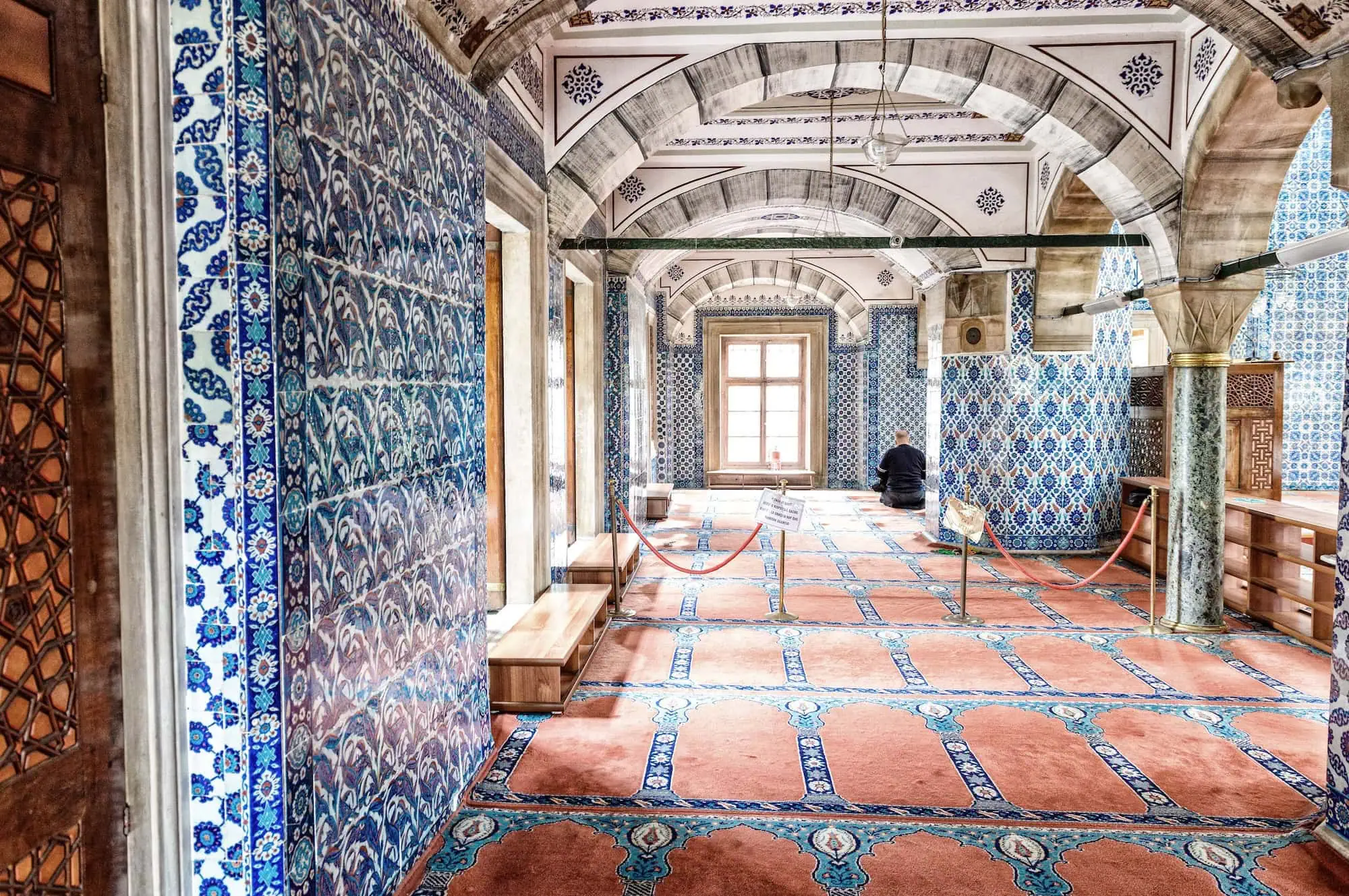
Just five minutes away, Rustem Pasha Mosque—renowned for its intricate Iznik tiles—provides a quieter, more reflective atmosphere in contrast to the lively bazaar. Nearby, the Golden Horn waterfront offers scenic walking routes and traditional fish restaurants serving fresh local cuisine.
Culinary Culture and Gastronomy
Food culture defines the Spice Bazaar experience more than simple shopping, connecting visitors with Turkey’s rich culinary heritage that spans centuries. Traditional Turkish cuisine relies heavily on the spices and ingredients found here – from the za’atar blends used in breakfast spreads to the çörek otu seeds that flavor Turkish bagels.
Understanding these connections enhances both your bazaar visit and subsequent Turkish dining experiences.
Lokum production represents one of Turkey’s most refined culinary arts, with master confectioners requiring years to perfect their craft. Premium Turkish delights use only natural flavors and avoid artificial additives, resulting in delicate textures and complex flavor profiles. Rose petals, pistachios, and citrus oils create traditional varieties, while modern innovations include chocolate, coffee, and even lavender infusions.
Turkish tea ceremony traditions come alive through the bazaar’s tea vendors, who demonstrate proper brewing techniques using traditional glass cups and double-boiler systems. Apple tea, despite its popularity with tourists, represents just one variety among dozens of herbal and fruit teas consumed throughout Turkey.
Spice Education and Usage
Knowledgeable vendors serve as informal educators, explaining traditional uses for unfamiliar spices and suggesting combinations for specific dishes. Sumac’s tartness brightens grilled vegetables and fish, while pul biber’s smokiness enhances everything from eggs to meat dishes.
Many spices also carry medicinal properties recognized in traditional Turkish herbal medicine.
Frequently Asked Questions
The bazaar operates Monday through Saturday from 8:00 am to 7:00 pm, closed on Sundays.
Budget 50-100 Turkish lira per person for quality spices and Turkish delights as souvenirs.
Yes, vendors expect polite bargaining, especially for larger purchases or multiple items from the same shop.
Some vendors offer international shipping services, though hand-carrying small quantities is usually more economical.
The Spice Bazaar specializes in food products and spices, while the Grand Bazaar focuses on textiles, jewelry, and crafts.
Avoid pre-packaged spice blends in plastic containers – fresh spices from open bins offer better quality and value.
Allow 1-2 hours for browsing and shopping, plus additional time for nearby attractions like Yeni Camii.
Ground-level access is available, though some areas have uneven stone floors that may challenge mobility devices.
Most vendors accept cash in Turkish lira, euros, and US dollars; larger shops may accept credit cards.
Visit the Spice Bazaar first as it’s smaller and provides good practice for bargaining before tackling the larger Grand Bazaar.
Most countries allow dried spices in small quantities; check specific regulations for your destination country before purchasing large amounts.

Design Your Custom Tour
Explore Egypt and Turkey your way by selecting only the attractions you want to visit