

Marrakech Attractions – An Essential Guide for Travelers
Marrakech strikes you immediately with its intoxicating blend of ancient traditions and vibrant energy. This imperial city has captivated travelers for centuries with its stunning Islamic architecture, bustling souks, and gateway location to the Sahara Desert.
From the hypnotic chaos of Jemaa el-Fnaa square to the serene beauty of Majorelle Garden, every corner tells a story of Morocco’s rich cultural heritage. Whether you’re seeking adventure in the Atlas Mountains, relaxation in a traditional hammam, or the thrill of haggling in medieval markets, Marrakech offers experiences that will stay with you long after you return home.
We’ve explored every neighborhood, tested countless riads, and navigated the labyrinthine medina to bring you this insider’s guide to the city’s most compelling attractions.
Heart of the Medina: Where Ancient Morocco Comes Alive
The UNESCO-listed medina forms Marrakech’s beating heart, a maze of narrow alleys where donkeys still transport goods and craftsmen work in shops unchanged for generations.
Jemaa el-Fnaa: The World’s Greatest Theater
Step into Jemaa el-Fnaa at sunset and witness one of the world’s most extraordinary cultural performances. Snake charmers coax cobras from wicker baskets while Berber musicians create hypnotic rhythms on traditional drums. Acrobats flip through the air as storytellers captivate crowds in Arabic and French. The transformation from daytime square to evening spectacle happens gradually, building to a crescendo as darkness falls.
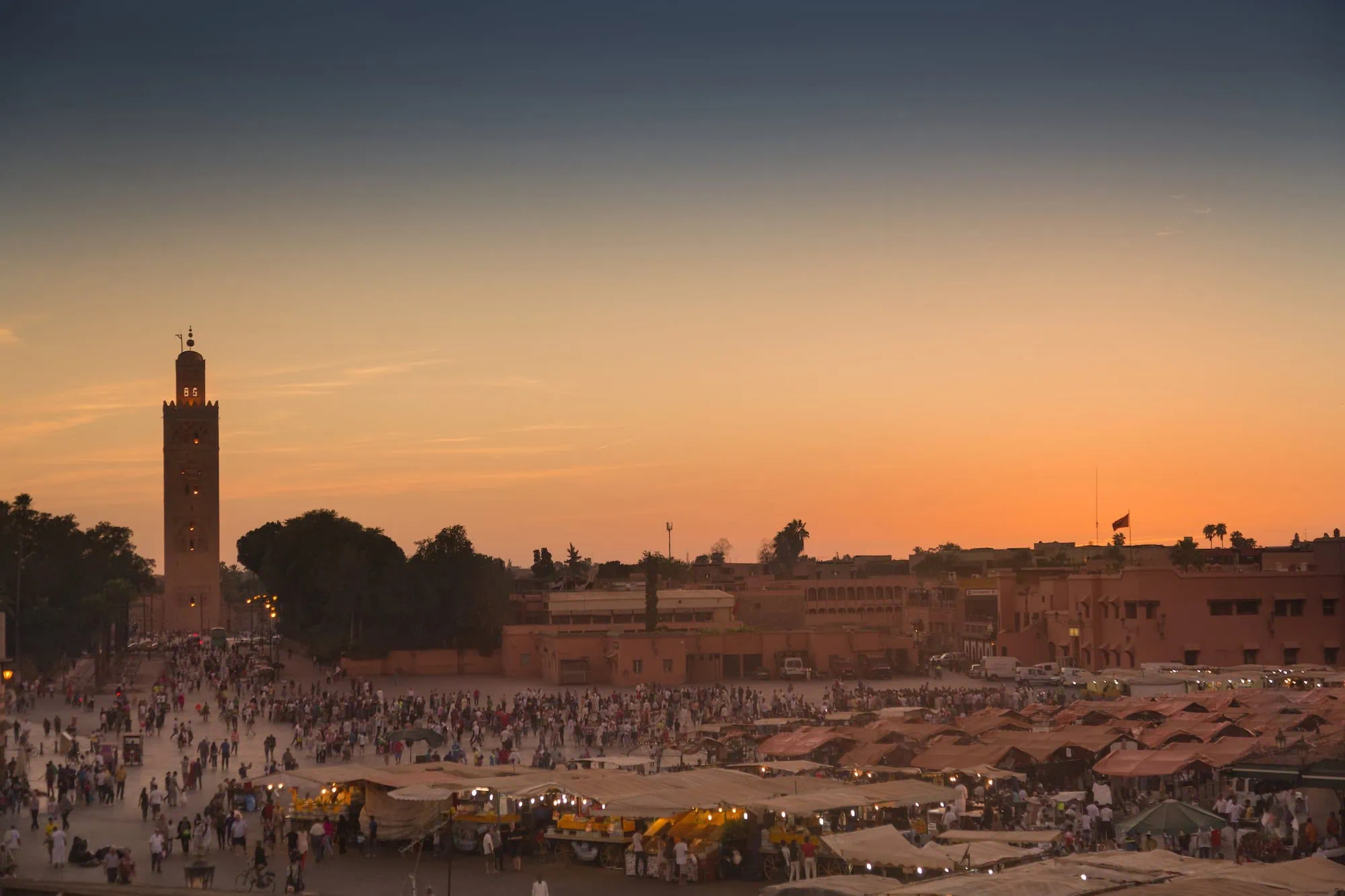
Food stalls emerge like magic, filling the air with aromatic tagines and grilled meats. Orange juice vendors compete for attention while henna artists create intricate designs on willing hands. This isn’t tourism—it’s living culture that has thrived for over 900 years.
Shopping the Historic Souks
Navigate the souks with patience and an adventurous spirit. These covered markets stretch for miles, each section specializing in different crafts. The leather souk overwhelms with the scent of tanning processes and rainbow displays of bags, shoes, and jackets. Metalworkers hammer brass and silver into lanterns that cast dancing shadows. Spice vendors create pyramids of saffron, cinnamon, and ras el hanout blend.
Haggling remains an art form here. Start by offering one-third of the asking price, then negotiate with respect and humor. Quality varies dramatically, so examine items carefully before committing. The best purchases often come from small workshops where you can watch artisans at work.
Bahia Palace: Architectural Masterpiece
Built in the late 19th century for Grand Vizier Ba Ahmed, Bahia Palace showcases the finest Moroccan craftsmanship. Intricate zellige tilework covers floors and walls in geometric patterns that seem to shift in the changing light. Hand-carved cedar ceilings display such detailed artistry that you’ll strain your neck admiring them.
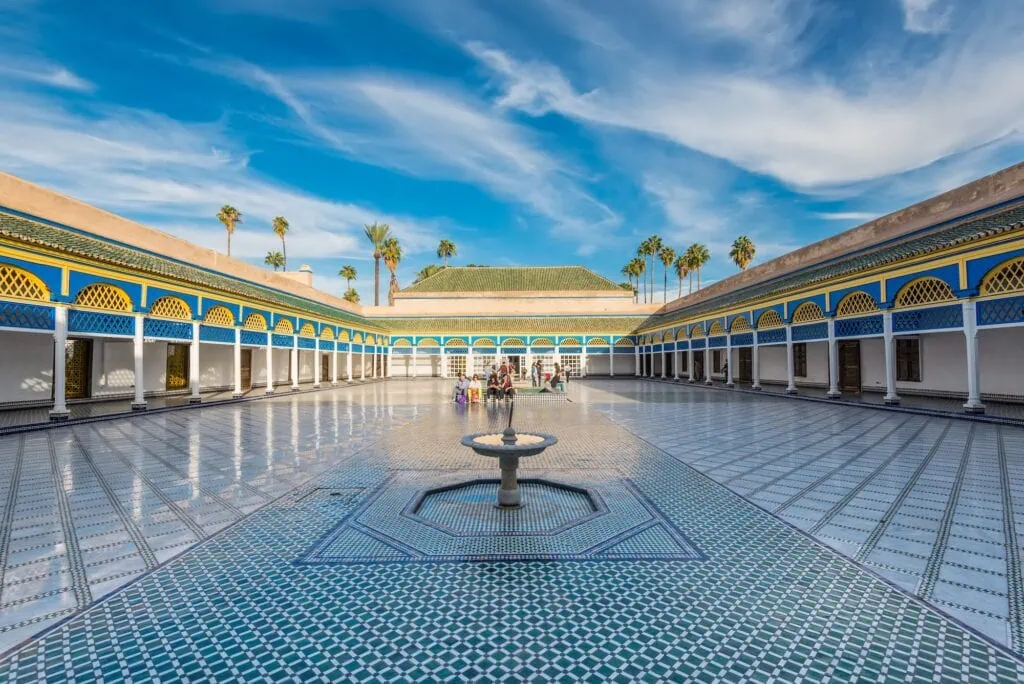
The palace consists of numerous rooms arranged around courtyards filled with orange trees and fountains. Each space demonstrates different decorative techniques, from painted wood to carved stucco. The harem quarters reveal insights into 19th-century aristocratic life, while the grand reception rooms display the wealth that once filled these halls.
Sacred Spaces and Historical Wonders
Marrakech’s religious and historical sites offer glimpses into Morocco’s Islamic heritage and imperial past, each monument telling stories of different dynasties and architectural traditions.
Saadian Tombs: Rediscovered Royal Necropolis
These 16th-century tombs lay hidden for centuries until their rediscovery in 1917 revealed some of Morocco’s finest decorative art. The Saadian dynasty spared no expense creating their final resting place, employing master craftsmen to create chambers of breathtaking beauty. Carrara marble columns support intricately carved arches while colorful tiles create patterns of mathematical precision.
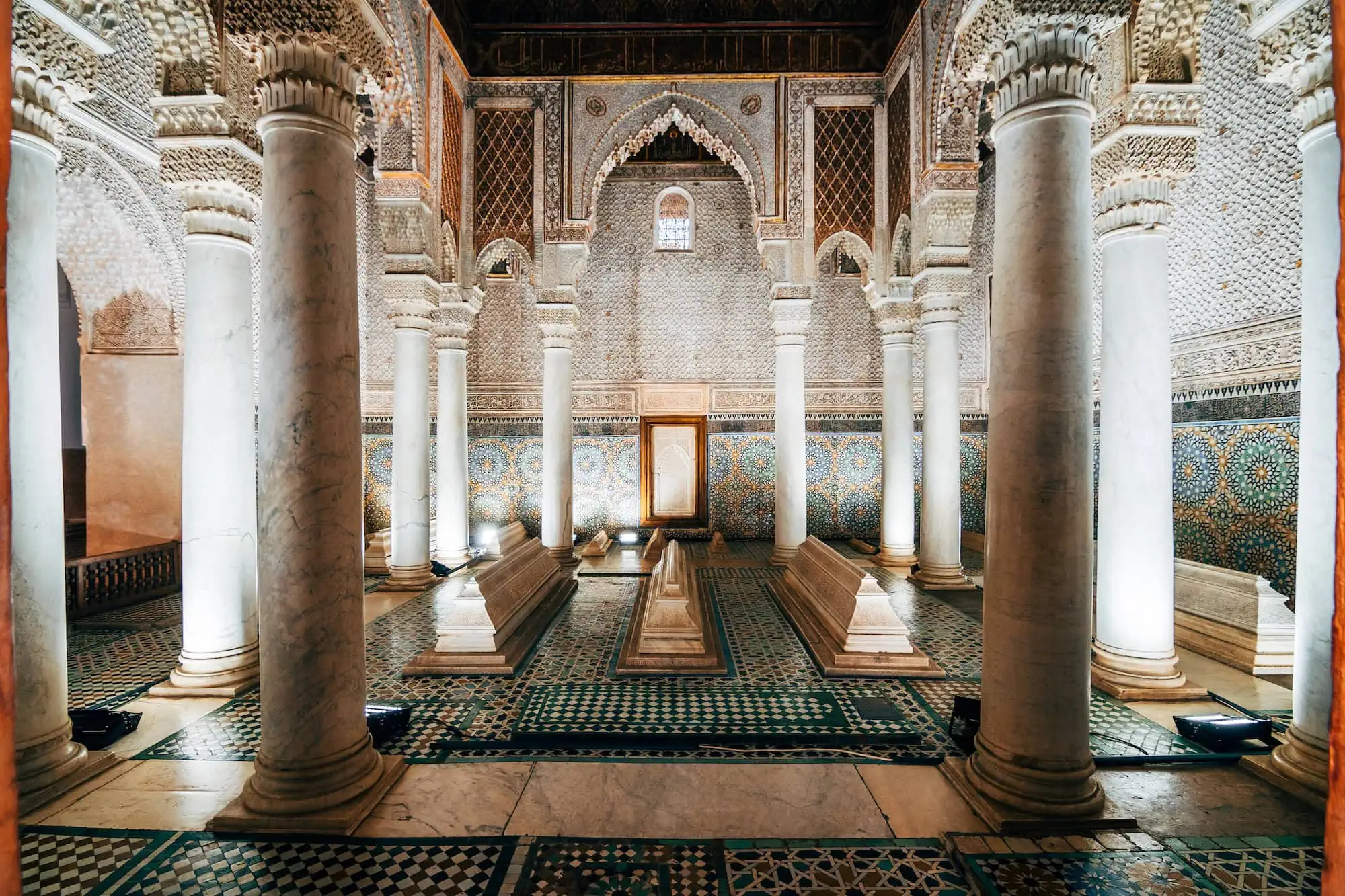
The main mausoleum houses Ahmad al-Mansur, the golden king who brought Morocco prosperity through successful military campaigns. Sixty-six members of the dynasty rest here in varying degrees of grandeur, from elaborate marble tombs to simple graves marked only by carved headstones. The contrast between the modest garden setting and the opulent interior decoration creates a profound impact on visitors.
Ben Youssef Madrasa: Medieval Learning Center
This 14th-century Islamic college once housed 900 theology students in conditions that balanced austerity with architectural beauty. The central courtyard’s marble pool reflects carved stucco walls that rise three stories high, creating a sense of intimate grandeur despite the building’s modest size.
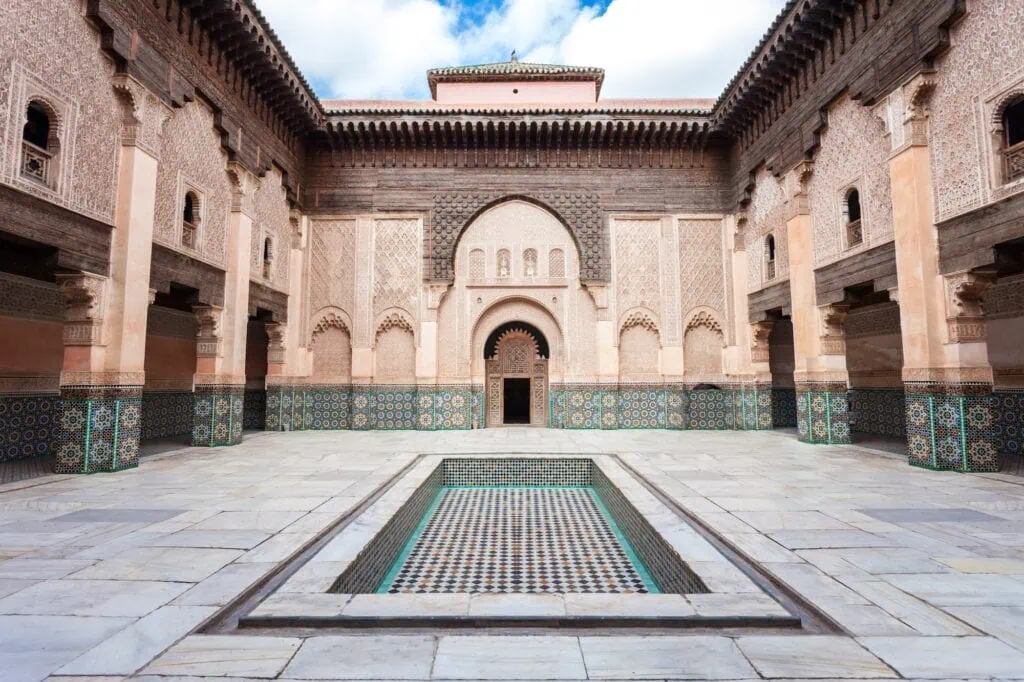
Student cells ring the upper floors, each barely large enough for sleeping and study. These cramped quarters remind visitors of the dedication required for religious education in medieval times. The prayer hall features a mihrab decorated with verses from the Quran in flowing Arabic calligraphy that demonstrates the highest levels of Islamic artistic achievement.
El Badi Palace: Ruins of Former Glory
Ahmad al-Mansur built this palace in the late 16th century using materials from around the world—Italian marble, gold from Sudan, and cedar from the Atlas Mountains. Today, only ruins remain, but they hint at magnificence that once rivaled European palaces.
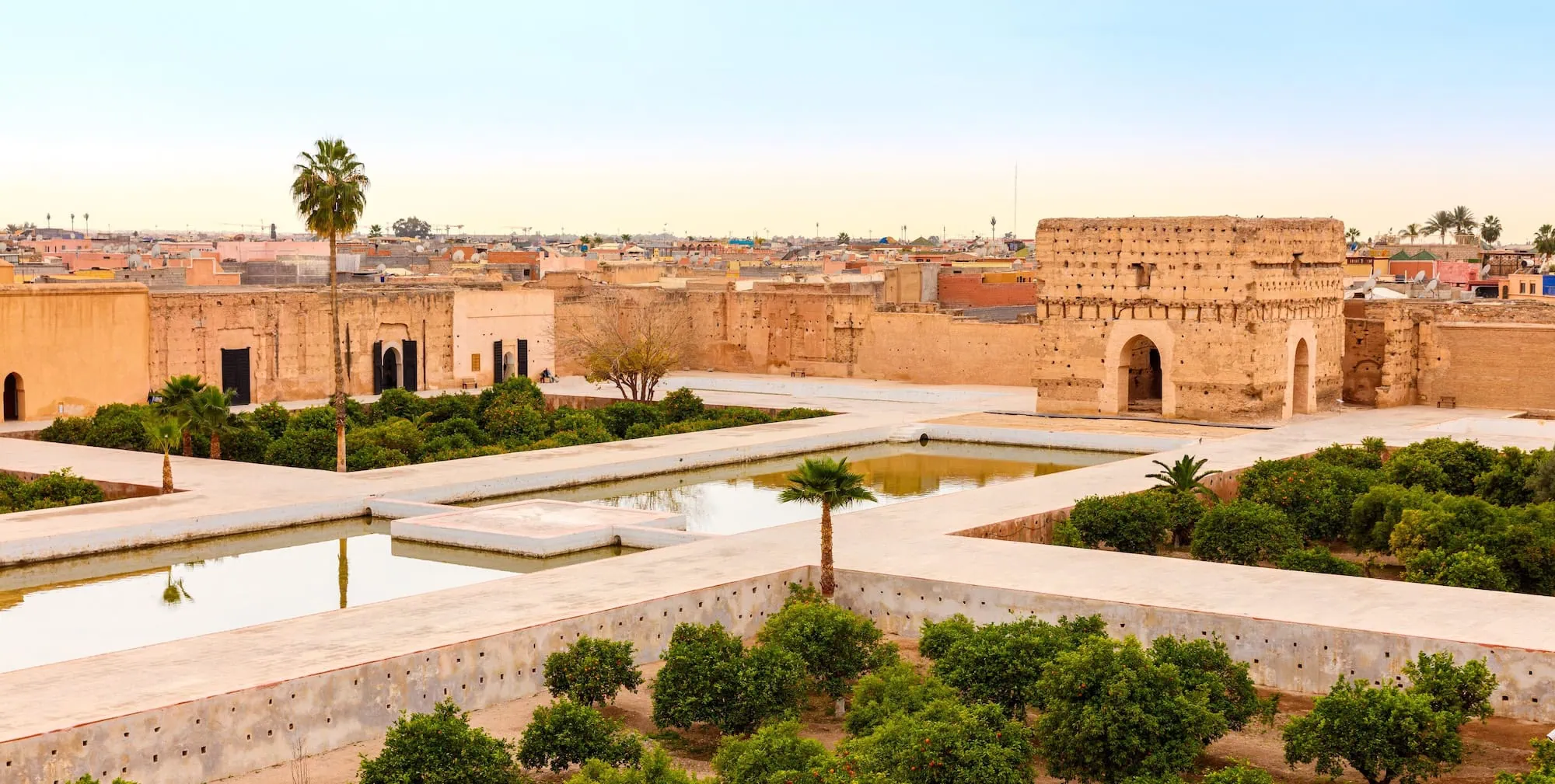
Storks nest in the remaining walls while underground passages reveal the palace’s original layout. The sunken gardens, now home to orange trees, once featured elaborate water features and rare plants from across the Moroccan empire. Local guides often exaggerate the palace’s former splendor, but archaeological evidence confirms it truly was one of the world’s architectural wonders.
Gardens and Green Sanctuaries
Majorelle Garden: Botanical Paradise
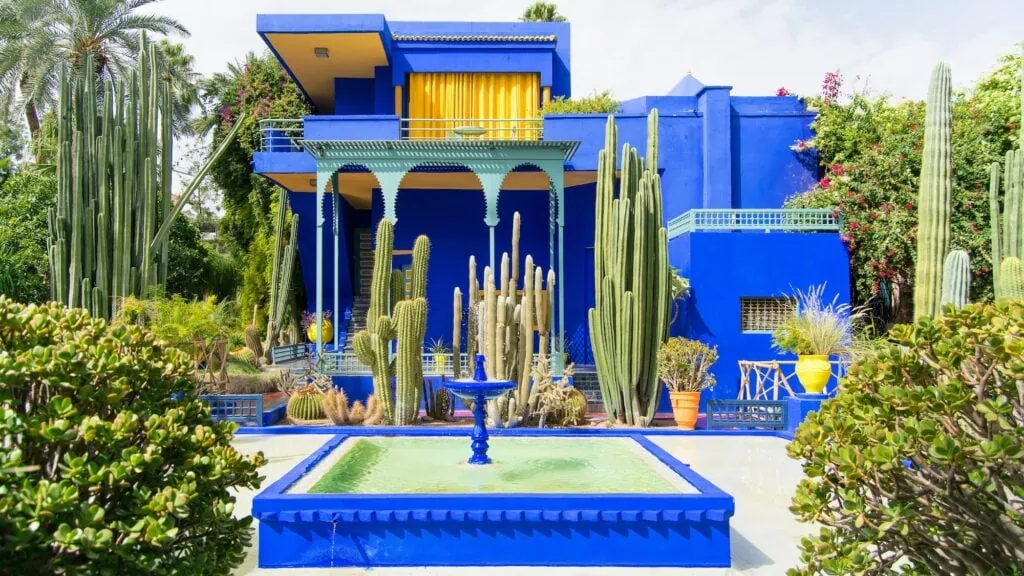
French painter Jacques Majorelle spent 40 years creating this botanical masterpiece, collecting cacti and exotic plants from around the world. The cobalt blue villa and garden structures create stunning contrasts against the diverse vegetation and clear Moroccan sky.
Yves Saint Laurent and Pierre Bergé rescued the garden from abandonment in 1980, adding the Berber Museum and expanding the plant collection. Today, visitors can explore over 300 plant species while learning about North African indigenous cultures. The memorial to Yves Saint Laurent, whose ashes were scattered here, adds emotional depth to an already moving experience.
Le Jardin Secret: Hidden Oasis
This recently restored riad garden recreates a 16th-century nobleman’s private retreat. Two distinct sections showcase different aspects of Islamic garden design—one dedicated to exotic plants and flowers, another demonstrating traditional irrigation techniques that brought desert cities to life.
The gardens employ ancient water management systems still used throughout Morocco. Visitors can climb the tower for panoramic medina views while learning about sustainable agriculture methods developed centuries ago. The contrast between the chaotic medina just beyond the walls and this serene space provides welcome respite during intensive sightseeing days.
Desert Adventures and Mountain Escapes
Marrakech serves as the launching point for Morocco’s most spectacular natural attractions, from the snow-capped Atlas Mountains to the golden dunes of the Sahara Desert.
Sahara Desert Expeditions
Three-day desert tours from Marrakech typically head to either Merzouga near the Algerian border or the closer Zagora region. The journey to Merzouga takes eight hours each way but rewards travelers with massive dunes that create the classic Sahara experience. Zagora requires less travel time but offers smaller dunes and fewer tourists.
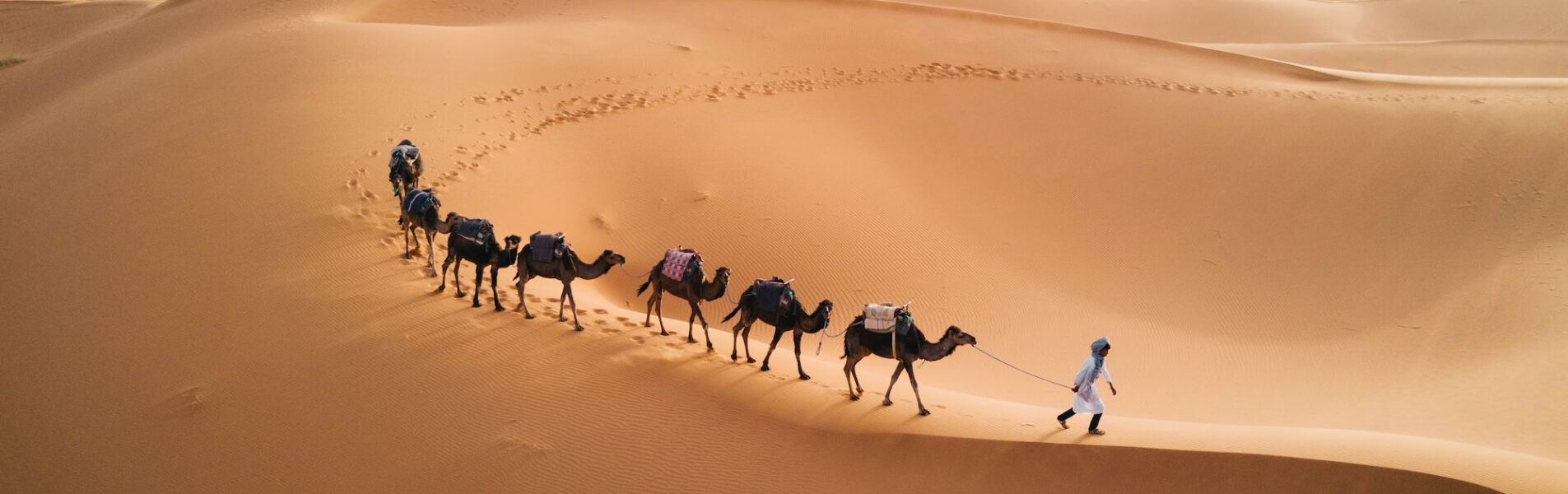
Desert camps range from basic Berber-style tents to luxury glamping facilities with private bathrooms and gourmet meals. Camel trekking at sunset remains the quintessential desert activity, though many travelers find the experience more uncomfortable than romantic. Four-wheel drive vehicles now transport most visitors to and from the dunes, with camels used primarily for short sunset rides.
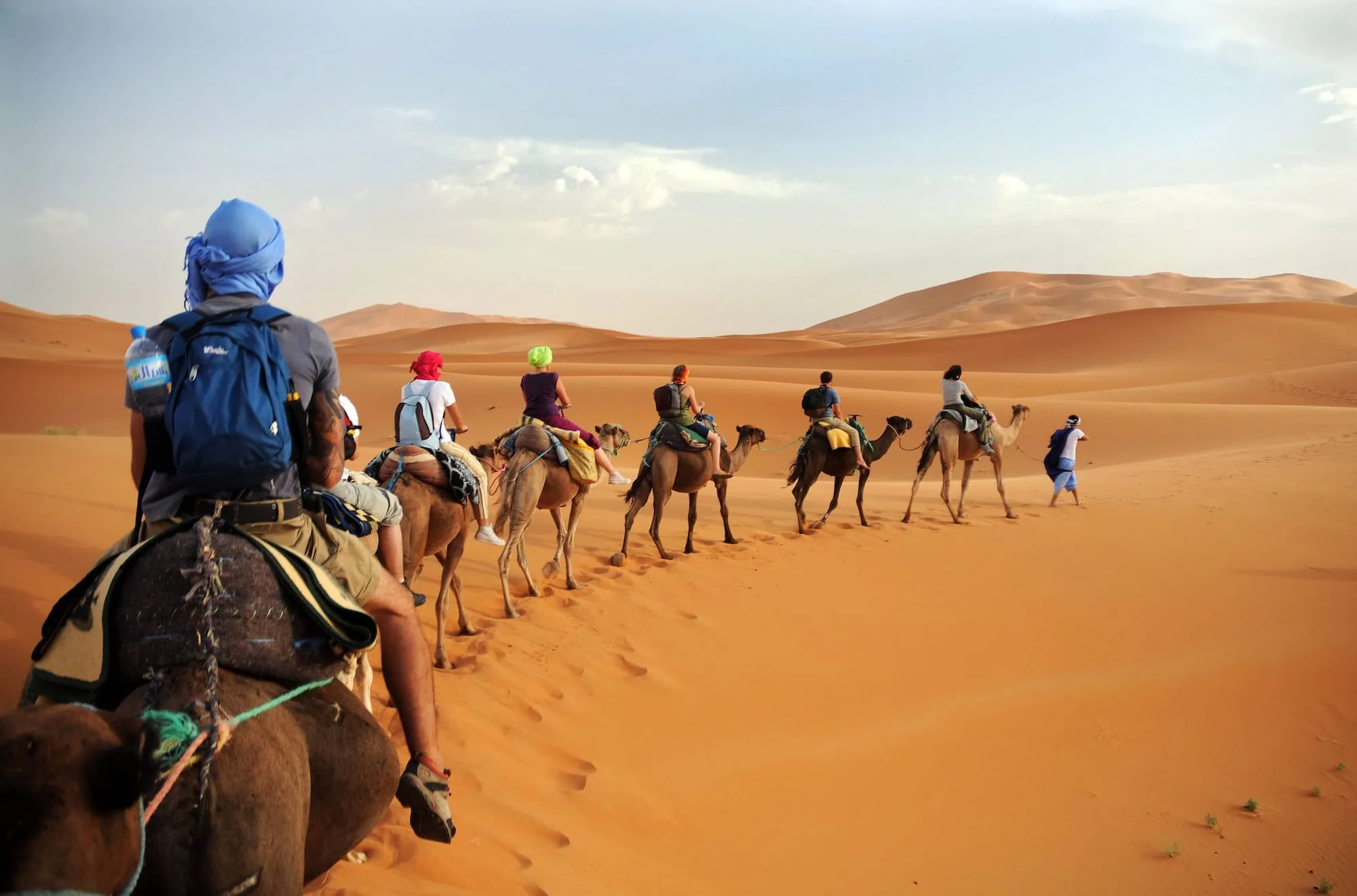
The desert sky reveals stars invisible in cities, making astronomy sessions a highlight for many travelers. Berber guides share traditional navigation techniques while explaining constellations used for desert travel for centuries.
Atlas Mountains Day Trips
The High Atlas Mountains rise dramatically just 60 km (37 miles) from Marrakech, offering snow-capped peaks, Berber villages, and hiking opportunities for all skill levels. Imlil valley serves as the base for Mount Toubkal climbs, North Africa’s highest peak at 4,167 meters (13,671 feet).
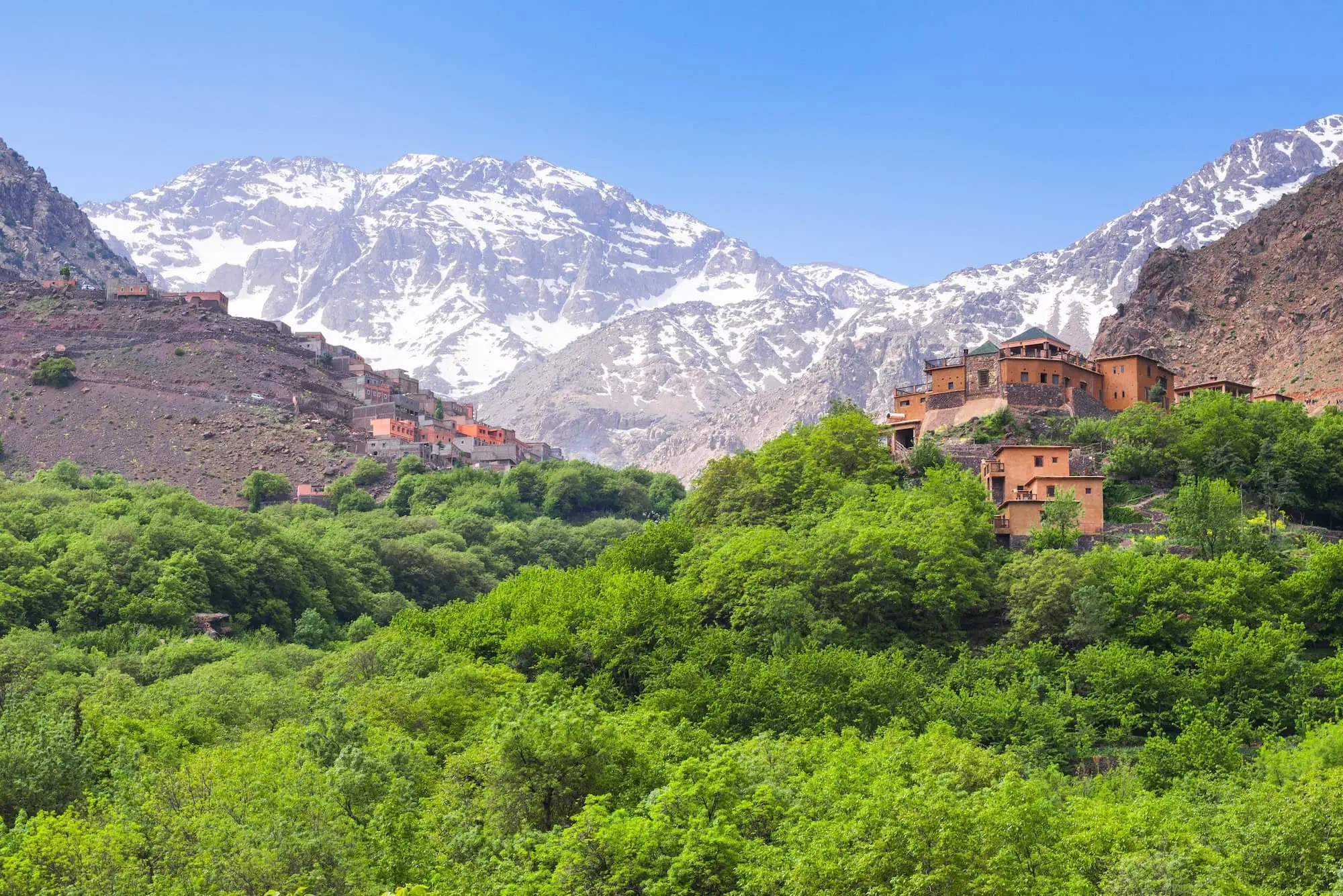
Traditional villages like Aroumd preserve Berber culture largely unchanged by modern Morocco. Families still live in stone houses heated by wood fires while cultivating terraced gardens using ancient irrigation methods. Local guides provide insights into Berber customs while ensuring respectful interactions with conservative rural communities.
Ourika Valley: Waterfalls and Villages
This popular day trip destination combines natural beauty with cultural experiences just 90 minutes from Marrakech. The Ourika River creates several waterfalls accessible by moderate hiking trails that wind through traditional villages.
Berber women demonstrate traditional carpet weaving and argan oil production in their homes, providing authentic cultural exchanges beyond typical tourist presentations. The valley’s Monday market attracts locals from surrounding mountains, creating opportunities to observe rural Moroccan life without staged performances.
Authentic Culinary Experiences
Marrakech’s food scene extends far beyond the famous Jemaa el-Fnaa food stalls to include cooking classes, market tours, and restaurants preserving traditional Moroccan cuisine.
Traditional Moroccan Cooking Classes
Learn to prepare authentic tagines, couscous, and pastries in hands-on classes that begin with market visits to select fresh ingredients. Professional chefs explain spice combinations that create Morocco’s distinctive flavors while teaching proper techniques for preparing preserved lemons, harissa paste, and other essential ingredients.
Classes typically last four to five hours and conclude with communal meals featuring your prepared dishes. Many schools focus on home-style cooking rather than restaurant presentations, providing practical skills for recreating Moroccan meals at home. Vegetarian options showcase Morocco’s extensive repertoire of plant-based dishes that extend far beyond simple tagines.
Food Tours Through Local Markets
Guided food tours navigate the medina’s maze-like food markets while sampling specialties difficult for independent travelers to find or identify. Expert guides explain ingredients, preparation methods, and cultural significance of different dishes while ensuring safe eating experiences for sensitive stomachs.
Tours often include visits to traditional bakeries where families bring their bread dough for communal ovens, spice shops with medicinal herbs, and olive vendors pressing oil using ancient methods. The emphasis on local suppliers and family businesses provides authentic insights into daily Moroccan life.
Wellness and Traditional Spa Treatments
Authentic Hammam Experiences
Traditional hammams offer intensive cleansing rituals that combine steam baths, exfoliation, and massage in experiences dating back centuries. Public hammams serve local neighborhoods and provide the most authentic experience, though language barriers and unfamiliar procedures can intimidate first-time visitors.
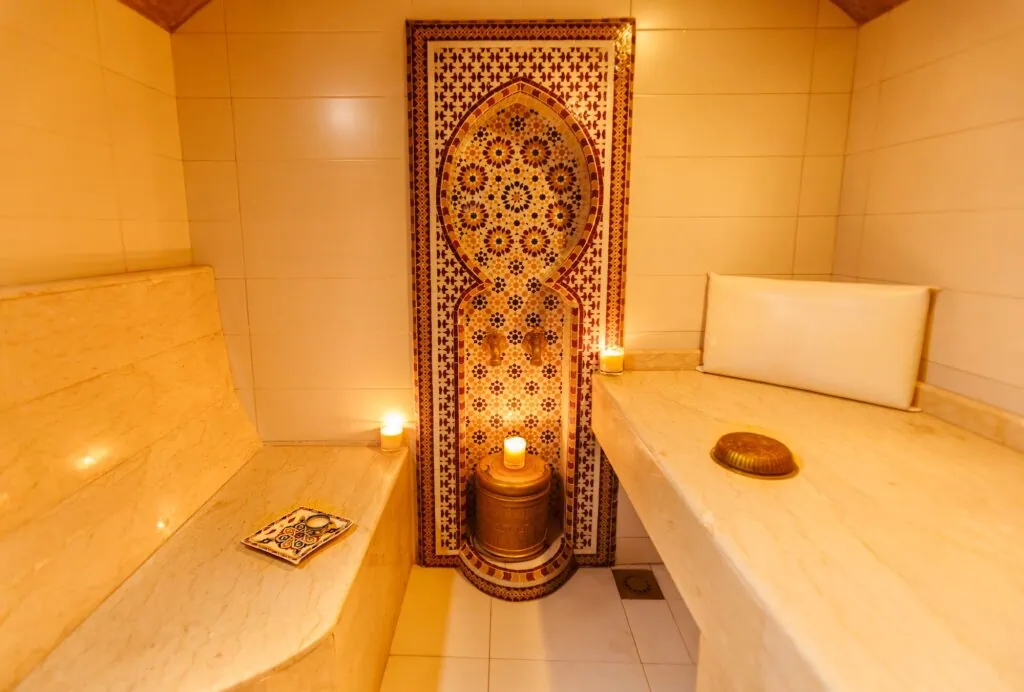
Private hammams in riads and hotels offer more comfortable introductions to these treatments while maintaining traditional techniques. The process typically involves sweating in steam rooms, vigorous scrubbing with coarse mitts, and clay mask applications that leave skin incredibly soft.
Spa Treatments with Local Ingredients
Morocco’s spa industry incorporates indigenous ingredients like argan oil, rose water from the Dades Valley, and mineral-rich clay from the Atlas Mountains. Traditional treatments blend European massage techniques with Moroccan products for unique wellness experiences.
Argan oil treatments particularly benefit from Morocco’s position as the world’s only source of this precious oil. Skilled therapists explain the oil’s production process while providing intensive moisturizing treatments perfect for skin damaged by desert sun and dry climate.
Accommodation: Staying in Traditional Riads
Riads represent Morocco’s most distinctive accommodation option, offering intimate experiences in traditional houses built around central courtyards. These restored merchant homes feature intricate tilework, carved wood details, and rooftop terraces perfect for breakfast or sunset drinks.
Choosing the Right Riad
Consider location carefully when selecting riads. Properties deep in the medina provide maximum authenticity but complicate luggage transport and navigation. Riads near major landmarks offer easier access but potentially more tourist crowds and noise.
Staff quality varies significantly between properties. The best riads provide knowledgeable concierges who can arrange tours, make restaurant reservations, and solve problems quickly. Many properties offer cooking classes, hammam treatments, and cultural activities that enhance the stay beyond simple accommodation.
Riad Hospitality and Services
Traditional Moroccan hospitality shines in well-managed riads, where staff members often become friends and cultural interpreters for guests. Welcome tea ceremonies, personal attention, and insider advice about navigating the medina create memorable experiences that large hotels cannot match.
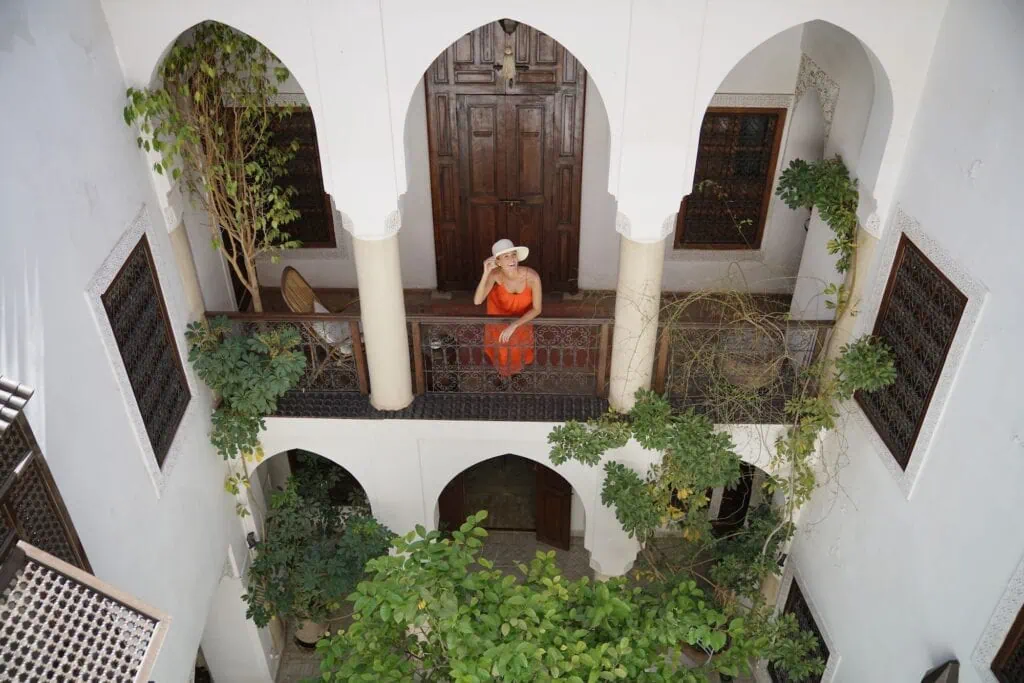
Many riads prepare meals using family recipes and fresh ingredients from local markets. These intimate dining experiences provide opportunities to sample authentic Moroccan cuisine while learning about food traditions and family customs from knowledgeable hosts.
Planning Your Marrakech Adventure
Best Times to Visit
October through April offers ideal weather conditions with mild temperatures and minimal rainfall. Winter months can be surprisingly cool, especially at night, so pack layers for temperature variations. Summer heat makes midday activities uncomfortable, though early mornings and evenings remain pleasant for exploring.
Ramadan affects opening hours and alcohol availability throughout the city. Many restaurants close during daylight hours while cultural sites may have reduced schedules. However, the evening iftar meals and festive nighttime atmosphere create unique cultural experiences for respectful travelers.
Getting Around the City
Walking remains the best method for exploring the medina, though the maze-like streets challenge even experienced travelers. Reliable taxi services connect different neighborhoods, while tourist-focused horse carriages provide scenic transportation around the modern city.
Negotiate taxi fares in advance or insist on meter usage to avoid overcharging. Many drivers speak basic English and can recommend restaurants or attractions, making them informal city guides for short journeys.
Cultural Sensitivity and Dress Codes
Modest dress shows respect for local customs and attracts less unwanted attention from persistent vendors. Long pants and covered shoulders work well for both men and women, while revealing clothing may prevent entry to religious sites.
Photography requires sensitivity, especially when capturing people in traditional dress or religious contexts. Always ask permission before photographing individuals, and respect refusals graciously. Many locals appreciate respectful tourists who show interest in their culture without intrusive behavior.
Frequently Asked Questions
Four to five days allow adequate time for major attractions, with additional days for desert or mountain excursions.
Yes, violent crime against tourists is rare, though petty theft and persistent vendors require basic precautions.
Banks and official exchange offices offer better rates than hotels or street vendors, with ATMs widely available.
Advanced booking ensures better vehicles and accommodations, especially during peak travel seasons from October to April.
10-15% at restaurants, 20-50 dirhams for tour guides, and small change for helpful service providers.
Yes, licensed restaurants and hotels serve alcohol, though public consumption is prohibited and selection is limited.
Argan oil, traditional carpets, leather goods, and silver jewelry offer good value, while avoiding obviously mass-produced items.
Not required, but knowledgeable guides provide cultural context and help navigate the complex street layout efficiently.
Use landmarks like minarets and main gates for navigation, carry hotel business cards, and download offline maps.
Both spellings are correct—Marrakech is French colonial spelling, while Marrakesh follows English transliteration conventions.
Yes, haggling is cultural tradition in souks and markets, though fixed prices apply in modern shops and restaurants.
No special vaccinations required for most travelers, though hepatitis A and typhoid may be recommended for extended stays.
Design Your Custom Tour
Explore Egypt & Morocco your way by selecting only the attractions you want to visit