

Museum of Mouassine Douiria Derb el Hammam – A Rediscovered Gem
A 16th-century douiria emerges from layers of plaster.
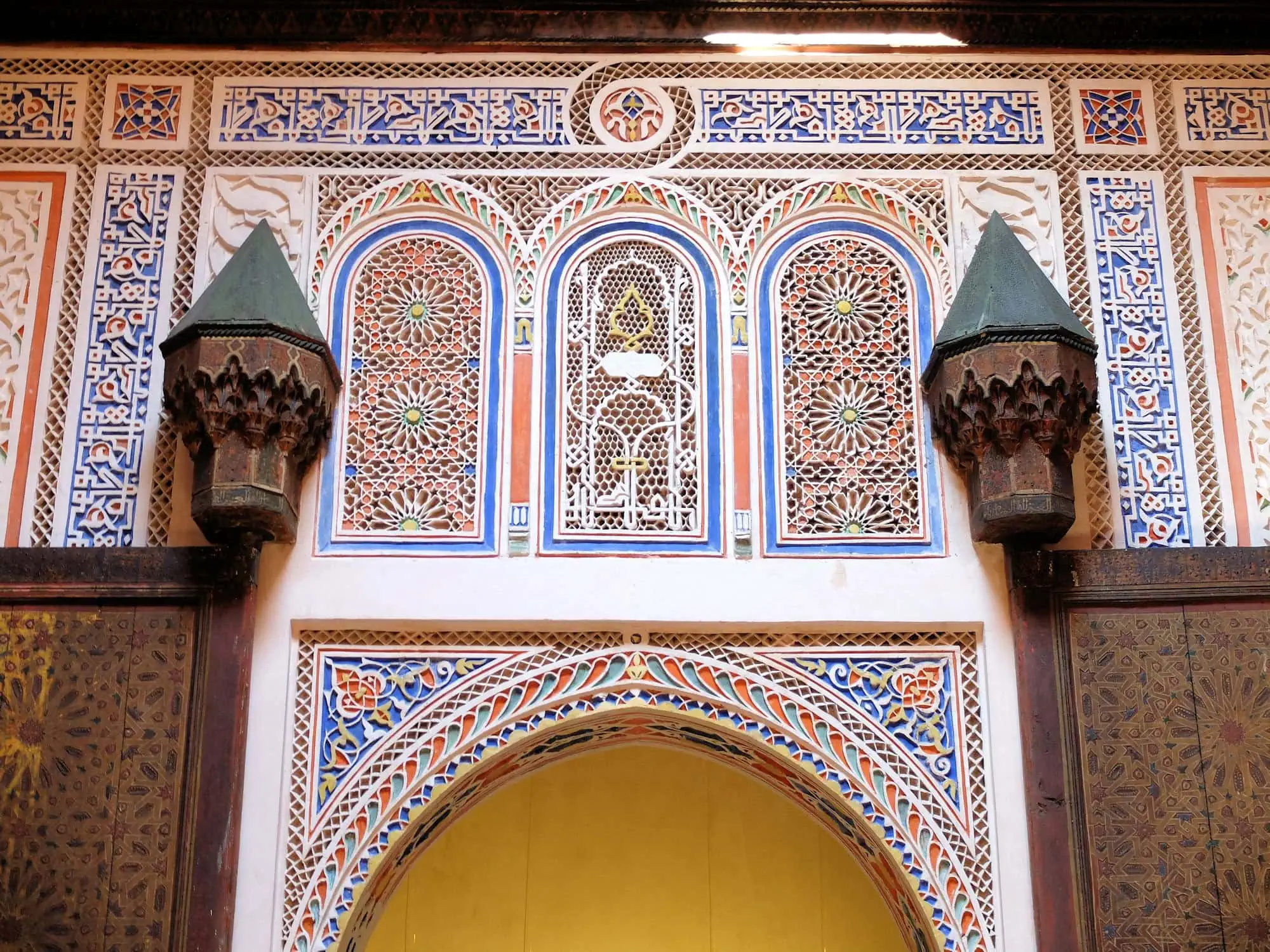
This is far more than just another museum in Marrakech’s bustling medina. The Museum of Mouassine stands out as one of Morocco’s most intimate cultural treasures, where a meticulous restoration has revealed what many consider the finest surviving example of domestic Saadian architecture.
The Mouassine Douiria Museum can be included in our Egypt and Morocco Tours, where Morocco’s hidden cultural gems are combined with its iconic cities and Egypt’s ancient wonders for a rich and immersive journey.
Each space reflects Morocco’s golden age, when elegant residences like this hosted guests with exceptional hospitality. Today, visitors can experience that same atmosphere—enhanced by traditional music performances held within rooms once reserved for nobility.
For those looking to go beyond the typical tourist path, this museum offers a refined and authentic cultural experience in the heart of Marrakech.
The Extraordinary Discovery Behind Museum
Patrick Manac’h could never have imagined what lay beneath decades of white plaster when he first encountered this crumbling structure on Derb el Hammam. What began as a simple guesthouse restoration project evolved into one of Marrakech’s most significant archaeological discoveries. The French curator’s meticulous work revealed stunning original decorations that had remained hidden since the decline of the Saadian dynasty.
Restoration required extraordinary patience. Traditional craftsmen spent years painstakingly uncovering each layer of stucco decoration, using techniques passed down through generations. The vibrant symphony of colors gradually emerged—verdigris and apricot hues dancing alongside intricate Kufic script that had not seen daylight for centuries.
Saadian Architecture at Its Finest
The building represents domestic architecture from Morocco’s most prosperous era. Unlike the grand palaces that dominated Saadian royal construction, this douiria showcases intimate residential design where wealthy families entertained distinguished guests. Every element follows classical proportions established during the reign of Moulay Abdallah al-Ghalib.
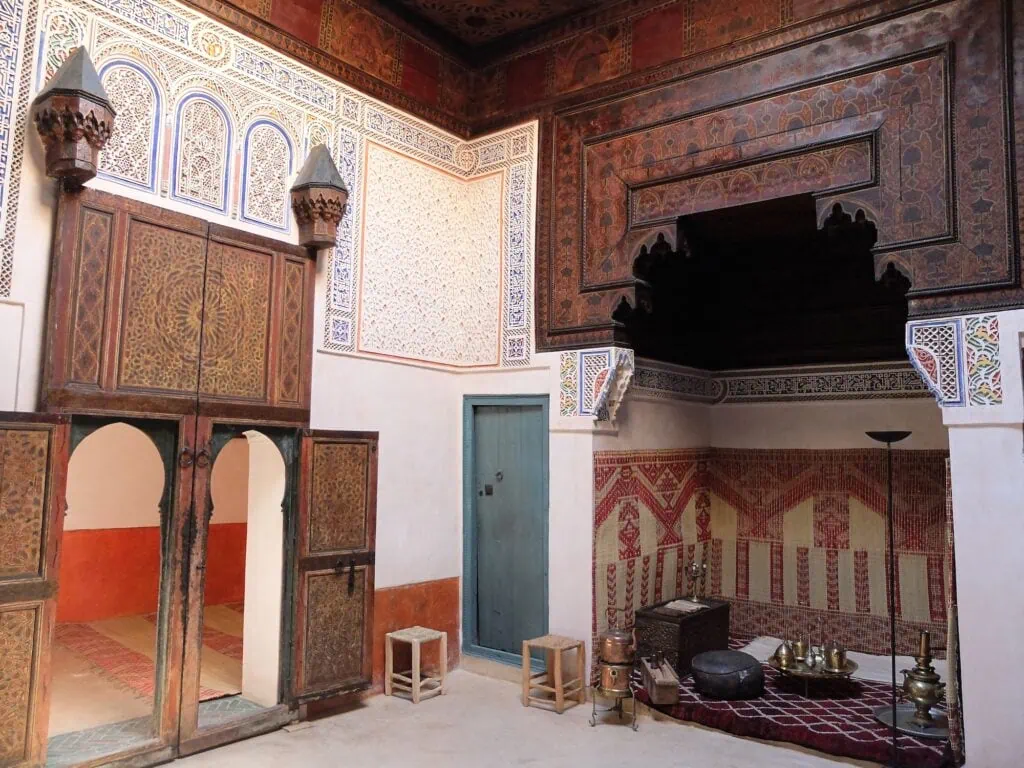
Carved cedar woodwork frames doorways leading between reception rooms. Geometric patterns cover surfaces with mathematical precision that reflects Islamic artistic principles. The central courtyard follows traditional Moroccan design where families gathered during cooler evening hours.
Preserving Authenticity Through Expert Collaboration
Hamid Mergani and other restoration experts worked alongside Louvre Museum curators to ensure historical accuracy. Xavier Salmon provided guidance on color preservation techniques that maintain the building’s 16th-century appearance. Each pigment required careful analysis before restoration work could proceed.
Traditional materials remained essential throughout the process. Local artisans mixed pigments using methods unchanged since Saadian times. The result preserves not just visual beauty but authentic construction techniques that connect visitors directly to Morocco’s architectural heritage.
Musical Heritage Within Historic Walls
The Museum of Mouassine functions as Morocco’s premier venue for traditional music preservation. Concert performances transport visitors through centuries of Moroccan musical traditions, from Arab-Andalusian melodies to Amazigh rhythms that predate Islamic conquest. The acoustics of these historic chambers enhance every note with remarkable clarity.
Permanent exhibitions showcase musical instruments that tell Morocco’s cultural story. Gnawa castanets sit alongside Jewish musical traditions that flourished in the Mouassine quarter before the 20th century. Interactive displays allow visitors to experience the diversity of Moroccan musical heritage firsthand.
Live performances occur regularly throughout the week. Traditional ensembles perform in intimate settings where audience members can appreciate subtle musical nuances often lost in larger venues. The building’s original architecture creates natural acoustics that enhance every performance without modern amplification.
Exploring the Douiria Experience
Architectural Marvel Room by Room
Each chamber reveals distinct decorative themes that reflect different aspects of Moroccan aristocratic life. The main reception room features the building’s most elaborate stucco work, where noble families once received important guests. Pompejiansk red accents complement geometric patterns that create visual harmony throughout the space.
Private family quarters demonstrate how wealthy Marrakech residents lived during the Saadian golden age. Sleeping chambers retain original woodwork that showcases master craftsmanship. Small alcoves provided storage for personal belongings while maintaining the elegant proportions essential to Islamic residential design.
The Rooftop Terrace Experience
Visitors can access a belvedere terrace offering panoramic views across Marrakech’s medina. Atlas Mountains create a dramatic backdrop that changes throughout the day as light conditions shift. This elevated perspective allows photography enthusiasts to capture the museum within its broader urban context.
The rooftop café serves traditional Moroccan refreshments in a relaxed atmosphere. Mint tea and pastries provide perfect accompaniment to views over the Mouassine district. Early morning visits offer the best lighting conditions for photography while avoiding midday crowds.
Practical Information for Your Visit
Museum of Mouassine maintains intimate visitor capacity with maximum 25 people allowed simultaneously. This limitation ensures everyone can fully appreciate the detailed decorations and acoustic qualities that make this venue special. We recommend booking advance reservations during peak tourist seasons.
Operating hours run from 10:00 am to 6:00 pm (10:00-18:00) daily except Tuesdays when the museum closes for maintenance. Entrance fees cost 30 dirhams for adults with reduced prices available for students and children. The museum accepts both cash payments and major credit cards.
Getting There and What to Expect
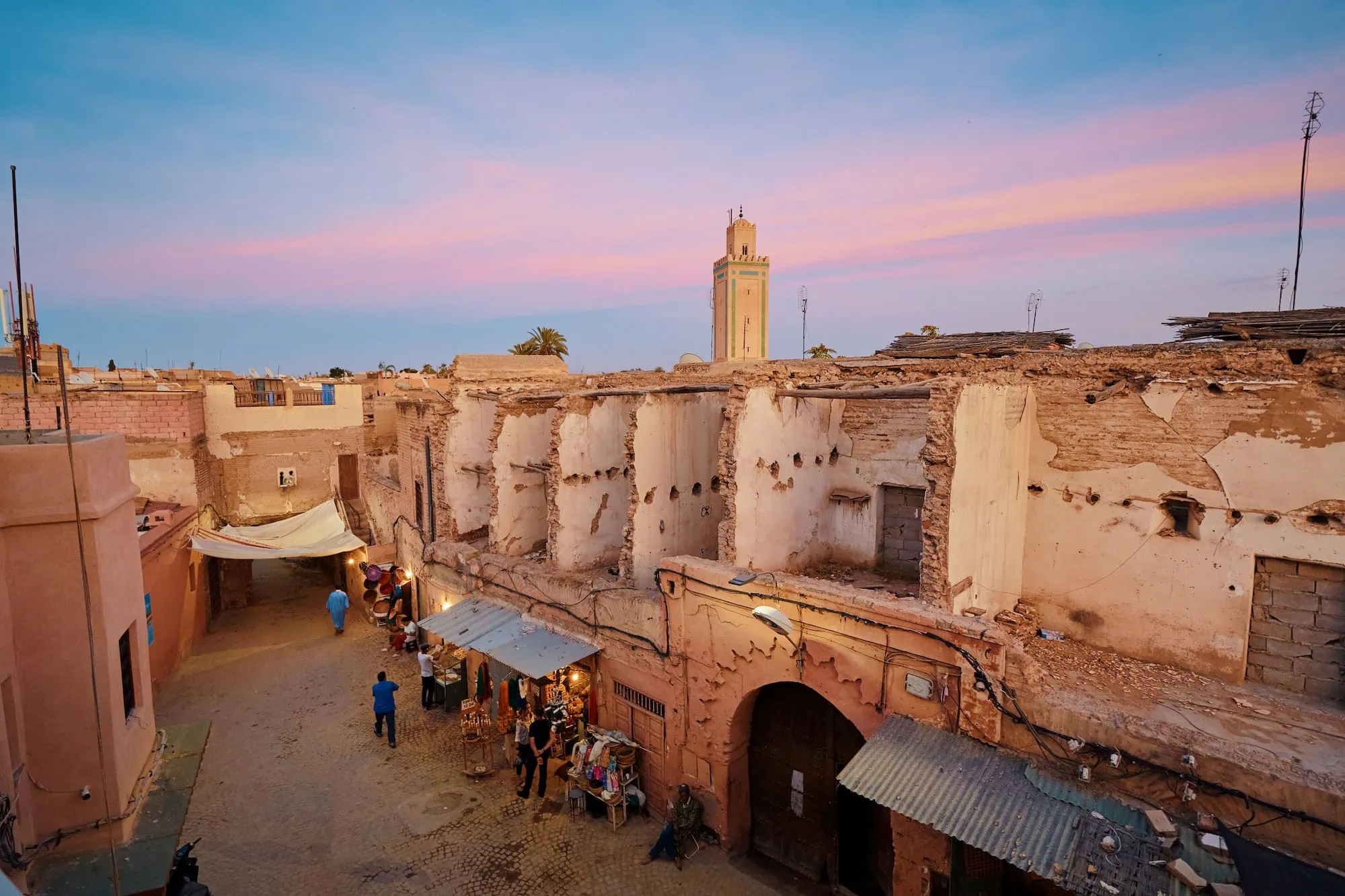
Located at 5 Derb El Hammam in the heart of the Mouassine quarter, the museum sits within easy walking distance of major medina landmarks. Rue Mouassine provides the most direct access route from central Marrakech. Traditional medina navigation can prove challenging, so we suggest allowing extra travel time for first-time visitors.
Typical visits last under one hour, though music enthusiasts often spend considerably longer exploring the instrument collections and attending performances. The building’s historic nature means narrow doorways and uneven surfaces throughout. Comfortable walking shoes are essential for navigating traditional Moroccan architecture.
Audio guides are available in multiple languages including English, French, and Arabic. These provide detailed explanations of restoration techniques and historical context that enhance visitor understanding. Photography is permitted in most areas, though flash photography is discouraged to preserve delicate decorative elements.
Cultural Significance Within Marrakech’s Museum Landscape
The Museum of Mouassine ranks #11 among Marrakech’s 315 cultural attractions on major travel platforms. This positioning reflects its unique combination of architectural significance and musical programming that distinguishes it from larger, more commercial venues. Visitors consistently praise the authentic atmosphere that transports them beyond typical tourist experiences.
Unlike the crowded conditions common at major attractions, this intimate venue allows genuine appreciation of Saadian craftsmanship. The personal project origins ensure attention to detail that larger institutions cannot match. Every element reflects passionate dedication to preserving Morocco’s cultural heritage.
The museum contributes significantly to understanding how wealthy families lived during Morocco’s golden age. Historical documentation combined with physical preservation creates educational opportunities unavailable elsewhere in Marrakech. Academic researchers frequently visit to study restoration techniques and architectural details.
Beyond the Museum: Exploring Mouassine Quarter
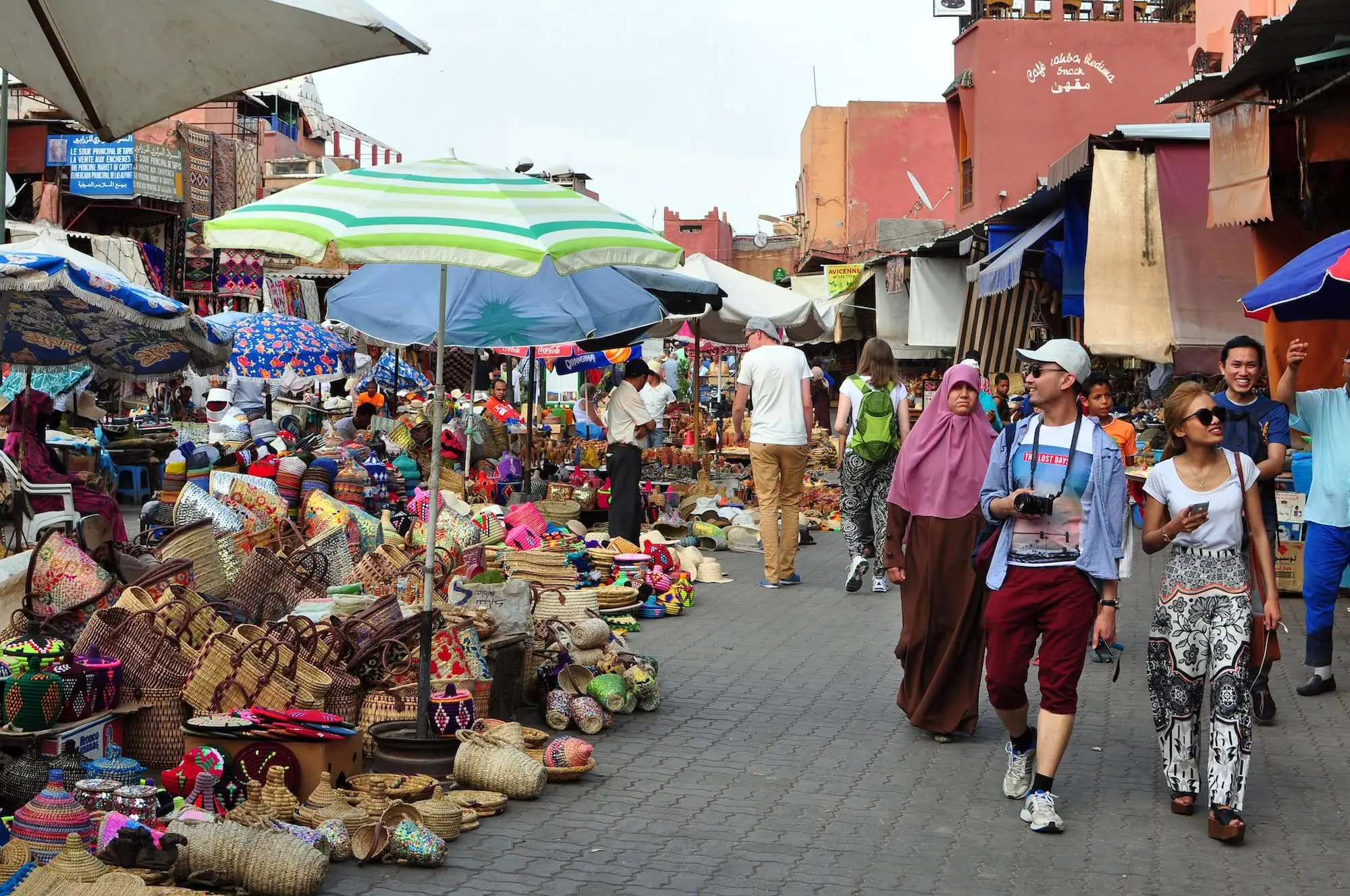
The surrounding Mouassine district offers additional cultural attractions that complement your museum visit. Traditional markets sell authentic Moroccan crafts using techniques similar to those displayed in the museum. Local artisan workshops demonstrate contemporary applications of historical methods.
The Mouassine Fountain, a few minutes’ walk from the museum, represents important Islamic urban planning from the Saadian era. Traditional neighborhood cafés provide opportunities to experience local culture while reflecting on your museum experience. Street vendors offer fresh mint tea and local specialties that connect visitors to contemporary Moroccan life.
Historic hammams in the area maintain traditional bathing customs that date back centuries. These provide authentic cultural experiences that enhance understanding of how Moroccan families lived in residences like the restored douiria. Several offer tourist-friendly services while maintaining traditional architectural features.
Frequently Asked Questions
A restored 16th-century Saadian house showcasing traditional Moroccan architecture.
Most visitors spend 45-60 minutes exploring the architectural treasures.
It offers the finest surviving example of domestic Saadian architecture.
Yes, audio guides are provided in multiple languages.
Patrick Manac’h completed the meticulous restoration in recent years.
Traditional music concerts occur regularly featuring Moroccan musical traditions.
Yes, though historic architecture requires adult supervision.
Adult admission costs 30 dirhams with student discounts available.
The rooftop café serves traditional Moroccan refreshments with panoramic views.
Located at 5 Derb El Hammam off Rue Mouassine in the medina.
Design Your Custom Tour
Explore Egypt & Morocco your way by selecting only the attractions you want to visit