

What to Pack for Jordan
Jordan surprises newcomers with its stunning contrasts.
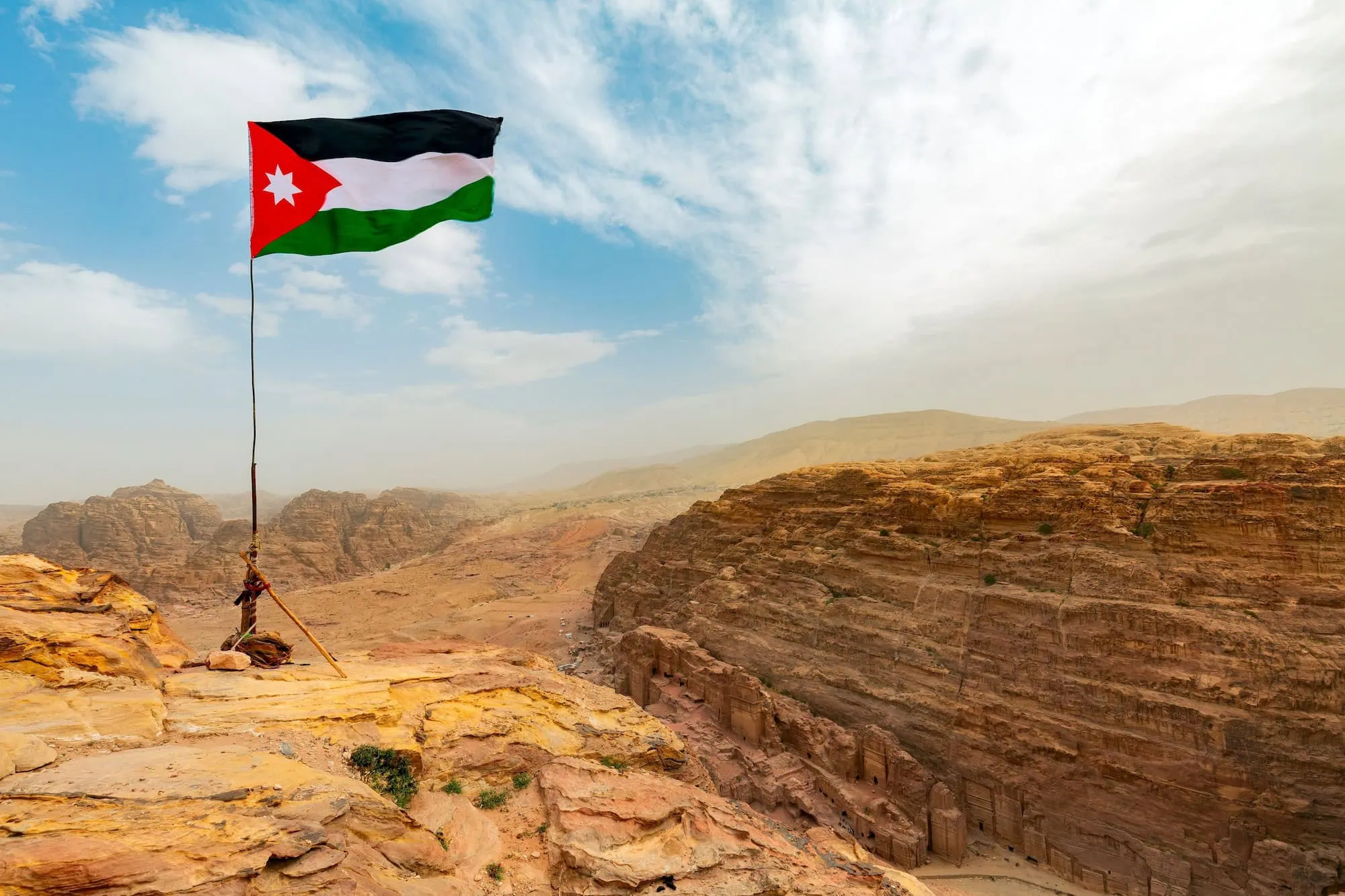
This Middle Eastern kingdom combines ancient Petra with modern Amman, vast desert landscapes with lush valleys, and deeply rooted traditions with contemporary hospitality. Whether you’re planning to float in the Dead Sea, explore the red sands of Wadi Rum, or navigate the ancient city of Petra, packing correctly makes the difference between a smooth adventure and unnecessary struggles. This comprehensive guide covers everything from essential documents to climate-specific gear, ensuring you’re prepared for Jordan’s unique environment and cultural expectations.
We’ve organized this information based on years of helping travelers navigate Jordan’s diverse destinations and seasonal variations.
Table of Contents
Core Documents and Travel Essentials
Your passport serves as your primary identification throughout Jordan and must remain valid for at least six months beyond your planned departure date. US travelers can obtain a visa on arrival at Queen Alia International Airport for approximately $56 USD, while Europeans typically receive the same treatment with similar fees. Latin American visitors should check specific requirements as some countries may need advance visa applications through Jordanian embassies.
Travel Insurance and Health
Travel insurance becomes particularly valuable in Jordan due to the physical nature of many activities. Petra involves extensive walking on uneven terrain, while desert excursions can present unexpected challenges. Choose coverage that includes emergency evacuation, as medical facilities in remote areas may require transport to Amman for serious conditions.
Keep digital and physical copies of insurance documents, vaccination records, and emergency contact information. Jordan doesn’t require specific vaccinations for most travelers, but hepatitis A and typhoid recommendations apply for those venturing beyond major cities.
Financial Preparations
ATMs operate throughout Jordan’s cities, but rural areas like Wadi Rum and smaller villages around Petra may have limited access. Bring multiple payment methods including cash in Jordanian dinars, US dollars (widely accepted), and international cards. Many restaurants and shops in tourist areas accept credit cards, though small vendors prefer cash transactions.
Climate-Appropriate Clothing Strategy
Jordan’s desert climate creates extreme temperature variations between day and night, particularly during winter months when daytime warmth gives way to surprisingly cold evenings. Your clothing choices must balance cultural sensitivity with practical protection from intense sun and temperature swings.
Essential Sun Protection
Sunscreen with SPF 30 or higher becomes non-negotiable in Jordan’s desert environment. The combination of high altitude in some areas and reflective sand surfaces intensifies UV exposure beyond what most travelers expect. Apply generously and reapply frequently, especially during extended outdoor activities.
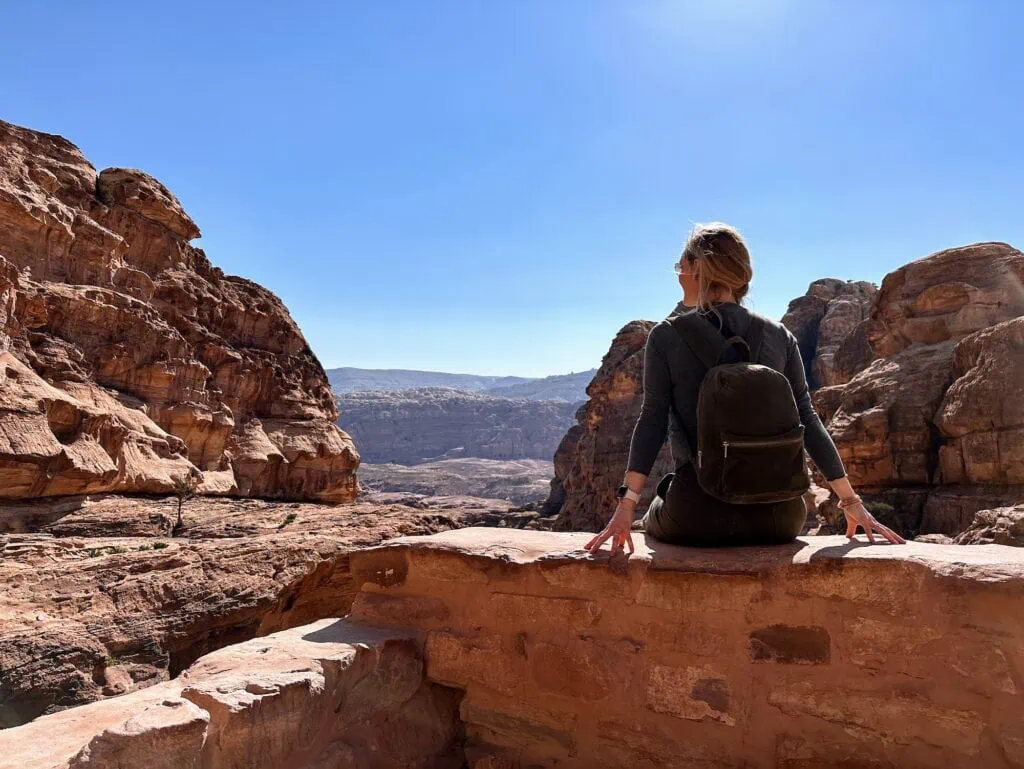
Wide-brimmed hats provide crucial protection for face and neck areas that sunscreen alone cannot adequately shield. Choose breathable materials that won’t become uncomfortable during long walking sessions through Petra or desert camps.
Quality sunglasses protect against both UV rays and wind-blown sand. Wraparound styles offer superior coverage, particularly useful during camel rides or open-vehicle desert tours where sand particles can irritate eyes.
Modest Clothing for Culture
Long pants and long-sleeved shirts form the foundation of appropriate dress throughout Jordan. This conservative Muslim country appreciates visitors who respect local customs, and covering arms and legs opens doors to more authentic cultural interactions. Lightweight, breathable fabrics like cotton or linen keep you comfortable while maintaining modesty.
A versatile scarf or shawl serves multiple purposes – covering shoulders when entering mosques, protecting neck and head from sun, and providing warmth during cool evenings. Women particularly benefit from having a lightweight head covering available for religious sites.
Footwear for Diverse Terrain
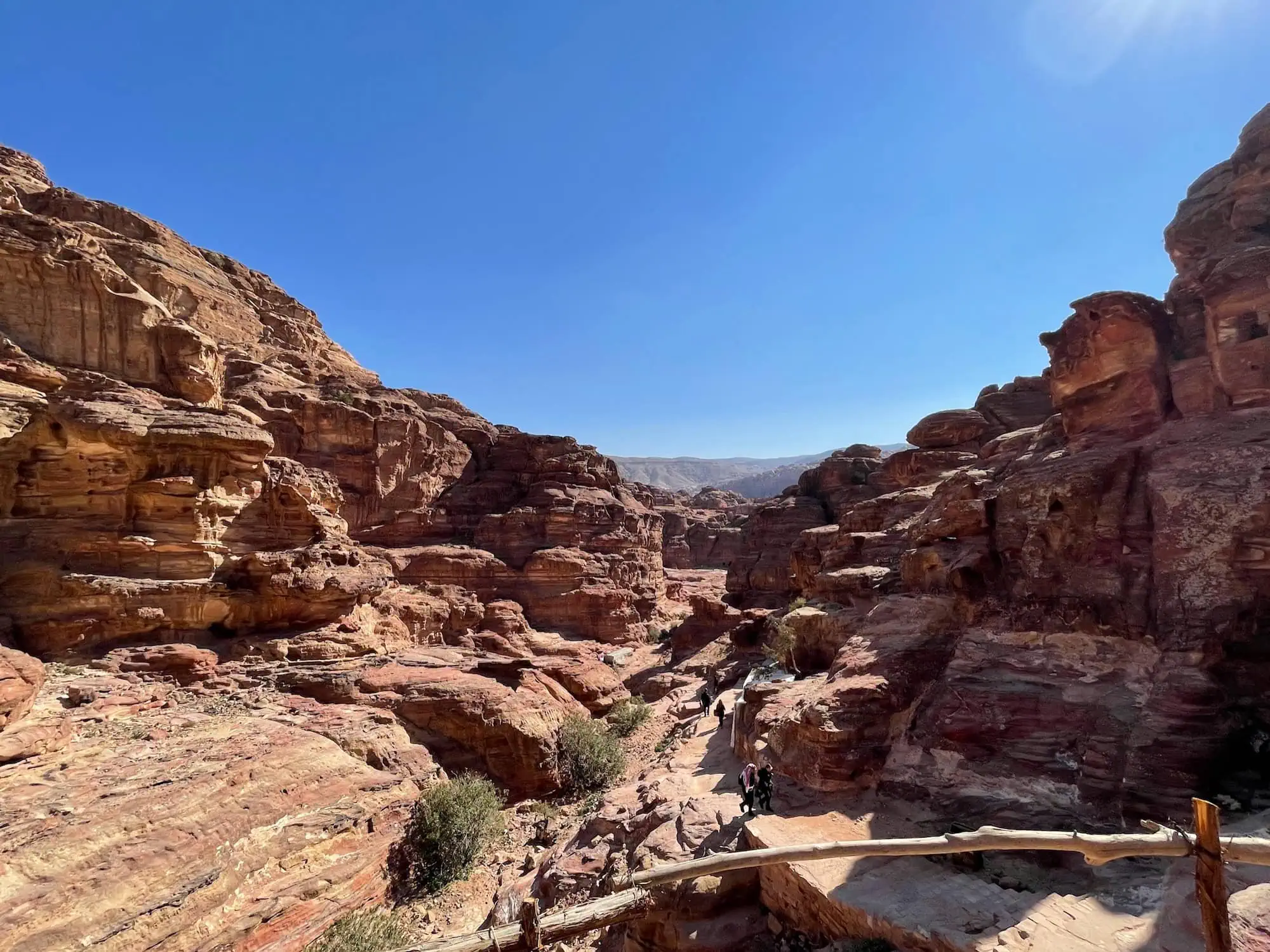
Quality hiking boots or sturdy walking shoes rank as your most important gear investment for Jordan. Petra’s ancient pathways include uneven stones, steep climbs, and sandy sections that challenge inadequate footwear. Choose boots with good ankle support and grip suitable for both rocky surfaces and loose sand.
Comfortable sandals provide relief after long days of walking and work well for casual exploration of cities like Amman or Aqaba. Ensure they have secure straps and reasonable support for extended walking on paved surfaces.
Water Shoes for Dead Sea
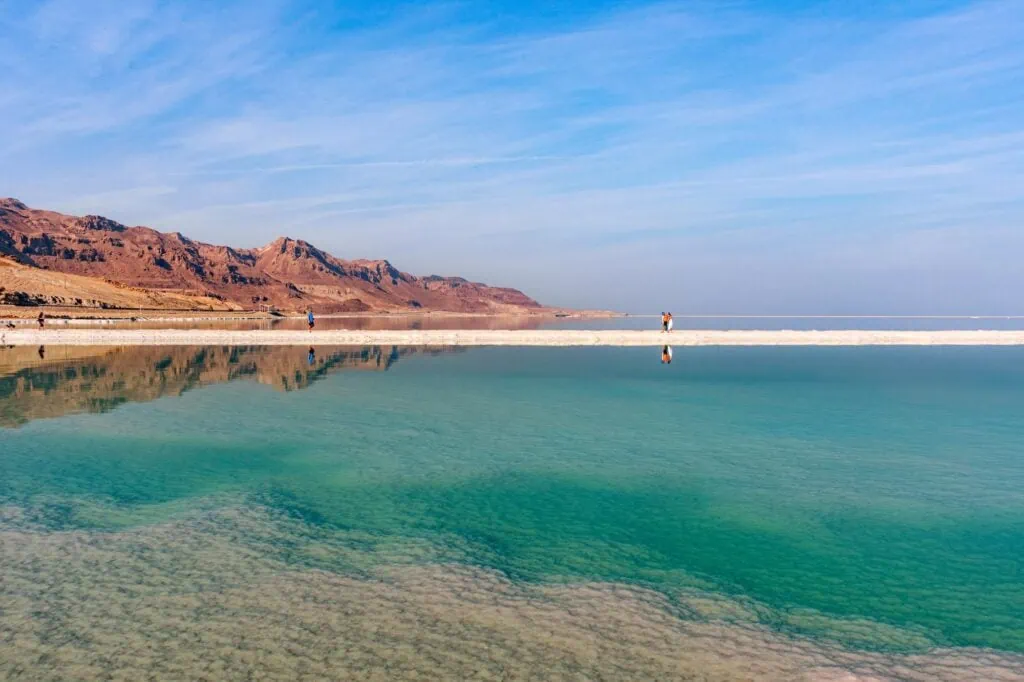
The Dead Sea’s unique mineral content can irritate feet, making water shoes valuable for comfortable entry and exit. The shoreline often contains sharp salt crystals that can cut bare feet, while water shoes provide protection and better grip on slippery surfaces.
Pack lightweight, quick-drying styles that won’t add bulk to your luggage but enhance comfort during this once-in-a-lifetime experience.
Technology and Power Management
Jordan uses Type F and Type G electrical outlets, requiring appropriate adapters for US and European devices. Bring a universal adapter to ensure compatibility with various socket types you may encounter in different accommodations.
Portable power banks become essential due to extensive photo opportunities and navigation needs. Desert areas and remote locations around Petra may offer limited charging opportunities, making backup power crucial for cameras, phones, and other devices.
Photography Equipment Considerations
Jordan’s landscapes demand quality camera equipment, but desert conditions require extra protection. Bring lens cleaning supplies for sand particles, extra memory cards for numerous photo opportunities, and protective cases for sensitive equipment during desert excursions.
The dramatic lighting differences between shaded archaeological sites and bright desert landscapes benefit from cameras with good dynamic range or additional lens filters for optimal results.
Hydration and Health Essentials
A reusable water bottle becomes your constant companion throughout Jordan’s arid climate. Desert conditions and extensive walking create significant fluid loss, making regular hydration crucial for comfort and safety. Many hotels and restaurants offer water refills, reducing environmental impact while ensuring adequate intake.
Choose bottles with good insulation to keep water cool during hot weather. Larger capacities (1-1.5 liters) work better for full days exploring Petra or desert locations where refill opportunities may be limited.
Personal medications should include both prescription needs and common remedies for travel-related issues. Pack extras of any essential medications, as specific brands may not be available locally. Include basic first aid supplies like bandages, pain relievers, and digestive aids for minor issues.
Heat and Altitude Considerations
Jordan’s elevation varies significantly from the Dead Sea (below sea level) to mountain regions around Petra and Amman. Some travelers experience mild altitude effects, making it wise to pack headache relief and take time to acclimate upon arrival.
Electrolyte supplements help maintain proper mineral balance during extensive sweating in desert conditions. Powder packets add minimal weight while providing significant benefits during physically demanding activities.
Specialized Gear for Activities
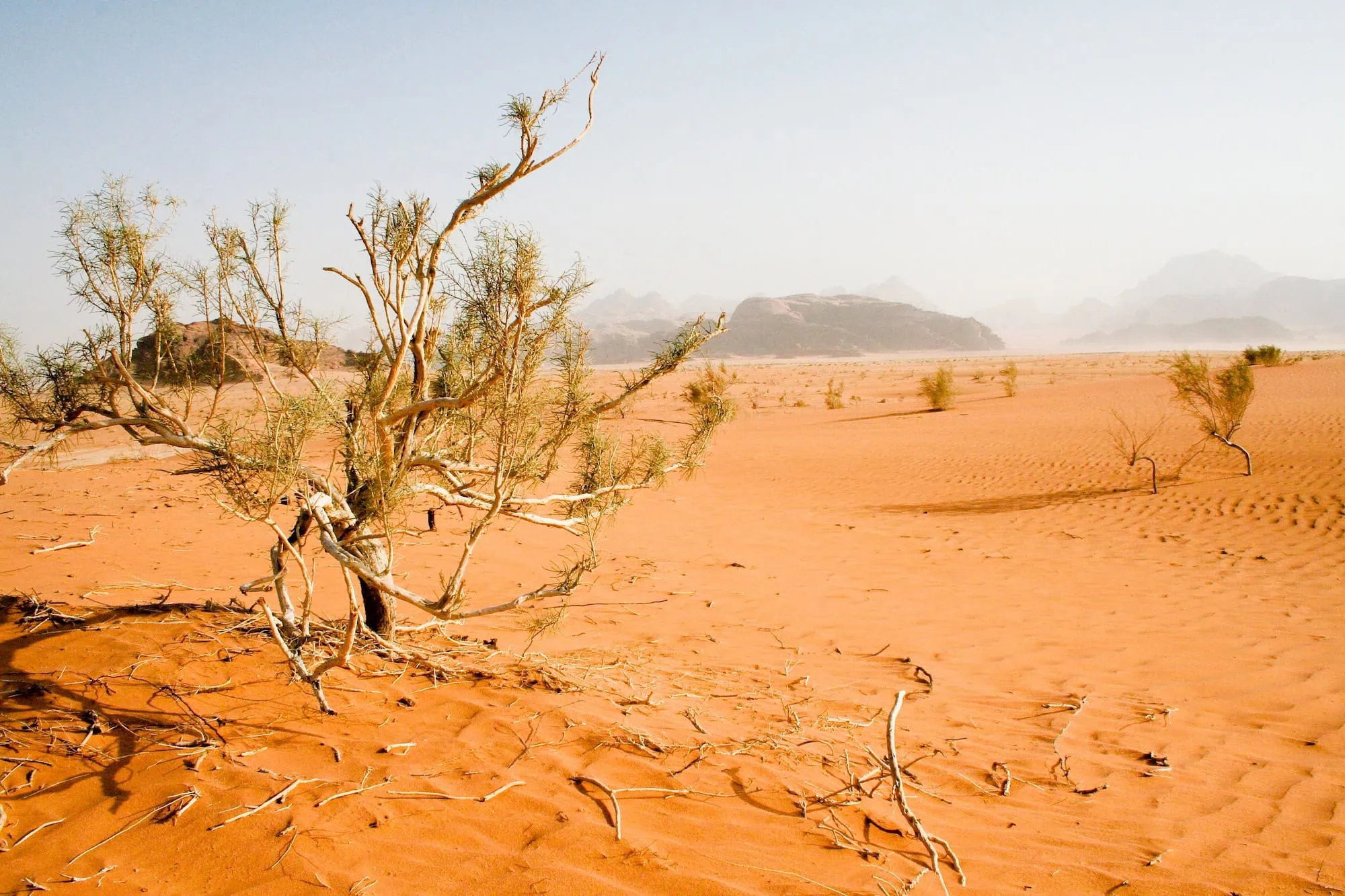
Wadi Rum’s desert camps and Petra’s extensive walking trails benefit from specific equipment additions. A small daypack distributes weight comfortably during long exploration days while keeping essentials accessible.
Include a reliable flashlight or headlamp for early morning or evening activities, navigating dimly lit historical sites, or moving around camp areas after dark. Desert locations often lack ambient lighting, making personal illumination essential for safety and convenience.
Dead Sea Specific Items
Swimwear designed for salt water performs better in the Dead Sea’s extreme mineral content. Regular fabrics may deteriorate more quickly, while salt-resistant materials maintain appearance and function throughout your visit.
Bring a towel specifically for Dead Sea use, as the high mineral content can leave residue that affects other clothing or towels. Quick-dry materials work best for this purpose.
Seasonal Packing Variations
Winter travelers (December through February) need additional layers for surprisingly cold evenings and early mornings. Temperatures can drop significantly in desert areas and higher elevations, requiring warm jackets or fleece layers for comfort.
Summer visitors (June through August) should prioritize maximum sun protection and cooling strategies. Lightweight, long-sleeved shirts in light colors reflect heat while providing necessary coverage. Avoid dark colors that absorb excessive heat during peak summer temperatures.
Spring and fall offer the most comfortable conditions but still require flexible layering options for temperature variations throughout the day.
Cultural and Religious Site Preparations
Many of Jordan’s most significant sites include religious or culturally sensitive areas requiring appropriate dress and behavior. Research specific requirements for places like the King Abdullah Mosque in Amman or various archaeological sites with religious significance.
Some locations provide coverings for visitors, but having your own ensures proper fit and comfort. Women particularly benefit from bringing modest clothing options that exceed minimum requirements, demonstrating genuine respect for local customs.
Frequently Asked Questions
A valid passport with six months remaining validity and appropriate visa (on-arrival available for most nationalities at airports).
Pack at least one large bottle of SPF 30+ sunscreen, as desert conditions require frequent reapplication and local prices may be higher.
Yes, Petra involves extensive walking on uneven ancient stones and steep climbs where proper footwear significantly improves safety and comfort.
Jordan uses Type F and Type G outlets, so bring a universal adapter or specific adapters for these socket types.
Absolutely – a reusable water bottle is essential for staying hydrated in Jordan’s arid climate and reduces plastic waste.
While not legally required in all areas, modest clothing (long pants and sleeves) shows cultural respect and is mandatory at religious sites.
Water shoes protect feet from sharp salt crystals and provide better grip on slippery, mineral-covered surfaces.
Bring a mix of Jordanian dinars and US dollars, as rural areas may have limited ATM access and many vendors prefer cash.
Standard camera equipment works fine, but bring lens cleaning supplies for sand and extra memory cards for numerous photo opportunities.
Lightweight, long-sleeved shirts and pants in light colors provide sun protection while staying cool in desert conditions.
Yes, especially for winter visits or desert camping, as temperatures can drop significantly at night and in higher elevations.
Highly recommended due to physical activities like hiking in Petra and potential need for medical evacuation from remote desert areas.
Design Your Custom Tour
Explore Egypt and Jordan your way by selecting only the attractions you want to visit