

Discover Morocco Tours from Portugal
Portugal offers the perfect launching pad for exploring Morocco’s wonders.
The short distance between Lisbon and Morocco creates unique opportunities for travelers seeking authentic North African experiences without extensive travel time. Whether you’re drawn to the bustling souks of Marrakech, the blue-painted streets of Chefchaouen, or the golden dunes of the Sahara Desert, starting your Moroccan adventure from Portugal opens doors to carefully crafted itineraries that maximize your time while minimizing travel stress.
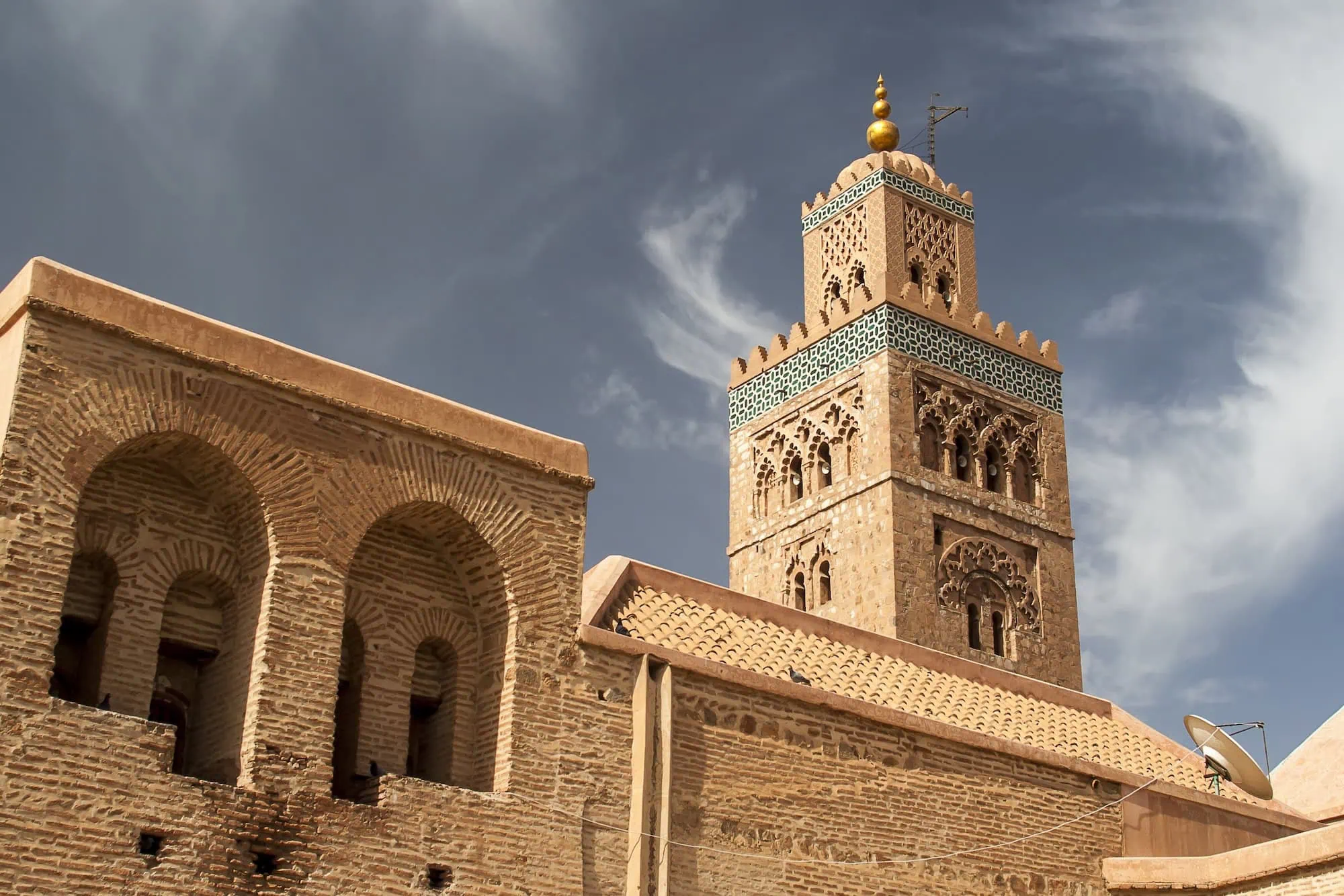
We’ve designed our Morocco tours from Portugal to capture the essence of both cultures, creating seamless transitions from European elegance to Moroccan mystique through thoughtfully planned logistics and expert local guidance.
Why Portugal Makes Perfect Starting Point
Distance means everything when planning international travel. The flight from Lisbon to Casablanca takes just over two hours, making Morocco easily accessible for extended weekends or week-long adventures.
Strategic Location Benefits
Portugal’s position on the Iberian Peninsula places it closer to Morocco than most European capitals. This proximity allows travelers to experience two distinct cultures within a single trip without the exhaustion of long-haul flights.
Ferry connections between Spain and Morocco add another dimension to travel options. Many of our guests prefer the scenic route across the Strait of Gibraltar, watching the African coastline emerge while enjoying Mediterranean breezes.
Cultural Connections
Historical ties between Portugal and Morocco date back centuries. Both countries share architectural influences, culinary traditions, and maritime heritage that create fascinating parallels for curious travelers to explore.
Practical Advantages
Portuguese airports offer excellent connections throughout Europe and beyond. Your journey to Morocco can easily incorporate stopovers in major European cities or extend to include other North African destinations.
Imperial Cities and Desert Adventures
Morocco’s four imperial cities—Marrakech, Fes, Meknes, and Rabat—each tell unique stories of dynasties, trade routes, and cultural evolution spanning over a millennium.
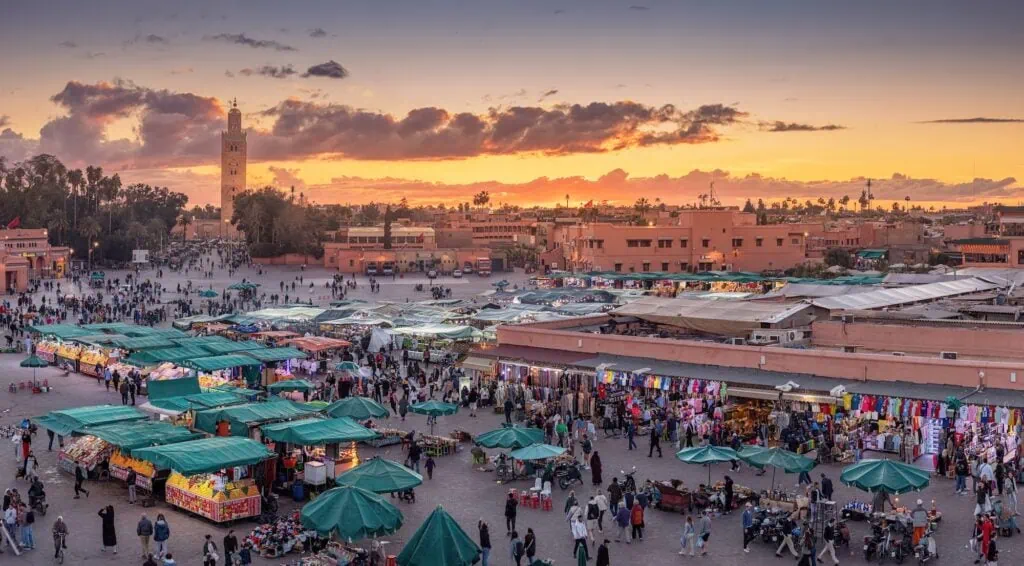
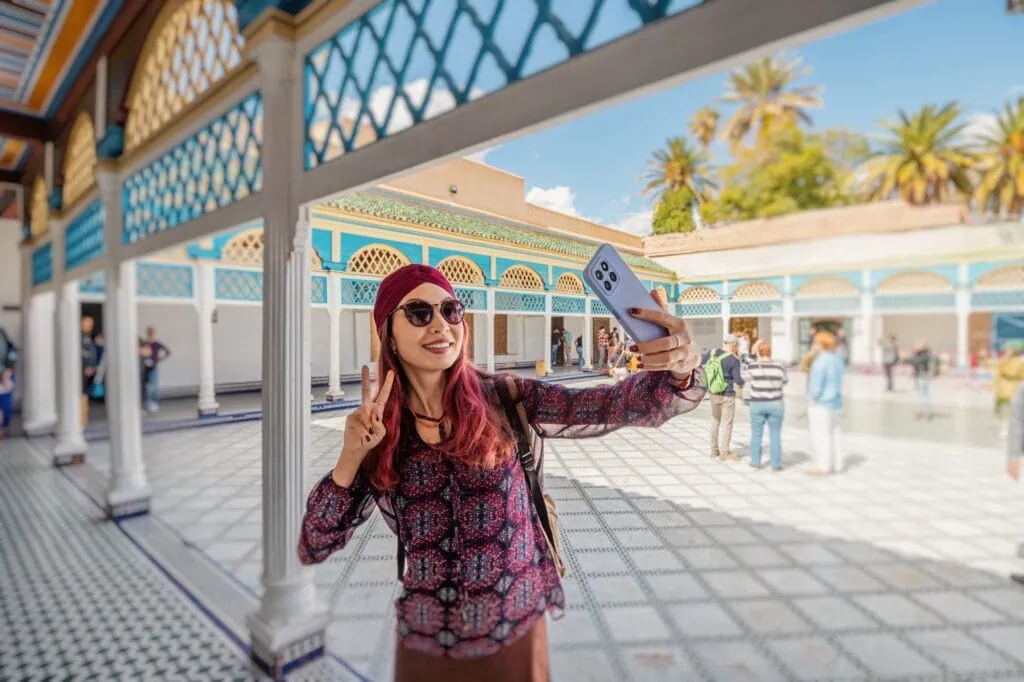
Marrakech captivates visitors with its central square, Djemaa el-Fnaa, where snake charmers, storytellers, and food vendors create an sensory overload that epitomizes Moroccan street culture. The city’s medina, a UNESCO World Heritage site, houses traditional riads, hammams, and workshops where artisans continue centuries-old crafts. Beyond the ancient walls, modern Marrakech offers luxury resorts, golf courses, and contemporary dining that blends international flavors with Moroccan spices.
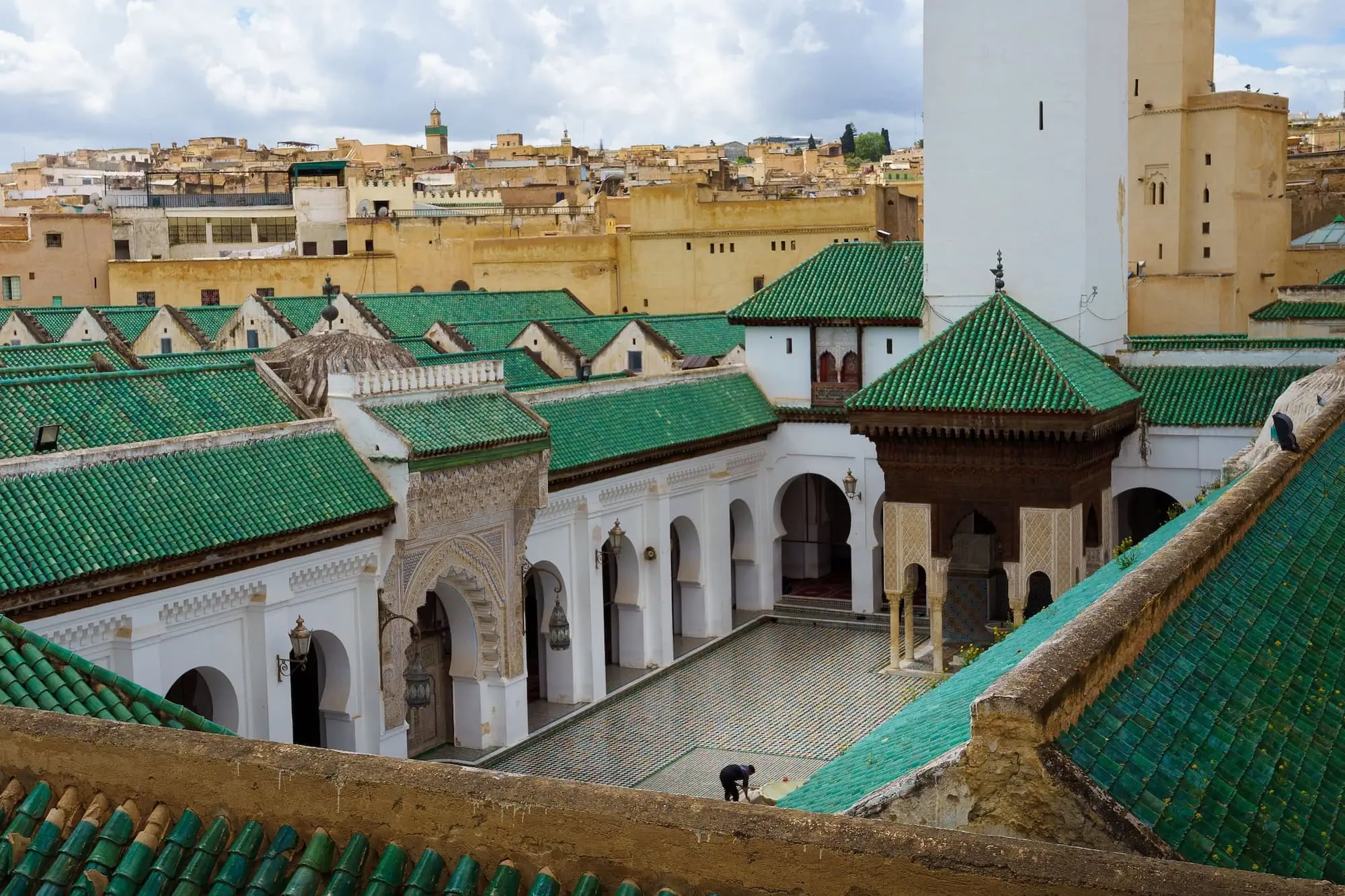
Fes represents Morocco’s intellectual and spiritual heart. Its medina, the world’s largest car-free urban area, contains the University of Al Quaraouiyine, founded in 859 AD and recognized as the world’s oldest continuously operating university. Walking through Fes feels like stepping back in time, with narrow alleys leading to hidden courtyards, traditional tanneries, and mosaic workshops where master craftsmen create intricate zellige tiles.
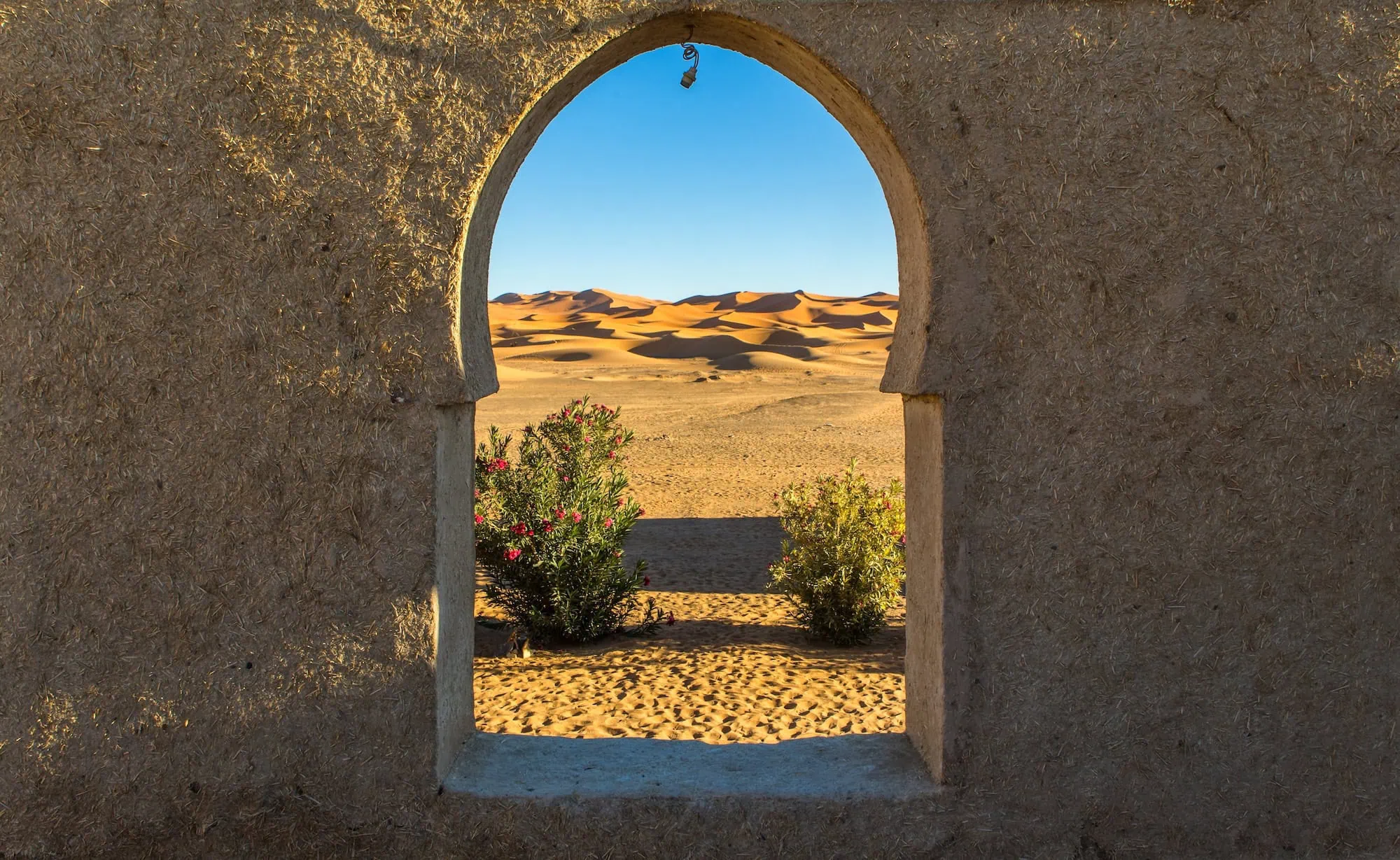
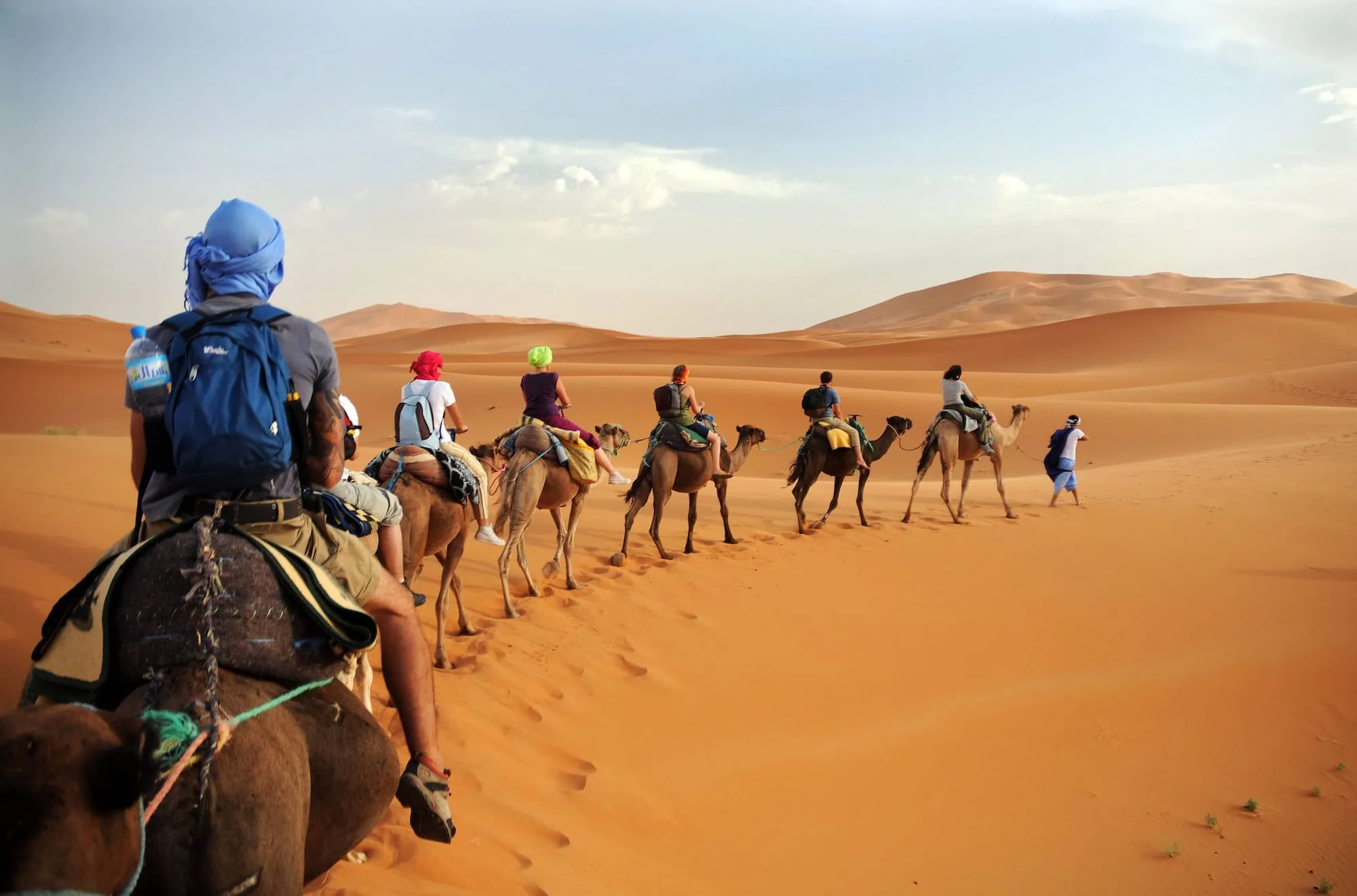
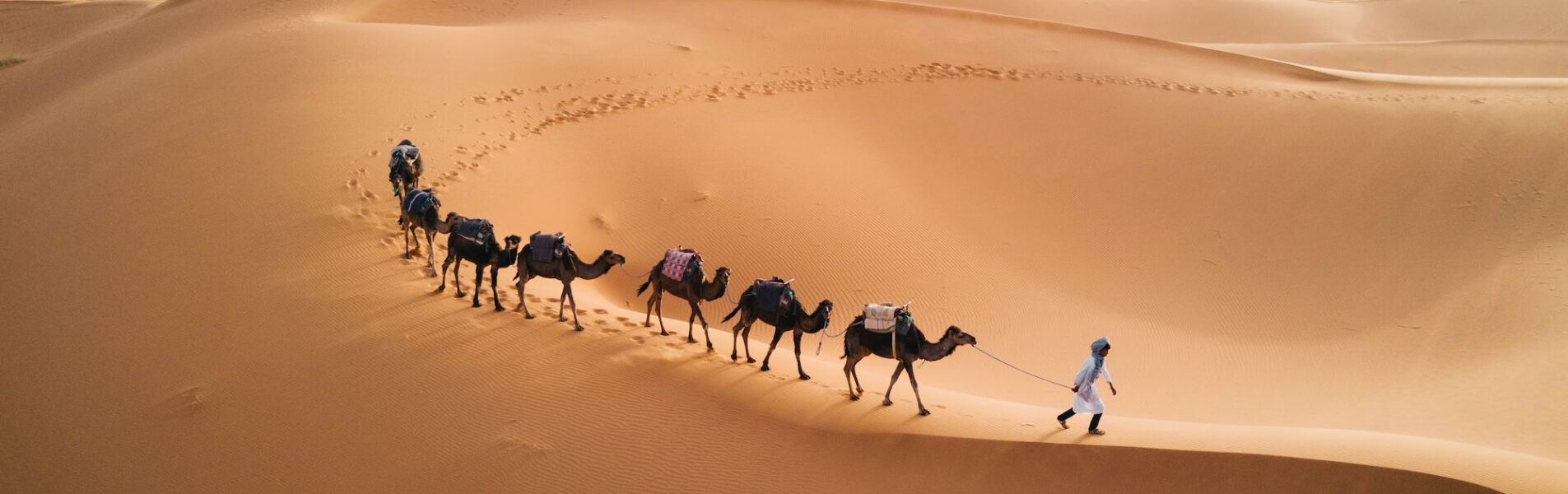
The Sahara Desert experience transcends typical sightseeing. Camel treks to Merzouga’s towering dunes reveal landscapes that shift with wind and light throughout the day. Spending nights in traditional Berber camps under star-filled skies provides perspective on nomadic life while offering comfort through authentic hospitality and traditional music around campfires.
Atlas Mountains and Berber Villages
The High Atlas Mountains stretch across Morocco’s midsection, creating dramatic scenery and opportunities to visit traditional Berber communities. These mountain villages maintain ancestral customs, architectural styles, and agricultural practices largely unchanged for generations.
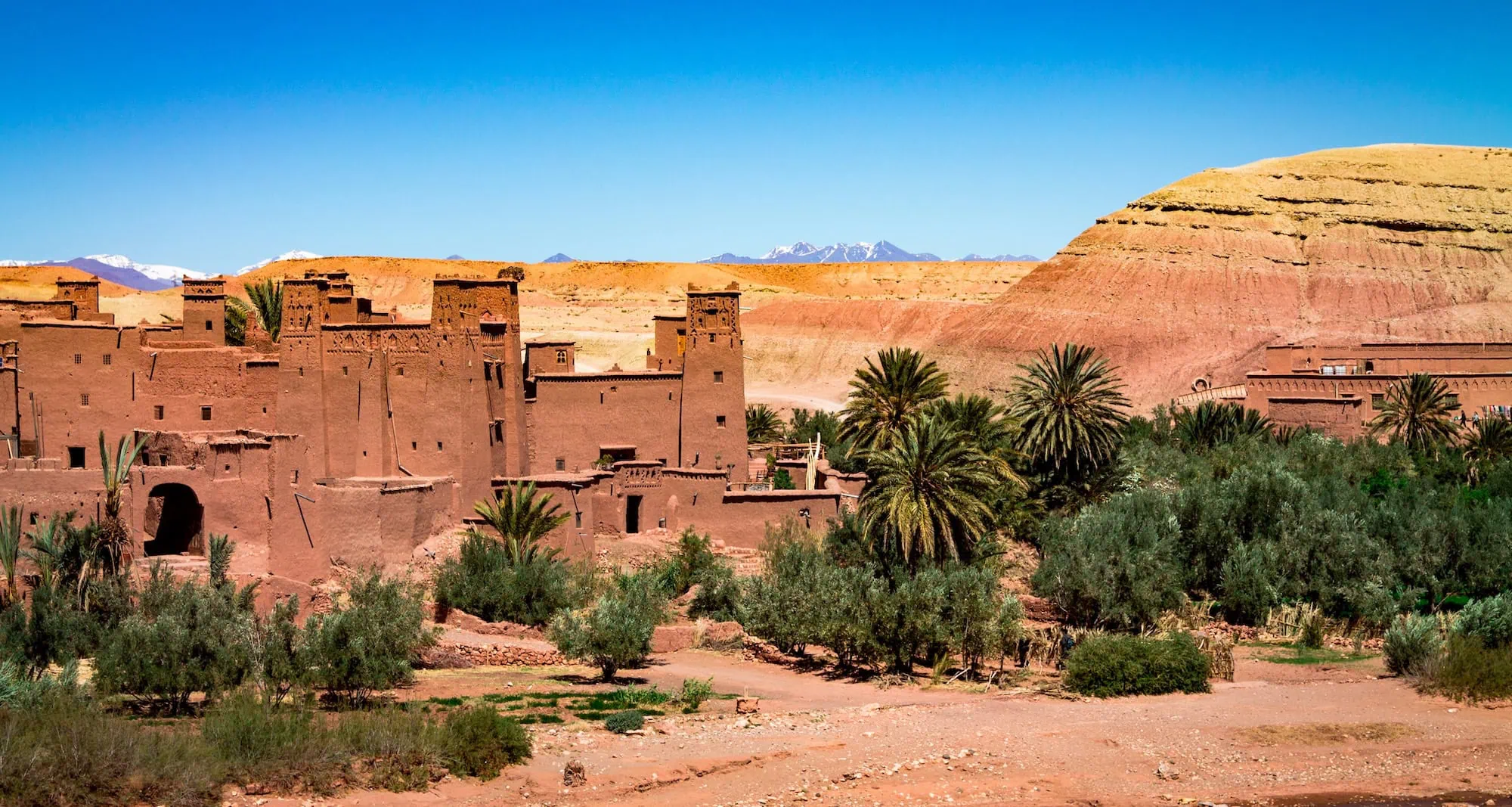
Ait Ben Haddou, perhaps Morocco’s most photographed kasbah, demonstrates traditional mud-brick construction techniques while serving as a backdrop for numerous Hollywood films. The fortified village’s strategic position along ancient caravan routes illustrates Morocco’s role in trans-Saharan trade.
Tailored Experiences from Lisbon
We understand that travelers departing from Portugal have specific expectations for their Moroccan adventures. Portuguese travelers often appreciate relaxed pacing, authentic cultural interactions, and comfortable accommodations that balance adventure with refinement.
Our private tours eliminate the constraints of large group travel. Your dedicated guide provides historical context, cultural insights, and practical assistance while respecting your interests and energy levels. Private transportation ensures comfort during longer drives and flexibility to stop for photographs, refreshments, or spontaneous discoveries.
Customization begins during initial consultations where we discuss your travel style, cultural interests, physical activity preferences, and dietary requirements. Some guests prioritize photography opportunities, others seek culinary experiences, while many want comprehensive overviews of Morocco’s diverse regions within limited timeframes.
Small group tours offer middle ground between private experiences and large bus tours. With maximum group sizes of twelve participants, these tours provide social interaction while maintaining intimate atmospheres conducive to meaningful cultural exchanges.
Practical Planning for Portuguese Travelers
Visa Requirements Entry Process
U.S. citizens can enter Morocco visa-free for stays up to 90 days, requiring only a valid passport with at least six months remaining validity. European Union citizens, including Portuguese residents, enjoy the same visa-free privileges, while travelers from Latin American countries should check specific requirements as policies vary by nationality.
Currency Payment Methods
The Moroccan dirham (MAD) serves as local currency, though euros are widely accepted in tourist areas. ATMs are readily available in major cities, and credit cards work in hotels, restaurants, and larger shops. We recommend carrying some cash for markets, small restaurants, and tipping.
Best Travel Times
Morocco’s diverse geography creates varied climate zones. Coastal areas enjoy Mediterranean weather, while interior regions experience more extreme temperatures. Spring (March-May) and fall (September-November) offer optimal conditions for most activities, though winter provides excellent weather for desert exploration.
Health Safety Considerations
Morocco maintains good healthcare standards in major cities. No special vaccinations are required for travelers from Portugal. Drinking bottled water is advisable, and standard travel insurance provides adequate coverage for most situations.
Cultural Sensitivity
Morocco is a Muslim country with conservative social norms. Modest dress is appreciated, particularly when visiting religious sites or rural areas. Removing shoes before entering mosques is required, and photography of people should be done with permission.
Transportation and Logistics Excellence
Modern transportation infrastructure connects Morocco’s major destinations efficiently. Our fleet consists of air-conditioned vehicles suitable for Morocco’s varied terrain, from city streets to mountain passes to desert tracks.
Professional drivers familiar with local traffic patterns, road conditions, and alternative routes ensure smooth travel between destinations. They also serve as informal cultural ambassadors, sharing insights about regions you’re passing through and helping bridge language barriers in smaller communities.
Domestic flight connections link Casablanca with Marrakech, Fes, and other cities when time constraints make overland travel impractical. These flights take 45-60 minutes and allow more time for actual exploration rather than transportation.
Ferry services between Europe and Morocco add scenic elements to travel itineraries. The crossing from Tarifa, Spain to Tangier takes approximately 35 minutes, while routes from Algeciras offer multiple daily departures.
Train services connect major cities with comfortable, air-conditioned coaches. The train from Casablanca to Marrakech takes roughly three hours and provides opportunities to observe changing landscapes while relaxing between destinations.
Accommodation Standards and Styles
Traditional Riads
Riads represent quintessential Moroccan hospitality. These converted traditional houses feature interior courtyards, intricate tilework, and peaceful atmospheres that provide refuges from bustling medina streets. Many riads occupy historic buildings with stories spanning centuries.
Desert Camps
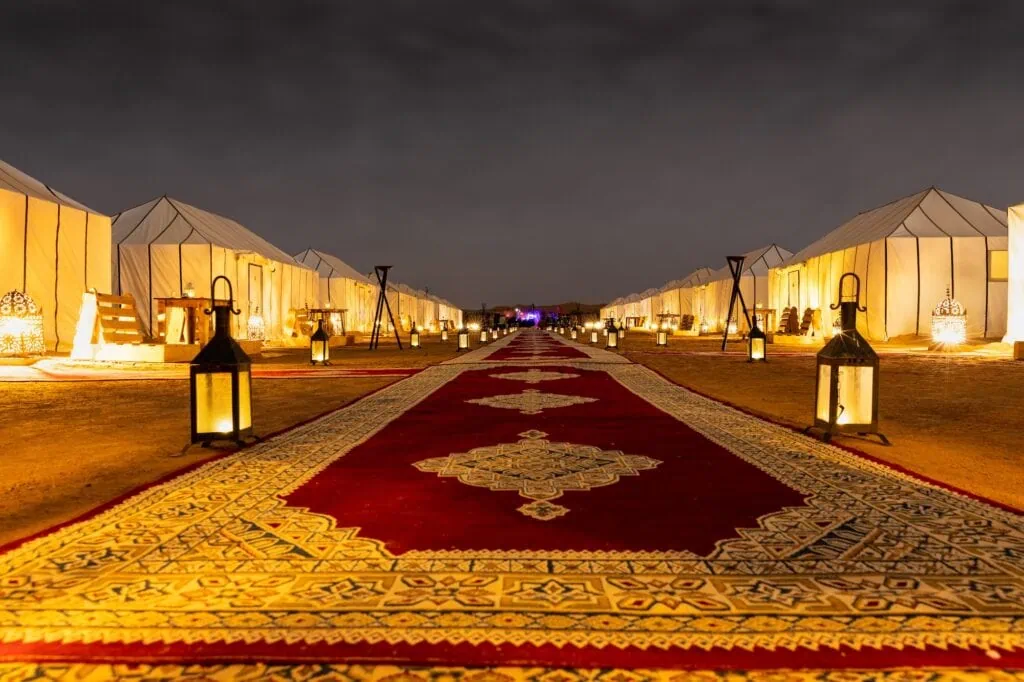
Sahara Desert camps range from basic nomadic-style tents to luxury accommodations with private bathrooms, comfortable beds, and gourmet dining. All camps provide authentic experiences sleeping under stars while maintaining modern comfort levels appropriate for international travelers.
Modern Hotels
International hotel chains maintain properties in major cities, offering familiar amenities alongside Moroccan hospitality. These hotels provide reliable internet, fitness facilities, swimming pools, and business services for travelers with professional obligations.
Mountain Lodges
Atlas Mountains lodges combine rustic charm with modern conveniences. Built using traditional materials and methods, these properties offer stunning mountain views while providing comfortable bases for hiking, cultural visits, and relaxation.
Culinary Adventures and Local Flavors
Moroccan cuisine reflects the country’s position at the crossroads of Africa, Europe, and the Middle East. Tagines, slow-cooked stews named after their conical clay pots, showcase local ingredients enhanced by complex spice blends including cumin, coriander, cinnamon, and saffron.
Couscous, traditionally served on Fridays, demonstrates the communal aspects of Moroccan dining culture. Families gather around shared platters, eating with their hands while engaging in conversation that strengthens social bonds.
Mint tea, Morocco’s national drink, accompanies nearly every social interaction. The preparation ritual involves multiple pourings from height to create foam while aerating the tea. Refusing offered tea can be considered impolite, though explaining dietary restrictions is generally understood and respected.
Street food markets offer opportunities to sample local specialties. Djemaa el-Fnaa transforms into an open-air restaurant each evening, with dozens of food stalls serving grilled meats, fresh salads, and traditional breads to locals and visitors sharing communal tables.
Cooking classes provide hands-on cultural education. Learning to prepare tagines, mix spice blends, and roll couscous creates lasting memories while developing skills you can recreate at home.
Frequently Asked Questions
Direct flights from Lisbon to Casablanca take approximately 2 hours and 15 minutes.
Spring and fall offer comfortable weather, though winter provides excellent desert conditions.
Portuguese and EU citizens can enter Morocco visa-free for up to 90 days.
Morocco maintains good safety standards, though guided tours provide valuable cultural context.
Pack modest clothing, comfortable shoes, sun protection, and layers for temperature variations.
Most hotels accommodate dietary requirements with advance notice, though remote areas offer limited options.
Costs vary significantly based on accommodation level, group size, and activities included.
Morocco uses the dirham with ATMs widely available and euros accepted in tourist areas.
Major credit cards work in hotels and restaurants, though cash is preferred in markets.
Arabic and Berber are official with French widely spoken and English increasingly common.
Design Your Custom Tour
Explore Egypt & Morocco your way by selecting only the attractions you want to visit