

Jordan Tourist Attractions
Jordan captivates visitors with ancient wonders and natural beauty.
This Middle Eastern kingdom sits at the crossroads of civilizations, where Roman theaters echo with history and desert landscapes stretch toward star-filled skies. From the rose-red city of Petra to the healing waters of the Dead Sea, Jordan offers experiences that stay with you long after you return home. We’ve explored every corner of this remarkable destination to bring you insider knowledge on the attractions that truly matter.
Whether you’re drawn to archaeological marvels, religious pilgrimage sites, or adventure in pristine wilderness, Jordan delivers experiences that exceed expectations.
Historic Archaeological Treasures That Define Jordan
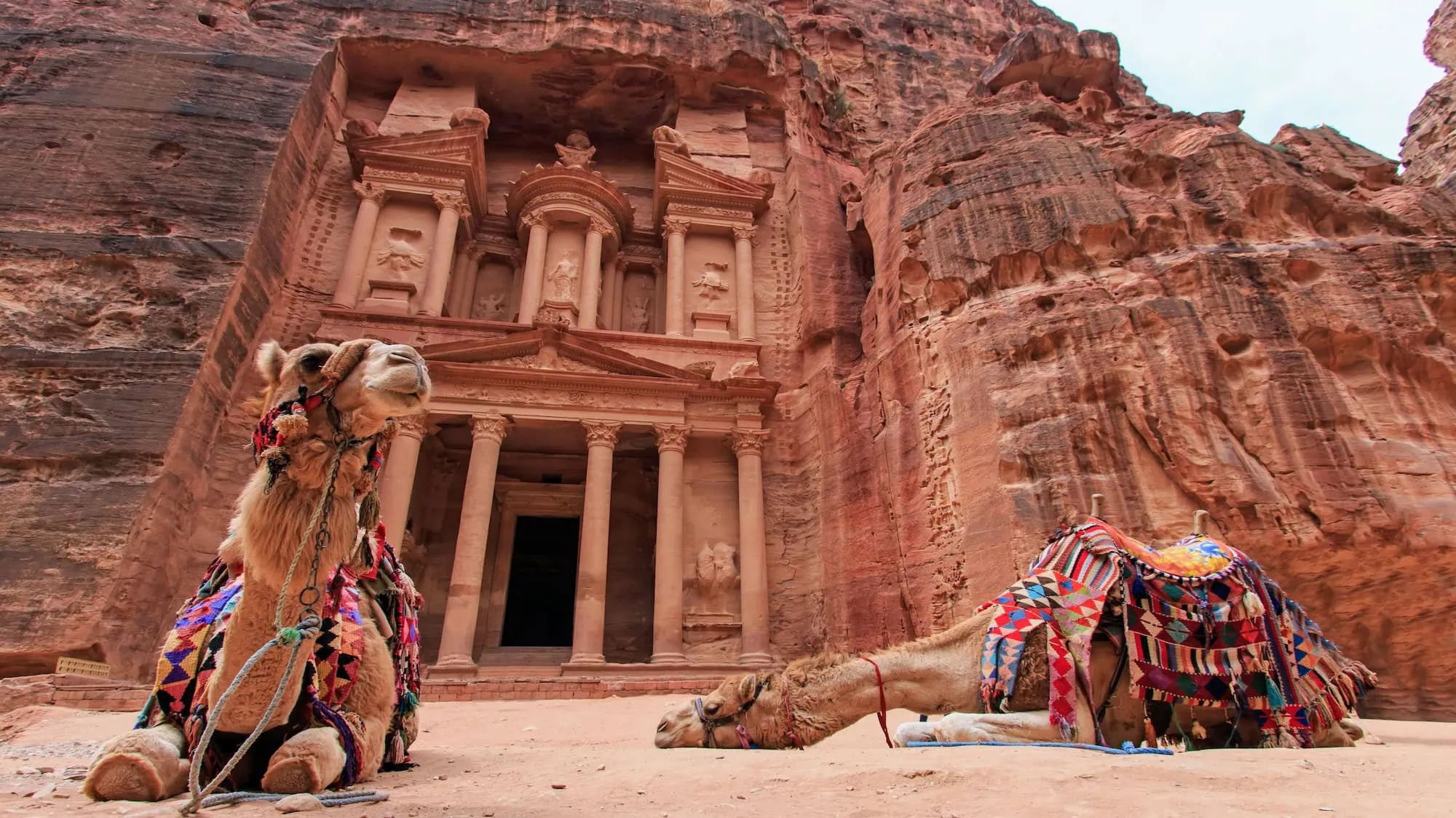
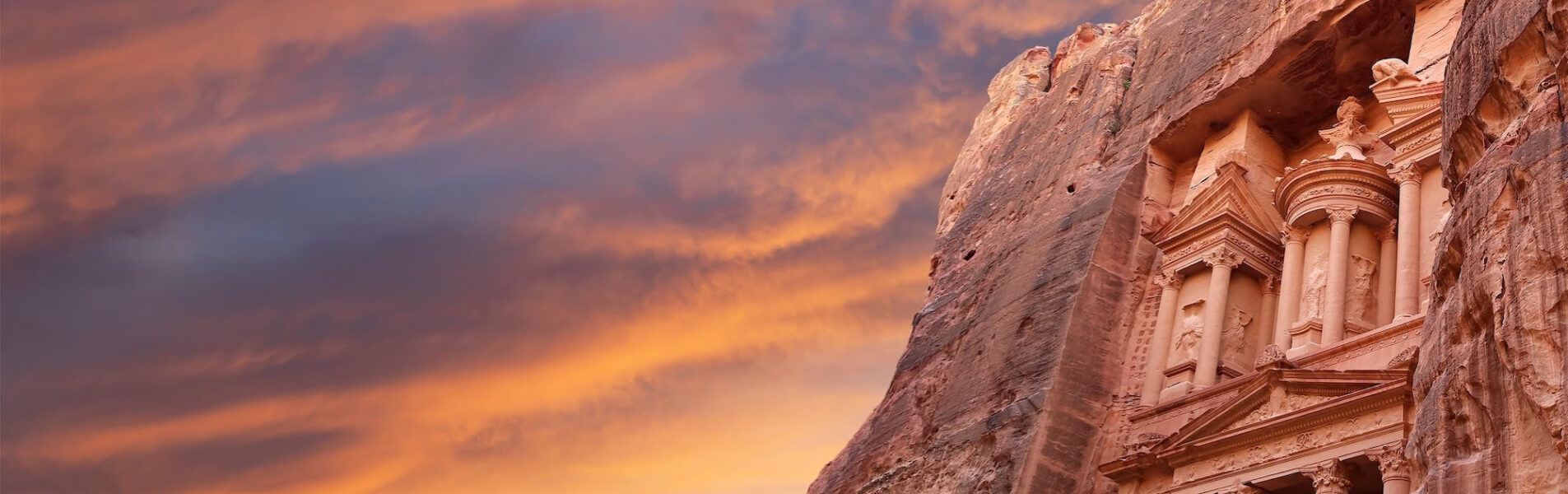
Petra stands as Jordan’s crown jewel, carved directly into pink sandstone cliffs over 2,000 years ago. The Treasury (Al-Khazneh) emerges dramatically as you walk through the narrow Siq canyon, but this UNESCO World Heritage site extends far beyond its most photographed facade.
The Monastery requires a challenging 800-step climb but rewards visitors with breathtaking views and fewer crowds. Plan a full day to explore the Royal Tombs, the Great Temple complex, and the ancient street of facades.
Jerash: Rome’s Best-Preserved Provincial City
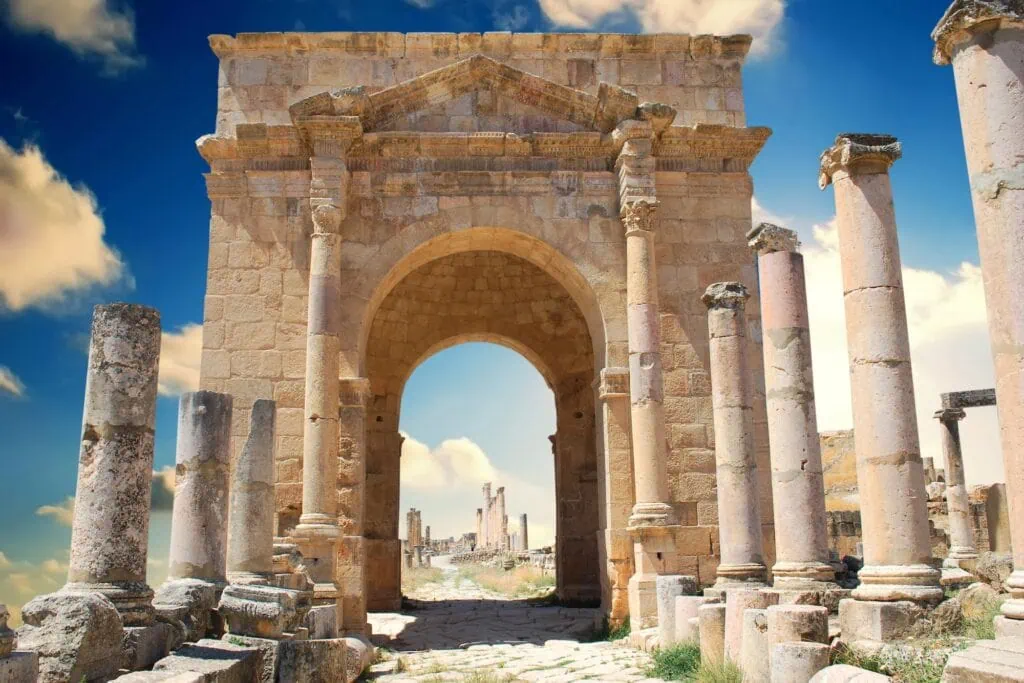
Jerash rivals Pompeii for archaeological significance, showcasing Roman urban planning at its finest. The oval forum, connected by a colonnade street lined with original stones, leads to two amphitheaters where acoustic demonstrations still amaze crowds.
South Theater hosts performances during the annual Jerash Festival, bringing ancient stones back to life with modern cultural celebrations. The North Theater, smaller but equally impressive, demonstrates Roman engineering prowess with its perfect acoustics. Visit early morning when golden light illuminates the limestone columns, creating perfect photography conditions.
Amman Citadel: Layers of Civilization
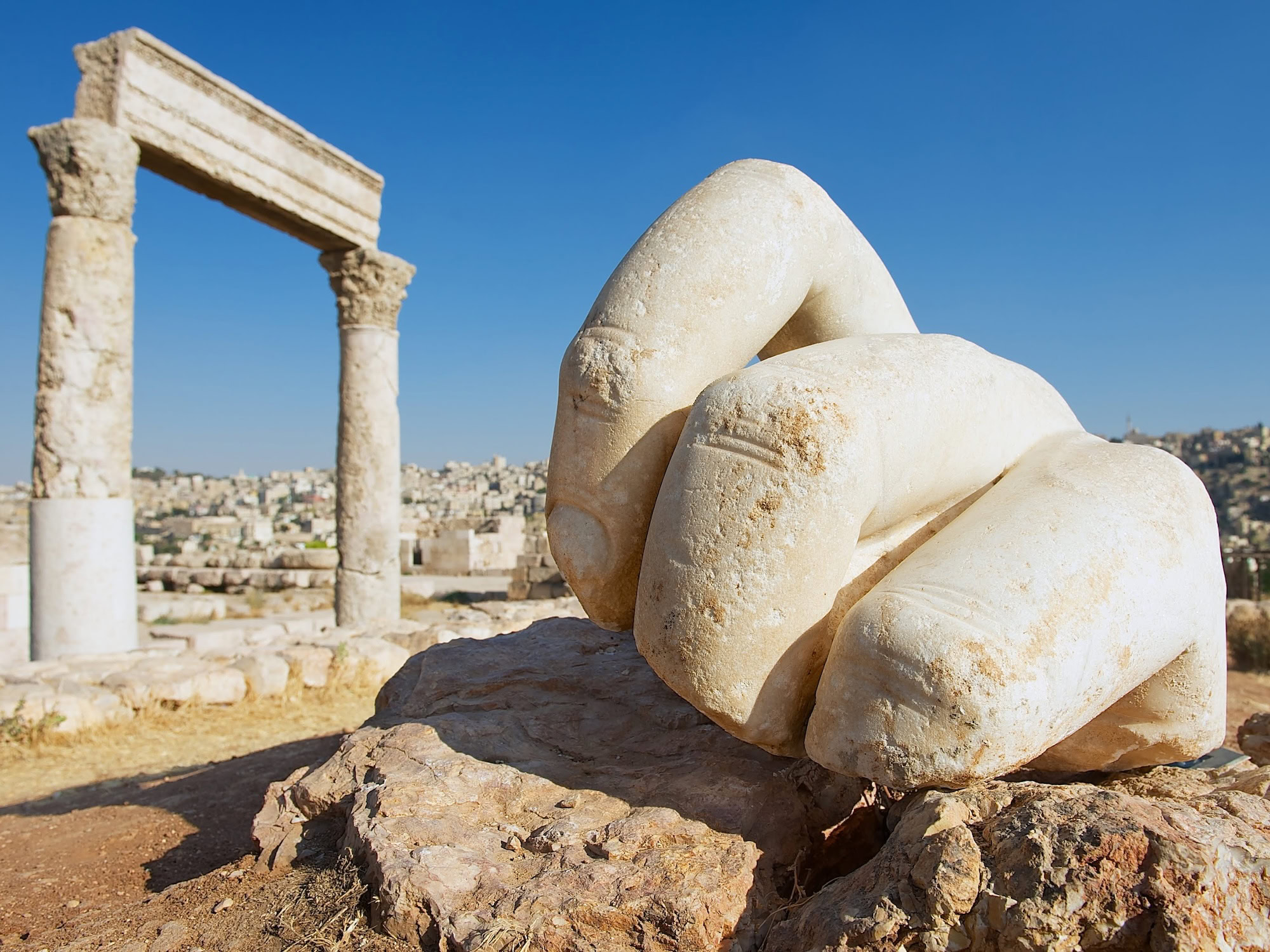
Perched above modern Amman, the Citadel tells Jordan’s complete story through archaeological layers spanning Bronze Age to Islamic periods. The Temple of Hercules displays massive stone fingers from a colossal statue, while the Umayyad Palace complex reveals intricate Islamic architectural details.
The on-site Archaeological Museum houses artifacts that provide context for everything you see across Jordan.
Umm Qais: Northern Frontier Views
This Decapolis city overlooks the Sea of Galilee, offering spectacular panoramic views across three countries. Black basalt ruins contrast beautifully with the surrounding countryside, while the restored Ottoman village adds cultural layers to your visit.
Religious Pilgrimage Sites of Profound Significance
Bethany Beyond the Jordan: Jesus’ Baptism Site
Recognized by three major Christian denominations as the authentic location where John the Baptist baptized Jesus, Bethany sits along the Jordan River’s eastern bank. Archaeological excavations have uncovered multiple churches, baptism pools, and hermit caves dating from the Byzantine period through the Crusader era.
The site operates under UNESCO protection, with boardwalks protecting sensitive archaeological areas while providing access to the river. Pilgrims from around the world gather here for baptism ceremonies in the same waters mentioned in biblical accounts.
Mount Nebo: Moses’ Promised Land View
Mount Nebo holds deep significance as the place where Moses viewed the Promised Land before his death. The Memorial Church of Moses houses remarkable Byzantine mosaics, including hunting and pastoral scenes that demonstrate early Christian artistic expression.
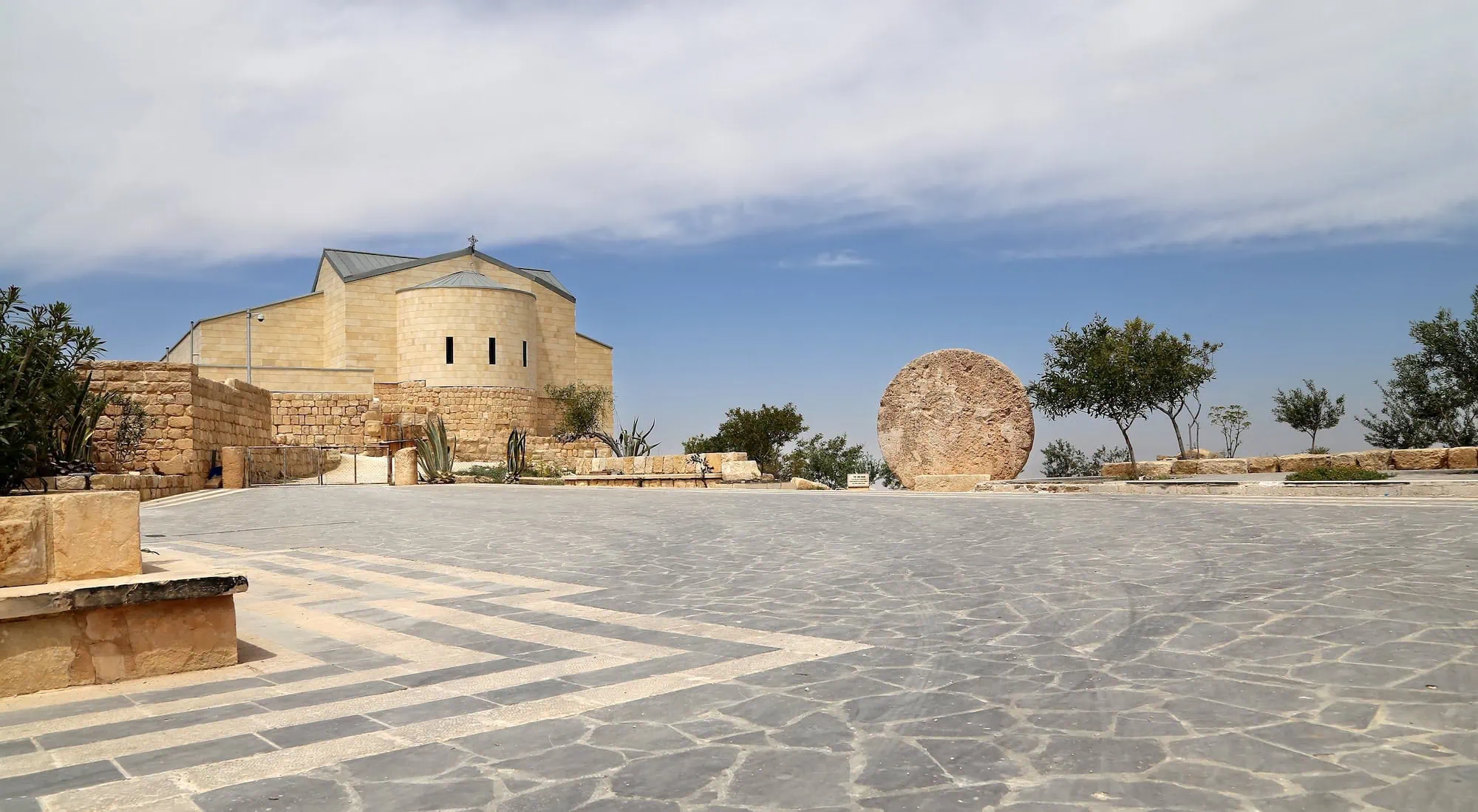
On clear days, the panoramic view encompasses Jerusalem, Jericho, and the Dead Sea – the same vista that moved Moses over 3,000 years ago. The Brazen Serpent Monument, created by Italian artist Giovanni Fantoni, symbolizes the bronze serpent lifted by Moses in the wilderness and Christ’s crucifixion.
Madaba: Mosaic Art Capital
St. George Orthodox Church in Madaba houses the world’s oldest surviving original cartographic depiction of the Holy Land. This 6th-century Byzantine mosaic map originally contained over two million pieces of local stone, depicting cities, hills, valleys, and the Dead Sea with remarkable accuracy for its time.
Natural Wonders and Unique Landscapes
The Dead Sea creates an otherworldly experience 427 meters (1,401 feet) below sea level, making it Earth’s lowest accessible point. Salt content exceeds 30%, creating natural buoyancy that keeps swimmers effortlessly afloat.
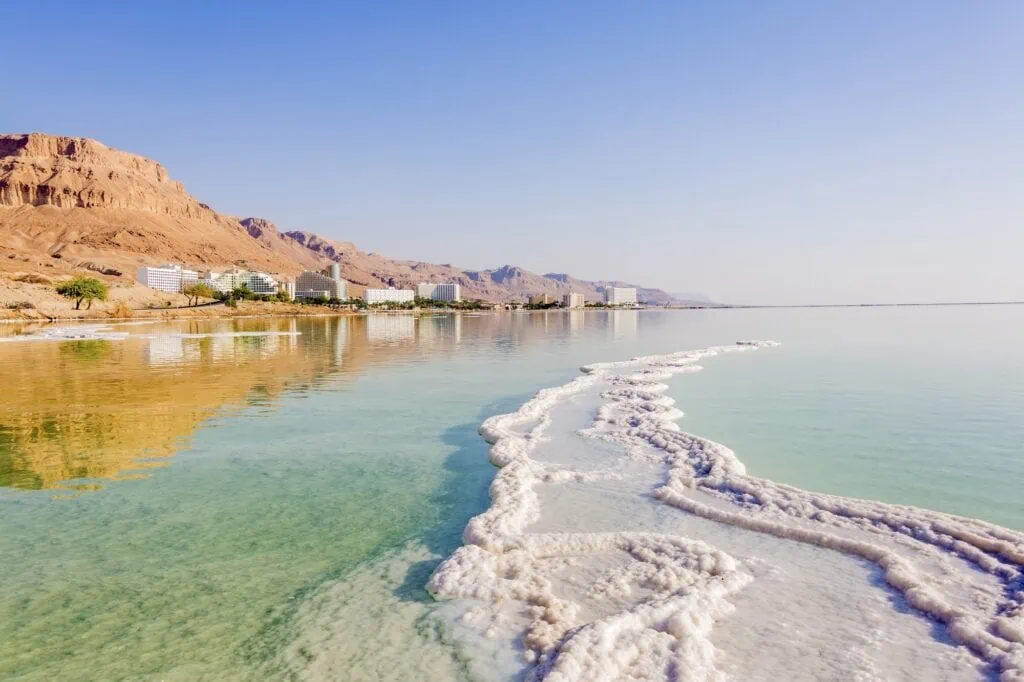
Mineral-rich mud provides therapeutic benefits recognized since ancient times, when Cleopatra established cosmetic factories along its shores.
Wadi Rum: Valley of the Moon
Lawrence of Arabia described Wadi Rum as “vast, echoing, and God-like,” words that still capture this protected desert’s essence. Red sand dunes shift between towering sandstone mountains, creating landscapes so alien that Hollywood regularly films Mars scenes here.
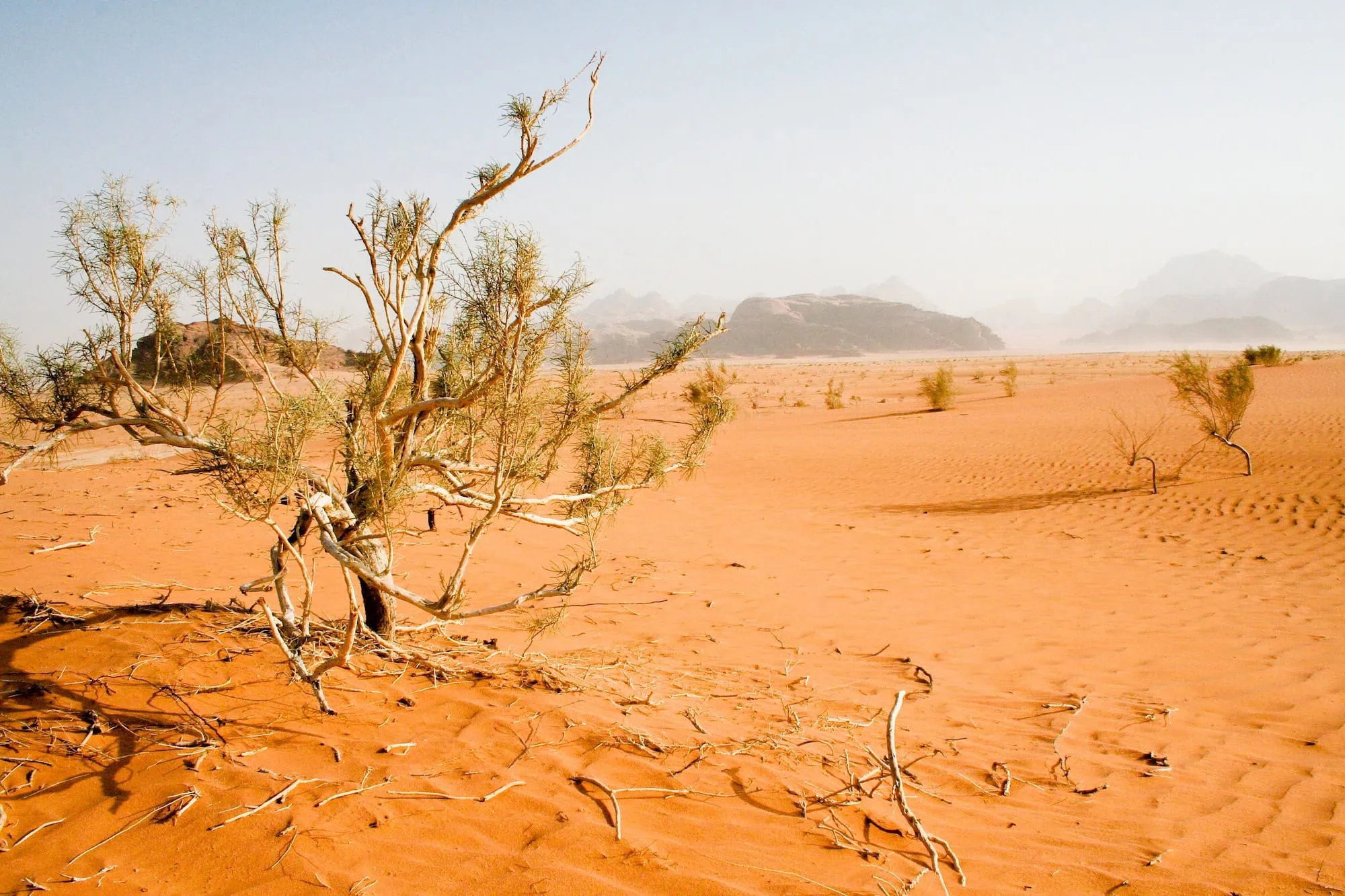
Petroglyphs and inscriptions scattered throughout the valley document 12,000 years of human habitation. Bedouin guides lead visitors through hidden canyons, natural arches, and ancient trading routes. Overnight camping under some of Earth’s darkest skies reveals constellations invisible in light-polluted areas. We recommend at least one night in traditional goat-hair tents to fully experience the desert’s profound silence.
Wadi Mujib: The Grand Canyon of Jordan
Known locally as “River Arnon,” Wadi Mujib cuts dramatically through the landscape, creating Jordan’s premier adventure hiking destination. The Siq Trail involves walking and swimming through narrow canyon passages with towering walls on both sides.
Water levels vary seasonally, so timing affects accessibility and difficulty levels.
Aqaba: Red Sea Gateway
Jordan’s only coastal city provides access to pristine Red Sea coral reefs teeming with tropical marine life. The Gulf of Aqaba’s unique geography protects reefs from bleaching, maintaining vibrant underwater ecosystems perfect for diving and snorkeling.
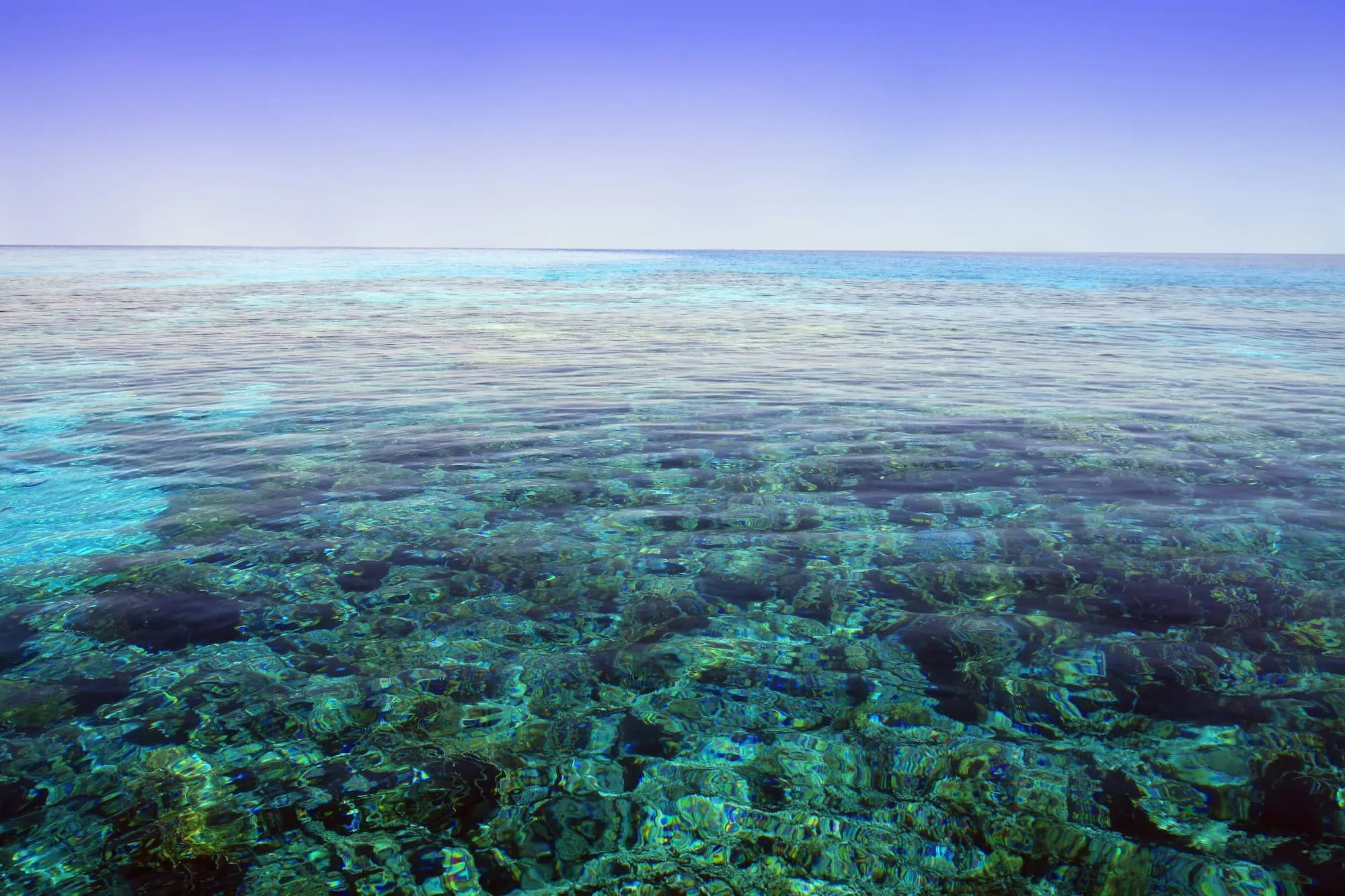
Visibility often exceeds 30 meters (98 feet), revealing coral gardens that rival any in the world. Water temperatures remain comfortable year-round, ranging from 21°C to 27°C (70°F to 81°F), making it perfect for extended underwater exploration.
Cultural Experiences and Local Traditions
Traditional Cuisine and Hospitality
Mansaf represents Jordan’s national dish and cultural identity, traditionally served during important celebrations and to honor guests. Lamb cooked in jameed (dried yogurt) sauce, served over rice with almonds and pine nuts, creates flavors unique to Jordanian cuisine.
We arrange cooking classes where you learn authentic preparation methods from local families. Coffee culture runs deep in Jordan, where Arabic coffee (qahwah) and sweet tea accompany every social interaction. Traditional coffee roasting and preparation ceremonies demonstrate hospitality customs unchanged for generations.
Desert Castles: Umayyad Legacy
The eastern desert contains dozens of early Islamic structures known collectively as “Desert Castles,” though most served as hunting lodges, caravanserais, and trading posts rather than defensive fortifications.
Qasr Amra features the world’s only surviving non-religious frescoes from early Islamic period, including zodiac ceiling paintings and hunting scenes. Qasr al-Kharanah’s imposing fortress-like appearance contrasts with its actual function as a meeting place for Umayyad rulers and Bedouin tribal leaders. The structure demonstrates sophisticated early Islamic architecture adapted to harsh desert conditions.
Adventure Activities and Outdoor Pursuits
Hot air ballooning over Wadi Rum provides perspectives impossible to achieve on foot. Silent flight reveals the full scope of this protected landscape, from high-altitude viewpoints showing geological formations millions of years in the making.
Early morning flights catch desert sunrise painting red sand and pink rock in spectacular colors. Rock climbing opportunities abound throughout Jordan’s varied terrain. Wadi Rum offers sandstone routes for all skill levels, while limestone cliffs near Amman provide technical challenges closer to urban amenities. Local climbing guides know hidden routes and seasonal conditions that maximize safety and enjoyment.
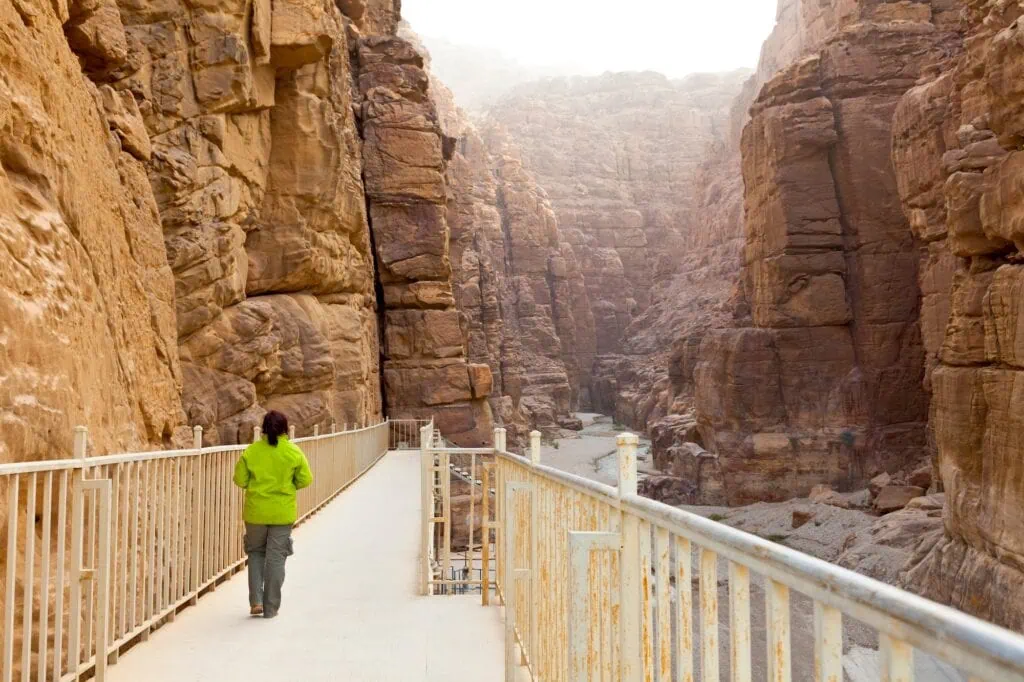
The Jordan Trail spans 675 kilometers (419 miles) from Um Qais in the north to Aqaba in the south, passing through diverse ecosystems and cultural regions. Thru-hiking takes approximately 40 days, but the trail divides into 8 sections suitable for shorter adventures. Each section showcases different aspects of Jordan’s natural and cultural heritage.
Dana Biosphere Reserve protects four distinct biogeographical zones within a single protected area. Hiking trails range from easy nature walks to challenging multi-day treks. The reserve’s eco-lodges provide comfortable base camps for exploring canyons, rare wildlife habitats, and traditional villages where Bedouin communities maintain ancestral customs.
Practical Planning and Essential Information
The Jordan Pass provides excellent value for visitors planning to see multiple attractions, combining entry visas, Petra access, and over 40 other sites into a single purchase. Three-day Petra access costs the same as a two-day pass when purchased separately, making the comprehensive pass economically sensible for most itineraries.
Spring (March-May) and autumn (September-November) offer ideal weather conditions with moderate temperatures and clear skies perfect for photography. Summer temperatures can exceed 40°C (104°F) in desert areas, while winter brings occasional rain and cooler evenings that require warm clothing.
Transportation between major sites works best with private vehicles or organized tours, as public transportation serves mainly local communities rather than tourist destinations. Distances between attractions can be significant – Petra to Wadi Rum requires 1.5 hours driving, while Amman to Aqaba takes 4 hours on modern highways.
We specialize in crafting personalized Jordan itineraries that balance must-see attractions with hidden gems based on your interests and travel style. Our local expertise ensures smooth logistics while maximizing time at each destination. With decades of experience and 24/7 support, we handle details so you can focus on experiencing Jordan’s incredible diversity.
Frequently Asked Questions
A minimum of 7-10 days allows you to experience Petra, Wadi Rum, Dead Sea, Amman, and Jerash without rushing.
Jordan maintains excellent safety standards and welcomes millions of visitors annually.
March through May and September through November offer ideal weather conditions.
US citizens can obtain visas on arrival for $60 USD or through the Jordan Pass.
The Jordan Pass ranges from $99-109 USD and includes visa fees plus entry to attractions.
Yes, but floating describes the experience better due to extreme salt content.
Absolutely. Petra covers 264 square kilometers with hundreds of carved facades.
Modest clothing covering shoulders and knees shows respect at religious sites.
Trail difficulty varies from easy walks to challenging scrambles with local guide assistance.
Licensed operators handle permits for activities like rock climbing and technical hiking.
The Jordanian Dinar (JOD) is official currency, though US dollars are widely accepted.
Bottled water is recommended, though tap water meets basic safety standards.
Design Your Custom Tour
Explore Egypt and Jordan your way by selecting only the attractions you want to visit