

Atlas Mountains Day Trips – Everything You Need To Know
Picture yourself standing at the edge of North Africa’s highest peaks, breathing mountain air while traditional Berber villages dot the valleys below.
The Atlas Mountains stretch across Morocco like a natural fortress, creating some of the most spectacular day trip opportunities from Marrakech. These ancient peaks, home to centuries-old Berber communities and dramatic landscapes, lie just 60 km (37 miles) from the red city. Whether you’re drawn to cascading waterfalls, traditional mountain villages, or challenging hiking trails, the High Atlas offers experiences that transform a simple day out into lasting memories. From the popular Ourika Valley to the base camp of Mount Toubkal, each destination reveals a different facet of Morocco’s mountain culture.
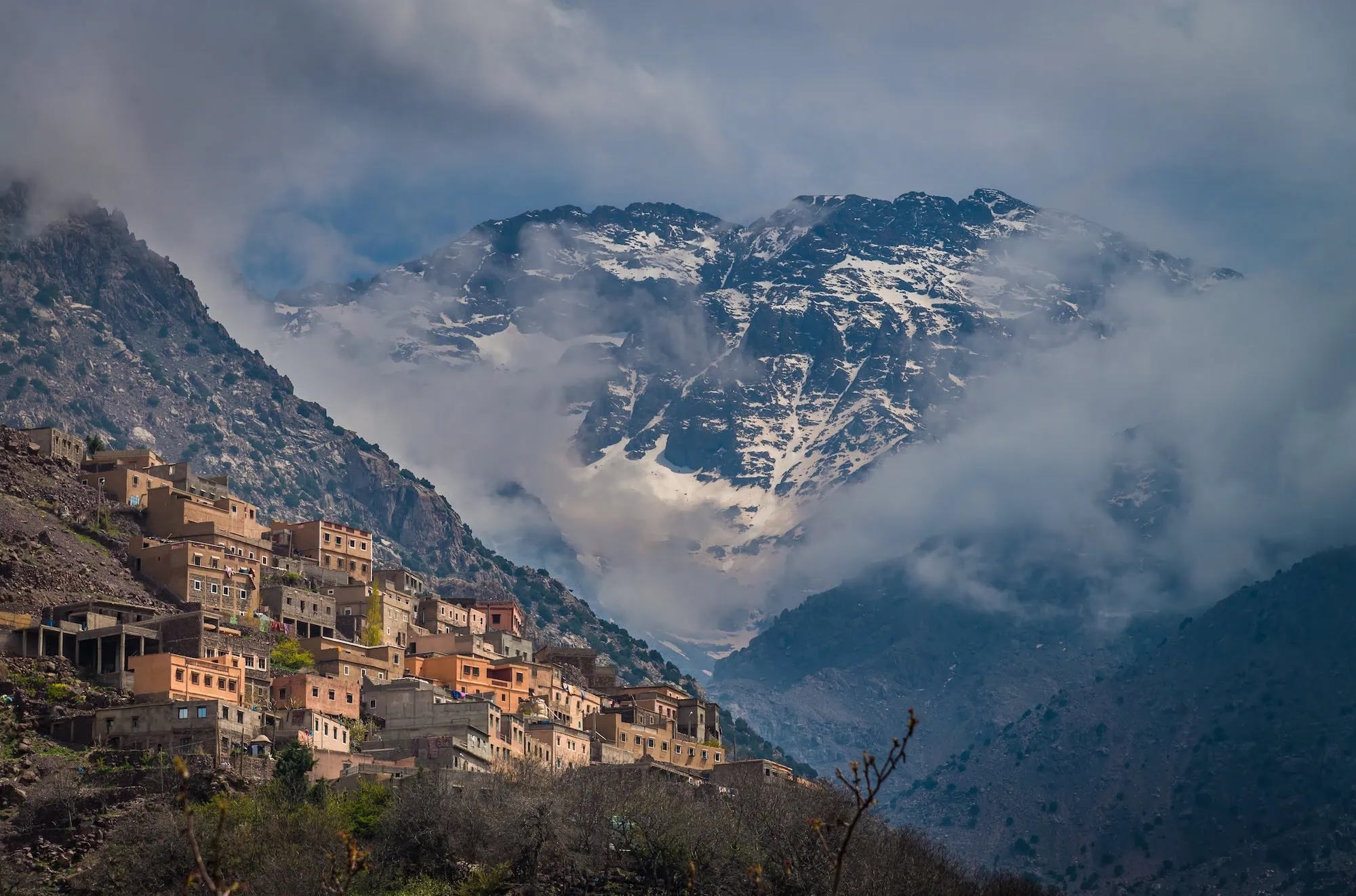
The best part? Most Atlas Mountains day trips can be completed comfortably within 8-12 hours, making them perfect for travelers who want to experience Morocco’s natural beauty without sacrificing their Marrakech accommodation.
Top Atlas Mountains Destinations for Day Trips
The High Atlas presents multiple gateway destinations, each offering distinct experiences and difficulty levels.
Ourika Valley: Morocco’s Most Accessible Mountain Experience
Located just 65 km (40 miles) from Marrakech, Ourika Valley serves as the perfect introduction to Atlas Mountains culture. The drive takes approximately 1.5 hours through gradually changing landscapes—from red plains to green valleys dotted with traditional Berber villages.
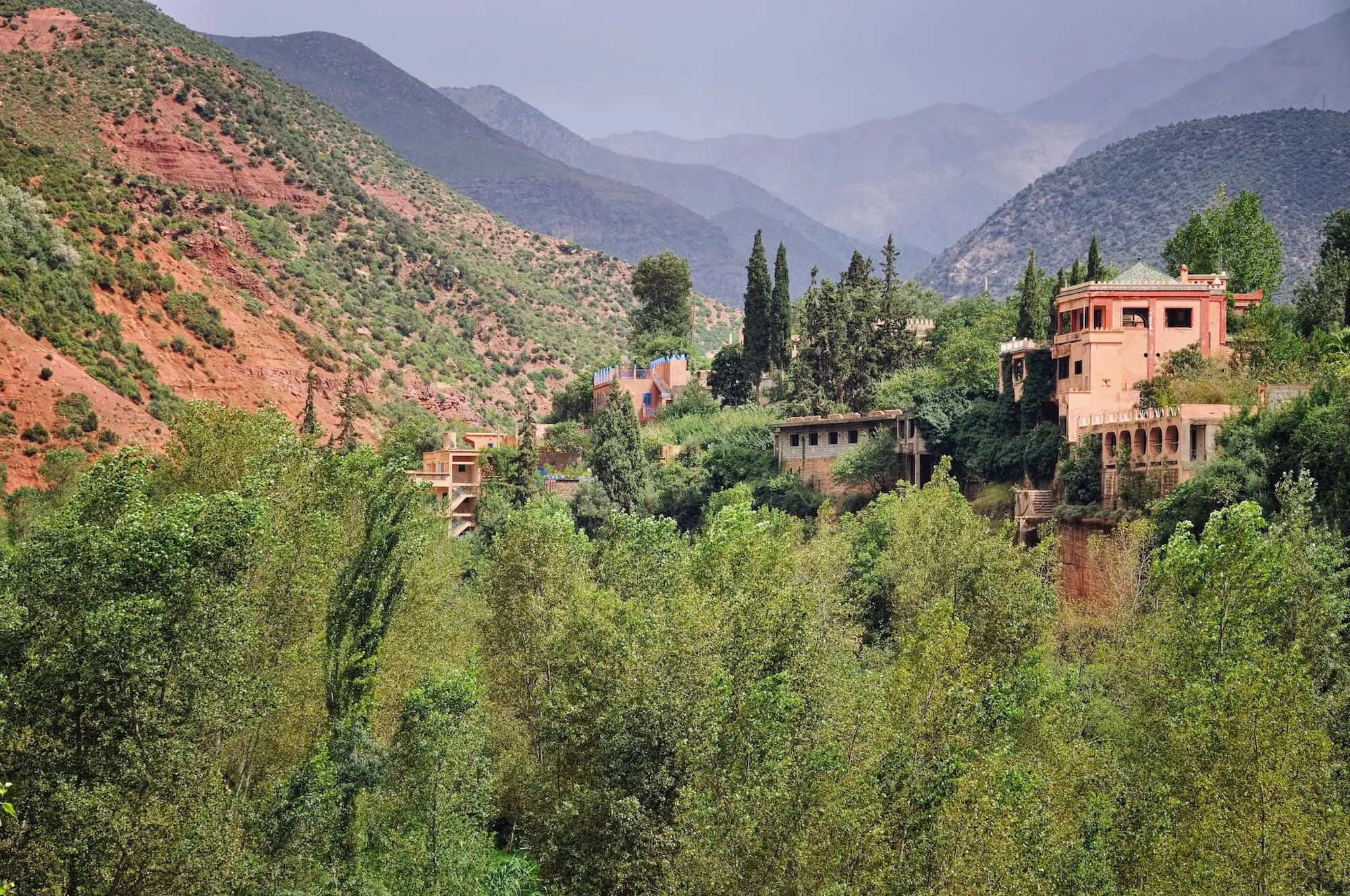
The valley’s crown jewel is the Setti Fatma waterfalls, a series of seven cascades that require a moderate 45-minute hike. Local guides, usually young Berber men from nearby villages, charge around 50-100 MAD ($5-10 USD) and provide valuable insights into local flora and mountain safety. The trail crosses several streams and rocky sections, so sturdy footwear is essential.
Imlil Village: Gateway to Mount Toubkal
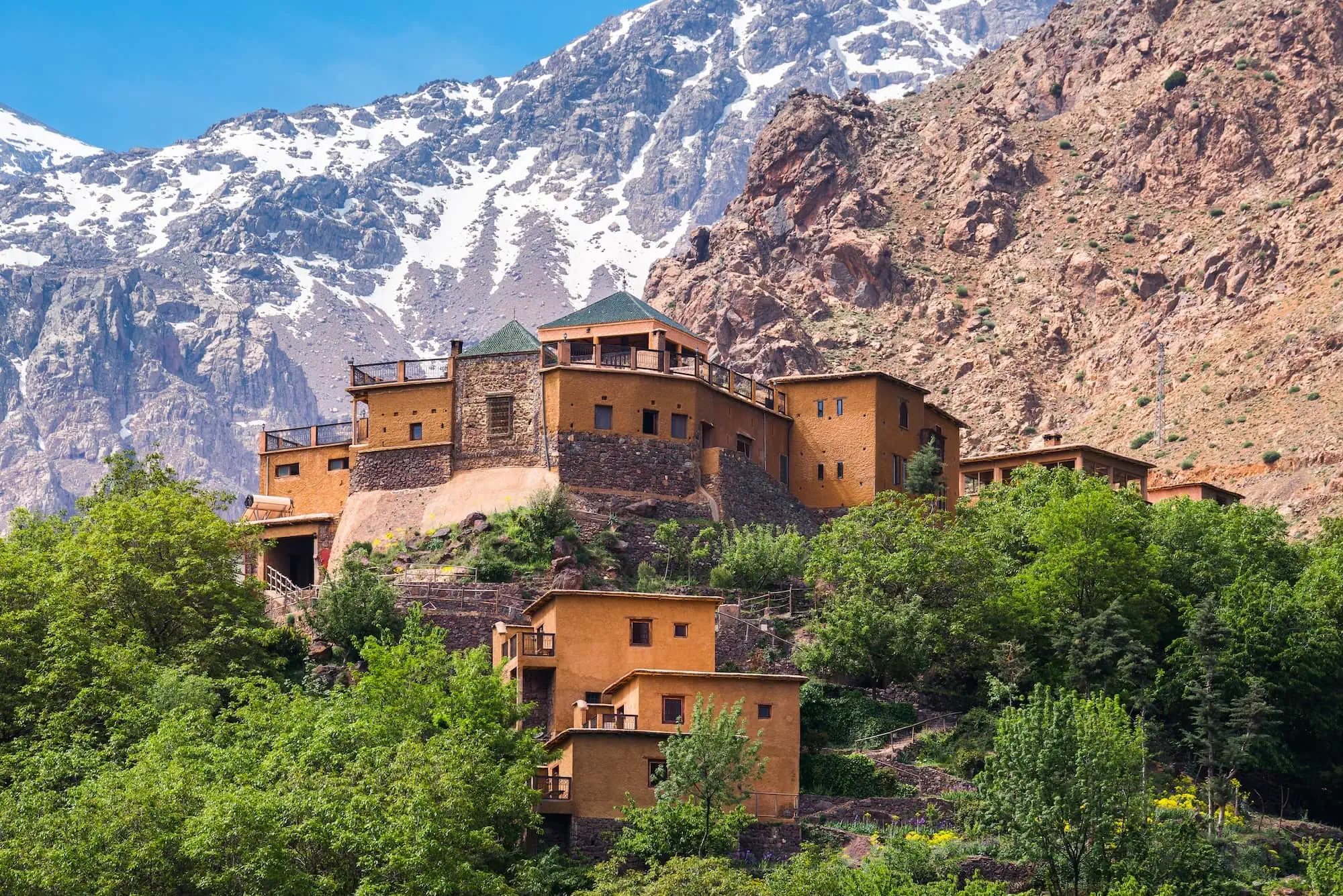
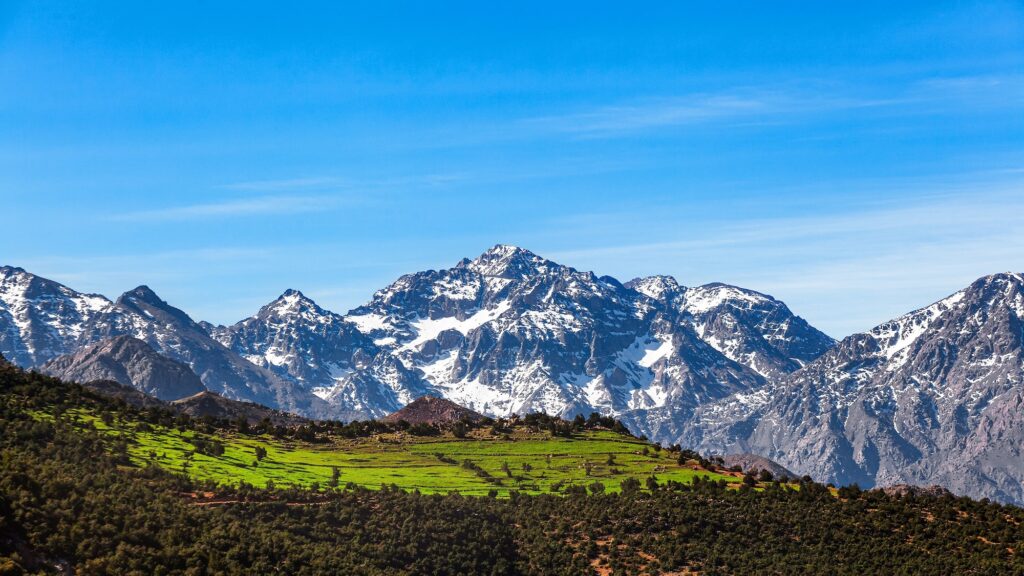
Imlil sits at 1,740 meters (5,709 feet) altitude and functions as the primary base camp for Mount Toubkal expeditions. This mountain village, reached via a scenic 90-minute drive from Marrakech, offers day hikers several options without attempting the full summit.
The village itself showcases traditional Berber architecture with flat-roofed houses built from local stone and clay. Small restaurants serve tagines and mint tea on terraces overlooking terraced fields where locals grow walnuts, apples, and barley using centuries-old irrigation methods.
Ait Ben Haddou: Ancient Trading Post
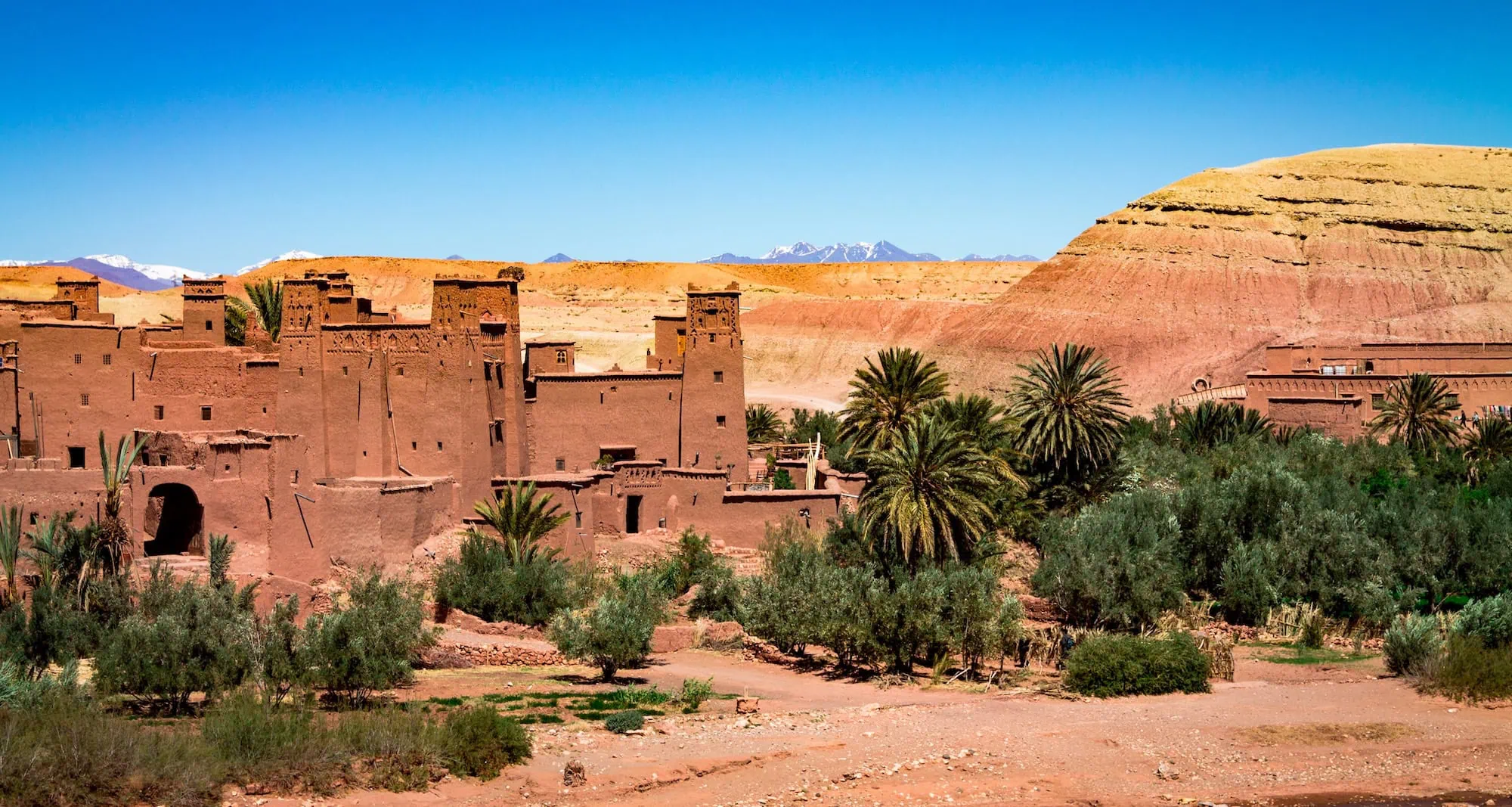
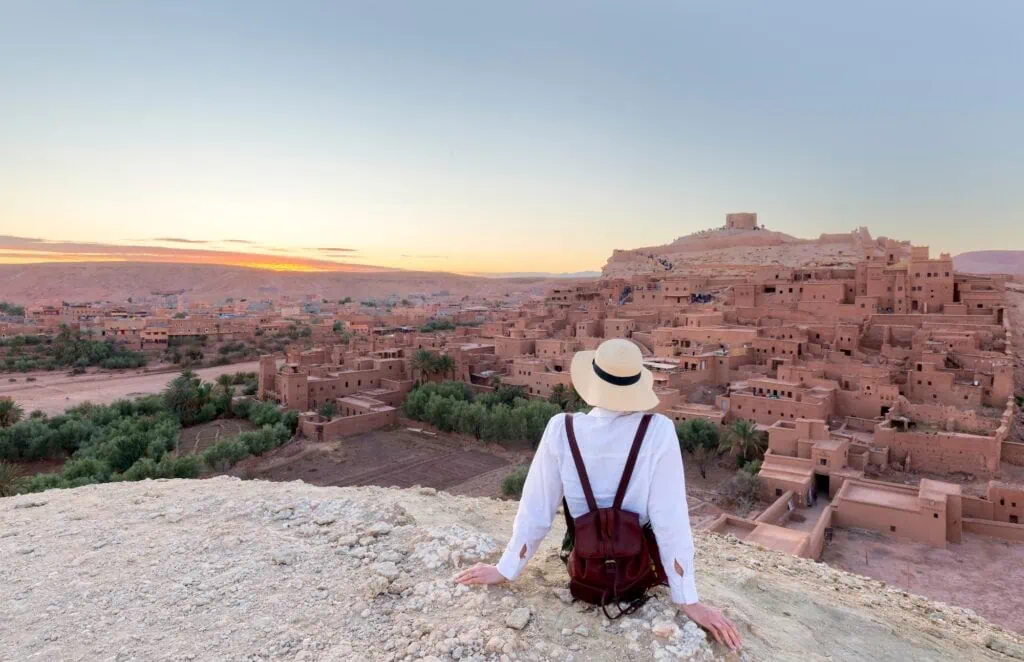
This UNESCO World Heritage site combines Atlas Mountains scenery with Morocco’s most famous kasbah. The fortified village, constructed from red clay and straw, has served as a backdrop for numerous Hollywood films including “Gladiator” and “Game of Thrones.”
The 3.5-hour drive from Marrakech crosses the dramatic Tizi n’Tichka Pass at 2,260 meters (7,415 feet), offering panoramic views of snow-capped peaks and traditional villages clinging to mountainsides.
Planning Your Atlas Mountains Adventure
Most day trips depart Marrakech between 8:00 am (08:00) and 9:00 am (09:00) to maximize mountain time and return before sunset.
Transportation Options and Costs
Private drivers offer the most flexibility, typically charging 800-1,200 MAD ($80-120 USD) for full-day excursions including fuel and driver meals. This option allows custom stops and pace adjustments based on your interests and fitness level.
Shared group tours through local operators cost 200-400 MAD ($20-40 USD) per person but follow fixed schedules with limited customization. These tours usually include transportation, guide services, and sometimes lunch in traditional Berber homes.
For independent travelers, rental cars provide complete freedom but require confidence navigating mountain roads. The Tizi n’Tichka Pass includes steep grades and sharp curves that demand careful driving, especially during winter months when snow and ice create hazardous conditions.
Public transport exists via local buses from Marrakech’s main station, but services are infrequent and may require multiple transfers to reach mountain destinations.
Weather Considerations Throughout the Year
Atlas Mountains weather changes dramatically with altitude and season. Summer temperatures reach 35°C (95°F) in valleys but drop to comfortable 20-25°C (68-77°F) at higher elevations. Winter brings snow to peaks above 2,000 meters (6,562 feet) while valleys maintain mild 15-20°C (59-68°F) temperatures.
Spring (March-May) offers ideal hiking conditions with blooming almond trees and comfortable temperatures. Autumn (September-November) provides clear mountain views and pleasant weather before winter snow arrives.
Cultural Experiences in Berber Villages
Traditional Berber hospitality forms the heart of most Atlas Mountains day trips.
Many villages welcome visitors into family homes for authentic meals prepared using traditional methods. These experiences typically cost 100-150 MAD ($10-15 USD) per person and include mint tea ceremonies, fresh bread baked in communal ovens, and tagines slow-cooked over wood fires.
Women’s cooperatives in villages like Ourika and Imlil demonstrate traditional weaving techniques using wool from local sheep. These demonstrations aren’t tourist shows but genuine glimpses into economic activities that support mountain families. Visitors can purchase handwoven carpets, scarves, and bags directly from artisans, ensuring fair prices and supporting local communities.
Village walks reveal daily life rhythms largely unchanged for generations. Children walk kilometers to attend school, families tend terraced gardens using hand tools, and elderly men gather in village squares for afternoon discussions. Photography is generally welcome, but always ask permission before photographing individuals, especially women and children.
Adventure Activities Beyond Basic Sightseeing
Waterfall Hiking and Swimming
Ourika Valley’s seven waterfalls offer swimming opportunities in natural pools formed by centuries of water erosion. The water stays refreshingly cool even during summer, typically ranging from 15-18°C (59-64°F). The hike to the highest accessible waterfall takes 2-3 hours round trip and requires moderate fitness levels.
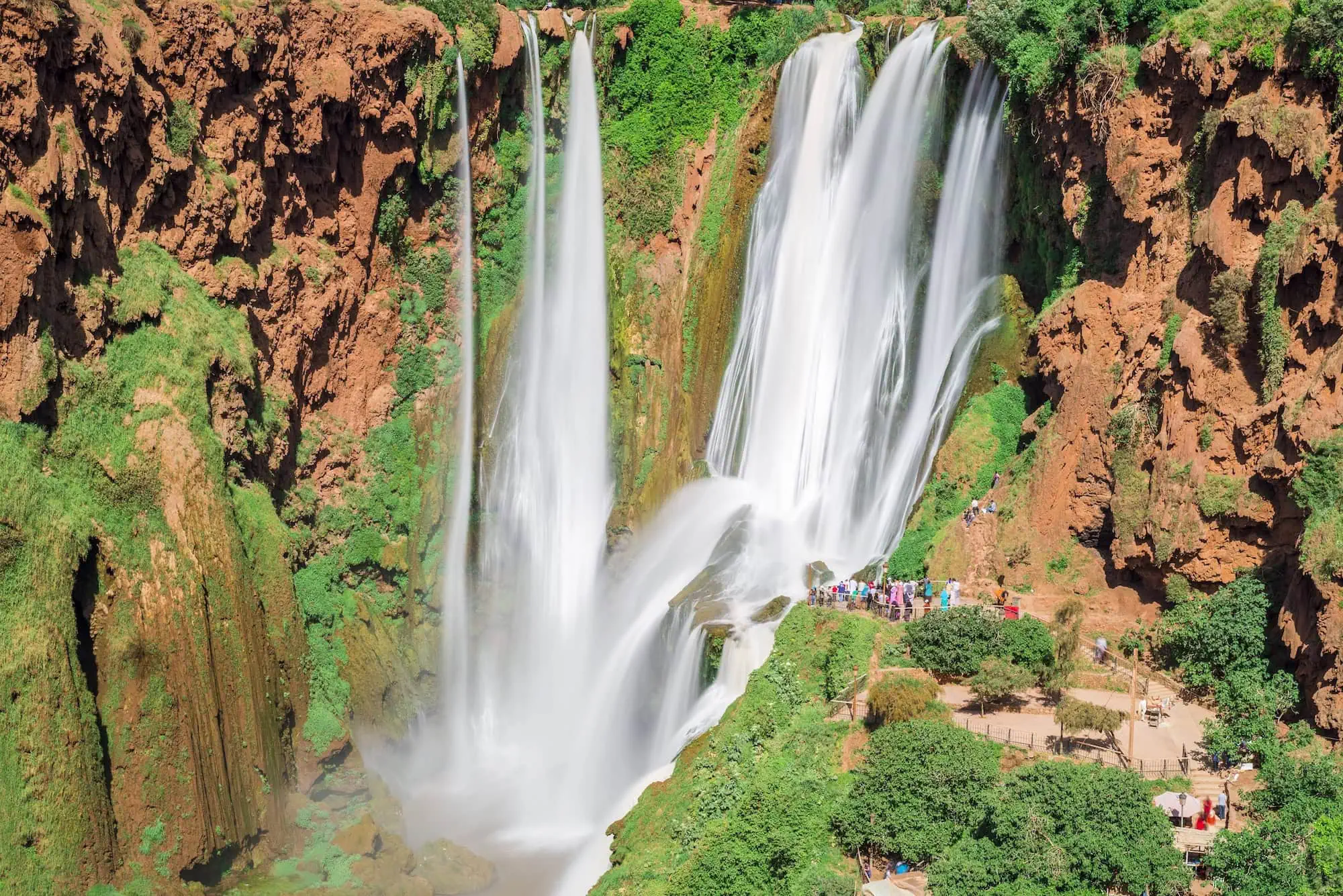
Ouzoud Waterfalls, though technically outside the High Atlas, combine perfectly with Atlas Mountains day trips. These 110-meter (361-foot) cascades create rainbow mists and host families of Barbary macques—Morocco’s only native primate species.
Rock Climbing and Mountaineering Tasters
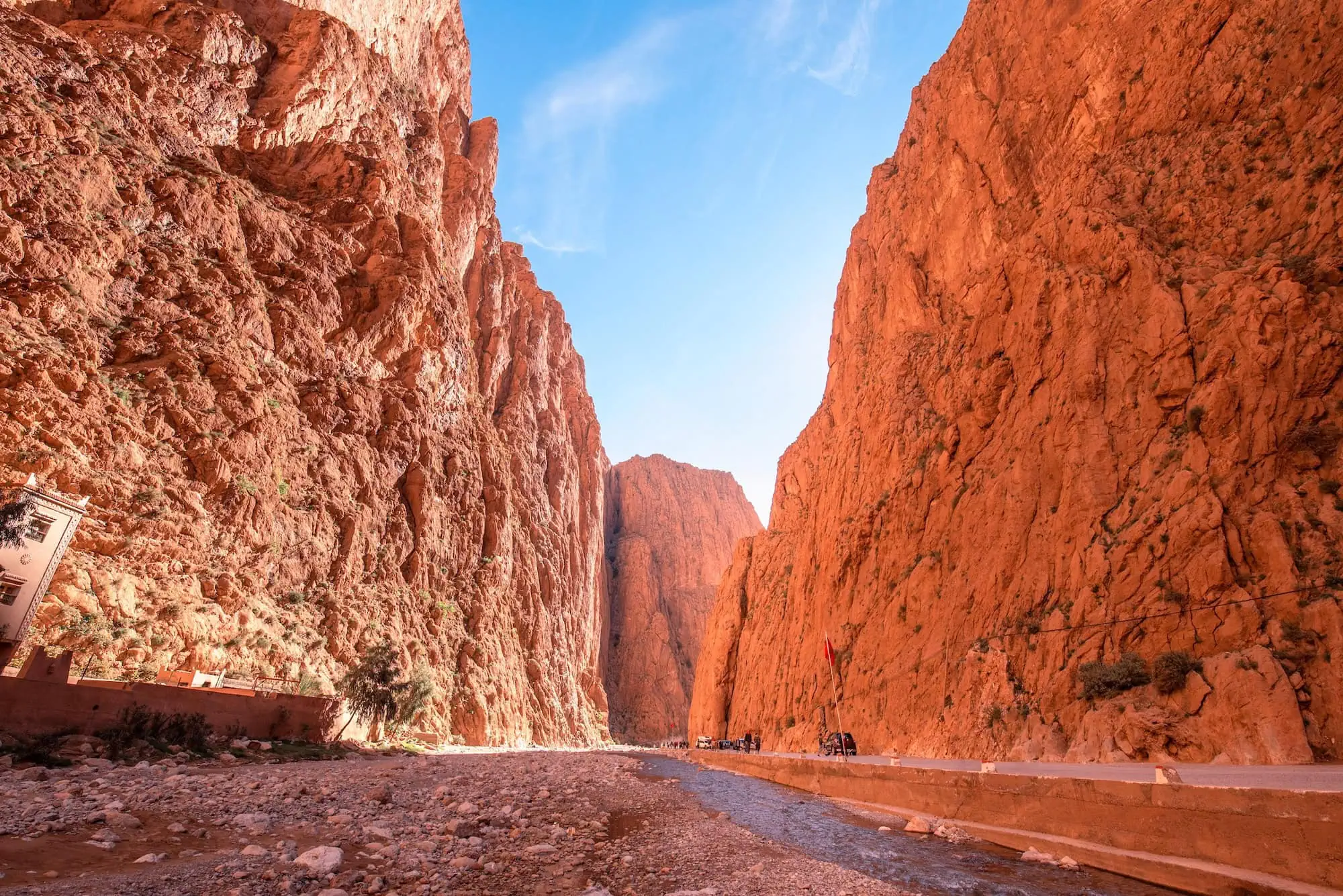
Todra Gorge provides excellent rock climbing opportunities for beginners and experienced climbers. The limestone cliffs offer routes ranging from easy scrambles to challenging multi-pitch climbs. Local guides familiar with route conditions and safety protocols charge approximately 300-500 MAD ($30-50 USD) for half-day climbing experiences including basic equipment rental.
Traditional Mule Trekking
Mules have transported goods and people across Atlas Mountains for centuries. Modern visitors can experience this traditional travel method on guided treks lasting 2-4 hours. These sturdy animals, perfectly adapted to mountain terrain, carry supplies while trekkers walk alongside learning about traditional trade routes and mountain ecology.
The experience costs around 200-300 MAD ($20-30 USD) per person and includes mule handler services plus insights into how mountain communities historically connected with desert trading posts and coastal cities.
Seasonal Highlights and Special Considerations
Spring Almond Blossoms (February-March)
The Atlas Mountains transform into a pink and white wonderland when almond trees bloom across valley floors and hillsides. This brief but spectacular season attracts photographers and nature lovers seeking Morocco’s most photogenic landscapes.
Villages celebrate the blooming season with small festivals featuring traditional music, dancing, and almond-based dishes. The timing varies slightly with altitude—lower valleys bloom first, followed by higher elevation areas as temperatures warm.
Summer High-Altitude Escapes
When Marrakech temperatures soar above 40°C (104°F), Atlas Mountains provide natural air conditioning. Higher elevation destinations like Oukaimeden, Morocco’s ski resort, offer hiking trails through alpine meadows where temperatures rarely exceed 25°C (77°F).
Oukaimeden sits at 2,600 meters (8,530 feet) and serves dual purposes—winter skiing and summer hiking. The resort’s chairlifts operate during summer months, carrying visitors to 3,200-meter (10,499-foot) viewpoints overlooking the High Atlas range including distant Mount Toubkal.
Winter Snow Adventures
December through March brings snow to peaks above 1,500 meters (4,921 feet), creating opportunities for Morocco’s only winter sports. Oukaimeden ski resort offers basic facilities including equipment rental and ski instruction, though snow conditions vary significantly year to year.
Winter day trips focus more on snow-capped mountain photography, traditional hammams in mountain villages, and hearty Berber meals featuring preserved meats and dried fruits that sustain families through cold months.
Practical Tips for Atlas Mountains Day Trips
Dress in layers regardless of season—mountain weather changes quickly with altitude and time of day. Mornings might require light jackets while afternoons call for t-shirts and sun protection. Always pack a warm layer for unexpected weather changes.
Bring plenty of water, especially during summer months. Mountain air and physical activity increase dehydration risk, and clean water isn’t always available in remote villages. A minimum of 2 liters (0.5 gallons) per person ensures adequate hydration throughout the day.
Cash remains king in Atlas Mountains villages. Few locations accept credit cards, and ATMs are nonexistent outside major towns. Bring sufficient Moroccan dirhams in small denominations for meals, guide tips, and souvenir purchases.
Negotiate guide and mule fees before starting any activity. Agreed-upon prices prevent misunderstandings and ensure fair compensation for local services. Standard tipping ranges from 50-100 MAD ($5-10 USD) for day guides depending on service quality and group size.
Transportation Back to Marrakech
Most day trips conclude between 5:00 pm (17:00) and 7:00 pm (19:00) to avoid mountain driving after dark. Atlas Mountains roads lack consistent lighting, and nighttime temperatures drop significantly, especially during winter months.
The return journey provides different perspectives on landscapes seen during morning travels. Late afternoon lighting enhances red rock formations and distant mountain silhouettes, creating excellent photography opportunities for travelers with window seats.
Traffic back to Marrakech typically increases during late afternoon as local workers return from mountain jobs and tourists head back to city accommodations. Allow extra time for potential delays, especially on weekends when Moroccan families visit mountain destinations for picnics and family gatherings.
Frequently Asked Questions
Spring (March-May) and autumn (September-November) offer ideal weather conditions with comfortable temperatures and clear mountain views.
Expect to spend 500-1,500 MAD ($50-150 USD) per person including transport, meals, guide fees, and activities.
Sturdy walking shoes, layered clothing, sun protection, and plenty of water cover most activities.
Most valley visits and cultural experiences work well for families depending on children’s age and fitness level.
Yes, but local guides enhance the experience significantly through cultural insights and navigation help.
Ourika offers the easiest access and most developed tourist facilities compared to more authentic experiences elsewhere.
Most destinations require 1-2 hours driving time depending on specific location and road conditions.
Bottled water is recommended as it’s safer to bring adequate supplies from Marrakech.
Modest clothing covering shoulders and knees shows respect for local customs and traditions.
Yes, traditional Berber cuisine includes many vegetarian dishes featuring vegetables, legumes, and grains.
Absolutely. Village cooperatives offer genuine handmade items at fair prices, supporting local communities directly.
Most trips involve elevation changes from Marrakech’s 460 meters to destinations ranging from 1,200-2,600 meters.
Design Your Custom Tour
Explore Egypt & Morocco your way by selecting only the attractions you want to visit