Best Places to Visit
Egypt calls to travelers with ancient secrets written in stone.
For over 5,000 years, this remarkable country has captivated visitors with monuments that defy explanation and landscapes that shift from golden deserts to emerald river valleys. Whether you’re standing before the Great Pyramid’s massive stones or sailing down the Nile at sunset, Egypt delivers experiences that stay with you long after you return home. At Egypt Tours Plus, we’ve spent decades guiding travelers through this incredible destination, and we know exactly which places will leave you speechless.
From Cairo’s bustling streets to Luxor’s temple complexes, this guide covers Egypt’s most essential destinations and hidden treasures alike.
Ancient Wonders That Define Egypt
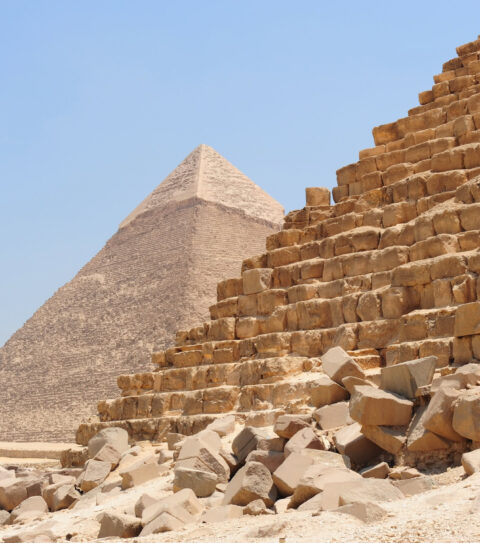
The Pyramids of Giza: Egypt’s Crown Jewel
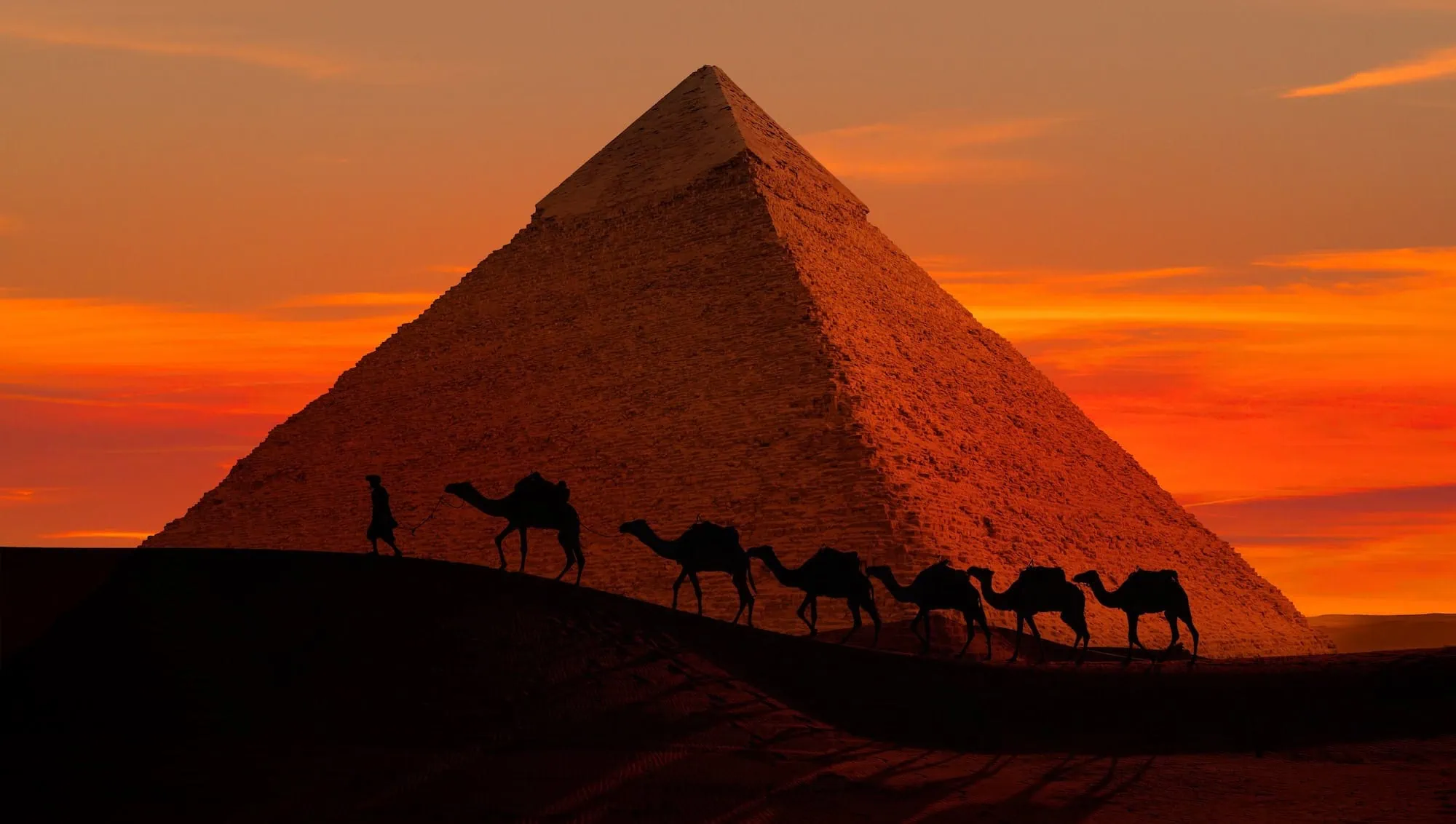
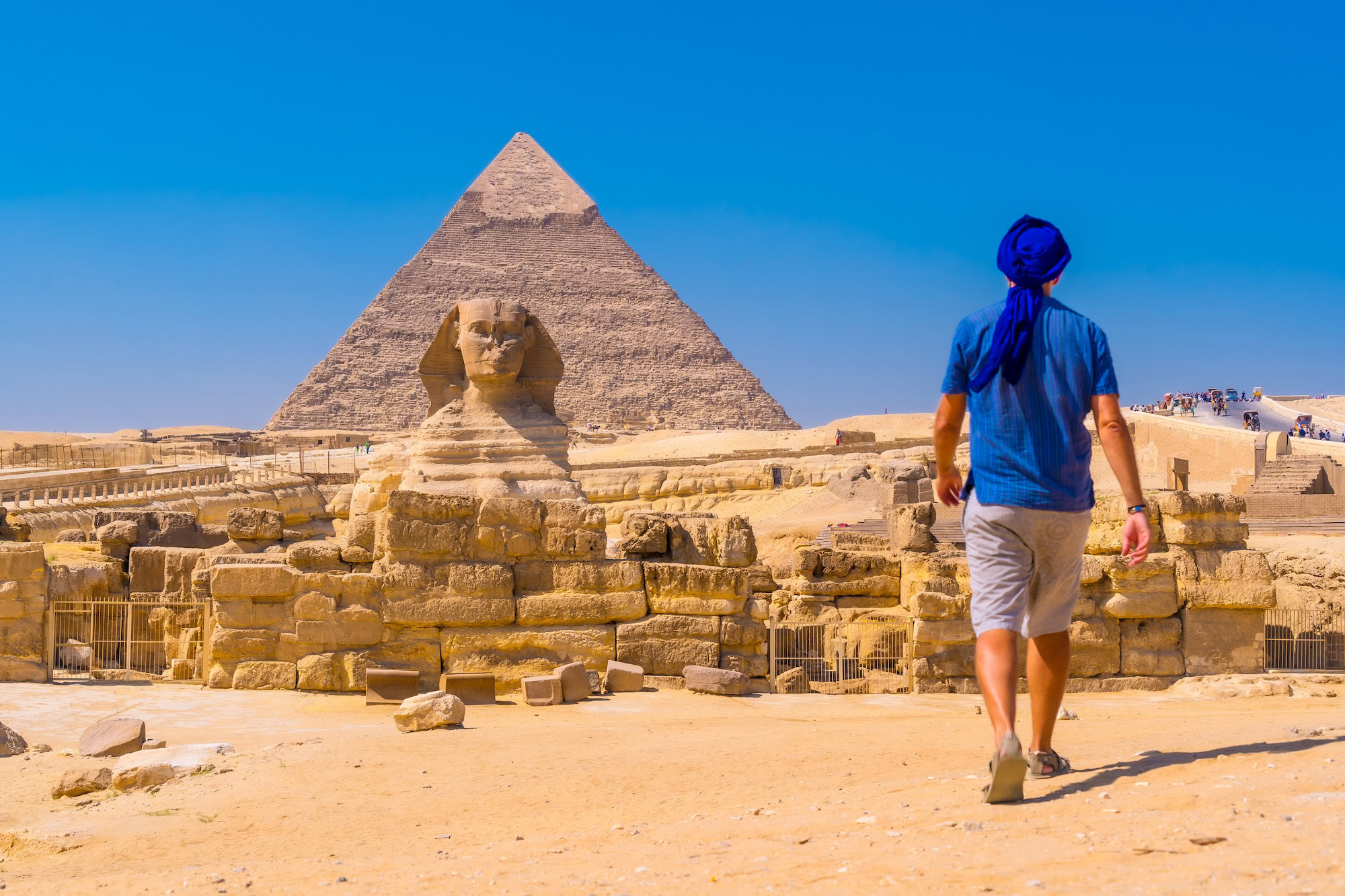
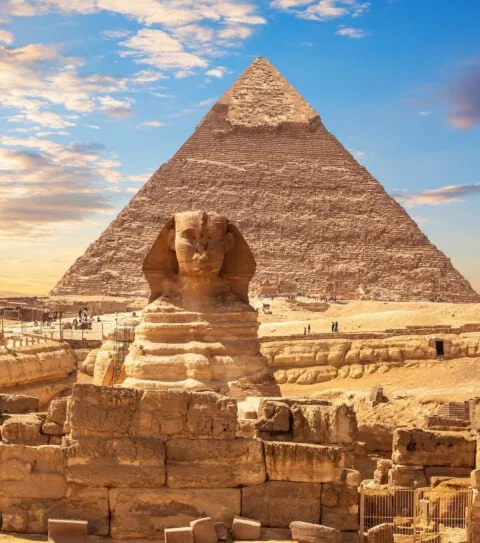
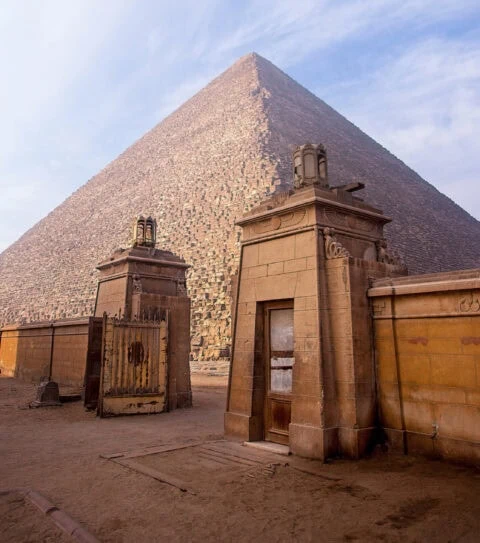
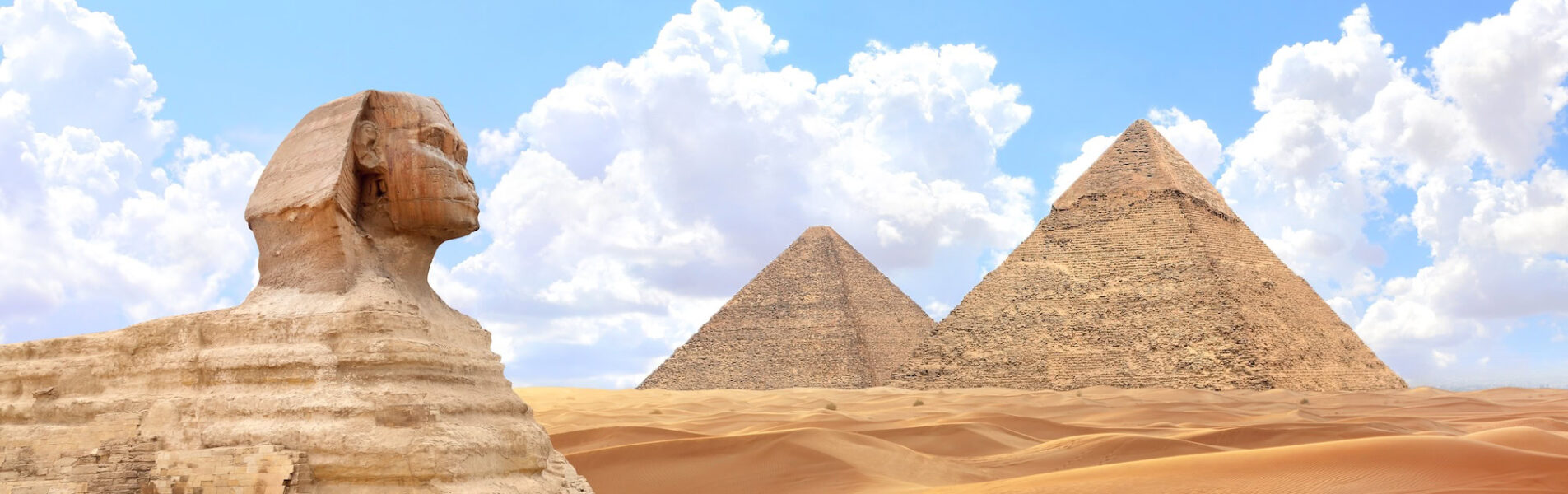
No journey to Egypt feels complete without standing before the Great Pyramid. This last surviving wonder of the ancient world rises 147 meters (482 feet) above the desert, built with precision that still puzzles engineers today. The pyramid complex houses three major structures, with the Great Sphinx guarding them like a silent sentinel.
Morning visits offer the best experience, arriving around 8:00 am (08:00) when temperatures are cooler and crowds thinner. The pyramid’s internal chambers require separate tickets, but the journey through narrow passages to the King’s Chamber creates an unforgettable connection to ancient Egypt.
Valley of the Kings: Royal Burial Ground
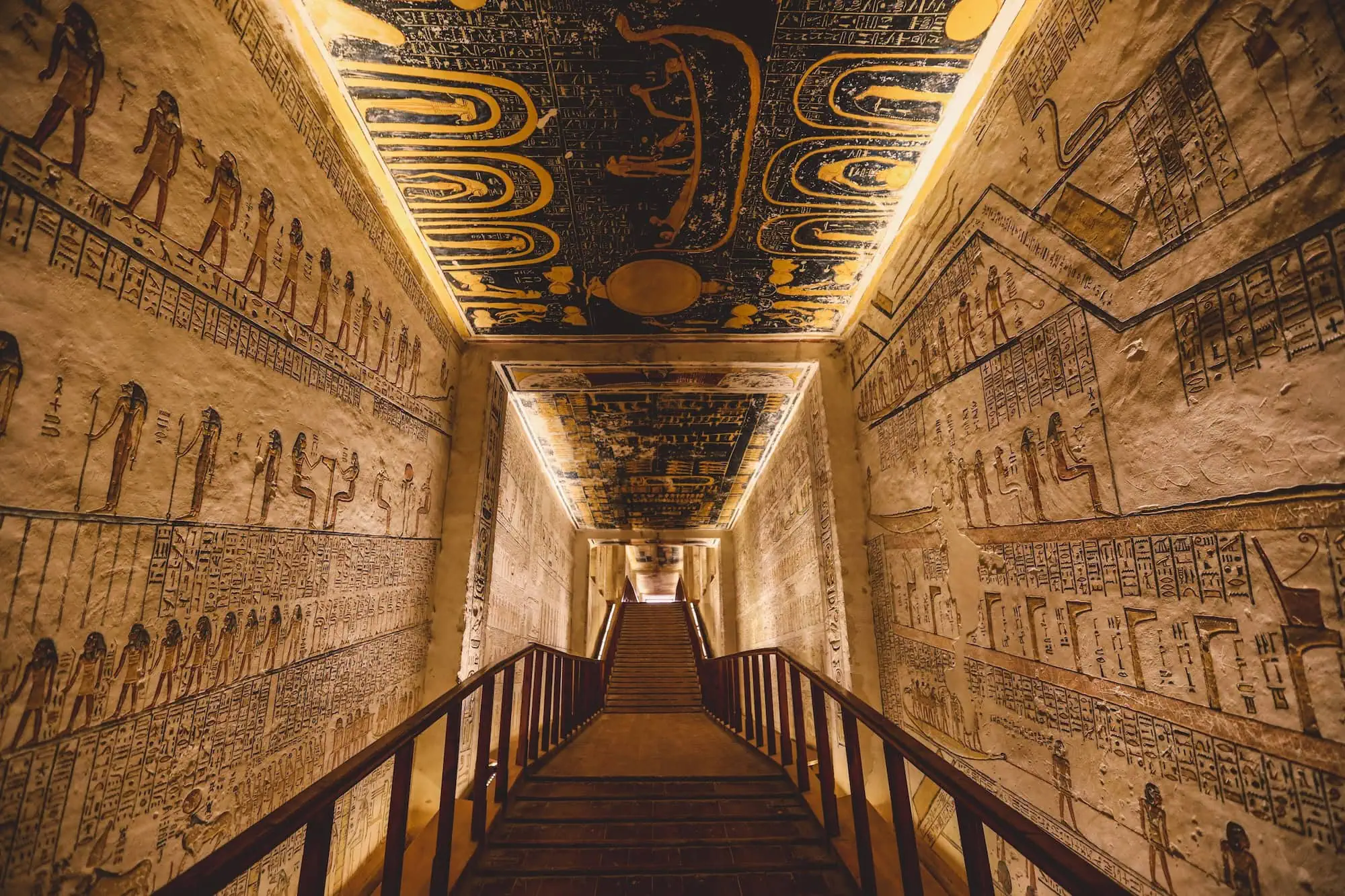
Luxor’s Valley of the Kings contains 63 discovered tombs carved into limestone cliffs. These underground chambers served as final resting places for pharaohs including Tutankhamun, whose tomb remains the valley’s most famous discovery. Wall paintings inside these tombs showcase ancient Egyptian beliefs about the afterlife with colors that appear freshly painted despite being thousands of years old.
Most visitors explore 3-4 tombs during a typical visit. The tomb of Ramesses VI features some of the valley’s most spectacular ceiling decorations, while Seti I’s tomb extends deep into the mountainside with detailed hieroglyphic scenes.
Abu Simbel: Ramesses II’s Monument
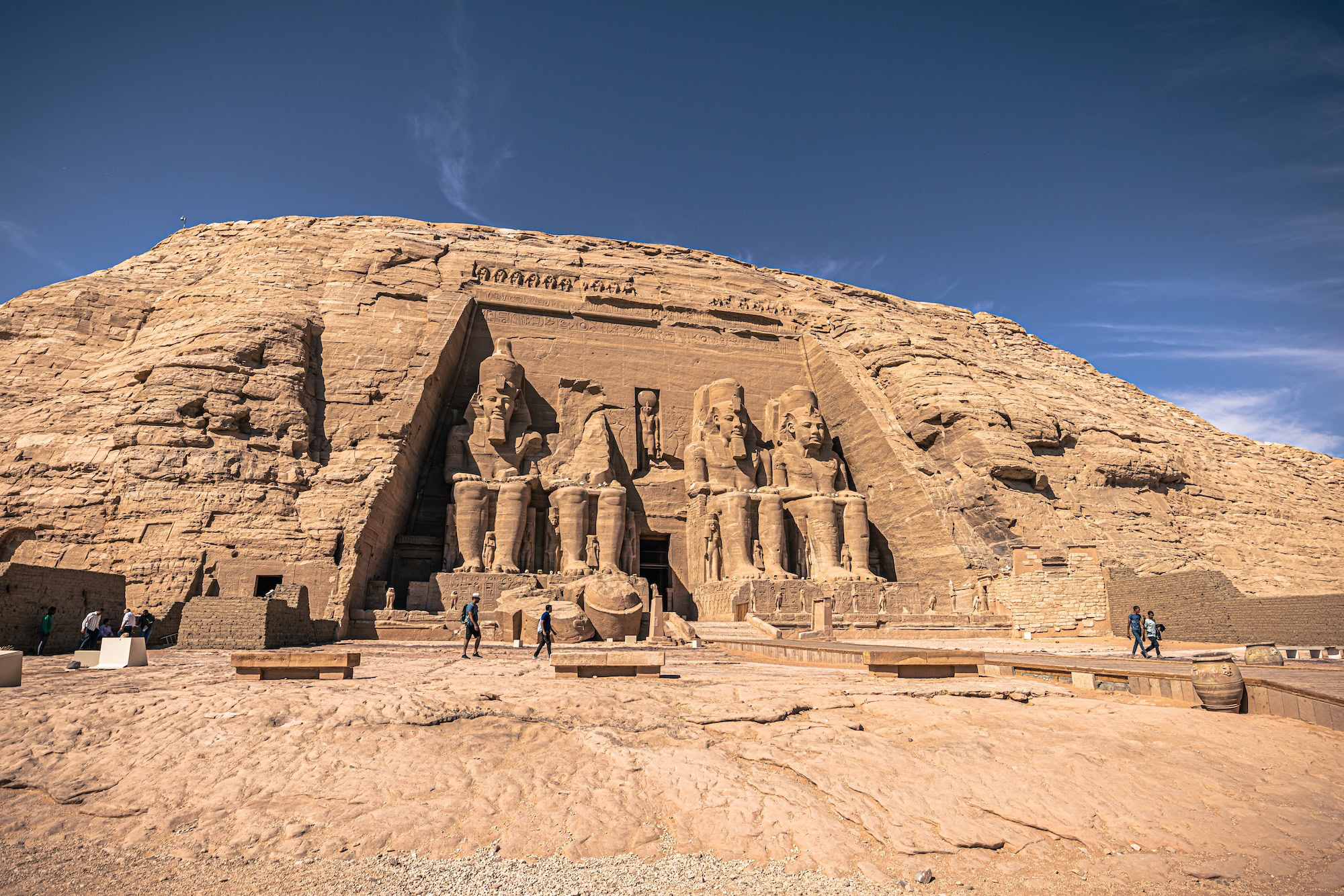
Abu Simbel stands as ancient Egypt’s most impressive display of royal power. Four colossal statues of Ramesses II, each 20 meters (66 feet) tall, guard the temple’s entrance. The temple’s interior extends 56 meters (184 feet) into solid rock, culminating in a sanctuary where sunlight illuminates Ramesses II’s statue twice yearly.
This UNESCO World Heritage site was relocated stone by stone in the 1960s to save it from flooding when the Aswan High Dam created Lake Nasser. The engineering feat required cutting the temple into 1,036 blocks and rebuilding it 65 meters (213 feet) higher.
Nile River Experiences
The Nile River flows north for 6,650 kilometers (4,130 miles), making it the world’s longest river and Egypt’s lifeline for millennia.
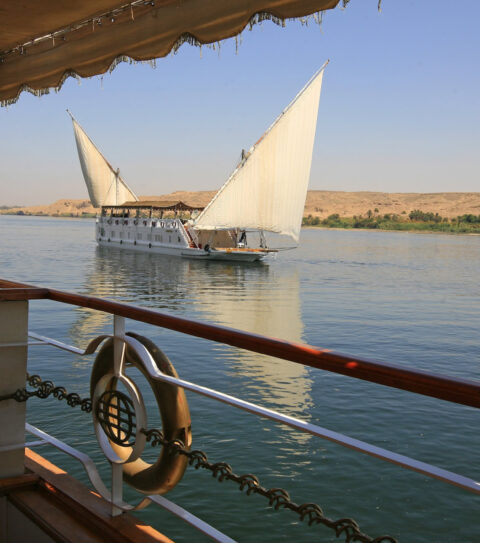
Traditional felucca sailboats offer peaceful afternoon cruises around Aswan, where granite islands and Nubian villages dot the river’s edge. These wooden boats have carried passengers along the Nile for centuries, powered only by wind and current. Felucca trips typically last 2-3 hours, perfect for watching sunset paint the river gold while Nubian captains share stories passed down through generations.
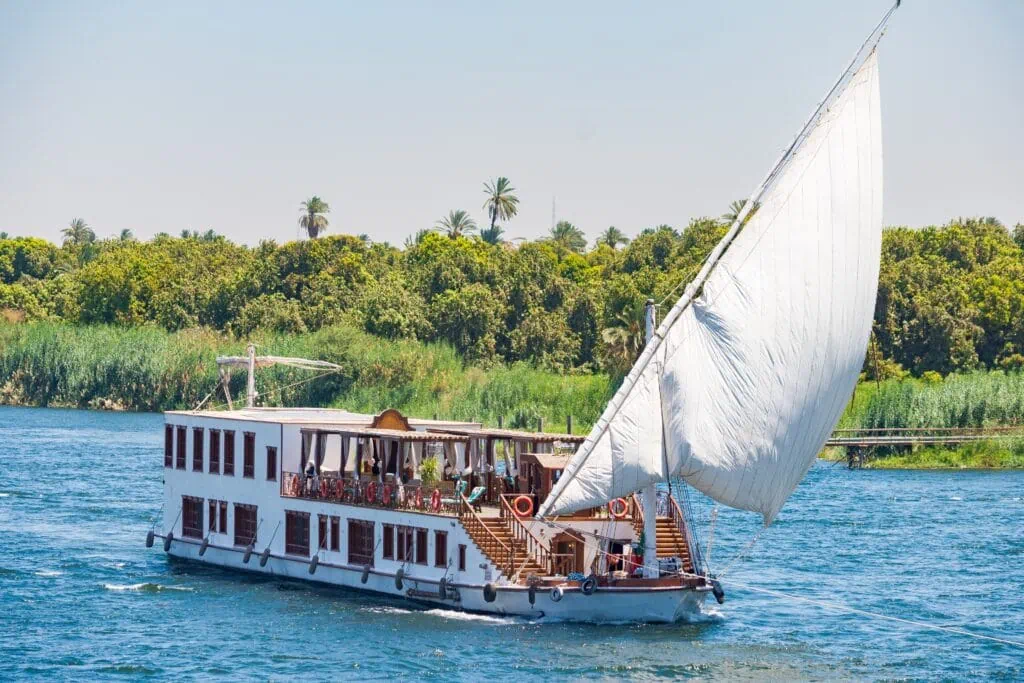
Luxury Nile cruises between Luxor and Aswan provide a different perspective on Egypt’s riverside temples. These 3-7 day journeys include guided visits to Kom Ombo Temple, dedicated to the crocodile god Sobek, and Edfu Temple, Egypt’s best-preserved ancient temple. Evening entertainment often features traditional Nubian music and whirling dervish performances.
Our Nile cruise experiences include small group excursions with maximum 12 participants at temple sites, ensuring personalized attention from expert guides while maintaining an intimate atmosphere.
Temple Complexes and Sacred Sites
Karnak Temple: Ancient Egypt’s Largest Religious Complex
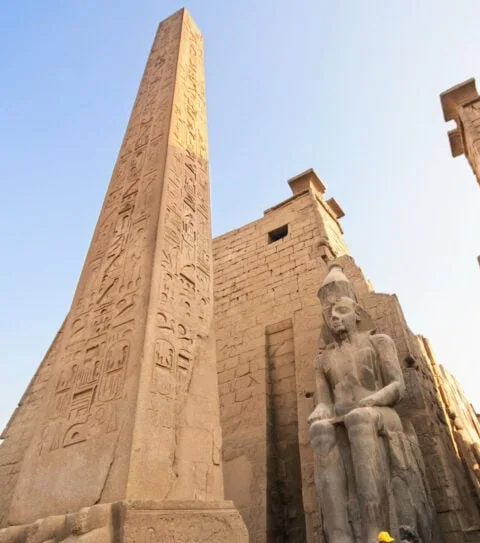
Karnak Temple covers 200 hectares (494 acres) near Luxor, making it larger than most ancient cities. Construction spanned 2,000 years as successive pharaohs added pylons, halls, and sanctuaries to honor the god Amun-Ra. The Great Hypostyle Hall contains 134 massive columns, some reaching 23 meters (75 feet) in height.
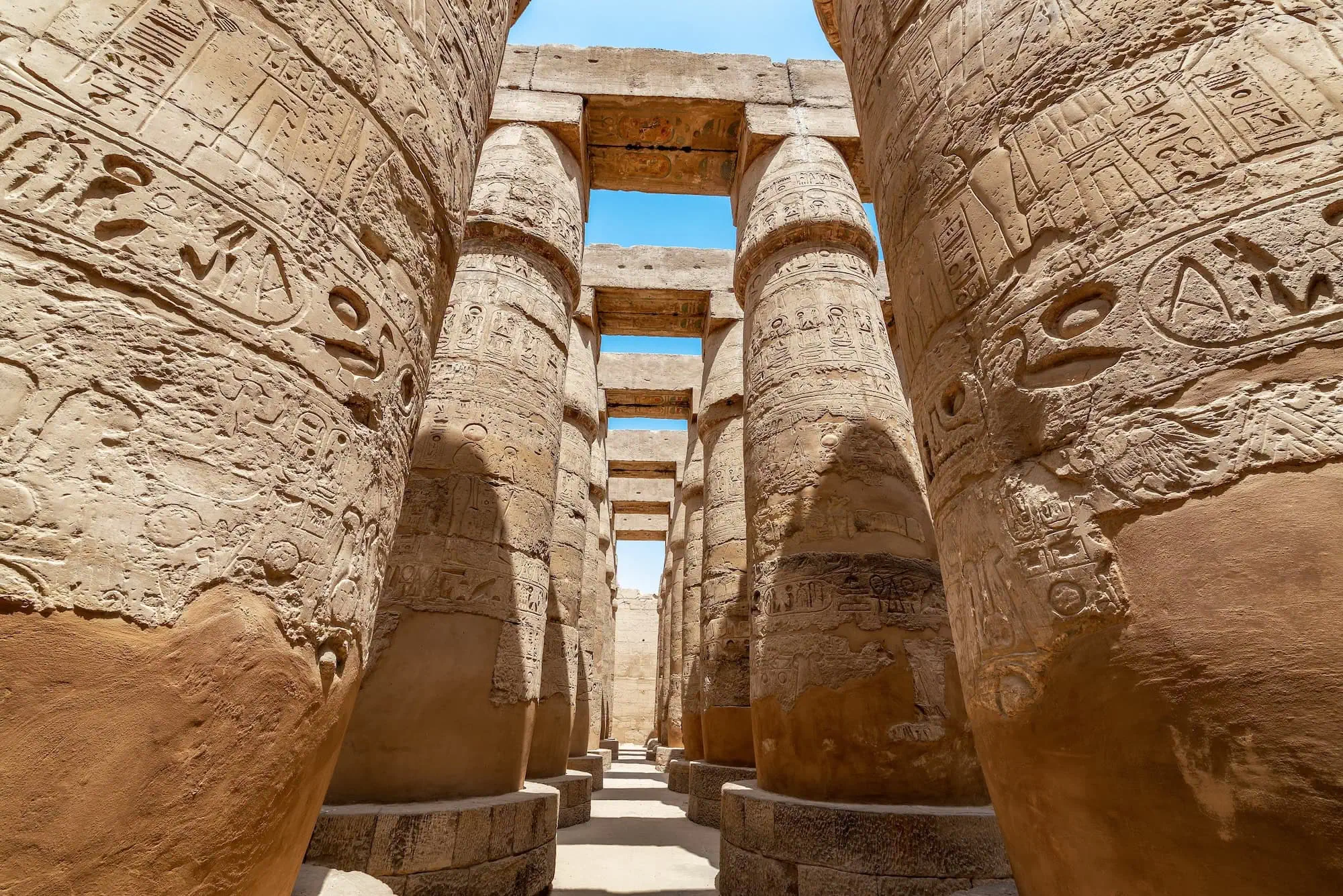
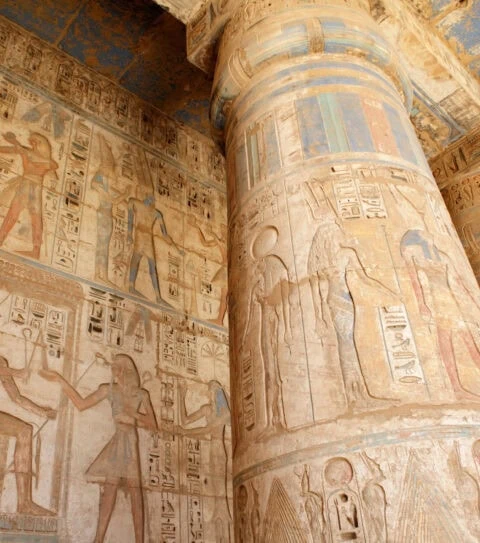
Walking through Karnak feels like entering an ancient forest of stone. Hieroglyphic inscriptions cover every surface, telling stories of military victories, religious ceremonies, and royal achievements. The sacred lake within the complex provided water for temple rituals and housed sacred geese.
Sound and light shows at Karnak happen nightly at 7:00 pm (19:00) during winter months and 8:00 pm (20:00) in summer. These productions use dramatic lighting to highlight architectural details while narrating 4,000 years of temple history.
Philae Temple: Island Sanctuary of Isis
Philae Temple occupies Agilkia Island near Aswan, dedicated to the goddess Isis who was believed to control the Nile’s annual flood. Like Abu Simbel, this temple complex was relocated when the Aswan High Dam created Lake Nasser. The temple’s new island location maintains its mystical atmosphere surrounded by the Nile’s dark waters.
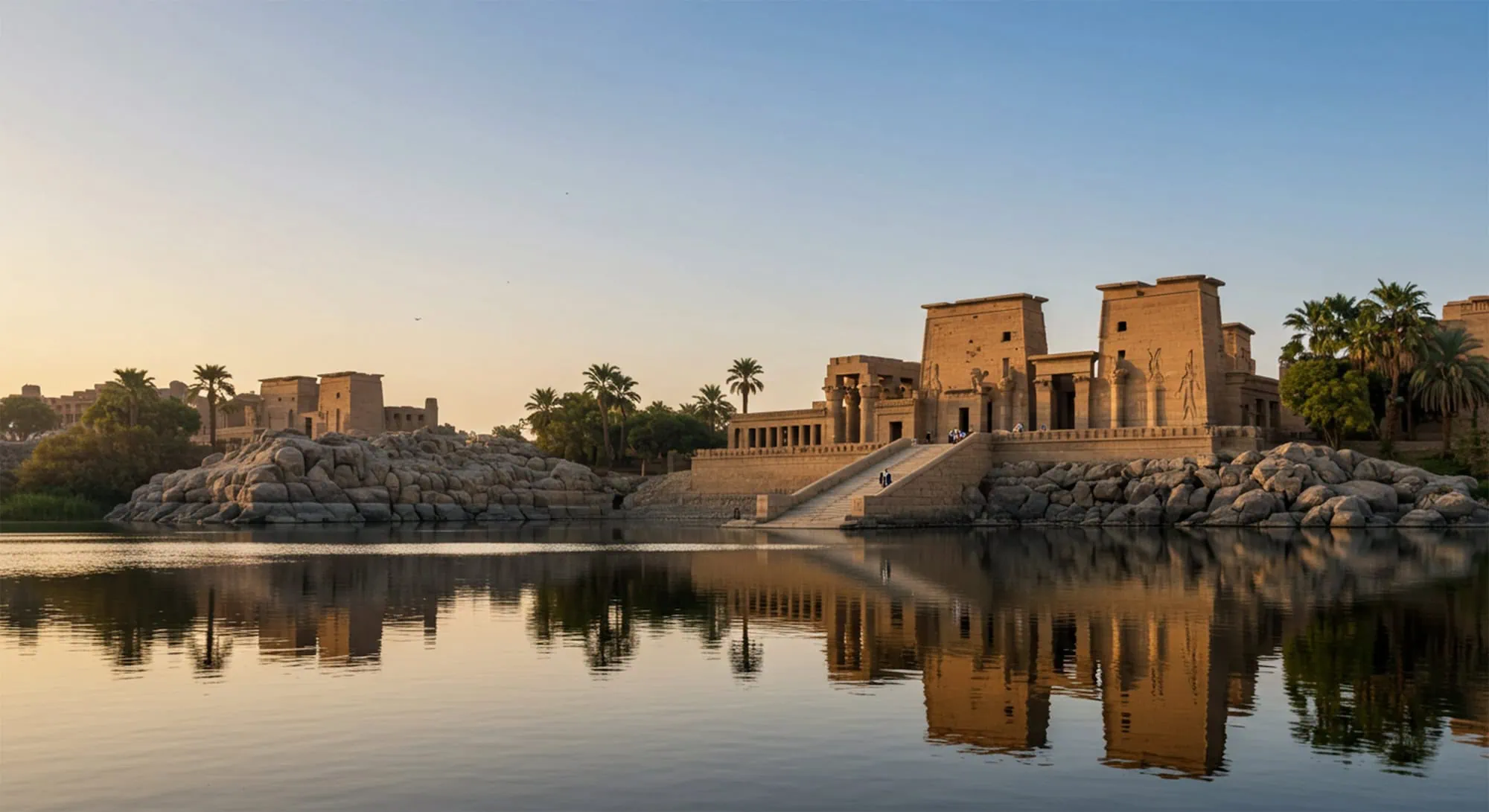
Boat transfers to Philae Island take 15 minutes from Aswan’s marina. The temple’s pylons rise directly from the water’s edge, creating perfect reflections in calm conditions. Evening sound and light shows illuminate the temple’s columns while telling Isis and Osiris’s love story.
Desert Landscapes and Oases
Siwa Oasis: Egypt’s Remote Paradise
Siwa Oasis sits 550 kilometers (342 miles) west of Cairo, closer to Libya than to Egypt’s Nile Valley. This isolated community maintains Berber culture and traditions largely unchanged for centuries. Date palm groves surround crystal-clear freshwater springs, creating green islands in the vast Western Desert.
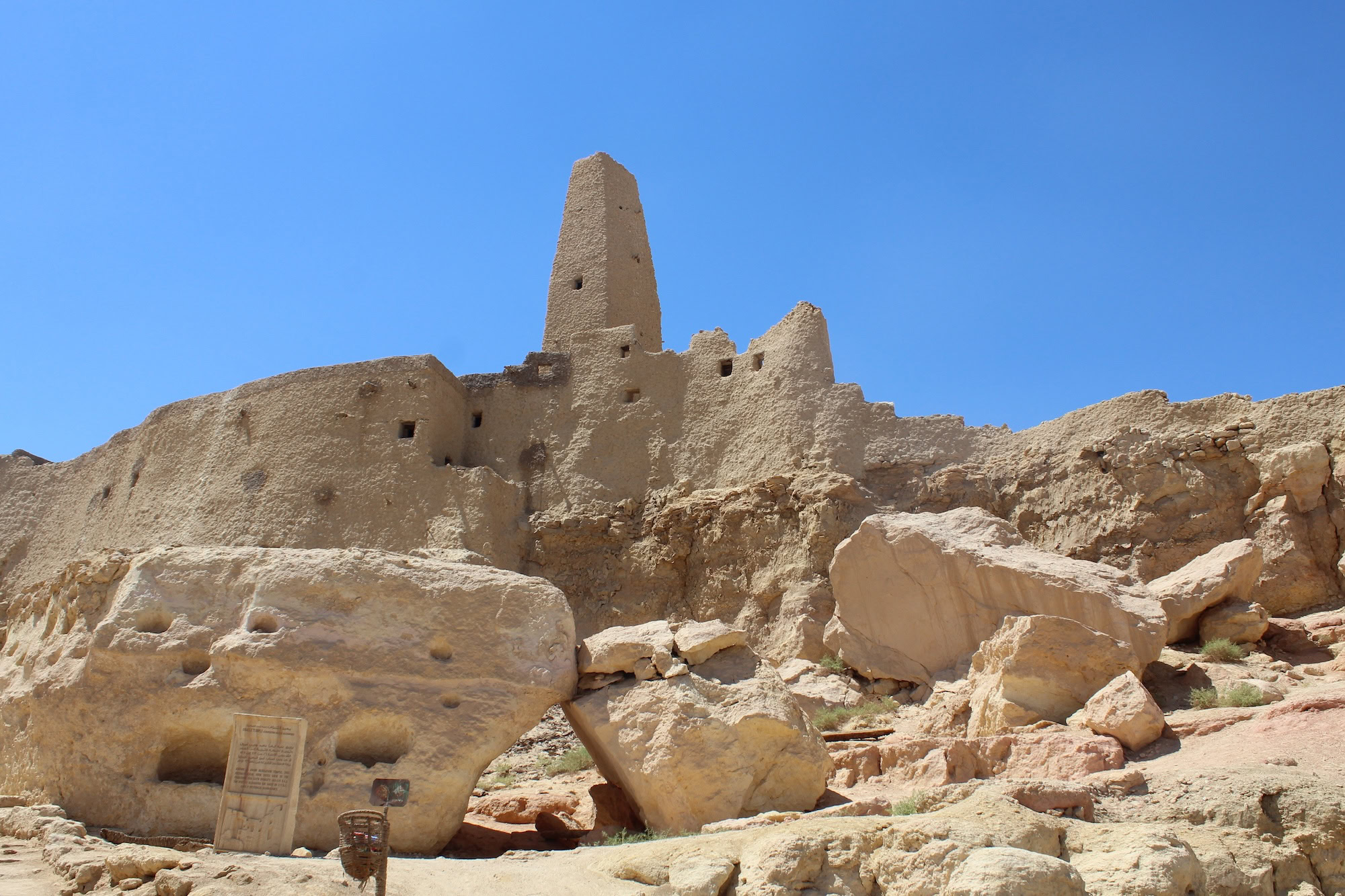
The Oracle Temple at Siwa once provided guidance to ancient rulers including Alexander the Great, who journeyed here in 331 BC to consult the oracle about his divine parentage. Today, visitors can explore the temple ruins while enjoying panoramic desert views stretching to the horizon.
Siwa’s salt lakes contain mineral-rich water perfect for therapeutic floating experiences. Cleopatra’s Bath, a natural stone pool fed by a freshwater spring, offers year-round swimming at temperatures around 25°C (77°F).
White Desert National Park: Natural Sculptures
The White Desert showcases limestone formations carved by wind into mushroom shapes, animals, and abstract sculptures. These chalk-white rocks contrast dramatically against bright blue skies, creating an otherworldly landscape 45 kilometers (28 miles) north of Farafra Oasis.
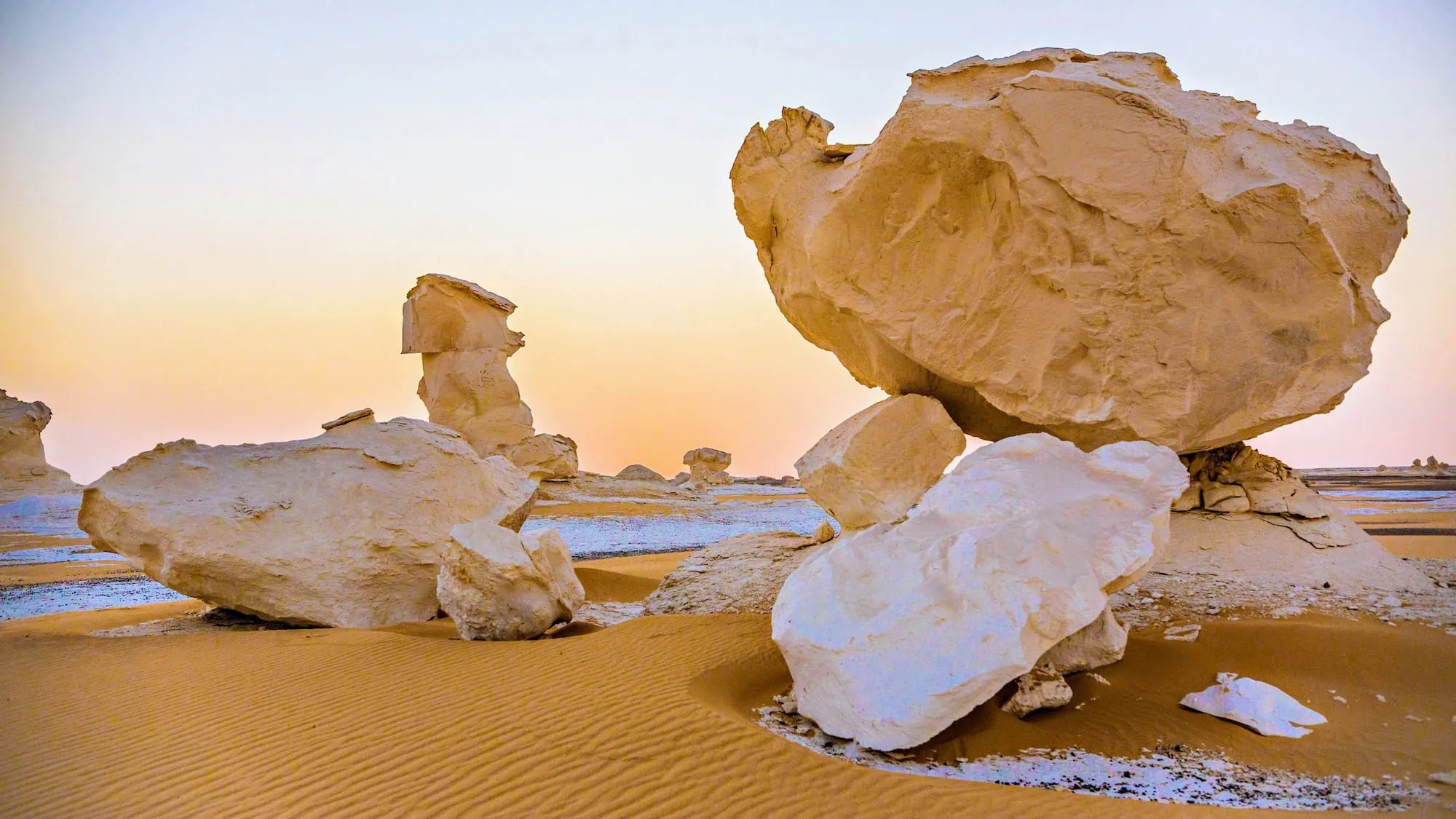
Camping overnight in the White Desert provides spectacular stargazing opportunities. Without light pollution, the Milky Way appears clearly overhead while shooting stars streak across the desert sky. Day temperatures can reach 40°C (104°F) in summer, while winter nights drop to 5°C (41°F).
Red Sea Coast Adventures
Egypt’s Red Sea coastline extends 1,080 kilometers (671 miles) along some of the world’s most pristine coral reefs. Water temperatures remain comfortable year-round, ranging from 22°C (72°F) in winter to 28°C (82°F) in summer.
Hurghada: Diving and Beach Paradise
Hurghada serves as Egypt’s premier Red Sea resort destination, offering direct access to world-class diving sites. The Giftun Islands, located 45 minutes by boat from Hurghada Marina, feature untouched coral gardens teeming with tropical fish. Popular diving sites include Carless Reef, known for its coral towers, and Abu Ramada, famous for encounters with dolphins.
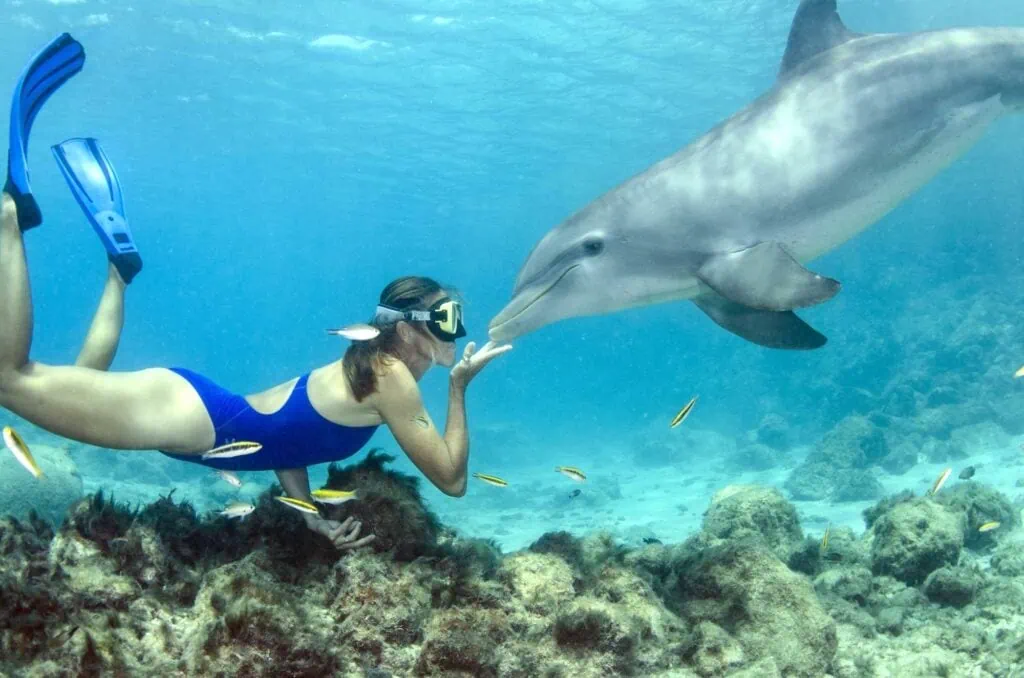
Snorkeling excursions from Hurghada typically visit 2-3 reef sites during full-day trips. Equipment is provided, and experienced guides ensure safety while pointing out marine life including parrotfish, angelfish, and occasional reef sharks.
Ras Mohammed National Park: Marine Wonderland
Ras Mohammed National Park protects the southern tip of the Sinai Peninsula where the Red Sea reaches its greatest depth. The park’s underwater walls drop 800 meters (2,625 feet) straight down, creating dramatic diving conditions with excellent visibility often exceeding 30 meters (98 feet).
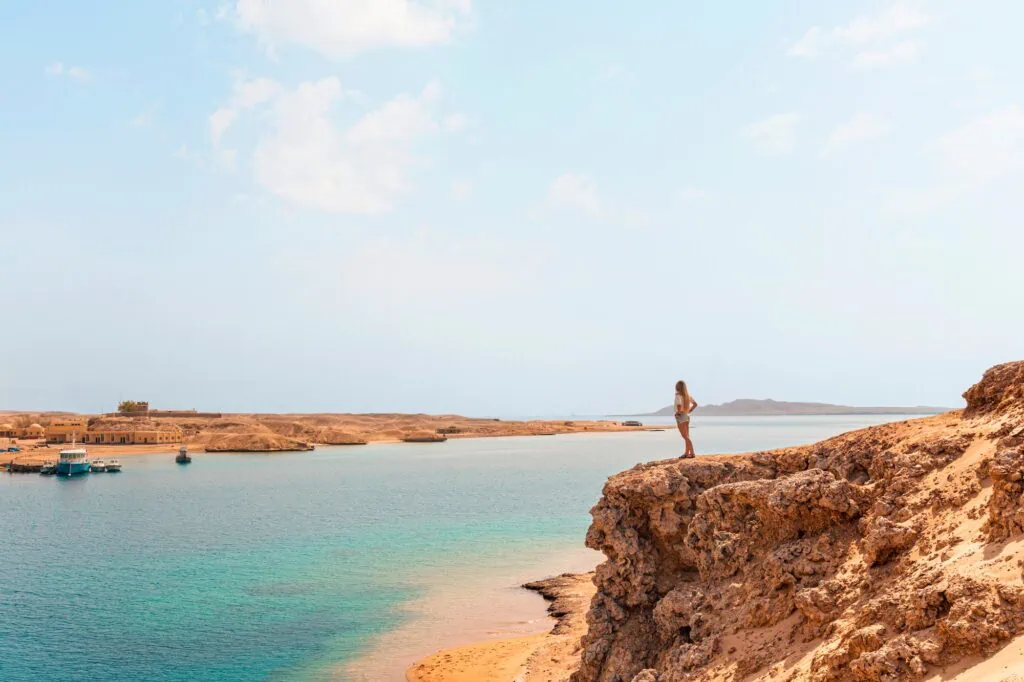
The Shark and Yolanda Reefs at Ras Mohammed consistently rank among the world’s top diving destinations. These sites combine spectacular coral formations with diverse marine life including barracuda schools, Napoleon wrasse, and seasonal whale shark sightings.
Cultural Immersion in Cairo
Grand Egyptian Museum: Treasures of the Pharaohs
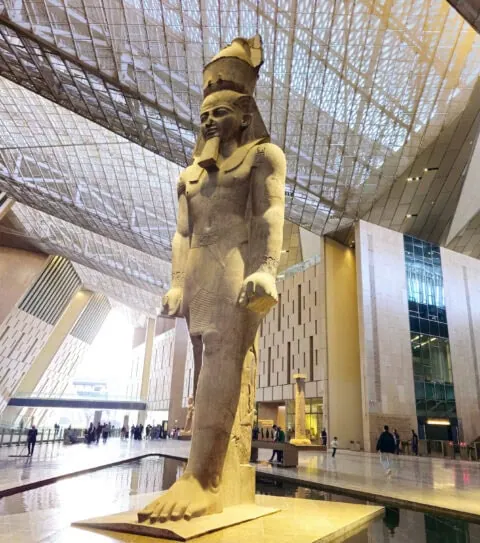
The Grand Egyptian Museum (GEM), located near the Giza Pyramids, is the world’s largest archaeological museum dedicated to ancient Egyptian civilization. The museum showcases more than 100,000 artifacts spanning over 5,000 years of history in a state-of-the-art exhibition setting.
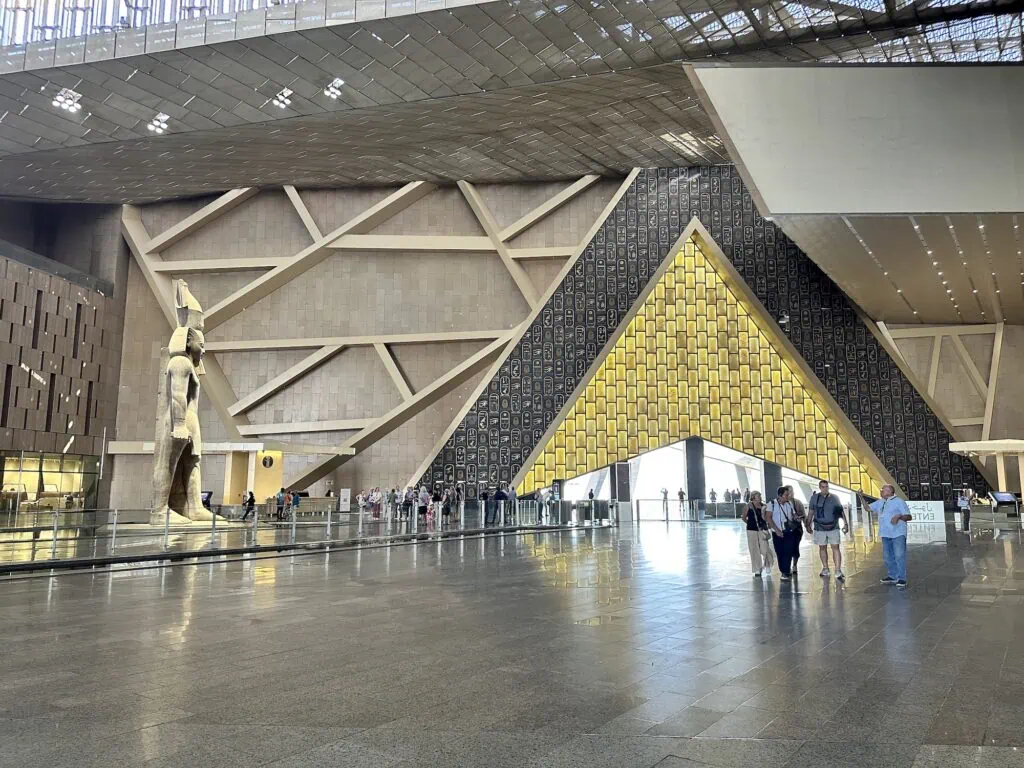
For the first time ever, the complete Tutankhamun collection is displayed together, including his iconic golden funerary mask and thousands of treasures discovered in his tomb. Visitors can explore monumental statues, royal artifacts, and immersive galleries that present ancient Egypt with modern clarity and scale.
GEM sets a new international standard for cultural experiences in Egypt.
Khan el-Khalili Bazaar: Medieval Market Experience
Khan el-Khalili bazaar has operated continuously since the 14th century in Islamic Cairo’s heart. Narrow alleyways wind between shops selling everything from handcrafted jewelry to aromatic spices. The bazaar’s coffee houses serve traditional Turkish coffee and shisha while musicians perform classical Arabic music.
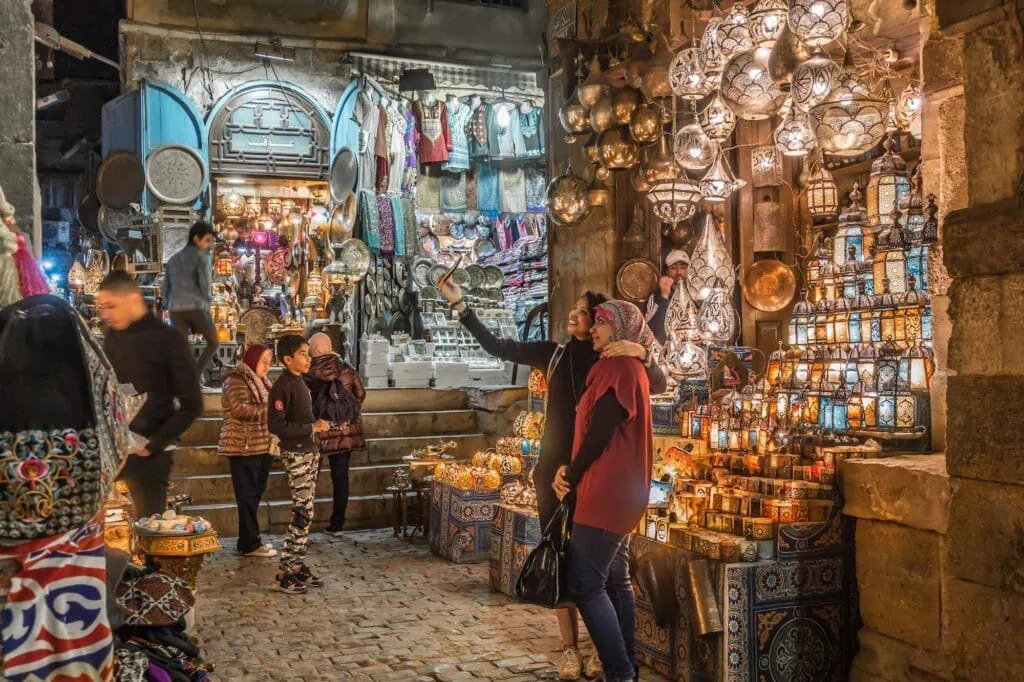
Bargaining remains standard practice in Khan el-Khalili. Starting prices typically begin 3-4 times higher than final agreed amounts, making negotiation part of the shopping experience. Quality items include hand-woven carpets, silver jewelry with Arabic calligraphy, and papyrus paintings created using traditional methods.
Practical Planning for Your Egyptian Adventure
Entry requirements for Egypt vary by nationality. U.S. citizens need a valid passport and tourist visa, which can be obtained on arrival for $25 or online in advance through Egypt’s e-visa system. European visitors follow similar requirements, while some nationalities including those from Gulf countries can enter visa-free for limited periods.
The Egyptian pound (EGP) serves as local currency, though U.S. dollars are widely accepted at tourist sites. Credit cards work in major hotels and restaurants, but cash remains preferred for small purchases and tips. ATMs are readily available in cities and resort areas.
Best visiting seasons depend on your planned activities and destinations. October through April offers ideal weather for sightseeing with daytime temperatures ranging from 20-25°C (68-77°F). Summer months from May to September see temperatures reaching 35-40°C (95-104°F), but provide perfect conditions for Red Sea diving and swimming.
Our personalized Egypt itineraries are crafted by local experts with decades of experience, ensuring you experience Egypt’s highlights while discovering hidden gems most tourists miss. With private guides, modern air-conditioned vehicles, and 24/7 support throughout your journey, we handle every detail so you can focus on creating unforgettable memories.
Frequently Asked Questions
What’s the best time to visit Egypt’s ancient sites?
October to April offers comfortable temperatures (20-25°C/68-77°F) perfect for exploring temples and pyramids without extreme heat.
How many days should I spend in Egypt?
A minimum of 8-10 days allows you to see major highlights including Cairo, Luxor, and Aswan with a Nile cruise experience.
Is it safe to travel to Egypt now?
Yes, Egypt’s major tourist areas are well-secured with dedicated tourism police and modern safety protocols in place.
Do I need special vaccinations for Egypt?
No special vaccinations are required, though routine vaccines should be current. Consult your doctor before traveling.
Can I photograph inside Egyptian temples and tombs?
Photography is permitted in most temples with a photo ticket (usually 100-300 EGP extra). Flash photography may be restricted.
What should I wear when visiting religious sites?
Dress modestly with covered shoulders and knees. Lightweight, long pants and shirts work well in Egypt’s climate.
How much should I budget for tipping in Egypt?
Budget 10-15% for restaurant service and 50-100 EGP daily for guides and drivers during organized tours.
Are credit cards widely accepted in Egypt?
Major hotels and restaurants accept credit cards, but carry cash for markets, tips, and smaller establishments.
What’s the difference between a felucca and a Nile cruise?
Feluccas are traditional sailboats for short trips, while Nile cruises are multi-day luxury experiences with guided temple visits.
Can I drink tap water in Egypt?
Bottled water is recommended for drinking. Most hotels provide complimentary bottled water for guests.
How far in advance should I book Egypt tours?
Book 2-3 months ahead for peak season (December-February) or 4-6 weeks for other periods to secure best guides and accommodations.
What’s included in typical Egypt tour packages?
Most comprehensive packages include accommodation, transportation, guided tours, entrance fees, and some meals, but verify specific inclusions when booking.
Design Your Custom Tour
Explore Egypt your way by selecting only the attractions you want to visit