

Mausoleum of the Aga Khan – Aswan’s Hidden Architectural Gem
Standing on the west bank of the Nile, a pink granite monument captures the essence of devotion and architectural brilliance.
The Mausoleum of the Aga Khan represents one of Aswan’s most significant yet understated attractions, where Fatimid-inspired design meets modern reverence. Built in 1957 to honor Sultan Mahommed Shah, the 48th Imam of the Ismaili Muslim community, this sacred site offers visitors a glimpse into both religious heritage and architectural mastery. The mausoleum’s strategic location provides panoramic views across the Nile River, making it a memorable stop for those exploring Egypt’s southern treasures.
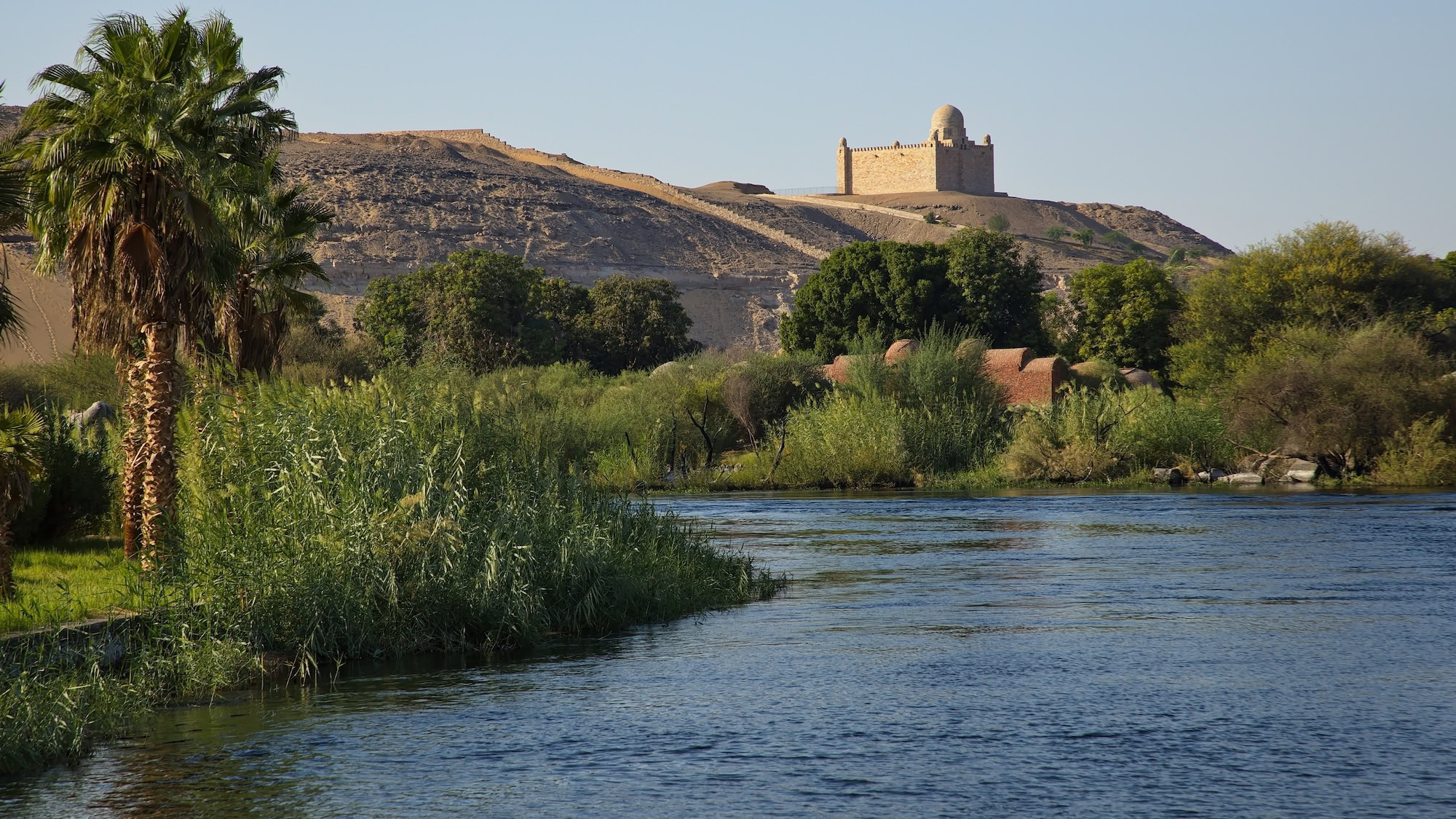
We’ve guided countless travelers to this remarkable monument, and the experience consistently leaves a lasting impression. The combination of spiritual significance, stunning craftsmanship, and breathtaking river views creates an unforgettable moment in any Egyptian journey.
The Legacy of Aga Khan III
Sultan Mahommed Shah, known as Aga Khan III, led the Shiite Ismaili community for over seven decades. His influence extended far beyond religious leadership, encompassing humanitarian work, education, and international diplomacy. Born in 1877, he became the 48th Imam at age ten and transformed the Ismaili community into a modern, progressive organization.
The spiritual leader’s connection to Aswan began during his later years when he frequently visited the city for its therapeutic climate. The dry, warm air provided relief for his rheumatism, and he grew to love the peaceful atmosphere along the Nile. His wife, Princess Mata Salama, shared this affection for the region, often accompanying him on extended stays.
Choosing the Final Resting Place
When Aga Khan III passed away in 1957, his burial site selection reflected his deep connection to Aswan. The elevated location on the west bank offered symbolic significance – traditionally associated with the afterlife in Egyptian culture. The site also provided practical benefits, including accessibility from the river and stunning views across the Nile valley.
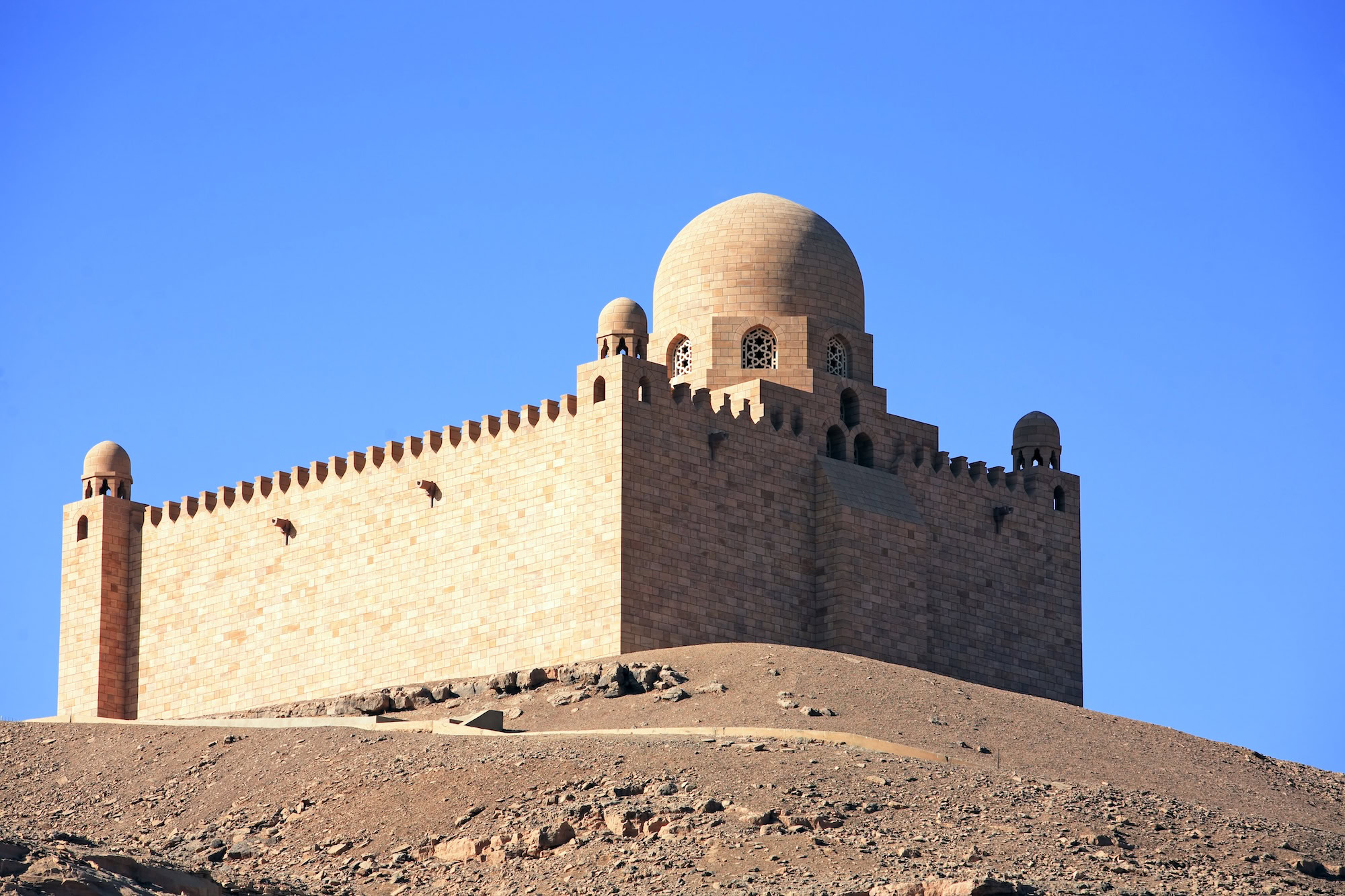
Princess Mata Salama played a crucial role in the mausoleum’s design and construction. She worked closely with architects to ensure the structure honored her husband’s memory while respecting both Islamic traditions and local architectural heritage. The result showcases a perfect harmony between devotion and artistic vision.
Architectural Brilliance and Design Elements
The mausoleum exemplifies Fatimid architectural inspiration adapted for modern construction techniques. Pink granite forms the primary building material, sourced locally and carefully selected for its durability and aesthetic appeal. This choice creates a warm, inviting appearance that complements the surrounding desert landscape while maintaining the dignity appropriate for such a sacred site.
Carrara marble accents provide elegant contrast against the pink granite, particularly around doorways and decorative elements. These Italian marble touches reflect the international nature of Aga Khan III’s life and work, bridging cultural traditions from across the Mediterranean and Islamic worlds.
The structure follows traditional Islamic architectural principles while incorporating elements reminiscent of Fatimid design. Clean lines and geometric proportions create visual harmony, while the elevated position enhances the building’s commanding presence. Natural lighting filters through carefully positioned openings, creating an atmosphere of serene contemplation inside.
Interior Sanctity and Reverence
Inside the mausoleum, visitors experience profound tranquility. The interior design emphasizes simplicity and spiritual focus, with minimal ornamentation that draws attention to the sacred purpose of the space. Kalksandsten details provide subtle textural variation while maintaining the overall sense of peaceful unity.
A red rose tradition continues today, with fresh flowers regularly placed at the tomb site. This touching custom began with Princess Mata Salama and symbolizes eternal love and remembrance. The fragrant blooms add gentle color and life to the serene interior environment.
Visiting the Mausoleum: What to Expect
Getting There from Aswan
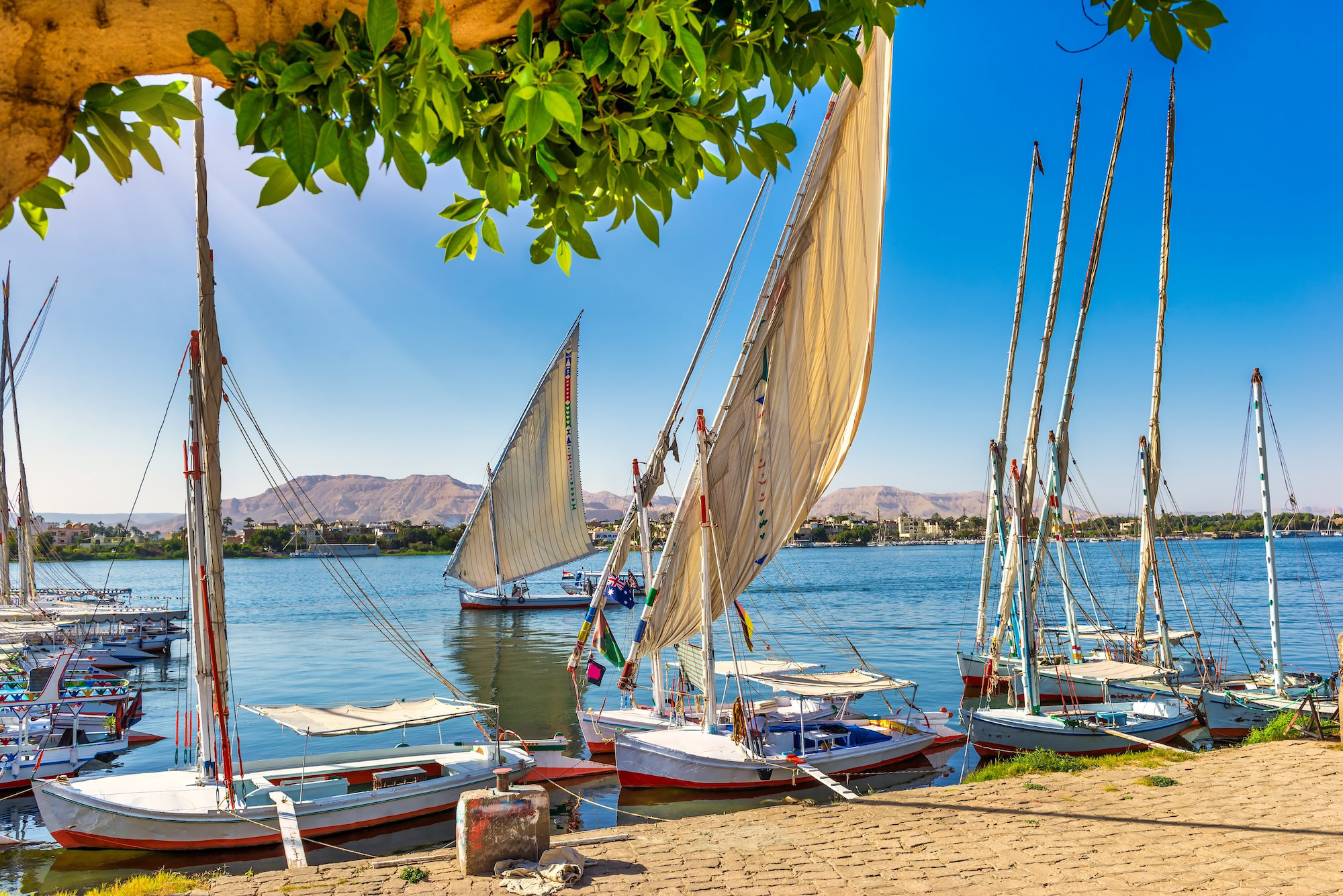
Reaching the Mausoleum of the Aga Khan requires crossing the Nile River from central Aswan. Felucca boats provide the most atmospheric transportation option, allowing visitors to appreciate the monument’s dramatic position from the water. The gentle sail across the river takes approximately 15-20 minutes, depending on wind conditions and river traffic.
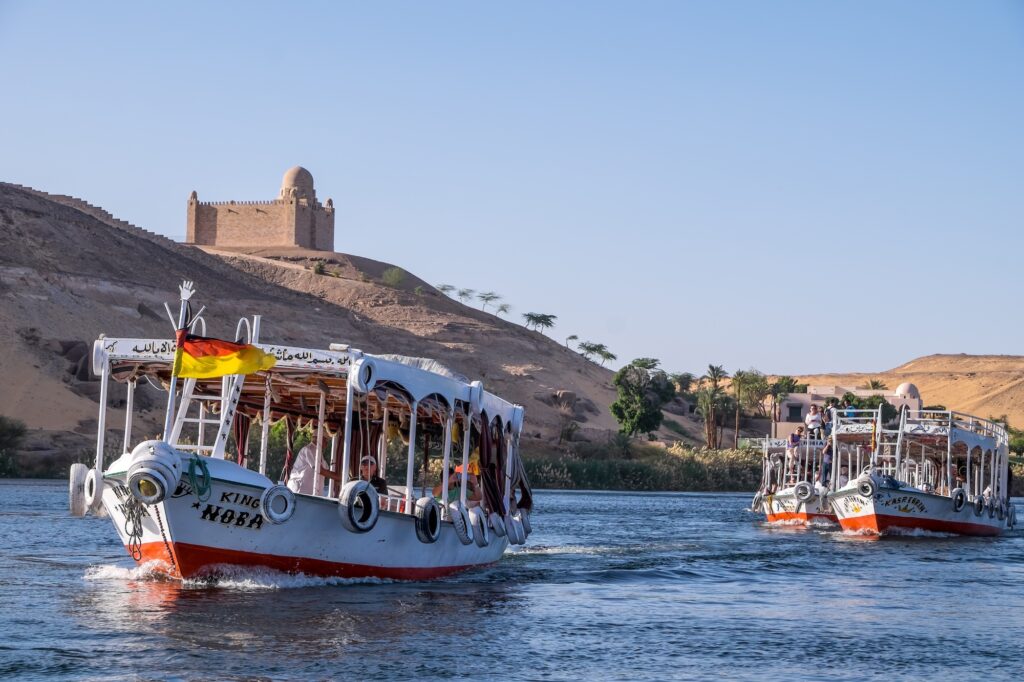
Motorboats offer faster transit for those with limited time, completing the journey in roughly 10 minutes. Both boat types provide excellent photography opportunities as the mausoleum comes into view, rising gracefully above the west bank landscape.
Respectful Tourism Guidelines
Visitors must observe strict silence within the mausoleum grounds. This etiquette shows respect for the sacred nature of the site and maintains the contemplative atmosphere that makes the experience so meaningful. Photography restrictions apply in certain areas, particularly near the tomb itself.
Modest dress requirements follow Islamic customs, with covered shoulders and legs expected for all visitors. We recommend bringing light, conservative clothing suitable for the warm Aswan climate while meeting these respectful standards.
The mausoleum typically opens during daylight hours, though specific times may vary seasonally. Entry fees support ongoing maintenance and preservation efforts, ensuring this architectural treasure remains accessible for future generations.
The Saint Simeon Monastery Connection
The mausoleum’s location near the ruins of Saint Simeon Monastery creates an interesting historical layering. This ancient Coptic monastery, dating from the 7th century, demonstrates the religious diversity that has characterized the Aswan region throughout history. The proximity of these two sacred sites – one Islamic, one Christian – reflects Egypt’s complex spiritual heritage.
Many visitors combine their mausoleum visit with exploration of the monastery ruins. The short walk between sites provides additional context for understanding how different faith traditions have shaped this area over centuries. The monastery’s massive walls and preserved chambers offer fascinating insights into early Christian monastic life along the Nile.
Nile Cruise Integration and Tourism
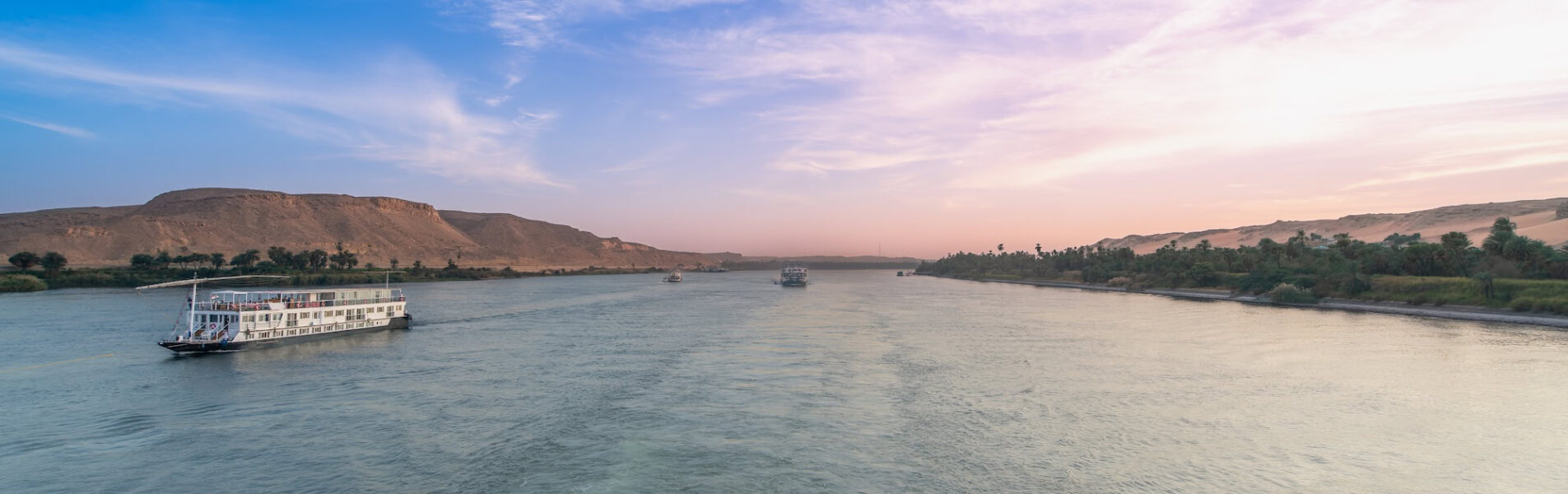
Most travelers discover the Mausoleum of the Aga Khan as part of comprehensive Aswan exploration during Nile cruise journeys. The monument fits perfectly into typical cruise itineraries, offering a contemplative counterpoint to more crowded attractions like Philae Temple or the High Dam. Our cruise packages always include dedicated time for this meaningful visit.
Experience Aswan at a slower, more refined pace.
Enjoy iconic sights and quiet moments alike aboard our curated luxury Nile cruises or more intimate private dahabiya tours, where thoughtful itineraries leave room for reflection as well as discovery.

The mausoleum’s riverside position makes it easily visible from passing cruise ships, often creating anticipation among passengers who glimpse the elegant structure from the water. This preview enhances appreciation when visitors later experience the site up close during organized shore excursions.
Private tour arrangements allow for more personalized experiences, including extended time for photography and reflection. Our expert guides provide rich historical context while respecting the sacred atmosphere that defines this special place.
Cultural Impact and Modern Significance
The Mausoleum of the Aga Khan continues influencing contemporary Islamic architecture worldwide. Modern architects study its successful integration of traditional Fatimid elements with 20th-century construction techniques. This architectural legacy extends the monument’s importance beyond its function as a burial site.
For the global Ismaili community, the mausoleum represents a pilgrimage destination where spiritual leaders and community members gather for important commemorations. These visits maintain the living connection between Aga Khan III’s legacy and modern Ismaili life.
Tourism revenue from the mausoleum supports local Aswan communities, providing employment for boat operators, guides, and maintenance staff. This economic impact demonstrates how cultural preservation can create sustainable benefits for surrounding populations.
Frequently Asked Questions
How long does a mausoleum visit typically take?
Most visitors spend 45 minutes to one hour at the site, including boat transportation and exploration time.
Can tourists visit the interior of the mausoleum?
Yes, respectful visitors can enter the mausoleum interior while observing silence and appropriate dress codes.
What’s the best time of day to visit the mausoleum?
Early morning or late afternoon visits offer cooler temperatures and optimal lighting for photography.
Is the mausoleum accessible for elderly or mobility-impaired visitors?
The site involves some walking on uneven terrain, though the main structure is accessible with assistance.
How does weather affect mausoleum visits?
Aswan’s dry climate makes year-round visits possible, though summer heat makes early morning visits preferable.
Are there other attractions near the mausoleum?
Saint Simeon Monastery ruins and Elephantine Island are within easy reach for extended west bank exploration.
What photography restrictions apply at the mausoleum?
External photography is generally permitted, while interior restrictions protect the sacred atmosphere.
How much time should I allow for the complete visit including boat transport?
Plan approximately 1.5 to 2 hours for transportation, site exploration, and return journey to central Aswan.
Can I visit the mausoleum independently or only with tour groups?
Both options are available – independent visitors can arrange boat transport, while organized tours provide guided context.
What makes this mausoleum architecturally significant?
Its successful blend of Fatimid design principles with modern construction techniques creates a unique architectural achievement.
Is there an entrance fee for the mausoleum?
Yes, modest entry fees support site maintenance and preservation efforts.
How does the mausoleum fit into typical Aswan itineraries?
Most visitors include it as part of comprehensive west bank exploration, often combined with Nile cruise programs featuring small group experiences.
Ancient Wonders of Aswan, Modern Comfort
Sail the Nile Through Aswan Like a Pharaoh


Design Your Custom Tour
Explore Egypt your way by selecting only the attractions you want to visit