

Amada Temple – One of the oldest Egyptian temples in Nubia
The Temple of Amada stands as Nubia’s oldest surviving treasure.
This remarkable sanctuary, built during the 18th Dynasty (mid-15th century BCE), offers visitors a rare glimpse into pharaonic craftsmanship that has survived nearly three and a half millennia. When Pharaoh Thutmose III first commissioned this sacred space dedicated to Amun-Ra and Ra-Horakhty, he likely never imagined it would one day be carefully relocated in its entirety to escape the rising waters of Lake Nasser. What makes this temple extraordinary isn’t just its age, but the vibrant colors and intricate reliefs that remain astonishingly well-preserved within its walls.
We’ve witnessed firsthand how this ancient monument continues to captivate travelers who venture to its remote location. The temple’s survival story intertwines ancient devotion with modern engineering prowess in ways that make it truly unforgettable.
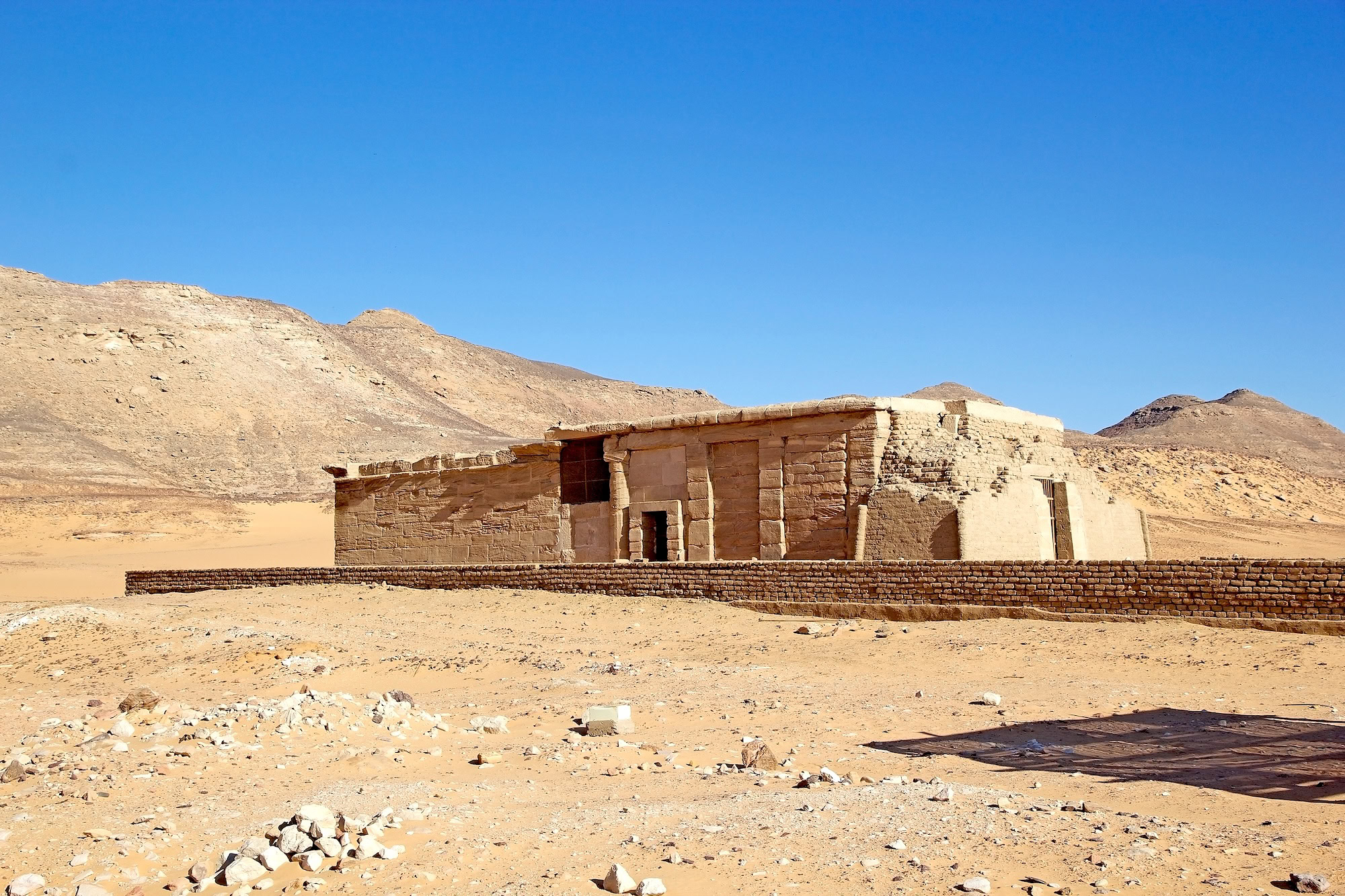
A Royal Legacy Built Across Generations
Thutmose III initiated construction of this sacred monument around 1450 BC, establishing what would become the oldest temple in the Nubian region. His vision extended beyond mere religious function. The pharaoh commissioned skilled artisans to create a sanctuary that would demonstrate Egyptian power and divine connection in this strategic southern territory.
Amenhotep II, inheriting his predecessor’s ambitious project, expanded the temple’s scope significantly. His reign brought additional chambers, refined decorative elements, and crucial historical inscriptions that document military campaigns into distant lands. These inscriptions provide invaluable records of Egyptian expeditions reaching as far as Libya and Napata, offering historians concrete evidence of New Kingdom territorial expansion.
Thutmose IV completed the royal trilogy of builders by adding the temple’s distinctive roof structure. His contributions ensured the monument’s architectural integrity for centuries to come. The collaborative effort across three pharaonic reigns demonstrates the project’s importance within Egyptian royal priorities during this golden age of temple construction.
The Challenge of Modern Preservation
International Campaign for Monument Salvation
When the Aswan High Dam project threatened to submerge countless archaeological treasures beneath Lake Nasser’s waters, UNESCO launched one of history’s most ambitious cultural preservation campaigns. The Temple of Amada faced complete submersion without immediate intervention. International experts recognized that conventional dismantling techniques would destroy the temple’s most precious feature: its extraordinarily well-preserved painted reliefs.
Engineering Marvel: Moving an Entire Temple
French engineers developed an unprecedented solution that captured global attention. Rather than dismantling the structure piece by piece, they devised a method to relocate the entire temple intact. The engineering team placed the complete building on specially constructed rails, then used hydraulic systems to transport it 2.5 kilometers to higher ground. This remarkable feat preserved every delicate detail of the interior artwork while ensuring the temple’s survival for future generations.
The relocation process required meticulous planning and execution. Engineers had to account for the temple’s weight, the fragility of ancient stones, and the preservation of interior decorations that had remained untouched for millennia.
UNESCO’s Lasting Impact
The successful relocation established new standards for archaeological preservation worldwide. Christiane Desroches Noblecourt, who played a crucial role in the international campaign, helped demonstrate that ancient monuments could be saved through coordinated global effort and innovative engineering solutions.
Artistic Treasures Within Sacred Walls
The temple’s interior reveals why preservation efforts were so crucial. Painted reliefs throughout the innermost sections display colors that remain startlingly vibrant after thousands of years. These aren’t faded remnants of ancient artistry – they’re brilliant testimonies to Egyptian mastery of pigment and technique.
Fine carved reliefs complement the painted sections, creating layers of visual storytelling that captivate modern visitors. The combination of carving depth and color application demonstrates sophisticated artistic techniques that influenced temple decoration throughout the pharaonic period. Scenes depicting Amun-Ra and Horakhty-Ra receiving offerings from various pharaohs provide insight into religious practices and royal devotion.
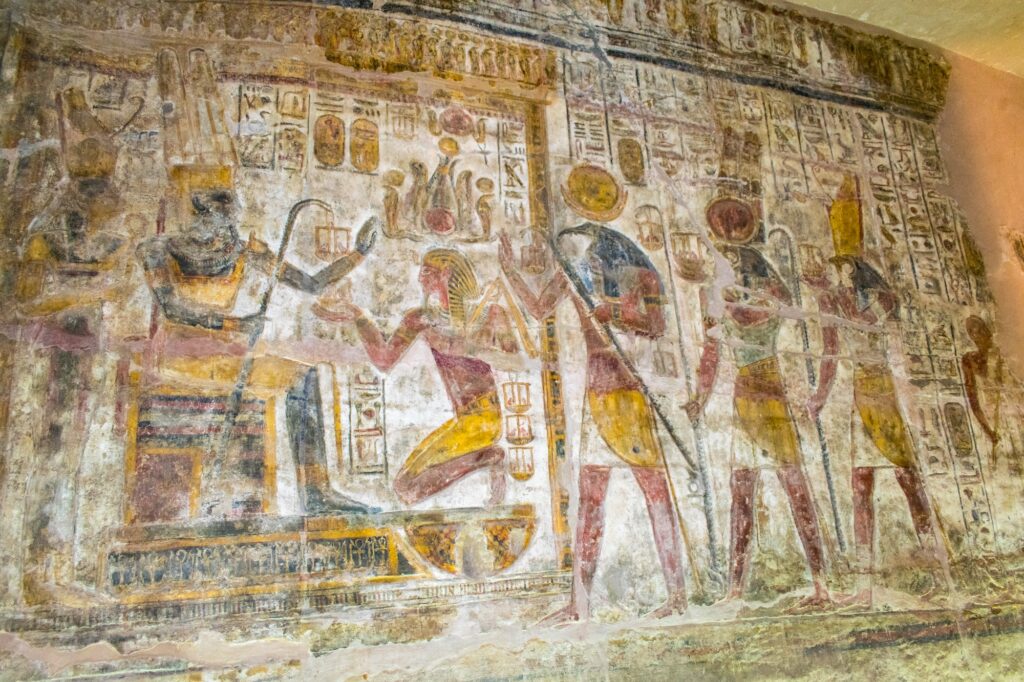
The preservation owes much to an unexpected source: early Christian communities who converted the temple into a church. They covered the pagan imagery with plaster, inadvertently protecting the original artwork from centuries of weathering and human interference. When archaeologists later removed this protective layer, they unveiled decorations that looked nearly as fresh as the day they were completed.
Religious scenes throughout the interior space tell stories of divine interaction, royal authority, and spiritual devotion. Each relief contributes to a comprehensive narrative about Egyptian beliefs and the pharaoh’s role as intermediary between gods and people.
The Remote Adventure: Visiting Temple Today
Lake Nasser Cruise Access
Most travelers reach the Temple of Amada through Lake Nasser cruise experiences, which typically include the site among several Nubian monuments. We organize these specialized cruises to provide comfortable access to remote archaeological treasures that would otherwise require challenging overland journeys. The cruise approach allows visitors to appreciate the temple within its broader Nubian context while enjoying modern amenities aboard well-appointed vessels.
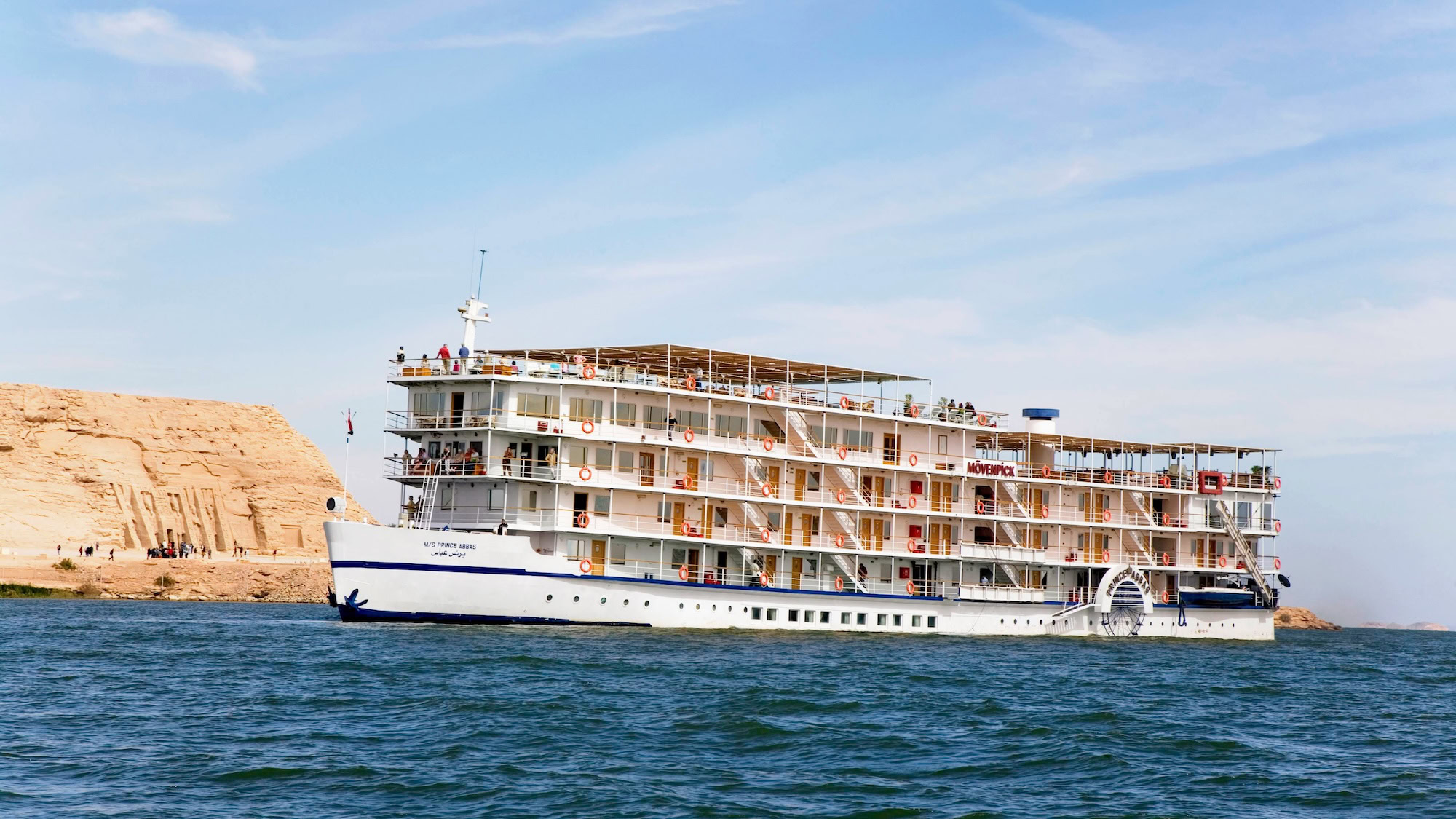
What to Expect During Visit
The temple experience begins with a short walk from the boat landing to the relocated site near New Amada village. Inside, visitors discover why this monument earned its reputation for exceptional preservation. The painted reliefs appear almost fresh, with blues, reds, and golds maintaining their original intensity.
Photography enthusiasts should note that interior lighting conditions can be challenging, but the reward lies in witnessing colors that have survived since the New Kingdom period. The temple’s compact size allows for intimate exploration, unlike some larger monuments where crowds can diminish the experience.
Wildlife occasionally inhabits the temple space – bats and snakes sometimes seek shelter within the ancient walls. Local guardians work to manage these natural residents while preserving the monument’s integrity.
Practical Considerations
Opening hours run from 7:00 am to 4:00 pm (07:00-16:00), with adult admission currently set at 100 Egyptian pounds. The remote location means limited vendor presence and basic facilities. Travelers should prepare for hot conditions, insects, and minimal shade outside the temple structure itself.
Those with mobility concerns should note that accessing the temple requires walking on uneven terrain. However, the relatively short distance from boat landing to entrance makes the site more accessible than many other Nubian monuments.
Historical Significance Beyond Architecture
Two critical historical inscriptions within the temple provide invaluable documentation of Egyptian military activities during the New Kingdom period. Amenhotep II’s military campaign records offer detailed accounts of expeditions that extended Egyptian influence far beyond the Nile Valley. These texts represent primary historical sources that complement other archaeological evidence from this dynamic period.
The inscriptions detail specific battles, tribute collections, and territorial acquisitions that shaped Egypt’s international relations. For historians studying ancient Near Eastern politics, these records provide concrete evidence of Egyptian power projection during the empire’s peak years.
Merneptah’s later additions to the temple’s inscriptional record demonstrate continued royal attention to this remote sanctuary. His contributions show how successive pharaohs valued the site’s strategic and religious importance throughout the New Kingdom era.
The temple’s dedication to both Amun-Ra and Ra-Horakhty reflects complex theological developments within Egyptian religion. This dual dedication illustrates how pharaonic ideology adapted to incorporate multiple divine aspects while maintaining coherent religious messaging.
Comparing Temple with Other Egyptian Sites
Unlike the massive temple complexes at Karnak or Abu Simbel, the Temple of Amada offers intimate encounters with ancient artistry. Its small scale allows visitors to examine details that might be lost in grander monuments. The preserved colors here surpass those found in most other temples, making this site particularly valuable for understanding original Egyptian decorative schemes.
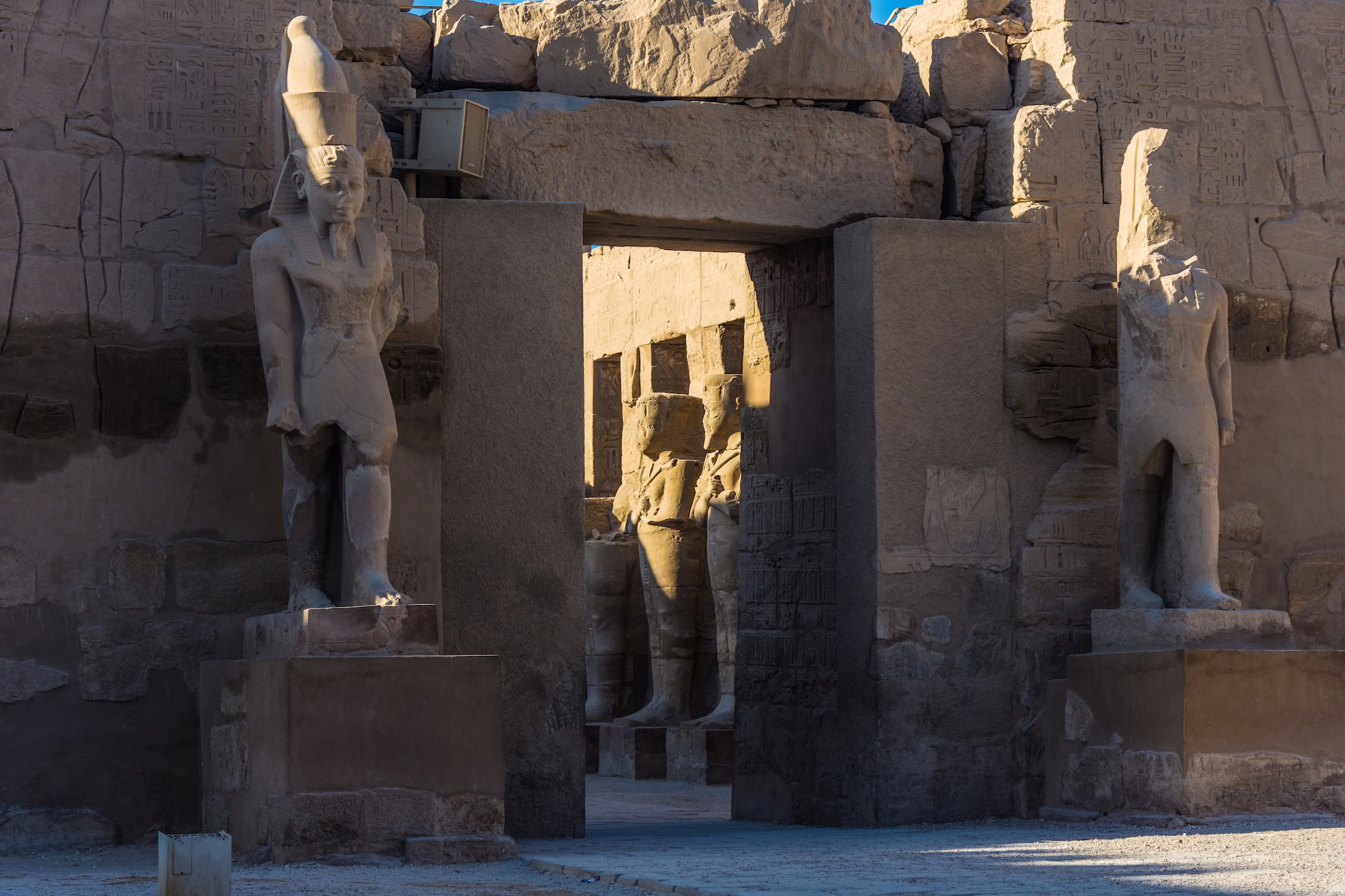
The temple’s relocation story also sets it apart from monuments that remain in their original locations. This engineering achievement adds a modern chapter to the ancient structure’s history. Visitors can appreciate both the original pharaonic vision and the 20th-century international cooperation that ensured its survival.
Many travelers discover the Temple of Amada after visiting more famous sites like Abu Simbel or Philae. The contrast often surprises visitors – while those monuments impress through scale and dramatic settings, Amada captivates through preserved details and intimate atmosphere.
Planning Your Temple of Amada Experience
We recommend experiencing this remarkable temple as part of a comprehensive Lake Nasser cruise itinerary. Our carefully planned journeys include expert guide services, comfortable accommodations, and thoughtful scheduling that allows adequate time for temple exploration without rushing through this precious site.
The temple works particularly well within multi-day cruise experiences that visit several Nubian monuments. This approach provides context for understanding how different pharaonic periods approached temple construction and decoration. Travelers gain appreciation for artistic evolution and religious continuity across Egyptian history.
Our local guides bring decades of experience interpreting the temple’s historical significance and artistic achievements. They help visitors understand the inscriptions, decode the religious imagery, and appreciate the engineering marvel that preserved these treasures for modern exploration.
For photography enthusiasts, we arrange optimal timing for interior visits when natural lighting best reveals the painted reliefs’ true colors. Early morning visits often provide the most favorable conditions for capturing the artwork’s remarkable preservation.
Frequently Asked Questions
How old is the Temple of Amada?
Construction began around 1450 BC during Thutmose III’s reign, making it approximately 3,470 years old and the oldest temple in Nubia.
Why are the colors so well preserved?
Early Christians covered the pagan artwork with plaster when converting the temple to a church, inadvertently protecting the original decorations for centuries.
Can you visit Temple of Amada independently?
While technically possible, the remote location makes Lake Nasser cruise access much more practical and comfortable for most travelers.
How was the entire temple moved?
French engineers placed the complete structure on rails and used hydraulic systems to relocate it 2.5 kilometers in one piece during the 1960s.
What gods were worshipped at Temple of Amada?
The temple was dedicated to Amun-Ra and Ra-Horakhty, representing important aspects of Egyptian solar worship during the New Kingdom.
How long should I spend at the temple?
Most visitors find 45-60 minutes sufficient to explore the interior, examine the reliefs, and appreciate the historical significance.
Is Temple of Amada worth visiting compared to Abu Simbel?
While smaller than Abu Simbel, the Temple of Amada offers unique rewards including the best-preserved painted reliefs in any Nubian temple.
What should I bring for the visit?
Comfortable walking shoes, sun protection, insect repellent, and a camera for the remarkably preserved interior artwork.
Are there facilities at the temple site?
Basic facilities only – the remote location near New Amada village offers minimal amenities, so cruise-based visits provide more comfort.
Who built the Temple of Amada?
Three pharaohs contributed: Thutmose III initiated construction, Amenhotep II expanded it, and Thutmose IV completed the roofing work.
What makes this temple historically important?
Beyond being Nubia’s oldest temple, it contains crucial inscriptions documenting Egyptian military campaigns and territorial expansion during the New Kingdom.
When is the best time to visit?
The temple maintains consistent interior conditions year-round, but cooler months (November-March) offer more comfortable outdoor walking conditions to reach the entrance.
Design Your Custom Tour
Explore Egypt your way by selecting only the attractions you want to visit