Ancient Egyptian Myths and Legends That Shaped a Civilization
Ancient Egypt’s profound storytelling legacy continues captivating minds worldwide through its intricate web of divine narratives and cosmic wisdom.
These timeless tales weren’t merely entertainment for ancient peoples. They served as foundational pillars supporting entire belief systems, explaining natural phenomena, and guiding moral behavior across millennia. From the primordial chaos of creation to the eternal cycle of death and rebirth, Egyptian mythology wove together complex theological concepts with deeply human emotions and experiences.
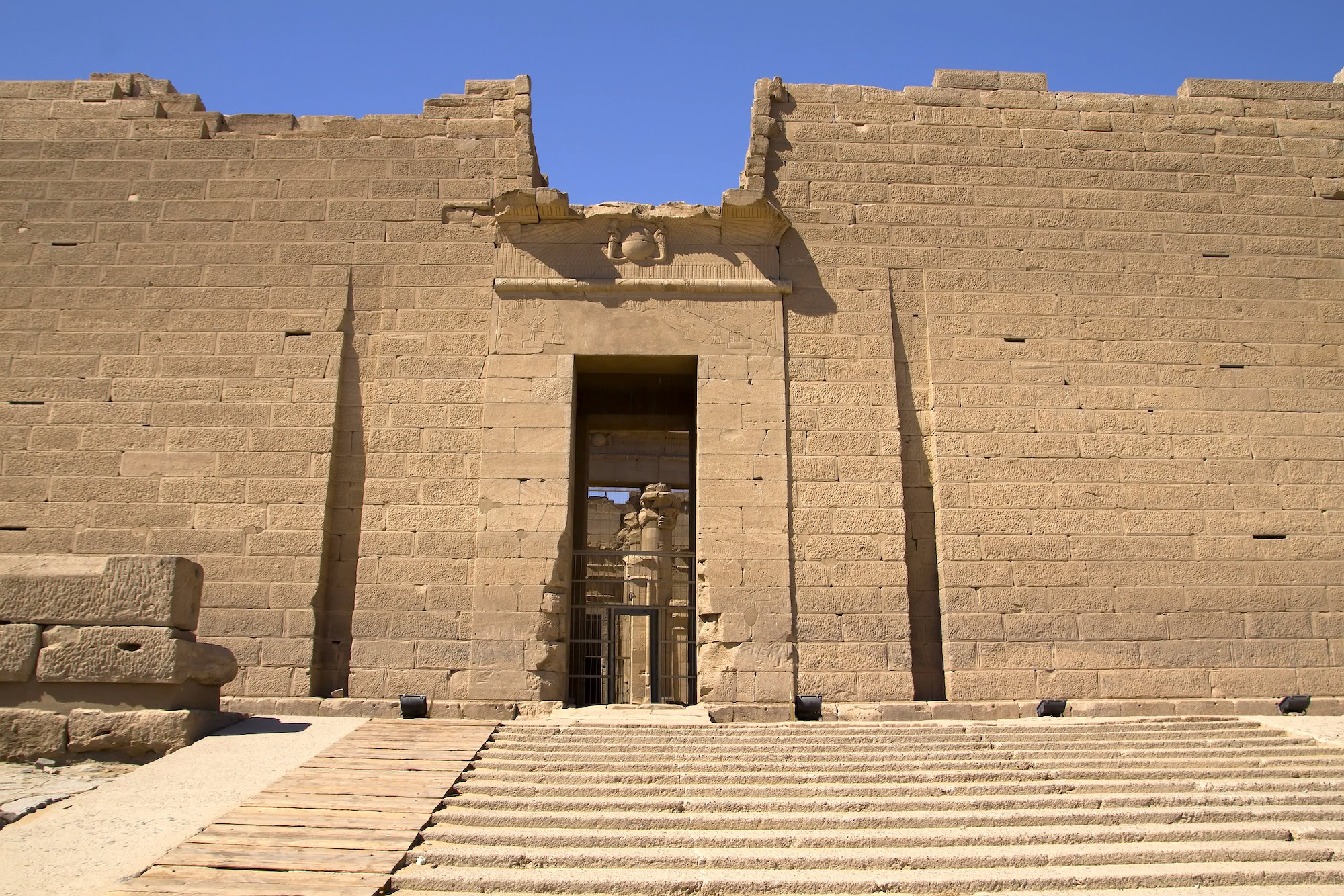
We’ll explore how these sacred narratives influenced art, architecture, and daily life while revealing the sophisticated cosmological understanding that made ancient Egypt one of history’s most enduring civilizations.
Creation Stories: When Gods Shaped the World
Multiple creation traditions flourished across ancient Egypt, each reflecting the theological perspectives of different religious centers. These weren’t competing mythologies but complementary explanations of cosmic origins.
The Heliopolitans and Their Divine Family
Heliopolis established the most influential creation account through the Ennead, nine interconnected deities who emerged from primordial waters called Nun. Atum, the self-created god, arose from these chaotic waters as the first conscious being. Through acts of self-generation, he produced Shu (air) and Tefnut (moisture), who then gave birth to Geb (earth) and Nut (sky).
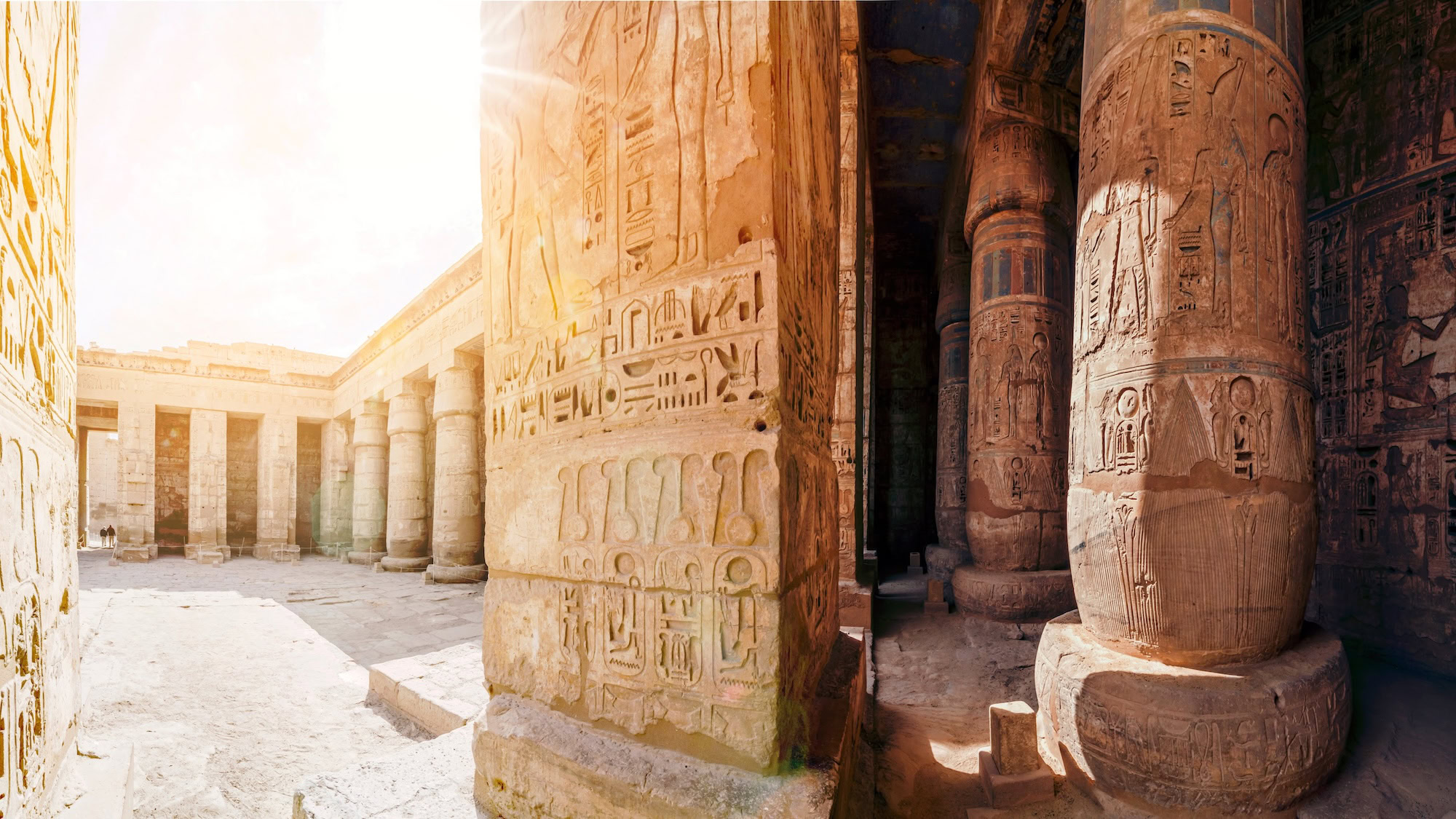
This divine family tree expanded when Geb and Nut produced four children: Osiris, Isis, Seth, and Nephthys. Their stories would become central to Egyptian religious thought, particularly the tragic tale of Osiris’s murder and resurrection.
Hermopolis: The Eight Who Came Before
The Hermopolitan creation centered on the Ogdoad, eight primordial deities representing fundamental forces of chaos. These four divine pairs—Nun and Naunet (water), Heh and Hauhet (infinity), Kek and Kauket (darkness), and Amun and Amaunet (hiddenness)—existed before creation began.
From their cosmic egg emerged the sun god, who then illuminated the world and began the process of ordered creation. Thoth, the wisdom deity associated with Hermopolis, often appears as the one who spoke creation into existence through divine words.
Memphis: Creation Through Divine Speech
Memphite theology presented Ptah as the supreme creator who brought forth existence through spoken commands and intellectual conception. This sophisticated theological concept suggested that thought preceded physical creation—a remarkably advanced philosophical position.
Ptah created the Heliopolitan gods through his heart (thought) and tongue (speech), making him the ultimate source of all divine authority. This creation model influenced how Egyptians understood craftsmanship, artistic creation, and the power of sacred words in religious rituals.
The Osiris Cycle: Death and Eternal Hope
The Osiris myth stands as ancient Egypt’s most emotionally resonant and theologically significant narrative, addressing fundamental questions about death, justice, and resurrection.
Osiris ruled as Egypt’s first king, bringing civilization, agriculture, and law to humanity. His brother Seth, consumed by jealousy, devised an elaborate murder plot. During a feast, Seth presented a beautiful sarcophagus, claiming it would fit whoever lay inside perfectly. When Osiris tried it, Seth and his conspirators sealed the coffin and cast it into the Nile.
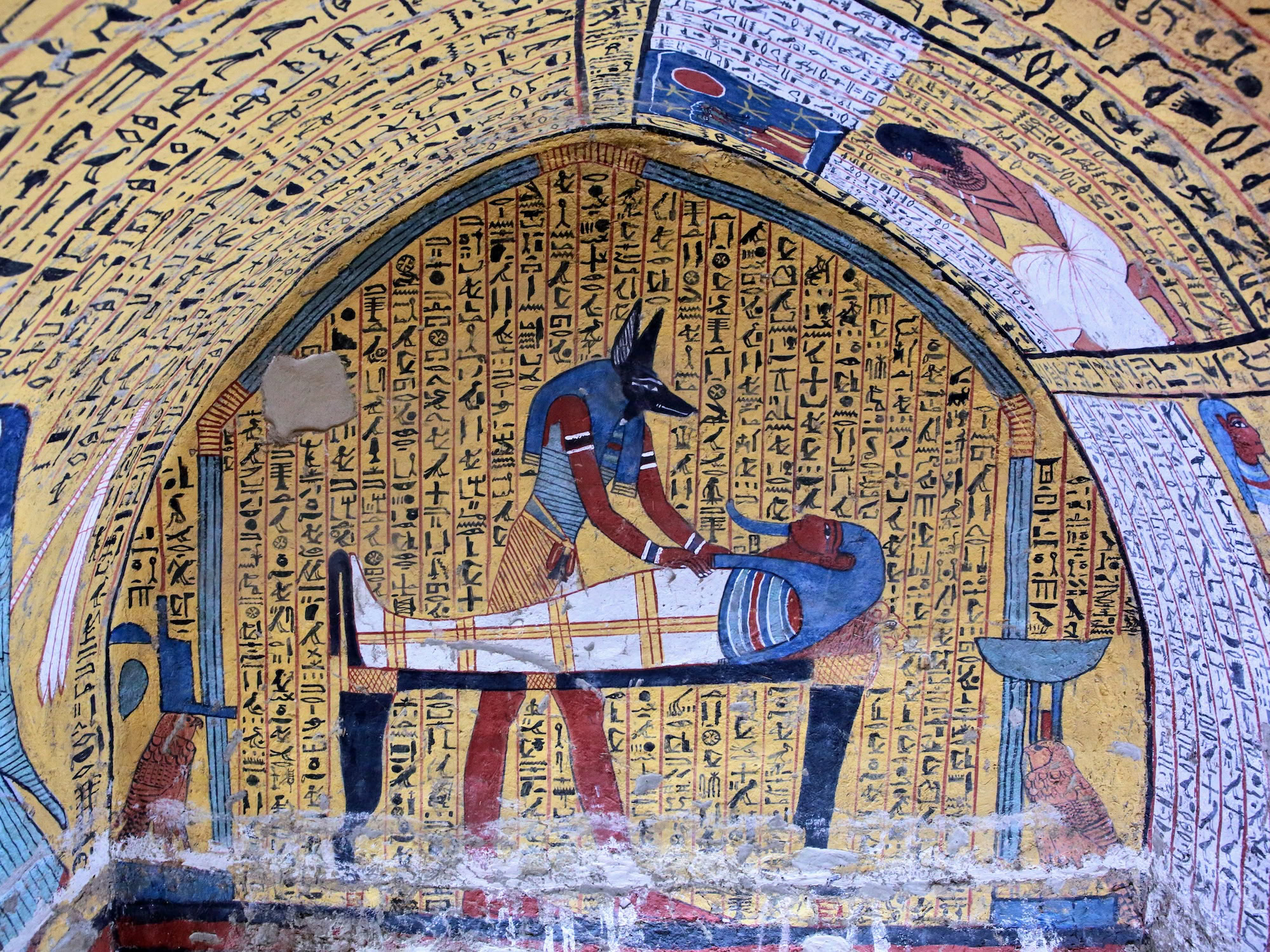
Isis, Osiris’s devoted wife, searched tirelessly for her husband’s body. After recovering it, she used her magical powers to temporarily resurrect him, conceiving their son Horus during this brief reunion. Seth discovered this resurrection and dismembered Osiris’s body, scattering the pieces across Egypt. Isis gathered these fragments, reassembling and mummifying her husband’s remains—establishing the prototype for Egyptian burial practices.
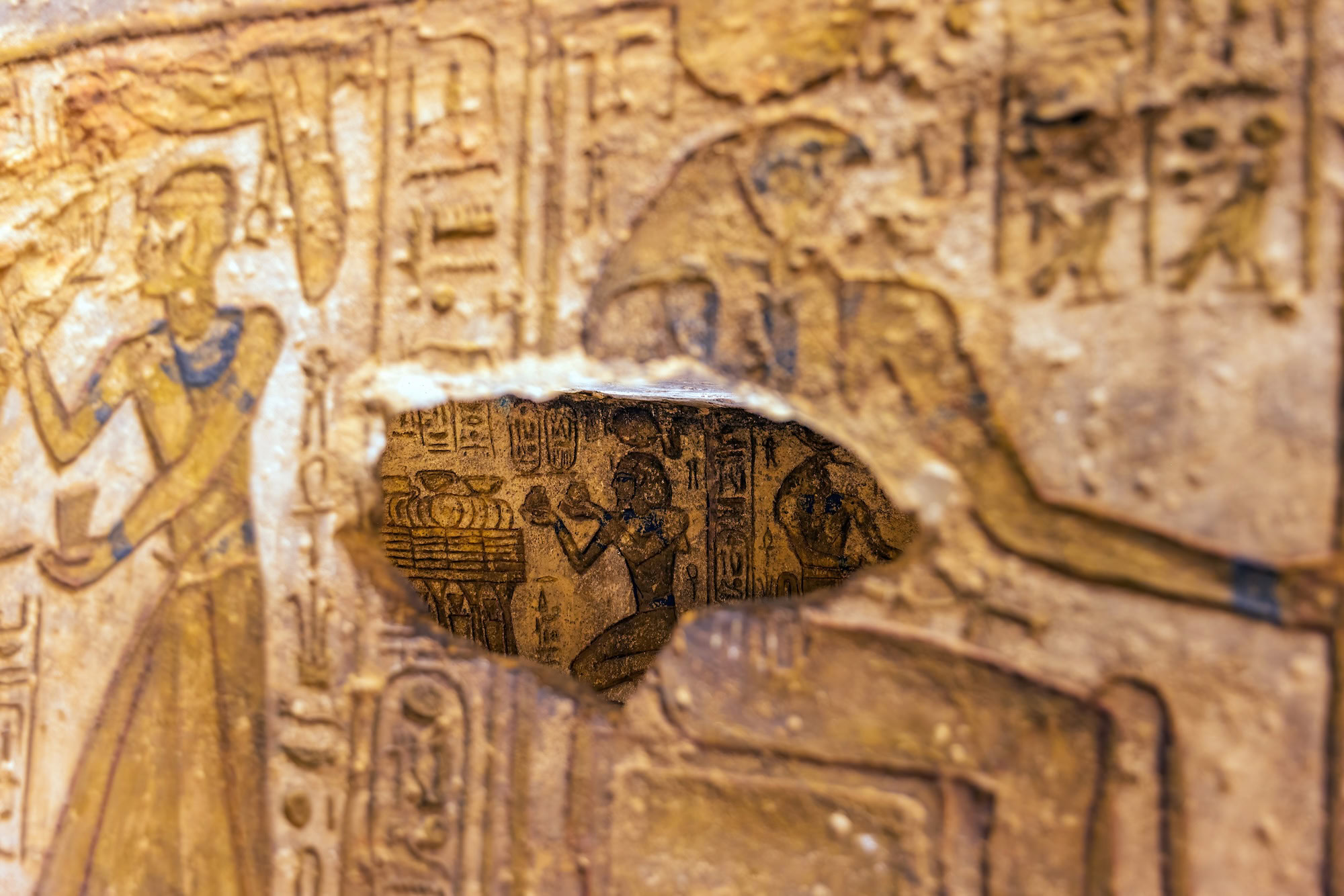
This cycle resonated deeply because it addressed universal human experiences: sibling rivalry, conjugal love, parental devotion, and hope for life beyond death. Osiris became ruler of the underworld, judge of the dead, and symbol of resurrection. Every deceased Egyptian hoped to become “Osiris,” participating in his eternal life.
Horus’s Divine Inheritance
Young Horus grew up in secret, protected by his mother Isis until he could claim his rightful throne. The subsequent legal battle between Horus and Seth lasted eighty years, with various deities serving as judges in this divine court case.
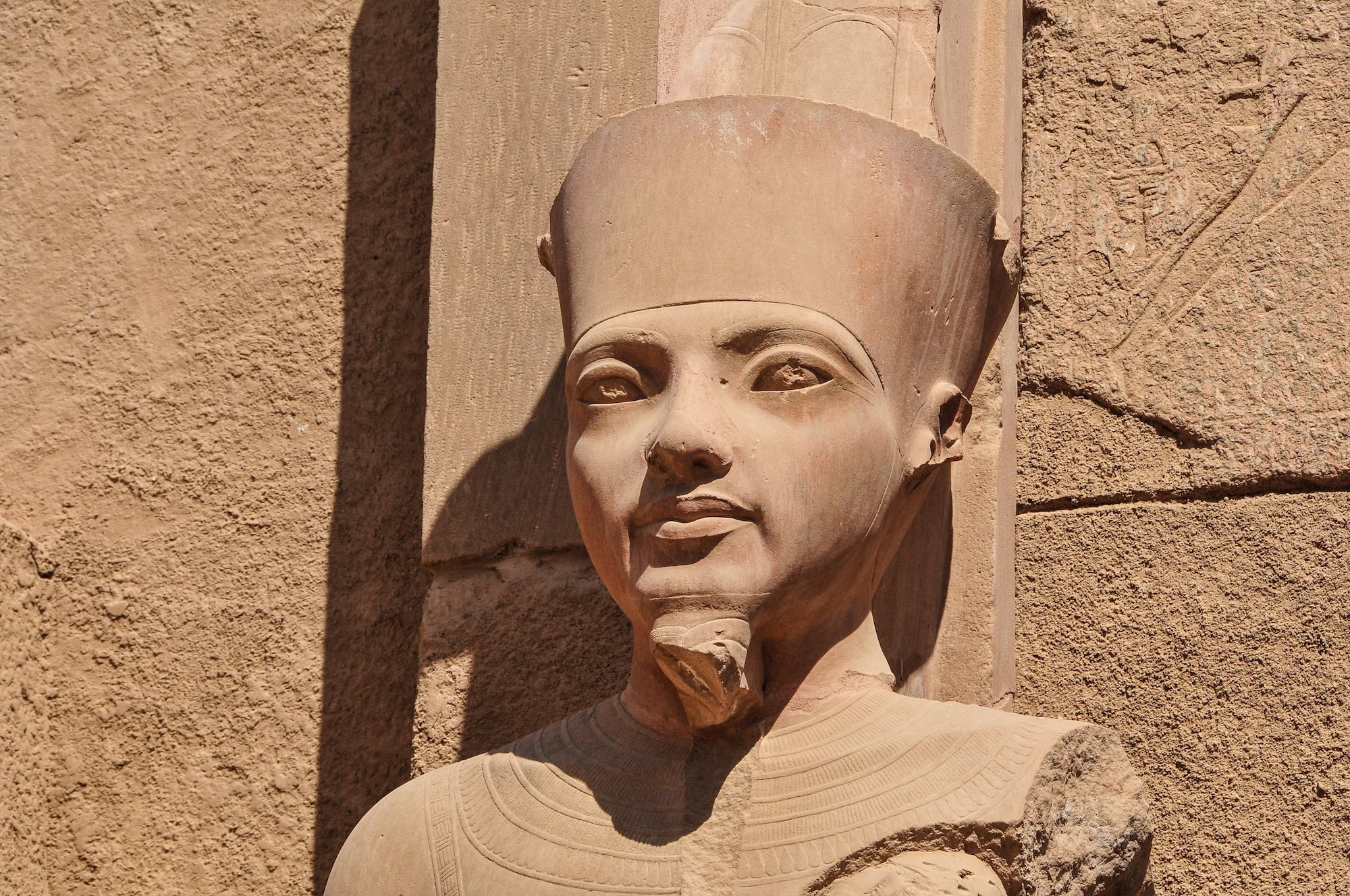
These proceedings established principles of legitimate succession and justice that would influence Egyptian kingship for millennia. Each pharaoh was considered the living embodiment of Horus, while deceased rulers joined Osiris in the afterlife realm.
Solar Mythology and Ra’s Journey
Ra’s daily voyage across the heavens provided ancient Egyptians with a powerful metaphor for cosmic order, renewal, and the triumph of light over darkness.
Each dawn, Ra emerged from the eastern mountains in his solar barque, accompanied by other deities who helped navigate the celestial waters. During daylight hours, he traveled overhead, bringing light and life to the world below. As evening approached, Ra entered the western mountains, beginning his perilous nighttime journey through the underworld.
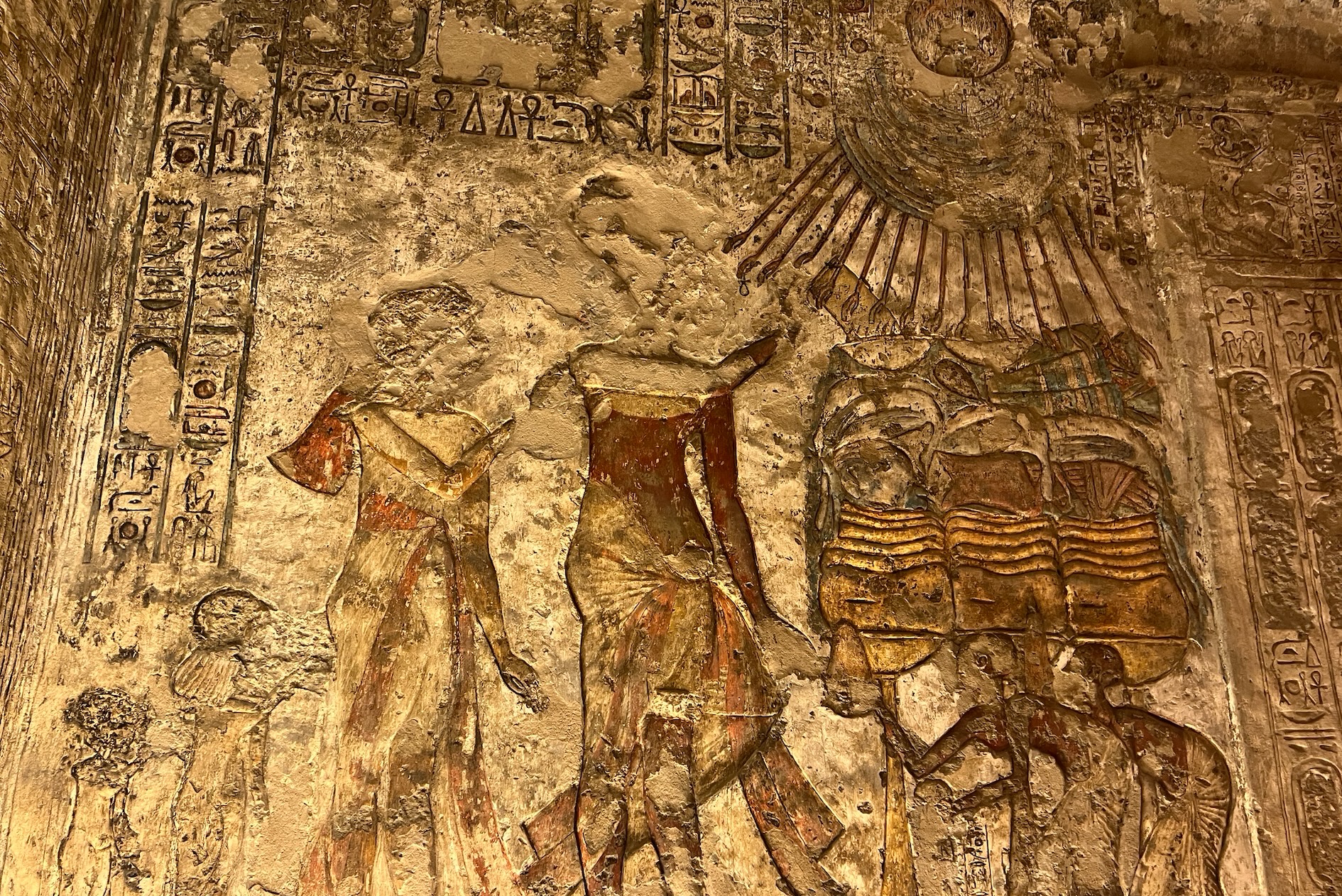
The night voyage presented constant dangers, particularly from Apophis, the serpent of chaos who attempted to destroy Ra and plunge the world into eternal darkness. Other deities, especially Seth (ironically serving as Ra’s protector in this context), helped defend the solar barque during these nightly battles. Ra’s successful emergence each morning demonstrated the continued victory of cosmic order over primal chaos.
This solar cycle became deeply embedded in Egyptian religious practice. Temple rituals often synchronized with Ra’s daily journey, while tomb decorations frequently depicted the deceased joining Ra’s eternal voyage. The solar deity appeared in various forms throughout the day: Khepri (the beetle) at dawn, Ra at noon, and Atum at evening.
Different regions developed their own solar traditions. Memphis emphasized Ptah-Tatenen as a creator deity with solar attributes. Thebes elevated Amun-Ra as king of the gods, combining the hidden god Amun with Ra’s solar power. Akhenaten’s religious revolution centered on Aten, the solar disk itself, as the exclusive divine power.
Folk Tales and Magical Narratives
Beyond formal religious mythology, ancient Egypt preserved numerous folk tales that revealed cultural values, fears, and aspirations through entertaining stories filled with magic and wonder.
“The Tale of Two Brothers” presents one of literature’s earliest examples of false accusation and redemption. Anpu and Bata lived together harmoniously until Anpu’s wife attempted to seduce Bata. When rejected, she falsely accused him of assault. The brothers separated, with Bata undergoing magical transformations and eventual vindication. This story explored themes of loyalty, jealousy, justice, and the supernatural powers that could intervene in human affairs.
Magical elements permeated daily life concepts. People believed in protective amulets, healing spells, and divine intervention in ordinary situations. Professional magicians served royal courts and common communities alike, claiming abilities to influence weather, heal diseases, and communicate with deceased relatives.
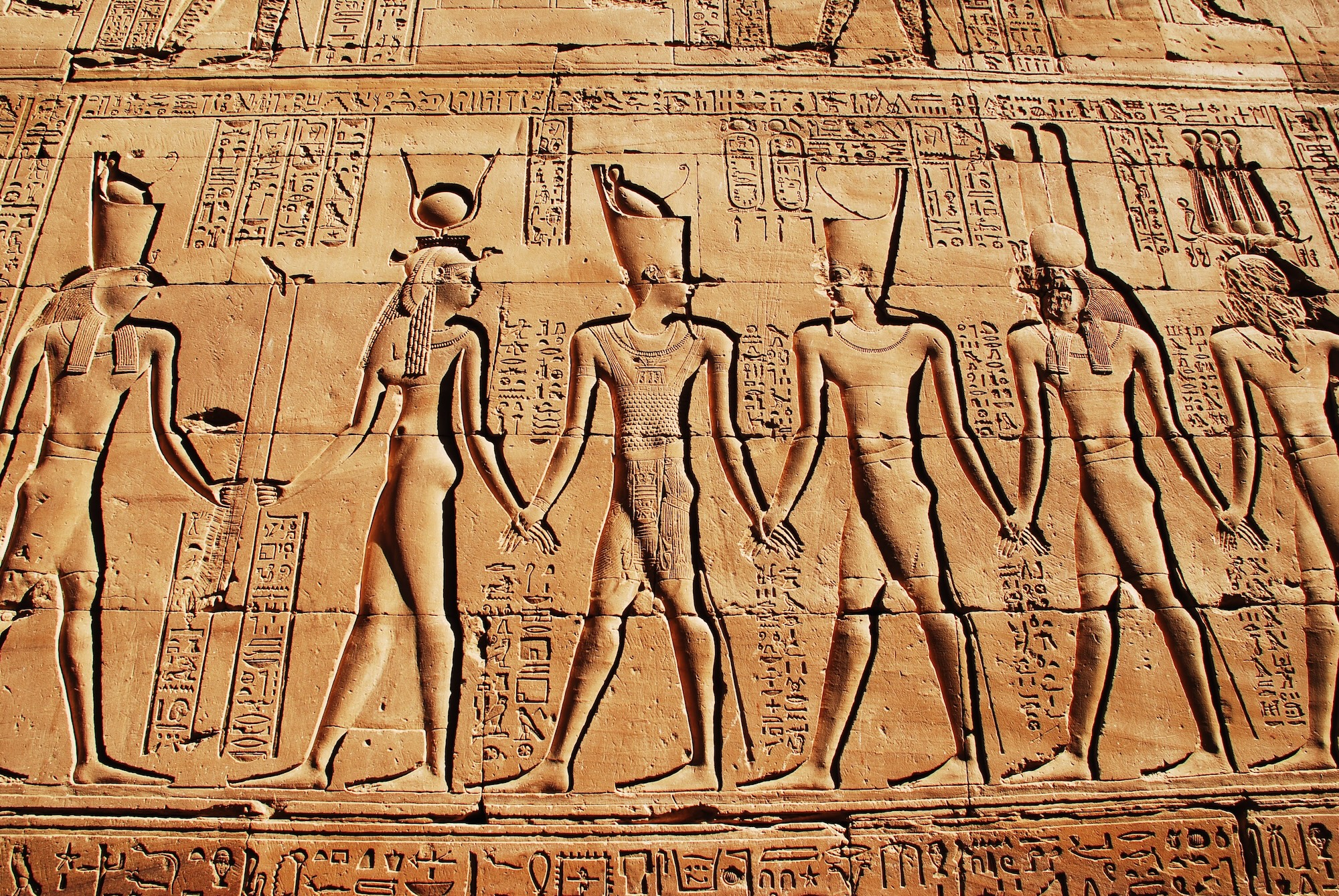
The “Contendings of Horus and Seth” combined mythological grandeur with folksy humor, depicting gods behaving in surprisingly human ways. Legal arguments, magical contests, and even sexual escapades featured prominently in this divine comedy that nonetheless addressed serious questions about legitimate authority and cosmic justice.
These narratives served multiple purposes: entertainment, moral instruction, cultural preservation, and religious education. They made complex theological concepts accessible through memorable characters and engaging plots while reinforcing social norms and spiritual beliefs.
Temple Cosmology and Sacred Architecture
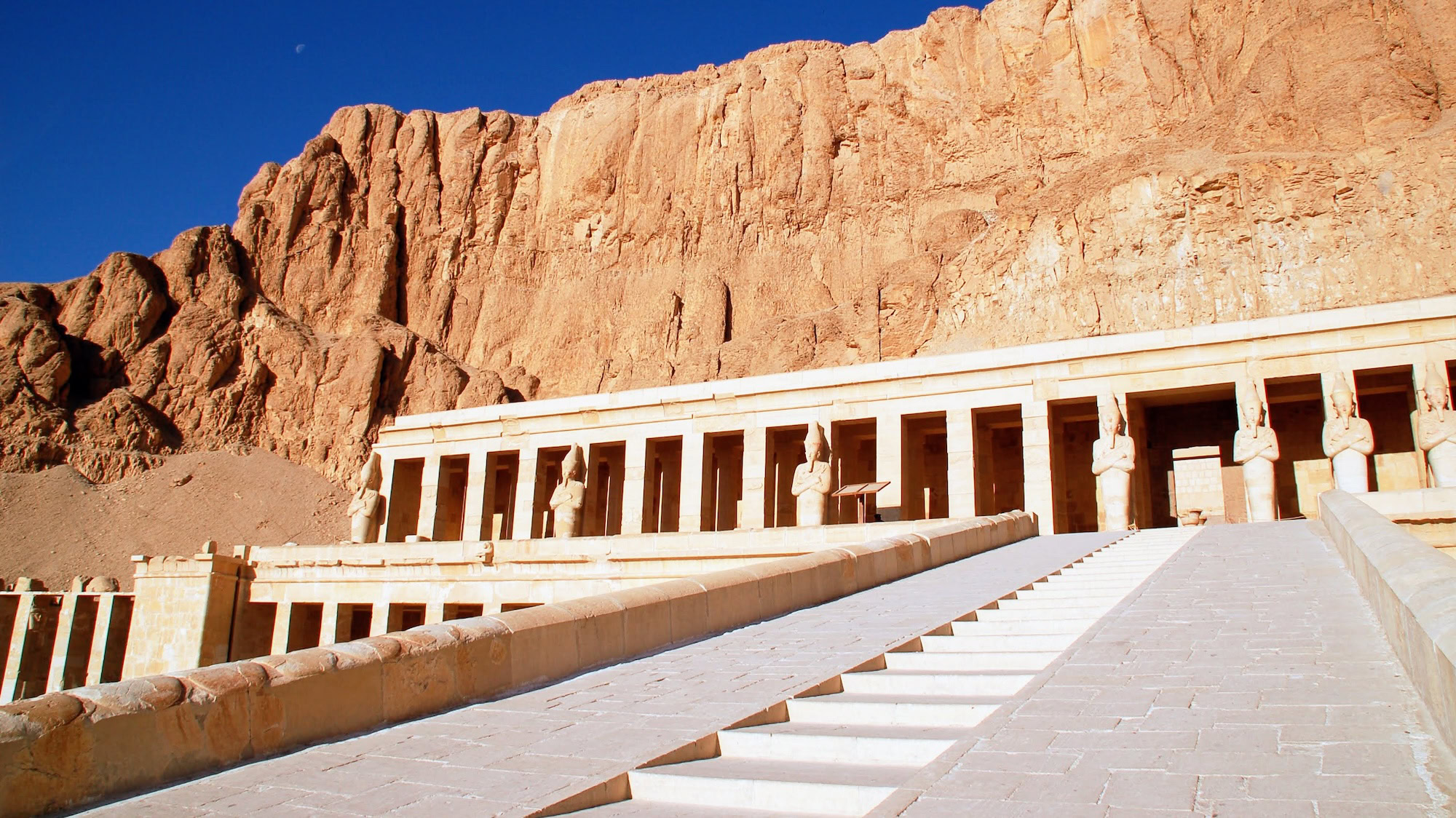
Egyptian temples functioned as earthly recreations of cosmic geography, with every architectural element carrying profound mythological significance that connected human worship with divine realities.
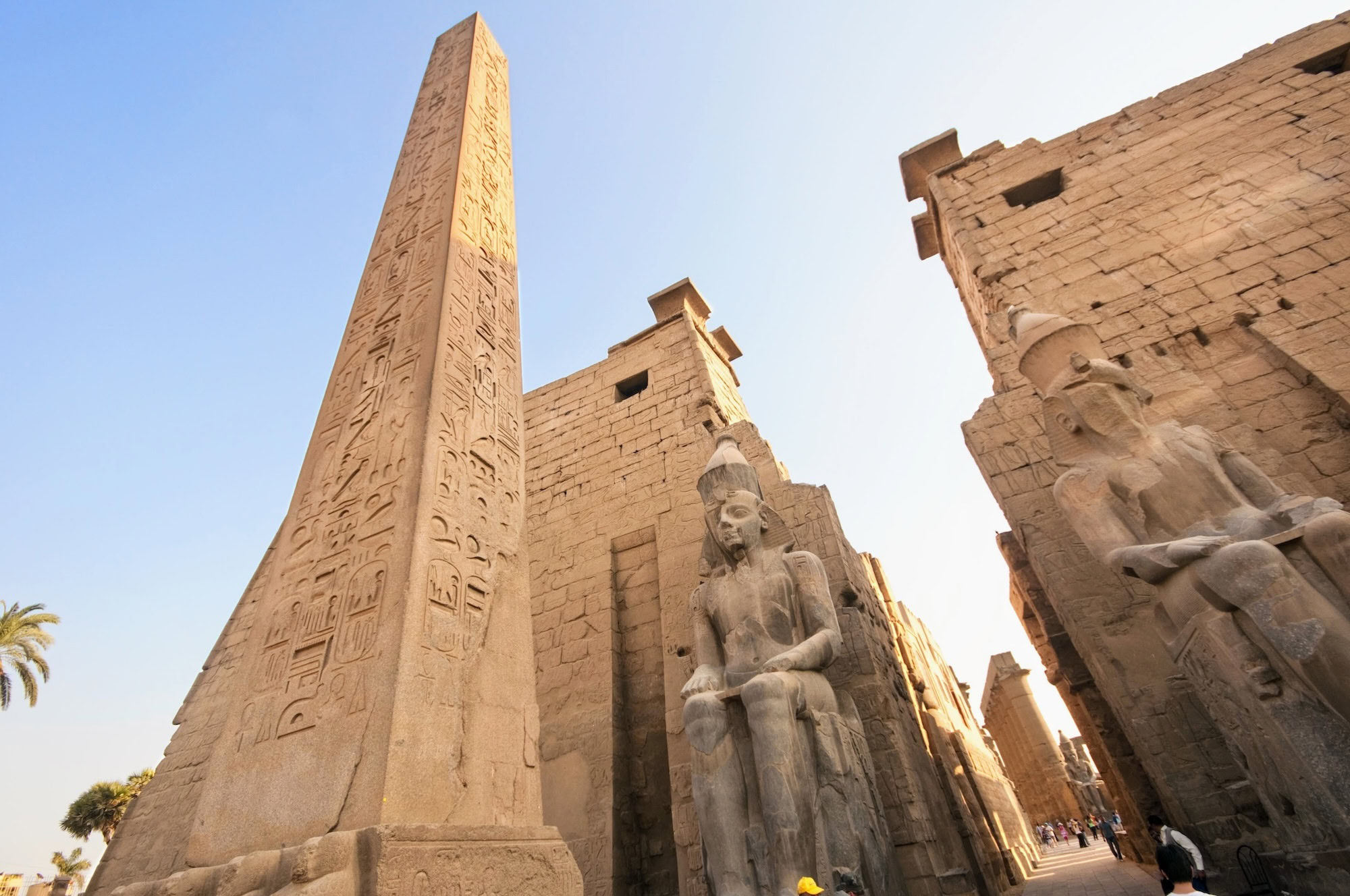
The temple pylon represented the horizon where Ra emerged each morning. Obelisks symbolized primordial mounds of creation rising from chaotic waters. Hypostyle halls mimicked the papyrus marshes where creation first began. The innermost sanctuary housed the deity’s cult statue, recreating the divine dwelling place described in creation myths.
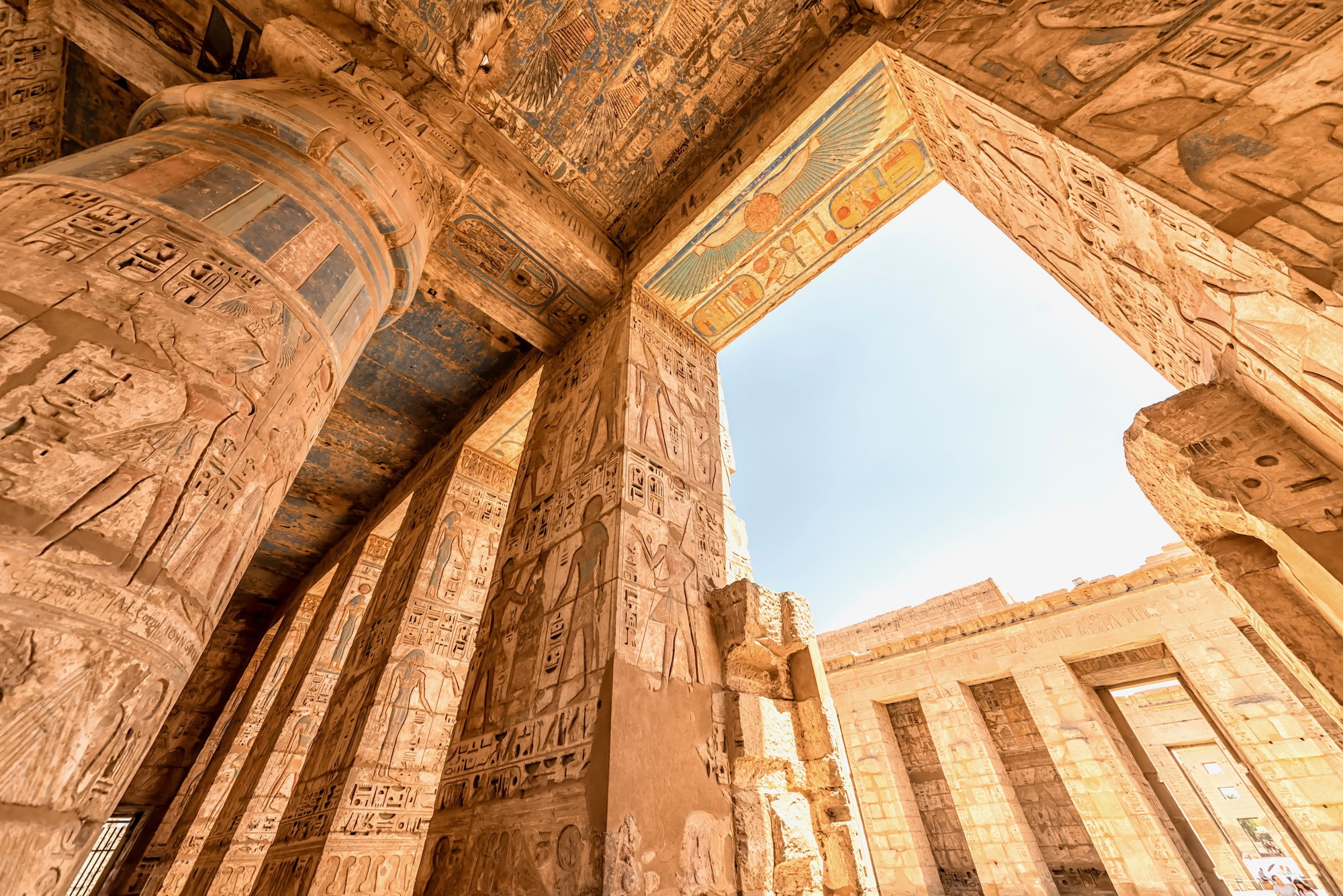
Sacred lakes within temple complexes represented Nun, the primordial waters from which all existence emerged. Priests performed daily rituals that symbolically reenacted creation, ensuring cosmic order continued functioning properly. These ceremonies weren’t mere remembrances but active participation in maintaining universal stability.
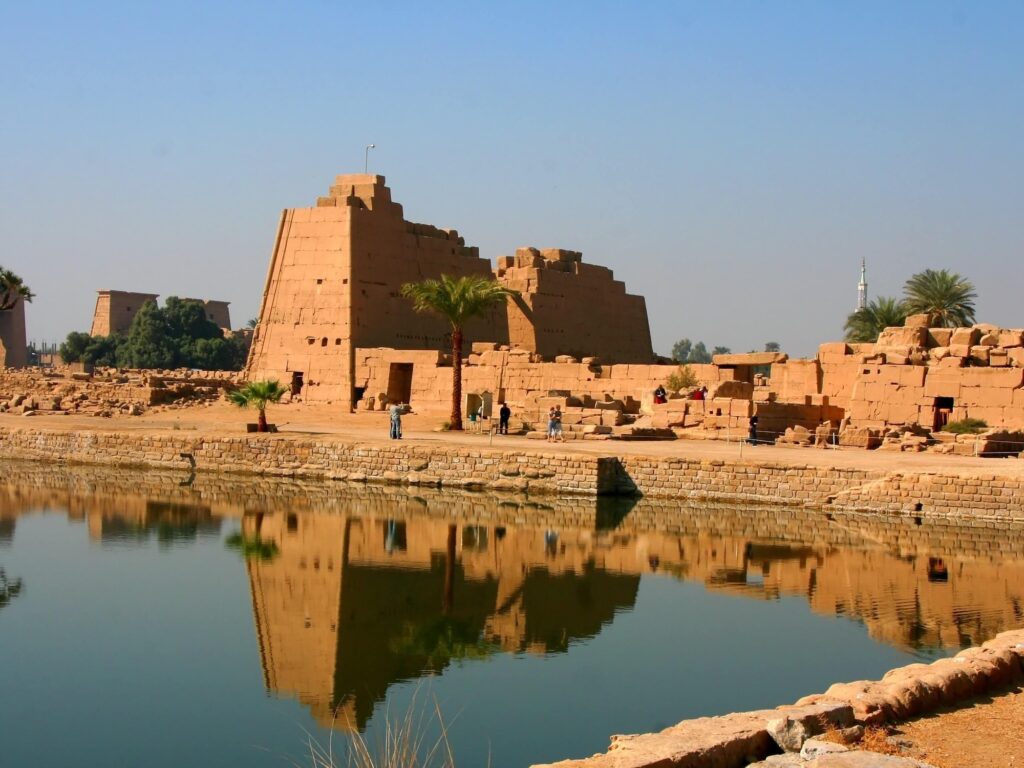
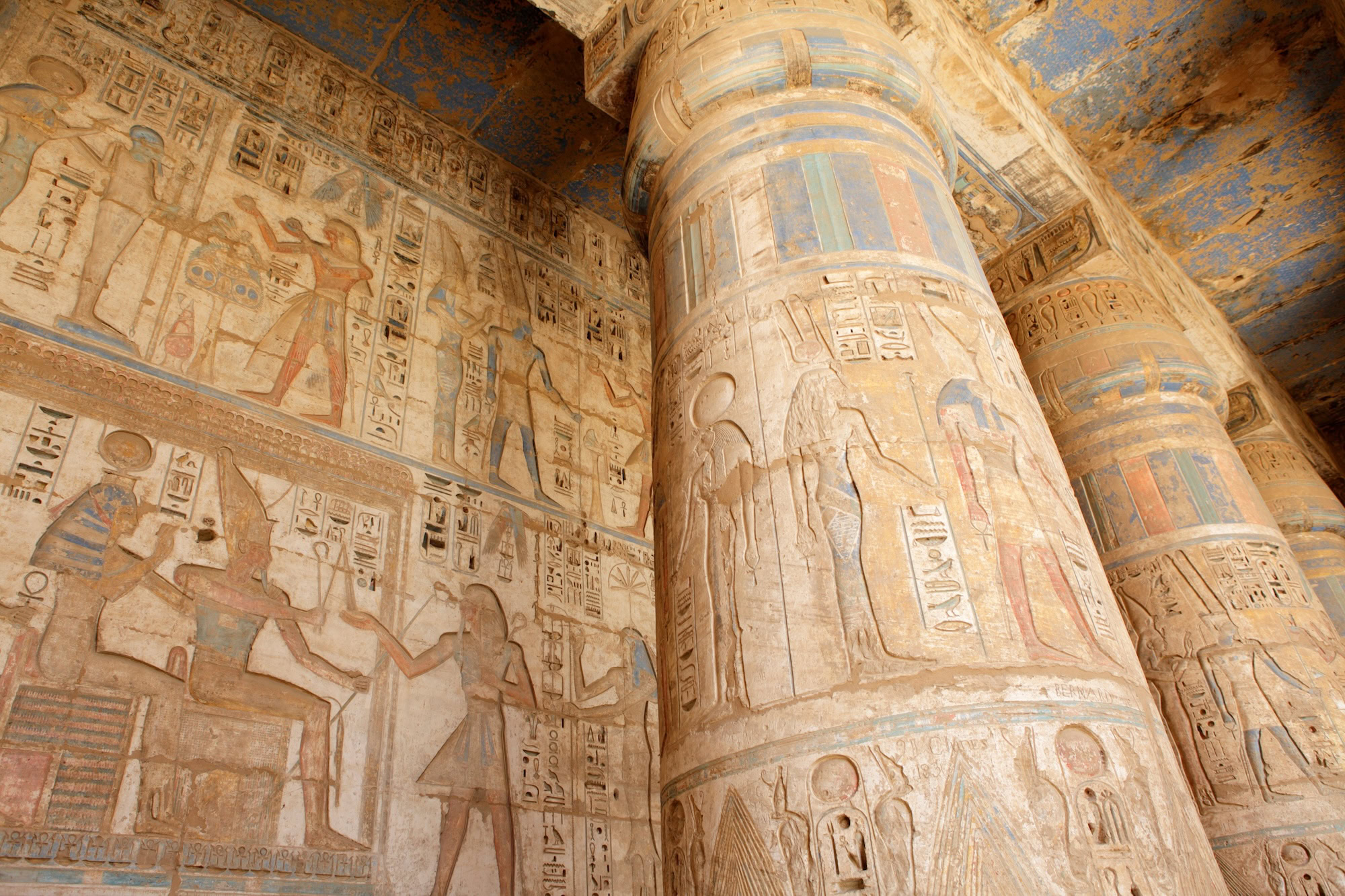
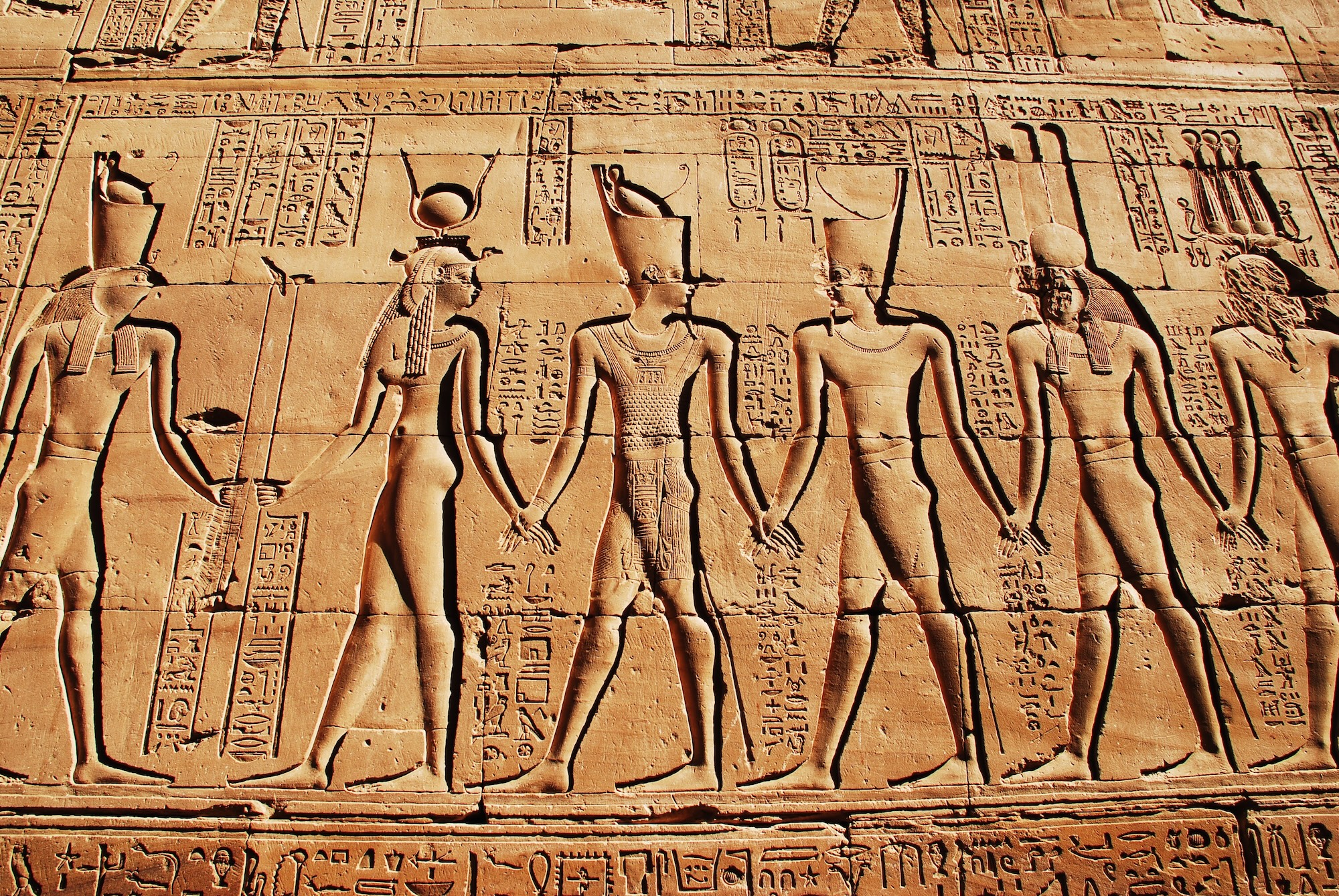
Wall reliefs depicted mythological scenes not as historical records but as eternally present realities. The king appeared making offerings to various deities, participating in divine narratives that transcended linear time. These images activated spiritual forces, making temple walls active participants in cosmic maintenance rather than passive decorations.
From gods and pharaohs to symbols carved in stone
Experience the myths of ancient Egypt where they come alive — inside temples, tombs, and sacred landscapes — with our curated journeys through Egypt.
Frequently Asked Questions
What makes Egyptian creation myths different from other ancient cultures?
Egyptian creation stories emphasized multiple valid approaches rather than one authoritative version, reflecting sophisticated theological thinking about divine mystery.
Why was the Osiris myth so important to ancient Egyptians?
It addressed death anxiety while providing hope for resurrection, making it personally meaningful to every individual facing mortality.
How did Ra’s solar journey influence daily Egyptian life?
Temple rituals, work schedules, and religious festivals often synchronized with solar movements, structuring society around cosmic rhythms.
Did ancient Egyptians actually believe these myths were literal history?
Evidence suggests they understood myths as symbolic truths conveying spiritual realities rather than factual historical accounts.
What role did magic play in Egyptian mythology?
Magic wasn’t supernatural but natural forces that skilled practitioners could manipulate through proper knowledge and rituals.
How did different regions develop unique mythological traditions?
Local temples promoted patron deities while incorporating broader Egyptian theological concepts, creating regional variations within unified frameworks.
Why do Egyptian gods have animal heads or forms?
Animals embodied specific divine qualities: hawks represented sky power, crocodiles suggested primordial strength, cats symbolized protective fierceness.
What connection existed between mythology and Egyptian kingship?
Pharaohs were considered living gods participating in divine narratives, making mythology integral to political legitimacy and royal authority.
How did Egyptian myths influence art and literature?
These stories provided standard iconographic programs for tomb decoration, temple relief, and literary composition throughout Egyptian history.
What happened to these myths after Egypt became Christian?
Many mythological motifs transformed into Christian symbolism, while others survived in folk traditions and magical practices for centuries.
Did women have important roles in Egyptian mythology?
Yes, goddesses like Isis, Nut, and Hathor held central positions as creators, protectors, and sources of divine power.
How do we know so much about Egyptian myths today?
Hieroglyphic texts, temple inscriptions, papyri, and archaeological evidence preserve thousands of years of mythological traditions and religious practices.
Design Your Custom Tour
Explore Egypt your way by selecting only the attractions you want to visit