

Aswan Travel Guide for First-Time Visitors
Aswan Travel Guide
This southern Egyptian city holds secrets most tourists never discover.
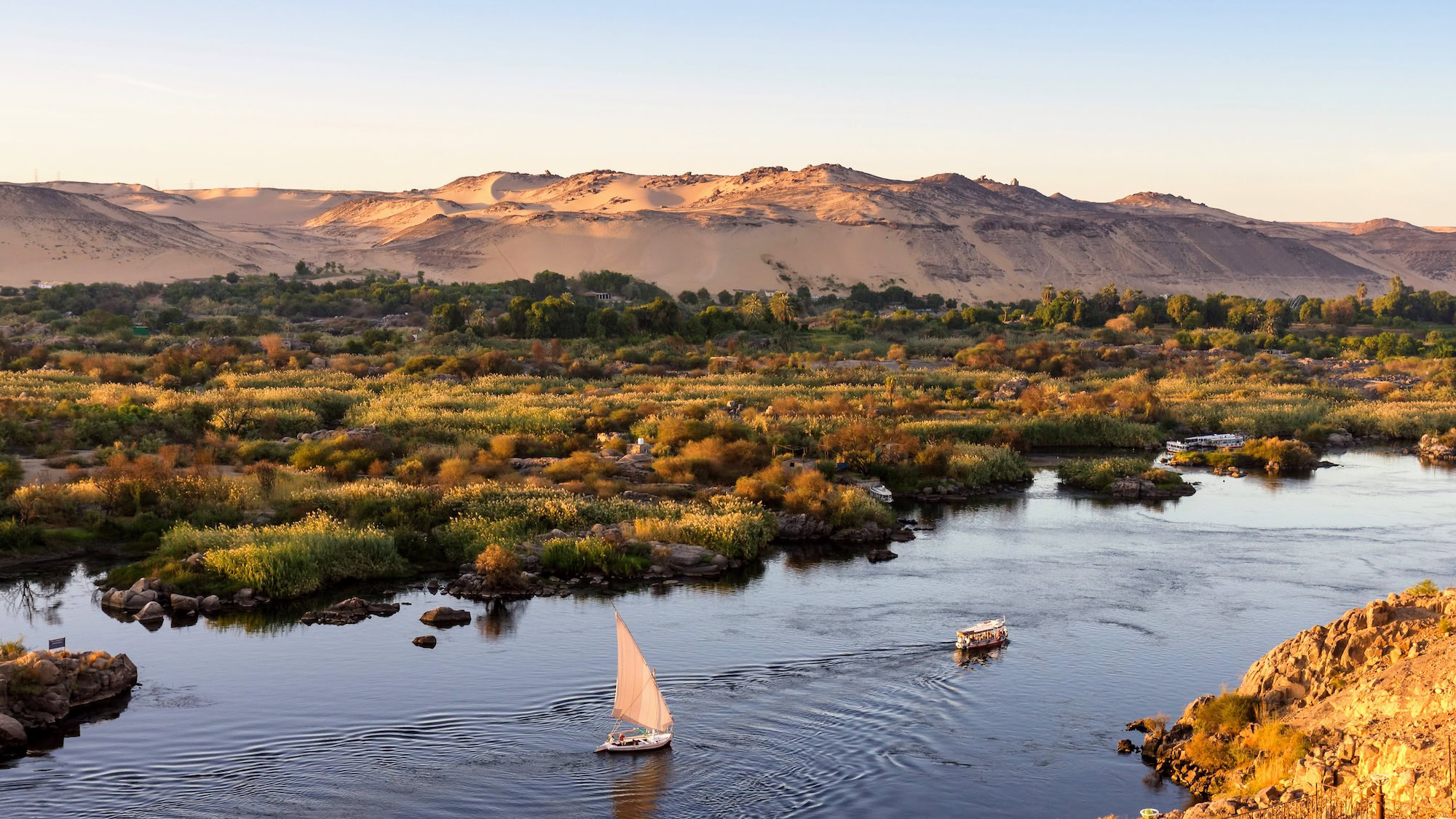
Aswan sits where the Sahara meets the Nile, creating a landscape unlike anywhere else in Egypt. While many visitors rush through on their way to Abu Simbel, those who stay longer uncover a treasure trove of ancient temples, vibrant Nubian culture, and desert adventures that rival the pyramids. The city serves as the perfect base for exploring both mainstream attractions and hidden gems that showcase Egypt’s incredible diversity.
From floating temples rescued from rising waters to traditional villages where time seems to stand still, Aswan offers experiences that will redefine your understanding of Egypt.
Whether you’re planning two days or a week, this comprehensive guide will help you make the most of your time in this captivating destination.
Essential Temples and Archaeological Wonders
Aswan’s temples represent some of Egypt’s most remarkable preservation stories. The region’s archaeological sites span millennia, each telling a unique chapter of ancient Egyptian civilization.
Philae Temple: The Crown Jewel
Philae Temple stands as Egypt’s most atmospheric ancient site, relocated stone by stone to Agilkia Island to save it from the High Dam’s flooding. This UNESCO World Heritage site dedicated to the goddess Isis showcases intricate carvings that remain vibrant after thousands of years.
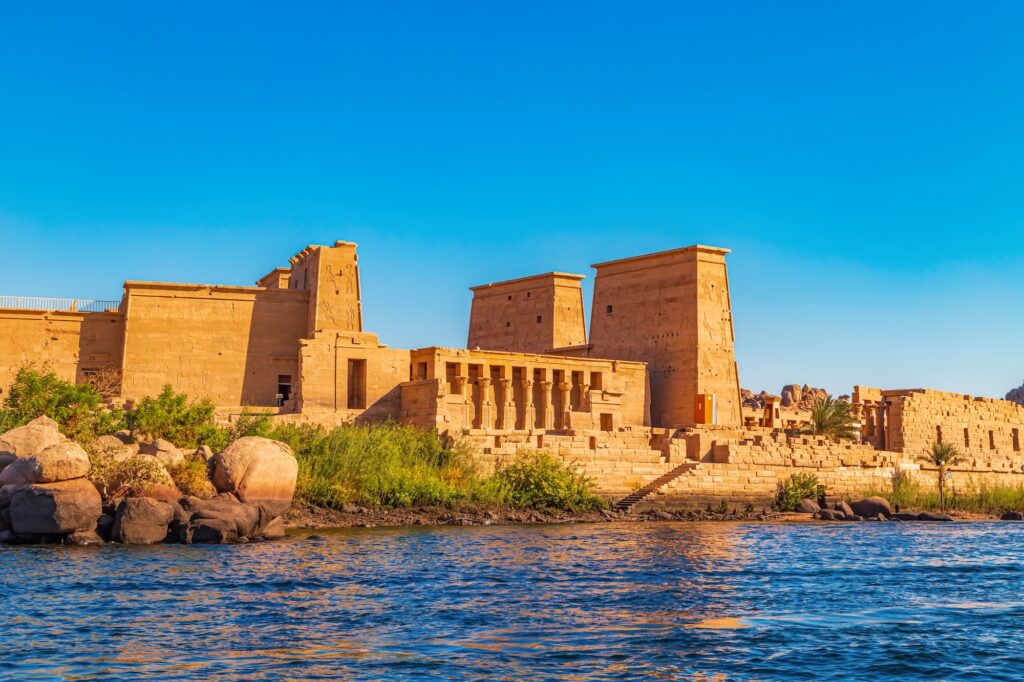
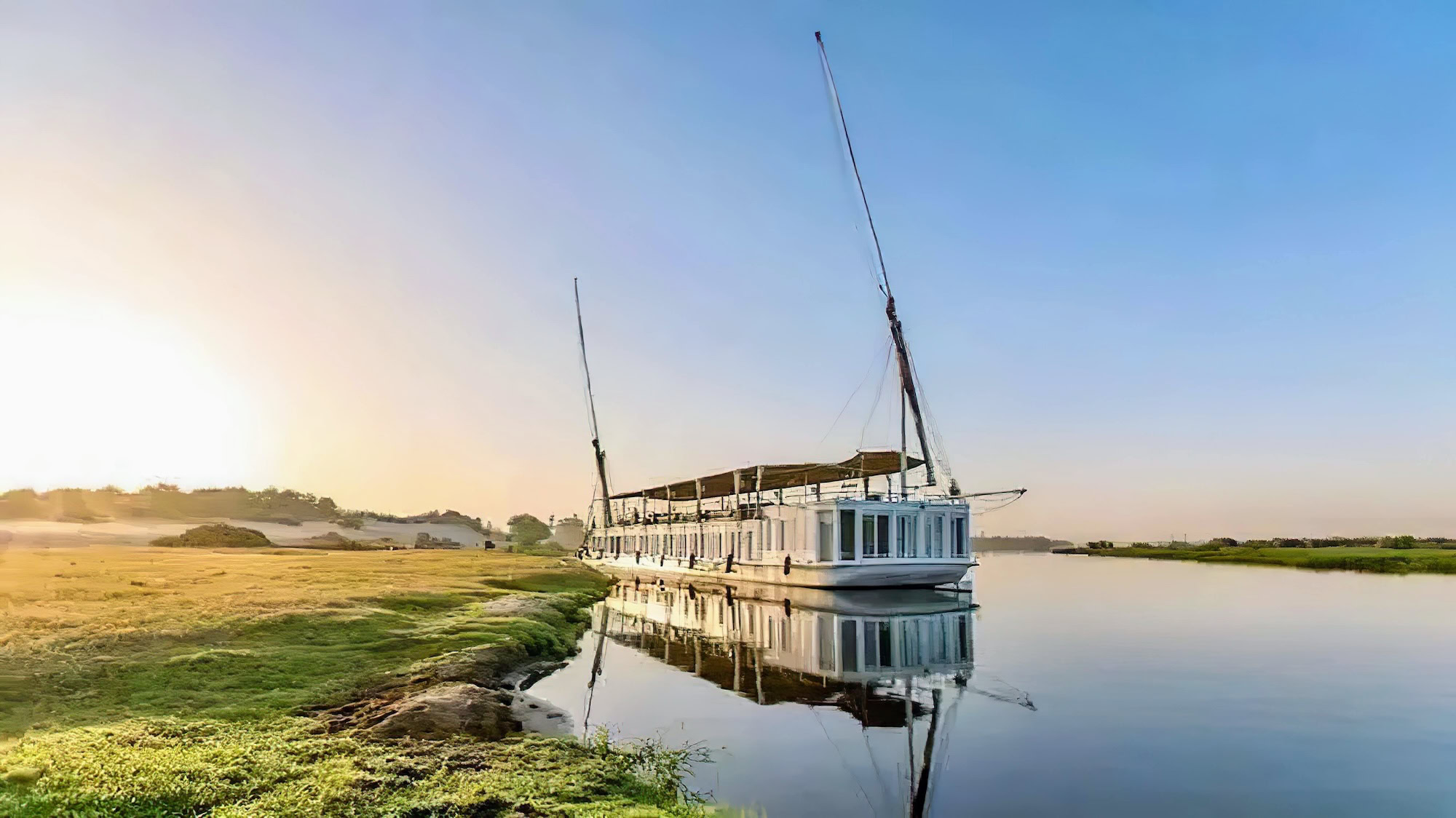
The boat journey to reach the temple adds to its mystique, with traditional feluccas gliding across waters that reflect towering columns against desert cliffs. Evening sound and light shows transform the temple into a magical experience, though early morning visits offer the most peaceful atmosphere for photography and contemplation.
Abu Simbel Day Trip Planning
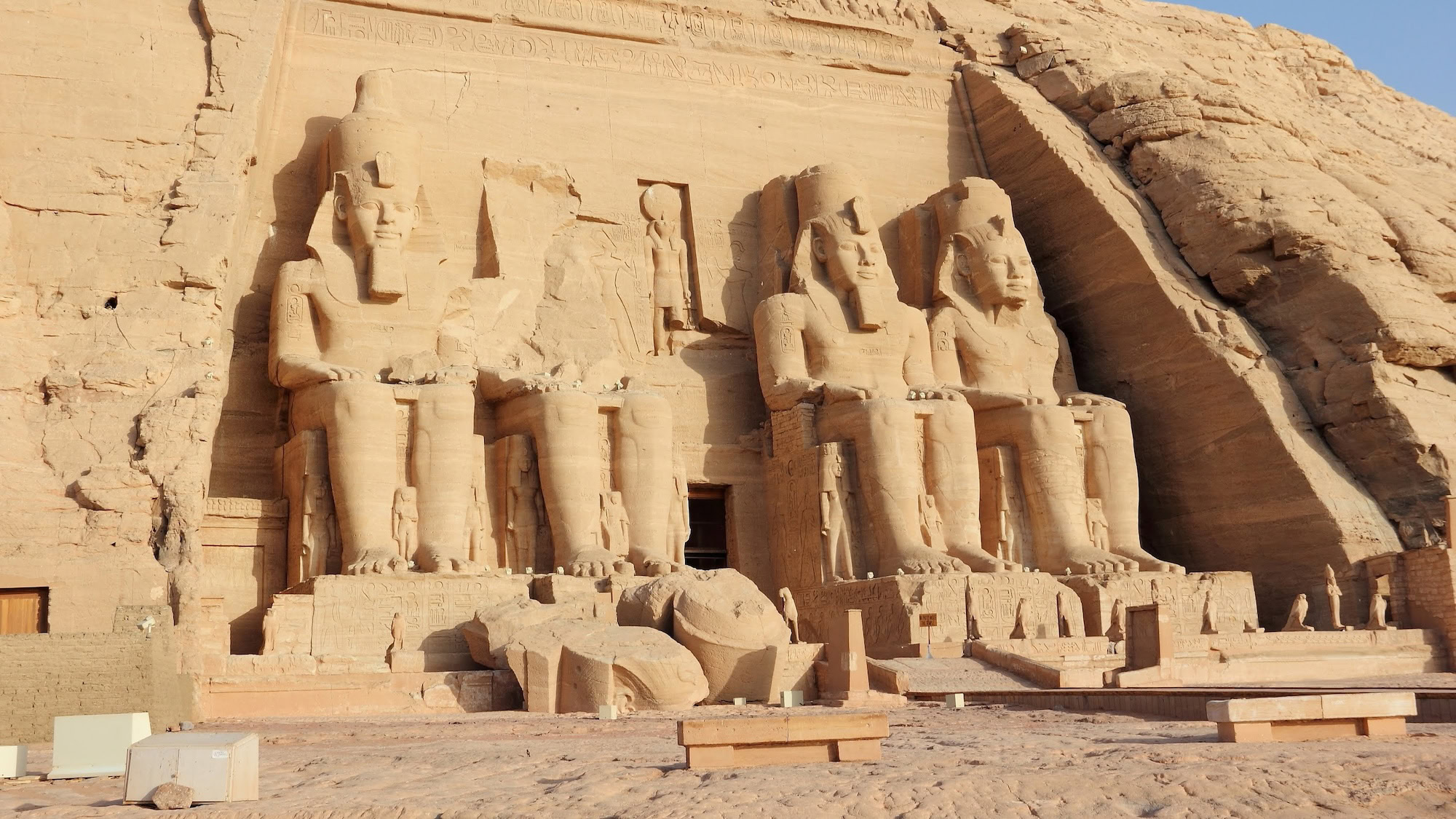
Abu Simbel requires careful planning but delivers an experience unlike any other in Egypt. The twin temples of Ramesses II and Queen Nefertari sit 280 kilometers (174 miles) south of Aswan, making it a full-day commitment that starts before dawn.
Most visitors choose organized tours departing at 4:00 am (04:00), arriving at Abu Simbel by 7:00 am (07:00) to avoid crowds and afternoon heat. The three-hour journey through the Sahara Desert creates anticipation for the moment when these colossal monuments first come into view. Independent travelers can hire private drivers, but convoy restrictions apply for security reasons.
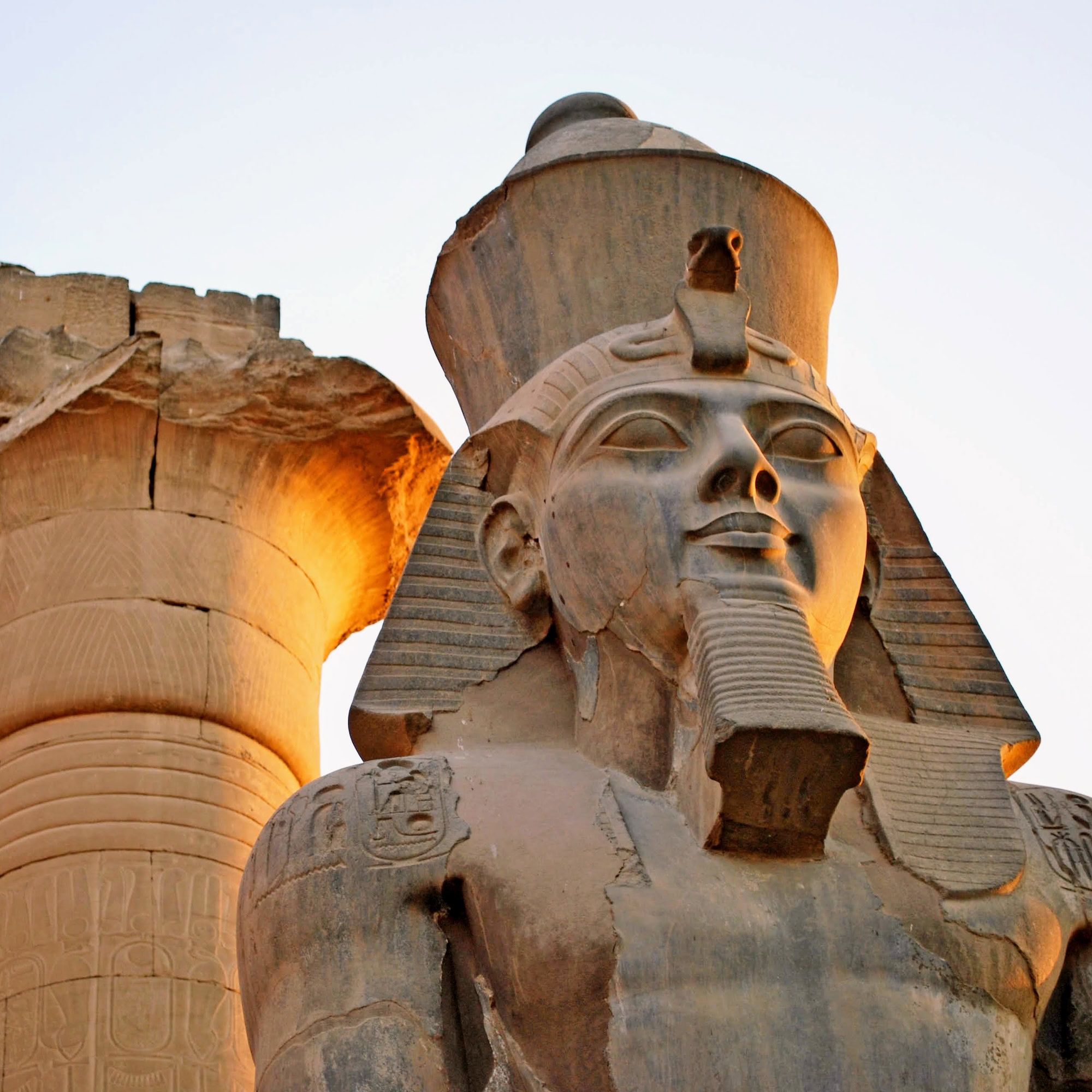
The temples themselves justify every minute of travel time. Ramesses II’s temple features four 20-meter (65-foot) seated statues of the pharaoh, while Queen Nefertari’s smaller temple showcases exquisite interior decorations. UNESCO’s 1960s relocation project moved these monuments 65 meters (213 feet) higher to escape Lake Nasser’s waters, a feat of engineering that rivals the original construction.
Hidden Archaeological Gems
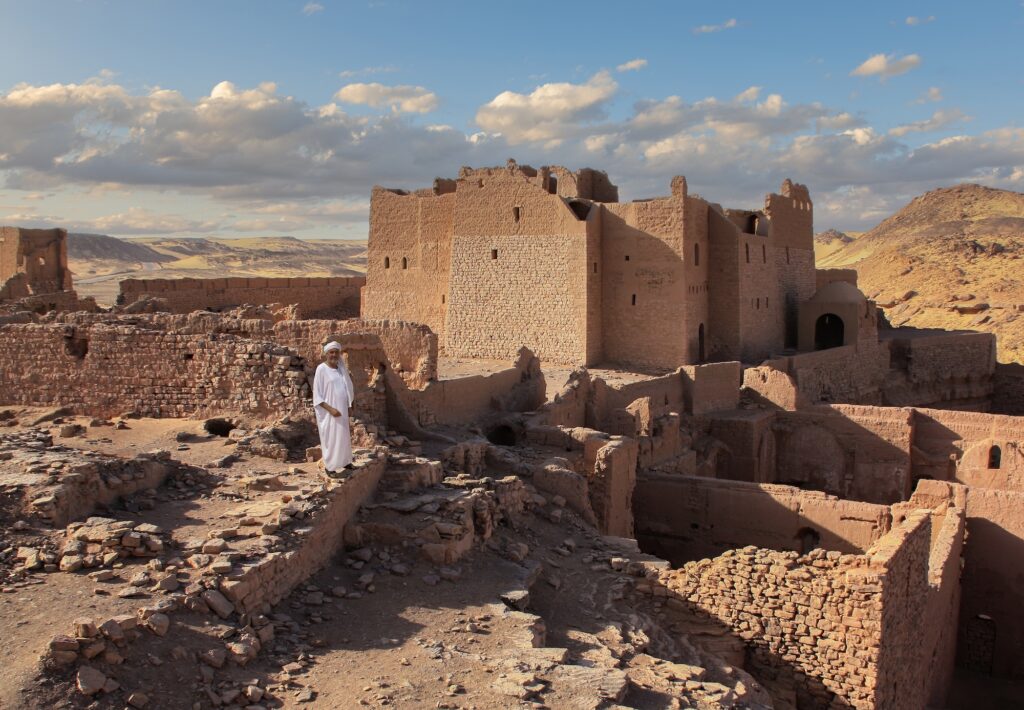
Beyond the famous sites lie lesser-known treasures that offer intimate encounters with ancient Egypt. The Monastery of St. Simeon, accessible by camel or desert hike, preserves remarkable Christian frescoes from the 7th century. This fortified complex sits on a desert plateau where few tourists venture, providing stunning views across the Nile Valley.
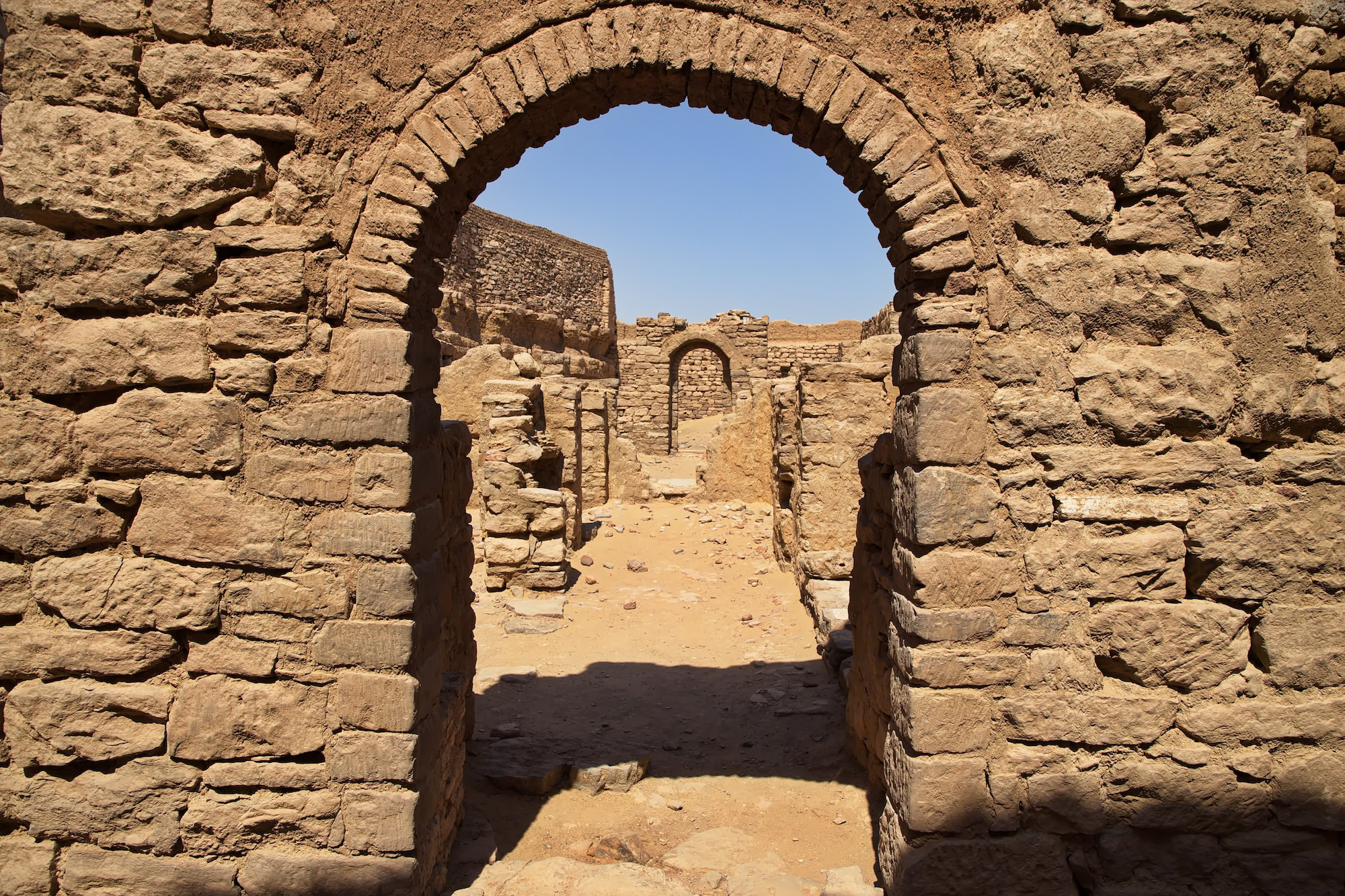
The Mausoleum of Aga Khan offers another off-the-beaten-path experience, though access requires special permission. Its location on the west bank provides panoramic views of Aswan and the surrounding desert landscape.
Transportation and Getting Around
Flying versus taking the train to Aswan creates different experiences entirely. EgyptAir operates daily flights from Cairo that take 90 minutes, while the overnight train journey spans 13 hours but offers glimpses of rural Egypt that flights cannot match.
The train from Ramses Station in Cairo departs at 8:00 pm (20:00), arriving in Aswan at 9:00 am (09:00) the following day. First-class sleeper compartments provide reasonable comfort, though delays occasionally extend the journey. Many travelers find the rhythmic motion and changing landscapes outside their window create a meditative introduction to Upper Egypt’s desert environment.
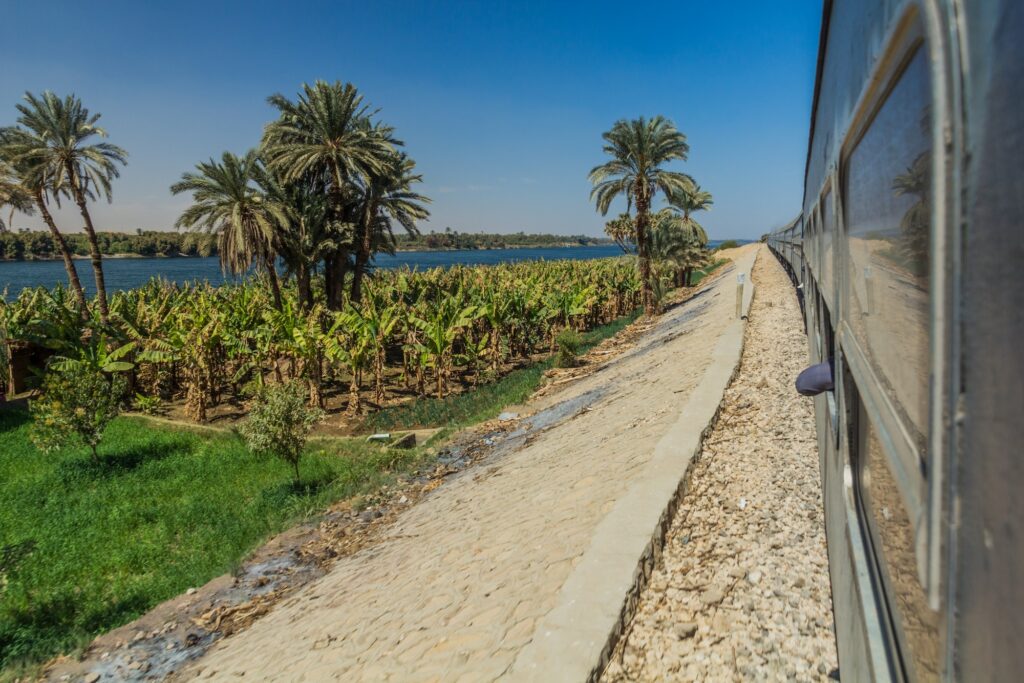
Within Aswan, transportation options range from traditional to modern. Feluccas remain the most atmospheric way to reach Elephantine Island or navigate between sites along the Nile. Taxis provide quick connections between distant locations, though negotiating fair prices requires patience. Public microbuses serve local routes at minimal cost, offering authentic cultural immersion for adventurous travelers.
Accommodation from Budget to Luxury
Island Retreats and Historic Hotels
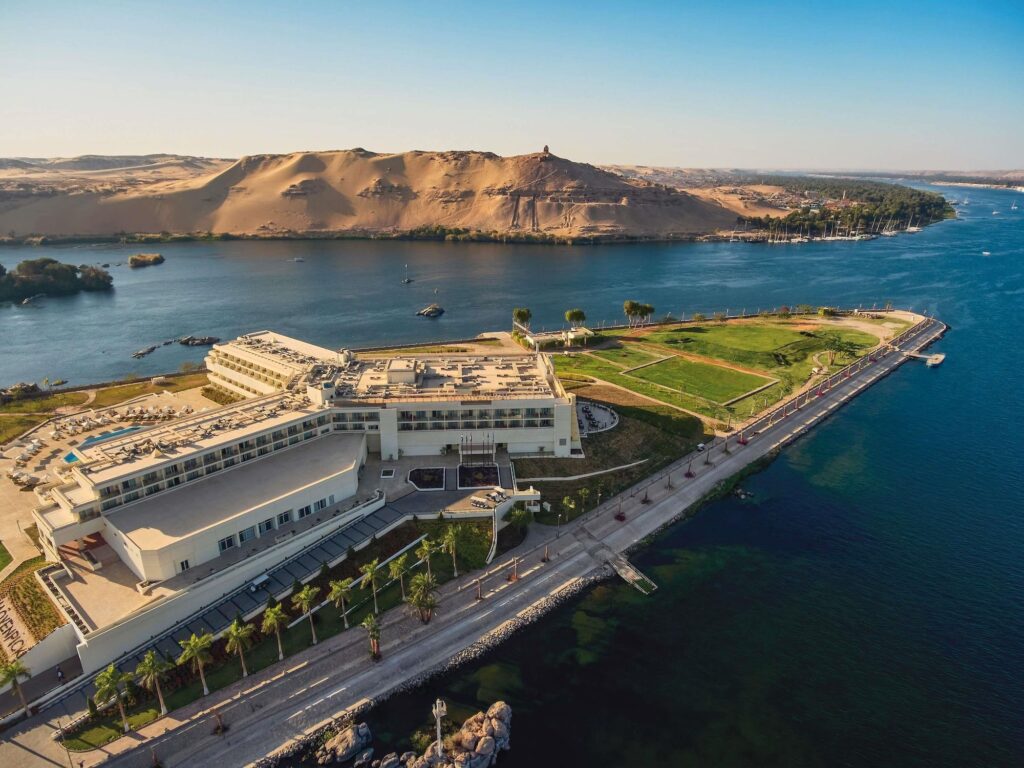
Mövenpick Aswan occupies a prime portion of Elephantine Island, providing guests with Nile views from every angle. The property’s infinity pool seems to merge with the river itself, while traditional Nubian architecture creates an authentic atmosphere without sacrificing modern comfort.
Sofitel Legend Old Cataract breathes history from every corner, having hosted Agatha Christie while she wrote “Death on the Nile.” The hotel’s terraces overlook the First Cataract, where granite boulders create natural rapids that have challenged travelers for millennia. Winston Churchill, Princess Diana, and countless other notable figures have enjoyed these same panoramic views.
Budget-conscious travelers find excellent value at guesthouses throughout the city. Mango Guesthouse offers clean rooms and helpful staff who assist with tour planning and transportation arrangements. Many budget properties provide rooftop terraces where guests can watch the sunset paint the desert mountains in brilliant orange and purple hues.
Nubian Village Stays
Staying in traditional Nubian villages provides cultural immersion impossible to achieve in conventional hotels. Families in Nagel-Gulab and Nagaa Al Hamdlab villages welcome visitors into colorful homes decorated with traditional patterns and symbols.
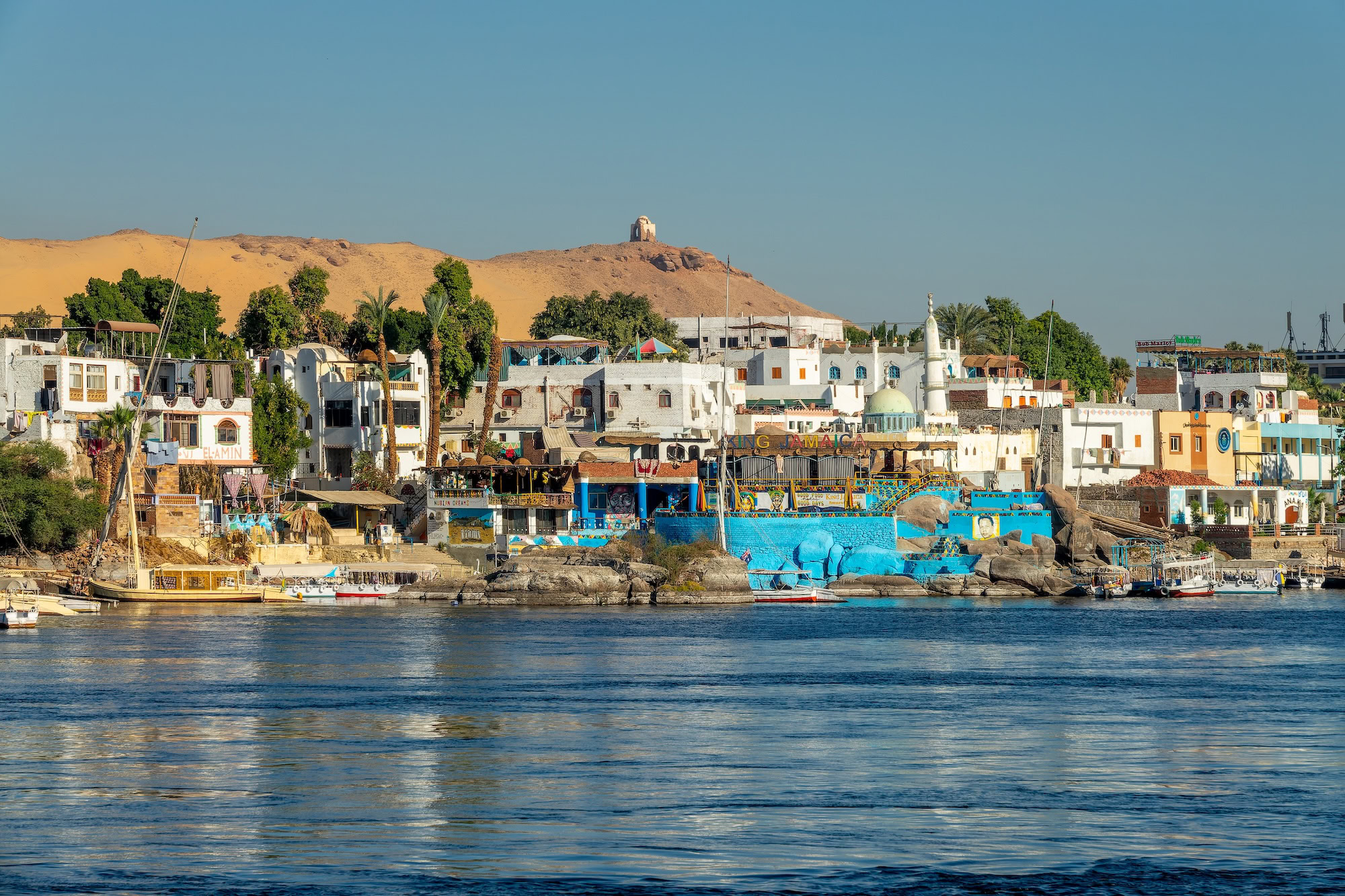
These authentic experiences include sharing meals prepared using age-old methods, learning about Nubian customs that predate ancient Egypt, and participating in daily activities like tending gardens or caring for farm animals. The genuine warmth of Nubian hospitality creates connections that transform a simple overnight stay into lifelong memories.
Cultural Experiences and Nubian Heritage
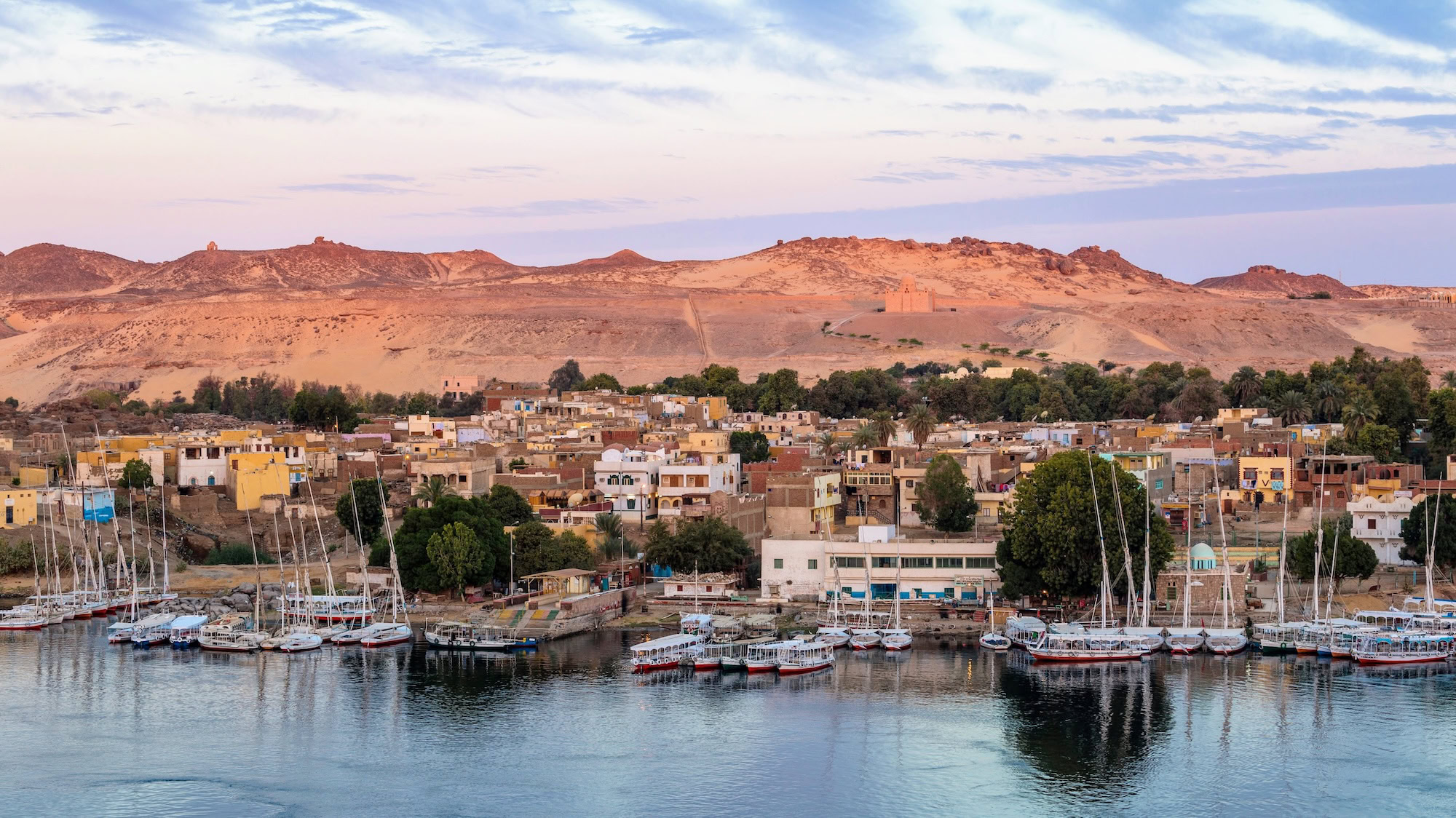
Nubian culture represents one of Africa’s oldest civilizations, predating pharaonic Egypt by centuries. Modern Nubian communities maintain traditions through music, art, and daily customs that survived forced relocations when the High Dam created Lake Nasser. Their villages showcase bright blue and yellow houses decorated with intricate geometric patterns that carry spiritual significance.
King Jamaica Café on Elephantine Island serves as an unofficial cultural center where Nubian musicians gather for impromptu performances. The café’s owner shares stories about village life before the dam’s construction, when Nubian settlements stretched along the Nile into what is now Sudan.
Visiting authentic Nubian villages requires respectful preparation and realistic expectations. Tourism has inevitably changed these communities, but families still maintain traditional farming methods, prepare meals in outdoor ovens, and practice customs passed down through generations. Many villagers speak multiple languages including Arabic, Nubian, and English, reflecting their role as intermediaries between Egypt and Sudan throughout history.
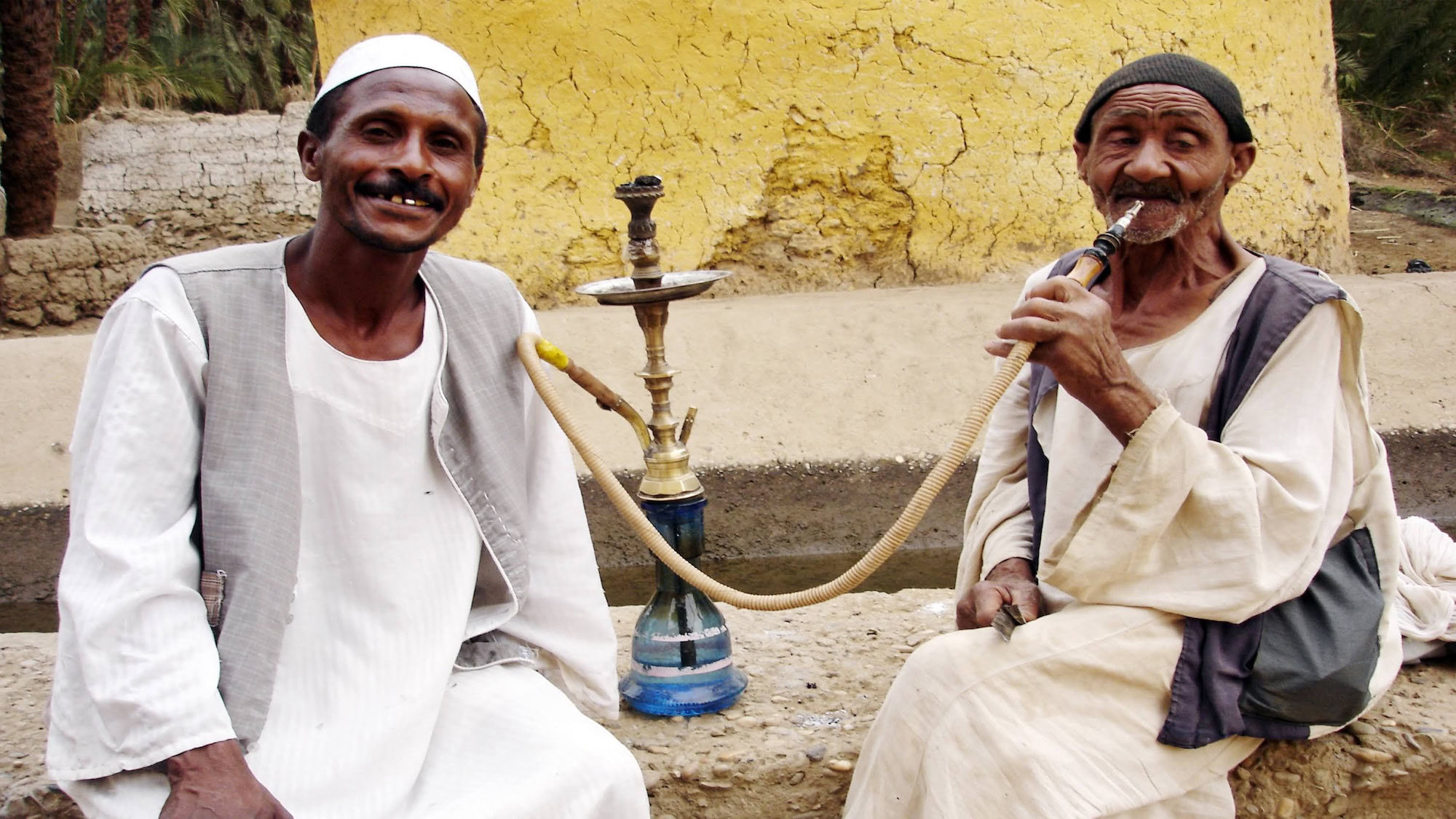
Learning basic Nubian greetings and customs enhances these interactions significantly. Women should dress conservatively, covering shoulders and knees, while men should avoid photographing people without permission. Small gifts like school supplies or household items are appreciated more than money, which can create uncomfortable dynamics within families.
Desert Adventures and Alternative Activities
Off-the-Beaten-Path Exploration
Desert plateau hiking reveals landscapes that most Aswan visitors never experience. Trails leading to St. Simeon Monastery pass through terrain where ancient bones and pottery fragments emerge from shifting sands. GPS coordinates help navigate these unmarked routes, though hiring local guides provides historical context and ensures safety.
The western desert beyond Aswan holds hidden tombs and rock formations that create natural amphitheaters. Some tombs remain open to adventurous explorers, containing mummified remains and hieroglyphic inscriptions that have survived centuries of desert conditions. These discoveries require permits and archaeological supervision, but arranged tours make them accessible to interested travelers.
Botanical Gardens and Natural Sites
Aswan’s Botanical Garden occupies Kitchener Island, creating a tropical oasis within the desert environment. Lord Kitchener transformed this small island into an experimental garden featuring plants from across Africa and Asia. Today, visitors can explore winding paths shaded by exotic trees while learning about desert adaptation and irrigation techniques.
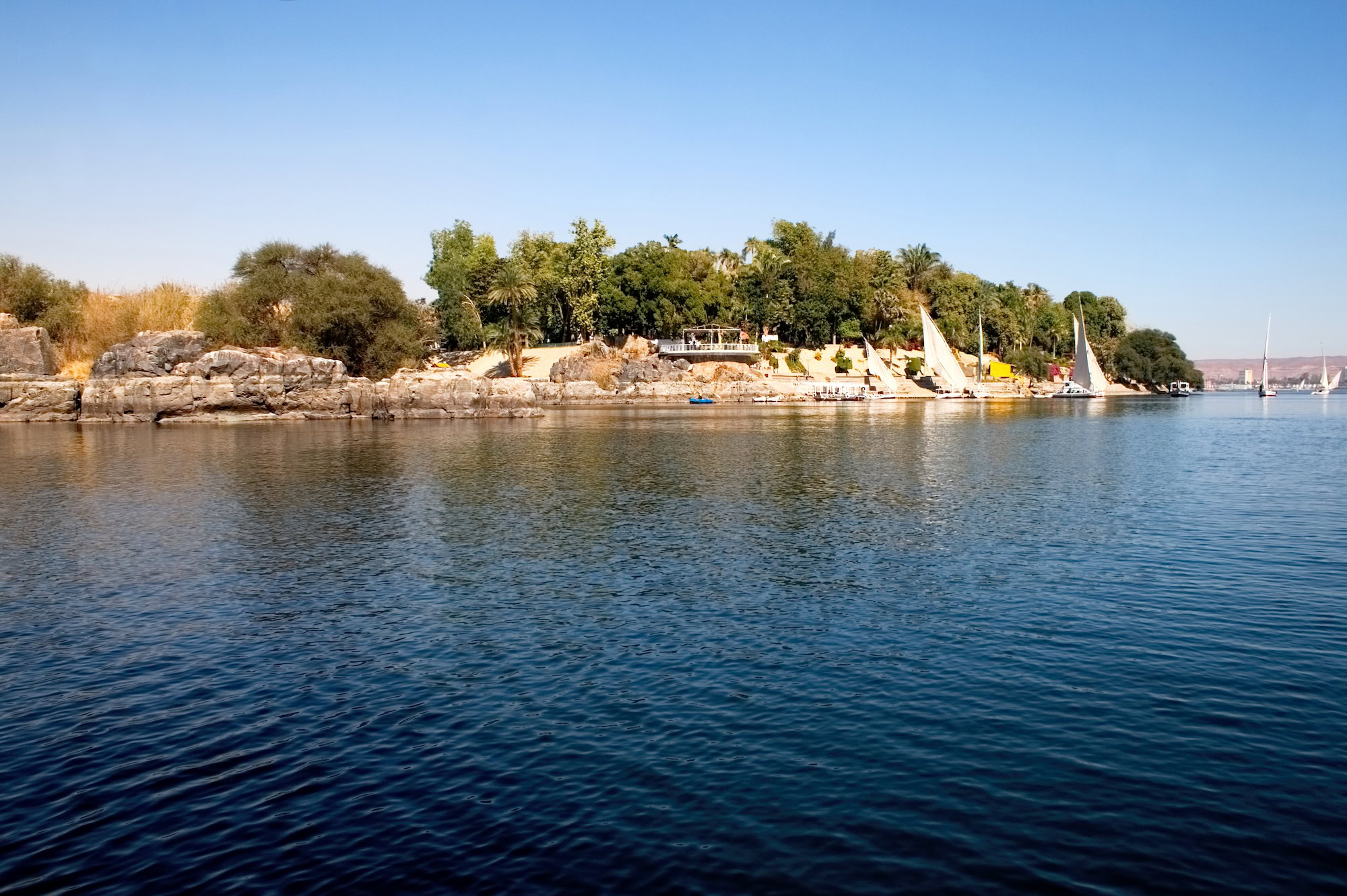
The garden’s location provides excellent views of the Mövenpick resort and surrounding granite cliffs. Many visitors combine botanical garden tours with felucca sailing, creating relaxing half-day excursions that showcase Aswan’s natural beauty alongside its historical significance.
Practical Information and Local Tips
Aswan operates on Egyptian Standard Time, two hours ahead of GMT. Summer temperatures regularly exceed 40°C (104°F), making October through March the most comfortable visiting seasons. Even winter days can reach 25°C (77°F), perfect for outdoor activities and temple exploration.
Egyptian pounds remain the preferred currency throughout Aswan, though US dollars are accepted at major hotels and tour operators. ATMs disperse local currency at better rates than exchange bureaus, which often charge significant commissions. Credit cards work at upscale establishments but cash remains necessary for transportation, meals, and entrance fees at smaller sites.
Bargaining forms an essential part of local commerce, particularly in the souq markets near the train station. Initial prices often start at three to four times fair value, requiring patient negotiation to reach reasonable agreements. Quality varies significantly between vendors, making careful inspection important before finalizing purchases.
Restaurant recommendations span from fine dining to local favorites. The 1902 Restaurant at Sofitel Legend offers French-inspired cuisine with Nile views, while local establishments serve traditional Egyptian dishes at fraction of luxury hotel prices. Nubian restaurants specialize in grilled fish and vegetable dishes seasoned with desert herbs that create unique flavor combinations.
Day-by-Day Itinerary Suggestions
Two-Day Classic Itinerary
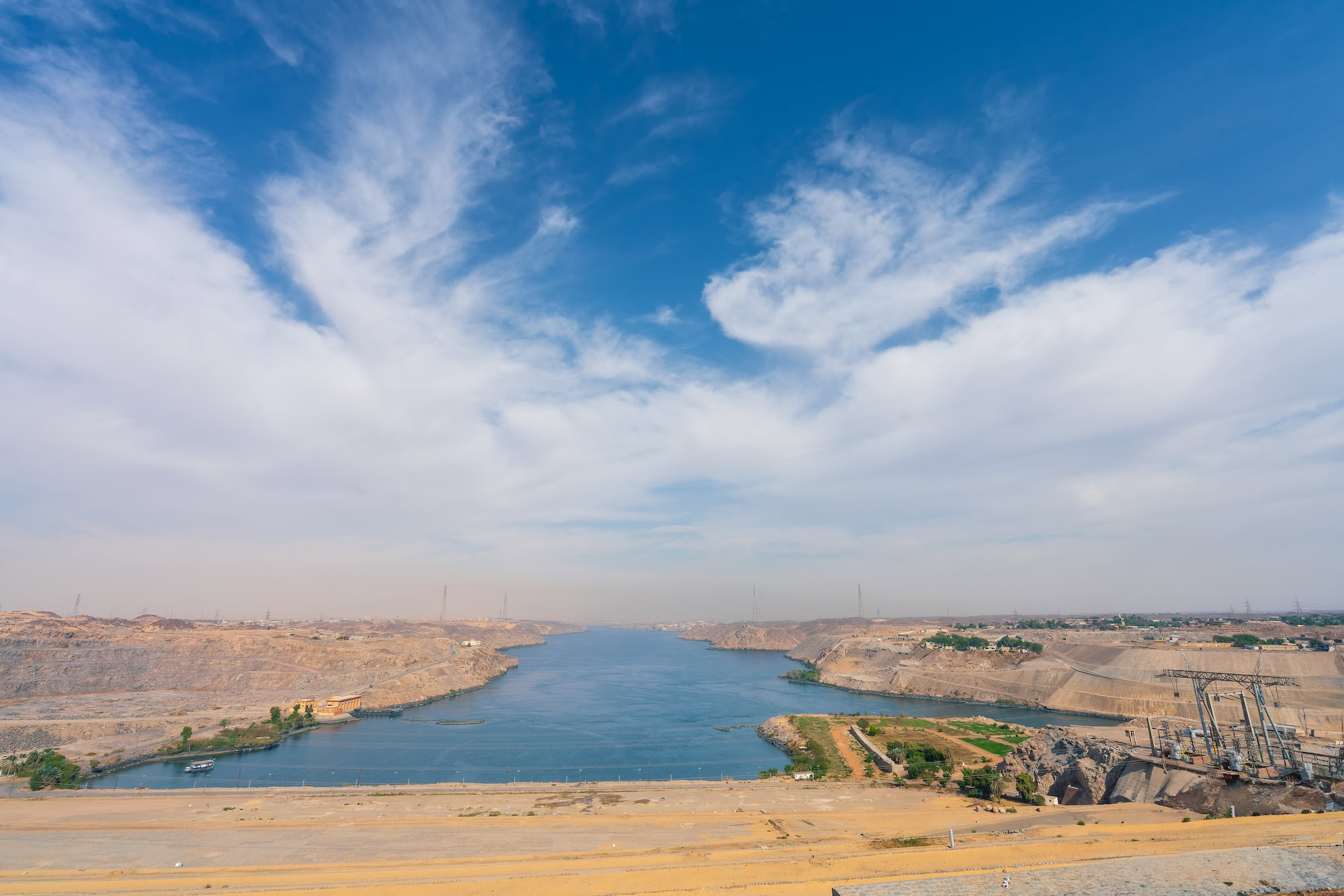
Day one focuses on Aswan’s primary attractions, beginning with an early morning visit to Philae Temple before crowds arrive. The boat journey and temple exploration require 3-4 hours, leaving afternoon time for the High Dam and surrounding viewpoints. Evening felucca sailing provides relaxation while watching the sunset illuminate the desert mountains.
Day two centers on the Abu Simbel excursion, departing before dawn for the desert journey south. Most visitors return to Aswan by mid-afternoon, tired but exhilarated by one of Egypt’s most impressive archaeological experiences. Evening options include the Nubian Museum or shopping in local markets.
Extended stays allow deeper exploration of alternative sites and cultural experiences. Three to four days permit Nubian village visits, desert hiking, botanical garden exploration, and multiple temple visits without rushing. Weekly visits enable day trips to nearby destinations and participation in local festivals or cultural events.
Frequently Asked Questions
How long should I spend in Aswan?
Two days covers the main attractions including Abu Simbel, while 3-4 days allows cultural immersion and alternative experiences.
Is it safe to visit Nubian villages independently?
Yes, with proper preparation and respectful behavior. Hiring local guides enhances safety and cultural understanding.
What’s the best time to visit Abu Simbel?
Early morning tours (departing 4:00 am) avoid crowds and extreme heat while providing optimal photography conditions.
Can I take the train from Cairo to Aswan?
The overnight train takes 13 hours and offers cultural immersion, though flights are faster and more comfortable.
Do I need special permits for desert hiking?
Some archaeological sites require permits, but general desert hiking around St. Simeon Monastery needs only basic preparation.
Are felucca rides safe on the Nile?
Yes, feluccas are traditional sailing boats with experienced captains, though life jackets are recommended for non-swimmers.
What should I wear when visiting temples?
Modest clothing covering shoulders and knees, comfortable walking shoes, and sun protection for outdoor sites.
Is photography allowed inside temples?
Photography permits are required for most temples and cost additional fees beyond standard entrance tickets.
How do I negotiate fair prices in markets?
Start at one-third of the quoted price and negotiate patiently, walking away if necessary to reach reasonable agreements.
Can I visit both Philae Temple and Abu Simbel in one day?
While technically possible, this creates a very long day (16+ hours) with limited time at each spectacular site.
What’s the currency situation in Aswan?
Egyptian pounds are preferred everywhere, though US dollars work at major hotels and tour operators.
Are there vegetarian food options available?
Yes, Egyptian cuisine includes many vegetarian dishes, and Nubian restaurants offer excellent grilled vegetables and legume preparations.


Design Your Custom Tour
Explore Egypt your way by selecting only the attractions you want to visit