

Baron Empain Palace – Is this Cairo’s Most Intriguing Building?
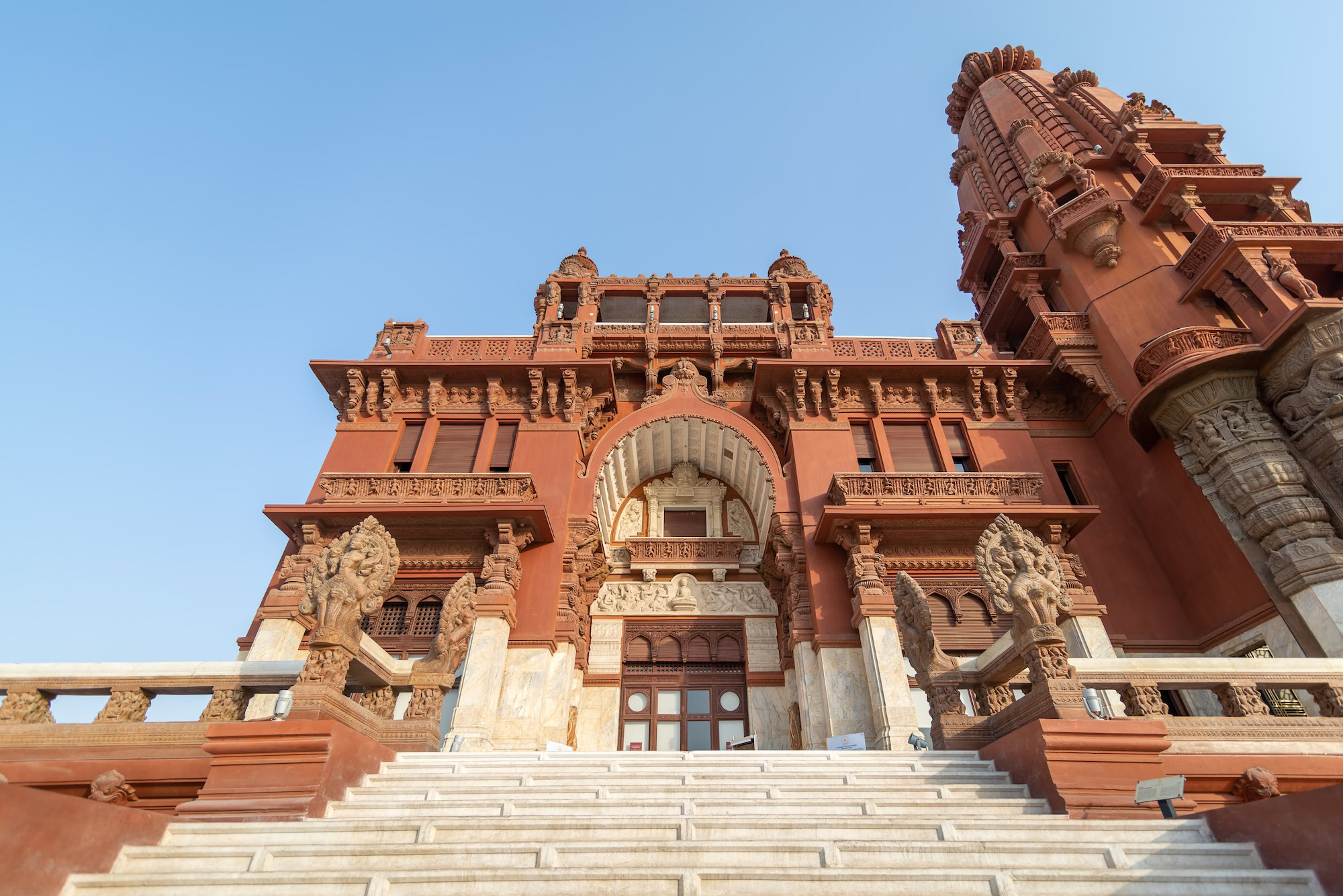
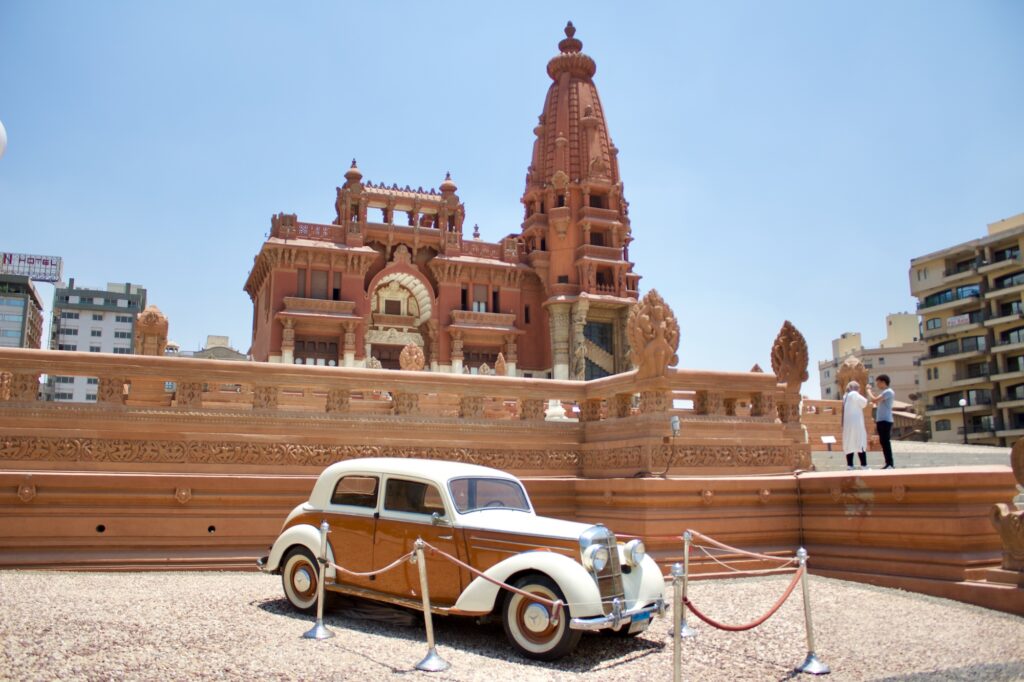
Standing like a Hindu temple lost in the Egyptian desert, Baron Empain Palace captivates visitors with its extraordinary tale.
We’ve spent decades guiding travelers through Egypt’s most fascinating historical sites, and this remarkable palace consistently ranks among the most photographed and discussed attractions in Heliopolis. Built between 1907 and 1911 by Belgian industrialist Édouard Empain, the structure represents one of the most unique architectural experiments ever attempted in Cairo. Its Hindu and Buddhist-inspired design elements create an almost surreal contrast against the surrounding desert landscape, while its rotating tower and mysterious past have spawned countless legends that continue to intrigue visitors today.
The palace serves as both a testament to early 20th-century architectural innovation and a window into the ambitious vision that shaped modern Heliopolis. After years of abandonment and restoration efforts, it now welcomes visitors eager to explore its distinctive rooms and learn about the fascinating man who dared to build an Oriental masterpiece in North Africa.
The Vision Behind Cairo’s Oriental Palace
Baron Édouard Empain arrived in Egypt with grand ambitions that extended far beyond typical business ventures. The Belgian industrialist had made his fortune in railway construction and tramway systems across Europe, but his Egyptian project represented something entirely different. He envisioned creating a luxurious suburb that would serve as a bridge between European sophistication and Oriental mystique.
The Man Who Built a Dream
Empain’s fascination with Eastern architecture stemmed from his extensive travels throughout Asia and his deep appreciation for Hindu and Buddhist artistic traditions. Unlike other European settlers who simply recreated familiar European styles, he deliberately chose to honor the spiritual and aesthetic principles he had encountered in India and Cambodia. His personal residence would become the crown jewel of this vision.
Heliopolis Development Project
The palace formed the centerpiece of Empain’s broader Heliopolis development, a planned community designed to attract wealthy Europeans and Egyptians seeking modern amenities combined with exotic architectural beauty. French architect Alexandre Marcel, known for his expertise in Oriental design, collaborated with Belgian engineer Ernest Jaspar to bring this unprecedented vision to life. The project required innovative construction techniques, including the use of reinforced concrete that was still relatively experimental at the time.
Architectural Innovation Meets Eastern Philosophy
Marcel’s design incorporated rotating mechanisms that allowed the main tower to turn with the sun, ensuring the Baron’s office always received optimal natural light. This engineering marvel reflected both practical European efficiency and symbolic Eastern concepts about harmony with natural cycles. The palace’s multiple levels, intricate basement layout, and sophisticated elevator system represented cutting-edge technology wrapped in timeless Oriental aesthetics.
Exploring the Palace’s Magnificent Architecture
Every corner of Baron Empain Palace tells a story through its remarkable architectural details. The structure rises majestically from the desert floor, its distinctive silhouette immediately recognizable from considerable distances across the Heliopolis landscape.
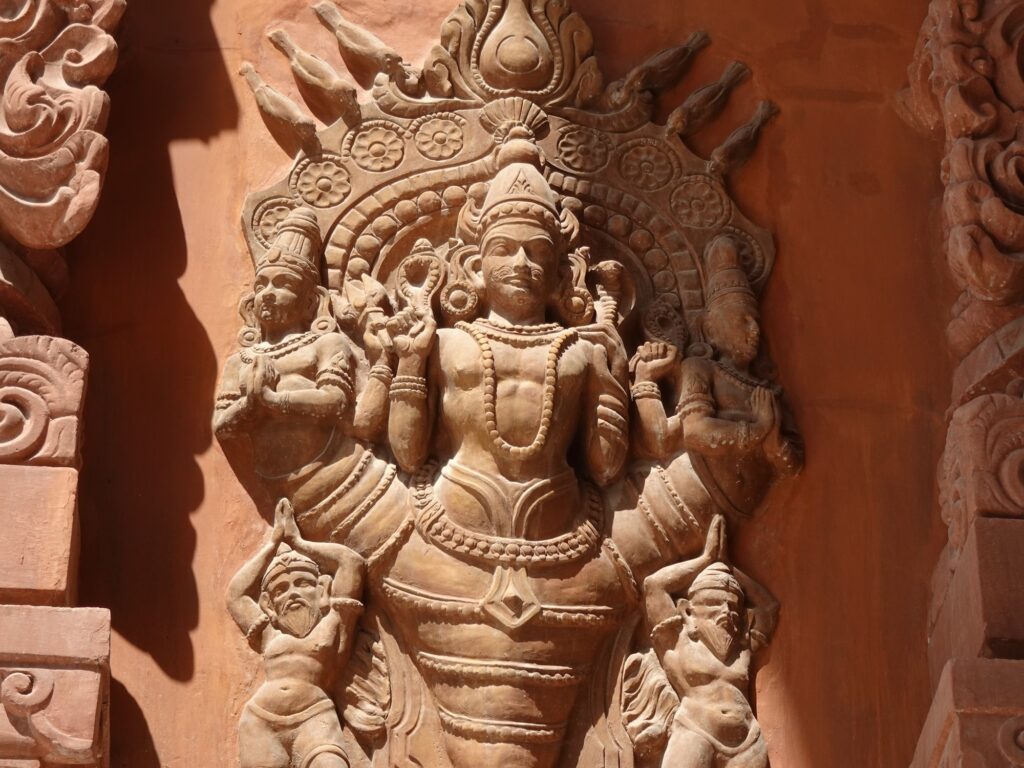
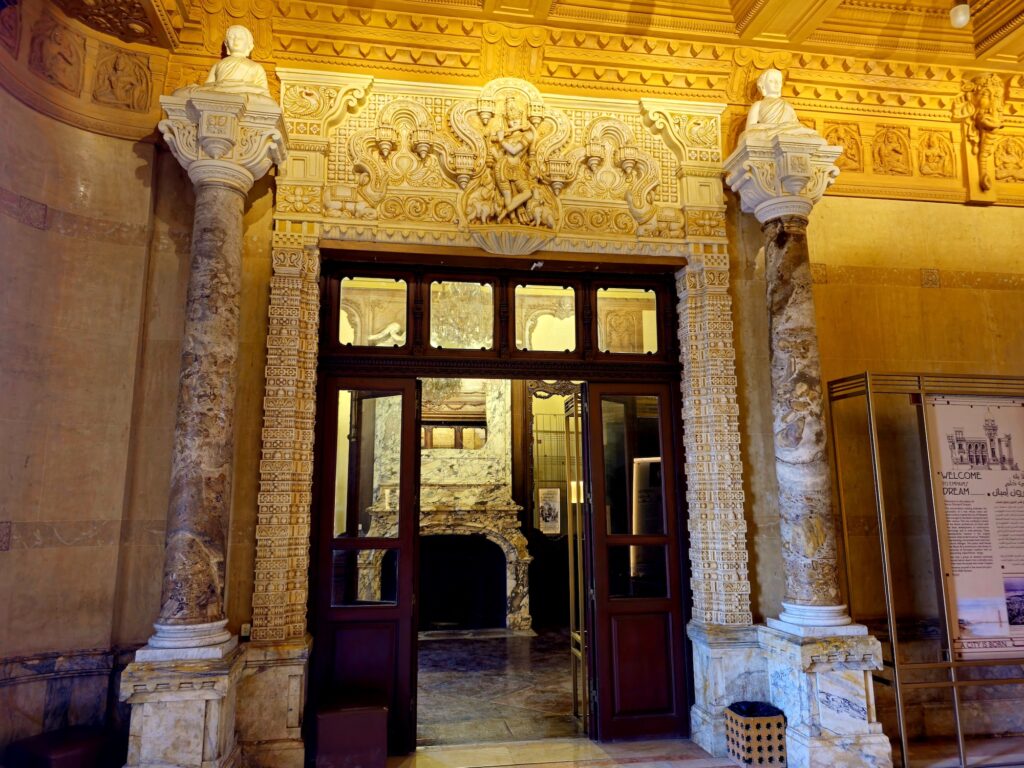
The main building showcases Hindu temple-inspired elements through its ornate columns, intricate stone carvings, and symbolic decorative motifs that speak to ancient spiritual traditions. Buddhist influences appear in the peaceful garden courtyards and the meditative quality of interior spaces designed for quiet contemplation. Alexandre Marcel’s masterful integration of these Eastern elements with European structural engineering created something entirely new in Egyptian architecture.
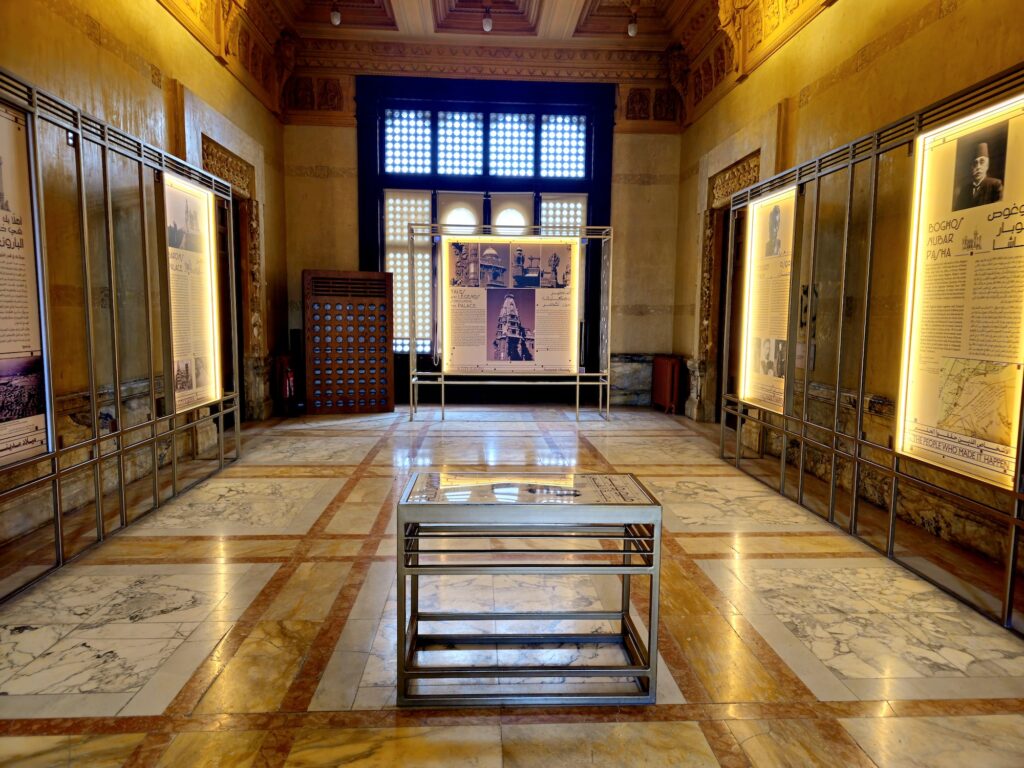
Visitors entering through the main entrance encounter a dramatic central staircase that spirals upward through multiple floors, each level revealing different aspects of the Oriental design philosophy. The famous rotating tower, though no longer functional, remains an impressive testament to early 20th-century mechanical innovation. Original hardwood floors, restored decorative ceiling work, and carefully preserved wall details transport guests back to the palace’s golden era.
The basement levels reveal an equally fascinating aspect of the design, featuring storage areas, service corridors, and mechanical spaces that supported the palace’s advanced amenities. Large windows throughout the structure frame views of the surrounding desert while flooding interior spaces with natural light that changes dramatically throughout the day.
Planning Your Visit to This Historic Landmark
Opening Hours and Accessibility
Baron Empain Palace welcomes visitors daily from 9:00 am (09:00) to 5:00 pm (17:00), though we recommend arriving earlier in the day to fully appreciate the architecture in optimal lighting conditions. The Egyptian Ministry of Tourism and Antiquities oversees site operations, ensuring professional maintenance and visitor safety throughout the restored areas.
Ticket Information and Entry Requirements
Current admission requires advance booking through official government channels, with tickets priced affordably for both international and domestic visitors. Payment systems accept major credit cards, though we suggest confirming payment options before your visit. U.S. visitors need a valid tourist visa obtained either online or upon arrival, while European travelers can typically use the same visa-on-arrival process. Latin American visitors should check current bilateral agreements as requirements may vary by country.
Transportation and Location Details
The palace sits in the heart of Heliopolis, approximately 10 km (6.2 miles) northeast of central Cairo. We arrange comfortable transportation for our guests, as public transit options require multiple connections and considerable walking. Private vehicle access ensures you arrive refreshed and ready to explore rather than exhausted from navigating Cairo’s complex transportation networks. The surrounding Heliopolis district offers additional architectural attractions worth exploring during your visit.
What to Expect During Your Tour
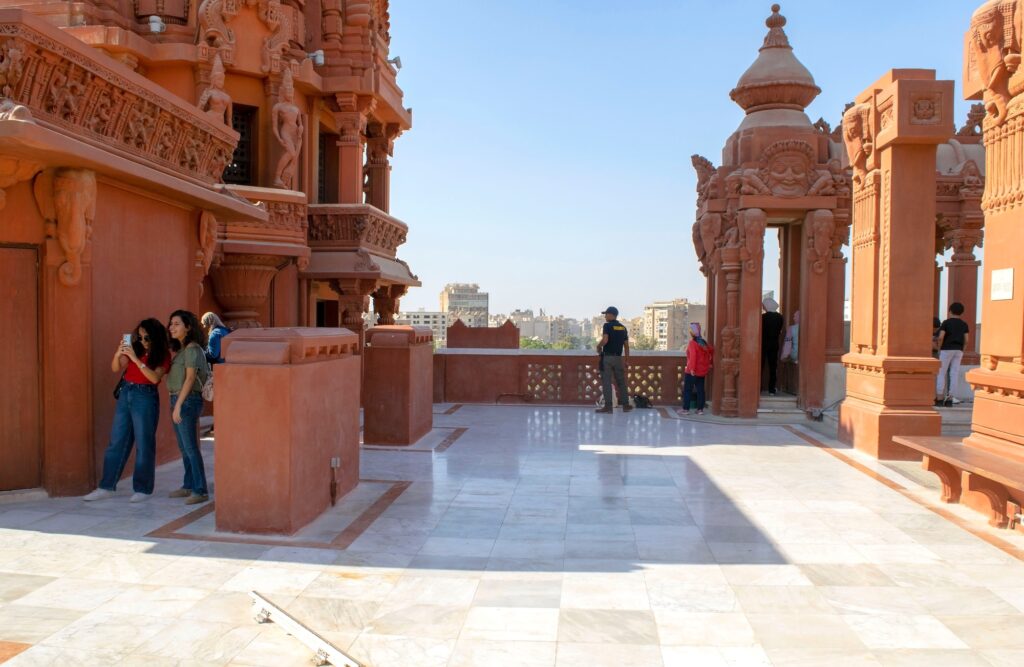
Most visitors spend 1.5 to 2 hours exploring the palace’s multiple floors and exterior grounds. Photography is permitted in most areas, and the rooftop spaces provide particularly stunning views for memorable shots. Interior rooms, while restored, remain largely unfurnished to focus attention on the architectural elements themselves. We recommend wearing comfortable walking shoes as you’ll be climbing stairs and exploring various levels throughout your visit.
The Legends and Mysteries That Surround the Palace
Ghost stories and unexplained phenomena have surrounded Baron Empain Palace for decades, adding an element of mystery that enhances its already captivating historical significance. Local residents and former caretakers have reported strange occurrences throughout the building, particularly during the years when it stood abandoned and deteriorating.
The palace’s unusual architecture and isolated desert location contributed to its reputation as a haunted landmark. Stories range from unexplained lights moving through windows at night to the sounds of mechanical operations in the tower long after its rotating mechanisms had ceased functioning. Whether these tales reflect supernatural activity or simply the building’s unique acoustics and play of light through its distinctive windows, they have become an integral part of the palace’s cultural legacy.
During its abandoned period, the building attracted urban explorers and thrill-seekers drawn by both its architectural beauty and mysterious reputation. These unauthorized visits, while problematic for conservation efforts, demonstrated the palace’s enduring power to capture imaginations and inspire curiosity about its former inhabitants and their daily lives.
The restoration project that returned the palace to public access has helped separate fact from fiction while preserving the building’s legitimate historical mysteries. Questions about Baron Empain’s personal life, his family’s sudden departure from Egypt, and the palace’s role during various political periods continue to intrigue historians and visitors alike.
Heritage Preservation and Modern Tourism
The successful restoration of Baron Empain Palace represents one of Egypt’s most significant heritage preservation achievements in recent years. After decades of neglect that threatened the building’s structural integrity, comprehensive restoration efforts have returned it to its original grandeur while incorporating modern safety and accessibility features.
Conservation Challenges and Solutions
Restoring a building that combined experimental construction techniques with exotic architectural elements presented unique challenges for preservation specialists. The reinforced concrete structure, revolutionary for its time, required careful analysis and treatment to address age-related deterioration while maintaining historical authenticity. Original decorative elements needed specialized conservation techniques that honored both Hindu artistic traditions and Belgian craftsmanship standards.
Educational and Cultural Impact
Today’s restored palace serves as an educational resource that introduces visitors to the cosmopolitan spirit of early 20th-century Cairo. The building demonstrates how cultural exchange and architectural innovation can create lasting beauty that transcends national boundaries and religious traditions. School groups, architecture students, and cultural tourists all find different layers of meaning in their exploration of the palace’s unique spaces.
Integration with Modern Tourism
We’ve observed growing international interest in the palace as travelers seek authentic cultural experiences beyond Egypt’s more famous pyramids and temples. The building’s photogenic qualities make it particularly popular with social media-savvy visitors, while its relatively intimate scale allows for more personal exploration compared to larger archaeological sites. This balance between historical significance and contemporary appeal ensures the palace’s continued relevance for future generations.
Frequently Asked Questions
When was Baron Empain Palace built?
Construction occurred between 1907 and 1911, completed during the height of Heliopolis development.
Who designed the palace’s unique architecture?
French architect Alexandre Marcel collaborated with Belgian engineer Ernest Jaspar on the Oriental-inspired design.
Can visitors access all floors of the palace?
Most restored areas are accessible, including multiple floors and rooftop spaces with desert views.
Is the rotating tower still functional?
The mechanical rotating system no longer operates, but the tower structure remains intact and visitable.
What architectural styles influenced the palace design?
Hindu temple and Buddhist monastery elements inspired the overall aesthetic and spiritual atmosphere.
How long does a typical visit take?
Most guests spend 1.5 to 2 hours exploring the palace interior and grounds thoroughly.
Are guided tours available?
Professional guides enhance the experience by explaining architectural details and historical context throughout the visit.
What photography restrictions apply?
Photography is generally permitted in most areas, with particularly scenic opportunities from rooftop locations.
Can international visitors easily reach the palace?
Located in Heliopolis, the palace requires private transportation from central Cairo for comfortable access.
What other attractions exist nearby in Heliopolis?
The surrounding district features additional examples of early 20th-century architecture and planned community design.
Does the palace host special events or exhibitions?
The Egyptian government occasionally organizes cultural events that highlight the building’s historical significance.
Are there dining or shopping facilities on-site?
The palace focuses purely on architectural and historical experience without commercial facilities.
Design Your Custom Tour
Explore Egypt your way by selecting only the attractions you want to visit