Can You Visit the Pyramids from Hurghada
Yes, you absolutely can visit the pyramids from Hurghada. This Red Sea resort town serves as an excellent starting point for exploring Egypt’s most famous archaeological wonders.
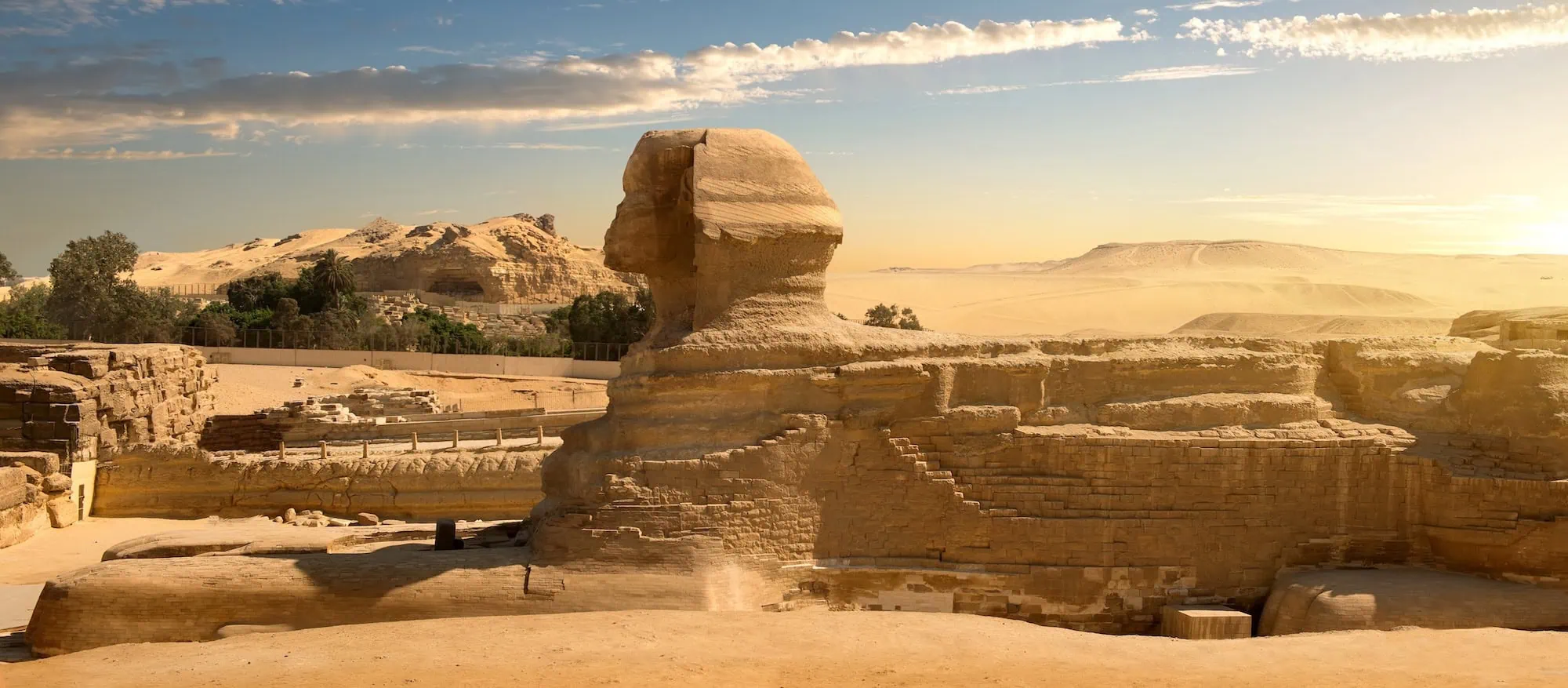
Located approximately 473 km (294 miles) from Cairo, Hurghada offers multiple transportation options to reach the Giza pyramid complex. Each option has distinct advantages depending on your travel preferences, budget, and available time. Whether you choose to fly for speed or take a comfortable bus journey through Egypt’s diverse landscapes, we’ll guide you through every option to make your pyramid adventure unforgettable.
Table of Contents
Transportation Options from Hurghada
The journey from Hurghada to Giza presents several viable routes. Each offers unique experiences and time commitments for your Egyptian adventure.
Flying remains the fastest option for pyramid visits from Hurghada. Domestic flights take approximately 1 hour and 15 minutes, dramatically reducing travel time compared to overland routes. Egypt Air and other carriers operate multiple daily flights between Hurghada International Airport and Cairo International Airport.
Flying to Cairo
Flight schedules typically run from early morning around 6:00 am through evening departures. We recommend booking morning flights to maximize your pyramid exploration time. Upon arrival in Cairo, you’ll need ground transportation to reach Giza, located about 30 km from the airport.
Private transfers from Cairo Airport to the pyramid complex take 45-60 minutes depending on traffic conditions. This option provides air-conditioned comfort and eliminates navigation concerns, allowing you to focus entirely on the approaching wonder.
Overland Bus Journey
Bus travel offers a more economical alternative while providing scenic views of Egypt’s eastern desert and Nile Valley landscapes. The journey covers approximately 473 km and takes 5-6 hours each way. This makes it suitable for travelers with flexible schedules.
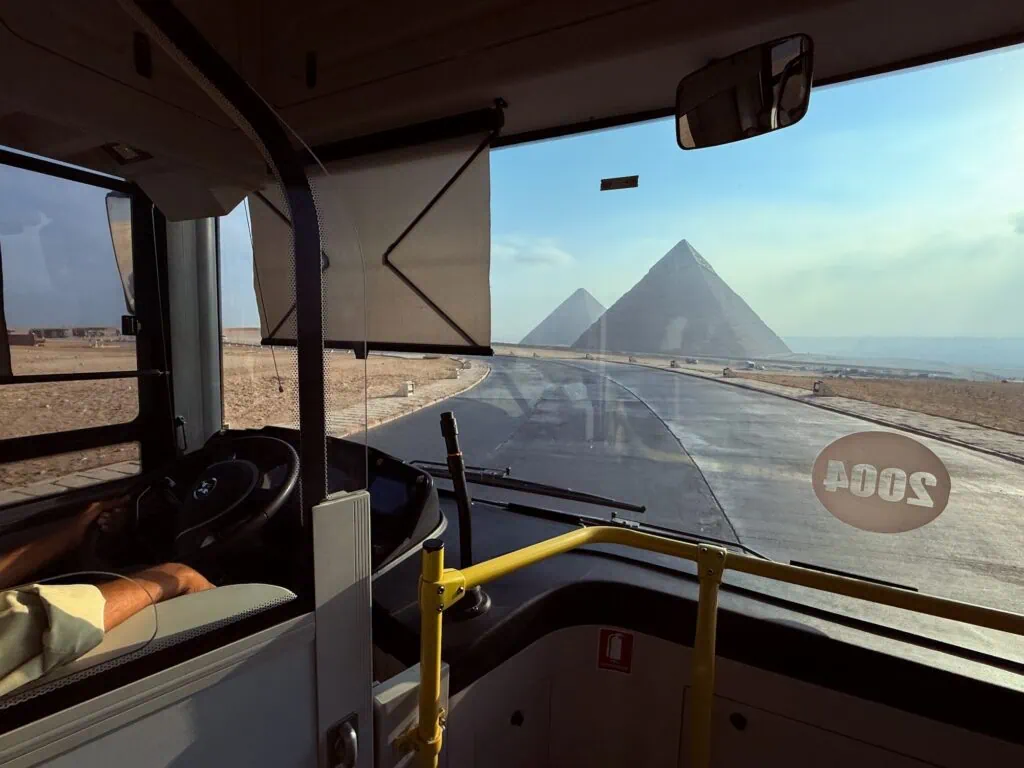
Modern tourist buses feature air conditioning, comfortable seating, and onboard facilities. Departure times usually begin around 5:00 am to ensure full-day pyramid exploration. The route passes through several Egyptian governorates, offering glimpses of rural communities and desert scenery rarely seen by typical tourists.
Private Vehicle Tours
We arrange private vehicle transfers using modern, air-conditioned vehicles with professional drivers familiar with the Cairo-Hurghada route. This option combines flexibility with comfort, allowing customized departure times and potential stops at interesting locations along the way.
Private transfers take approximately 5 hours each direction, similar to bus travel but with personalized service and schedule control. Vehicles accommodate 2-8 passengers depending on group size. This makes this option particularly attractive for families or small groups seeking privacy and convenience.
Planning Your Pyramid Visit
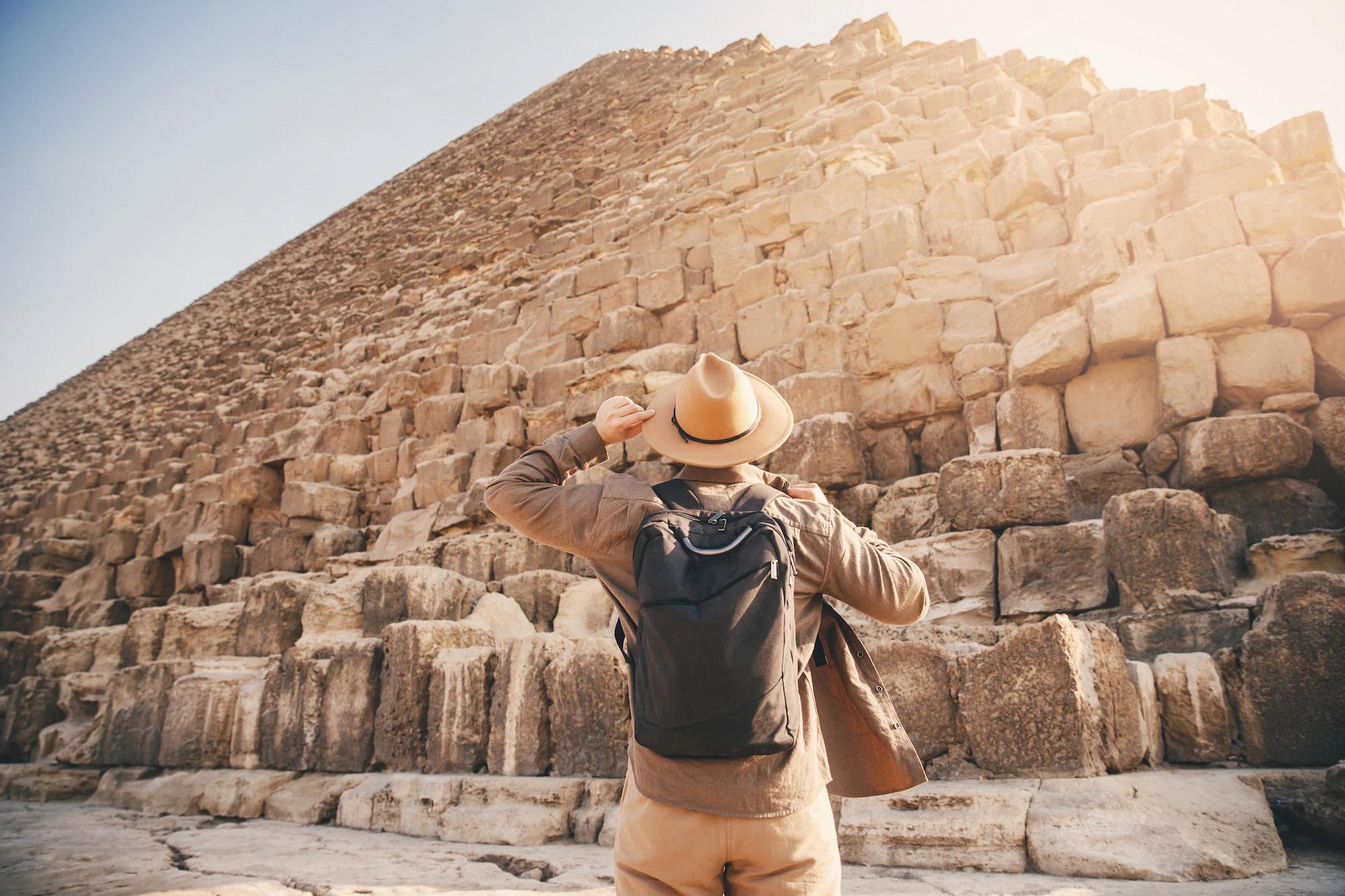
Successful pyramid visits require careful consideration of timing, logistics, and practical arrangements. Your departure time significantly impacts the entire experience.
Early morning flights around 7:00 am allow arrival at the pyramid complex by 10:00 am. This provides optimal lighting for photography and comfortable temperatures for exploration. Late afternoon sun creates harsh shadows and increased heat, particularly during summer months when temperatures can reach 40°C.
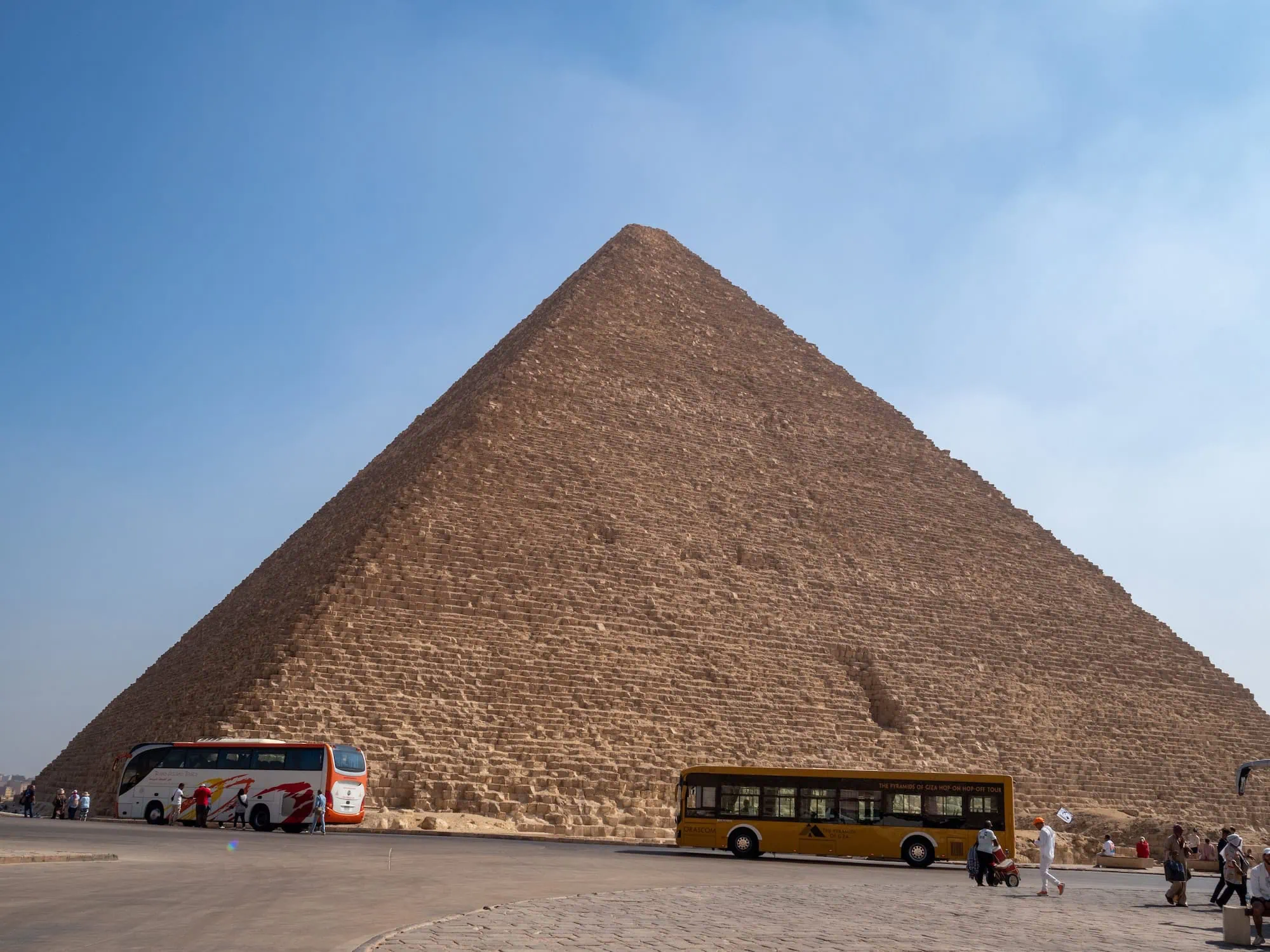
Budget planning encompasses transportation costs, entrance fees, guide services, and meals. Flight packages typically cost more than bus alternatives but save 6-8 hours of travel time. Entrance fees to the Giza pyramid complex vary by season and specific pyramid access. The Great Pyramid interior requires separate tickets purchased in advance.
Seasonal Considerations
Winter months from November through February offer the most comfortable visiting conditions. Temperatures range from 15-25°C, making extended outdoor exploration pleasant. Summer visits require early morning starts to avoid peak heat, with temperatures often exceeding 35°C by midday.
Crowd levels fluctuate seasonally and daily. Weekdays typically see fewer visitors than weekends, while international holidays create peak periods. We monitor visitor patterns and recommend optimal timing for your specific travel dates.
Essential Items to Bring
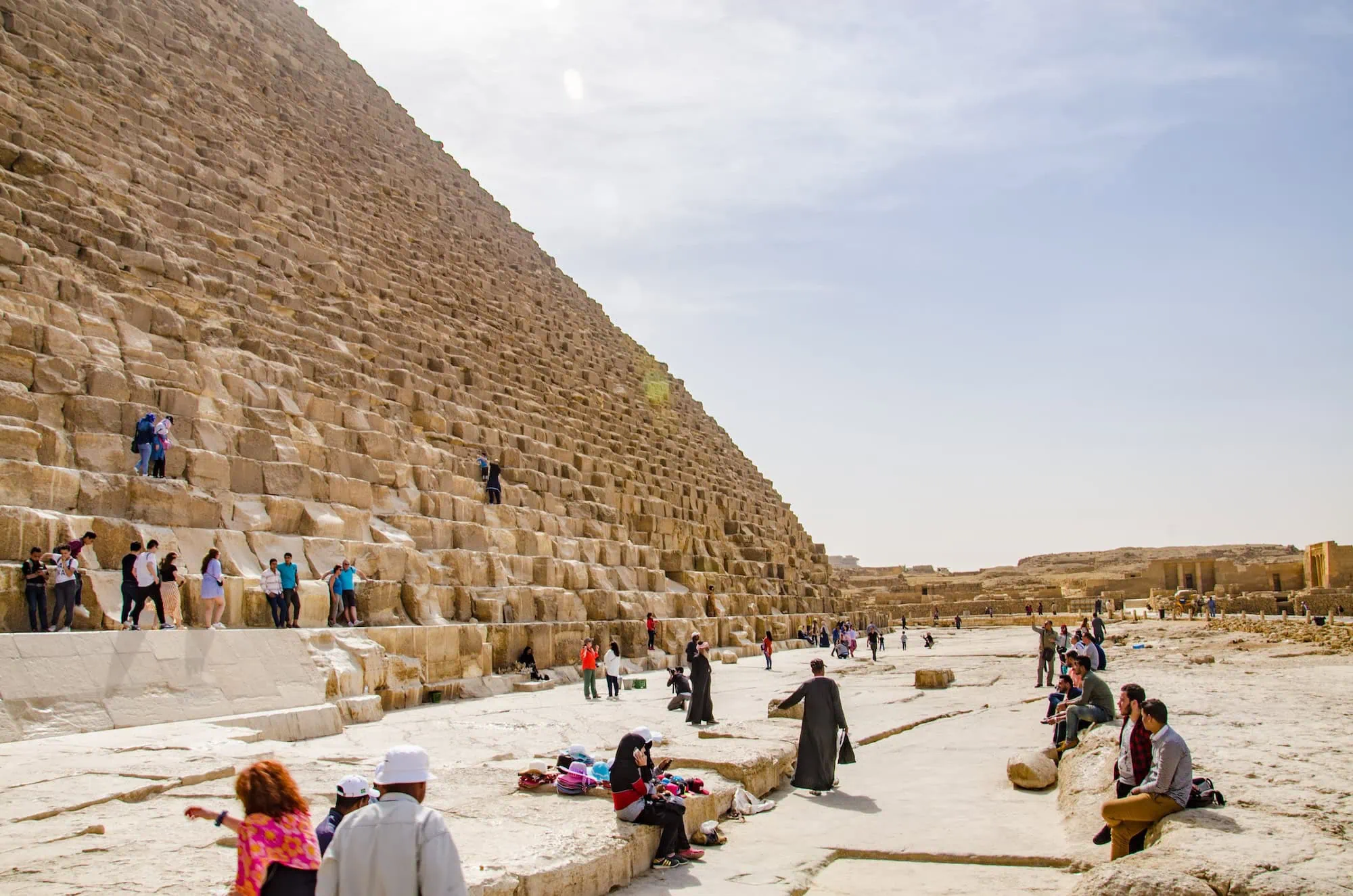
Comfortable walking shoes are absolutely crucial. The pyramid complex involves significant walking on uneven ancient surfaces and sandy terrain. Lightweight, breathable clothing protects against sun exposure while allowing comfortable movement.
Water bottles, sunscreen, and wide-brimmed hats provide necessary protection against Egypt’s intense desert sun. Camera batteries charge faster in cool conditions, so bring extras during warmer months.
What to Expect at Giza
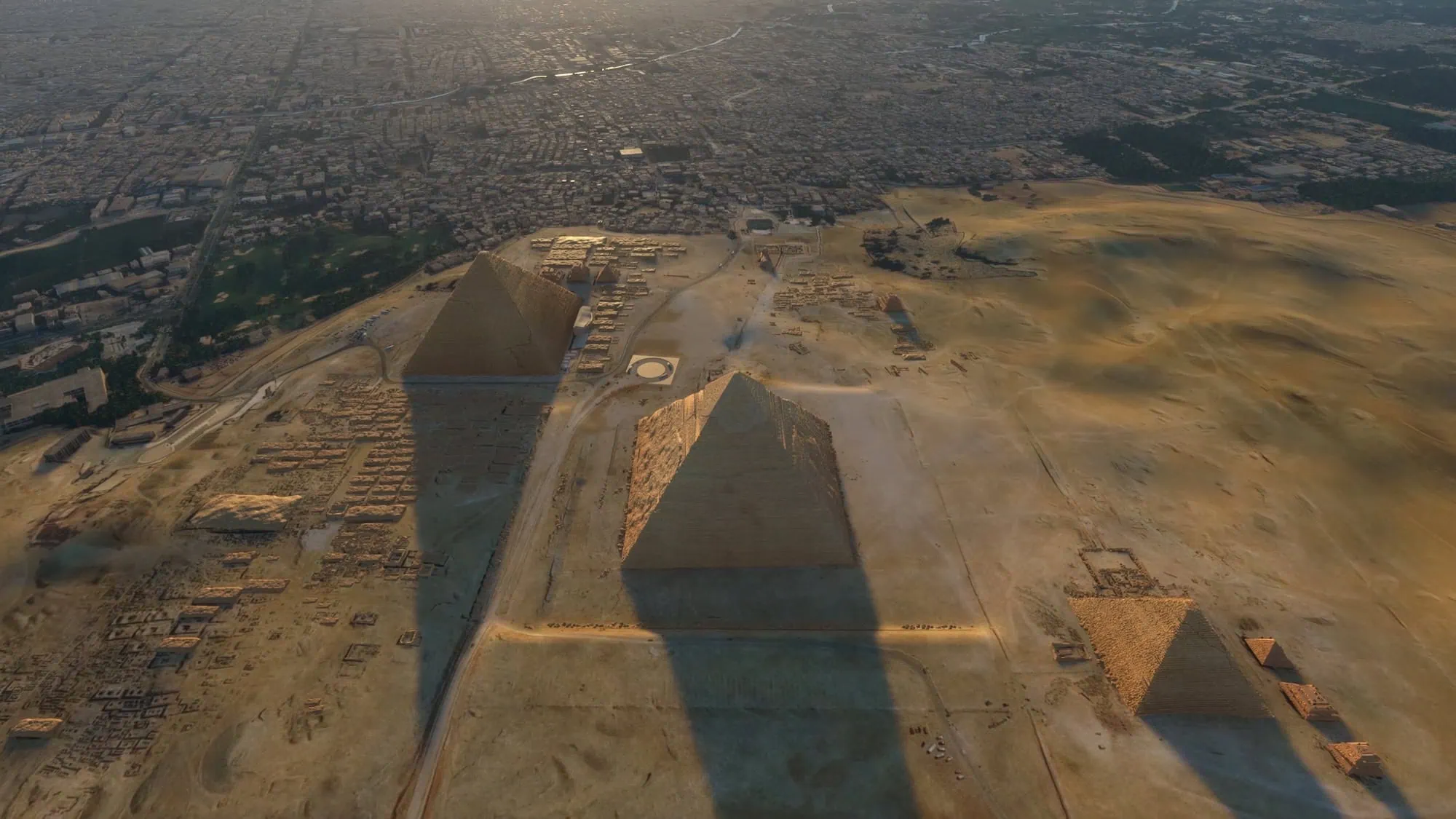
The Giza pyramid complex spans over 2,500 hectares and contains far more than the famous three pyramids. This ancient site offers multiple exploration opportunities for visitors.
The Great Pyramid
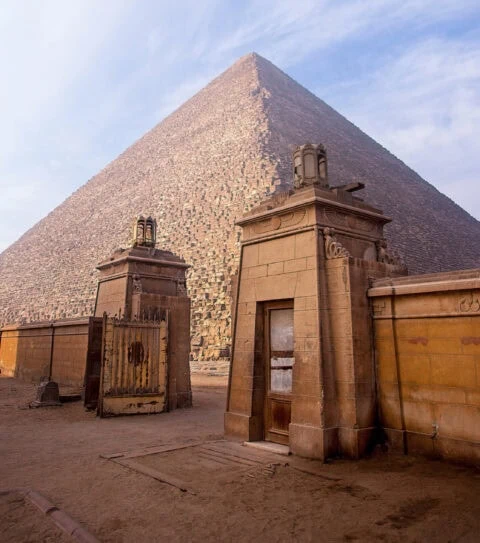
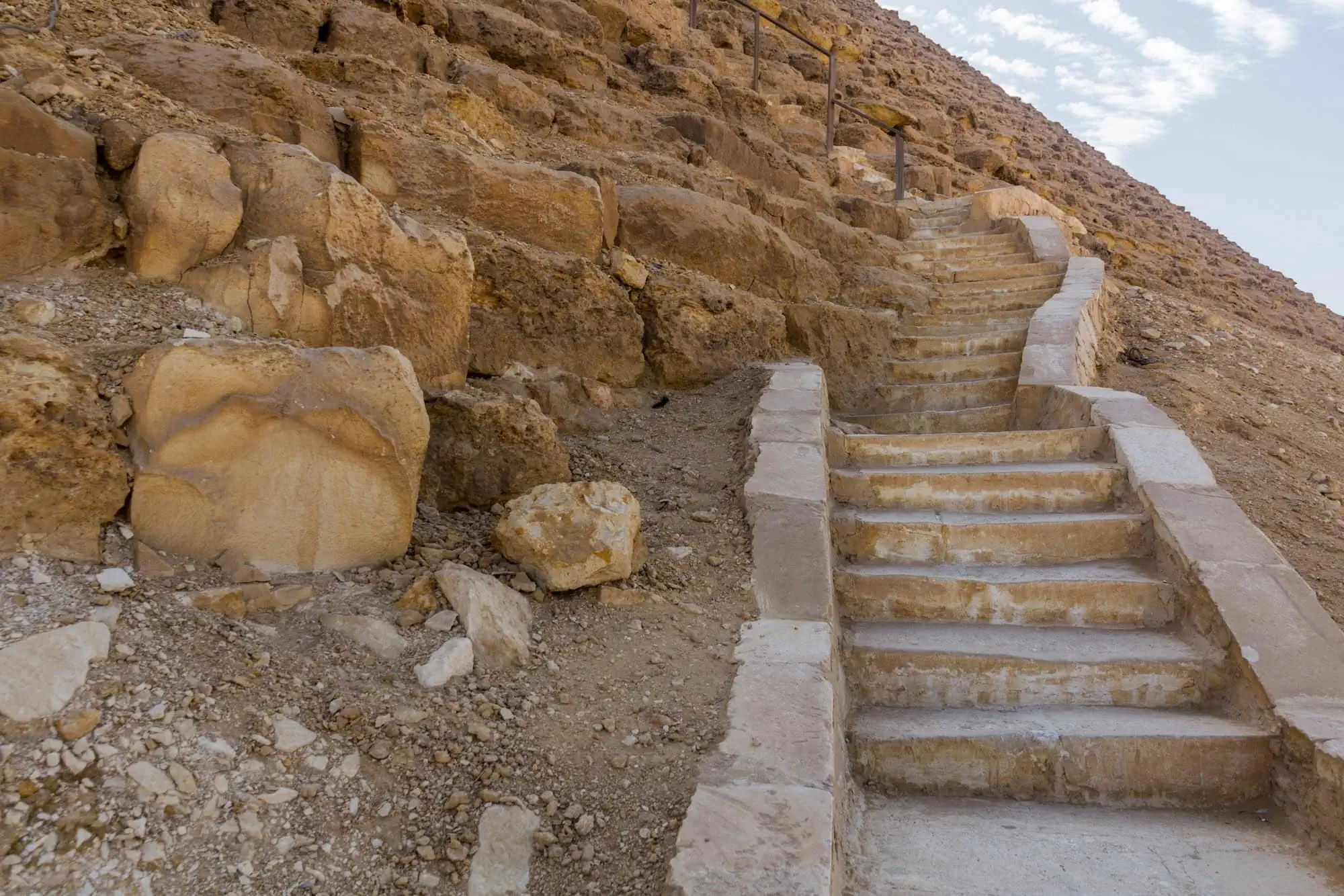
Standing 146.5 meters tall originally, the Great Pyramid remained the world’s tallest building for over 3,800 years. Interior access requires separate tickets and involves climbing through narrow, steep passages. The Grand Gallery and King’s Chamber showcase incredible engineering precision achieved over 4,500 years ago.
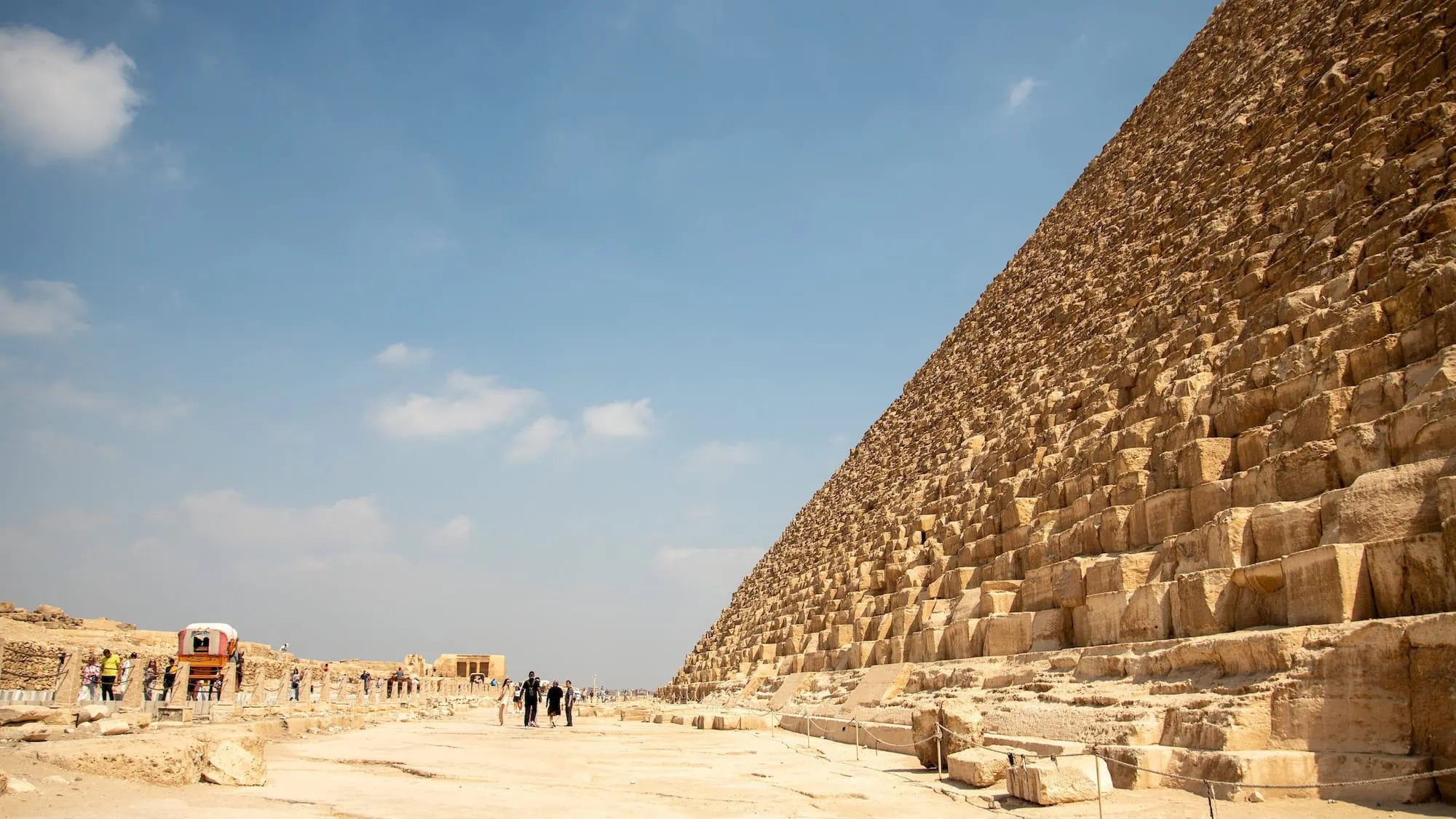
Claustrophobic visitors should consider carefully before entering. The ascending and descending passages are approximately 1.2 meters high, requiring bent-over movement for most adults. Interior temperatures remain constant around 20°C year-round.
Khafre and Menkaure Pyramids
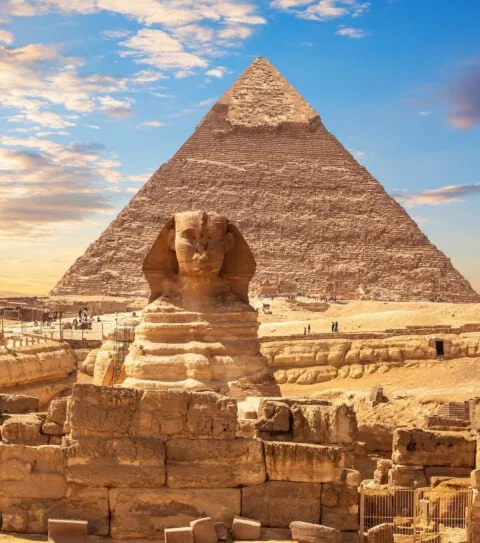
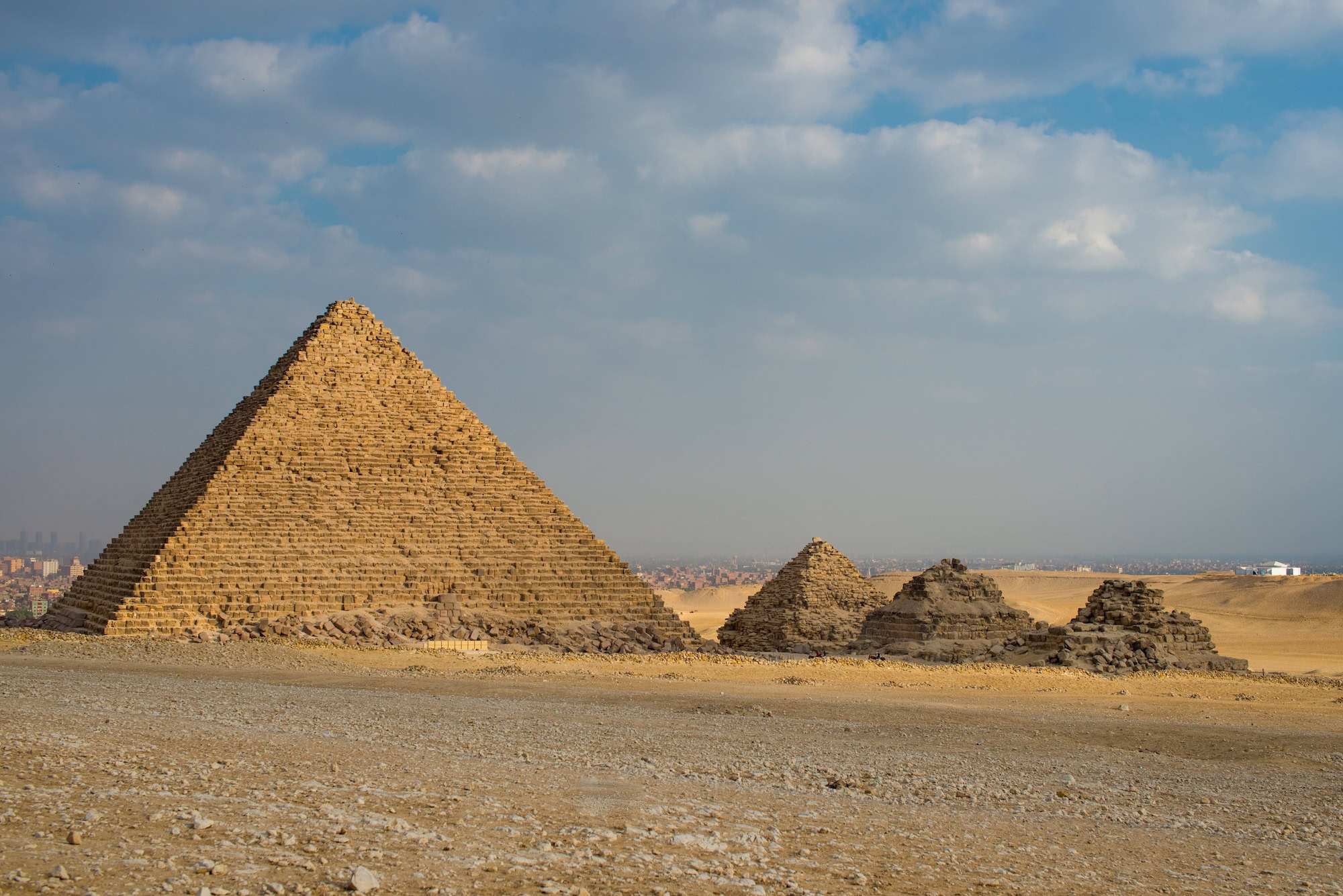
Khafre’s pyramid appears taller than the Great Pyramid due to elevated ground positioning, though it’s actually 3 meters shorter. Much of its original limestone casing remains intact near the top. This provides insight into the pyramids’ original smooth appearance.
Menkaure’s pyramid, the smallest of the three main structures, offers interior access with less crowding than its larger neighbors. The burial chamber contains a beautiful granite sarcophagus and provides intimate connection with ancient Egyptian burial practices.
The Great Sphinx
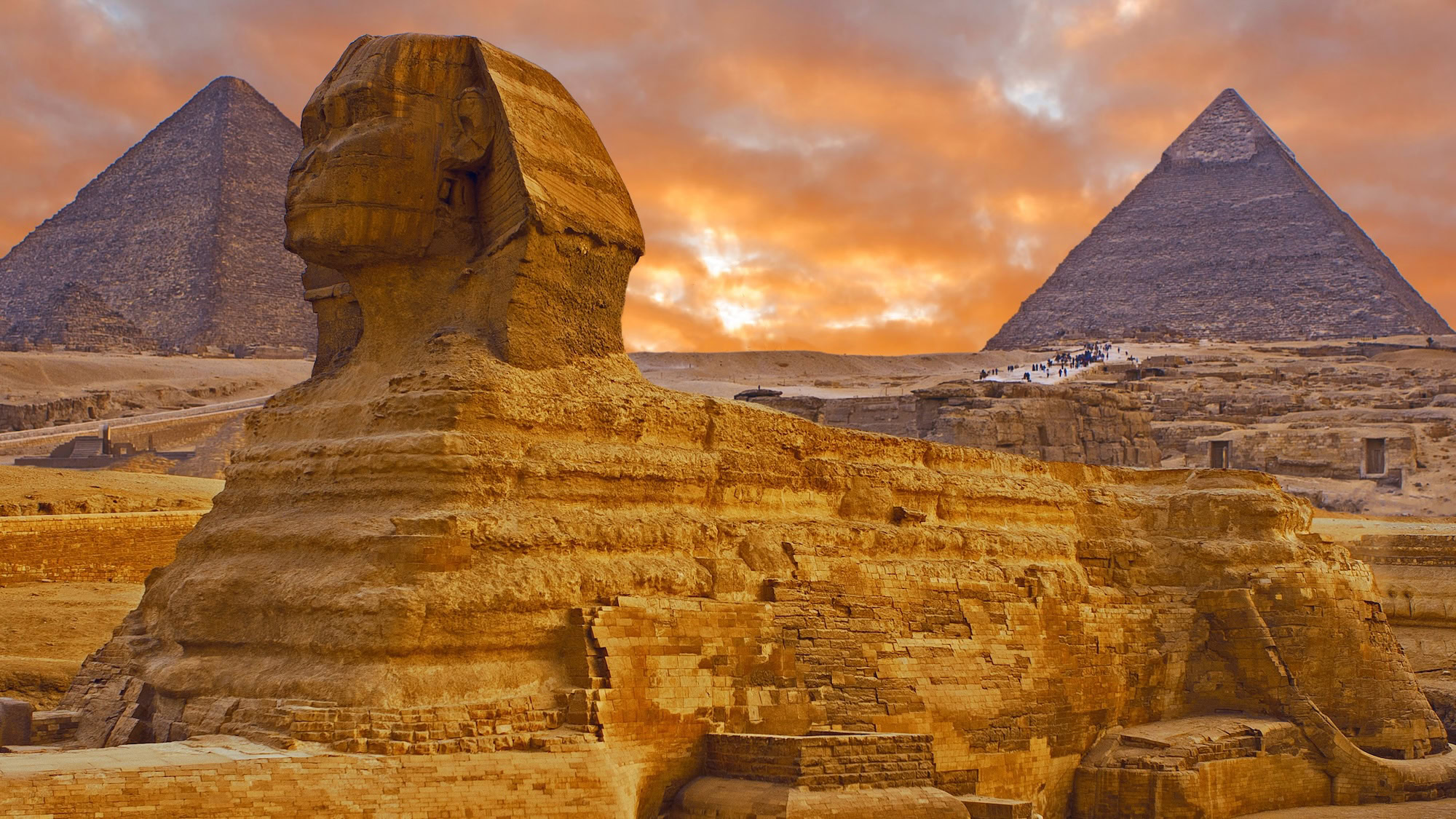
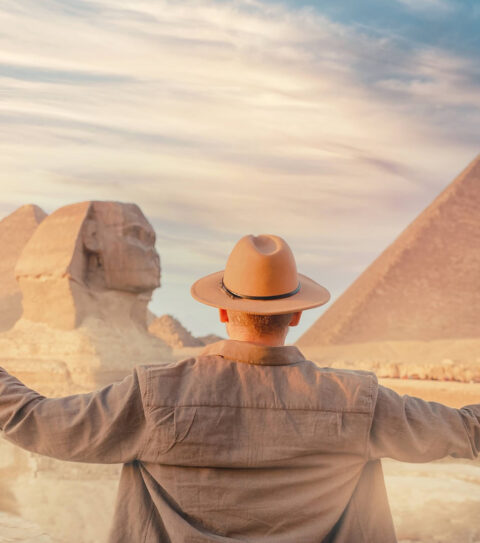
Carved from a single limestone ridge, the Sphinx measures 73 meters long and 20 meters high. Recent restoration work has stabilized this 4,500-year-old monument, though weathering continues to challenge preservation efforts.
Photography opportunities abound from multiple angles. The classic shot positioning the Sphinx in the foreground with pyramids behind requires specific positioning that our guides know precisely.
Day Trip Itinerary Options
Morning departure flights create full-day pyramid experiences with multiple exploration options. Standard scheduling allows thorough exploration without rushing.
Standard Day Trip Schedule: 7:00 am departure from Hurghada Airport, 8:15 am arrival in Cairo, 9:30 am arrival at Giza pyramid complex. 12:30 pm lunch break at local restaurant, 2:00 pm continued pyramid exploration or museum visit. 4:00 pm departure for Cairo Airport, 6:00 pm flight departure to Hurghada, 7:15 pm arrival back in Hurghada.
This schedule allows approximately 4.5 hours at the pyramid site. This time proves sufficient for thorough exploration without rushing through the experience.
Extended Itinerary Options
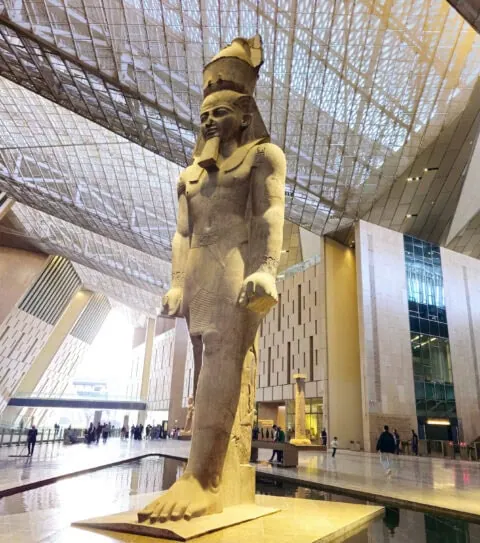
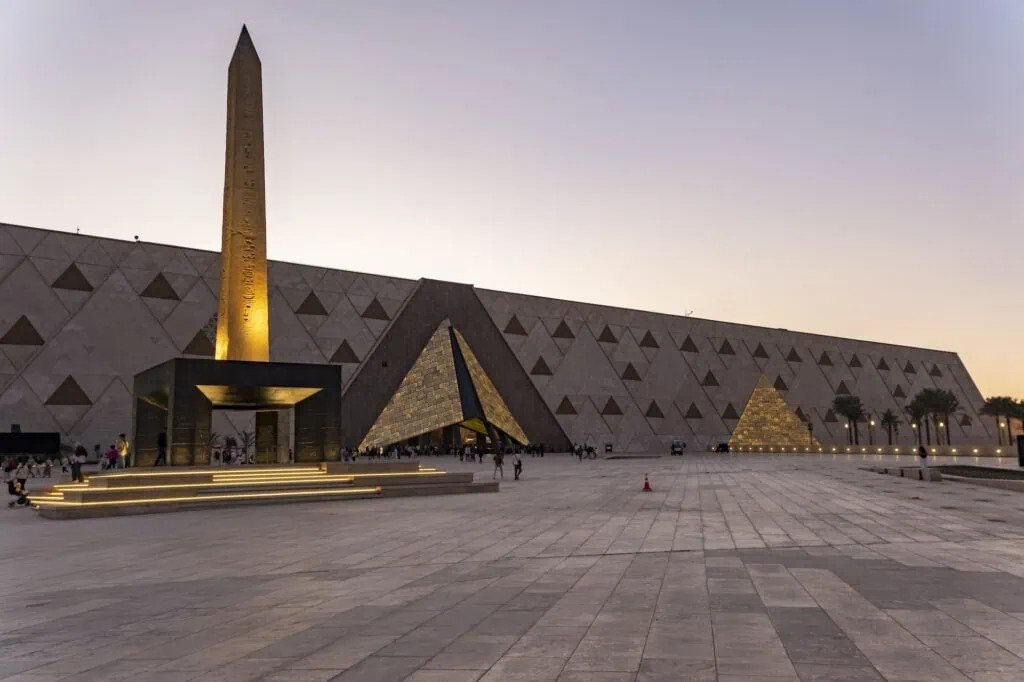
Some visitors prefer including the Saqqara Step Pyramid or Grand Egyptian Museum, located 30 km from Giza. These additions require longer days but provide comprehensive ancient Egyptian experiences.
Saqqara contains Egypt’s oldest stone building and numerous mastaba tombs with well-preserved wall reliefs. The Step Pyramid of Djoser predates the Giza pyramids by over 100 years. This showcases pyramid construction evolution throughout ancient Egyptian history.
Practical Tips for Success
Successful pyramid visits depend on preparation and realistic expectations. Currency considerations are important since many vendors accept only Egyptian pounds.
ATMs are available near the pyramid complex, but exchange rates at tourist areas may be unfavorable. We recommend exchanging money at banks or official exchange offices before departure from your hotel.
Photography inside pyramids requires special permits and additional fees. External photography is permitted freely, though tripods may require permission. Professional photography equipment sometimes requires separate arrangements with site authorities.
Health and Safety
The pyramid complex involves substantial walking and climbing. Visitors with mobility concerns should consider transportation options within the site. Horse-drawn carriages and camel rides provide alternatives, though comfort levels vary significantly.
Dehydration occurs quickly in Egypt’s dry climate. We provide bottled water throughout tours, but bringing additional supplies ensures comfort during extended exploration periods.
Medical facilities exist near the pyramid complex, though serious conditions require transport to Cairo hospitals. Travel insurance covering medical emergencies is strongly recommended for all international visitors.
Visa Requirements and Entry
U.S. visitors require tourist visas for Egypt entry. E-visas can be obtained online prior to travel for $25, valid for 30 days with single entry. Alternatively, visas-on-arrival are available at Cairo Airport for the same fee.
European Union citizens, Canadians, and Australians follow similar visa procedures with identical fees and validity periods. Latin American visitors should check specific requirements as some nationalities receive visa-free access for limited periods.
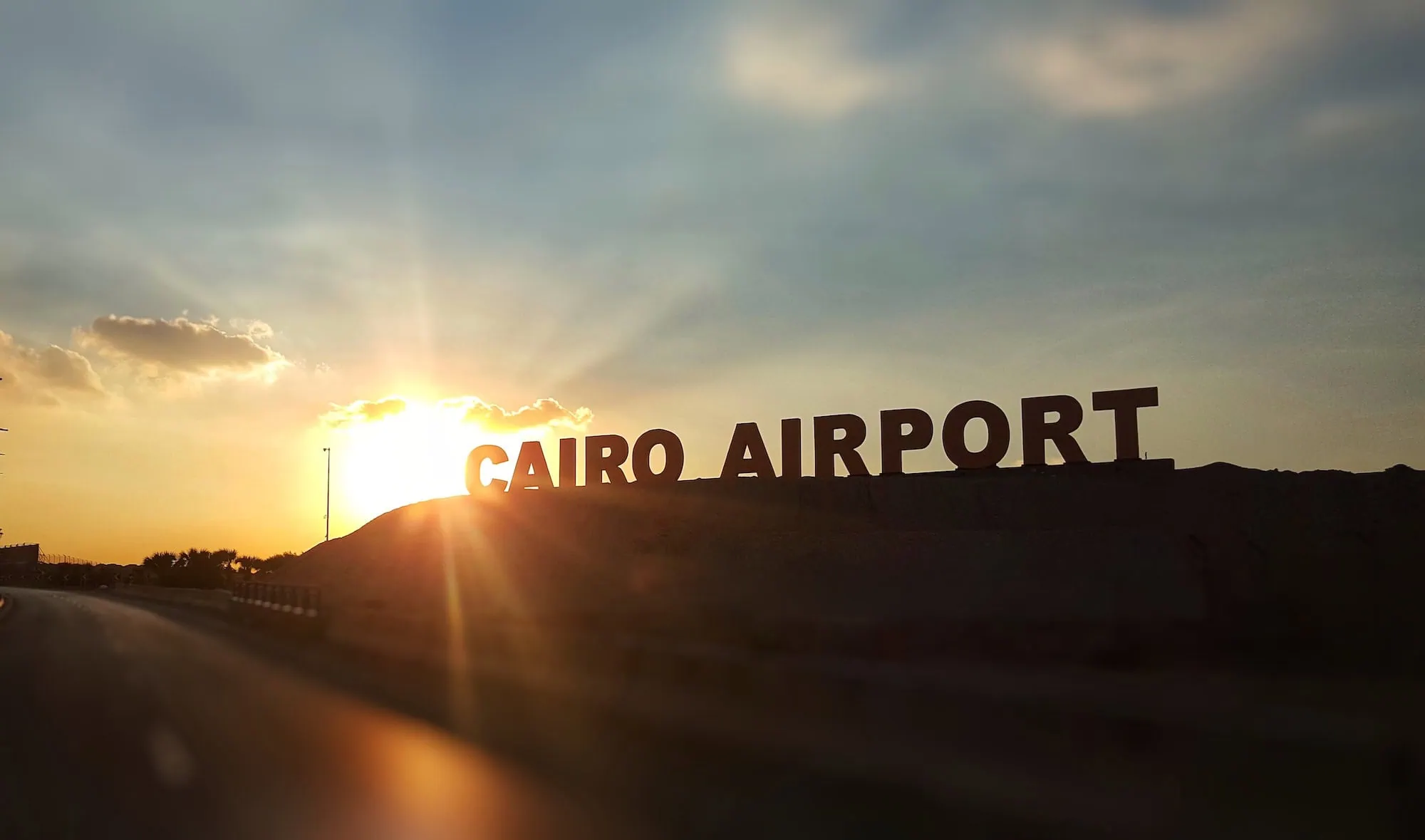
Passports must remain valid for at least six months beyond travel dates. Immigration processing at Cairo Airport typically takes 15-30 minutes depending on arrival times and passenger volumes.
Essential Documentation
Keep passport copies separate from originals during pyramid visits. Hotel business cards help with taxi communication if separated from tour groups. Emergency contact information including embassy details provides security reassurance.
Travel insurance documentation should remain easily accessible. Medical conditions or prescription medications require proper documentation for customs and potential medical needs during your Egyptian adventure.
Why Choose Professional Tours
Our decades of expertise in Egyptian tourism ensure seamless pyramid experiences from Hurghada. We coordinate all logistics including flights, ground transportation, qualified guides, and entrance arrangements. This eliminates stress and maximizes enjoyment throughout your journey.
Private vehicles with professional drivers provide comfort and flexibility unavailable with group tours. Our certified Egyptologist guides speak multiple languages and possess deep knowledge of pyramid history. They understand construction techniques and archaeological discoveries that enhance your experience significantly.
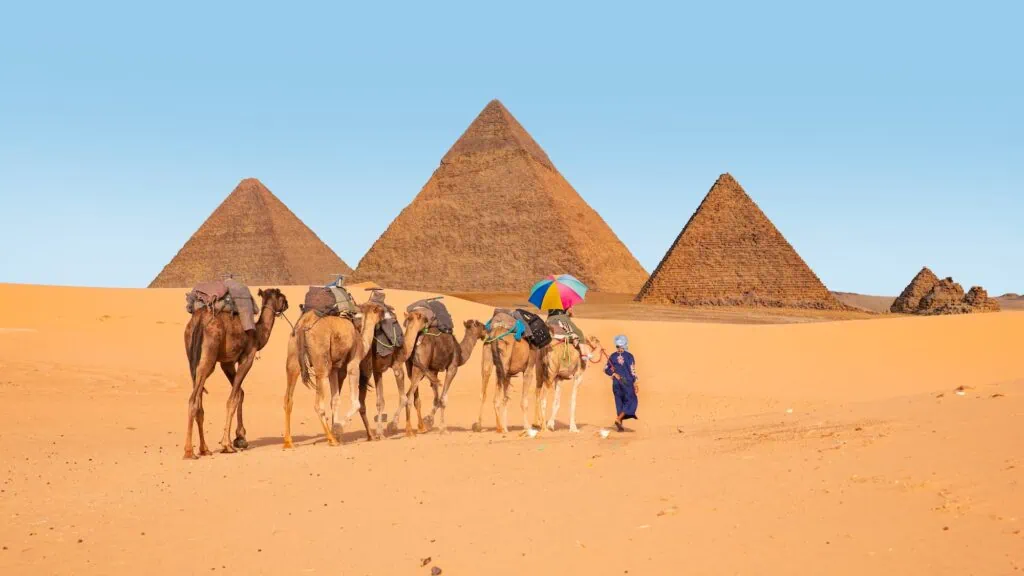
Twenty-four-hour customer support ensures assistance throughout your journey. From initial booking through safe return to Hurghada, we’re available for questions, changes, or emergency situations that may arise.
Frequently Asked Questions
Direct flights from Hurghada International Airport to Cairo International Airport typically take about 1 hour and 15 minutes, making air travel the fastest way to reach the Pyramids of Giza. Multiple flights operate daily, and total door-to-door travel time is usually 3-4 hours when airport procedures and transfers are included. Compared with an overland journey of 5-7 hours each way, flying maximizes sightseeing time and is the preferred option for most visitors.
Yes, it is entirely possible to visit the Pyramids of Giza from Hurghada and return the same day. Early morning flights typically allow 4-5 hours for exploring the Great Pyramid, the Sphinx, and nearby attractions such as the Grand Egyptian Museum or the Egyptian Museum. Many travelers leave Hurghada before 7:00 am and return in the evening. Booking the earliest available departure provides the most relaxed and productive itinerary.
November through February is generally considered the best time to visit the Pyramids of Giza from Hurghada, with daytime temperatures typically ranging from 59-77°F (15-25°C). Cooler weather makes walking around the vast Giza Plateau more comfortable, especially during extended outdoor tours. Summer temperatures in Cairo can exceed 100°F (38°C), which can make sightseeing more demanding. Morning visits remain the most comfortable regardless of season.
General admission tickets for the Giza Plateau can usually be purchased on-site, but entry to the interior of the pyramids is subject to limited daily capacity and is best booked in advance. The Great Pyramid of Khufu is particularly popular and often reaches visitor limits during peak travel periods between October and April. Advance planning helps avoid disappointment and reduces waiting times at the ticket office.
Yes, travel between Hurghada and Cairo is considered safe and is one of Egypt’s most frequently used tourist routes. Thousands of visitors make this journey each year using domestic flights, private transfers, and organized tours. Both Hurghada International Airport and Cairo International Airport handle substantial international and domestic passenger traffic and operate under established security procedures. Choosing reputable transportation providers adds an extra layer of convenience and peace of mind.
The cost of a day trip from Hurghada to the Pyramids varies significantly depending on transportation and service level. Budget group tours generally cost less than private experiences that include flights, dedicated guides, and private vehicles. Travelers should budget for transportation, entrance tickets, meals, and optional extras such as pyramid interior access. Comparing inclusions rather than headline prices is the best way to assess overall value.
Yes, children are allowed inside the pyramids, although the experience may not suit every age group. Interior passages in structures such as the Great Pyramid are narrow, steep, and can become warm or crowded during busy periods. Parents should supervise children closely and consider their comfort with confined spaces and uneven surfaces. Younger children often enjoy exploring the exterior monuments and the Great Sphinx more than the interior chambers.
Comfortable walking shoes, lightweight clothing, and effective sun protection are essential when visiting the Pyramids of Giza. Visitors often spend several hours outdoors walking across sandy and uneven terrain, particularly around the Great Pyramid, Khafre Pyramid, and Sphinx. Breathable fabrics such as cotton and linen help manage Cairo’s dry climate, while hats, sunglasses, and sunscreen provide protection from strong desert sun exposure throughout the year.
Yes, there are several restaurants and cafés located near the Giza Plateau offering both Egyptian and international cuisine. Dining options range from casual local eateries to full-service restaurants with views of the pyramids. Many visitors choose to have lunch after touring the site, particularly before returning to Hurghada. Reservations may be helpful during peak travel months, especially for restaurants with direct pyramid-view seating.
Photography inside the pyramids is subject to specific rules and may require additional permits or ticket upgrades depending on the monument and current regulations. Exterior photography throughout the Giza Plateau is generally permitted and offers some of Egypt’s most iconic views. Flash photography is often restricted inside enclosed chambers to help protect ancient surfaces and preserve the visitor experience. Always check current site regulations before entering.
Booking a pyramid tour from Hurghada at least 2-3 days in advance is recommended, especially if domestic flights are included. Advance reservations improve access to preferred departure times, qualified guides, and limited-capacity attractions such as the Great Pyramid interior. During peak tourism months from October through April, availability can become more restricted. Earlier booking also provides greater flexibility when coordinating flights and sightseeing schedules.
The Giza Plateau offers limited wheelchair accessibility because the site was built more than 4,500 years ago and includes uneven stone surfaces, sand, and steep areas. However, many viewing areas and parking zones allow visitors with mobility challenges to enjoy excellent views of the pyramids and the Sphinx. Interior pyramid chambers are generally not wheelchair accessible. Private transportation can help minimize walking distances and improve overall accessibility.
Explore our most popular guides and expert tips to make your trip safe, smooth, and unforgettable.
Plan Your Egypt Adventure with Confidence
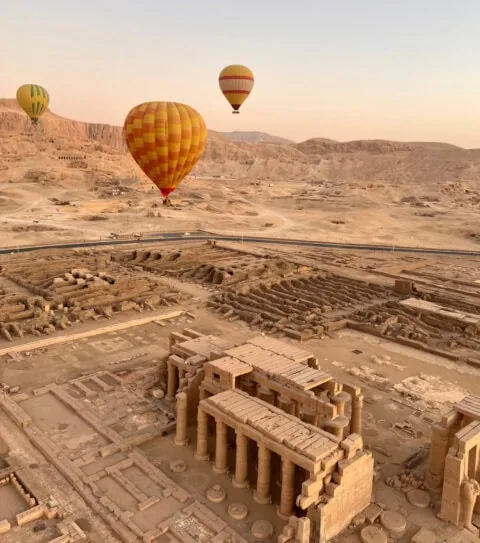
How to Plan a Trip Egypt
Step-by-step guide to help you plan the perfect Egypt trip — from routes and budget to booking.
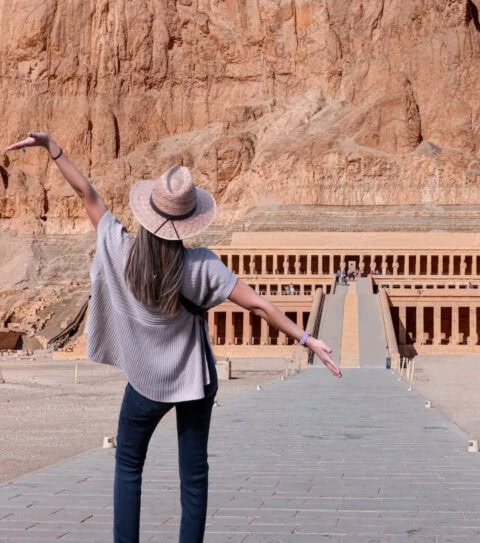
Best Time to Visit Egypt
Learn the best months to visit Egypt based on weather, crowds, and local travel experiences.
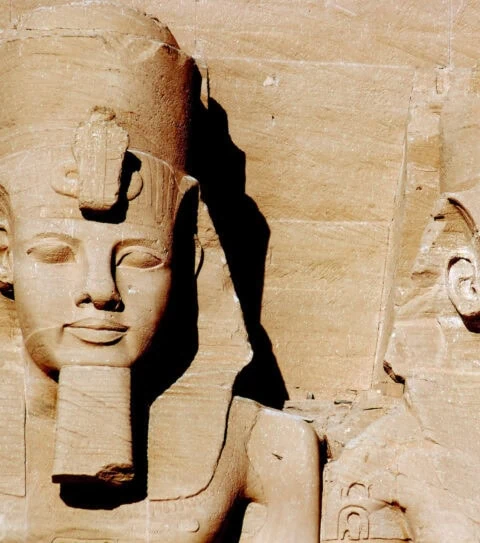
Must Visit Places in Egypt
Explore Egypt’s top sights — from pyramids to temples — and hidden gems worth seeing.
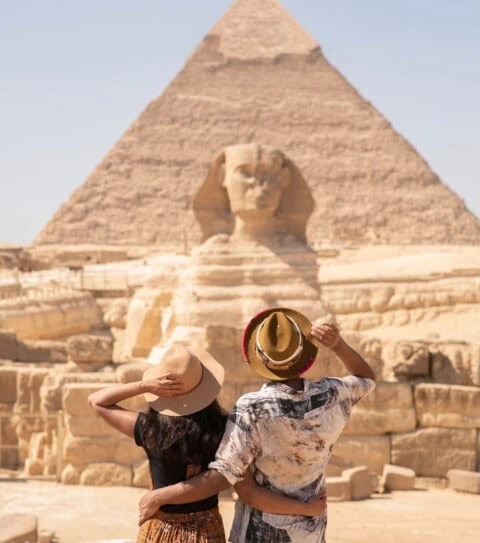
Top-Rated Egypt Tours
Handpicked private tours with local guides — our most loved and best-reviewed experiences.
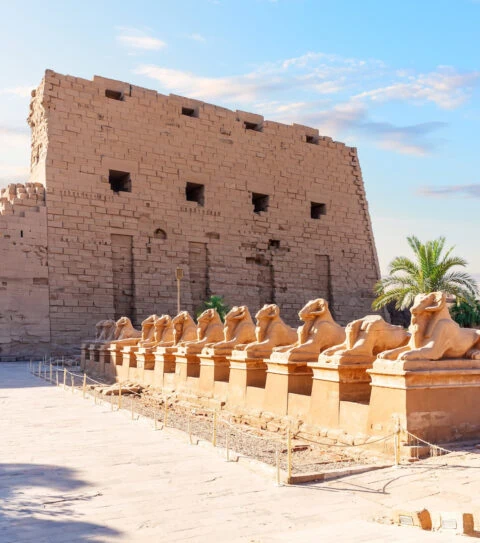
How Many Days to Visit Egypt?
Find out how many days you need in Egypt — from quick trips to full itineraries.
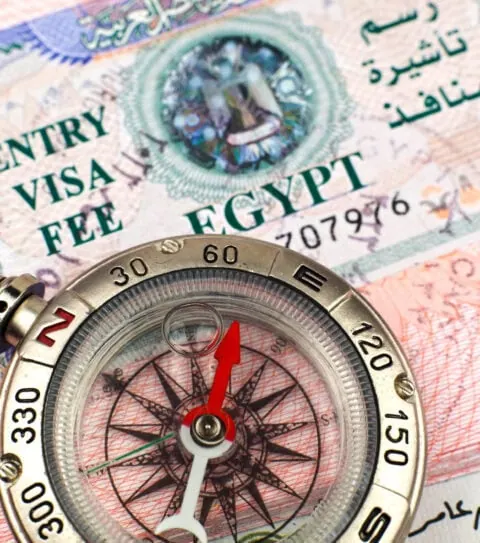
Egypt Visa Requirements
Check if you need a visa and get simple, up-to-date entry info based on your nationality.

Is it Safe to Travel to Egypt?
Is Egypt safe? Get honest safety tips, area advice, and what to know before you travel.
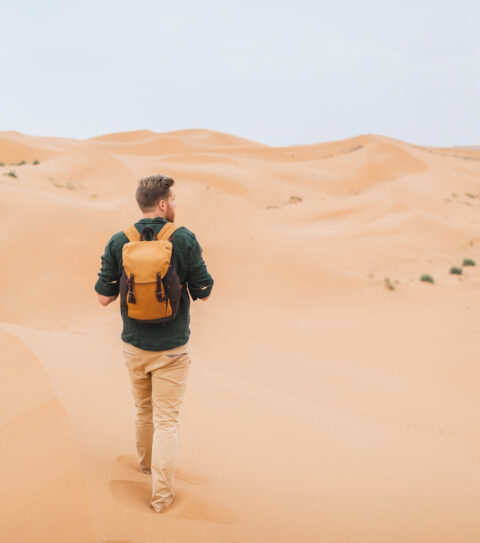
What to Pack for Egypt
A quick packing guide with essentials, cultural tips, and clothing advice for your Egypt trip.

Design Your Custom Tour
Explore Egypt your way by selecting only the attractions you want to visit