Egypt and Israel Tours
Every journey begins with a single step, but some steps cross millennia.
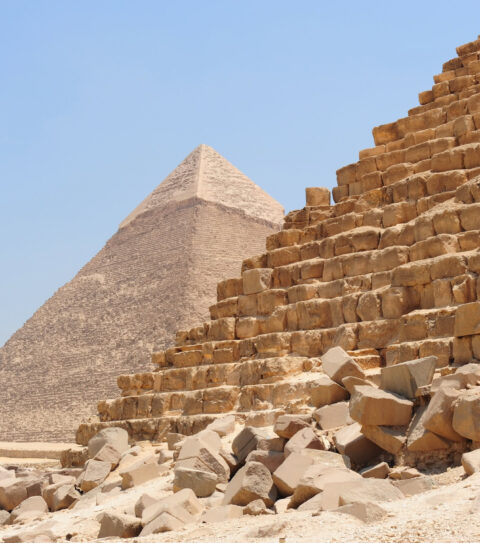
When you combine Egypt’s pharaonic grandeur with Israel’s biblical significance, you create more than just a vacation – you craft a transformative experience that spans 5,000 years of human civilization. These two neighboring nations offer travelers the unique opportunity to walk through the pages of history books, from the shadow of the Great Pyramid of Giza to the sacred stones of Jerusalem’s Western Wall.
Our carefully curated Egypt and Israel tours bring together the mystique of ancient pharaohs with the profound spiritual heritage of the Holy Land, creating journeys that resonate long after you return home. The logistics might seem complex, but with expert planning and local knowledge, traversing these sacred lands becomes seamlessly magical. Whether you’re drawn by religious pilgrimage, archaeological fascination, or simply the thrill of adventure, we ensure every moment counts.
Essential Elements of Combined Tours
Planning a multi-country Middle Eastern adventure requires understanding what makes these destinations work beautifully together. The proximity of Egypt and Israel allows for efficient travel between iconic sites, while their shared historical connections create natural storytelling opportunities throughout your journey.
Optimal Tour Duration and Timing
Most comprehensive Egypt and Israel tours span 10 to 15 days, providing adequate time to experience each country’s highlights without feeling rushed. This duration allows for 5-7 days in Egypt exploring Cairo, Luxor, and potentially Aswan, followed by 5-8 days in Israel covering Jerusalem, Tel Aviv, the Dead Sea, and Galilee region.
Timing your visit between October and April offers the most comfortable weather conditions. Egypt’s desert climate becomes particularly pleasant during these months, with daytime temperatures averaging 20-25°C (68-77°F), while Israel enjoys mild Mediterranean weather perfect for extensive walking tours through historic sites.
Border Crossing and Logistics
The Taba-Eilat border crossing between Egypt and Israel operates daily and provides the most convenient transition point for tour groups. Professional tour operators handle visa requirements, transportation coordination, and luggage transfers, eliminating common travel stress points that independent travelers often encounter.
Cultural Bridge Points
Both countries share fascinating historical connections that enhance your understanding of each destination. The ancient trade routes that connected pharaonic Egypt with biblical Israel created cultural exchanges that influenced art, architecture, and religious practices.
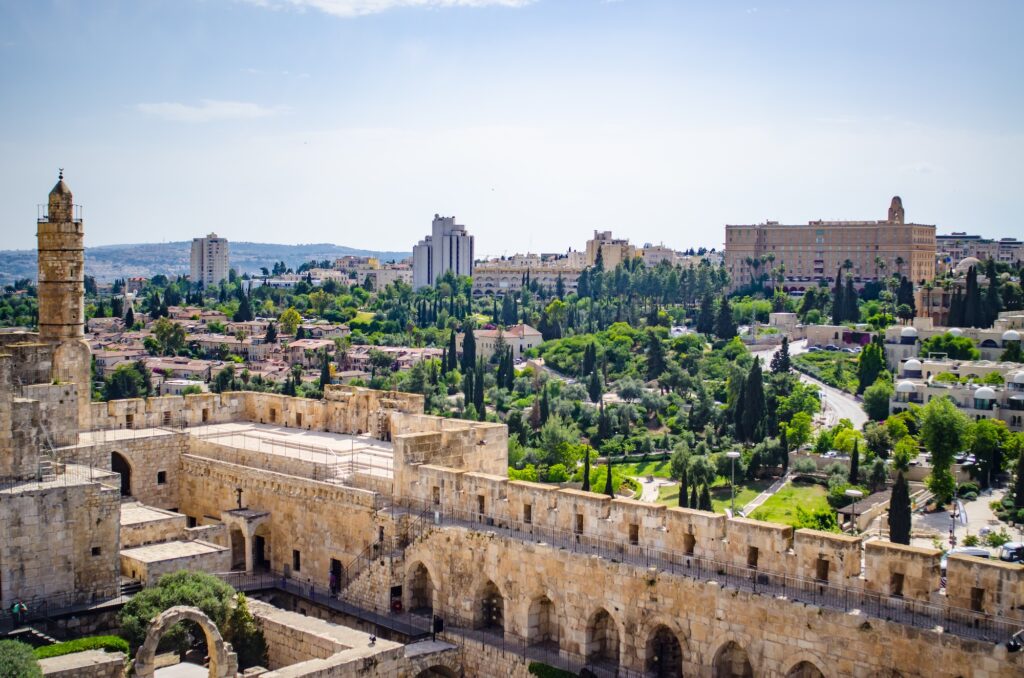
Modern archaeological discoveries continue revealing these interconnections, particularly around sites like Jericho and Tell el-Amarna.
Unmissable Destinations in Egypt
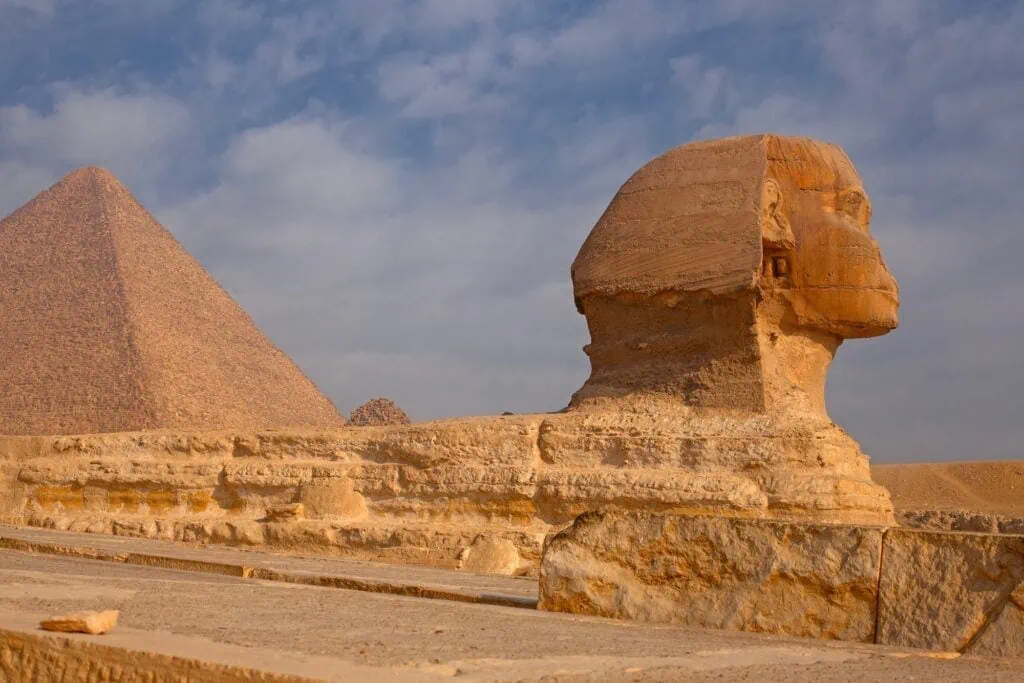
Egypt captivates visitors with monuments that have stood for over 4,000 years, each telling stories of divine pharaohs and sophisticated ancient civilizations. The country’s remarkable preservation of antiquities means you’ll encounter original artifacts and structures that most museums can only display as replicas.
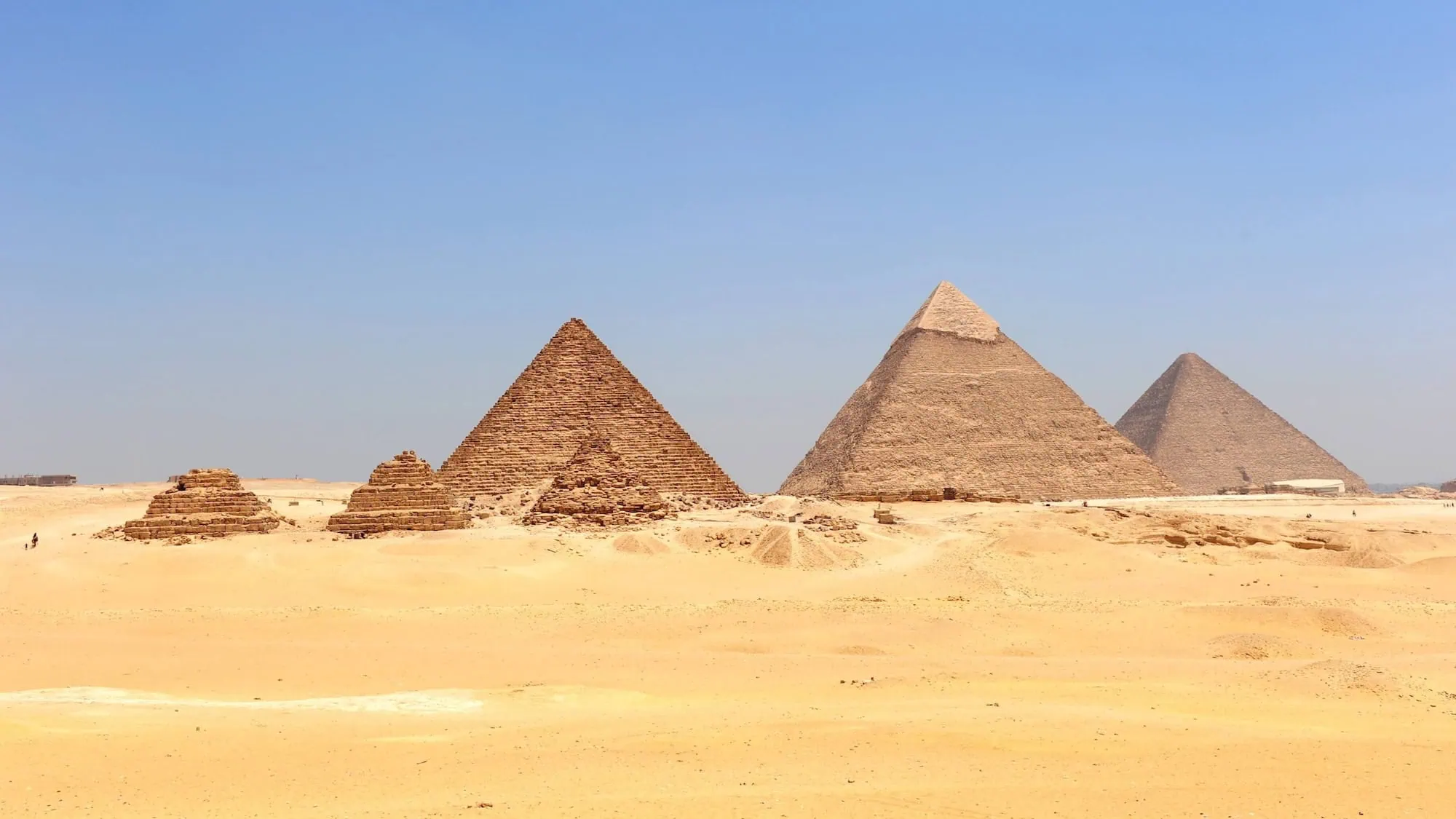
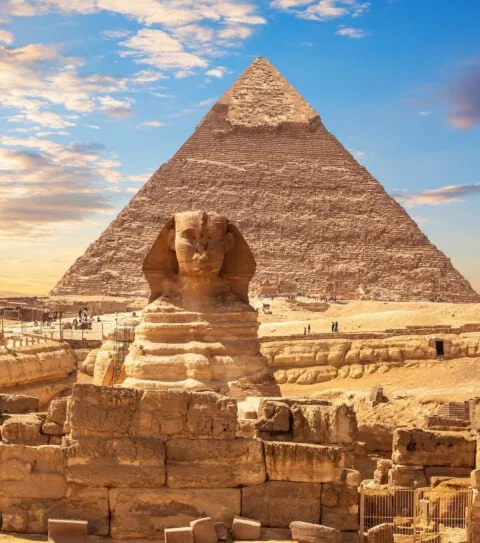
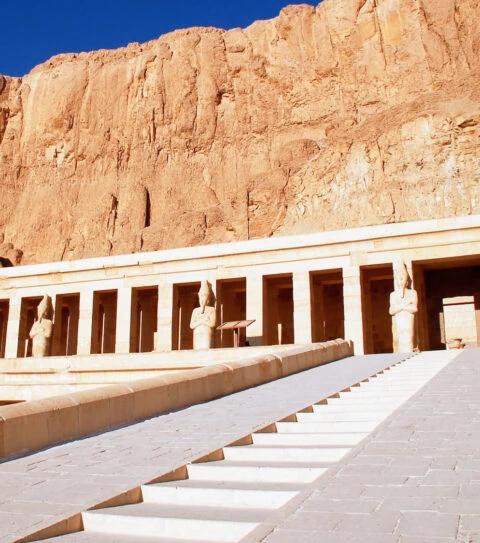
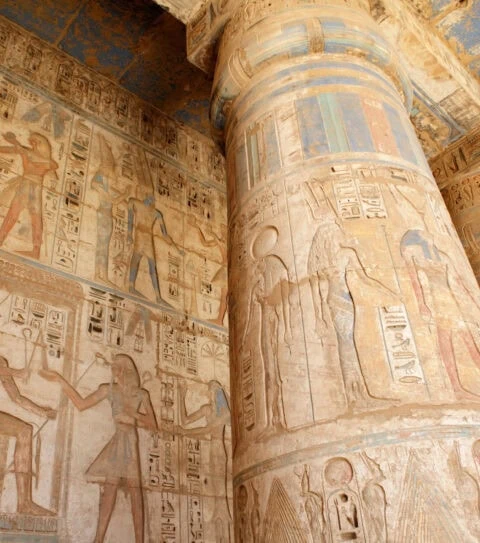
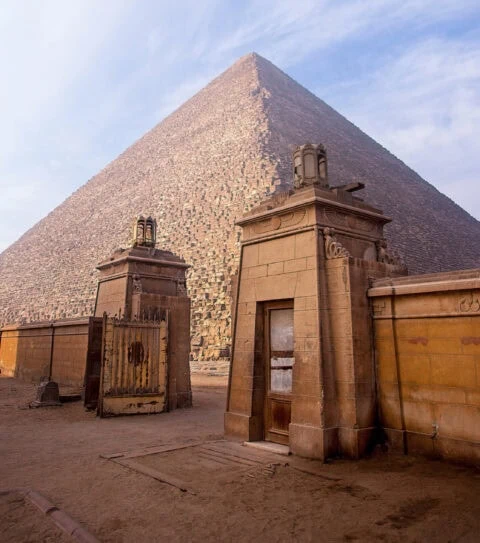
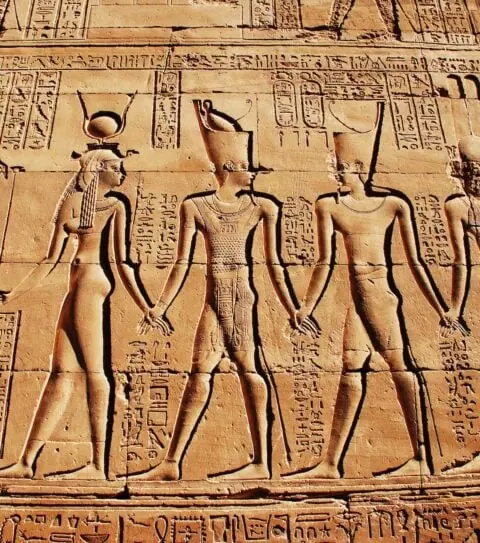
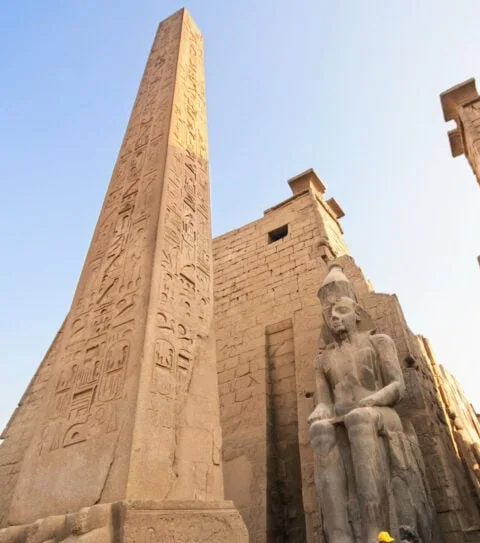
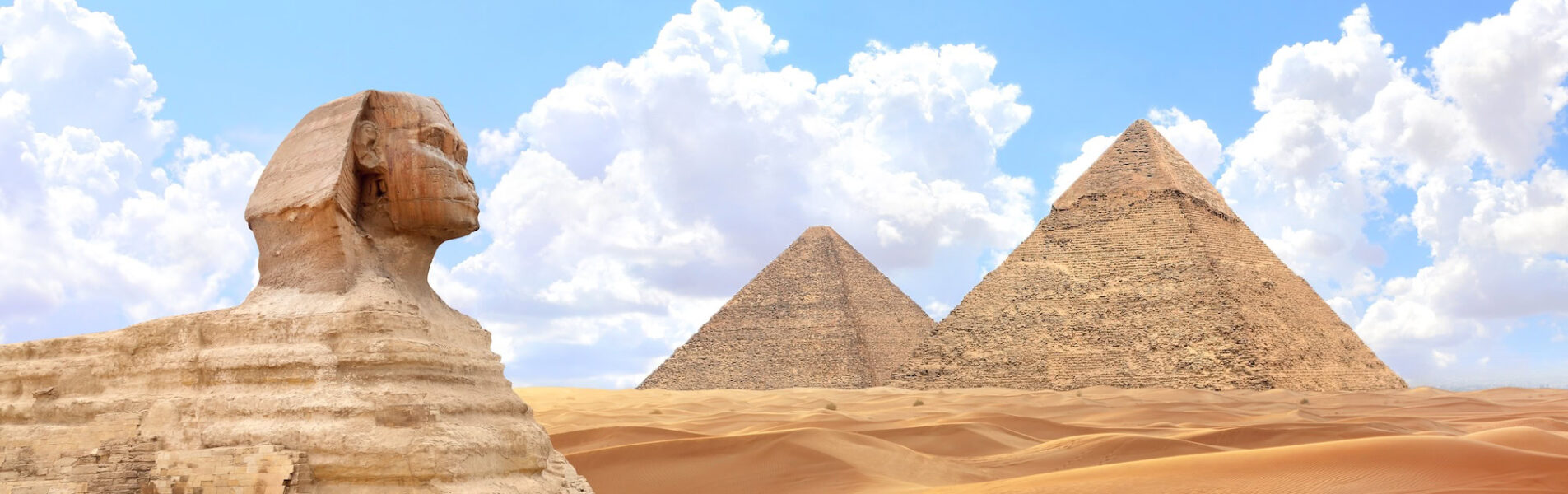
The Pyramids of Giza represent humanity’s oldest surviving wonder, but Egypt’s treasures extend far beyond this iconic site. Luxor transforms into an open-air museum where every temple and tomb reveals intricate hieroglyphic narratives about ancient Egyptian beliefs, daily life, and afterlife preparations.
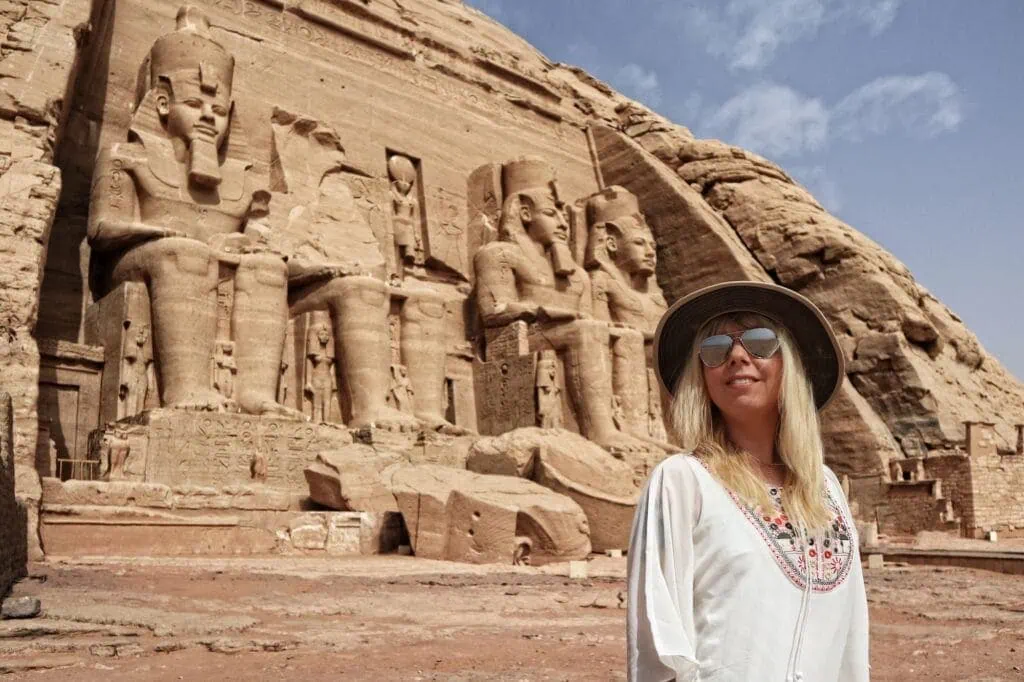
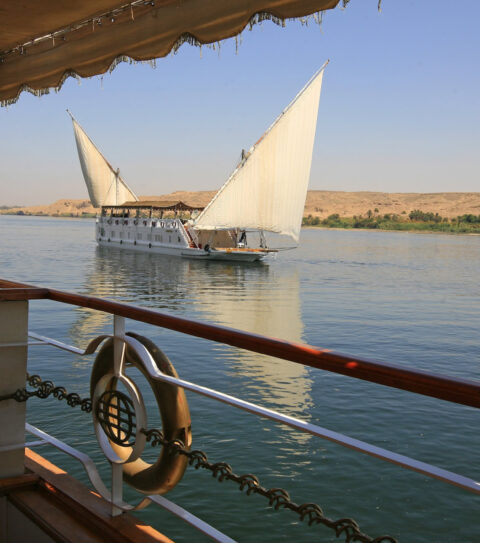
The Valley of the Kings houses the burial chambers of pharaohs like Tutankhamun and Ramses II, while Karnak Temple Complex showcases the architectural evolution spanning multiple dynasties. A Nile cruise between Luxor and Aswan provides perspective on Egypt’s lifeline river while visiting temples like Philae and Kom Ombo that demonstrate how ancient Egyptians harmonized engineering with spiritual devotion.
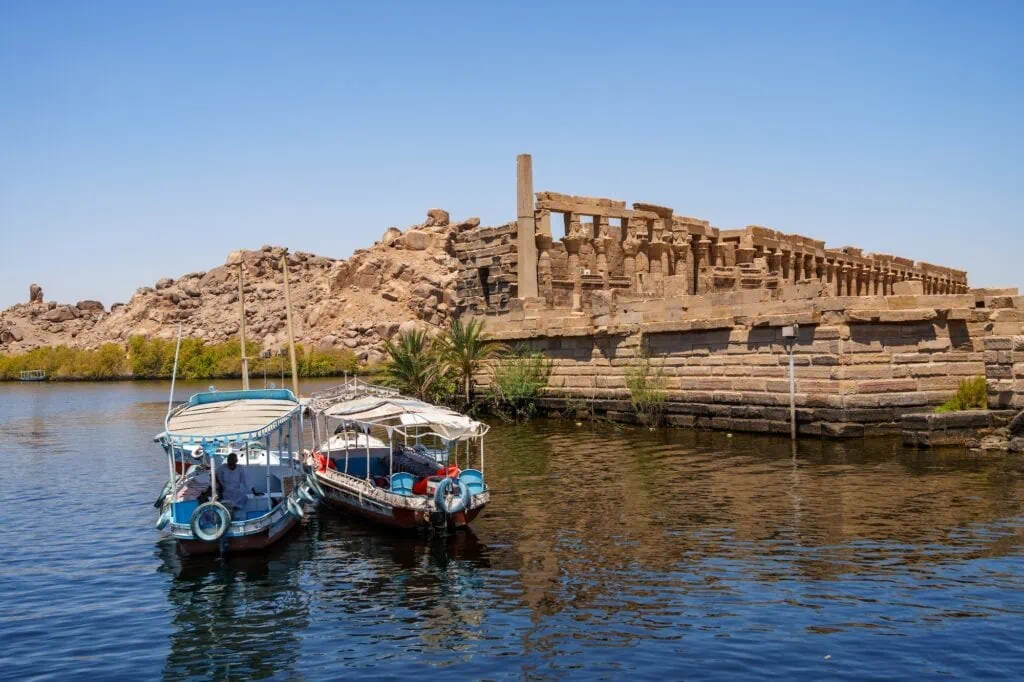
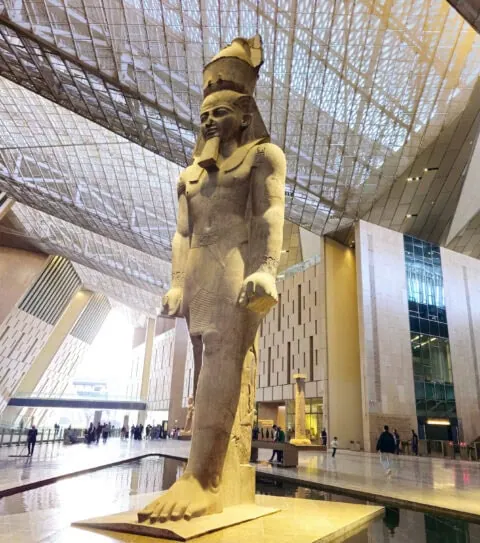
Cairo’s Egyptian Museum houses the world’s most extensive collection of pharaonic antiquities, including Tutankhamun’s golden burial mask and countless artifacts that bring ancient Egypt’s sophistication to life. The nearby Khan el-Khalili bazaar offers modern cultural immersion where traditional craftsmanship continues centuries-old techniques.
Israel’s Sacred Sites and Marvels
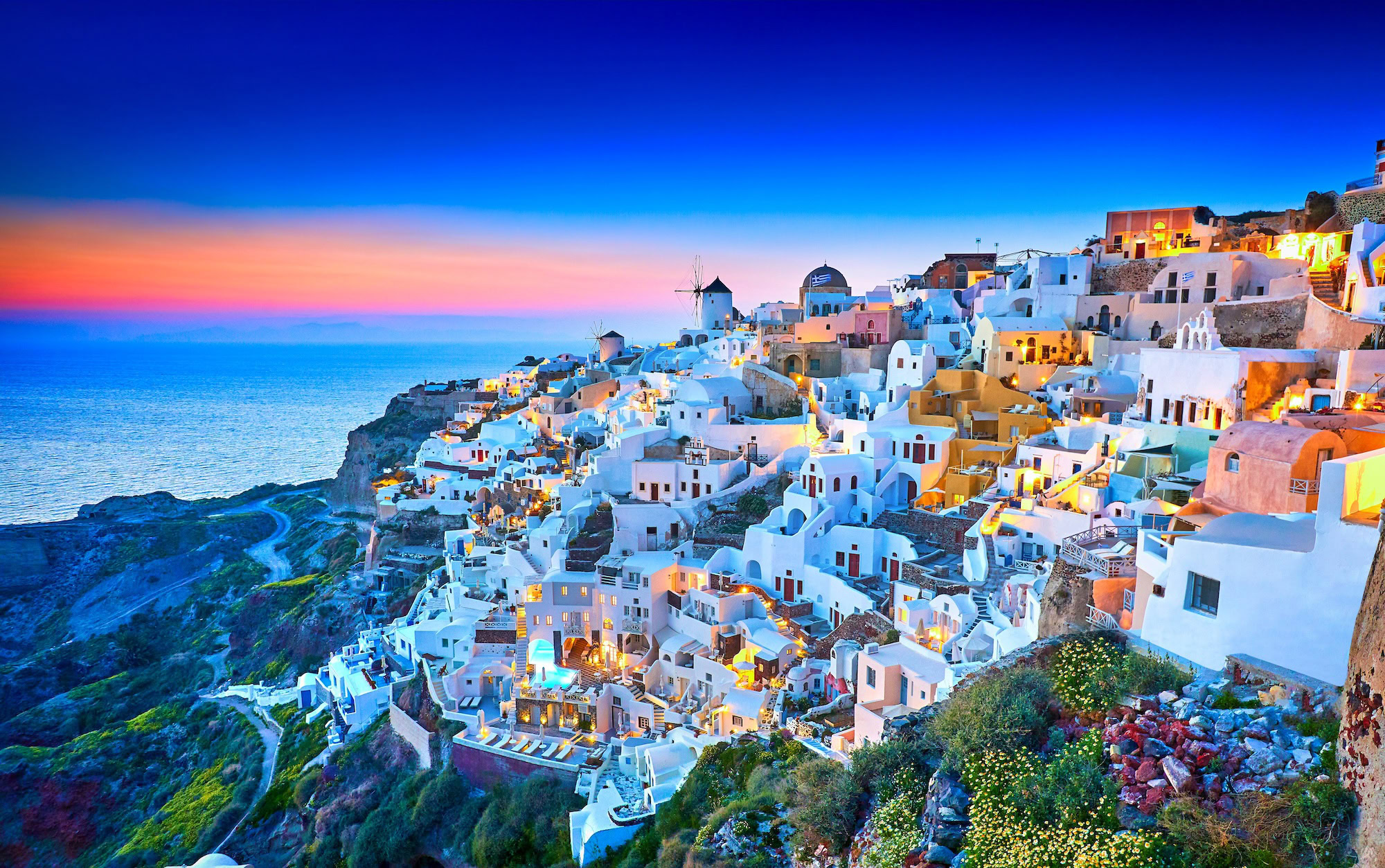
Israel seamlessly blends ancient biblical sites with contemporary innovation, creating a unique travel experience where 3,000-year-old stones coexist with cutting-edge technology.
Jerusalem: Heart of Three Faiths
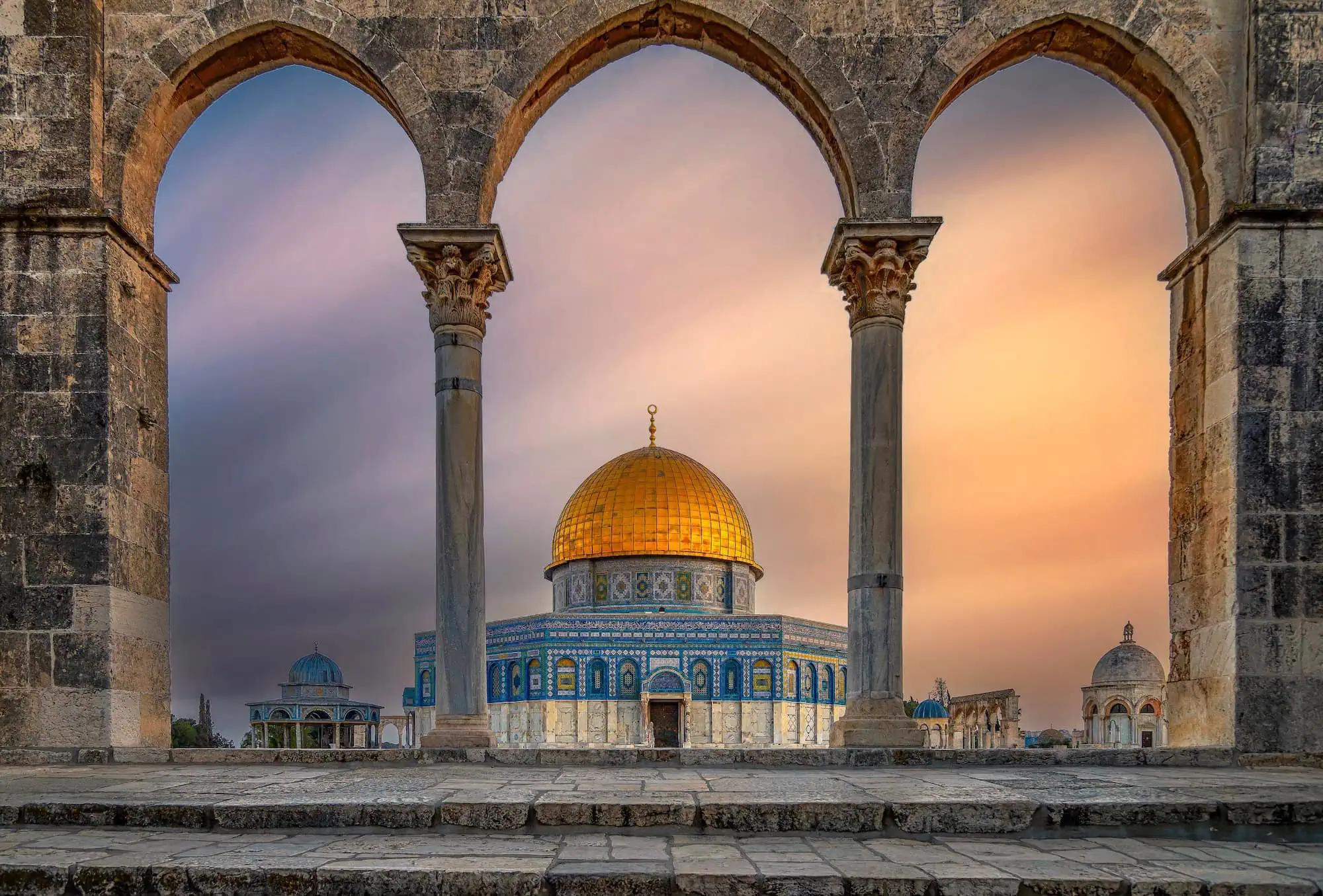
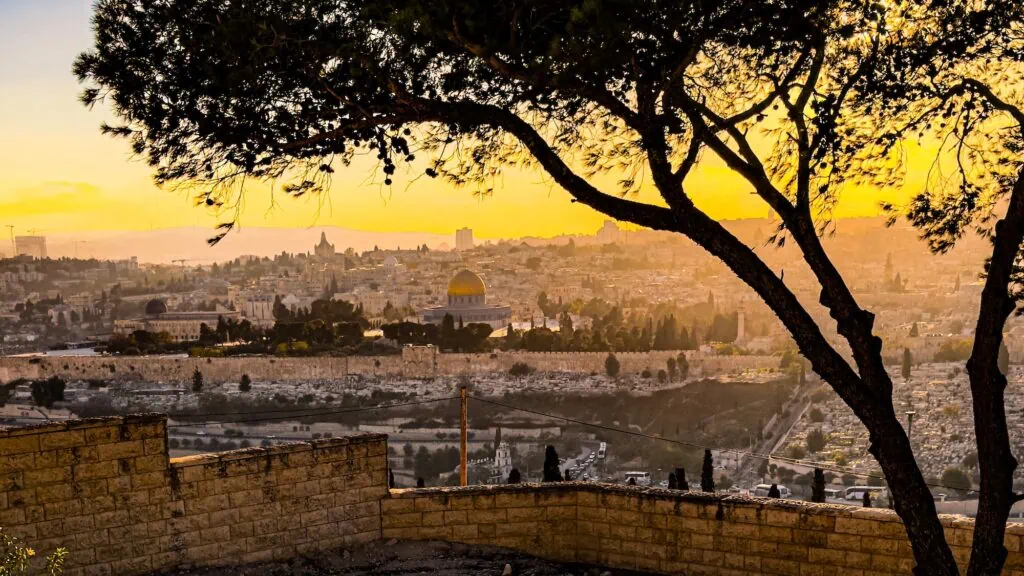
Jerusalem stands as one of the world’s most spiritually significant cities, sacred to Judaism, Christianity, and Islam. The Old City’s four quarters each tell distinct cultural stories, while sites like the Western Wall, Church of the Holy Sepulchre, and Dome of the Rock demonstrate how different faiths can coexist within ancient stone walls.
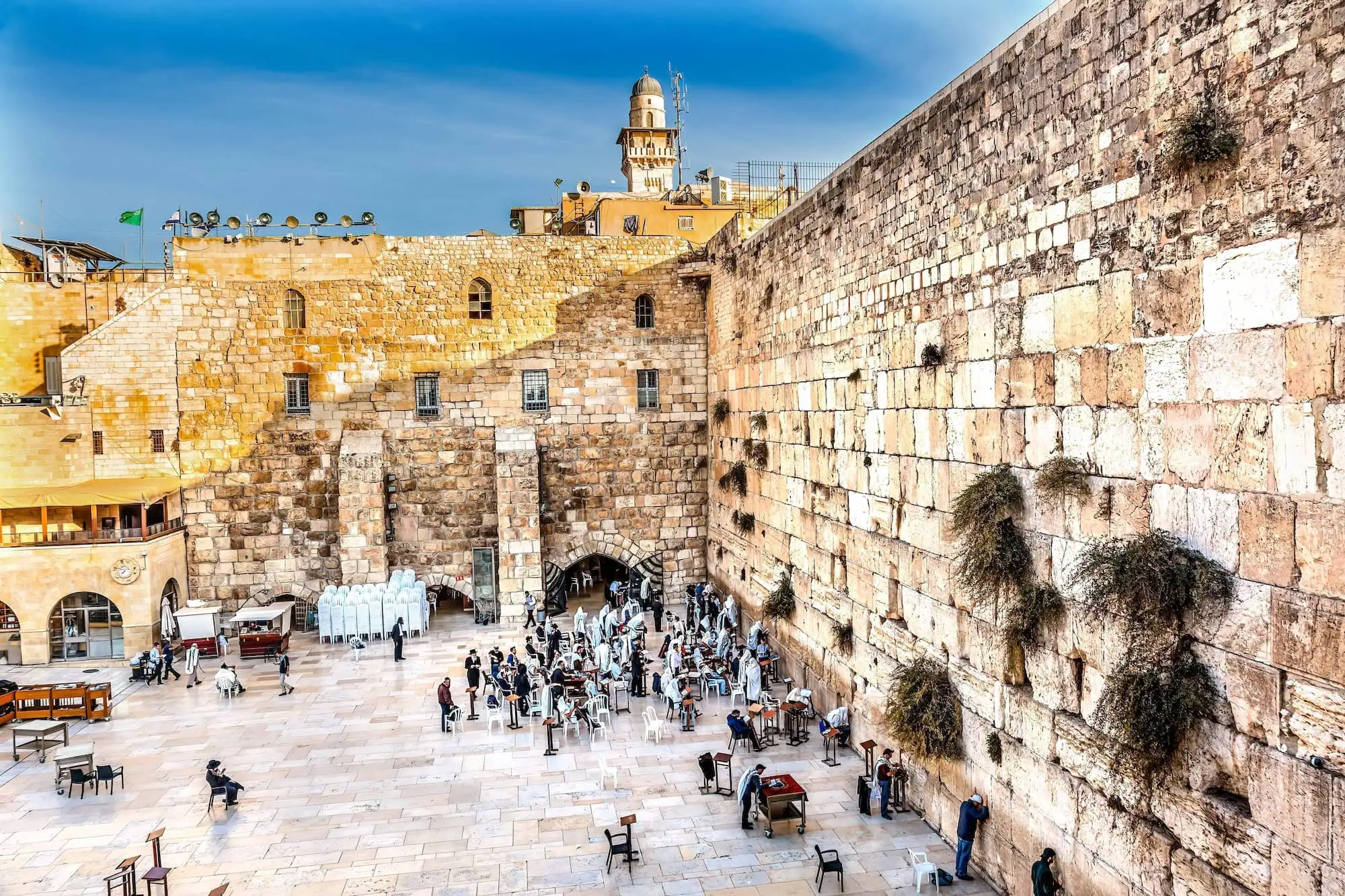
Walking the Via Dolorosa traces the path tradition says Jesus walked to crucifixion, while the Mount of Olives provides panoramic views over this holy city. The Israel Museum houses the Dead Sea Scrolls and provides archaeological context that enhances understanding of biblical history.
Galilee Region and Biblical Landscapes
The Sea of Galilee region offers serene natural beauty combined with significant Christian sites. Capernaum, Bethsaida, and the Mount of Beatitudes create a pilgrimage circuit through locations central to Jesus’s ministry. These sites maintain their authentic character while providing modern amenities for contemporary visitors.
Dead Sea and Desert Experiences
The Dead Sea represents a natural wonder where you can effortlessly float in waters ten times saltier than ocean water. At 430 meters (1,411 feet) below sea level, this location marks Earth’s lowest point on land.
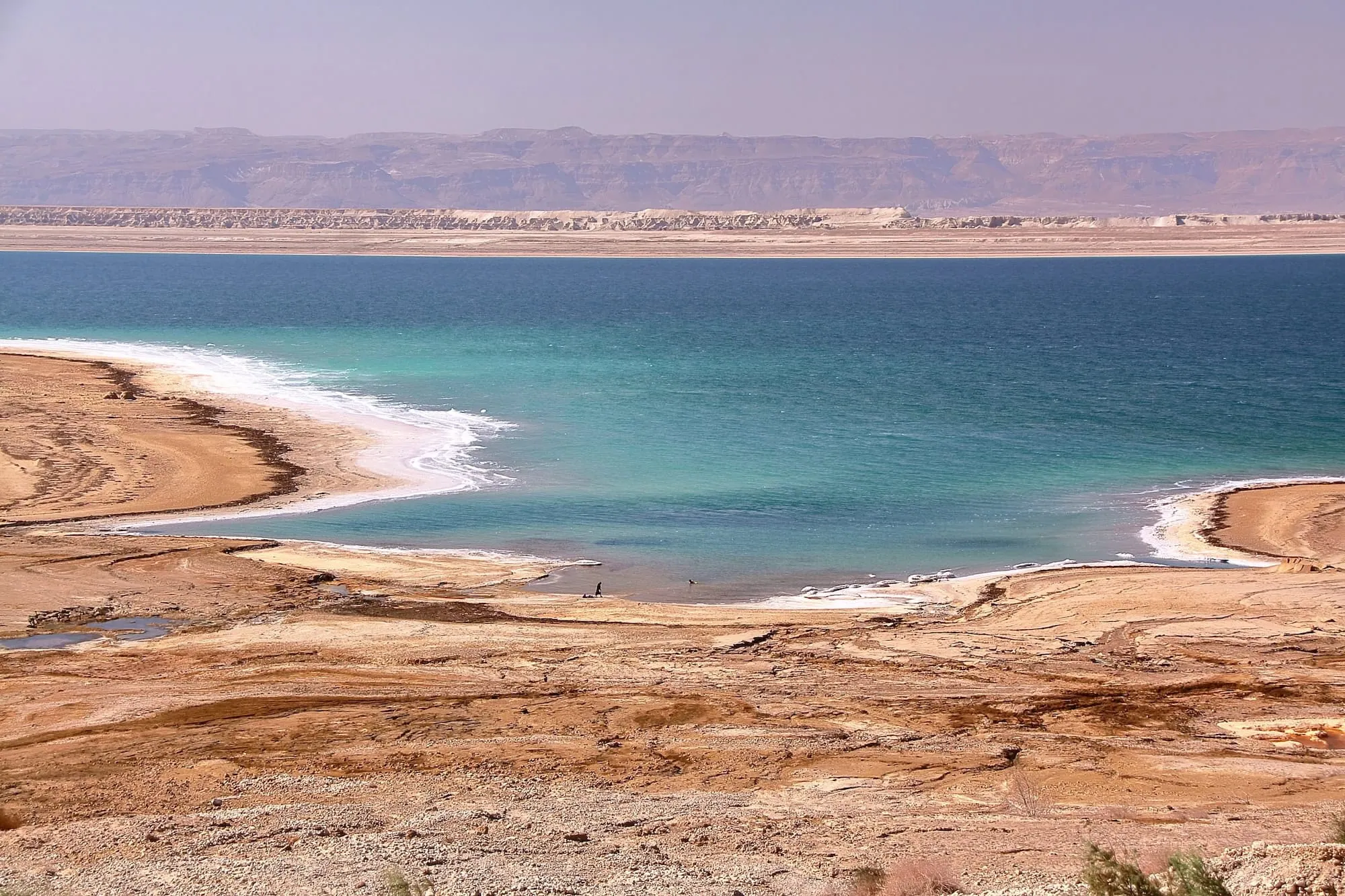
Nearby Masada tells the dramatic story of Jewish resistance against Roman occupation, while the Ein Gedi oasis demonstrates how life thrives in harsh desert conditions.
Religious and Cultural Connections
The shared heritage between Egypt and Israel creates powerful thematic connections that deepen your appreciation for both destinations. Biblical narratives frequently reference Egypt, from Joseph’s rise to prominence in pharaoh’s court to Moses leading the Israelites across the Red Sea.
Archaeological evidence supports many historical connections between these lands. Egyptian artifacts discovered in Israel and Israelite influences found in Egyptian sites demonstrate centuries of cultural exchange. The Exodus story, central to Jewish identity, physically connects Egypt’s Nile Delta with Israel’s Promised Land, making combined tours particularly meaningful for religious travelers.
Modern interfaith dialogue benefits from understanding how Judaism and Christianity developed within Egyptian and Middle Eastern contexts. Ancient synagogues in Egypt and early Christian communities in both countries illustrate how these faiths evolved through geographic and cultural influences.
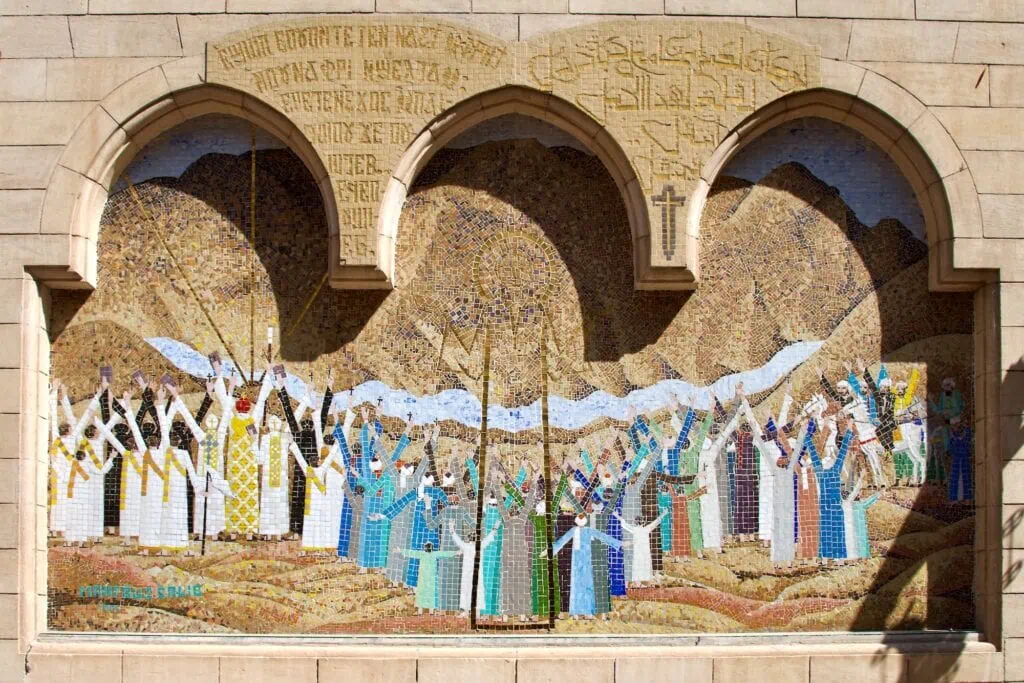
Coptic Christian traditions in Egypt share theological elements with various Christian denominations represented throughout Israel’s holy sites. Trade route archaeology reveals how Egyptian gold, incense, and linen traveled north while Israelite olive oil, wine, and textiles moved south. These economic relationships fostered cultural exchanges that influenced art, architecture, and religious practices in both civilizations.
Practical Planning Considerations
Transportation Between Countries
Direct flights connect Cairo and Tel Aviv in approximately 1.5 hours, though overland travel via the Sinai Peninsula offers more scenic route options. Professional tour operators typically arrange private air-conditioned vehicles with experienced drivers familiar with both countries’ road systems and border requirements.
Accommodation Standards
Both Egypt and Israel offer luxury hotels that cater to international travelers. Cairo features historic properties like the Old Winter Palace and modern chains with Nile views. Jerusalem provides boutique hotels within walking distance of Old City sites, while Tel Aviv offers Mediterranean beachfront accommodations.
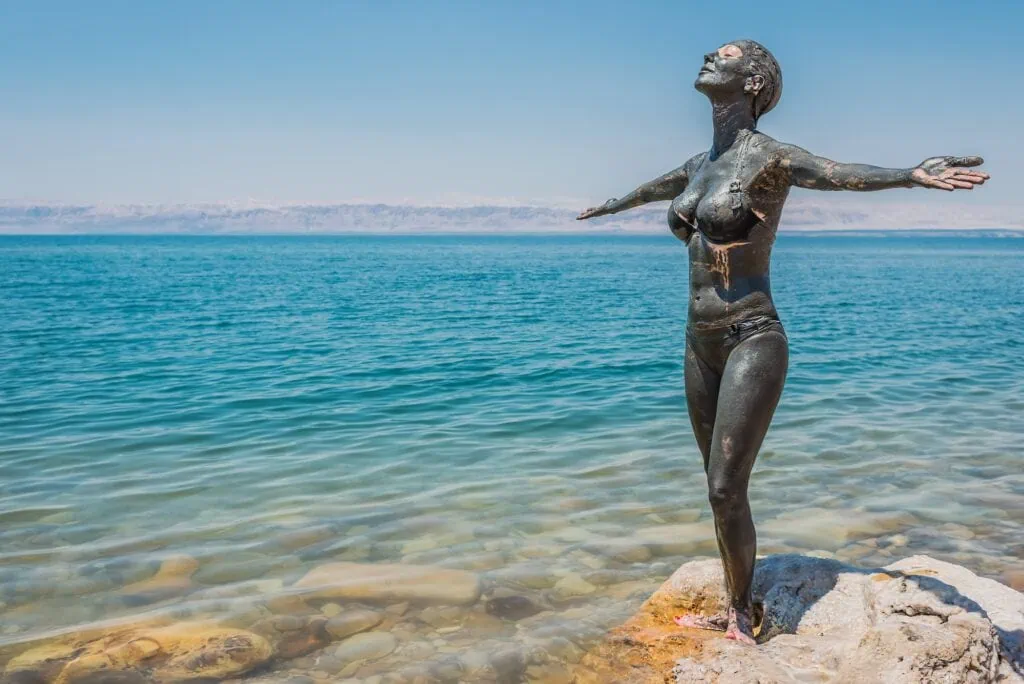
Dead Sea resorts specialize in spa treatments utilizing the region’s famous mineral-rich mud and salt.
Dining and Dietary Considerations
Egyptian cuisine emphasizes fresh ingredients like lamb, vegetables, rice, and aromatic spices, while Israeli food reflects diverse cultural influences from Mediterranean, Middle Eastern, and European traditions. Both countries accommodate kosher dietary requirements, and many hotels provide international cuisine options alongside local specialties.
Vegetarian and vegan travelers find excellent options in both destinations, with Israeli cities particularly known for innovative plant-based restaurants. Traditional dishes like Egyptian ful medames and Israeli falafel offer authentic flavors without meat.
Weather and Clothing Recommendations
Desert climates require sun protection, comfortable walking shoes, and layered clothing for temperature variations between day and night. Religious sites in both countries expect modest dress covering shoulders and legs. Many locations provide covering garments for visitors who arrive inappropriately dressed.
Summer temperatures frequently exceed 35°C (95°F) in Egypt and can reach similar levels in Israel’s inland regions, making spring and autumn optimal seasons for extensive sightseeing.
Tour Formats and Experience Levels
Small Group Experiences
Our preferred tour format limits groups to 12-16 participants, ensuring personalized attention from expert guides and flexibility to adjust itineraries based on group interests. Smaller groups navigate crowded sites more efficiently and create opportunities for meaningful cultural interactions with locals.
Private Custom Itineraries
Private tours offer ultimate flexibility for families, couples, or friends traveling together. Custom itineraries can emphasize specific interests like archaeology, religious studies, or photography while maintaining comfortable pacing that suits your travel style.
Specialist Interest Tours
Archaeological enthusiasts benefit from tours led by certified Egyptologists and biblical scholars who provide deep historical context. Photography tours schedule visits during optimal lighting conditions while religious pilgrimage tours include opportunities for personal reflection and worship at sacred sites.
Educational tours designed for students or adult learning groups incorporate lectures, discussions, and hands-on experiences that transform sightseeing into comprehensive cultural education.
Why Choose Egypt Tours Plus
Our decades of experience organizing Egypt and Israel tours means we understand both countries’ unique requirements and cultural sensitivities. We maintain partnerships with local guides who possess advanced degrees in archaeology, history, and religious studies, ensuring your experience goes beyond surface-level sightseeing.
We handle all complex logistics including visa processing, border crossings, accommodation upgrades, and dietary requirements. Our private air-conditioned vehicles feature experienced drivers, while our 24/7 customer support provides peace of mind throughout your journey.
Each itinerary receives customization based on your interests, physical capabilities, and time constraints. Whether you seek intensive archaeological exploration or contemplative spiritual pilgrimage, we craft experiences that match your vision while introducing unexpected discoveries along the way.
Frequently Asked Questions
Most travelers find 12-15 days optimal for experiencing both countries’ highlights without feeling rushed.
October through April offers the most comfortable weather, with temperatures ranging 20-25°C (68-77°F) during the day.
Yes, both countries require separate visas for most nationalities, though we handle all application processes.
Border crossings operate daily with standard security procedures, and professional tour operators navigate all requirements smoothly.
Absolutely – all major religious sites welcome respectful visitors from any faith tradition or secular background.
Comfortable walking shoes, sun protection, layered clothing, and modest attire for religious sites are essential items.
Both countries accommodate various dietary needs including kosher, vegetarian, and vegan options at most restaurants and hotels.
Moderate walking on uneven surfaces is common, though we can modify itineraries for travelers with mobility concerns.
Most locations allow photography, though some museums and religious sites have restrictions or require additional fees.
Egypt uses Egyptian pounds while Israel uses new Israeli shekels, though US dollars are widely accepted for tourist purchases.
Both countries offer excellent markets and bazaars featuring traditional handicrafts, jewelry, textiles, and archaeological reproductions.
Learning basic greetings, understanding tipping customs, and researching religious etiquette helps create positive interactions with locals.
Design Your Custom Tour
Explore Egypt your way by selecting only the attractions you want to visit