

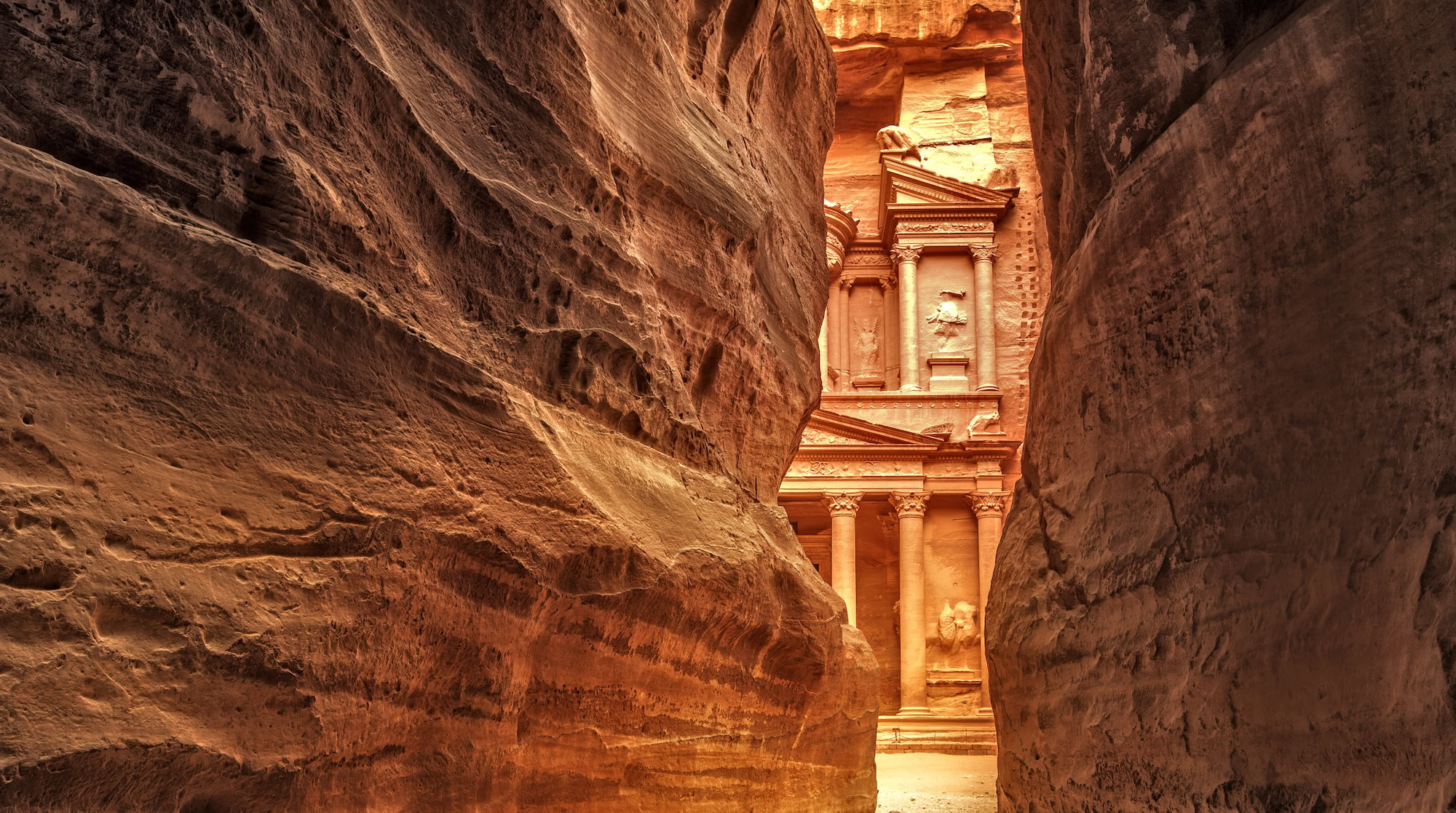
Where ancient wonders meet effortless, modern travel
Egypt and Jordan Tours
Our Egypt and Jordan Tours invite you to explore two legendary lands with the comfort and confidence of traveling on your own terms. Enjoy 24/7 support, personalized itineraries, and a premium experience designed to make your journey as smooth as it is unforgettable.
Experience Egypt and Jordan with private guides and personalized itineraries from experts since 1955.
Private Egypt and Jordan Combination Tours
What is included in an Egypt and Jordan tour package?
Our Egypt and Jordan Tours typically include guided sightseeing in both countries with private, licensed guides. In Egypt, this often covers Cairo (Pyramids, Sphinx, Grand Egyptian Museum) and may include Luxor, Aswan, or a Nile cruise depending on your itinerary. In Jordan, highlights usually include Petra, Wadi Rum, the Dead Sea, and Amman.
All accommodations, domestic and regional flights, airport transfers, entrance fees, and private transportation are included. The entire journey is coordinated by one team, ensuring a smooth transition between Egypt and Jordan without logistical stress.
How many days do I need for an Egypt and Jordan tour?
Most travelers choose 10–14 days to experience both countries comfortably. This allows enough time to explore Egypt’s ancient sites while still enjoying Jordan’s highlights without rushing.
Shorter itineraries are possible, but we generally recommend allowing sufficient time—especially if this is your first visit—to fully appreciate destinations like the Pyramids, Petra, and Wadi Rum at a relaxed pace.
How do I travel between Egypt and Jordan?
Travel between Egypt and Jordan is usually by short international flight, coordinated as part of your itinerary. We handle all flight arrangements, transfers, and arrival assistance on both sides.
For travelers interested in alternative routes (such as ferry options via Aqaba), we can advise on the best solution based on timing, comfort, and seasonal conditions.
Is it safe to travel on a combined Egypt and Jordan tour?
Yes. Both Egypt and Jordan are well-established destinations for international travelers, especially on private guided tours. Jordan is known for its stability, and Egypt’s main tourist routes are carefully managed.
On our Egypt and Jordan Tours, you are accompanied by trusted local guides, travel in modern private vehicles, and receive on-ground support throughout the trip. Safety, pacing, and comfort are built into every itinerary.
What’s the best time of year for Egypt and Jordan Tours?
The ideal travel period is October through April, when temperatures in both Egypt and Jordan are pleasant for sightseeing. This is especially important for outdoor sites such as Petra, Wadi Rum, and the Pyramids.
Summer travel is possible but can be very hot, particularly in southern Egypt and desert areas of Jordan. We’re happy to advise on seasonal planning based on your preferences.
Can I combine a Nile cruise with an Egypt and Jordan tour?
Absolutely. Many guests choose to include a Nile cruise as part of their Egypt experience before or after Jordan. This is one of the most popular ways to enhance an Egypt and Jordan itinerary, adding a relaxing and scenic element to the journey.
We tailor the cruise length, ship category, and routing to fit seamlessly with your Jordan travel dates.
Are Egypt and Jordan Tours suitable for couples, families, or older travelers?
Yes. These tours are ideal for couples, families, and senior travelers because they are private, flexible, and paced to your needs. We adjust walking time, hotel locations, and daily schedules based on your comfort level and interests.
Whether you prefer an in-depth cultural focus or a lighter sightseeing pace with more leisure time, your Egypt and Jordan tour can be adapted accordingly.
Can I customize my Egypt and Jordan itinerary?
Completely. Every Egypt and Jordan Tour we offer is fully customizable. You can add extra nights in Cairo, include Alexandria, extend your stay at the Dead Sea, upgrade hotels, or adjust the order of destinations.
We design each itinerary around your travel style, interests, and schedule—nothing is fixed unless you want it to be.
Do I need visas for Egypt and Jordan?
Most travelers can obtain visas easily. Egypt offers visa-on-arrival or e-visa options for many nationalities, while Jordan visas are often arranged on arrival and may be included depending on your itinerary.
We provide clear, up-to-date visa guidance before departure so you know exactly what to expect.
Discover Egypt and Jordan in One Epic Journey
Epic adventures unfold when two ancient civilizations meet.
Combining Egypt and Jordan creates an unforgettable travel experience that spans millennia of human history. From the legendary Pyramids of Giza to the rose-red city of Petra, this dual-destination journey offers unparalleled access to archaeological wonders, vibrant cultures, and breathtaking landscapes. We’ve crafted these combined tours to maximize your time while ensuring deep, meaningful encounters with both countries’ most treasured sites.
Whether you’re drawn to floating down the Nile or exploring the dramatic canyons of Wadi Rum, this comprehensive overview will help you plan the perfect Egypt and Jordan adventure.
Why Choose Combined Egypt and Jordan Tours
Egypt and Jordan tours unlock access to the ancient world’s greatest treasures in a single, seamless journey. The logistics alone make combined packages invaluable – our decades of expertise ensure smooth border crossings, coordinated flights, and perfectly timed itineraries between Cairo and Amman.
Historical Significance in One Journey
These neighboring countries shaped human civilization for over 5,000 years. Egypt’s pharaohs built monuments that still inspire wonder today, while Jordan’s strategic position along ancient trade routes created cities like Petra that defined commerce and culture. Combined tours let you trace the connections between these civilizations, from shared archaeological techniques to overlapping historical periods.
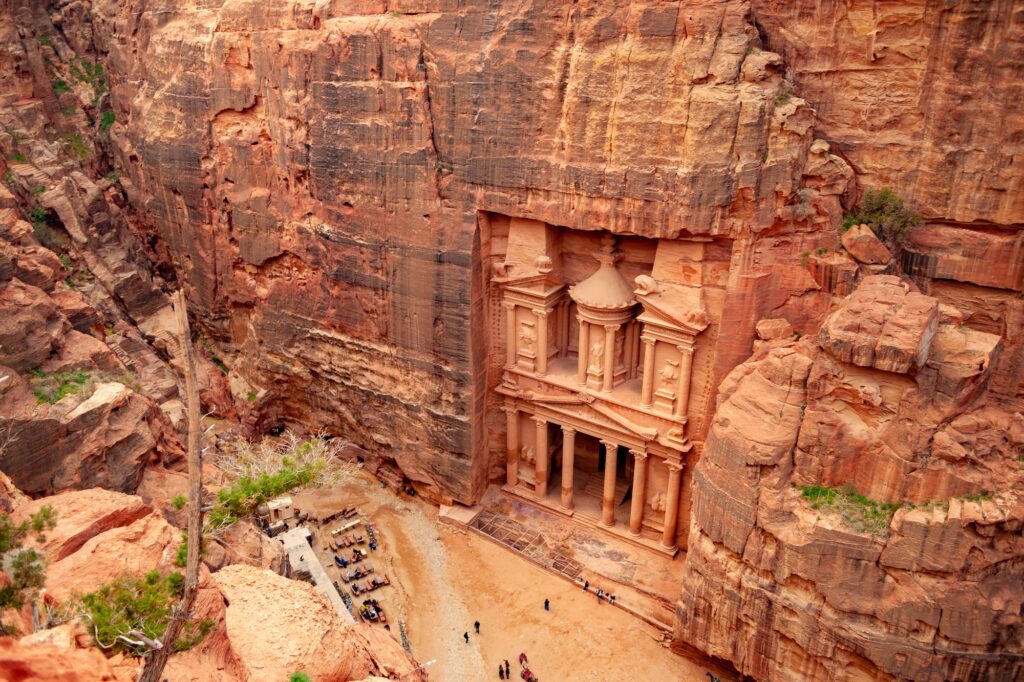
Our private expert guides provide context that transforms ruins into living history. They explain how Egyptian architectural principles influenced Nabataean builders, creating those famous Treasury facades carved directly into Petra’s sandstone cliffs.
Practical Advantages of Joint Itineraries
Single-country tours often leave travelers wanting more time or different experiences. We design Egypt and Jordan combinations to eliminate this frustration. While Egypt offers unmatched museum collections and Nile cruise luxury, Jordan provides adventure activities and desert camping that Egypt cannot match.
Cultural Depth Through Contrast
The differences between Egyptian and Jordanian cultures create richer travel experiences. Egyptian hospitality centers around bustling cities and river life, while Jordanian warmth emerges through Bedouin traditions and mountain villages.
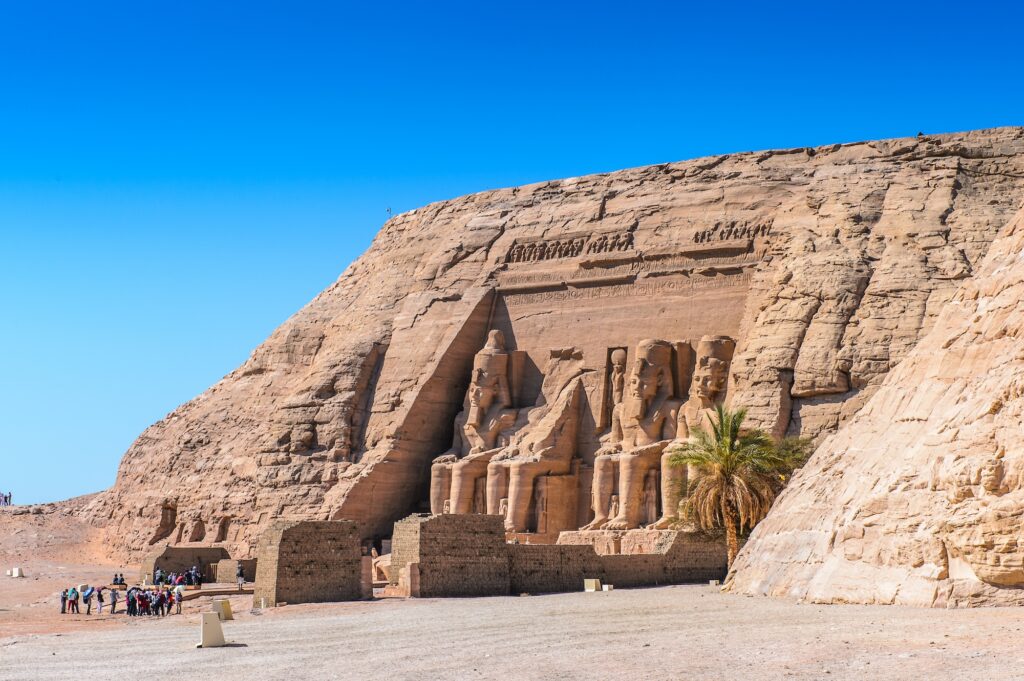
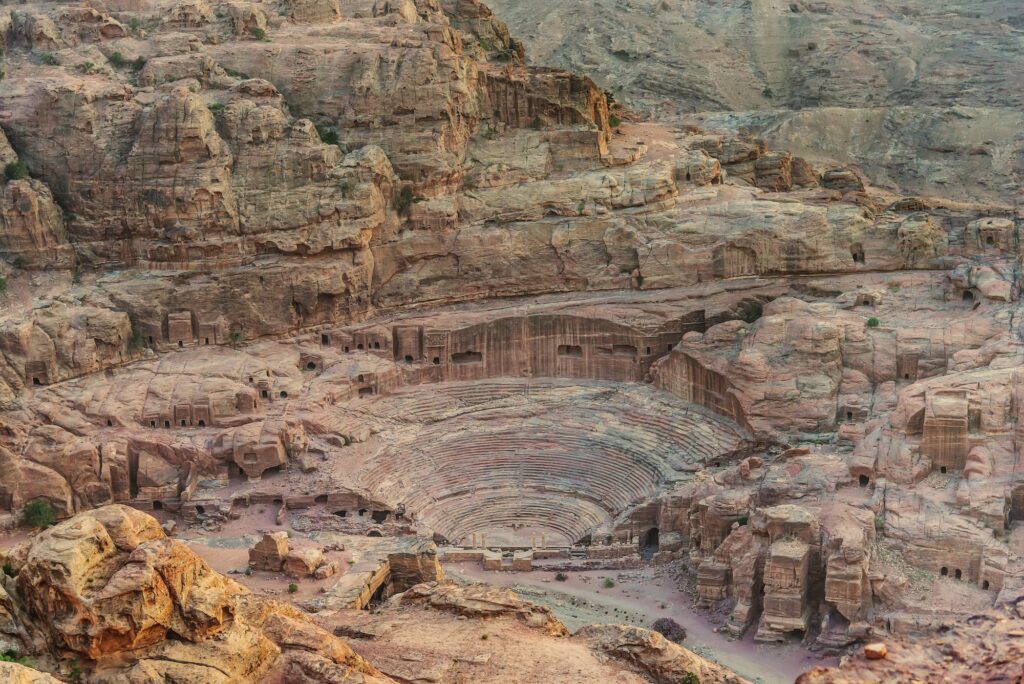
Jordan’s compact size allows deeper exploration than typical Egypt itineraries permit. You can thoroughly explore Petra across multiple days, then contrast this intimate archaeological experience with Egypt’s grand-scale monuments like Abu Simbel and Karnak Temple.
Essential Destinations Across Both Countries
Egypt’s Unmissable Highlights
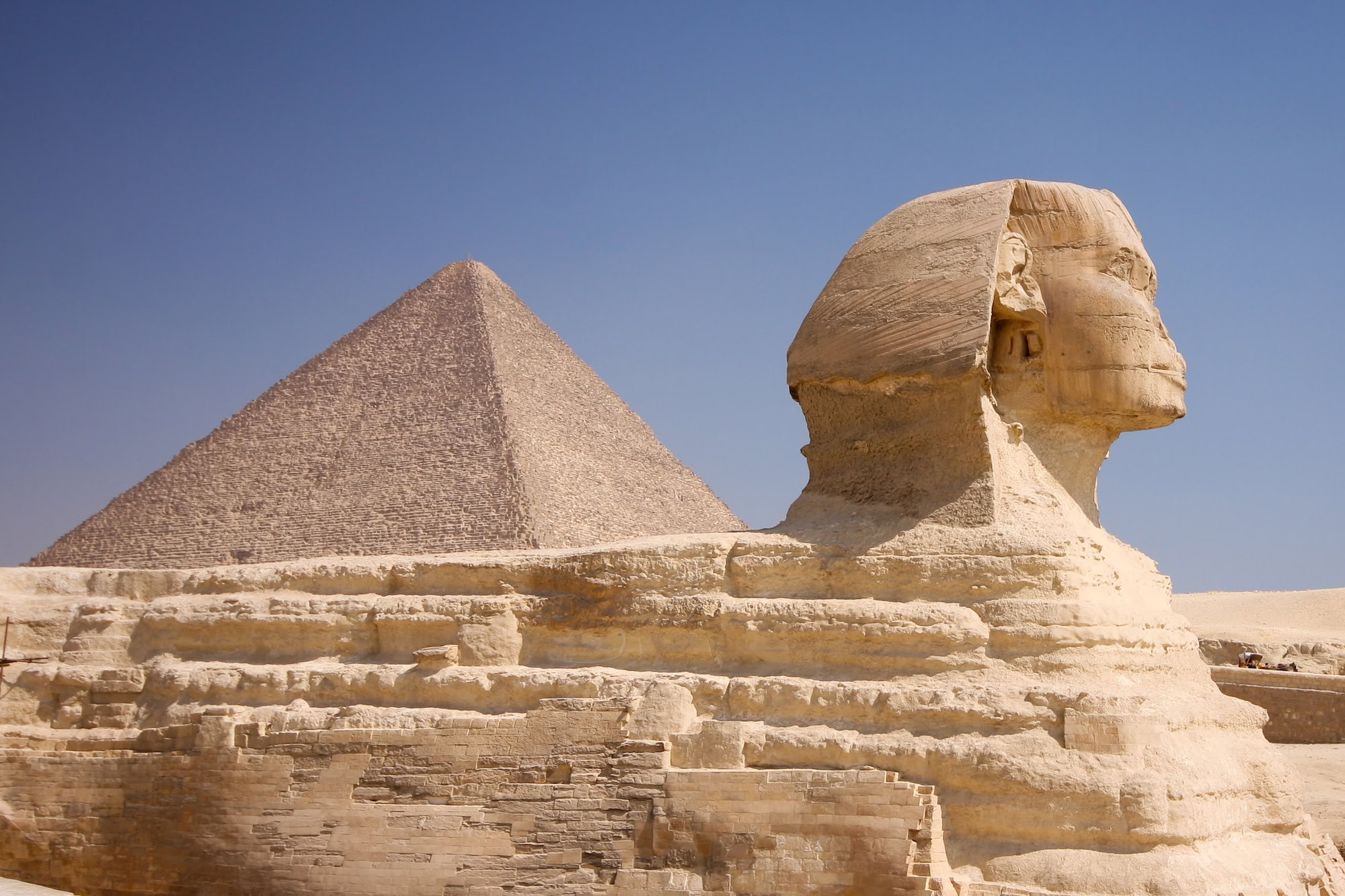
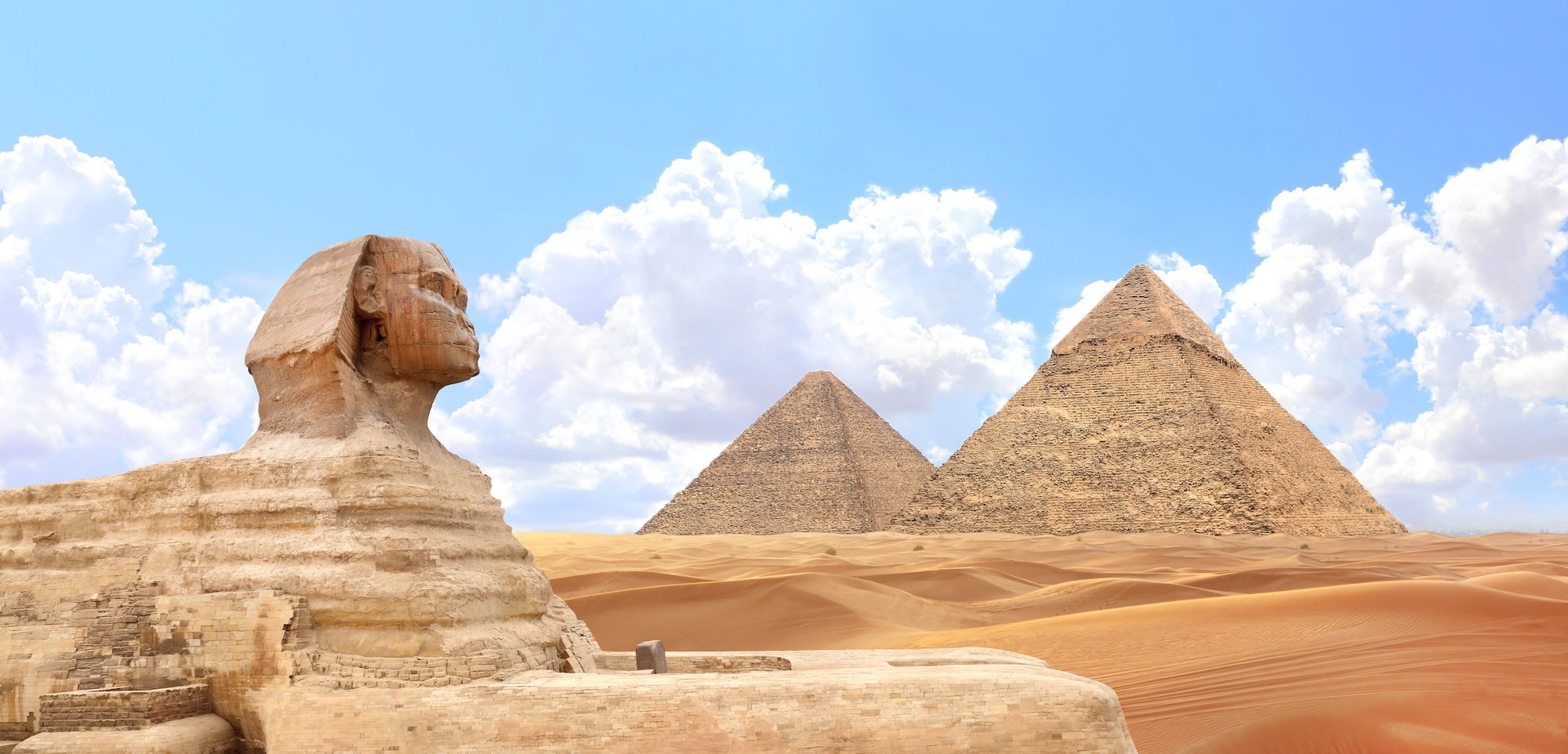
Cairo anchors every Egypt experience with the iconic Pyramids of Giza and the world-renowned Grand Egyptian Museum. The Great Pyramid remains the only surviving Wonder of the Ancient World, while the Sphinx guards secrets that archaeologists continue uncovering. Our private guides arrange early morning pyramid access before crowds arrive, ensuring unobstructed photography and peaceful exploration.
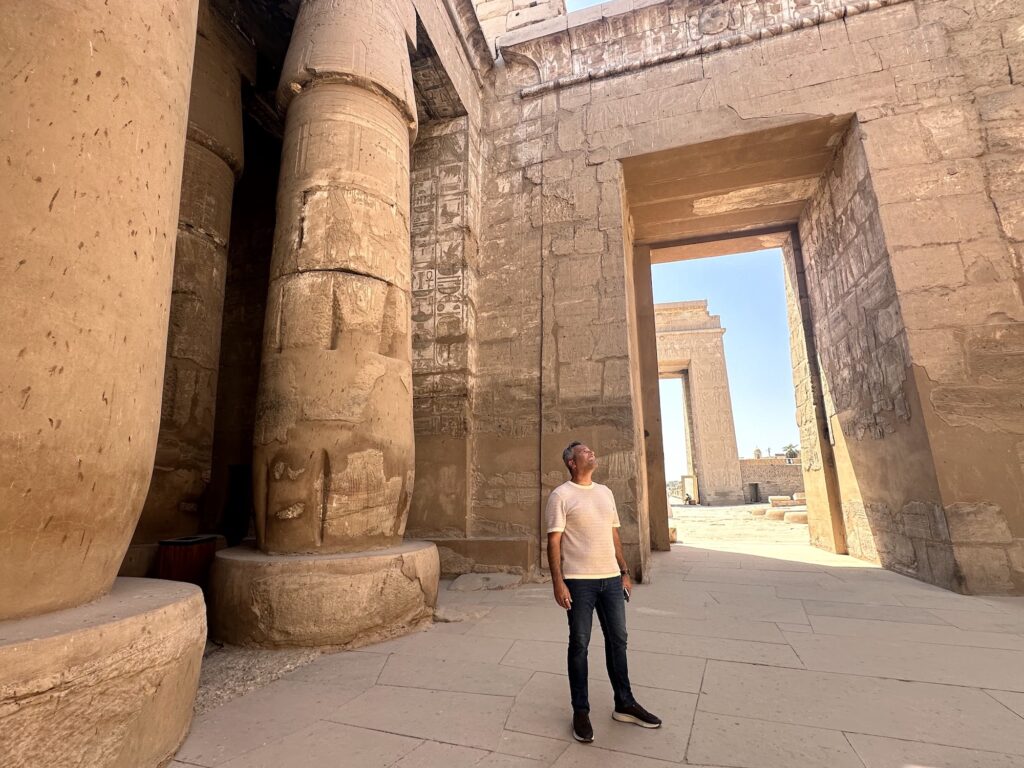
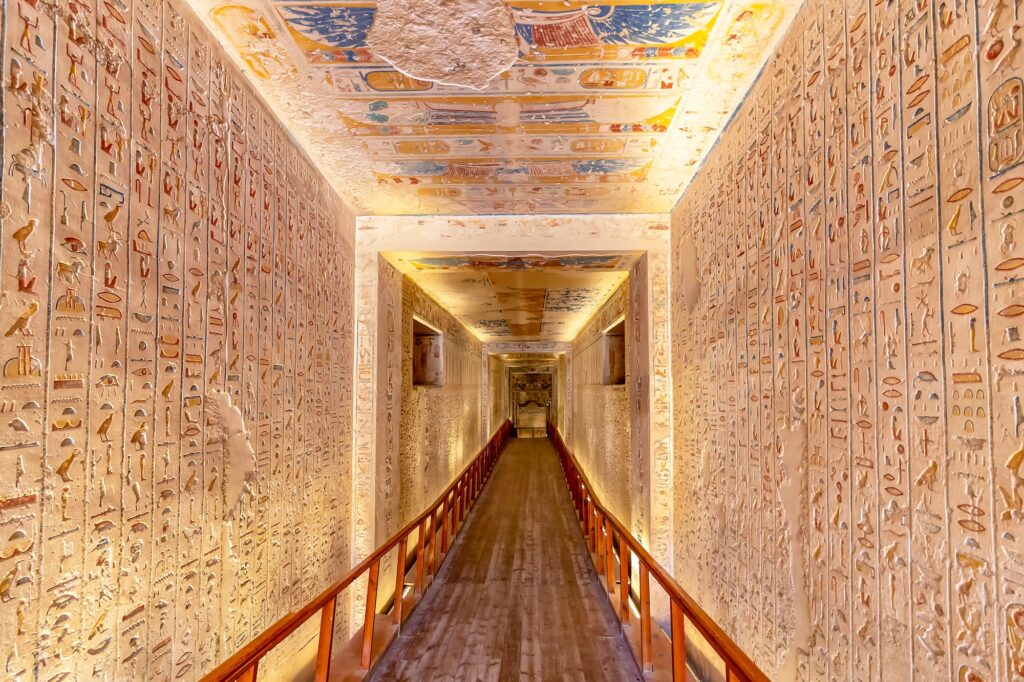
Luxor transforms Egypt visits into time travel experiences. The Valley of the Kings holds pharaohs’ tombs decorated with vivid hieroglyphs that retain their original colors after 3,000 years. Karnak Temple complex spans over 100 hectares (247 acres), requiring full days to properly appreciate its massive columns and intricate carvings.
Aswan’s gentler pace provides perfect contrast to Cairo’s intensity. Here, traditional feluccas sail around granite islands while Nubian villages maintain customs unchanged for centuries. The High Dam creates Lake Nasser, where Abu Simbel’s relocated temples demonstrate human engineering matching ancient pharaohs’ ambitions.
Jordan’s Diverse Landscapes
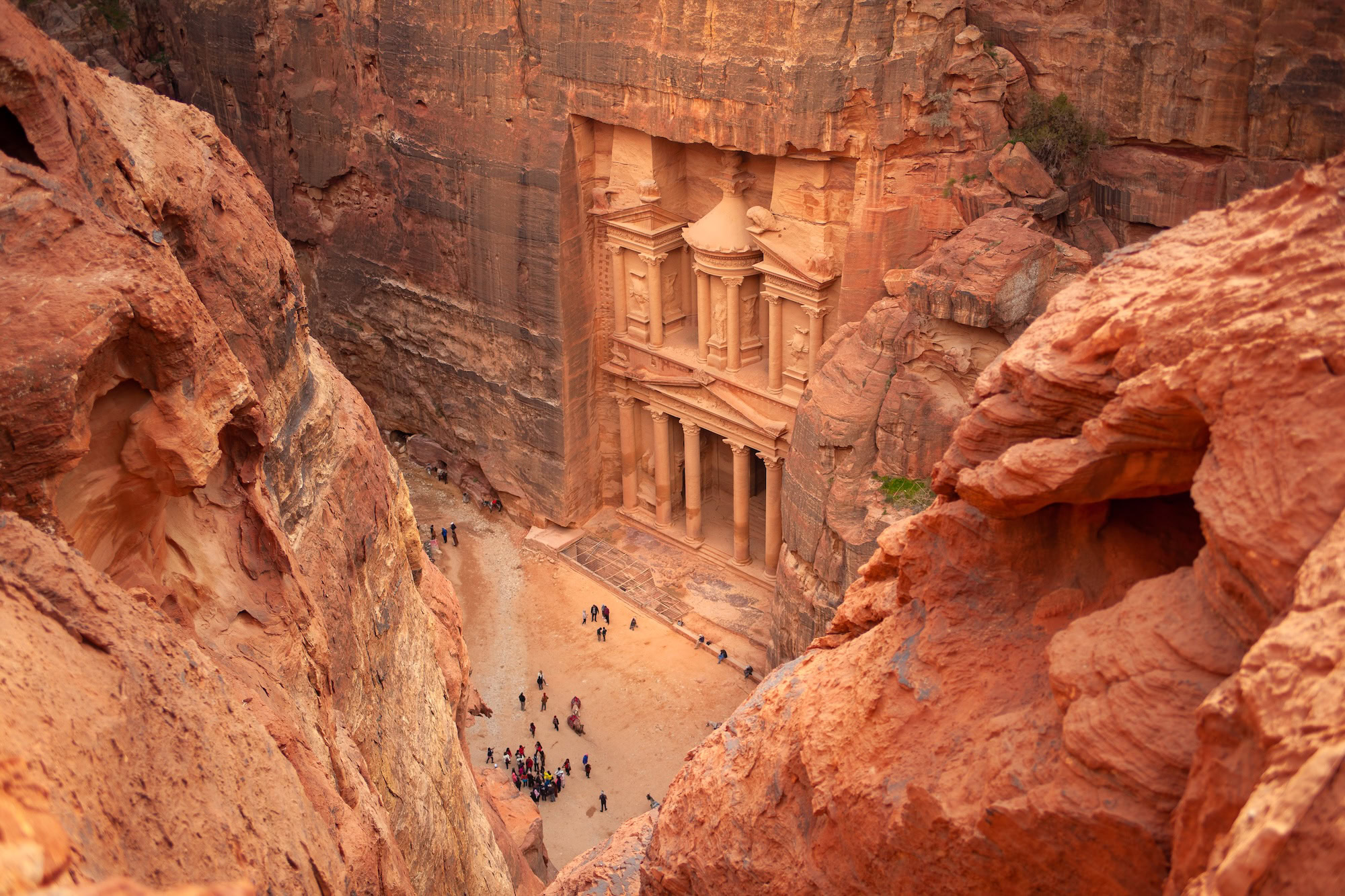
Petra demands multiple days to fully appreciate its architectural marvels carved into rose-red sandstone. The Treasury facade, standing 40 meters (131 feet) tall, represents just one percent of this vast archaeological site. Our expert guides lead you through lesser-known tombs and temples that most visitors never discover.
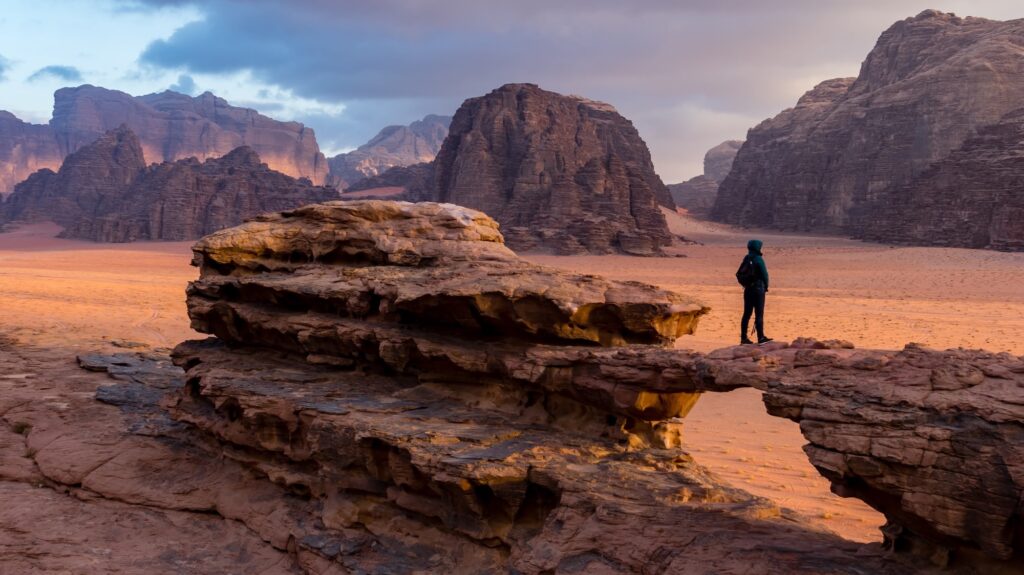
Wadi Rum’s protected desert ecosystem offers adventure activities impossible in Egypt. Rock climbing, camel trekking, and overnight camping under unpolluted night skies create memories that complement Egypt’s museum-focused experiences. The desert’s red sand dunes and natural rock bridges formed landscapes that Hollywood directors chose to represent Mars itself.
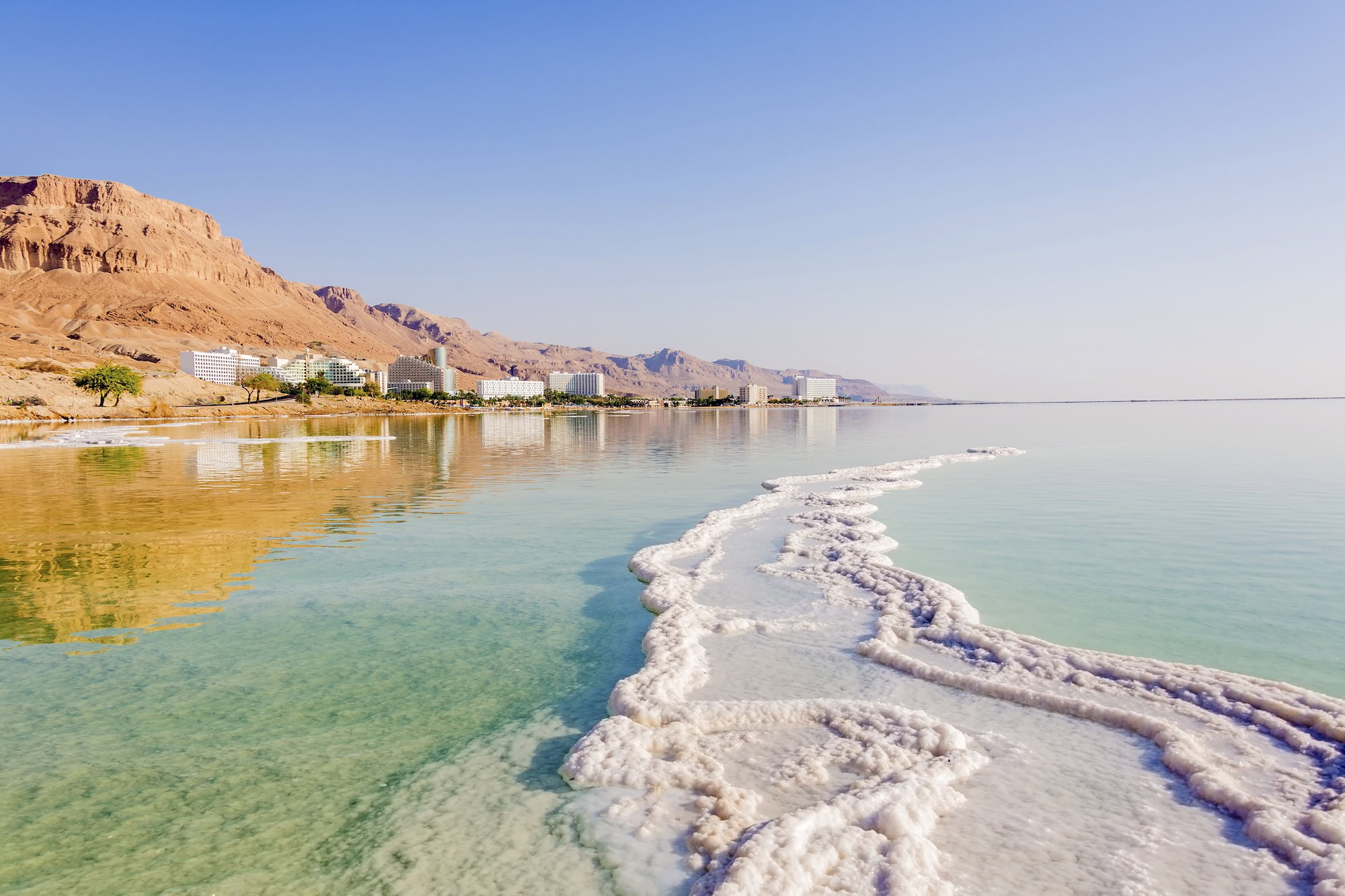
The Dead Sea, Earth’s lowest point at 428 meters (1,404 feet) below sea level, provides unique spa experiences.
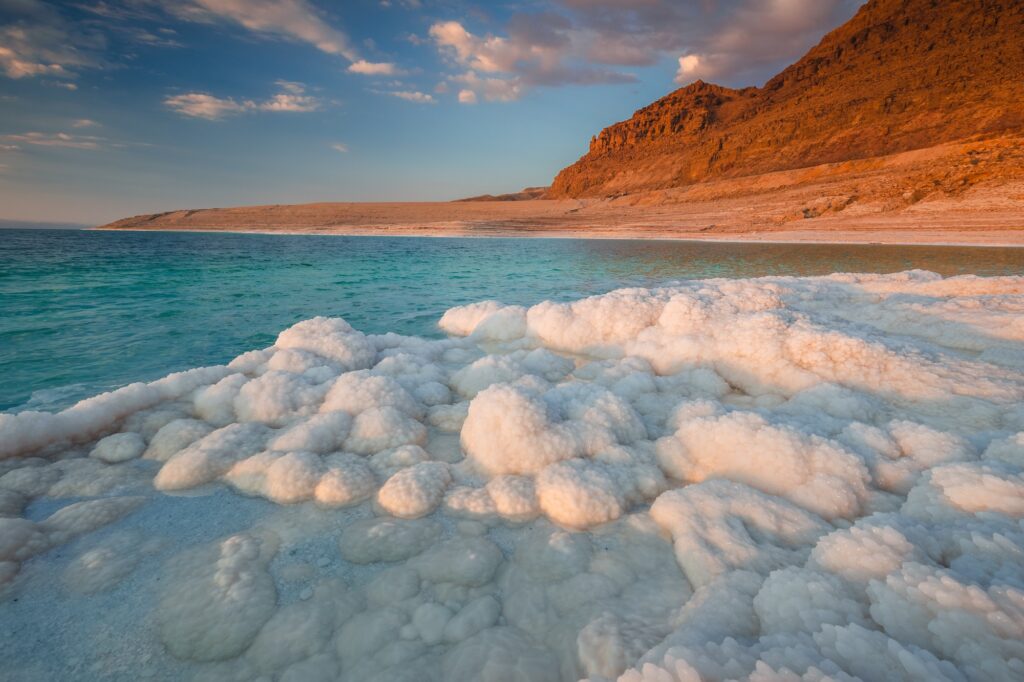
The mineral-rich waters and therapeutic mud offer natural healing treatments while the surrounding luxury resorts ensure comfortable relaxation between intensive sightseeing days.
Tour Duration and Itinerary Options
Combined Egypt and Jordan tours typically span 10-15 days, allowing sufficient time for both countries’ major highlights without exhausting daily schedules. Our most popular 12-day itineraries dedicate 7-8 days to Egypt and 4-5 to Jordan, creating balanced experiences that satisfy diverse travel interests.
Short Combination Tours (10-12 Days)
These condensed itineraries focus on absolute must-see destinations: Giza Pyramids, Grand Egyptian Museum, Luxor’s major temples, Petra, and Wadi Rum. We include domestic flights to maximize sightseeing time rather than spending days on overland travel. Most travelers find 10-12 days sufficient for first visits, especially when combined with future return trips to explore areas that captured their particular interest.
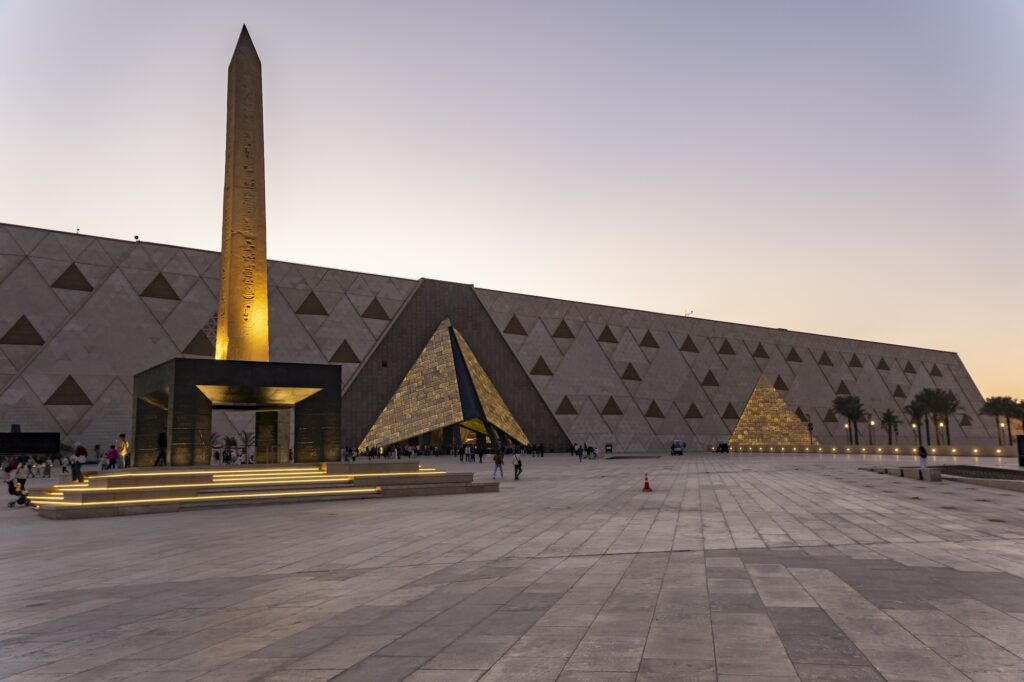
Short tours work well for travelers with limited vacation time or those testing their interest in Middle Eastern destinations. The pace remains comfortable while covering essential highlights that define both countries’ tourism appeal.
Extended Journey Options (14-18+ Days)
Longer itineraries allow for deeper cultural immersion and, from around 15 days and up, typically include a third destination alongside Egypt and Jordan. This approach is ideal for travelers who want to make the most of a long-haul journey and experience more of the region in one seamless trip.
Extended time in Egypt may include Alexandria’s Mediterranean atmosphere, Red Sea stays in Hurghada or Sharm El Sheikh, or longer Nile cruise routes that reach lesser-visited temples between Luxor and Aswan. These additions add variety and a more relaxed rhythm to the Egyptian portion of the journey.

Beyond Egypt and Jordan, many longer tours naturally expand to a third country such as Israel, Dubai, or Morocco, depending on travel style and interests. These combinations add a modern, cultural, or coastal contrast to the ancient history of Egypt and the landscapes of Jordan.
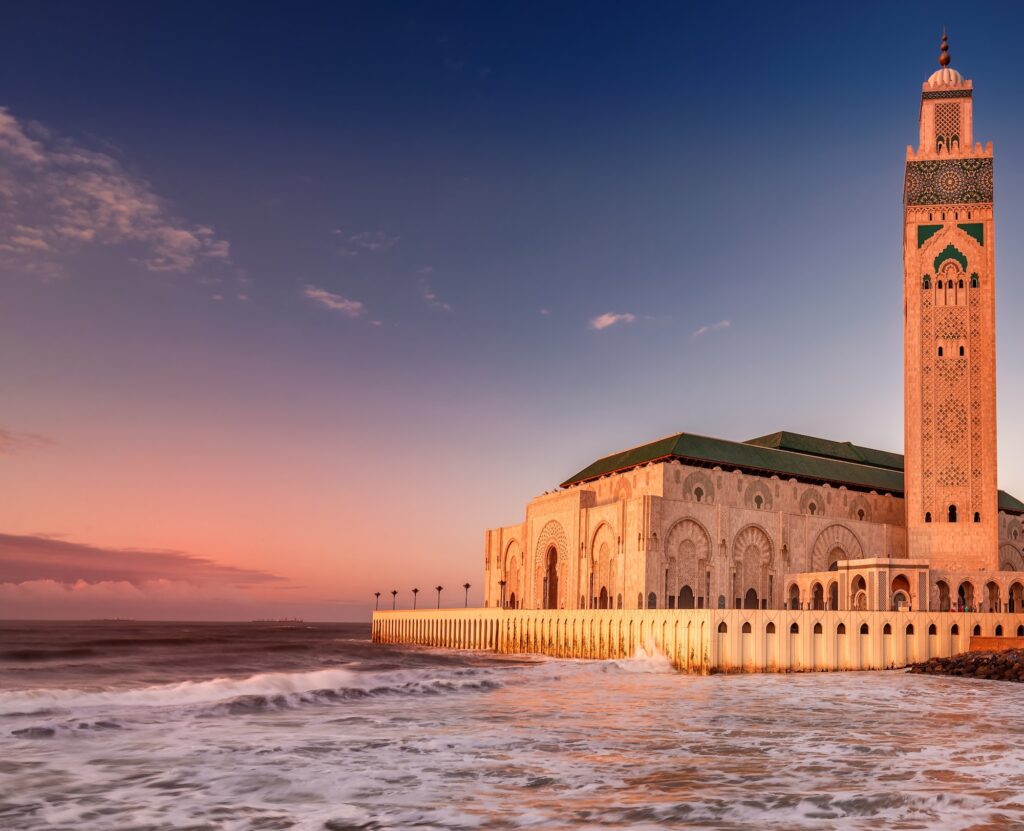
With extra days, the pace becomes noticeably more relaxed, allowing for spontaneous moments, fewer early starts, and more time to truly absorb each destination. This makes extended itineraries especially popular for milestone celebrations, longer holidays, or once-in-a-lifetime journeys where depth and balance matter more than ticking boxes.
Private Egypt and Jordan Tours: Comfort Levels, Inclusions & Pricing
Our Egypt and Jordan Tours are primarily private, tailor-made journeys, designed around your preferences rather than fixed group schedules. All itineraries include private transportation, carefully selected hotels, and dedicated local guides in both Egypt and Jordan to ensure a smooth, personal experience from start to finish.
Accommodation typically ranges from high-quality 4-star to luxury 5-star hotels, depending on your chosen comfort level. Where Nile cruises are included, excursions are conducted in small, well-managed groups (usually up to 12 guests), which allows for a more relaxed and engaging experience compared to large-scale cruise tours.

Higher-end options focus on enhanced comfort, premium hotel selections, and greater flexibility in pacing and daily planning. These tours are ideal if you value privacy, upgraded services, and a more refined travel experience across both countries.
As a general guideline, Egypt and Jordan Tours typically range from around $2,400 to $6,500+ per person, depending on travel season, accommodation level, duration, and whether additional destinations or upgrades are included. Every itinerary is priced individually based on your exact travel style and expectations.
Planning Your Egypt and Jordan Adventure
Best Travel Seasons
October through April provides optimal weather conditions for both countries, with comfortable daytime temperatures averaging 20-25°C (68-77°F) and cool evenings perfect for outdoor dining. This period avoids summer heat that can exceed 40°C (104°F) in desert regions, making extensive walking tours uncomfortable.
Winter months (December-February) offer the most pleasant conditions but represent peak tourist season with higher accommodation rates and busier archaeological sites. Spring (March-April) and fall (October-November) provide excellent weather with moderate pricing and fewer crowds at popular destinations.
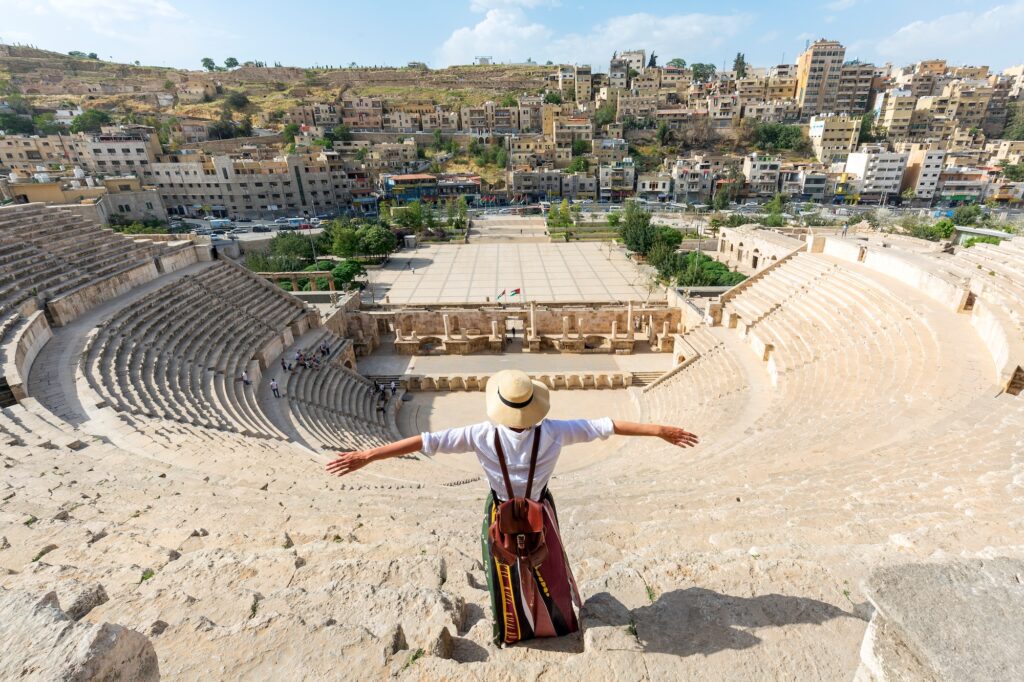
Summer tours remain possible with adjusted schedules emphasizing early morning activities and afternoon indoor experiences. Some travelers actually prefer summer’s intense heat for authentic desert experiences, though we recommend extended midday breaks in air-conditioned environments.
Visa Requirements and Entry Process
Visa requirements for Egypt and Jordan Tours vary depending on your nationality, but the process is straightforward for most travelers. Citizens from the United States, Europe, Latin America, and many Asian countries can typically obtain tourist visas either on arrival or via advance e-visa applications.
For Egypt, tourist visas are commonly issued for 30-day stays, while Jordan offers visa-free or visa-on-arrival entry for many nationalities, particularly when arriving at Queen Alia International Airport. Some passport holders may require advance arrangements, depending on nationality and current regulations.
Our travel coordinators provide country-specific visa guidance during the booking process and assist with arrival procedures where applicable. We ensure you know exactly what to expect before departure, including required documents and entry formalities.
As a general requirement, passports should be valid for at least six months beyond your return date and have sufficient blank pages for entry stamps and visas. Any special requirements will be clearly communicated well in advance, so you can travel with confidence and peace of mind.
Packing and Preparation Essentials
Conservative dress codes apply at religious sites in both countries, requiring covered shoulders and knees regardless of gender. We recommend lightweight, long-sleeved clothing for sun protection and cultural respect, plus comfortable walking shoes with ankle support for extensive archaeological site exploration.
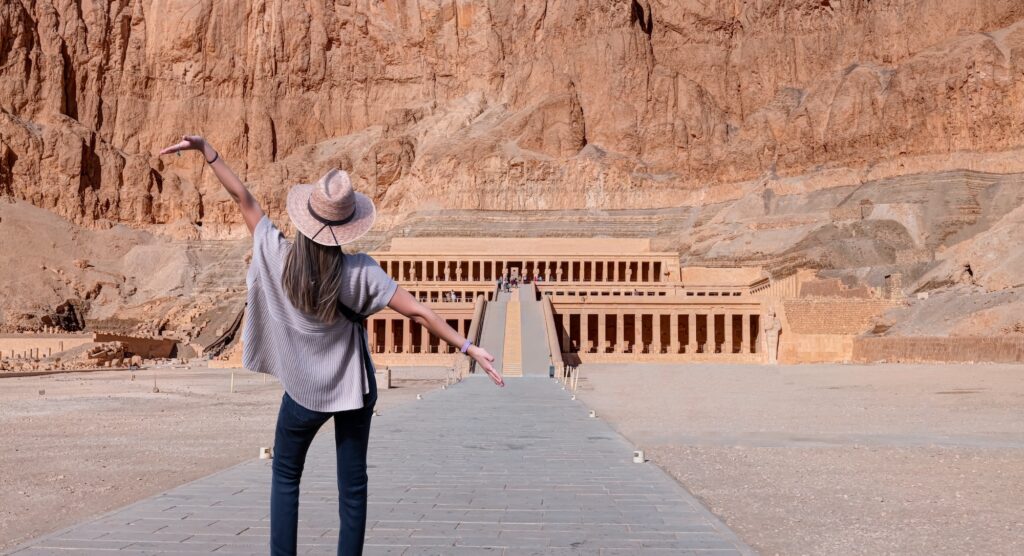
Essential items include high-SPF sunscreen, wide-brimmed hats, and portable water bottles – dehydration occurs rapidly in desert climates even during cooler months. Camera equipment should include extra batteries and memory cards, as charging opportunities may be limited during desert camping portions of Jordan itineraries.
Medical preparations should include basic first aid supplies and any prescription medications in original containers. While both countries maintain good medical facilities in major cities, remote archaeological sites and desert locations require self-sufficiency for minor health issues.
Cultural Experiences and Local Interactions
Authentic Egyptian Encounters
Traditional cooking classes in Cairo’s Khan el-Khalili bazaar teach authentic Egyptian cuisine preparation using ingredients purchased from local merchants. These hands-on experiences typically last 3-4 hours, including market tours where vendors explain spice usage and regional specialties. Participants prepare dishes like koshari, molokheya, and traditional bread while learning about Islamic dietary customs and family meal traditions.

Home visits with Nubian families near Aswan provide intimate glimpses into modern Egyptian life away from tourist areas. These carefully arranged cultural exchanges include traditional coffee ceremonies, henna painting demonstrations, and storytelling sessions where elders share oral histories passed through generations. Such interactions create lasting friendships that often continue through social media connections long after tours conclude.
Jordanian Cultural Depth
Bedouin camping experiences in Wadi Rum include traditional goat hair tent accommodations and authentic desert meals prepared in underground sand ovens. Local families share navigation techniques using stars and landmarks while demonstrating traditional crafts like camel hair weaving and silver jewelry making. These overnight experiences cost approximately $150-200 per person and include transportation, meals, and cultural activities.
Urban cultural experiences in Amman might include visits to local art galleries, contemporary music performances, or discussions with university students about modern Middle Eastern life. Such activities balance ancient history with contemporary perspectives, helping travelers understand how past civilizations influence present-day cultures.

Village homestays in northern Jordan expose travelers to agricultural life and traditional hospitality customs. Families often invite guests to participate in olive harvesting, bread baking, or sheep herding depending on seasonal activities occurring during visit periods.
Adventure Activities and Unique Experiences
Desert Adventures in Both Countries
Egypt’s White Desert National Park offers camping experiences among limestone formations sculpted by wind erosion into mushroom-like shapes. These geological wonders create surreal landscapes photographed for international travel magazines and documentaries. Overnight camping includes traditional Bedouin meals and star-gazing sessions in areas with minimal light pollution.
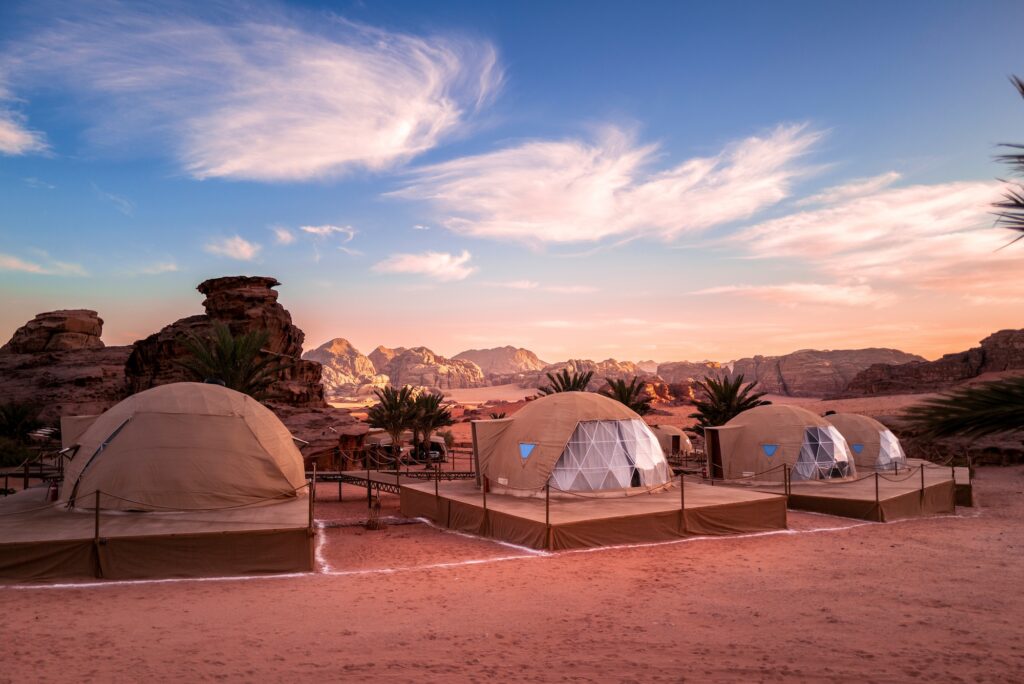
Wadi Rum’s adventure activities extend beyond basic camel trekking to include rock climbing, rappelling, and hot air balloon rides over dramatic canyon landscapes. The protected area covers 720 square kilometers (278 square miles) of diverse terrain including natural rock bridges, narrow canyons, and ancient petroglyphs dating back 12,000 years.
Water-Based Activities
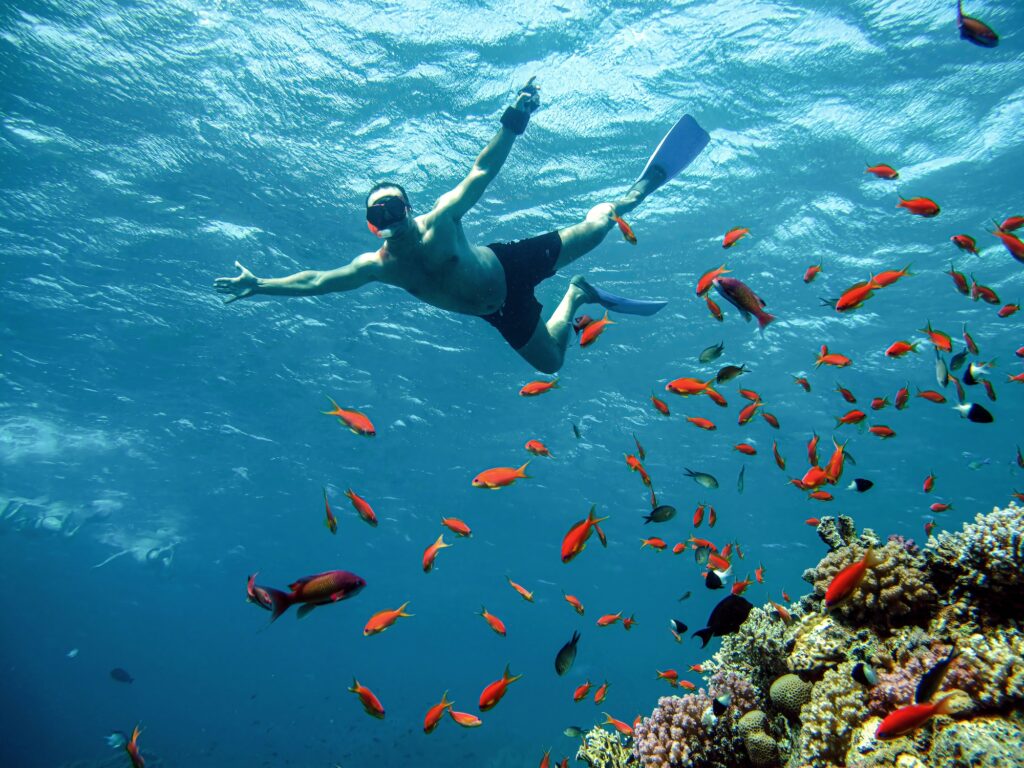
Red Sea snorkeling and diving from Egyptian coastal cities like Hurghada provide access to coral reefs ranked among the world’s most biodiverse. These marine environments support over 1,000 fish species and 200 coral varieties in waters maintaining year-round temperatures between 22-28°C (72-82°F). Day trips typically include equipment, instruction, and boat transportation to pristine reef locations.
Dead Sea floating experiences require no swimming ability – the water’s 34% salt content makes sinking impossible. The mineral composition provides natural spa treatments for skin conditions while the unique environment creates memorable photographic opportunities. Luxury resorts along the shoreline offer mud wraps, massage treatments, and infinity pools overlooking this biblical landscape.
Archaeological Adventure Components
Private after-hours access to major sites like the Valley of the Kings or Petra’s Treasury creates exclusive experiences impossible during regular tourist hours. These special arrangements typically cost $200-500 per person depending on site and group size, but provide unparalleled photography opportunities and peaceful contemplation of ancient achievements.
Archaeological workshops led by working excavation teams offer hands-on experiences in sites currently under scientific investigation. Participants learn proper excavation techniques, artifact classification systems, and documentation procedures used by professional archaeologists. Such programs typically last 2-3 days and include accommodation in field camps.
Accommodation Standards and Options
Our Egypt and Jordan tour accommodations range from comfortable four-star properties to ultra-luxury five-star resorts, selected for location convenience, cultural authenticity, and service quality. We prioritize top-rated properties within walking distance of major attractions or offering unique historical character that enhances overall travel experiences.
In Egypt, luxury options include the historic Old Winter Palace in Luxor, where Agatha Christie wrote “Death on the Nile,” or modern Five-Star Nile view suites in Cairo providing pyramid views from private balconies. Standard accommodations maintain international comfort standards while offering authentic Egyptian architectural details and locally-sourced furnishings.
Jordanian properties range from Petra’s luxury eco-lodges built into surrounding cliffs to desert camps in Wadi Rum featuring traditional Bedouin designs with modern amenities. Dead Sea resorts provide world-class spa facilities and private beach access for therapeutic treatments using local minerals and mud.
Desert camping experiences utilize comfortable permanent tent structures with private bathrooms, electricity, and heating systems for cool desert nights. These “glamping” options provide authentic outdoor experiences without sacrificing basic comfort necessities that enhance rather than detract from adventure activities.
Transportation and Logistics
Our Egypt and Jordan tours include private, air-conditioned vehicles with professional drivers experienced in tourist route navigation and archaeological site access. Modern vehicle fleets receive regular maintenance and safety inspections while meeting international insurance standards for passenger protection. Domestic flights between major cities eliminate lengthy overland travel while maximizing sightseeing time.
Inter-country transportation typically utilizes direct flights between Cairo and Amman, operated by reputable carriers like Royal Jordanian Airlines or EgyptAir. Flight times average 1.5 tours, with our coordinators handling check-in procedures, luggage transfers, and customs clearance to minimize travel stress during what should be vacation experiences.

Border crossing procedures between Egypt and Jordan remain straightforward for tourists holding valid visas, though we handle documentation verification and customs procedures to prevent delays. Our local representatives meet groups at each airport to ensure smooth transitions between countries and immediate tour commencement.
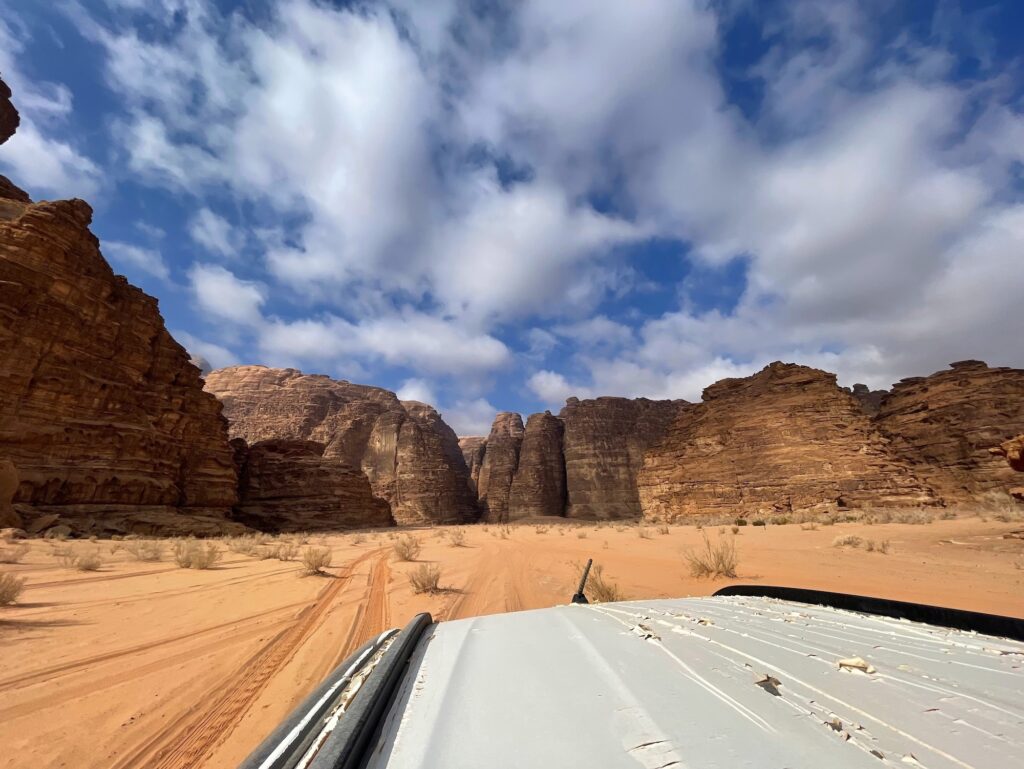
Ground transportation within each country utilizes different vehicle types based on group size and terrain requirements. Desert excursions might require 4WD vehicles for sand driving safety, while city touring uses comfortable sedans or minibuses depending on group composition. All drivers speak English and receive regular training in tourist service standards.
Pricing Structure and Value Considerations
Egypt and Jordan combination tours typically cost 20-30% less than booking separate individual country visits, due to shared transportation costs, bulk accommodation rates, and coordinated logistics reducing duplicate expenses. Our 12-day standard packages range from $2,400-$4,200 per person in double occupancy, while luxury versions cost $4,500-$7,500 per person depending on accommodation selections and activity inclusions.
Peak season pricing (December-March) commands premium rates due to optimal weather conditions and increased demand, while shoulder seasons (April-May and September-November) offer 15-25% savings with equally comfortable temperatures and fewer crowds at major attractions. Summer pricing provides maximum savings but requires tolerance for intense heat during midday hours.
Single traveler supplements typically add 60-90% to base pricing due to accommodation costs. Group discounts apply for parties of eight or more, with savings increasing based on final group size and selected accommodation levels.
All pricing includes international flights within the region, private transportation, accommodation, most meals, entrance fees, professional guides, and 24/7 customer support throughout the journey. Additional costs include international flights to/from home countries, optional activities, personal shopping, and gratuities for guides and drivers.
Frequently Asked Questions
Are Egypt and Jordan tours safe for American tourists?
Both countries maintain strong tourism security measures with dedicated tourist police and established safety protocols for international visitors at all major attractions.
What vaccinations are required for Egypt and Jordan travel?
No special vaccinations are mandatory for either country, though routine immunizations should be current and hepatitis A vaccination is recommended for food safety.
Can vegetarians and people with dietary restrictions be accommodated?
Yes, both countries offer excellent vegetarian cuisine options, and we coordinate with restaurants and hotels to accommodate specific dietary needs including halal, kosher, and gluten-free requirements.
Is it possible to extend tours to include other Middle Eastern countries?
We can arrange extensions to include Israel, Lebanon, or other regional destinations, though additional visa requirements and logistics coordination may apply.
What should I expect regarding shopping and bargaining in local markets?
Bargaining is expected in traditional markets, with initial prices typically 3-4 times final acceptable amounts. Our guides provide bargaining tips and accompany groups to ensure fair pricing.
How much cash should I bring, and are credit cards widely accepted?
We recommend $200-300 cash for incidental expenses, tips, and small purchases. Major hotels and restaurants accept credit cards, though small vendors and traditional markets prefer cash payments.
What is the dress code for visiting religious sites and archaeological areas?
Conservative clothing covering shoulders and knees is required at religious sites for all visitors regardless of gender, while comfortable walking shoes are essential for extensive archaeological exploration.
Are there age restrictions or physical fitness requirements for these tours?
Most tour activities accommodate all fitness levels, though extensive walking is required at archaeological sites. We can modify itineraries for travelers with mobility limitations or specific physical considerations.
How do combined tours compare cost-wise to separate country visits?
Combined tours typically cost 20-30% less than booking separate trips due to shared logistics, bulk rates, and coordinated transportation reducing duplicate expenses.
What happens if weather or political situations affect planned itineraries?
We maintain flexible backup plans and alternative activities for weather disruptions, while our 24/7 support team monitors regional conditions to ensure safe, enjoyable experiences throughout your journey.
Design Your Custom Tour
Explore Egypt and Jordan your way by selecting only the attractions you want to visit