


Journey through history with comfort and confidence
Egypt and Turkey Tours
Our Egypt and Turkey Tours bring you from the temples of the pharaohs to the vibrant streets of Istanbul in an epic, tailor-made adventure. With 70+ years of expertise, private guides, and your own personal driver, every step is arranged for comfort and confidence.
Egypt and Turkey Tours
Planning the perfect dual-destination journey through Egypt and Turkey can transform an ordinary vacation into an extraordinary exploration.
These two nations represent some of humanity’s most significant historical achievements. Egypt offers the world’s most famous pyramids, temples, and pharaonic treasures, while Turkey bridges Europe and Asia with Byzantine churches, Ottoman palaces, and Cappadocia’s surreal landscapes. We’ve designed comprehensive itineraries that showcase both countries’ highlights without the rushed feeling of typical multi-country tours.

Most travelers discover that combining these destinations creates a deeper understanding of ancient civilizations. The strategic location of both countries along historic trade routes means their histories intertwine in fascinating ways.
Why Egypt and Turkey Work Perfectly Together
Turkey’s rich tapestry of Greek, Roman, Byzantine, and Ottoman influences complements Egypt’s pharaonic and Islamic heritage beautifully. Both countries offer world-class archaeological sites, vibrant bazaars, and welcoming cultures that embrace visitors with genuine hospitality.
The practical benefits make this combination even more appealing. Flight connections between Cairo and Istanbul are frequent and affordable. The time zones differ by only one hour, minimizing jet lag concerns. Both destinations offer excellent value for money, with luxury accommodations and experiences priced significantly lower than Western European equivalents.
Climate Considerations
Egypt maintains warm, dry weather year-round, making it ideal for temple visits and Nile cruises. Turkey’s diverse geography means Mediterranean coastal regions enjoy mild temperatures, while central Cappadocia offers crisp, clear days perfect for balloon rides and cave exploration.

Cultural Transitions
The transition between these cultures feels natural rather than jarring. Both countries blend ancient traditions with modern conveniences. Turkish hospitality mirrors Egyptian warmth, creating consistency in your travel experience while offering distinct flavors and perspectives.
Popular Egypt Turkey Tour Combinations
Most successful itineraries dedicate 10-14 days to properly explore both countries. We recommend starting in Turkey to ease into the Middle Eastern experience, then moving to Egypt for the grand finale of pyramids and Nile journeys.
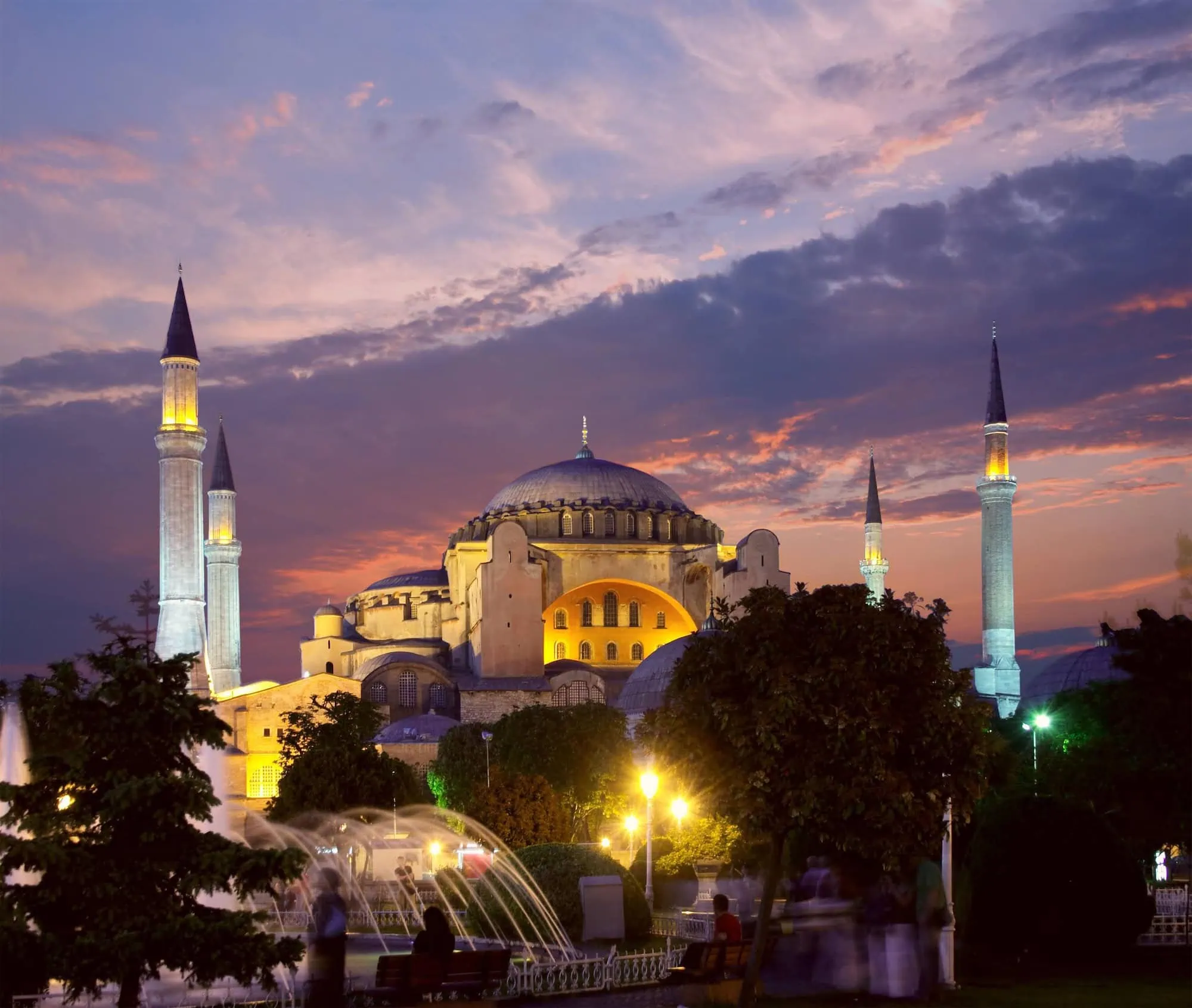
The classic route begins with 4-5 days exploring Istanbul’s Hagia Sophia, Blue Mosque, and Grand Bazaar. Cappadocia follows with 2-3 days of cave hotels, hot air balloon rides over fairy chimneys, and underground city exploration.
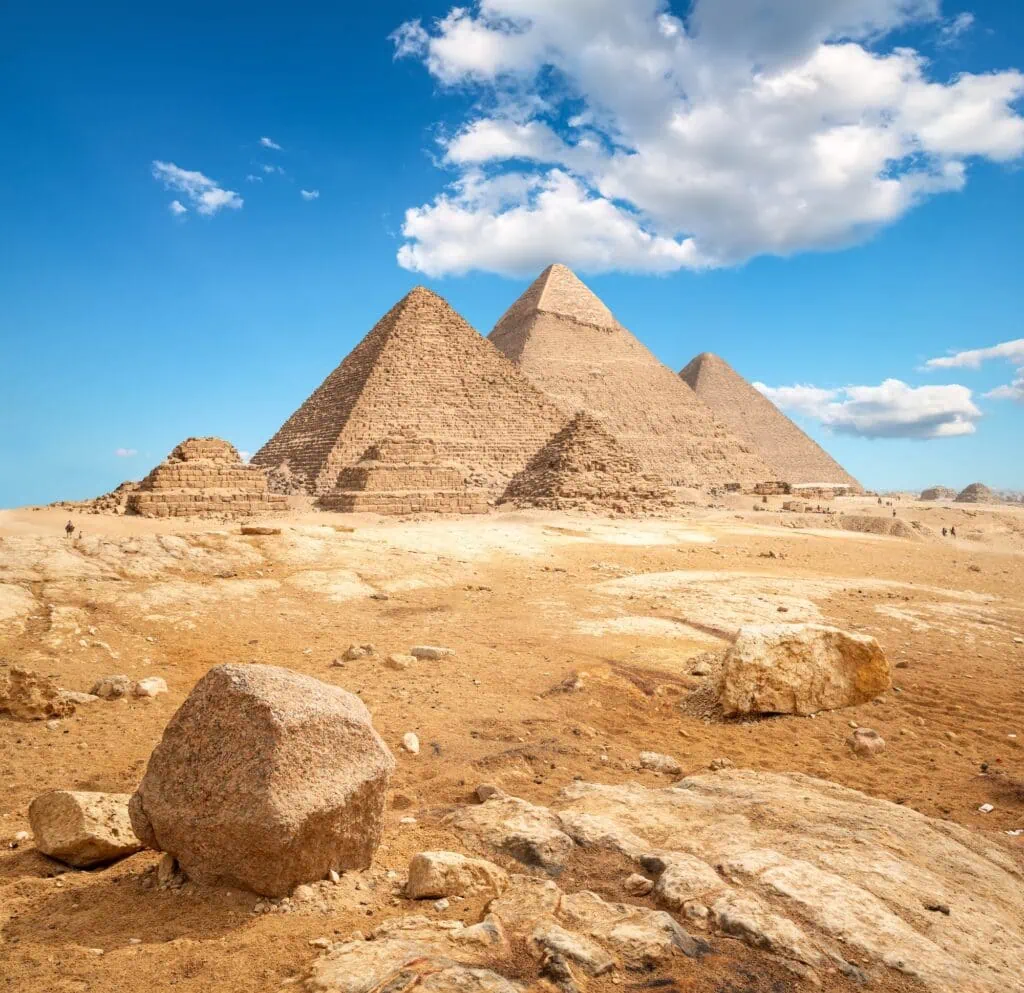
The Egyptian portion typically includes 3-4 days in Cairo visiting the Giza pyramids, Egyptian Museum, and Khan el-Khalili bazaar, followed by 3-4 days in Luxor and Aswan exploring temples and enjoying a Nile cruise.
Istanbul and Cairo Connection
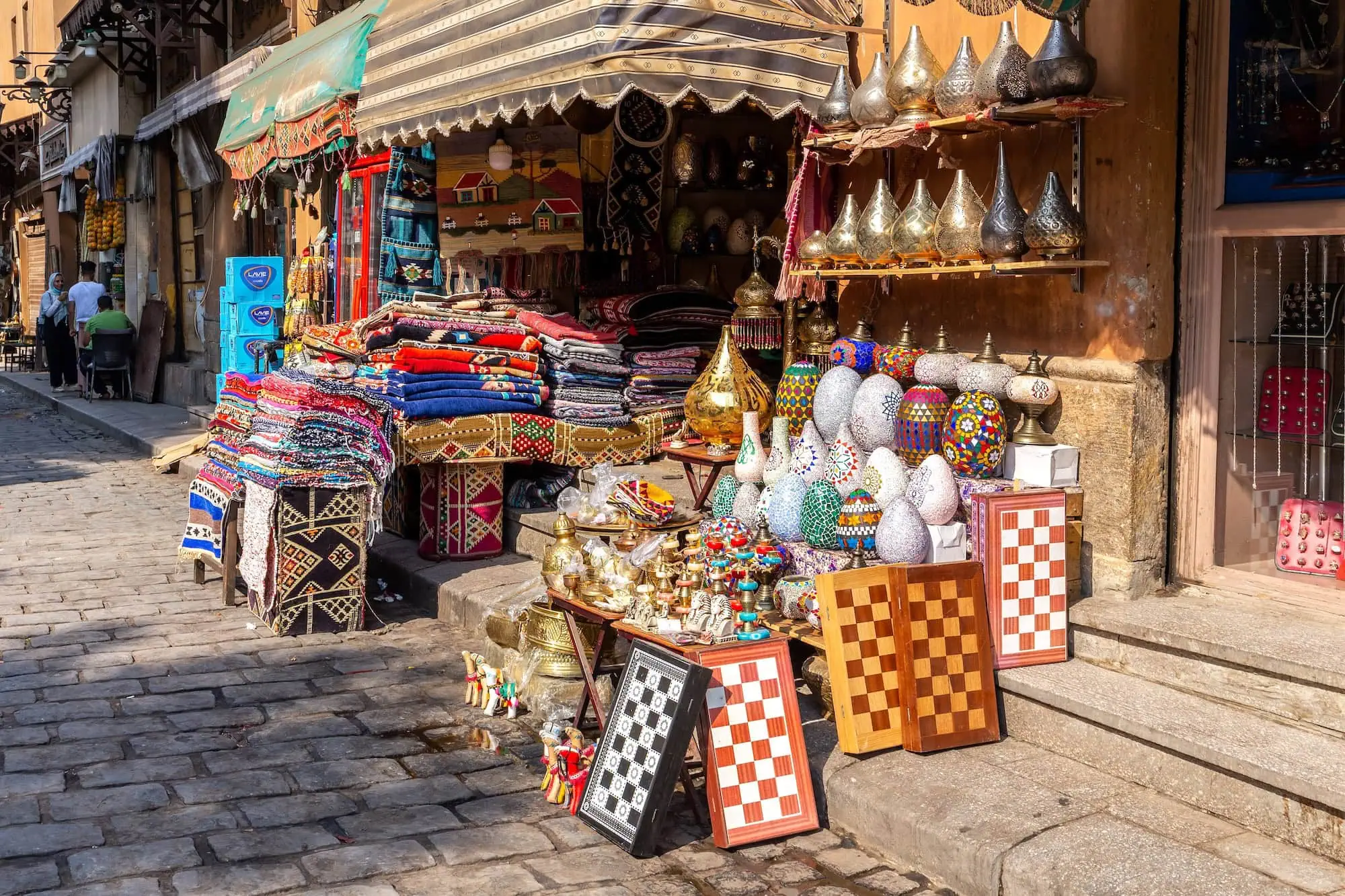
These capital cities share remarkable similarities despite their different continents. Both straddle strategic waterways – the Bosphorus and the Nile respectively. Their bazaars buzz with similar energy, offering carpets, spices, jewelry, and handcrafts. The transition between Turkish coffee culture and Egyptian tea traditions feels comfortable and familiar.
Ancient Sites Comparison
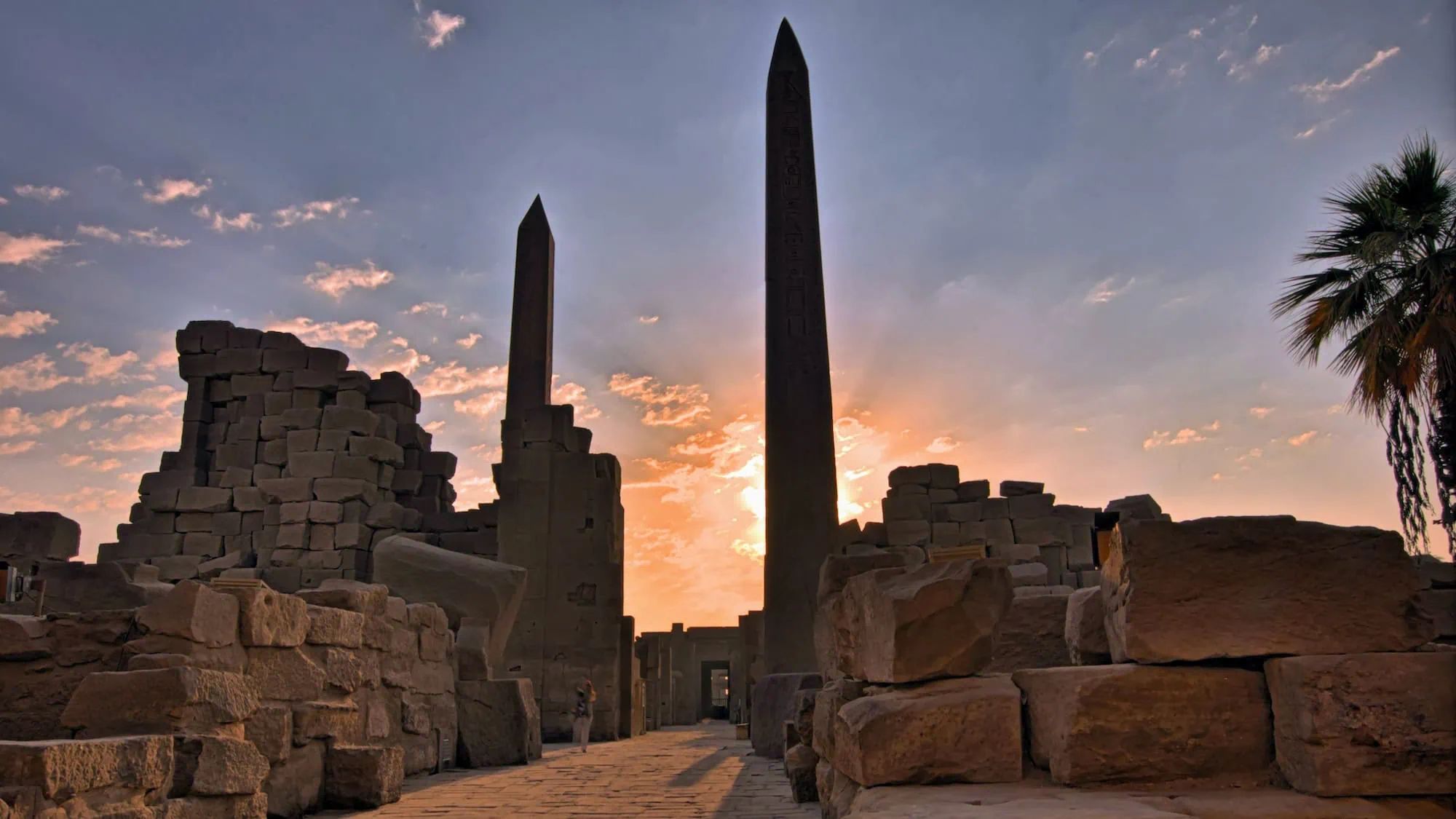
Turkey’s Ephesus rivals Luxor’s temple complexes in scale and preservation. Both countries offer the rare opportunity to walk through structures that are thousands of years old. The rock-cut churches of Cappadocia echo the architectural techniques found in Abu Simbel’s cliffs.
Coastal Extensions
Many travelers add Turkish Mediterranean coast time in Antalya or extend their Egyptian experience with Red Sea relaxation in Hurghada or Sharm El Sheikh. These coastal additions provide perfect downtime between intensive sightseeing periods.
Best Time to Visit Both Countries
Spring months from March through May offer ideal weather conditions across both destinations. Temperatures remain comfortable for extensive walking and outdoor activities. Summer heat in Egypt can be intense, reaching 40°C (104°F), while Turkish summers stay more moderate at 30°C (86°F).

Winter presents unique advantages for budget-conscious travelers. Egypt enjoys perfect weather with daytime temperatures around 25°C (77°F), while Turkey’s indoor attractions like Istanbul’s museums and Cappadocia’s underground cities provide excellent alternatives to outdoor sightseeing.
Fall brings perhaps the most balanced experience. September through November delivers comfortable temperatures, fewer crowds, and often the best photography lighting conditions at major monuments.
Logistics and Planning Essentials
Visa requirements vary by nationality but remain straightforward for most visitors. U.S. citizens need e-visas for Turkey (obtained online for $50) and visas on arrival for Egypt ($25 at airports). Europeans enjoy visa-free Turkey access for 90 days, while Egypt requires the same visa on arrival. Other nationalities should check current requirements, as policies occasionally change.
Internal transportation between highlights works efficiently in both countries. Turkey’s domestic flights connect Istanbul to Cappadocia in 90 minutes, while overnight trains offer scenic alternatives. Egypt’s domestic flights link Cairo to Luxor and Aswan quickly, though many travelers prefer the leisurely Nile cruise option for the southern route.
Currency considerations require minimal planning. Both countries widely accept U.S. dollars and euros, though local currency provides better exchange rates. Credit cards work in hotels and restaurants, but cash remains essential for bazaar shopping and small vendors.
Accommodation Standards
Both countries offer excellent luxury hotels and boutique properties. Turkey’s cave hotels in Cappadocia and Ottoman mansions in Istanbul provide unique experiences. Egypt’s historic hotels like the Old Winter Palace in Luxor and modern Nile cruise ships offer comparable comfort levels.
Budget and mid-range options maintain good standards in both destinations. Family-run hotels and guesthouses provide authentic local experiences with personal attention that larger properties cannot match.
Cultural Experiences and Local Customs
Turkish and Egyptian cultures share certain Middle Eastern traditions while maintaining distinct personalities. Both countries observe Islamic customs, meaning modest dress at religious sites shows proper respect. However, tourist areas in both nations remain relaxed about Western clothing styles.
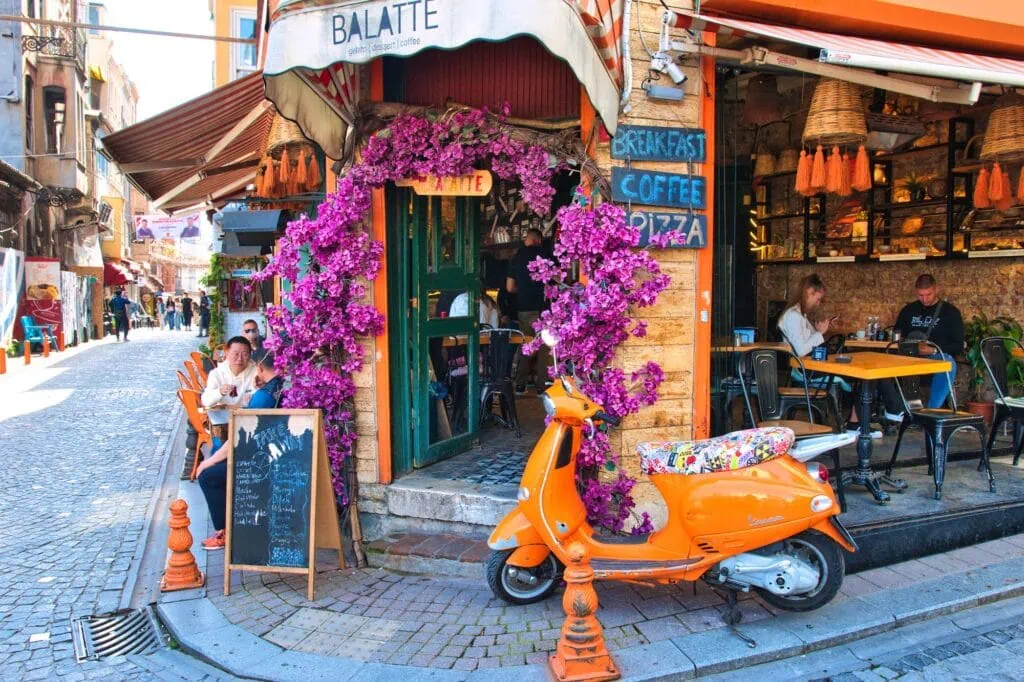
Dining experiences showcase each country’s unique flavors. Turkish cuisine features Mediterranean influences with fresh vegetables, grilled meats, and diverse mezze plates. Egyptian food tends toward heartier fare with rich stews, fresh bread, and Nile-fresh fish. Both cultures pride themselves on hospitality, often inviting guests to share meals or tea.
Shopping and Bargaining
Bazaar culture thrives in both countries, requiring similar negotiation skills. Turkish carpets, ceramics, and leather goods complement Egyptian papyrus, jewelry, and spices perfectly. Starting prices typically run 3-4 times the expected final cost, making bargaining an essential skill and cultural exchange.
Private vs Group Options
Private tours offer maximum flexibility for both countries. Our expert guides customize daily schedules based on personal interests and energy levels. Private transportation eliminates waiting for group members and allows spontaneous discoveries.
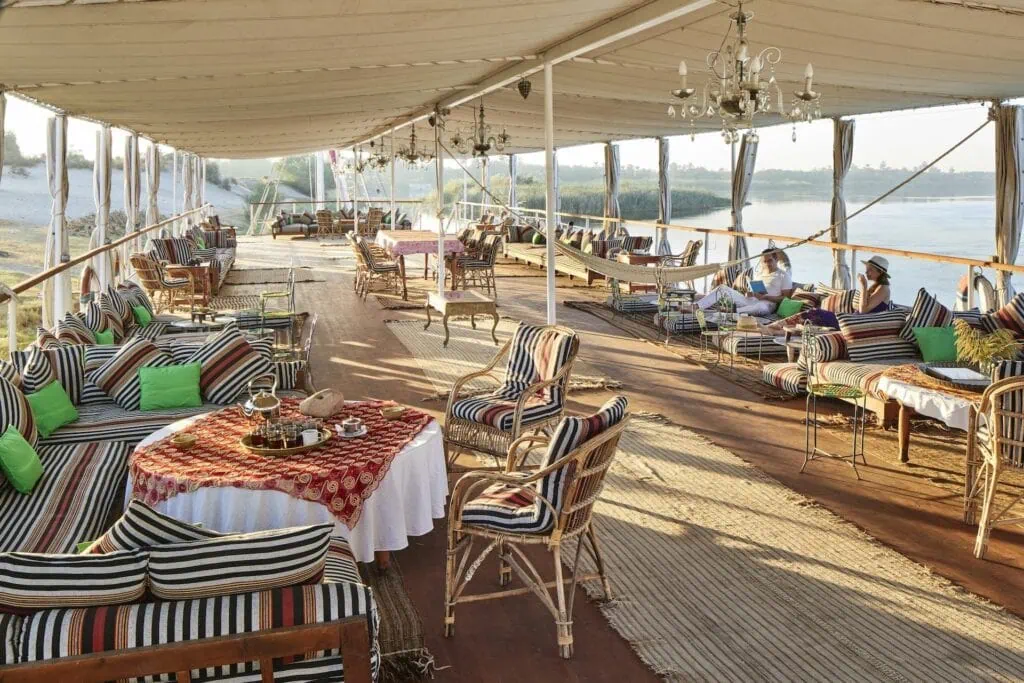
Small group tours (maximum 12 participants) provide social interaction while maintaining intimate experiences. These work particularly well for Nile cruise portions, where the ship’s small size ensures personalized service regardless of tour type.
Transportation Between Countries
Multiple daily flights connect Istanbul and Cairo in approximately 3.5 hours. Turkish Airlines and EgyptAir offer direct services with competitive pricing. Booking through our travel partnerships often secures better rates than individual bookings.
Alternative routing through European hubs like Frankfurt or Paris can reduce costs while adding brief stopovers for rest or shopping. Some travelers enjoy this break, particularly on longer journeys from North American or Asian departure points.
Overland travel through Syria remains inadvisable due to ongoing conflicts, making air travel the practical choice for virtually all visitors.
Essential Packing Considerations
Both countries require versatile clothing options. Lightweight layers work best, with modest coverings for religious site visits. Comfortable walking shoes prove essential given the extensive exploration both destinations demand.
Egypt’s sunny climate necessitates strong sunscreen, wide-brimmed hats, and sunglasses. Turkey’s variable temperatures might require light jackets for Istanbul evenings or Cappadocia’s cooler elevations.
Photography equipment should include extra batteries and memory cards. Both countries offer spectacular sunrise and sunset opportunities that consume storage space quickly.
Frequently Asked Questions
How long should I plan for Egypt and Turkey tours?
Most comprehensive itineraries require 10-14 days to cover major highlights in both countries.
What’s the best order to visit these countries?
We recommend starting with Turkey, then finishing with Egypt’s grand monuments.
Are these tours suitable for families with children?
Both destinations welcome families with engaging historical sites and cultural experiences.
How much should I budget for combination tours?
Budget travelers need $100-150 daily, while luxury experiences range $300-500 daily per person.
Do I need special vaccinations for Egypt and Turkey?
No special vaccinations required, though routine immunizations should be current.
Can I drink tap water in both countries?
Bottled water recommended in both destinations for safety and comfort.
What currency should I bring to both countries?
U.S. dollars work everywhere, though local currency provides better exchange rates.
Is it safe to travel to Egypt and Turkey?
Both countries maintain strong tourism security and welcome millions of visitors annually.
How do tipping customs work in both countries?
Both cultures appreciate 10-15% tips in restaurants and $2-5 daily for guides.
Are these tours accessible for mobility limitations?
Many sites accommodate wheelchairs, though some ancient locations require careful planning.
Design Your Custom Tour
Explore Egypt and Turkey your way by selecting only the attractions you want to visit