


Award-winning private Egypt tours, expertly guided
Egypt Tour Packages
Our Egypt Tour Packages give you a smooth, customizable way to discover the country’s most iconic sights. With 70+ years of experience, private guides, and your own personal driver, every detail is handled effortlessly. Enjoy fully tailored itineraries and 24/7 support for a journey designed just for you.

Private Guide by Your Side
Experience Egypt with a local expert guide and personal driver by your side.

Tailored Just for You
Your trip, your pace, your style – explore Egypt exactly how you want.

Support Around the Clock
We’re here for you anytime, anywhere – before, during, and after your tour.
Search and filter by what matters most to you.
Find Your Perfect Egypt Tour
Use the filters to match your interests and travel style, and we’ll guide you to curated Egypt tours made just for you.
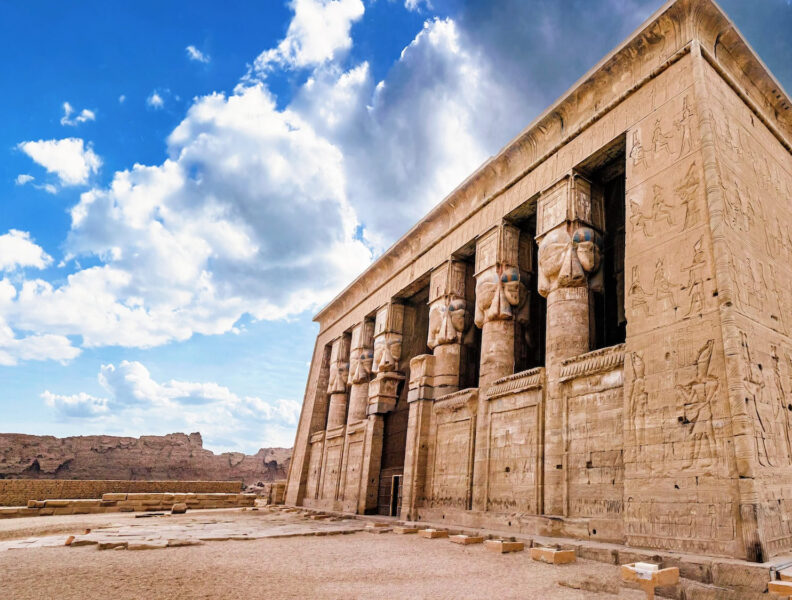
Private Egypt Tour Packages
Discover Egypt your way with private tour packages designed entirely around you.
Enjoy the freedom to explore at your own pace, with a personal expert guide who speaks your language, a dedicated driver, and a modern air-conditioned vehicle – all included to ensure a seamless, comfortable, and deeply enriching journey.
With decades of experience and thousands of happy travelers, we turn your dream trip into a reality — tailored, effortless, and unforgettable.
Private, guided, and tailored to your pace and passions
Egypt Tour Packages – Since 1955
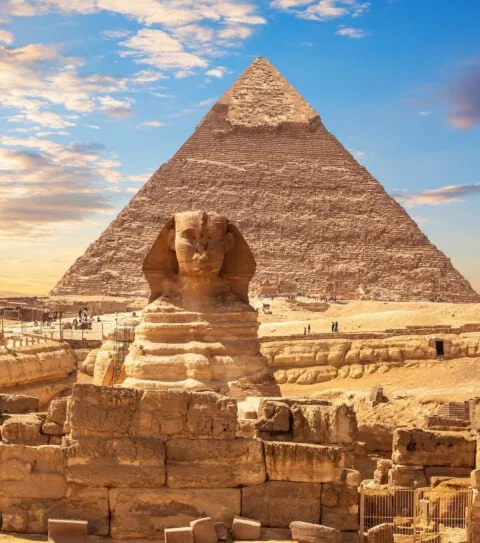
Top-Rated Egypt Tours
Step into a world of timeless wonders with our top rated private Egypt tours—expertly crafted for those who seek the extraordinary.
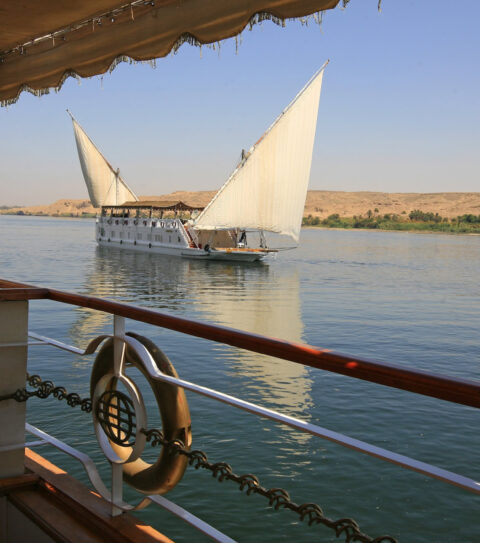
Tours w/ Nile Cruises
Sail the Nile in comfort and elegance—where every bend unveils a new chapter of Egypt’s timeless story.
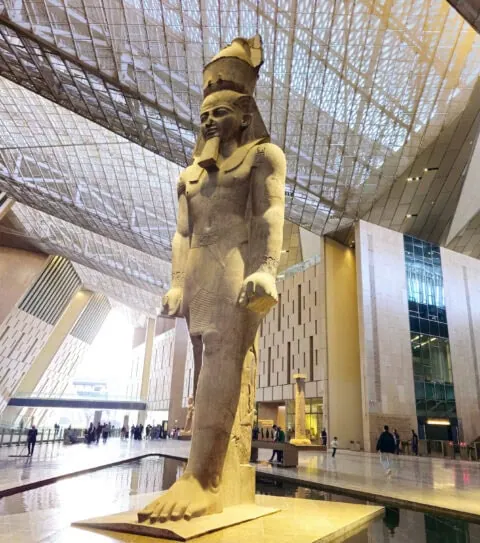
Luxury Egypt Tours
Experience Egypt in ultimate style—with private guides, 5-star comfort, and exclusive access to the most iconic wonders.
Egypt Christmas Tours
Celebrate Christmas surrounded by ancient wonders, golden sunshine, and unforgettable moments on a magical journey.
Egypt Easter Tours
Make this Easter extraordinary with a sun-filled escape to Egypt—where timeless wonders and landscapes await.
Egypt tour packages offer travelers an unforgettable blend of history, culture, and adventure. Whether you’re visiting from Europe, the Americas, Asia or the Middle East, this timeless destination captures imaginations across the globe. From ancient pyramids to vibrant markets, there’s something magical for every kind of traveler.
With so many incredible sights to explore, booking a private guided Egypt tour package ensures you experience the very best — your way, at your pace.
Before choosing your Egypt tour package, it’s helpful to understand the country’s key travel regions:
Lower Egypt
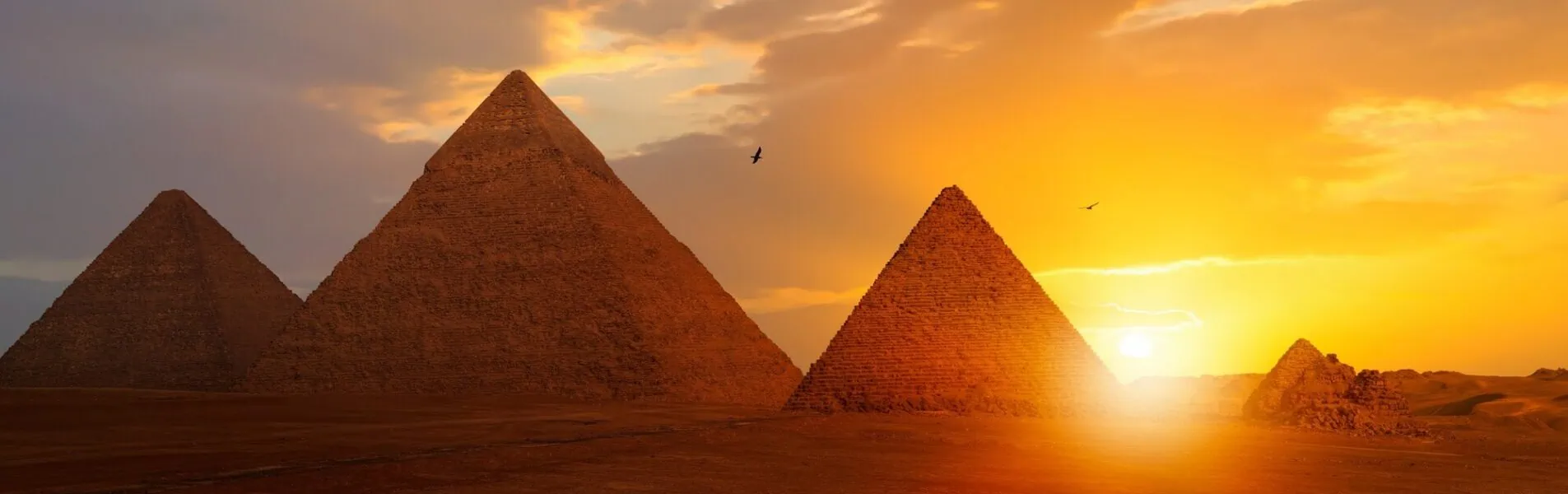
Includes Cairo and Alexandria, along with the northern Nile Delta and Mediterranean coast. Most Egypt tour packages begin in Cairo, where you’ll see the Great Pyramids of Giza, the Sphinx, the Egyptian Museum, and more.
Middle Egypt
Mostly desert and not often included in standard Egypt tour itineraries due to limited tourist sites.
Upper Egypt
Home to Luxor, Aswan, and many of the country’s most famous ancient landmarks. A Nile cruise between these cities is often the highlight of many Egypt tour packages.
Sahara Desert
Split into Eastern and Western Deserts, with the Western Desert boasting impressive oases, Roman ruins, and natural wonders.
Red Sea Coast
Ideal for beach lovers and divers. Resorts in Hurghada and Marsa Alam offer luxury and relaxation, and are easily added to your Egypt tour package.
Sinai Peninsula
Perfect for adventure seekers. Think desert safaris, hiking, and diving near Dahab and Sharm El Sheikh.
The best Egypt tour package depends on what excites you most — history, culture, cruising, or relaxing by the sea. That said, here are a few favorites:
- Cairo tours: Include the pyramids, Sphinx, Saqqara, ancient churches, and museums.
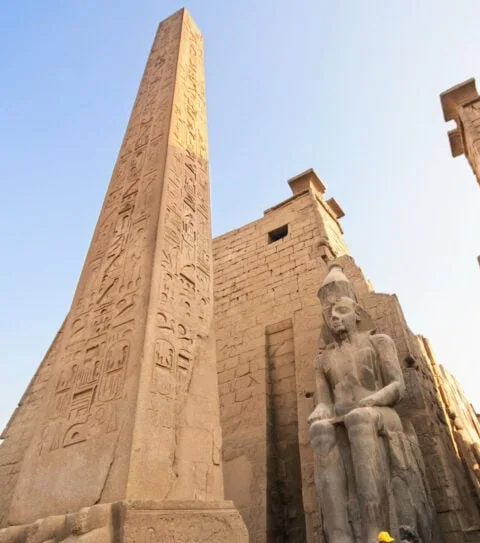
- Luxor tours: Explore temples like Karnak and Luxor, and the Valley of the Kings.
- Nile Cruise Holidays: A classic option for first-timers, offering luxury, convenience, and access to top ancient sites.
Combining Cairo and Luxor is highly recommended, and many Egypt tour packages with Nile cruise include both as part of a well-rounded itinerary.
Nile cruises are a highlight of many Egypt tour packages — and for good reason. Sailing between Luxor and Aswan, you’ll visit some of the most breathtaking temples and tombs in ancient Egypt, all while enjoying the comfort of a floating hotel.
Cruises range from 3 to 7 nights and include guided shore excursions to top sites like Karnak Temple, Philae Temple, Kom Ombo, and the Valley of the Kings in Luxor. Most ships offer modern amenities, delicious meals, and plenty of time to relax as you watch the Nile drift by.
For a well-rounded experience, we highly recommend combining Cairo — with its iconic pyramids, bustling bazaars, and fascinating museums — with a Nile River cruise. It’s the perfect way to see both ancient wonders and modern culture in one unforgettable Egypt tour package.
Private Egypt tour packages give you the freedom to explore on your terms. No big groups. No rigid schedules. Just you, your dedicated guide (who speaks your language), your own driver, and an itinerary tailored to your interests.
Whether you’re looking for a cultural deep-dive, a romantic getaway, or a family adventure, we’ll craft a custom Egypt tour package that fits your travel dreams perfectly.
From the timeless monuments of ancient Thebes to the coral reefs of the Red Sea, Egypt tour packages offer more than just sightseeing — they unlock a once-in-a-lifetime journey into one of the world’s most awe-inspiring civilizations.
No matter what kind of traveler you are, there’s an Egypt tour package waiting to match your pace, interests, and sense of wonder.
Design Your Custom Tour
Explore Egypt your way by selecting only the attractions you want to visit
Private Egypt Tours Designed Around You
Step into a world of ancient wonders and modern comfort with Egypt tour packages designed entirely around you. Whether you’re dreaming of the Pyramids at sunrise, sailing the Nile in luxury, or uncovering hidden gems off the beaten path — we make it possible.
With your own private guide, personal driver, and a tour tailored to your interests and schedule, you’ll enjoy Egypt on your terms — in your language, at your pace, with every detail handled by experts who’ve been doing this since 1955.
This is more than a trip. It’s your personal gateway to Egypt’s timeless magic — safely, comfortably, and memorably delivered.
All of our Egypt tours are 100% private by default. That means you’ll have your own expert guide, private driver, and vehicle — no groups, no waiting, just a personalized experience built entirely around you and your travel companions.
In some cases, such as Nile cruise excursions or select tour options, small group elements may be included — but these will always be clearly stated in advance.
Yes, absolutely. Every tour can be fully customized to match your interests, schedule, budget, and travel style.
Whether you want to add destinations, adjust the pace, upgrade accommodations — or need a guide who speaks your language or special assistance for mobility or dietary needs — we’ll tailor your Egypt tour package to suit you perfectly.
All of our Egypt tour packages include VIP meet and greet service, a private expert guide, personal driver, modern air-conditioned vehicle, accommodations, domestic flights (where applicable), entrance fees, and select meals. We take care of the details so you can focus on enjoying your journey.
Exact inclusions and exclusions depend on your chosen itinerary — but everything is clearly listed in each tour package.
Yes! We offer multilingual service. Our tour guides and consultants speak English, Portuguese, Spanish, Italian, German, French, and more — so you’ll feel comfortable and fully understood every step of the way.
If you need a guide in another language, just let us know — we’ll do our best to arrange it for you.
Yes, Egypt is generally safe for travelers — especially when touring with a trusted local operator like us. We’ve been organizing private tours for decades and take every precaution to ensure your journey is smooth, secure, and worry-free.
You’ll be personally met at the airport with VIP assistance through passport and visa services. During your trip, you’ll always have a dedicated guide with you when sightseeing, plus a private driver for all transfers. You’ll also have a personal tour leader assigned to your trip, reachable by direct phone 24/7, should you need anything at all.
Your safety and peace of mind are our top priorities.
We recommend booking as early as possible, especially if you’re traveling during peak seasons (like December–January or March–April). Early booking helps us secure the best hotels, cruise cabins, and flight options for your custom tour.
Plus, if you book 6 months in advance, you can enjoy early booking discounts of up to 5% — a little extra value for planning ahead.
Within just a few hours (often less), one of our expert tour consultants will email you a personalized itinerary — complete with pricing, inclusions, and travel details based on your preferences.
Tailor it to perfection
Your dedicated consultant will work one-on-one with you to fine-tune every aspect. Want to adjust the schedule, upgrade hotels, or add special experiences? Just reply — we’ll handle everything for you.
Book securely, travel worry-free
Once you’re completely happy with your itinerary, you can confirm your tour with a secure deposit — payable by credit card or bank transfer via our trusted payment system. From there, we’ll take care of all the arrangements, so you can simply look forward to your trip.
There’s absolutely no commitment required to get started — no pressure, no strings attached. Just share your travel wishes, and we’ll begin crafting your custom Egypt tour package, completely obligation-free.