Egypt Tours from Brisbane
Leaving Brisbane for Egypt isn’t just a vacation – it’s a passport to 5,000 years of history.
Most Australians dream of seeing the pyramids but feel overwhelmed by the logistics of getting there from Brisbane. The journey takes roughly 17 hours of flight time, crossing three continents and multiple time zones. Yet every year, thousands of Aussie travelers make this epic pilgrimage to walk in the footsteps of pharaohs, cruise the legendary Nile, and explore treasures that predate Christ by millennia.
The distance may seem daunting, but modern Egypt tour packages have transformed this ancient land into an accessible adventure for Brisbane residents. Whether you’re drawn by the mystique of the Sphinx, the grandeur of Luxor’s temples, or the romance of a Nile cruise, Egypt delivers experiences that redefine what travel can be.
Our carefully crafted itineraries eliminate the guesswork, handling everything from visa requirements to internal flights.
Planning Your Journey from Brisbane
Brisbane to Cairo involves strategic flight connections through major Middle Eastern or Asian hubs. Qatar Airways via Doha offers some of the smoothest routing, while Emirates through Dubai provides excellent service with comfortable layovers. Singapore Airlines presents another viable option for travelers preferring Southeast Asian connections.
Visa Requirements for Australians
Australian passport holders need a tourist visa for Egypt, obtainable through three methods. The e-visa system allows online applications 7 days before departure, costing USD $25 for single entry. Visa-on-arrival remains available at Cairo International Airport for the same fee, though processing times vary during peak seasons.
Traditional embassy visas through the Egyptian Consulate in Sydney offer the most certainty but require advance planning. US citizens follow identical procedures with the same fees and requirements. European Union nationals enjoy similar e-visa access, while Latin American travelers should verify specific country requirements as they vary by nationality.
Best Time to Visit
March through May delivers ideal weather conditions across Egypt. Temperatures hover around 25°C (77°F) during the day, perfect for exploring outdoor archaeological sites without the scorching summer heat. The Nile maintains comfortable cruise conditions, and tourist crowds remain manageable compared to peak winter months.
October and November present excellent alternatives for Brisbane travelers. Day temperatures reach pleasant 28°C (82°F) levels while evenings cool to comfortable ranges for dining and strolling. This period coincides with Australia’s spring, making the transition easier for travelers adjusting to Northern Hemisphere seasons.
Winter months from December to February attract the largest crowds but offer the coolest weather. Daytime temperatures rarely exceed 22°C (72°F), ideal for extensive walking tours. However, expect higher prices and crowded attractions during this peak season.
Essential Egypt Tours and Experiences
Classic Cairo Adventures
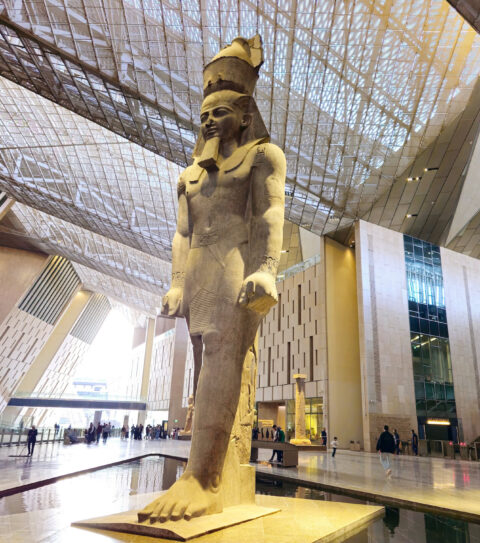
The Grand Egyptian Museum (GEM) presents the world’s most comprehensive collection of ancient Egyptian artifacts, showcasing over 100,000 objects that span more than 5,000 years of civilization. With expert Egyptologist guides, these remarkable displays come alive through stories that reveal the daily life, beliefs, and achievements of ancient Egypt.
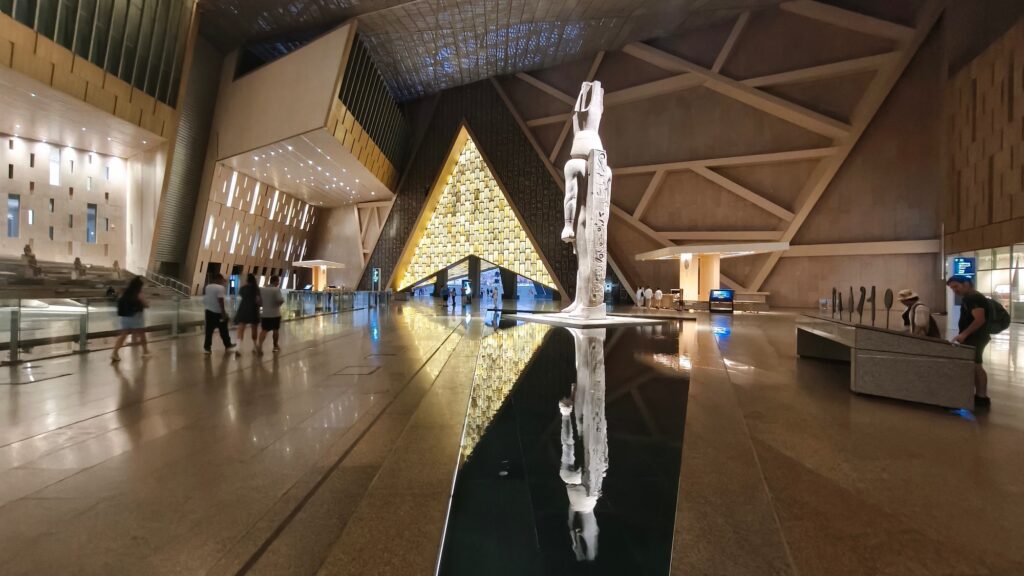
The museum’s centerpiece is the complete treasure collection of King Tutankhamun, displayed together for the first time, including his iconic golden funeral mask and richly decorated royal artifacts. Beyond these famous pieces, the museum also highlights lesser-known masterpieces that demonstrate the sophistication of ancient Egyptian artistry and craftsmanship, offering visitors a deeper understanding of one of the world’s greatest civilizations.
Old Cairo’s narrow streets preserve medieval Islamic architecture virtually unchanged since Saladin’s era. The Hanging Church, built atop Roman fortress ruins, showcases Coptic Christian heritage dating to the 3rd century. Khan El Khalili bazaar pulses with energy as merchants hawk everything from handwoven carpets to aromatic spice blends.
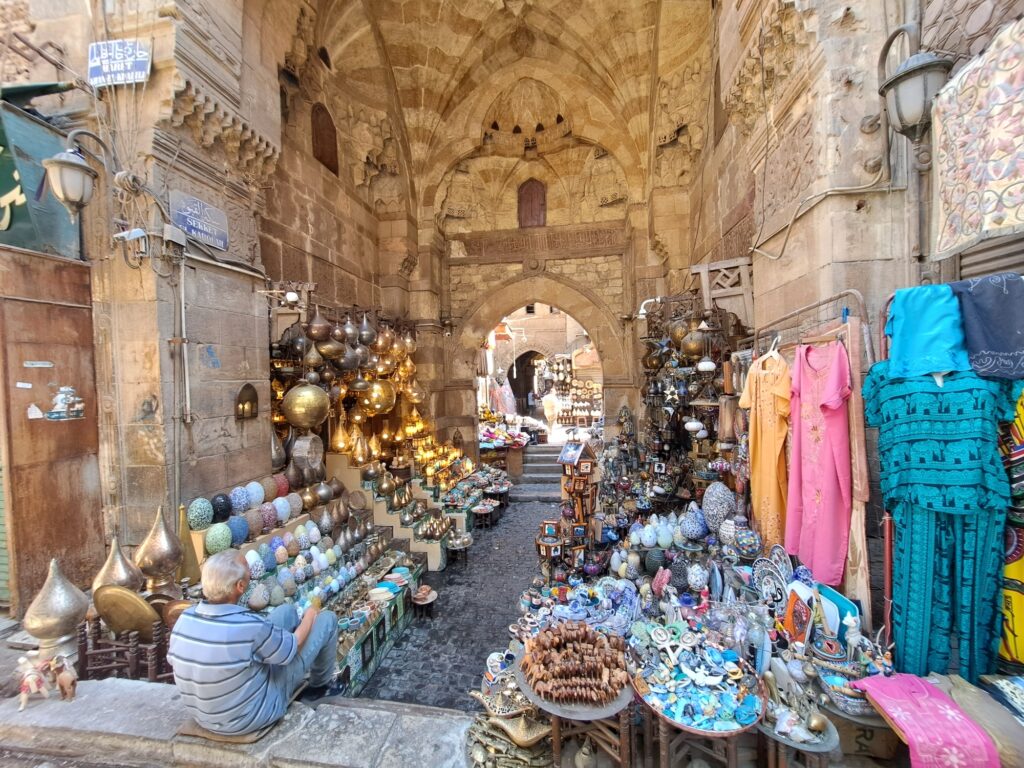
Professional guides navigate these maze-like alleys while sharing historical context that transforms chaotic markets into living museums.
Giza Pyramid Complex
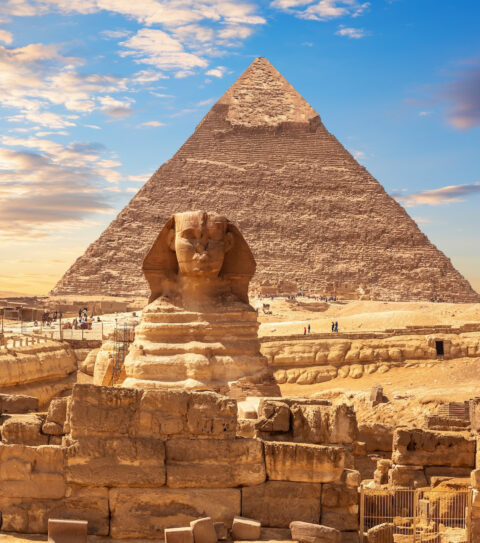
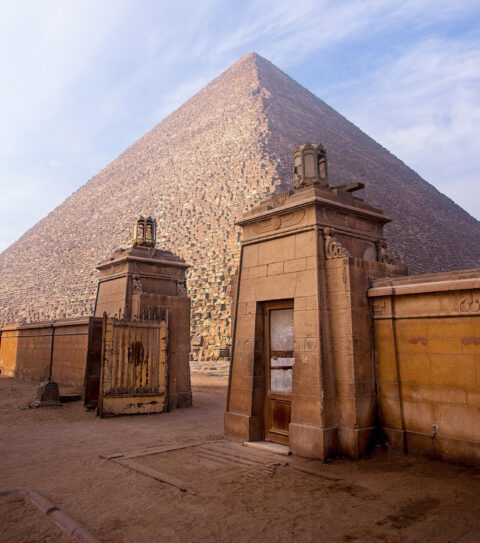
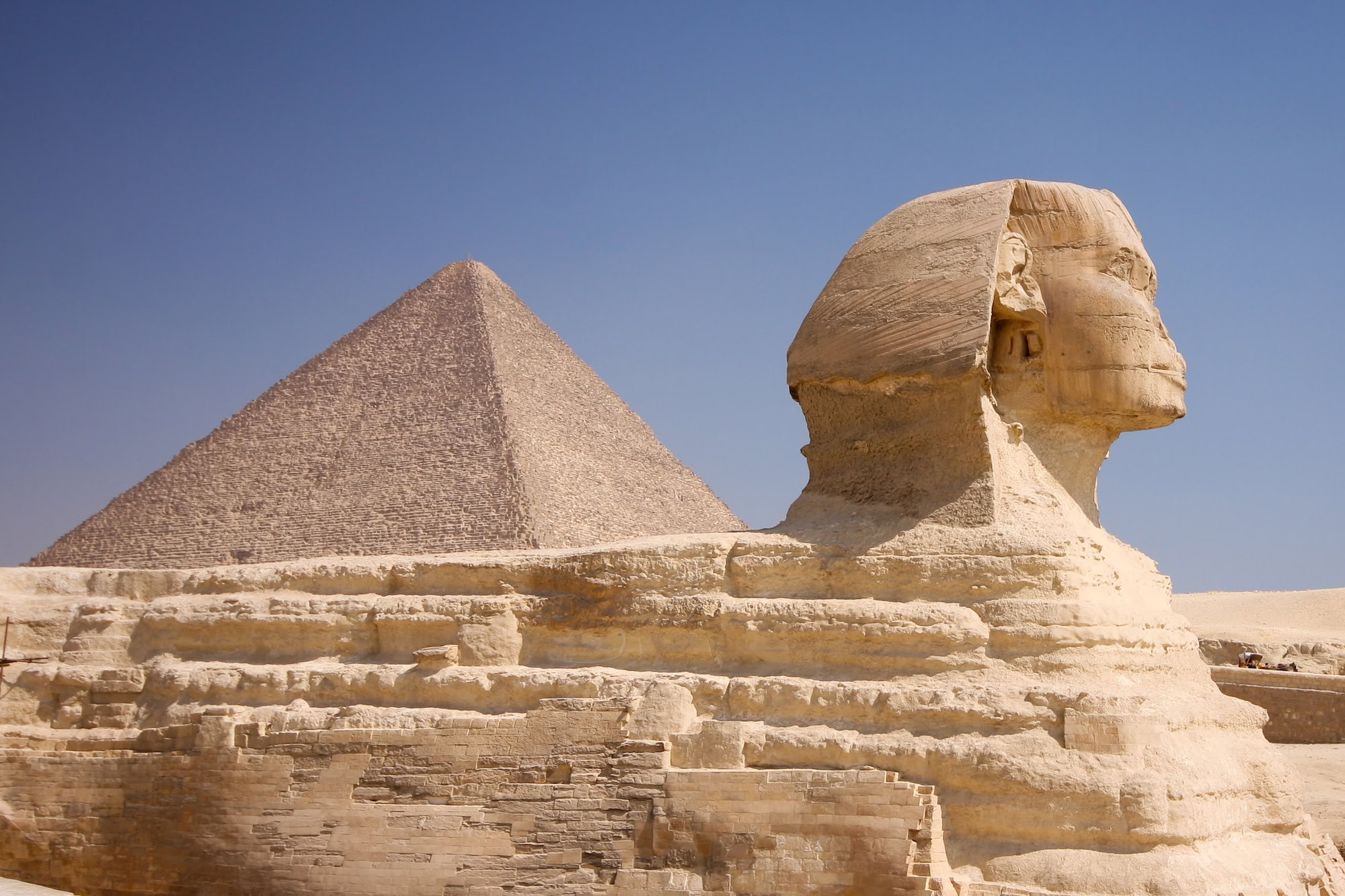
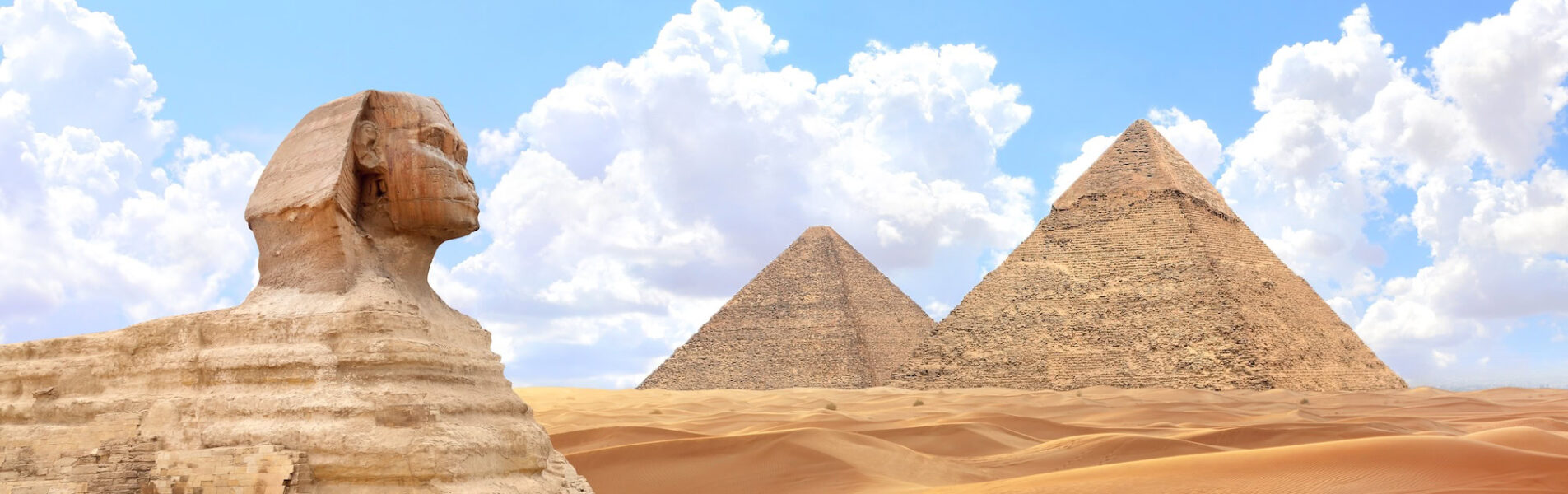
Standing before the Great Pyramid creates an almost spiritual experience that photographs cannot capture. This 146-meter (479-foot) monument required 2.3 million limestone blocks, each weighing 2.5 tons on average. Recent archaeological discoveries suggest sophisticated internal chambers remain unexplored, adding mystery to structures that already defy complete understanding.
The Sphinx poses its eternal riddle while guarding the Giza plateau. Carved from a single limestone outcrop, this 73-meter (240-foot) statue combines human intelligence with leonine strength. Modern restoration efforts have revealed original paint traces, suggesting the monument once blazed with color across the desert landscape.
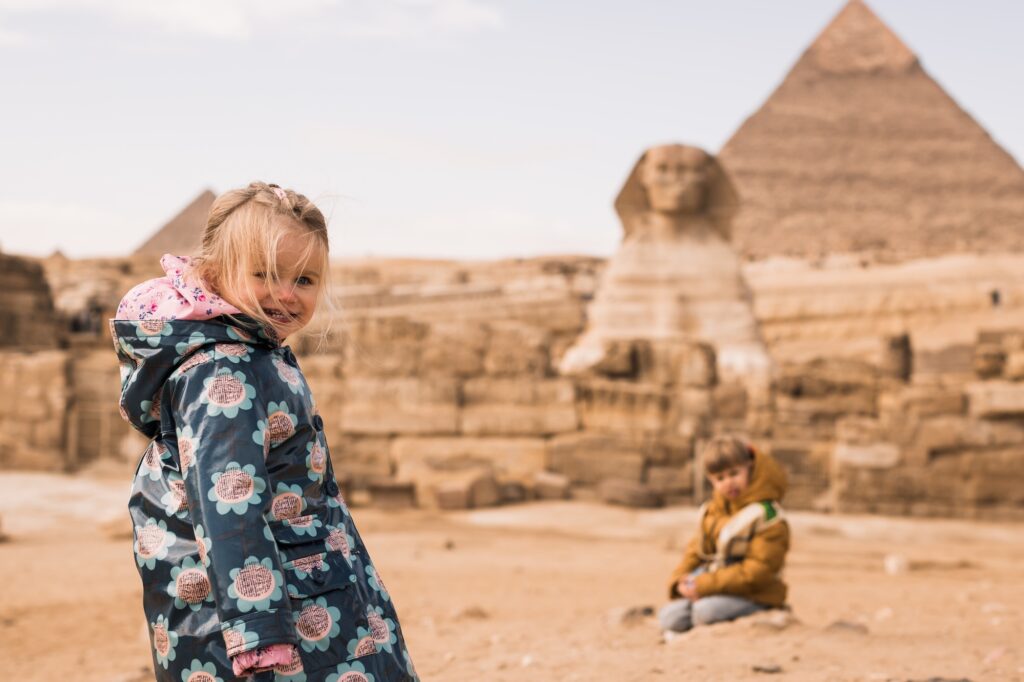
Private access during early morning hours allows intimate encounters before tour buses arrive. The recently opened Grand Egyptian Museum, located near the pyramids, houses the world’s largest collection of ancient Egyptian artifacts. This architectural marvel displays Tutankhamun’s complete burial treasures for the first time since Howard Carter’s 1922 discovery.
Interactive exhibits use cutting-edge technology to bring ancient Egypt into the 21st century.
Nile River Cruises: Floating Through History
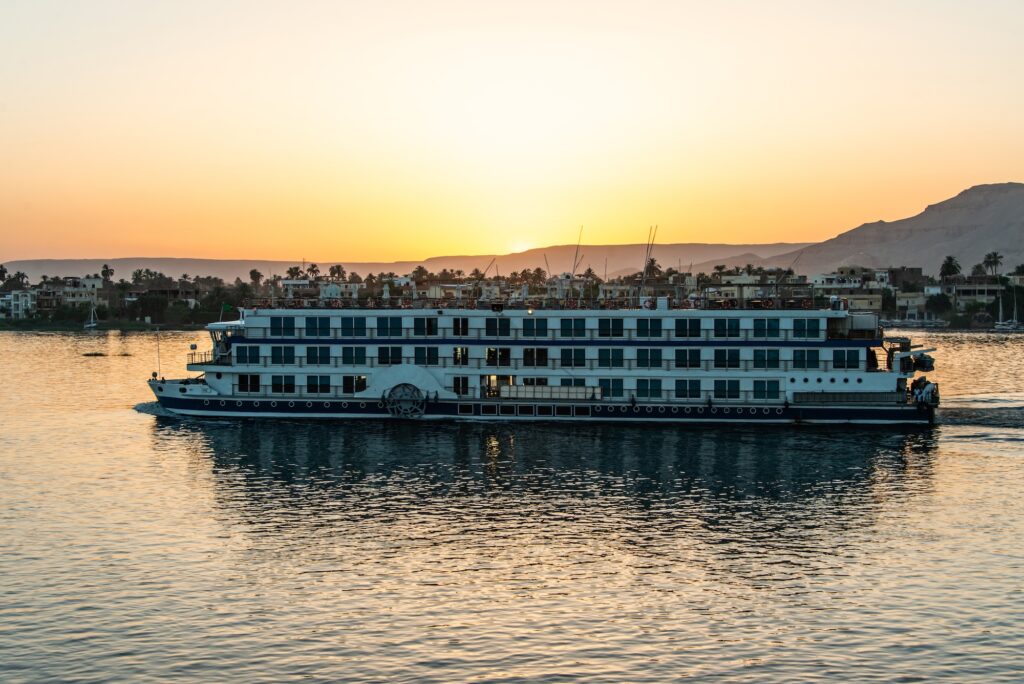
Luxor to Aswan represents Egypt’s greatest concentration of ancient monuments. Temple complexes line both riverbanks, each revealing different aspects of pharaonic civilization. The journey unfolds like a living textbook as experienced guides explain historical connections between sites separated by centuries but united by the Nile’s life-giving waters.
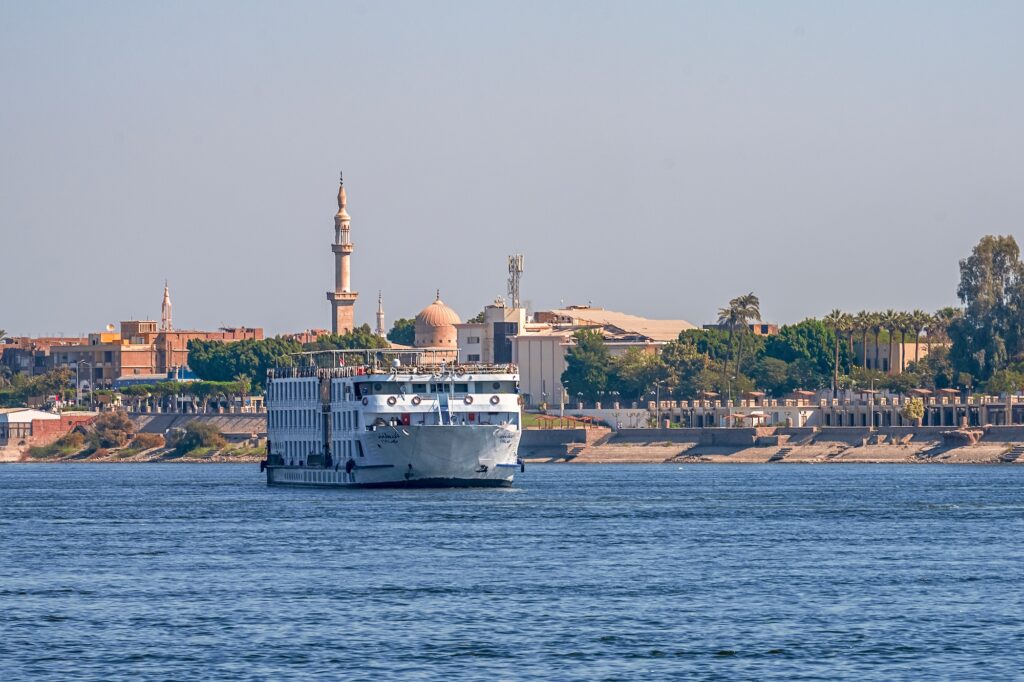
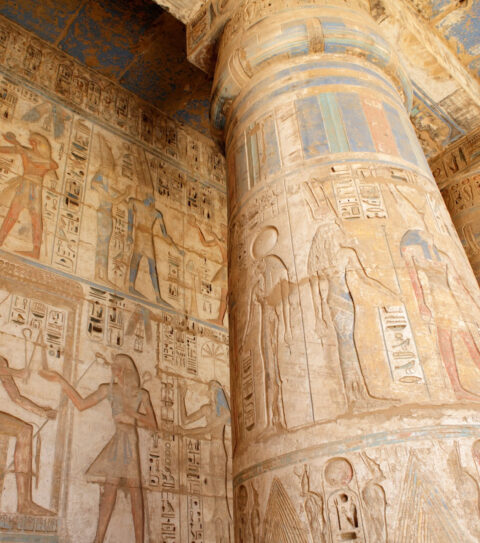
Karnak Temple complex spans over 100 hectares (247 acres), making it larger than most modern cities. The Great Hypostyle Hall contains 134 columns, each decorated with intricate hieroglyphic texts recording military victories and religious ceremonies. Sound and light shows after dark transform these stone witnesses into dramatic storytellers sharing tales of gods and pharaohs.
Dahabiya Sailing Experience
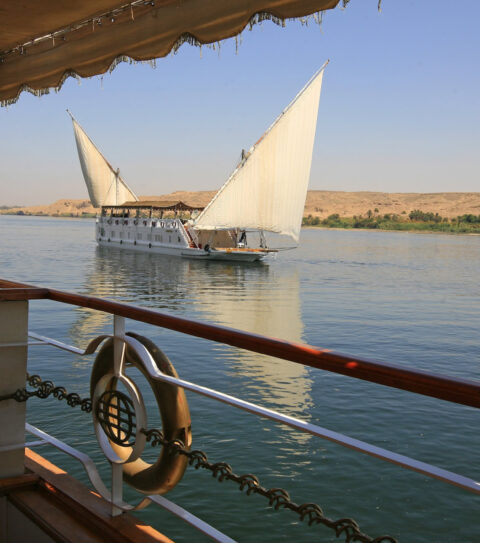
Traditional dahabiya boats offer intimate Nile experiences with maximum 12 passengers. These elegant vessels feature spacious cabins, sun decks for relaxation, and dining areas serving authentic Egyptian cuisine. Unlike massive cruise ships carrying hundreds of passengers, dahabiya cruises provide personalized attention and flexible itineraries.
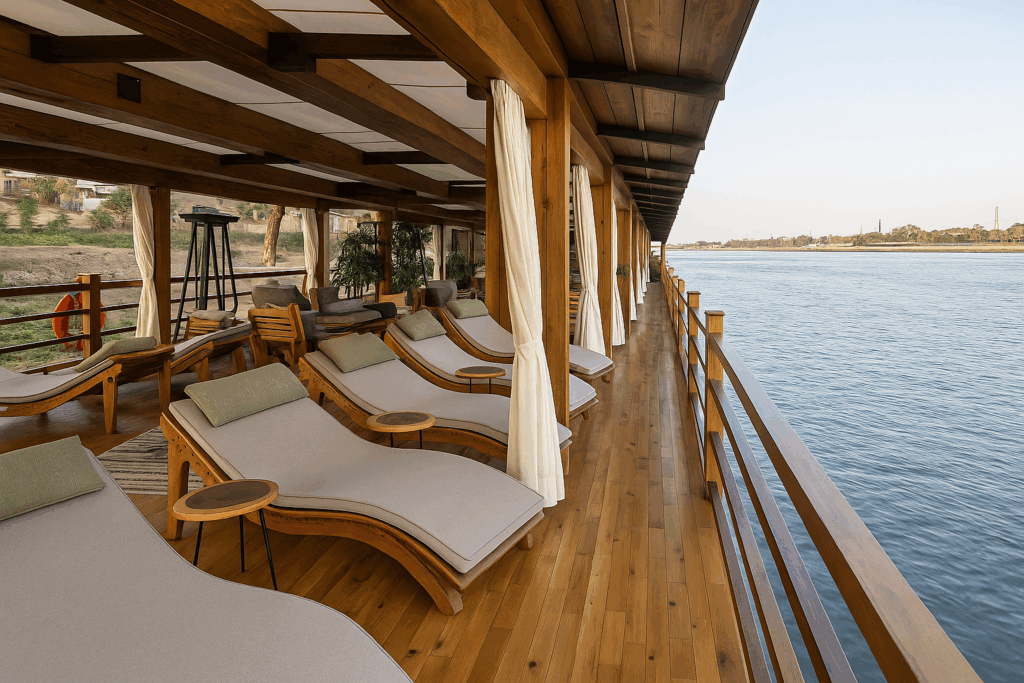
Excursions to temples and archaeological sites are conducted in small groups, ensuring quality interactions with professional guides. The Valley of the Kings holds 63 discovered royal tombs, including Tutankhamun’s famous burial chamber. Recent excavations continue revealing new chambers and artifacts, proving that this sacred valley still guards ancient secrets.
Professional Egyptologist guides possess special permits accessing tombs closed to general tourists, providing exclusive encounters with pharaonic burial art.
Aswan’s Nubian Culture
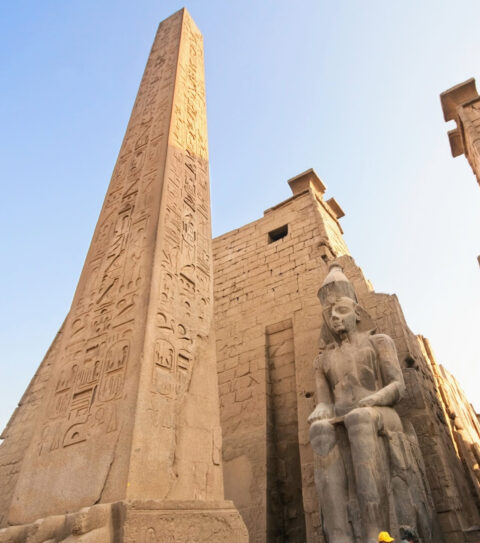
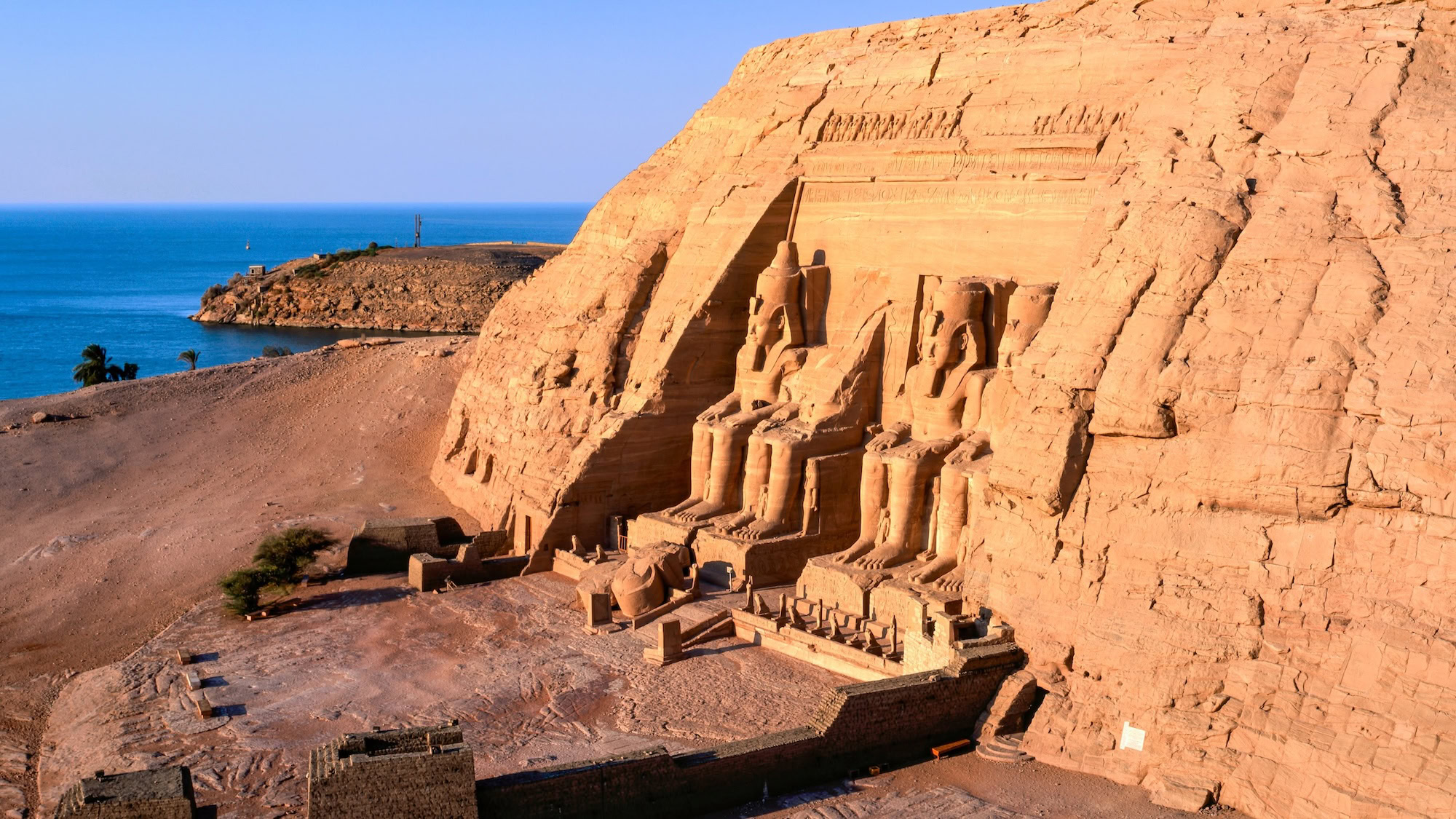
Abu Simbel temples rank among Egypt’s most impressive monuments, relocated stone by stone during the 1960s to save them from rising Aswan High Dam waters. Ramesses II’s colossal statues guard the entrance to chambers decorated with scenes of military triumphs and divine ceremonies. The twice-yearly solar alignment illuminates interior statues on February 22nd and October 22nd, demonstrating ancient Egyptian astronomical knowledge.
Elephantine Island preserves Nubian village culture virtually unchanged for centuries. Colorful houses dot the landscape while traditional music and dance performances showcase cultural traditions predating Arab conquest. Spice markets offer aromatic blends including hibiscus tea and tamarind, regional specialties rarely found in tourist areas.
Red Sea Extensions
Hurghada Beach Resorts
Following intensive cultural touring, Red Sea coastal resorts provide perfect relaxation opportunities. Hurghada’s resort hotels feature private beaches, multiple swimming pools, and spa facilities offering traditional Egyptian treatments. Water temperatures remain comfortable year-round, averaging 24°C (75°F) even during winter months.
Snorkeling and diving reveal coral reef ecosystems teeming with tropical fish species. Professional dive centers cater to all experience levels, from beginners exploring shallow reefs to advanced divers accessing dramatic wall formations. Underwater visibility often exceeds 30 meters (98 feet), providing crystal-clear encounters with marine life.
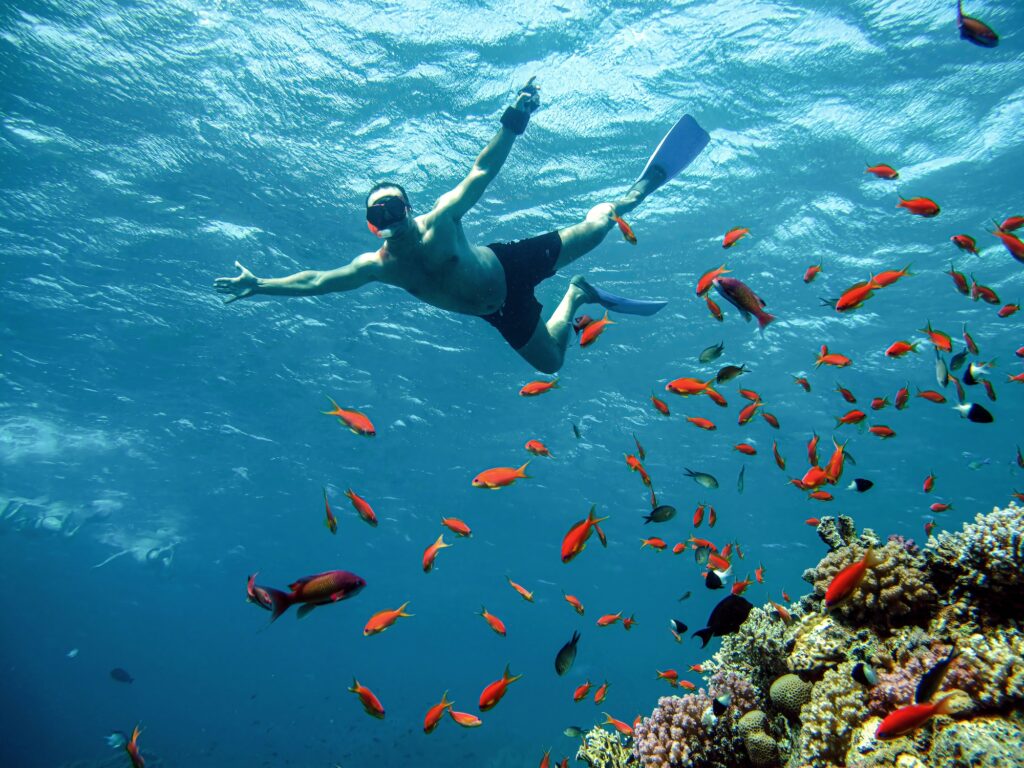
Desert safari excursions combine adventure with cultural immersion. Quad biking across sand dunes leads to traditional Bedouin camps where guests enjoy authentic meals under star-filled skies. Camel riding offers slower-paced desert exploration while guides share knowledge about desert survival techniques passed down through generations.
Luxury Tour Packages
We specialize in creating personalized Egypt experiences tailored to Australian travelers’ preferences and expectations. Our luxury packages feature 5-star accommodations in prime locations, private transportation with professional drivers, and expert English-speaking Egyptologist guides. Small group sizes ensure personalized attention while maintaining social connections with fellow travelers.
Private Access and VIP
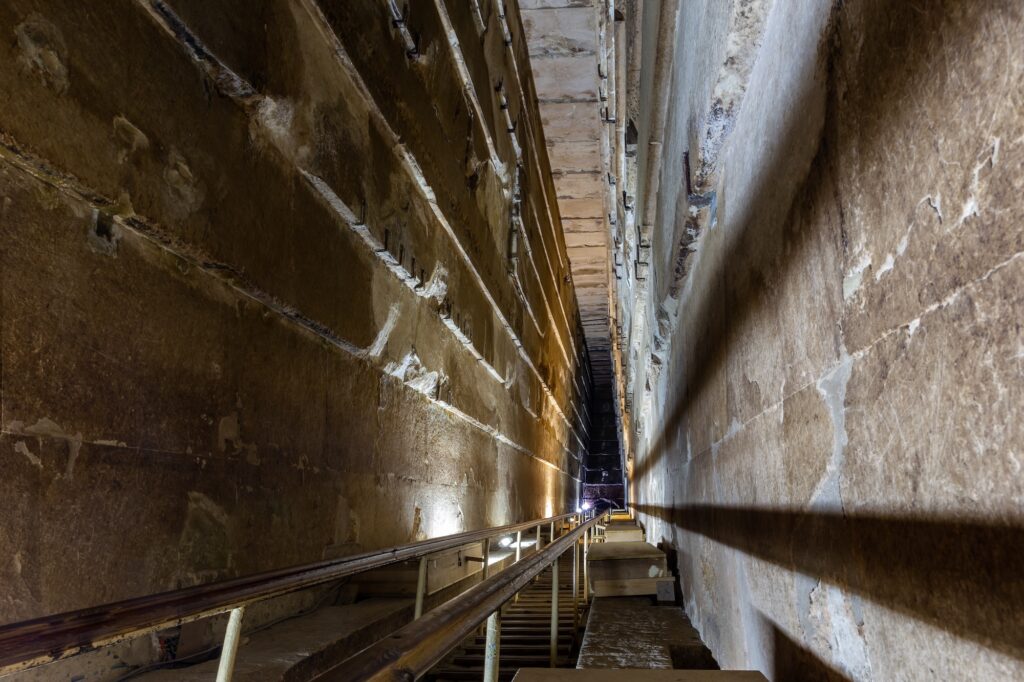
Exclusive after-hours pyramid access provides intimate encounters impossible during regular visiting hours. Special permits allow entry to restricted areas including the Grand Gallery inside the Great Pyramid and private chambers within lesser-known tombs. Professional photographers accompany these exclusive tours, capturing once-in-a-lifetime moments against iconic backdrops.
Premium Nile cruise vessels offer spacious suites with private balconies, gourmet dining featuring international and local cuisines, and spa services providing relaxation between intensive touring days. Personal butler service ensures every need receives immediate attention while concierge assistance handles special requests and dining reservations.
Museum curators provide private guided tours through Egyptian Museum storage areas containing artifacts not displayed publicly. These behind-the-scenes experiences reveal conservation techniques while showcasing treasures awaiting proper display space. Academic-level discussions with museum professionals satisfy curious minds seeking deeper understanding of ancient Egyptian civilization.
Cultural Immersion and Authentic Experiences
Egyptian Cuisine Adventures
Traditional cooking classes in Cairo homes introduce authentic flavors and techniques passed down through generations. Local families welcome visitors into their kitchens, sharing recipes for classics like koshari, molokhia, and perfectly seasoned grilled meats. Markets visits precede cooking sessions, teaching ingredient selection while exploring neighborhood life away from tourist areas.
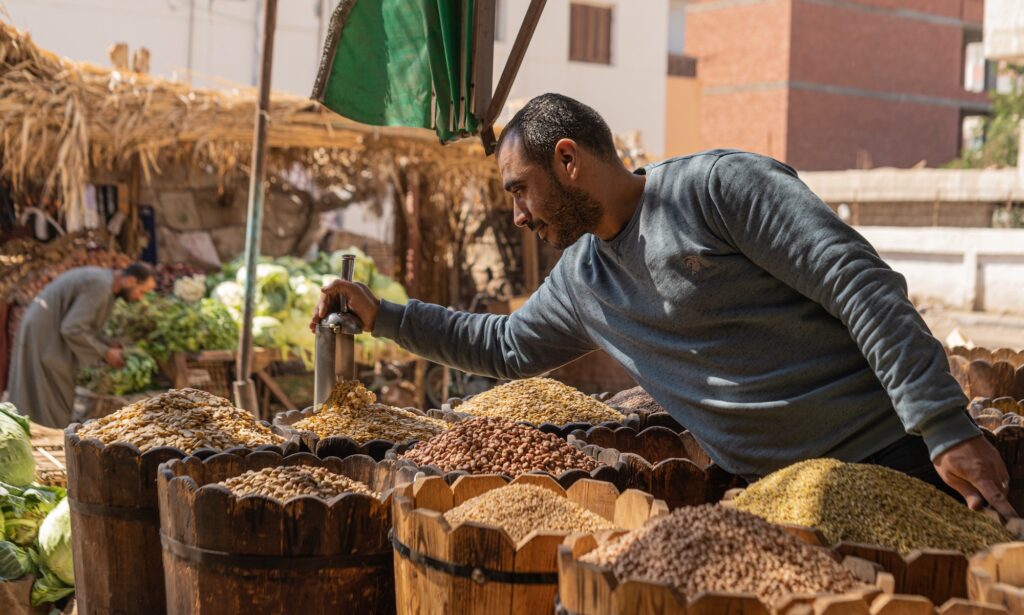
Street food tours guided by local experts reveal hidden culinary gems scattered throughout Cairo’s historic districts. Ful medames breakfast spots serve Egypt’s national dish alongside fresh bread and aromatic tea. Specialty shops offer traditional sweets like basbousa and muhallabia, providing sweet endings to cultural dining adventures.
Artisan Workshops and Crafts
Papyrus making demonstrations at family-run workshops show ancient techniques still practiced today. Visitors participate in the complete process from plant preparation to finished artwork, creating personalized souvenirs while supporting local artisan communities. Master craftsmen explain historical context while demonstrating skills requiring years of training to perfect.
Traditional weaving centers in rural villages showcase carpet and textile production using time-honored methods. Skilled artisans operate wooden looms creating intricate patterns that tell stories through symbolic imagery. Visitors observe the complete process while purchasing authentic pieces directly supporting craftspeople and their families.
Frequently Asked Questions
How long is the flight from Brisbane to Cairo?
Total travel time averages 17-20 hours including connections through major hubs.
What’s the best time to book Egypt tours?
Book 3-4 months in advance for optimal pricing and March-May availability.
Do I need special vaccines for Egypt?
No mandatory vaccines required, though hepatitis A and typhoid recommended.
Is it safe to travel to Egypt from Australia?
Egypt maintains excellent safety records with dedicated tourist police protection.
What should I budget for comprehensive Egypt tours?
Expect USD $2,500-$5,000 per person for 10-12 day luxury packages.
Can I drink tap water in Egypt?
Bottled water recommended for drinking, tap water safe for brushing teeth.
What currency is used and credit card acceptance?
Egyptian pounds with credit cards widely accepted, cash needed for markets.
How much should I tip in Egypt?
Budget USD $5-10 daily for guides, 10-15% in restaurants.
What’s included in typical Egypt tour packages?
International flights, accommodation, meals, entrance fees, guides, and 24/7 support.
Are Nile cruises suitable for families?
Many operators welcome families, though some maintain adult-only policies.
What’s the dress code for temples and mosques?
Conservative clothing covering shoulders and knees, headscarves for active mosques.
How far in advance should I apply for Egyptian visa?
E-visas process within 5-7 days, apply 2-3 weeks before departure.
Design Your Custom Tour
Explore Egypt your way by selecting only the attractions you want to visit