

The El Shatby Tombs of Alexandria in Egypt
Ancient Alexandria reveals its oldest secrets beneath the modern city streets.
The Shatby Tombs represent more than just another archaeological site – they stand as Alexandria’s earliest surviving monument, dating back to the late 4th century BCE. These underground burial complexes preserve the stories of the first residents who arrived to populate Alexander the Great’s new Mediterranean capital. After years of restoration work, the site officially reopened in May 2023, offering visitors unprecedented access to Hellenistic burial practices and architectural innovation.
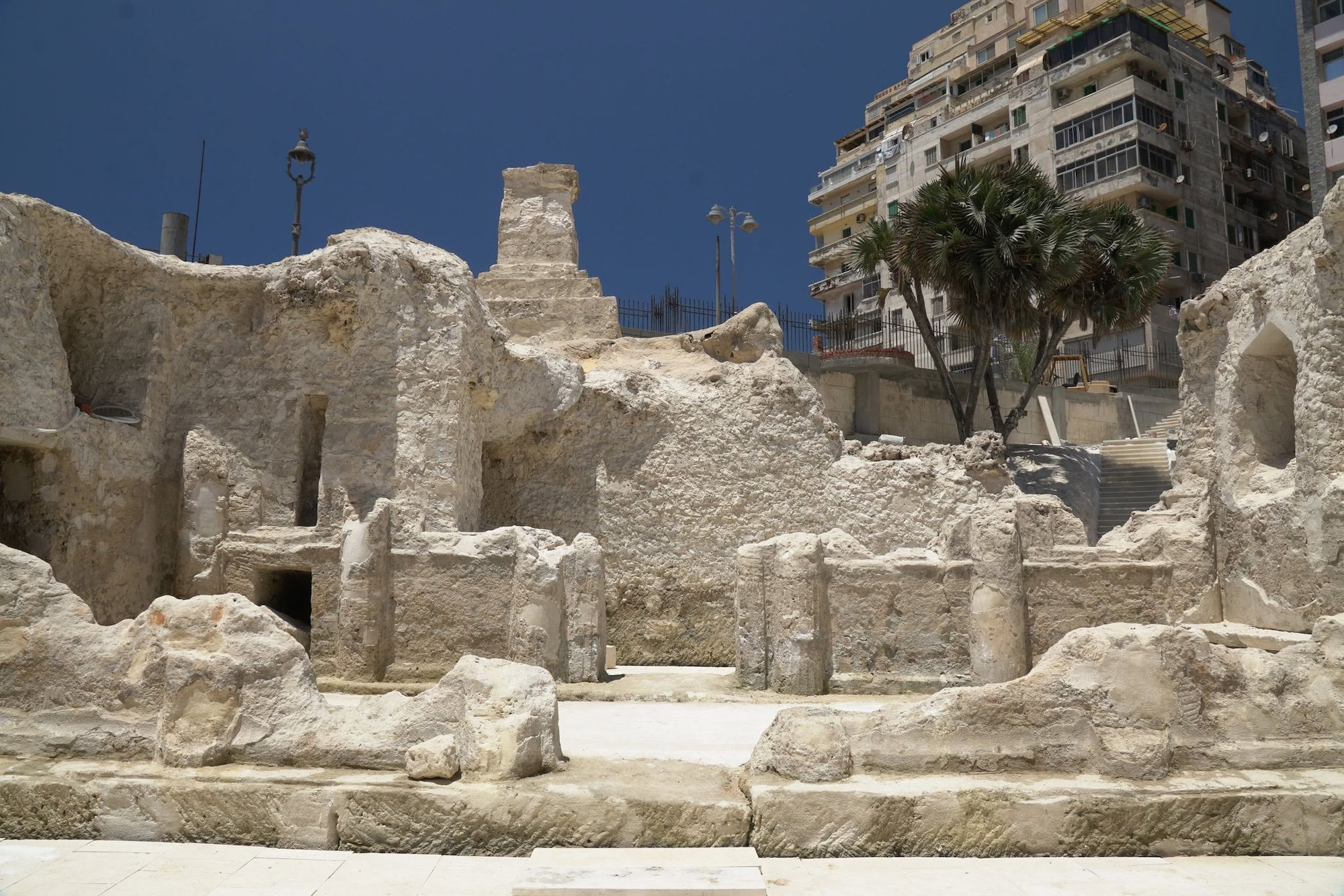
Understanding this remarkable necropolis requires appreciating both its historical significance and the modern conservation efforts that brought it back to public view. We’ll guide you through everything from the fascinating excavation history to practical visitor information for planning your trip.
Historical Origins and Archaeological Discovery
Evaristo Breccia’s systematic excavations between 1904 and 1910 first brought international attention to this ancient cemetery. Working under the Archaeological Society of Alexandria, Breccia uncovered evidence of burial practices that coincided remarkably with Alexandria’s founding period. The tombs revealed burials of individuals who migrated from Macedonia, Thessaly, Crete, and Asia Minor to establish new lives in Alexander’s ambitious urban project.
The Hellenistic Period Context
Alexandria’s foundation around 331 BCE marked a turning point in Mediterranean civilization. The Shatby cemetery began receiving burials just decades after the city’s establishment, making it a direct witness to the early Ptolemaic period. These weren’t just local Egyptian practices – the burial customs reflected the diverse cultural backgrounds of Alexandria’s first international population.
Breccia’s Excavation Methods
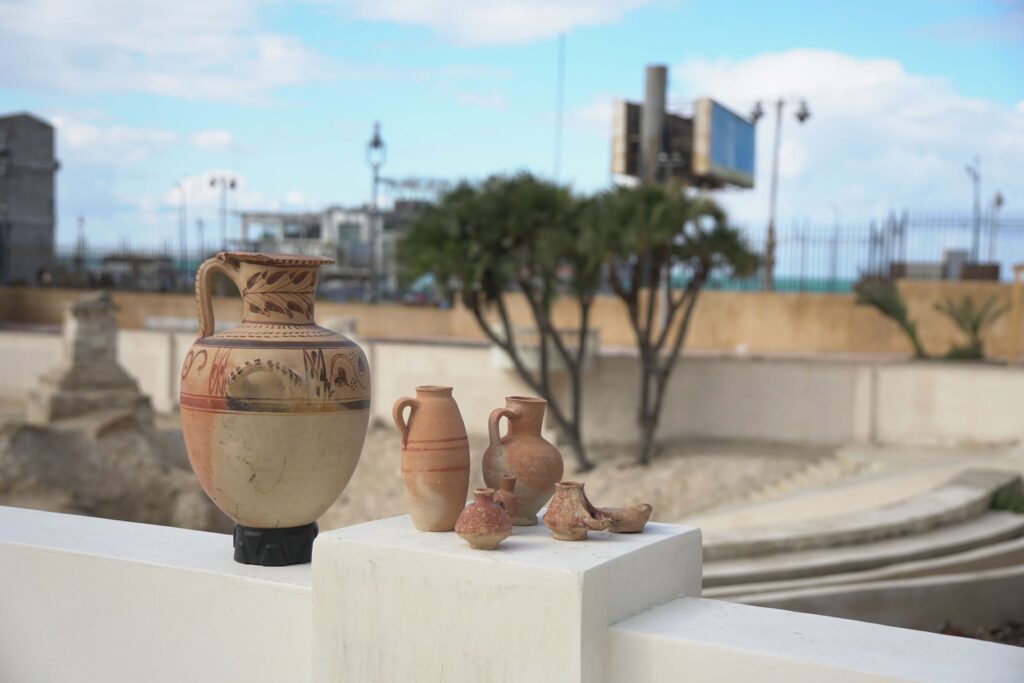
Italian archaeologist Evaristo Breccia employed careful documentation techniques that were advanced for the early 20th century. His work revealed the complexity of the burial site, identifying multiple phases of use spanning approximately three centuries. The Graeco-Roman Museum later housed many artifacts recovered during these pioneering excavations.
Archaeological Significance Today
Modern archaeological analysis has confirmed Shatby’s status as Alexandria’s oldest surviving archaeological site. Recent conservation work has revealed architectural details that Breccia’s team couldn’t fully appreciate with early 20th-century methods. The site now serves as a crucial reference point for understanding Hellenistic urban development throughout the Mediterranean region.
Burial Practices and Cultural Diversity
The cemetery showcases remarkable diversity in burial customs, reflecting Alexandria’s cosmopolitan character from its earliest days.
Excavations revealed various burial methods including inhumation in family coffins, cremation with ashes placed in urns, and unique burials in holes carved directly into rock walls. Some chambers contained elaborate funeral goods while others demonstrated simpler burial practices, likely reflecting different economic backgrounds among the city’s early residents. The variety suggests that Alexandria’s multicultural identity emerged immediately after its founding, rather than developing gradually over time.
Family Burial Chambers
Individual family groups constructed private burial complexes within the larger cemetery area. These chambers often featured stepped towers and decorative elements that combined Greek architectural traditions with local Egyptian stoneworking techniques.
Architecture and Underground Complexes
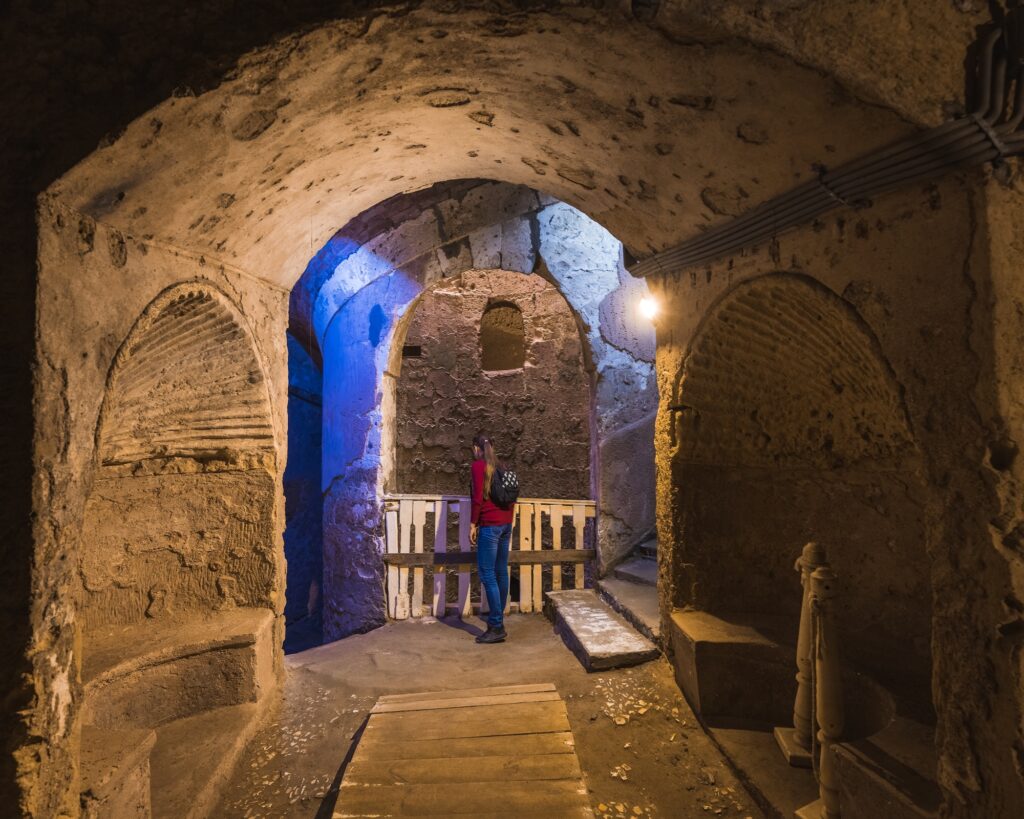
Shatby’s underground architecture demonstrates sophisticated engineering adapted to Alexandria’s coastal environment. The monumental subterranean complexes, known as Hypogea, feature multichambered designs that maximized burial space while maintaining structural integrity in the sandy coastal soil.
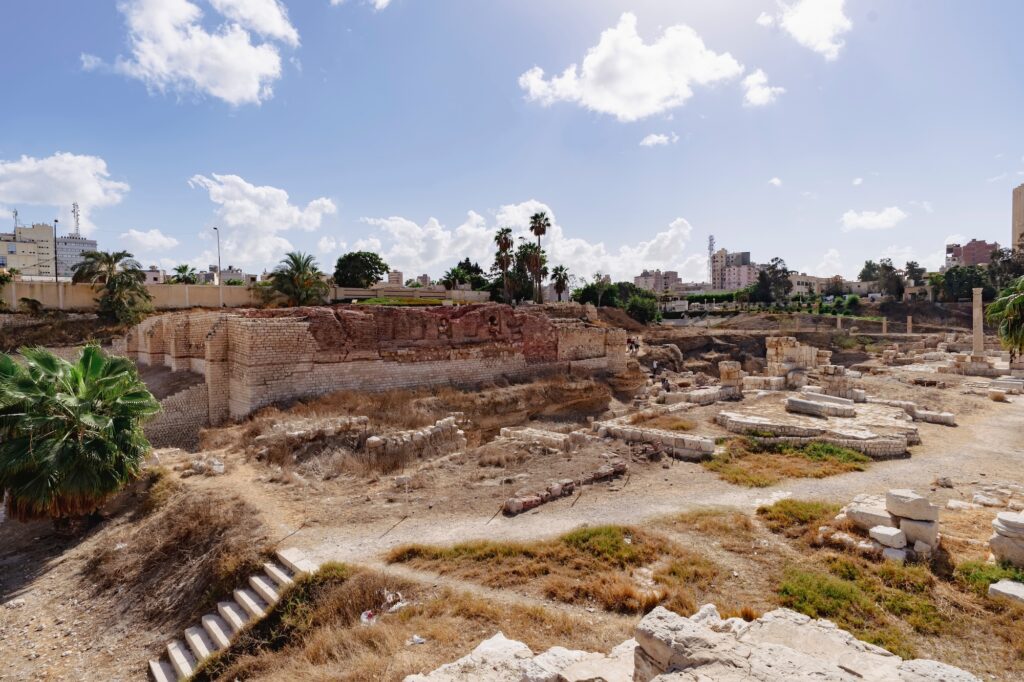
Hypogeum A represents the site’s most elaborate complex, with carved chambers connected by corridors that follow natural rock formations. Architectural elements include Corinthian capitals, granite columns, and decorative friezes that combine Hellenistic and Egyptian motifs. The stepped towers visible above ground served both as markers and as ventilation systems for the underground spaces.
The construction techniques reveal careful planning by architects familiar with both Greek building traditions and local environmental challenges. Stone carvers worked with available limestone and granite, creating burial niches that could accommodate different family sizes and burial customs. Some chambers feature carved altars and space for funerary stelae, indicating that families conducted ongoing memorial rituals at the site.
Modern Restoration and Conservation
The Ministry of Antiquities launched comprehensive restoration efforts to address decades of environmental damage and urban encroachment. Groundwater infiltration posed the most serious threat to the ancient structures, requiring installation of modern drainage systems and waterproofing techniques.
The A.G. Leventis Foundation Project
Funding from the A.G. Leventis Foundation enabled extensive conservation work that preserved original architectural elements while adding necessary visitor infrastructure. The project included documentation of all existing carvings and inscriptions, some of which had deteriorated significantly since Breccia’s original excavations.
Three Years of Conservation Work
Between 2020 and 2023, specialists worked to stabilize the underground structures and create safe visitor pathways. The conservation team faced unique challenges in balancing historical preservation with modern safety requirements. New lighting systems illuminate architectural details without damaging fragile stonework, while climate control systems help prevent further deterioration.
Official Reopening in May 2023
The site’s official inauguration took place on May 9, 2023, marking the completion of the most extensive conservation project in the cemetery’s modern history. The Alexandrian Necropolis Project now serves as a model for similar restoration efforts throughout Egypt’s archaeological sites.
Visitor Experience and Practical Information
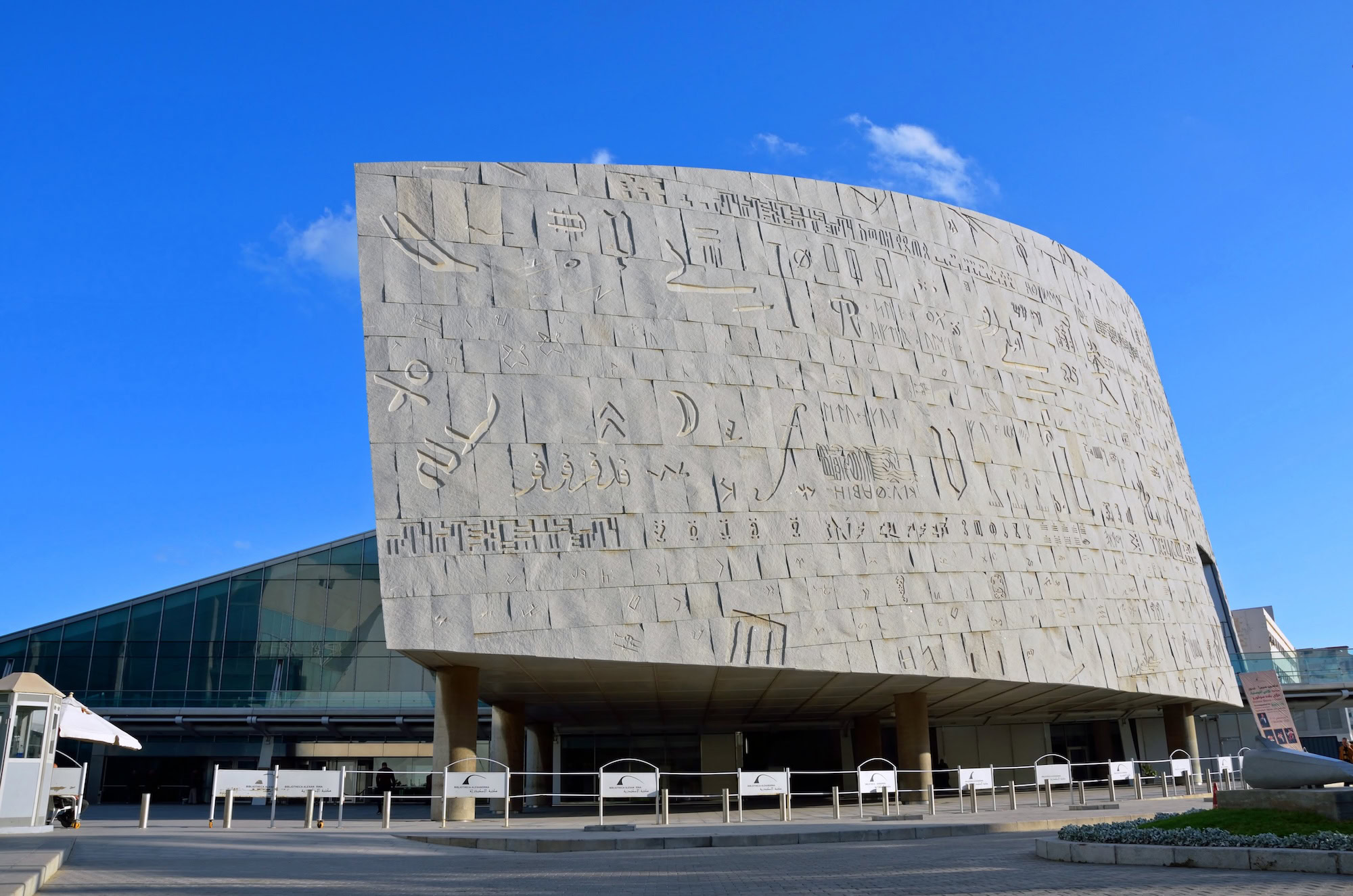
The Shatby Tombs are located on Port Said Street in central Alexandria, making them easily accessible from major hotels and attractions. We recommend combining your visit with nearby sites like the Bibliotheca Alexandrina and the modern city center, as the tombs can be explored thoroughly in 1-2 hours.
Getting There and Opening Hours
The cemetery sits in the heart of modern Alexandria, surrounded by restaurants and shopping areas. Public transportation serves the area well, though we recommend arranging private transportation for international visitors. Opening hours are typically 9:00 am to 4:00 pm (09:00-16:00), though visitors should confirm current schedules as these may vary seasonally.
What to Expect During Your Visit
Your visit begins at the modern entrance facility, which includes an interpretation center explaining the site’s historical context. Well-marked pathways lead through both the surface monuments and accessible underground chambers. Professional guides can provide detailed explanations of the burial customs and architectural features, though the site is also designed for self-guided exploration.
Photography and Documentation
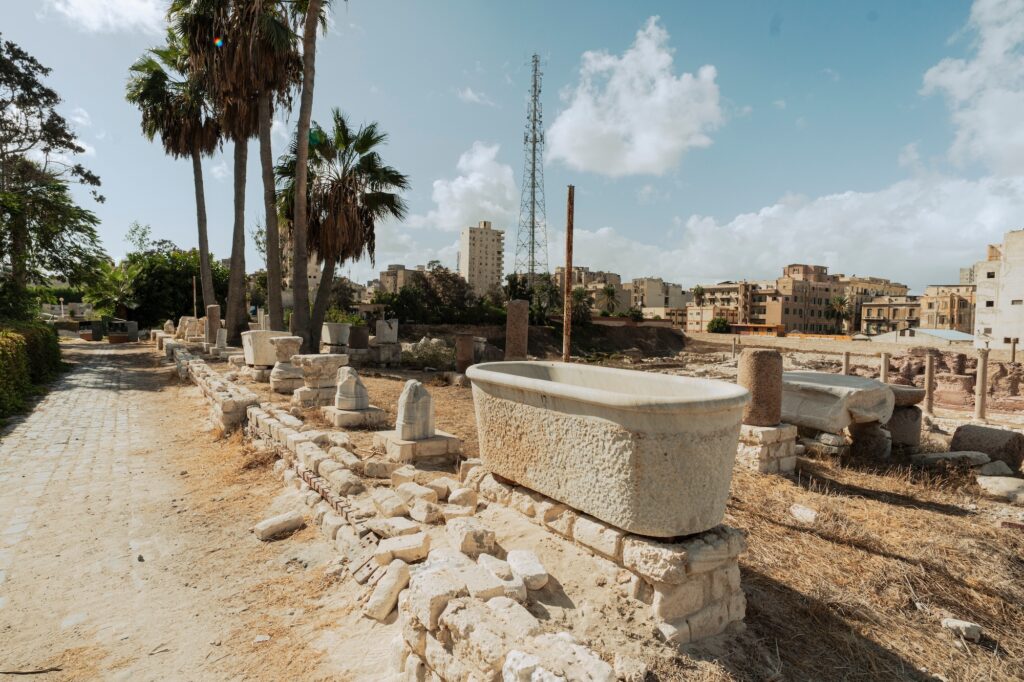
Photography is permitted throughout most areas of the site, allowing visitors to document the remarkable architectural details. The lapidarium displays recovered artifacts and architectural elements that provide context for understanding the original appearance of the complete burial complexes.
Comparing Shatby to Other Alexandrian Sites
Shatby’s significance becomes clearer when compared to Alexandria’s other major archaeological attractions. While the Catacombs of Kom el Shoqafa date to the Roman period, Shatby predates them by several centuries, offering insights into the transition between Classical Greek and later Graeco-Roman burial practices.
The site complements visits to Alexandria’s other historical attractions by providing the earliest chronological starting point for understanding the city’s development. Unlike the later Roman monuments, Shatby preserves evidence of Alexandria’s founding generation and their attempts to establish familiar cultural practices in a new environment.
Modern Alexandria has grown around these ancient burial grounds, creating interesting juxtapositions between contemporary urban life and Hellenistic archaeological remains. This context helps visitors appreciate the continuity of human settlement in the area over more than two millennia.
Planning Your Alexandria Itinerary
We recommend visiting Shatby early in your Alexandria exploration, as it provides essential historical context for understanding the city’s later developments. The site works particularly well as part of a full-day Alexandria tour that includes multiple archaeological and cultural attractions.
Most visitors spend 1-2 hours at Shatby, allowing sufficient time to explore both the surface monuments and underground chambers while reading interpretive materials and taking photographs. The site’s central location makes it easy to combine with lunch at nearby restaurants or continued exploration of Alexandria’s downtown area.

For visitors with particular interest in archaeology or ancient history, Shatby can anchor a more specialized itinerary focusing on Alexandria’s Hellenistic heritage. Our guides can arrange visits that connect Shatby’s findings with related artifacts in Alexandria’s museums and other archaeological sites throughout the city.
Frequently Asked Questions
When was Shatby cemetery first discovered?
Systematic excavations began in 1904 under Italian archaeologist Evaristo Breccia, though the site was known to locals earlier.
How old are the Shatby Tombs?
The cemetery dates to the late 4th century BCE, making it approximately 2,300 years old and Alexandria’s oldest archaeological site.
Can visitors access the underground chambers?
Yes, the 2023 restoration project created safe visitor pathways through selected underground burial chambers and surface monuments.
How long should I plan for visiting Shatby?
Most visitors spend 1-2 hours exploring the site thoroughly, including time for photography and reading interpretive materials.
Are guided tours available at Shatby?
Professional guides are available and recommended for understanding the complex burial customs and architectural details.
What makes Shatby different from other Alexandria archaeological sites?
Shatby is Alexandria’s oldest surviving monument and shows burial practices of the city’s founding generation from diverse Mediterranean cultures.
When did the site reopen to the public?
After three years of restoration work, Shatby officially reopened on May 9, 2023, with modern visitor facilities and improved access.
Who funded the recent restoration project?
The A.G. Leventis Foundation provided major funding, while Egypt’s Ministry of Antiquities managed the conservation work.
What burial practices can visitors observe at Shatby?
The site shows diverse customs including family coffins, cremation urns, and burials carved into rock walls, reflecting multicultural influences.
How does Shatby connect to Alexander the Great’s legacy?
The cemetery began receiving burials just decades after Alexandria’s founding, preserving evidence of the first generation that populated Alexander’s new city.
Are there artifacts on display at the site?
Yes, the lapidarium displays recovered architectural elements, carvings, and decorative pieces found during excavations.
What should visitors wear when exploring Shatby?
Comfortable walking shoes with good grip are essential for navigating both surface pathways and underground chamber stairs safely.
Design Your Custom Tour
Explore Egypt your way by selecting only the attractions you want to visit