

Fayoum Oasis, Sahara – Embark on a Journey Through Time
Desert meets ancient history in the most unexpected ways.
The Fayoum Oasis stretches across a vast depression 62 miles southwest of Cairo, where engineered waterways have sustained life for over 4,000 years. This remarkable landscape combines prehistoric whale fossils with thriving pottery villages, saltwater lakes that shimmer with rainbow colors, and archaeological treasures that rival any Egyptian destination. Unlike the typical tourist circuits, Fayoum offers an authentic glimpse into both ancient ingenuity and modern desert culture, making it the perfect escape for travelers seeking depth beyond the pyramids.
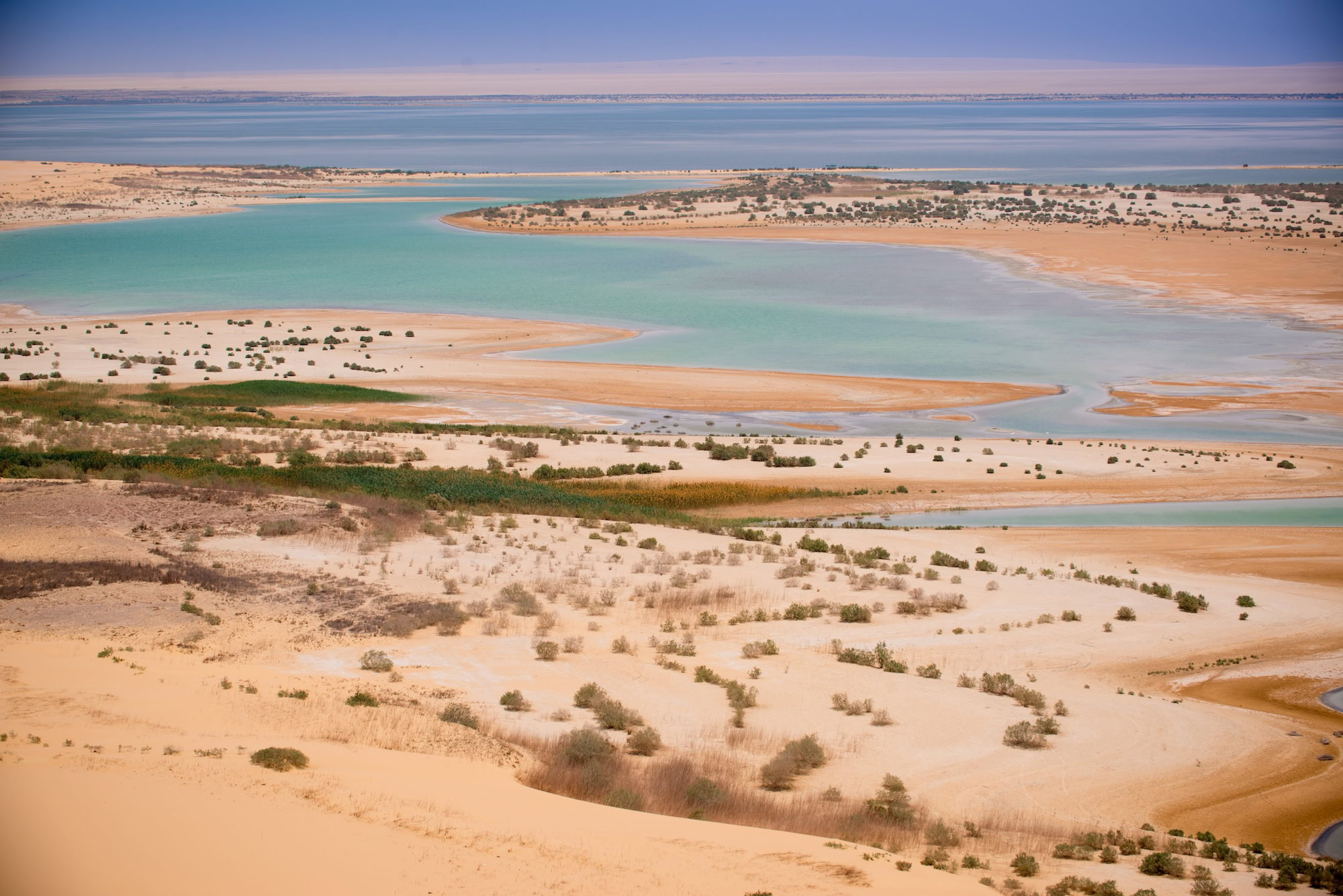
We’ve guided countless visitors through this fascinating oasis, and the experience never fails to surprise even seasoned Egypt travelers.
Ancient Engineering Marvels That Still Function
The genius of Fayoum lies beneath its surface – literally. The Bahr Yussef canal, originally constructed during the Twelfth Dynasty under Amenemhat III, remains one of history’s most ambitious hydraulic projects. This artificial channel diverts water from the Nile across 200 miles of desert, transforming what would otherwise be barren wasteland into fertile agricultural land.
Walking along these ancient waterways, you’ll witness engineering that predates Roman aqueducts by centuries. The canal system operates on precise gradients that maintain steady water flow without modern pumps or machinery. Local farmers still rely on this 4,000-year-old infrastructure, proof of the remarkable foresight of ancient Egyptian engineers.
The scale becomes apparent when you realize this depression covers 17,000 square kilometers – roughly the size of Kuwait – sitting 45 meters below sea level. The Ptolemies later expanded these hydraulic systems, creating what Romans called the “breadbasket of the ancient world.”
Lake Moeris: From Prehistoric Giant
Today’s Birket Qarun represents just a fraction of the massive Lake Moeris that once dominated this landscape. Ancient Greek historians described a freshwater lake so vast it served as a flood control system for the entire Nile Valley. Climate changes over millennia reduced this prehistoric lake to its current saltwater form, but what remains still captivates visitors.
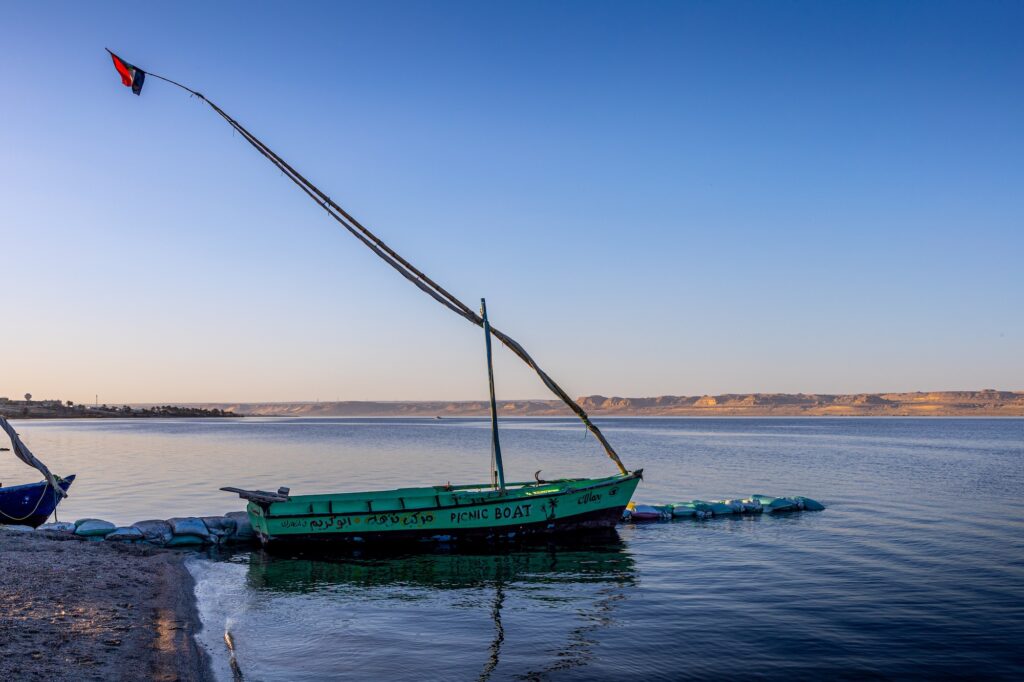
The lake supports thriving fisheries and attracts migratory birds across three continents. Local fishermen use traditional methods passed down through generations, their small boats dotting waters that reflect the surrounding desert cliffs in perfect mirror images.
Sobek’s Sacred Waters
The crocodile god Sobek commanded immense reverence here, with numerous temples dedicated to this powerful deity scattered throughout the region. Archaeological evidence suggests pilgrims traveled from across the ancient world to participate in Sobek rituals, bringing significant wealth to local communities.
These temples weren’t merely religious sites – they functioned as economic centers where priests managed extensive land holdings and coordinated agricultural activities. The cult of Sobek represented the life-giving power of water in this desert environment, a symbolism that resonates strongly when you witness modern irrigation still following ancient patterns.
UNESCO Recognition and Archaeological Wonders
Fayoum’s inclusion on UNESCO’s tentative World Heritage list reflects its extraordinary archaeological significance. The criteria specifically highlight the hydraulic remains as representing “one of humanity’s oldest experiences of magnitude in hydraulic engineering.”
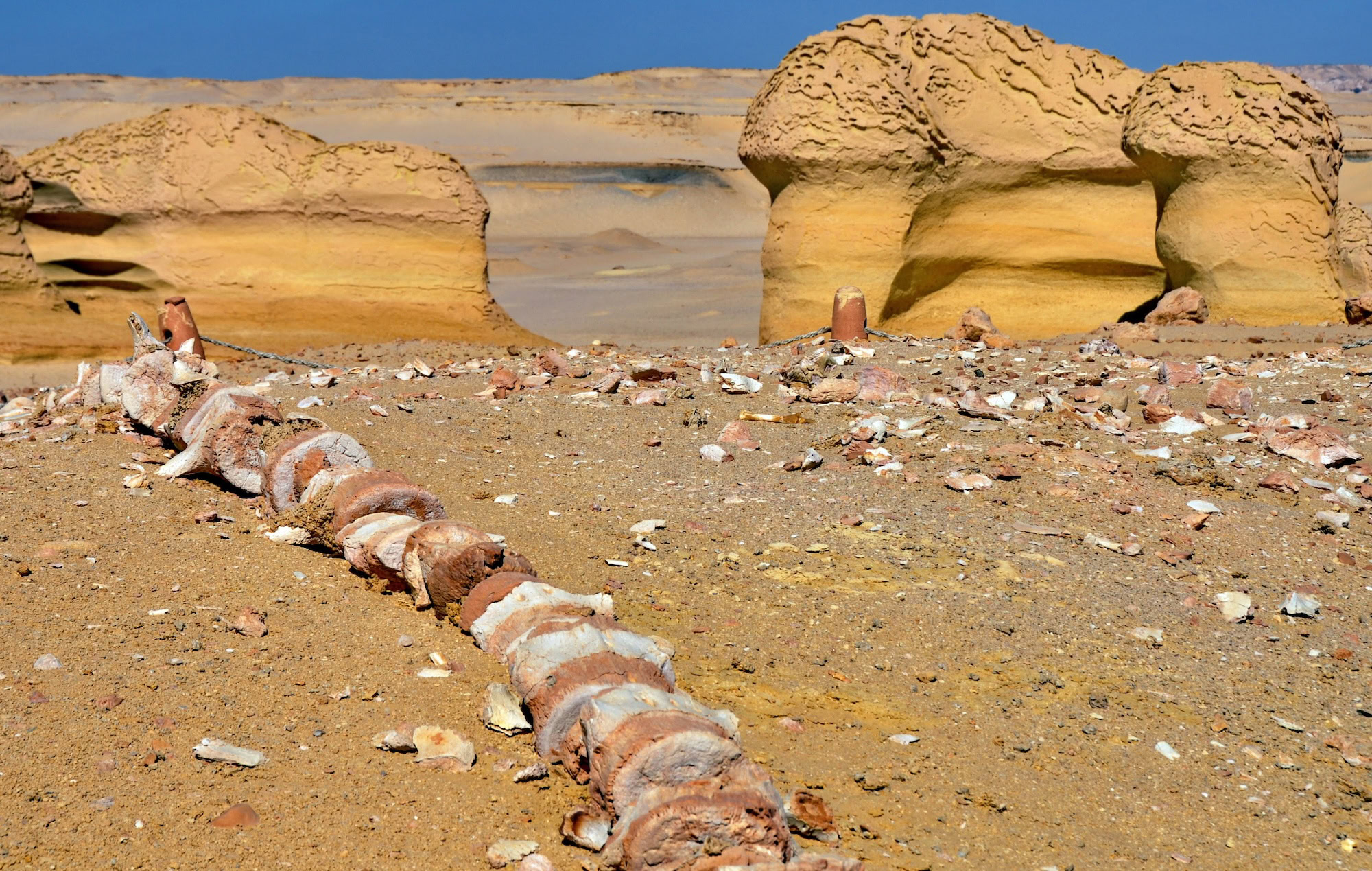
Wadi Al-Hitan, already designated as a UNESCO World Heritage site within the broader Fayoum region, contains some of the world’s most important whale fossils. These 40-million-year-old remains document the evolution from land mammals to ocean dwellers, preserved in remarkable detail by the desert’s dry conditions. Walking among these fossilized giants provides perspective on the dramatic geological changes that shaped this landscape.
The Famous Fayoum Portraits
Perhaps no archaeological discovery captures imagination quite like the Fayoum mummy portraits. These strikingly realistic paintings, created using the encaustic technique, adorned mummies during the Roman period. The portraits reveal individual faces with such lifelike detail that they seem to gaze directly into your soul across two millennia.
Unfortunately, many of these artistic treasures were smuggled out of Egypt during the colonial period, now residing in museums worldwide. However, local sites still yield new discoveries, and recent finds demonstrate the continuing archaeological potential of this region.
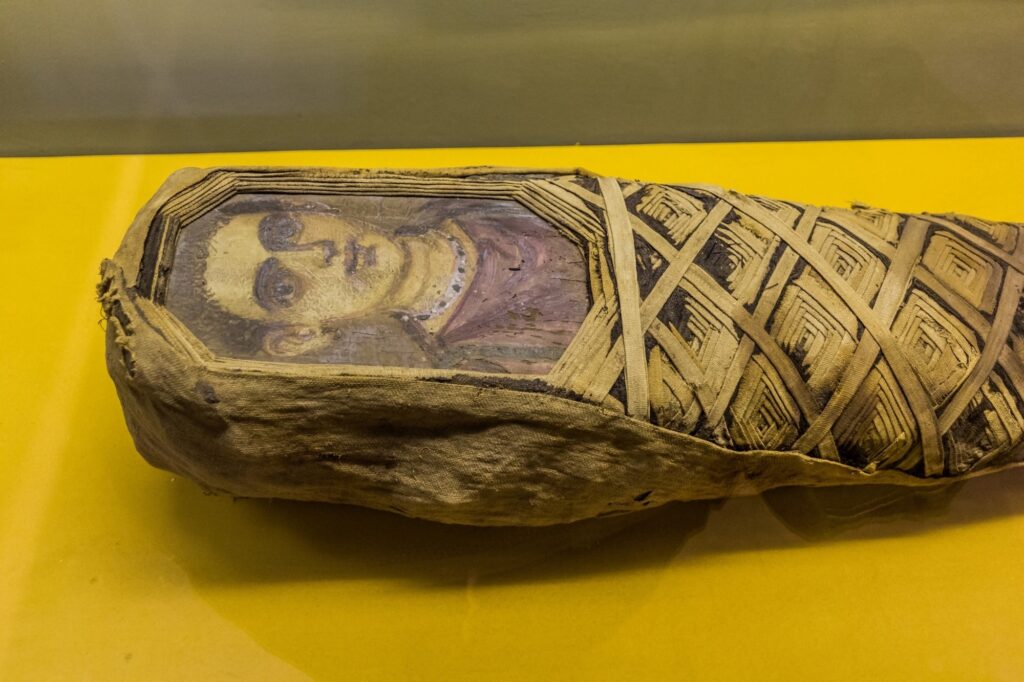
The portraits represent a unique fusion of Egyptian mummification practices with Greco-Roman artistic traditions, embodying the multicultural character that has always defined Fayoum.
Modern Adventures in Ancient Landscape
Wadi El Rayan’s Natural Spectacles
Two artificial lakes connected by Egypt’s only natural waterfall create the centerpiece of Wadi El Rayan Protected Area. These lakes formed when agricultural drainage from Fayoum depression collected in this lower area, accidentally creating one of Egypt’s most photogenic destinations.
The upper lake maintains fresher water, supporting different fish species than the more saline lower lake. Between them, water cascades down natural rock formations, creating the surprising sight of a desert waterfall. The sound of rushing water in this arid environment creates an almost surreal atmosphere.
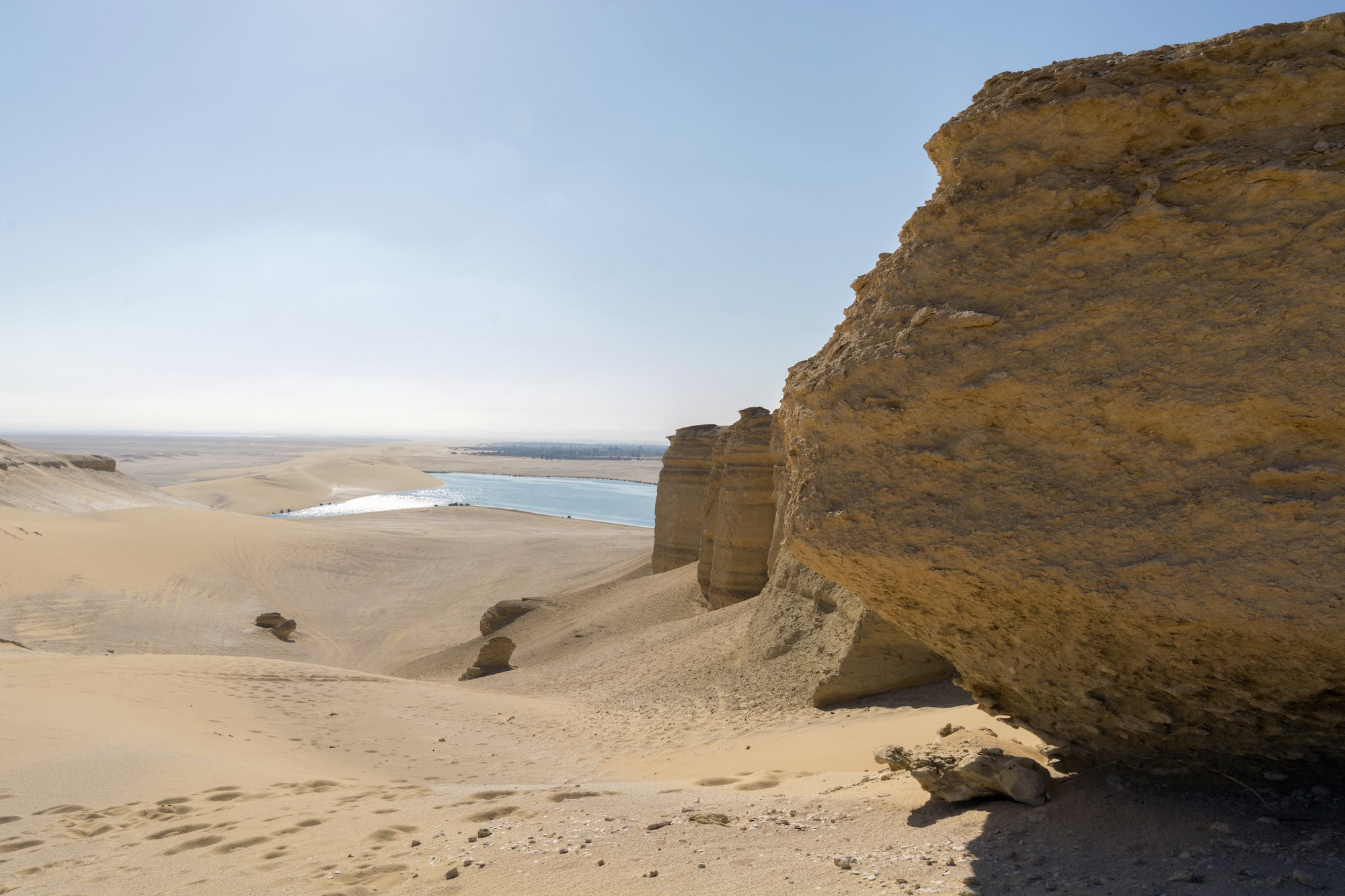
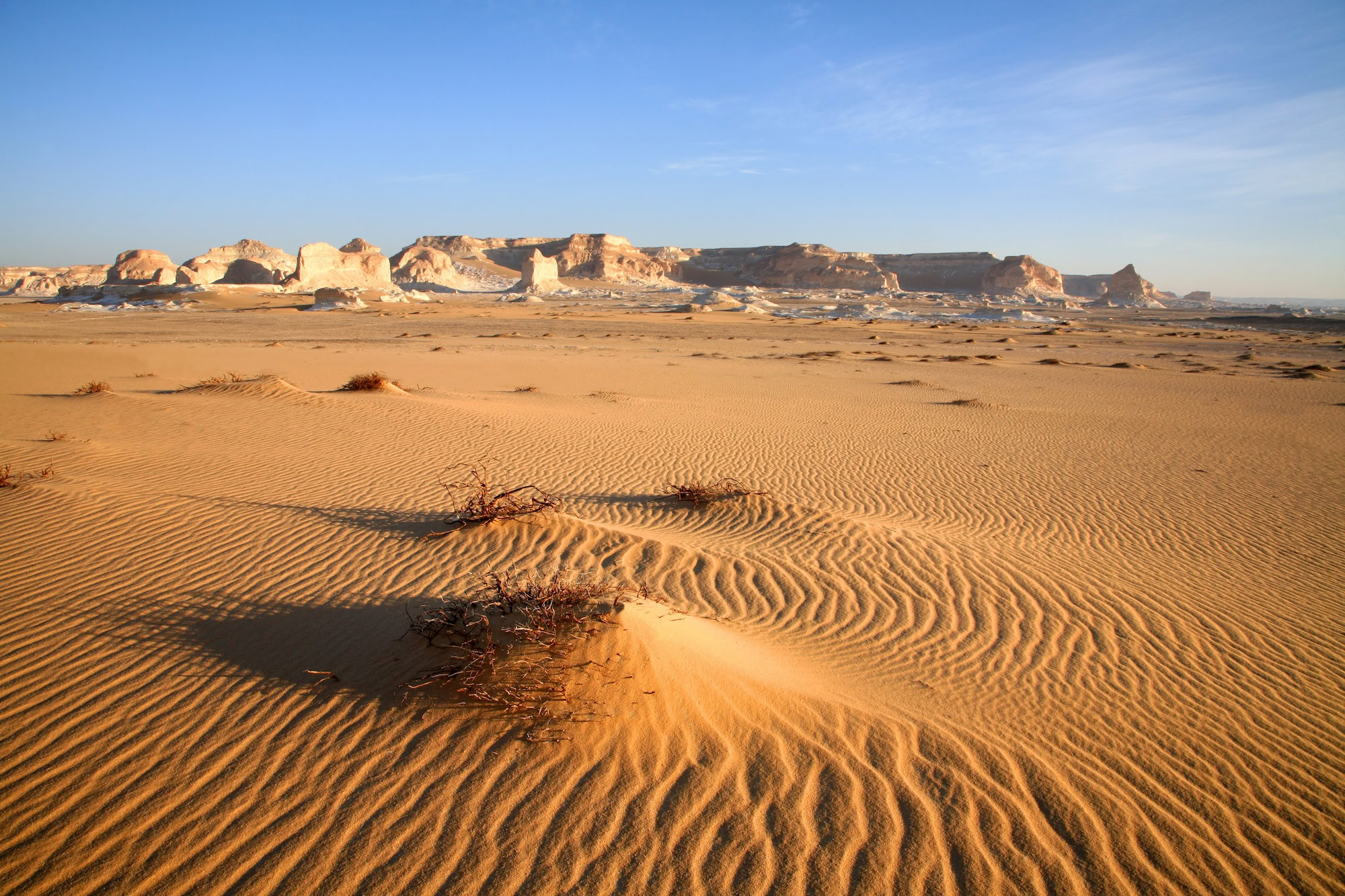
Sandboarding enthusiasts gravitate toward the massive dunes surrounding these lakes. The fine, golden sand provides excellent conditions for both beginners and experienced boarders, while the surrounding landscape offers dramatic backdrops for photography.
Magic Lake’s Color Transformations
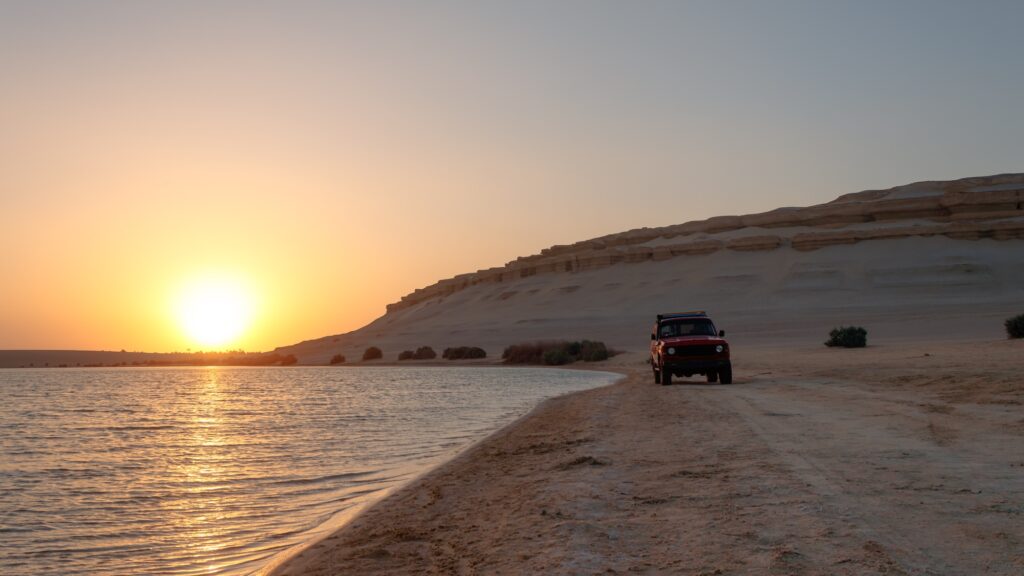
Local guides call it Magic Lake for good reason – this small body of water changes colors throughout the day as light angles shift across mineral-rich sediments. Morning light reveals deep blues and greens, while afternoon sun creates golden and orange hues that photographers find irresistible.
The phenomenon results from dissolved minerals and microscopic organisms that respond differently to varying light conditions and water temperatures. Scientists continue studying this natural laboratory to understand the precise mechanisms behind these dramatic color shifts.
Tunis Village: Swiss Precision Meets Clay
Swiss potter Evelyne Porret transformed this small Fayoum village into Egypt’s premier pottery center during the 1980s. Her workshops trained local artisans in advanced techniques while preserving traditional Egyptian pottery methods, creating a unique fusion that attracts visitors from around the world.
Today, Tunis Village showcases dozens of pottery workshops where visitors can observe craftsmen creating everything from simple household items to sophisticated artistic pieces. The village’s location on Lake Qarun provides clay deposits ideal for pottery, continuing a tradition that stretches back to pharaonic times.
Many workshops offer hands-on experiences where visitors can try their hand at wheel throwing or ceramic painting. The village also features several small galleries displaying the finest local work, much of which incorporates traditional Islamic geometric patterns with contemporary design sensibilities.
Sustainable Tourism Development
The pottery revival demonstrates how cultural preservation can drive economic development. Young villagers who might otherwise migrate to Cairo for work now find meaningful employment in their ancestral home, maintaining community bonds while developing marketable skills.
We often arrange visits that combine pottery workshops with traditional meals prepared by local families, providing authentic cultural exchange that benefits visitors and residents alike.
Practical Planning for Your Adventure
The journey from Cairo typically takes two hours by road, making Fayoum an ideal day trip or weekend getaway. However, the region deserves more time than most visitors allocate – we recommend at least two full days to properly explore the major sites without rushing.
October through May provides optimal weather conditions, with comfortable daytime temperatures and cool evenings perfect for camping under desert stars. Summer visits remain possible but require early morning starts and adequate sun protection.
Transportation and Access
Private vehicles offer the most flexibility for exploring scattered attractions, though organized tours provide expert guidance and eliminate navigation concerns. Many sites require 4WD vehicles, particularly those involving sand dune access or remote archaeological locations.
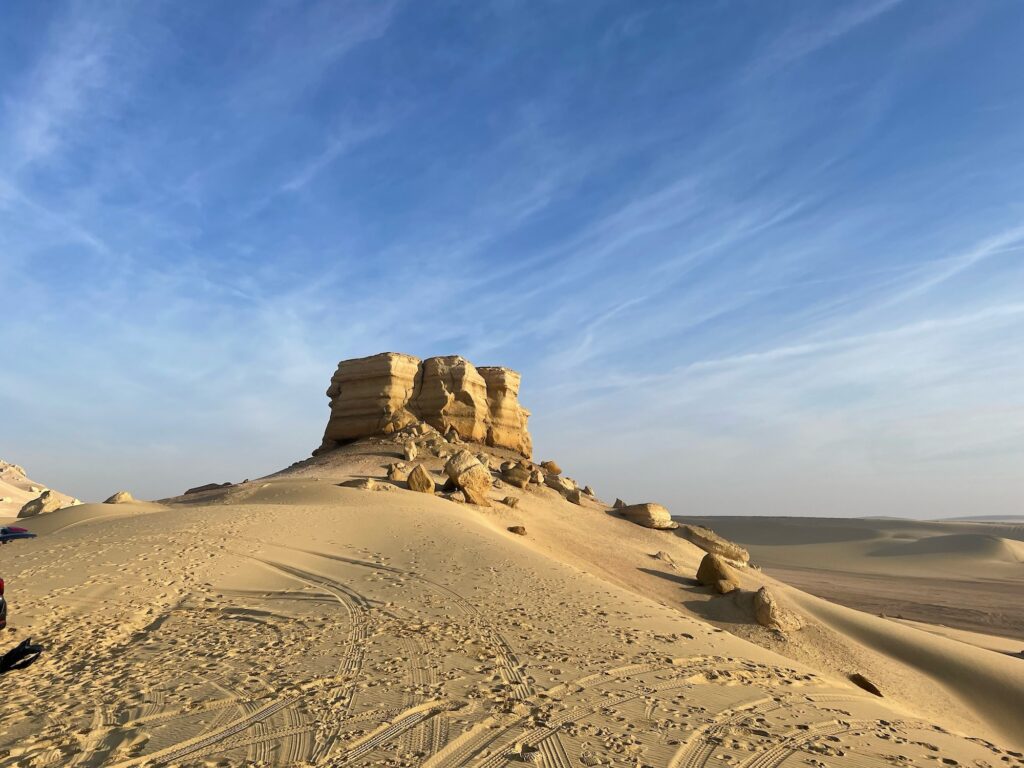
Local drivers possess invaluable knowledge about seasonal water levels, bird migration patterns, and optimal photography times. Their expertise often transforms a simple sightseeing trip into an educational adventure that reveals hidden aspects of desert ecology and local culture.
Accommodation Options
Luxury eco-lodges provide comfortable bases for extended exploration, featuring traditional architecture adapted for modern comfort. These properties often arrange specialized activities like night sky observation sessions and guided botanical walks.
Budget camping options allow closer connection with the desert environment, though proper equipment and local guidance remain essential for safety and comfort.
Wildlife and Natural Ecosystems
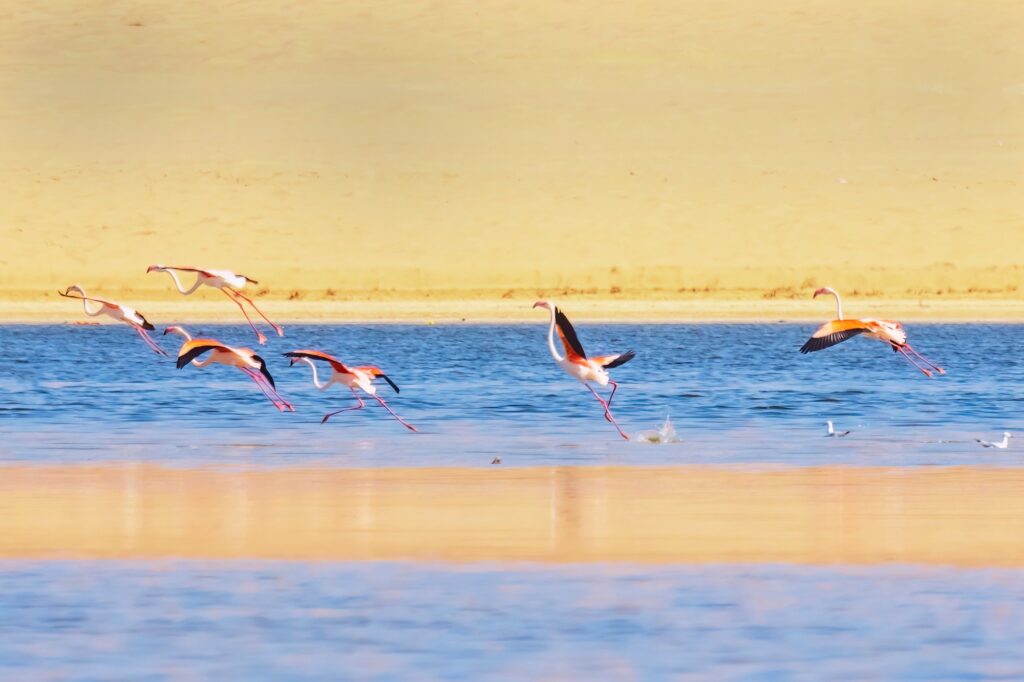
Fayoum’s diverse habitats support surprising biodiversity for a desert region. Lake Qarun attracts over 100 bird species, including flamingos, pelicans, and numerous waterfowl that use this area as a crucial stopover on African-European migration routes.
The surrounding desert hosts adapted species like fennec foxes, desert hedgehogs, and various reptiles that emerge during cooler evening hours. Experienced guides can identify animal tracks and signs that reveal the hidden nocturnal activity most visitors never witness.
Plant life demonstrates remarkable adaptation to harsh conditions, with species like desert roses and various succulents creating unexpected splashes of color against sand and rock backgrounds.
Conservation Challenges
Rising salinity in Lake Qarun threatens fish populations and bird habitat, while increasing tourism pressure requires careful management to prevent environmental degradation. Local conservation initiatives work to balance economic development with ecosystem preservation, though challenges persist.
Climate change affects traditional agriculture patterns, forcing adaptations in irrigation methods and crop selections that have remained stable for centuries.
Frequently Asked Questions
How long should I plan for a complete Fayoum visit?
Two to three days allow proper exploration of major sites including Wadi Al-Hitan, Tunis Village, and Wadi El Rayan without rushing.
What’s the best time of year to visit Fayoum Oasis?
October through May offers comfortable temperatures and optimal conditions for outdoor activities and photography.
Can I visit Fayoum as a day trip from Cairo?
Yes, though this limits you to 1-2 major attractions. We recommend overnight stays for a more comprehensive experience.
Are the whale fossils at Wadi Al-Hitan worth visiting?
Absolutely – this UNESCO World Heritage site contains some of the world’s most significant paleontological discoveries in their natural setting.
Is it safe to swim in the lakes at Wadi El Rayan?
Swimming is possible but not always recommended due to varying water conditions and lack of lifeguards. Check current conditions with local guides.
What should I bring for desert activities?
Sunscreen, hat, plenty of water, comfortable walking shoes, and light cotton clothing. Avoid synthetic fabrics in desert heat.
Can children enjoy Fayoum attractions?
Many sites are family-friendly, particularly pottery workshops and lake areas, though some desert excursions require physical stamina.
Are there vegetarian dining options available?
Yes, traditional Egyptian cuisine includes many vegetarian dishes, and most restaurants accommodate dietary restrictions with advance notice.
How much does a pottery workshop in Tunis Village cost?
Prices typically range from $10-30 depending on session length and complexity, with finished pieces available for purchase separately.
Do I need special permits to visit archaeological sites?
Most sites require standard entrance fees, though some restricted areas may need advance permission. We handle all necessary arrangements for our guests.
What makes Fayoum different from other Egyptian destinations?
Fayoum combines active archaeology, living culture, and accessible adventure activities in a compact area, offering diversity rarely found elsewhere in Egypt.
Design Your Private Western Desert Adventure
Travel with your own expert guide, private 4×4 vehicle, and a route tailored to you.