

Fez Attractions – Discovering the True Magic of Fez
Stepping into Fes feels like traveling back in time. Narrow alleyways wind through centuries-old medinas where traditional craftsmen work with the same techniques their ancestors used over 1,000 years ago.
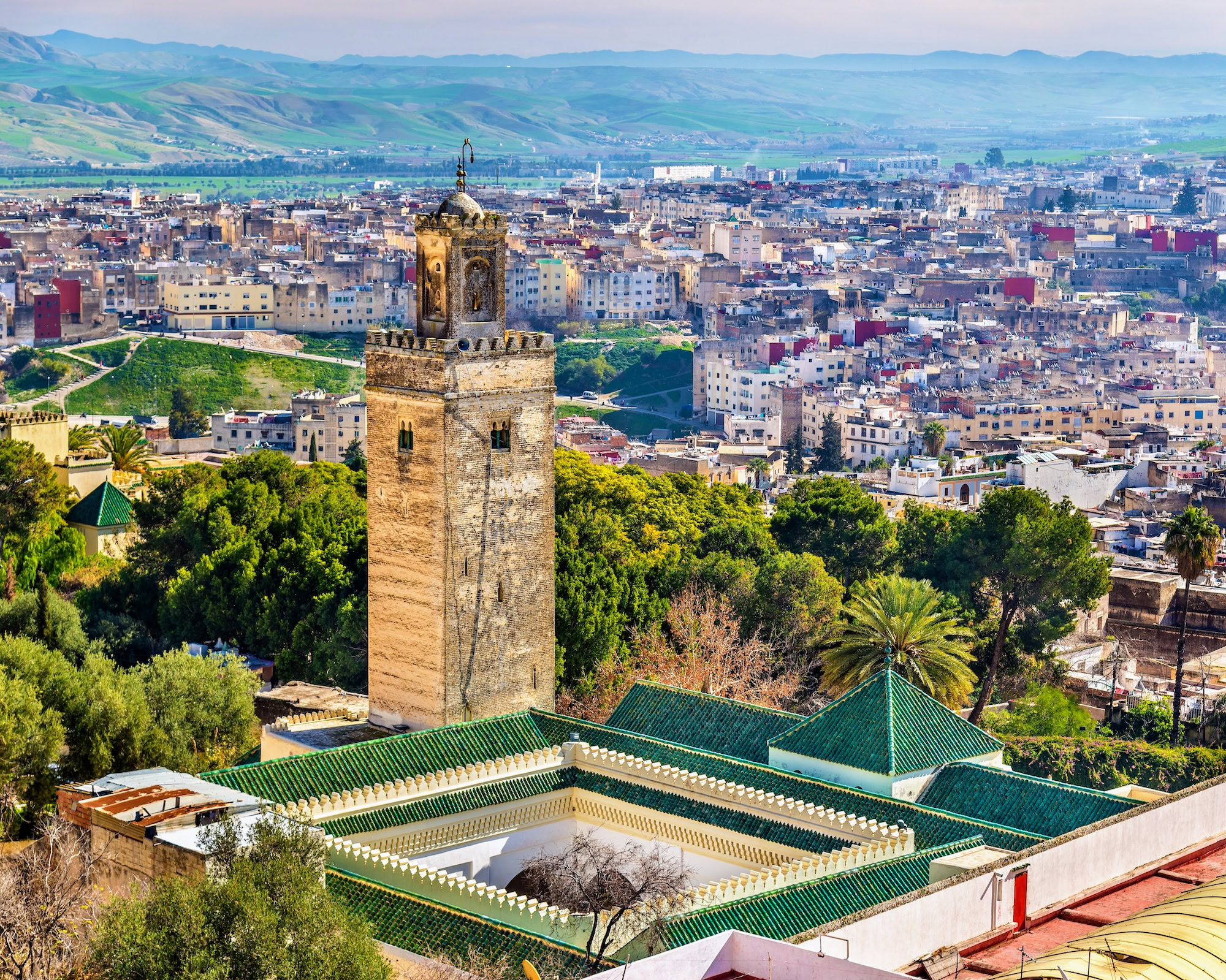
The sound of hammers shaping metal echoes through workshops, while the scent of leather from ancient tanneries fills the air. This immersive atmosphere reveals the depth of Morocco’s cultural heritage at every turn.
Fes can be included in our Egypt and Morocco tours, where Morocco’s imperial cities are combined with Egypt’s ancient wonders for a rich and culturally layered travel experience.
From exploring UNESCO World Heritage sites to witnessing traditional craftsmanship firsthand, Fes offers an authenticity rarely found elsewhere. With extensive experience guiding travelers through its labyrinthine streets, we ensure you uncover the city’s most remarkable highlights.
Exploring the Ancient Fes el-Bali Medina
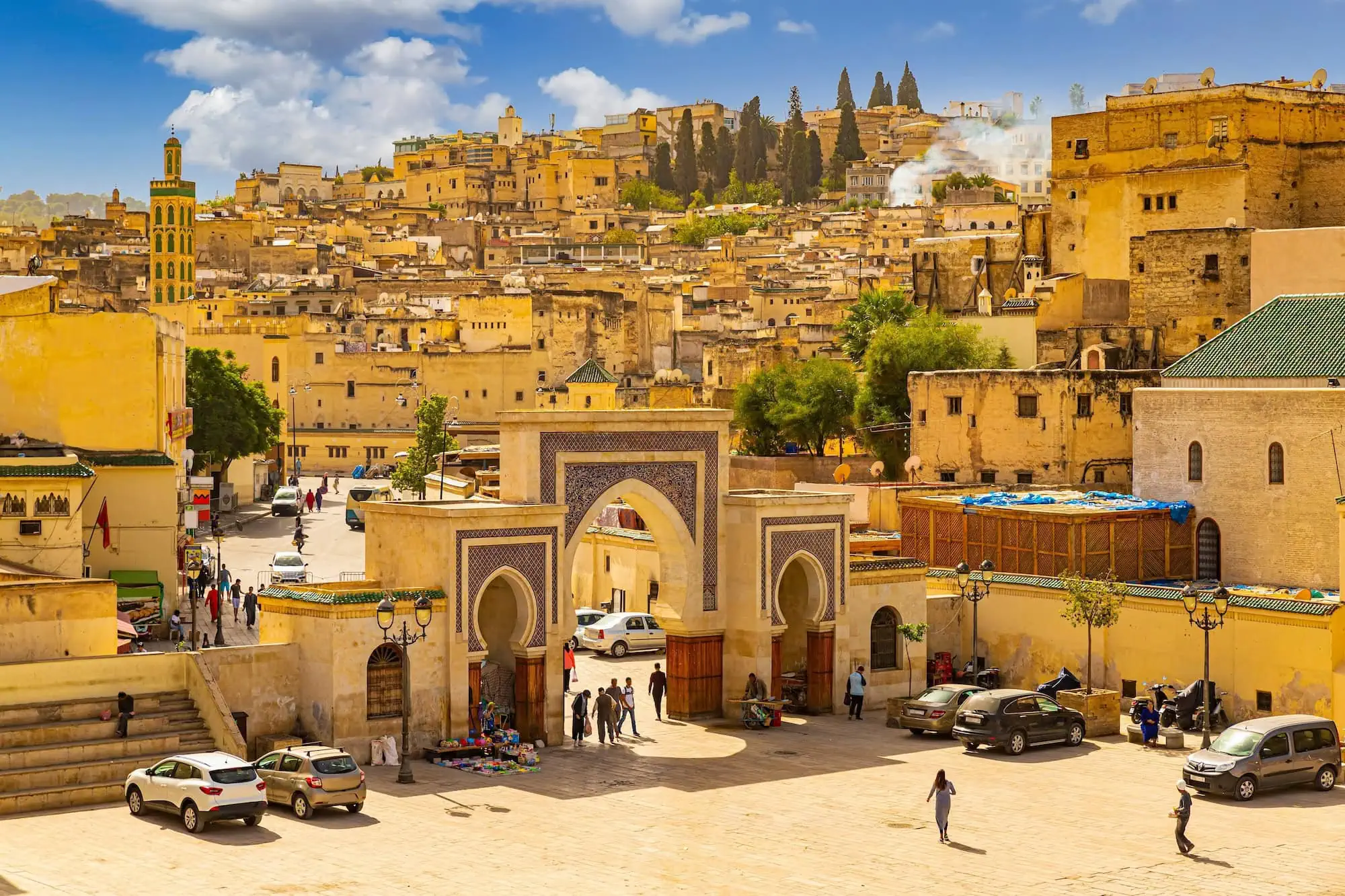
The medina of Fes el-Bali stands as the world’s largest car-free urban area and Morocco’s most significant historical district. This UNESCO World Heritage site spans over 300 hectares and houses nearly 300,000 residents within its ancient walls. Navigation requires patience, as the medina contains over 9,000 narrow streets and alleyways that have remained largely unchanged since medieval times.
Getting Your Bearings
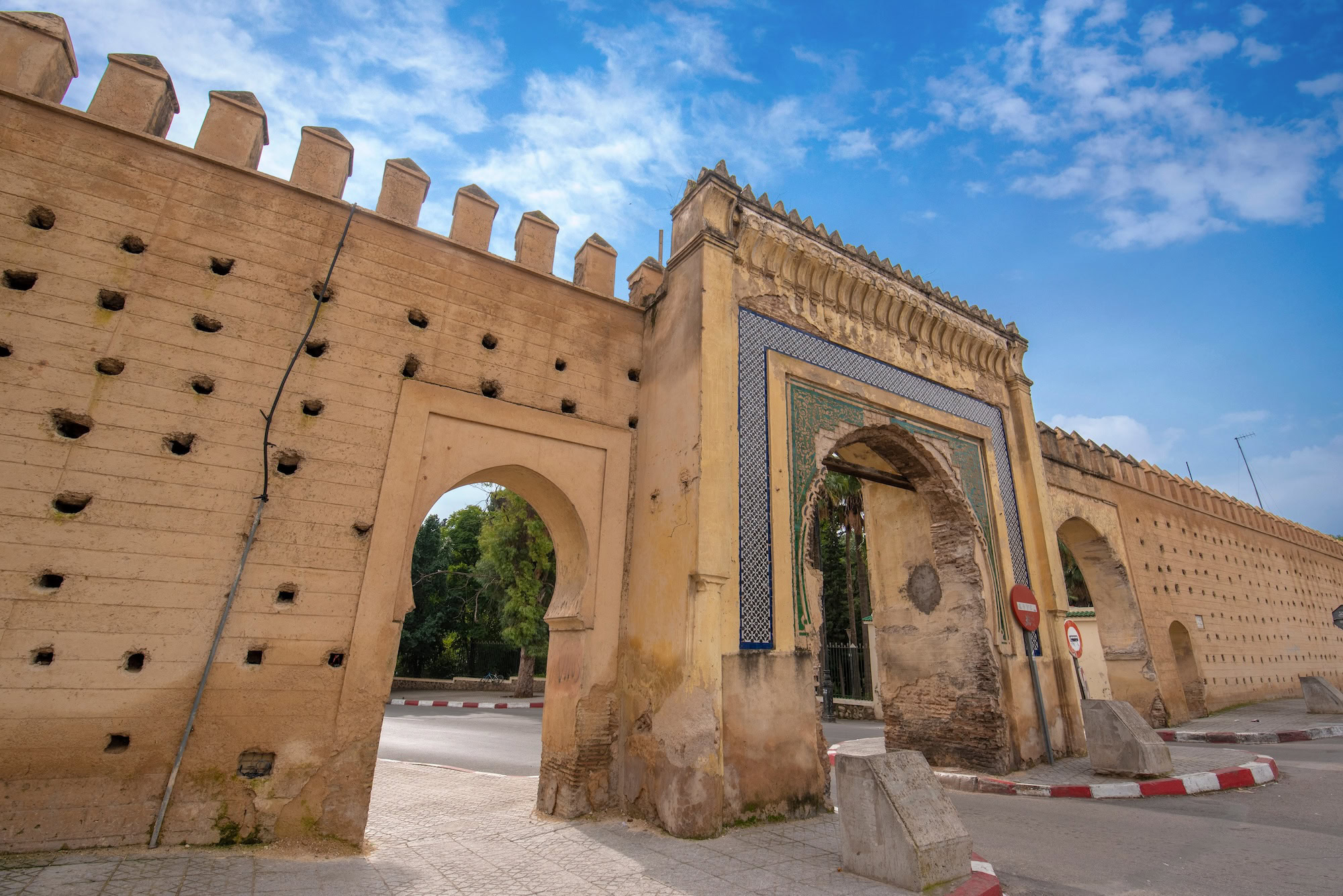
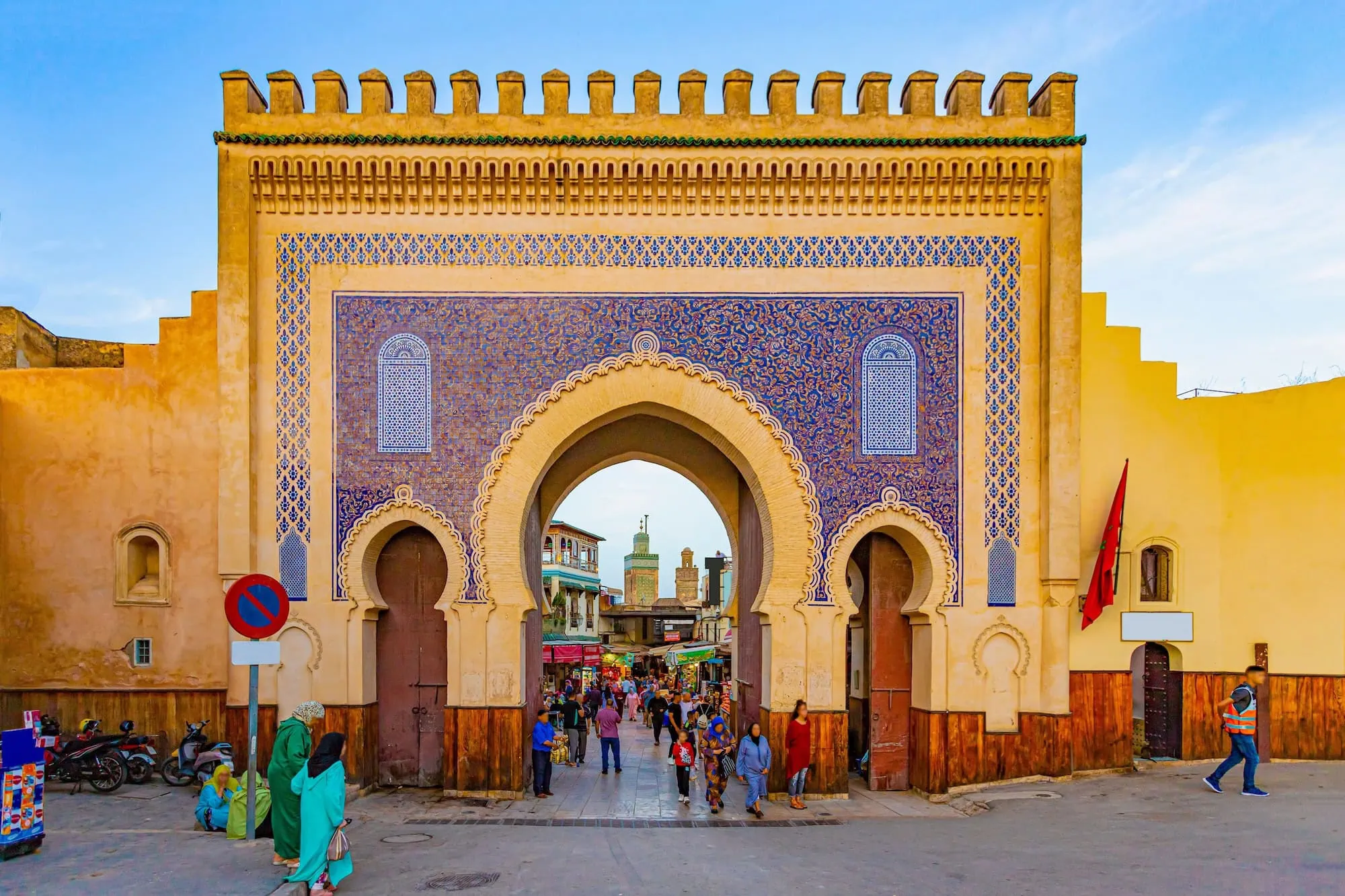
Start your exploration at Bab Boujloud, known as the Blue Gate, which serves as the main entrance to the old medina. The gate’s stunning blue and green mosaic tilework provides the perfect introduction to Fes’s architectural beauty. From here, the main thoroughfare leads directly into the heart of the medina, passing traditional souks and historic landmarks.
We recommend hiring a local guide for your first day in the medina. Professional guides know the intricate network of streets and can navigate you safely to major attractions while sharing historical insights. Local guides also help visitors understand the cultural significance of different neighborhoods and can arrange visits to traditional workshops.
Historic Landmarks Within Medina
The Al-Qarawiyyin Mosque and University, founded in 859 CE, holds the distinction of being the world’s oldest continuously operating university. While non-Muslims cannot enter the mosque itself, visitors can admire its impressive architecture from the entrance and explore the surrounding theological complex.
Medersa Bou Inania represents one of Morocco’s finest examples of Islamic architecture. This 14th-century religious school features intricate wood carvings, colorful geometric tilework, and a peaceful courtyard that offers respite from the medina’s bustling streets.
Traditional Crafts and Workshops
Artisans throughout the medina continue practicing traditional crafts passed down through generations. Metalworkers create intricate brass and copper items using techniques unchanged for centuries. Woodcarvers produce beautiful geometric patterns in cedar wood, while textile workers weave carpets and fabrics on traditional looms.
Many workshops welcome visitors to observe the creation process. Watching skilled craftsmen transform raw materials into beautiful finished products provides insight into Morocco’s rich artisanal heritage. Some workshops also offer hands-on experiences where visitors can try their hand at traditional techniques.
The Famous Chouara Tannery Experience
Chouara Tannery operates as one of the oldest leather tanneries in the world, using methods virtually unchanged since the 11th century. The tannery processes animal hides using natural materials like cow urine, quicklime, water, and salt, followed by natural dyes made from plants and minerals. Visitors witness this ancient process from terraces overlooking the circular stone wells where workers treat the leather by hand.
The sight of hundreds of circular dyeing vats filled with vibrant colors creates one of Morocco’s most photographed scenes. Workers move between the vats, treating hides that will become bags, shoes, jackets, and other leather goods sold throughout Morocco and exported worldwide.
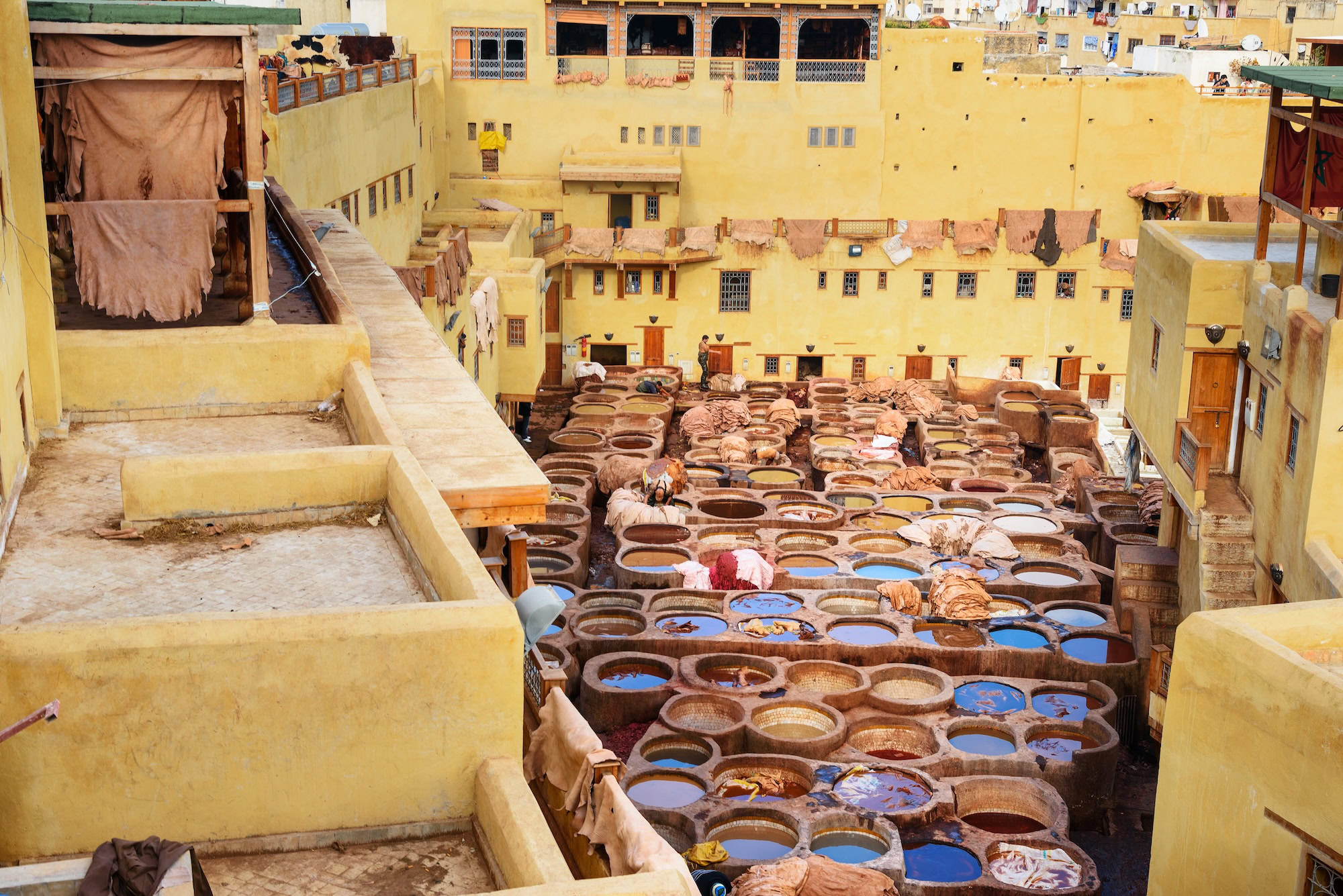
Visiting the tannery requires some preparation. The strong smell from the natural tanning process can be overwhelming, so guides typically provide mint leaves to hold under your nose. We suggest visiting in the morning when the light is best for photography and the workers are most active.
The best viewing points are from the leather shops surrounding the tannery. Shop owners allow visitors onto their terraces to photograph the tannery, usually expecting you to browse their leather goods afterward. High-quality leather products are available at these shops, often at better prices than you’ll find elsewhere in Morocco.
Cultural Sites and Religious Architecture
The Royal Palace
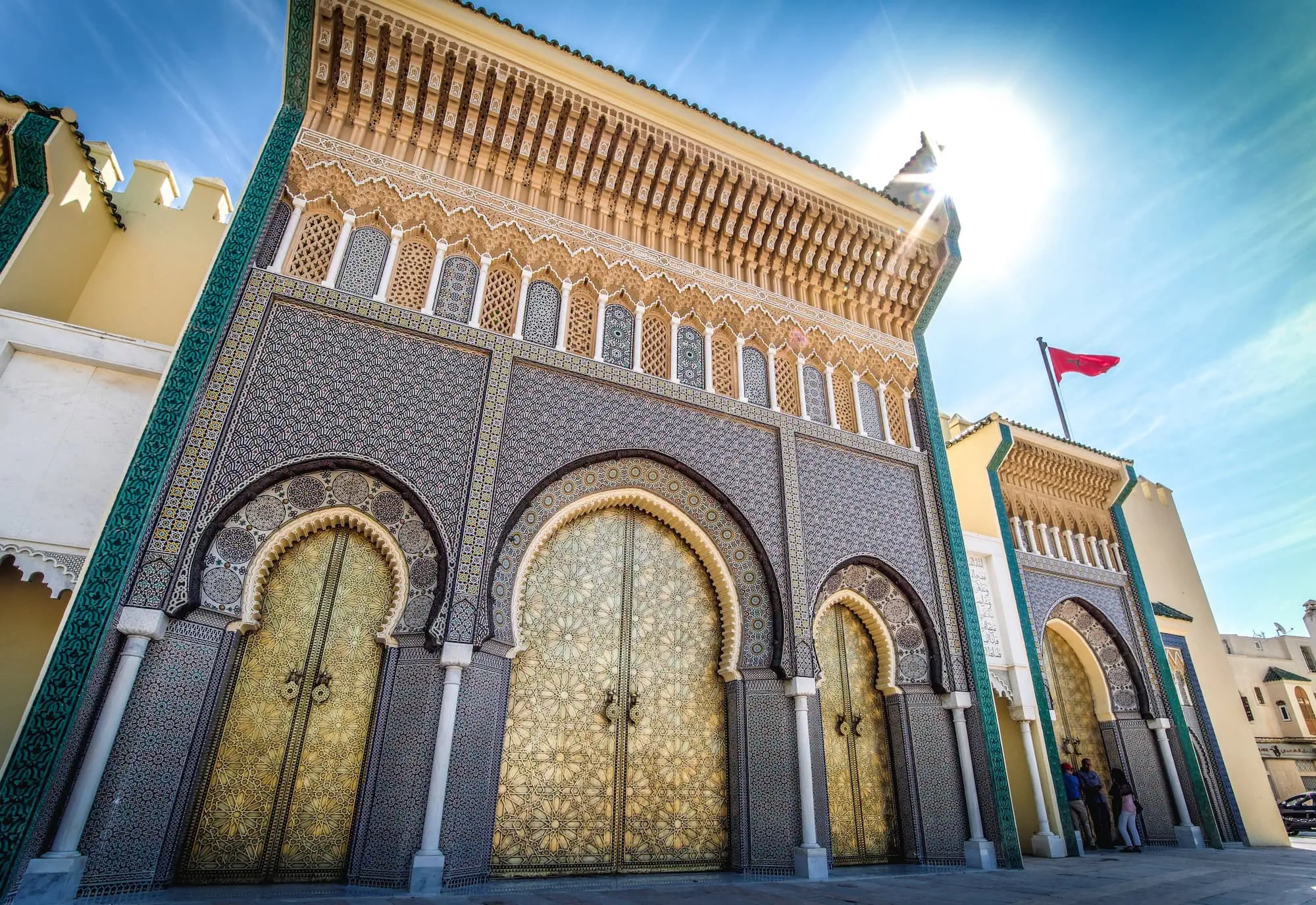
The Royal Palace of Fes showcases magnificent Moroccan architecture through its golden gates and detailed mosaic work, though the interior remains closed to the public. The palace grounds span several hectares and include beautiful gardens that demonstrate traditional Islamic landscape design.
The seven imposing brass gates feature intricate geometric patterns and calligraphy that represent some of Morocco’s finest metalwork. Each gate tells part of the story of Moroccan craftsmanship, with details that become more impressive the closer you examine them.
Jewish Quarter Heritage
The Mellah, Fes’s historic Jewish quarter, preserves an important part of Morocco’s multicultural heritage. This neighborhood features distinctive architecture with taller buildings and wrought-iron balconies that differ from the traditional Moroccan style found elsewhere in the city.
The Jewish Cemetery contains elaborate tombstones and mausoleums that reflect the once-thriving Jewish community in Fes. A synagogue still operates in the quarter, though the Jewish population has declined significantly since the mid-20th century.
Walking through the Mellah provides perspective on how different communities coexisted in traditional Moroccan cities. The neighborhood’s unique architectural features and narrow streets create a distinct atmosphere that complements the broader Fes experience.
Local Food Culture and Dining
Fes offers exceptional opportunities to experience authentic Moroccan cuisine. The city’s location at the crossroads of trade routes influenced its culinary traditions, resulting in dishes that combine Arab, Berber, and Mediterranean influences.
Traditional restaurants called “riads” serve multi-course Moroccan meals in beautiful courtyard settings. These establishments typically offer set menus featuring tagines, couscous, pastilla, and other regional specialties. Dining in a traditional riad provides cultural immersion alongside exceptional food.
Street food culture thrives throughout the medina. Small stalls and restaurants serve harira soup, fresh bread, grilled meats, and seasonal specialties. Local favorites include mechoui (slow-roasted lamb), rfissa (chicken and lentil stew), and various types of msemen (flaky pancakes).
Cooking Classes and Markets
Several establishments offer cooking classes that begin with guided tours through local markets. These experiences teach participants how to select fresh ingredients, understand spice combinations, and prepare traditional Moroccan dishes using authentic techniques.
Market tours reveal the incredible variety of ingredients used in Moroccan cooking. Spice vendors display dozens of different spices, each with specific culinary and medicinal uses. Produce vendors sell seasonal fruits and vegetables, many varieties not commonly found outside Morocco.
Learning to prepare traditional dishes provides lasting memories and practical skills. Most classes conclude with shared meals where participants enjoy the fruits of their labor while learning about Moroccan dining customs and food culture.
Day Trips and Extended Experiences
Fes serves as an excellent base for exploring other parts of Morocco. The nearby Middle Atlas Mountains offer hiking opportunities and traditional Berber villages. Meknes, another imperial city, lies just 60 kilometers away and can be reached by train or private transport.
Chefchaouen Blue City
Chefchaouen, famous for its blue-painted buildings, sits approximately 200 kilometers from Fes in the Rif Mountains. Day trips to this picturesque town typically include transportation, guided walks through the blue medina, and free time for photography and shopping.
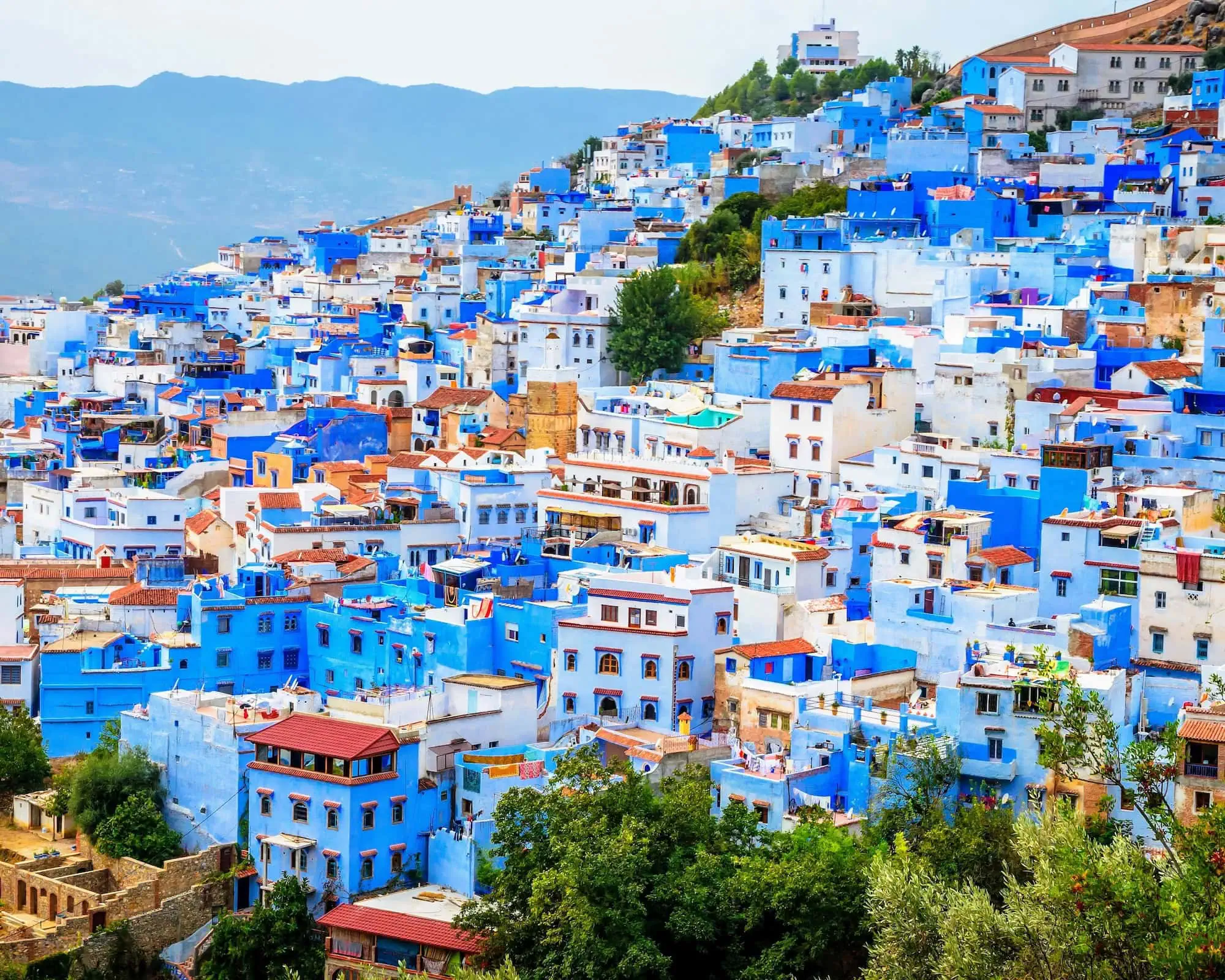
The journey to Chefchaouen takes you through beautiful mountain scenery and traditional rural villages. The town itself offers a more relaxed pace compared to Fes, with wider streets, fewer crowds, and stunning mountain views.
Sahara Desert Adventures
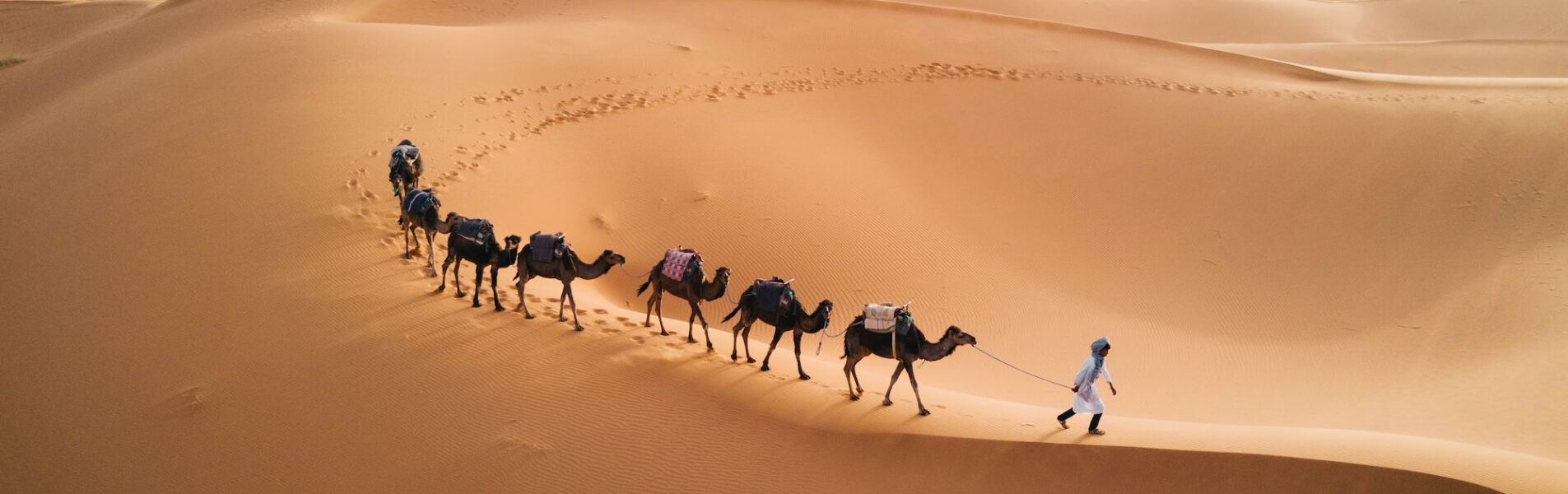
Multi-day excursions to the Sahara Desert typically depart from Fes, traveling through the Middle Atlas Mountains and stopping in towns like Ifrane and Midelt. These trips usually include camel trekking, overnight camping in the desert, and visits to traditional Berber communities.
Desert trips from Fes generally require 2-3 days minimum to allow time for travel and experiencing the Sahara properly. We arrange comfortable transportation, experienced guides, and quality camping equipment to ensure memorable and safe desert experiences.
Traditional Hammam and Wellness
Traditional hammams (public baths) have operated in Fes for centuries and remain an important part of local culture. These steam baths provide relaxation, social interaction, and deep cleansing using traditional methods and natural products.
Public hammams offer authentic experiences at very reasonable prices. Visitors receive instruction on proper hammam etiquette and procedures. The process typically involves multiple rooms with different temperatures, exfoliation with traditional mitts, and applications of black soap made from olives.
Private hammam experiences are available at upscale riads and spas. These facilities offer more luxurious surroundings and personalized service while maintaining traditional hammam principles. Some include additional treatments like argan oil massages and herbal wraps.
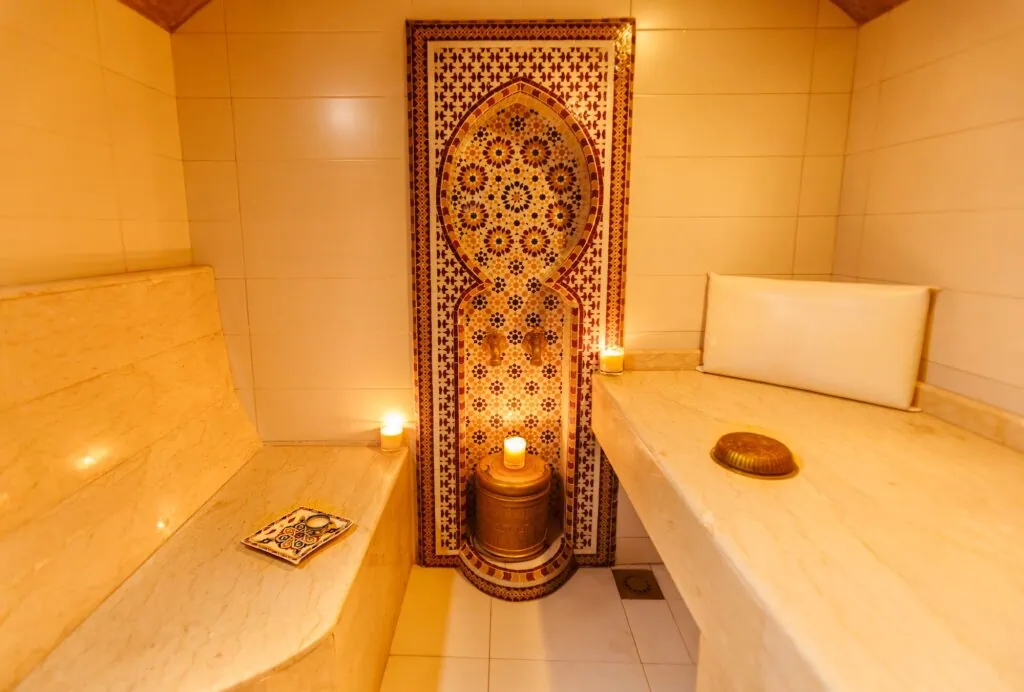
Hammam experiences provide insight into Moroccan wellness traditions while offering genuine relaxation after days of exploring the busy medina. We can arrange both public and private hammam experiences based on your preferences and comfort level.
Practical Planning for Your Visit
Best Times to Visit
Spring (March-May) and fall (September-November) offer the most comfortable weather for exploring Fes. Temperatures during these periods range from 15-25°C, perfect for walking through the medina and outdoor activities.
Summer temperatures can exceed 35°C, making medina exploration challenging during midday hours. Winter brings cooler temperatures and occasional rain, but fewer crowds and lower accommodation prices.
Accommodation Recommendations
Traditional riads provide authentic accommodation experiences within the medina. These converted traditional houses feature central courtyards, rooftop terraces, and traditional Moroccan decoration. Many riads offer cooking classes, guided tours, and other cultural activities.
Modern hotels outside the medina provide contemporary amenities and easier vehicle access. These properties often feature pools, fitness centers, and spa facilities. Transportation to the medina typically takes 10-15 minutes by taxi.
We work with carefully selected riads and hotels that meet our standards for cleanliness, service, and authentic cultural experiences. Our recommendations ensure comfortable stays while supporting local businesses and traditional hospitality.
Transportation and Navigation
Fes-Saïss Airport serves the city with connections to major European and Moroccan cities. The airport lies approximately 15 kilometers from the city center, with taxi and shuttle services available.
Train connections link Fes to Casablanca, Rabat, Tangier, and other major Moroccan cities. The train station sits outside the medina, requiring taxi transportation to reach traditional accommodations.
Within Fes, walking remains the primary method of medina exploration. Taxis can transport visitors between the new city, train station, airport, and medina entrances, but cannot enter the narrow medina streets.
Frequently Asked Questions
Three to four days allow time to visit major attractions.
The medina is generally safe during daylight hours.
Conservative clothing covering shoulders, arms, and legs is required.
Non-Muslims cannot enter but can view architecture from entrance.
Licensed guides typically charge 300-500 MAD for full-day tours.
Hire a local guide and note major landmarks near accommodation.
Traditional medina shops accept only cash, restaurants accept cards.
Fes specializes in leather goods, metalwork, ceramics, and textiles.
Natural tanning creates strong odors, guides provide mint leaves.
Photography is generally permitted in public areas and attractions.
Design Your Custom Tour
Explore Egypt & Morocco your way by selecting only the attractions you want to visit