

How to Book a Nile Cruise
Booking your Nile cruise shouldn’t feel overwhelming.
Most travelers dream about floating down the ancient waterway that built Egyptian civilization, but the sheer number of options can paralyze even experienced tourists. From 3-night luxury vessels with marble bathrooms to traditional feluccas with basic amenities, the choices span every budget and comfort level. The key lies in understanding your priorities before you start comparing prices or reading endless reviews.
We’ve helped thousands of travelers navigate this decision over our decades in Egypt tourism. The process becomes straightforward once you know which questions to ask first.
Essential Planning Steps Before You Book
Start by determining your travel dates, as this single decision impacts everything else about your Nile cruise experience. Peak season runs from October through April when temperatures hover around 25°C (77°F), making deck time pleasant throughout the day. During these months, advance booking becomes crucial since the best vessels fill up 3-4 months ahead.
Summer months offer significant savings but bring intense heat reaching 40°C (104°F). Many travelers find July cruises uncomfortable during midday hours, though early morning and evening deck activities remain enjoyable.
Consider your total Egypt itinerary when selecting cruise duration. Three-night journeys between Luxor and Aswan work perfectly for first-time visitors combining pyramids, museums, and river time. Seven-night round-trip cruises appeal to travelers wanting deeper immersion without changing hotels.
Budget Planning Reality Check
Nile cruise pricing varies dramatically based on timing and vessel quality. Budget options start around $200 per person for three nights, while luxury experiences reach $1,500 or more. These base prices rarely include gratuities, optional excursions, or onboard beverage packages.
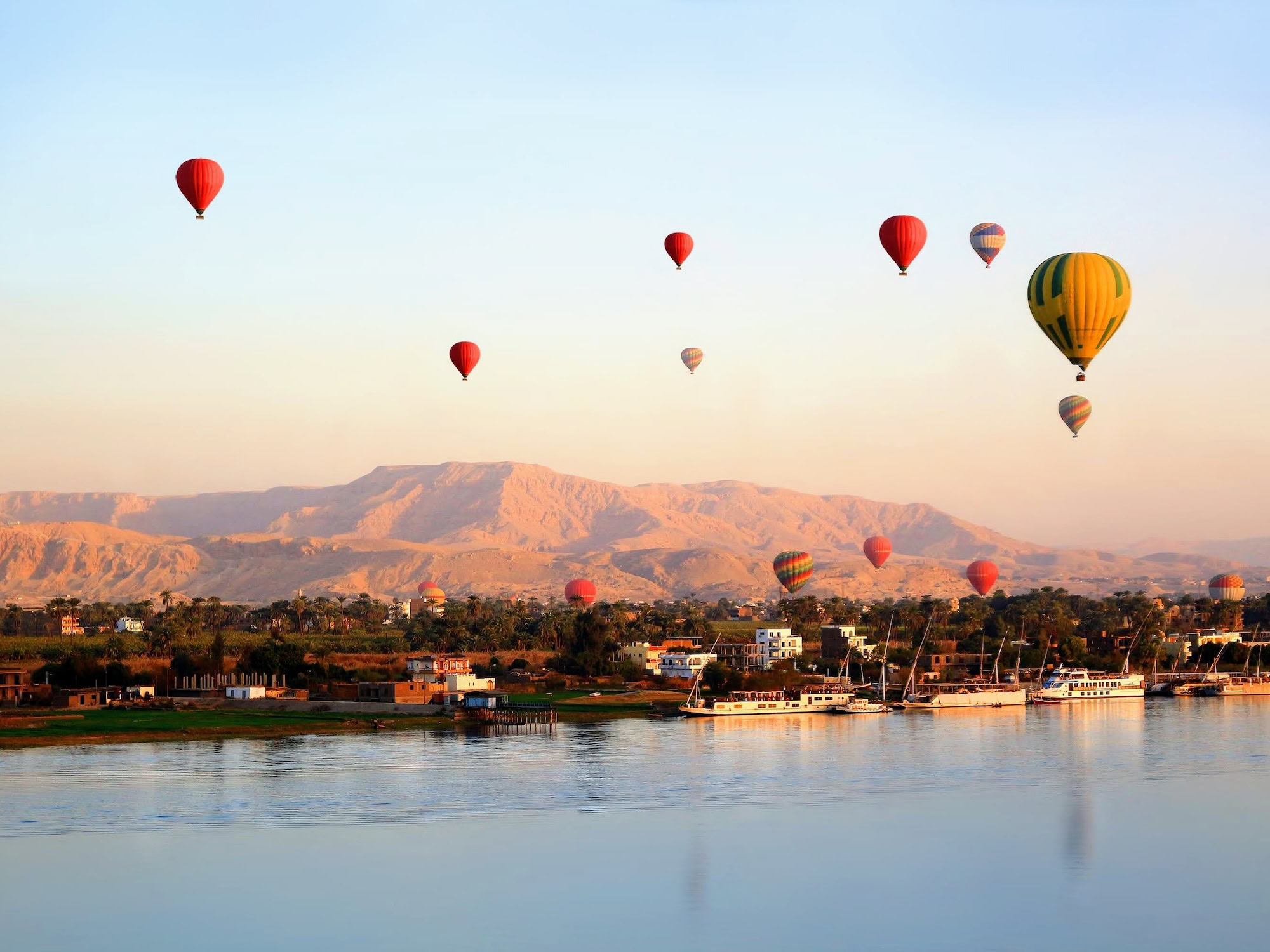
Factor in additional costs like airport transfers, tourist visa fees ($25 for U.S. visitors, similar amounts for Europeans), and shore excursion upgrades. Many cruise packages include basic temple visits but charge extra for experiences like hot air ballooning over Luxor or private archaeological guide services.
Cabin Selection Strategy
Lower deck cabins cost less but offer limited natural light and smaller windows. Upper deck rooms provide better river views and more space, justifying the 20-30% premium for most travelers.
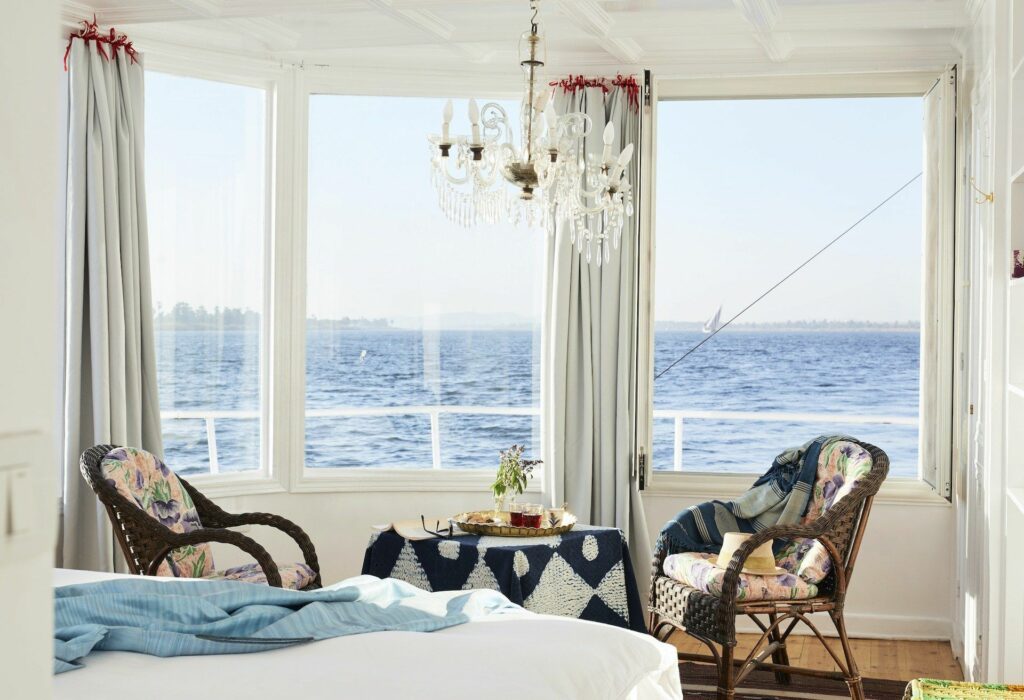
Suites include separate sitting areas and larger bathrooms, though the added space matters less since you’ll spend most time on communal decks.
Understanding Different Cruise Styles and Routes
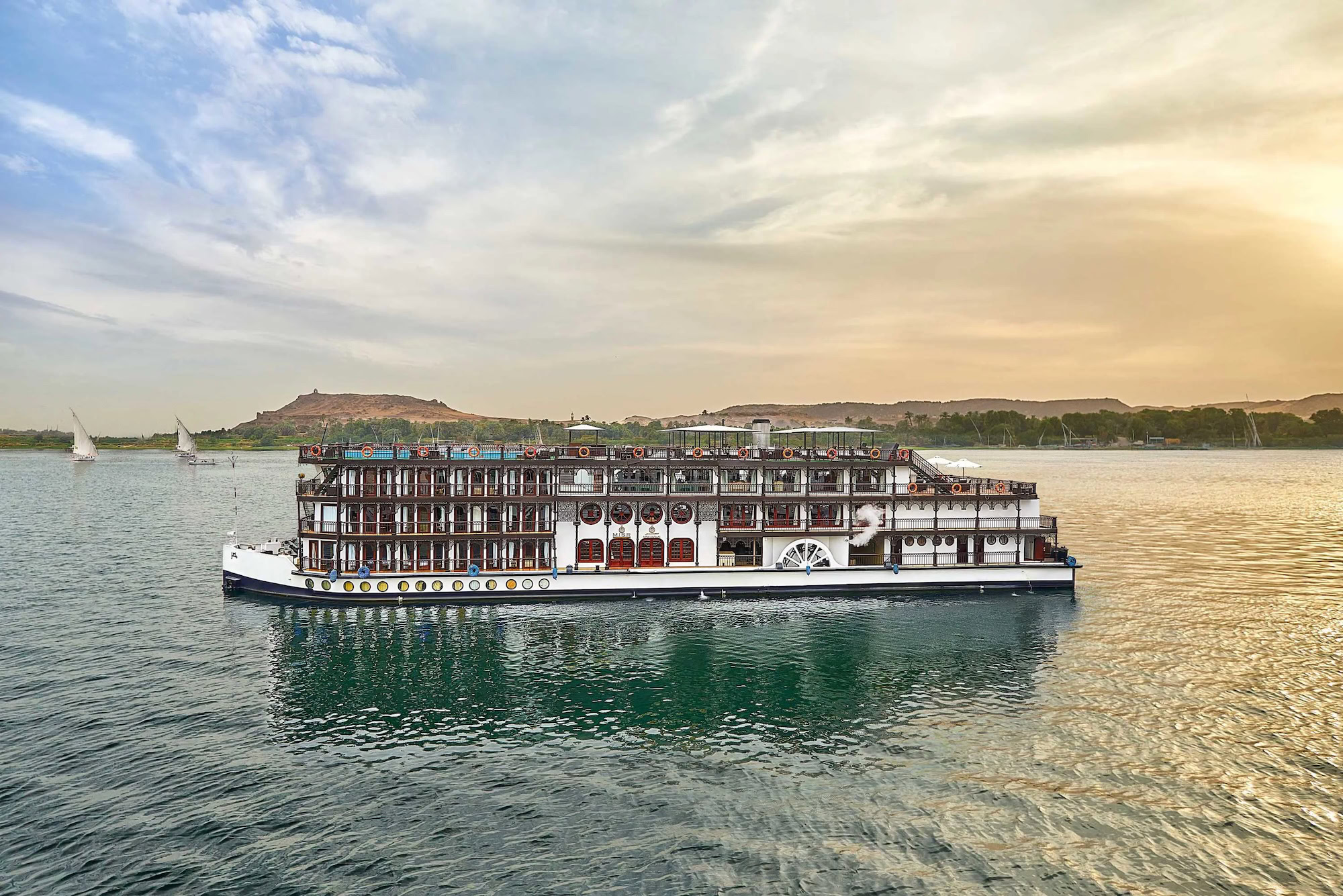
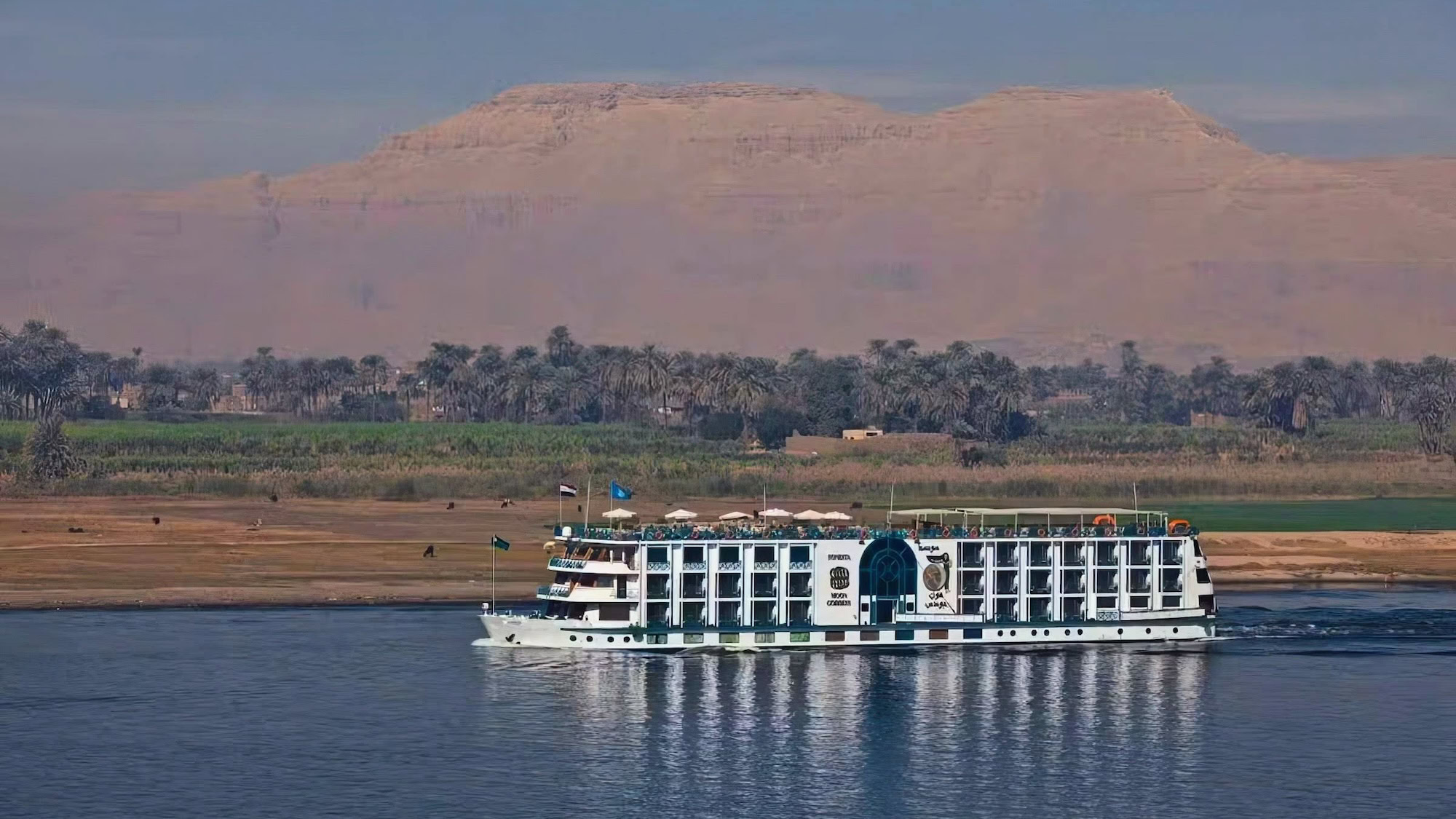
Traditional Nile cruises operate as floating hotels with restaurants, bars, and entertainment areas. These vessels carry 50-150 passengers and dock at major archaeological sites between Luxor and Aswan. Shore excursions happen as small group experiences with up to 12 participants, creating more intimate settings than typical large tour groups.
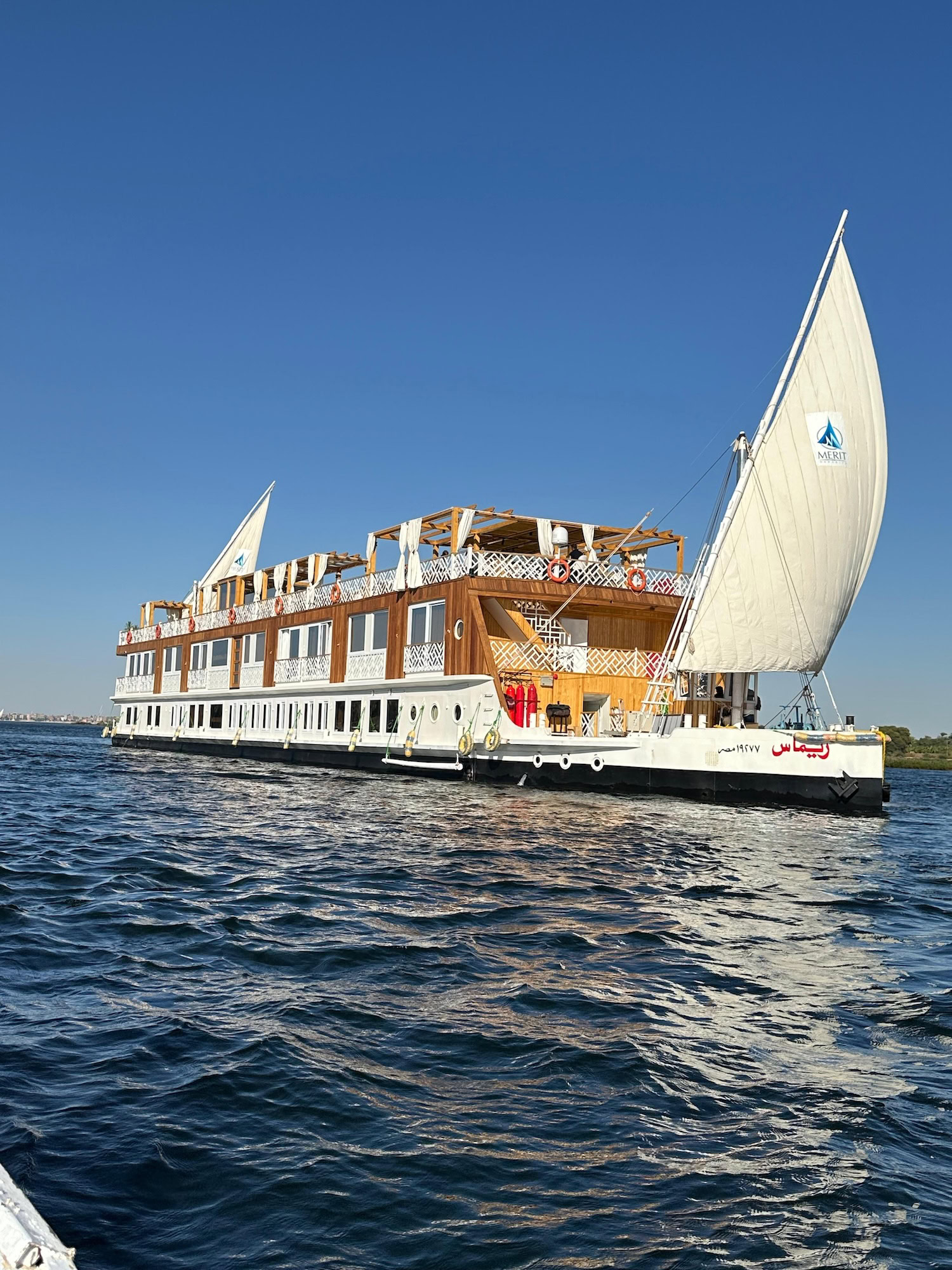
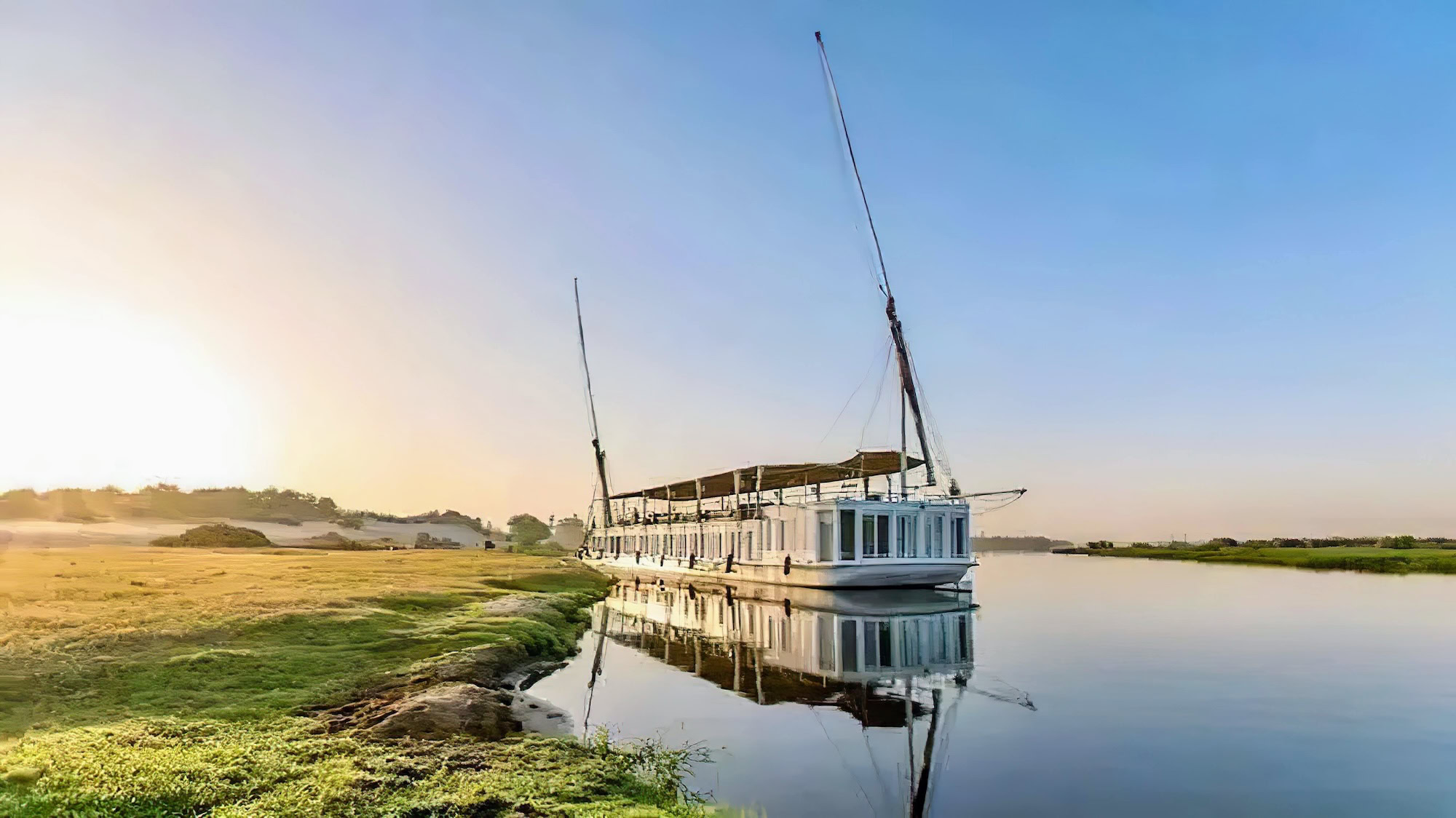
Dahabiya boats offer a completely different experience with only 8-12 cabins total. These traditional sailing vessels move slower and dock at smaller sites inaccessible to larger cruise ships. The pace feels more relaxed, though amenities remain basic compared to luxury cruise ships.
The Luxor to Aswan Route
This classic journey covers 200 kilometers (124 miles) of the most historically significant Nile section. Southbound cruises typically begin in Luxor, allowing visitors to explore Karnak Temple and Valley of the Kings before boarding. The route includes stops at Edfu Temple, Kom Ombo Temple, and concludes in Aswan near the famous High Dam.
Northbound departures from Aswan work better for travelers continuing to Abu Simbel, since the temples sit 280 kilometers (174 miles) south of Aswan. This routing eliminates backtracking and reduces total travel time.
Extended Cruise Options
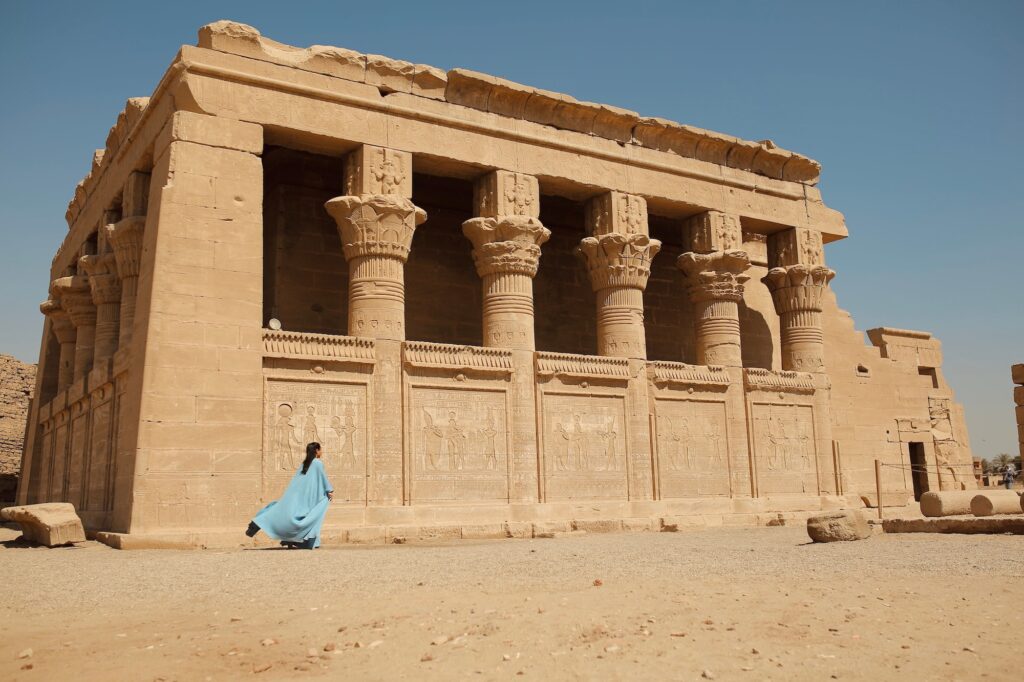
Longer itineraries venture further north toward Cairo or south toward Sudan’s border. Eight to eleven-night cruises add stops at Dendera Temple and Abydos Temple, both remarkable sites skipped by standard routes. These extended journeys appeal to archaeology enthusiasts and repeat Egypt visitors seeking new experiences.
Lake Nasser cruises represent another category entirely, focusing on the relocated temples saved during High Dam construction. These 3-4 night journeys include Abu Simbel and other Nubian monuments, though the lake environment differs significantly from traditional river cruising.
Booking Process and Best Practices
Direct booking through cruise operators often provides better rates than third-party booking sites, though comparison shopping remains important. Egyptian operators frequently offer last-minute deals, while international companies maintain more consistent pricing year-round.

Timing Your Reservation
Book 6-8 weeks ahead for standard cruises during shoulder seasons. Peak winter months require 3-4 months advance booking to secure preferred cabin categories. Summer travel allows more flexibility, with decent options available just 2-3 weeks prior to departure.
Payment terms vary significantly between operators. Egyptian companies often request full payment upon booking, while international operators accept deposits with final payment due 30-60 days before travel. Travel insurance becomes particularly important given these payment structures and potential political instability affecting tourism.
Documentation and Visa Requirements
U.S. citizens need a tourist visa costing $25, available on arrival at Cairo or Luxor airports or through Egyptian consulates in advance. European Union citizens pay similar fees, while some Arab League nationals enter visa-free. Processing takes 15-20 minutes at airports during busy periods.
Passport validity must extend at least 6 months beyond your planned departure date from Egypt. Cruise operators typically collect passports during embarkation for group processing at port authorities, returning them before disembarkation.
Safety documentation includes medical travel insurance covering emergency evacuation, particularly important given limited medical facilities along the river route. Our modern vehicles and professional drivers ensure safe ground transfers, while 24/7 customer support addresses any concerns during your journey.
Maximizing Your Nile Cruise Experience
The best Nile cruise experiences happen when travelers prepare appropriately and set realistic expectations. Pack lightweight, breathable clothing suitable for temple visits and comfortable walking shoes with good ankle support. Temple sites involve significant walking on uneven ancient stones.
Morning wake-up calls start early, typically 6:00 am (06:00) for sunrise temple visits when crowds remain minimal and lighting creates optimal photography conditions. Afternoon temperatures often confine activities to air-conditioned interiors, making evening deck time particularly pleasant.
Shore Excursions Worth Upgrading
Standard cruise packages include basic temple visits with large group tours. Private guide upgrades cost $50-100 per day but transform the experience through personalized attention and detailed historical context. Archaeological specialists provide insights unavailable through standard commentary.
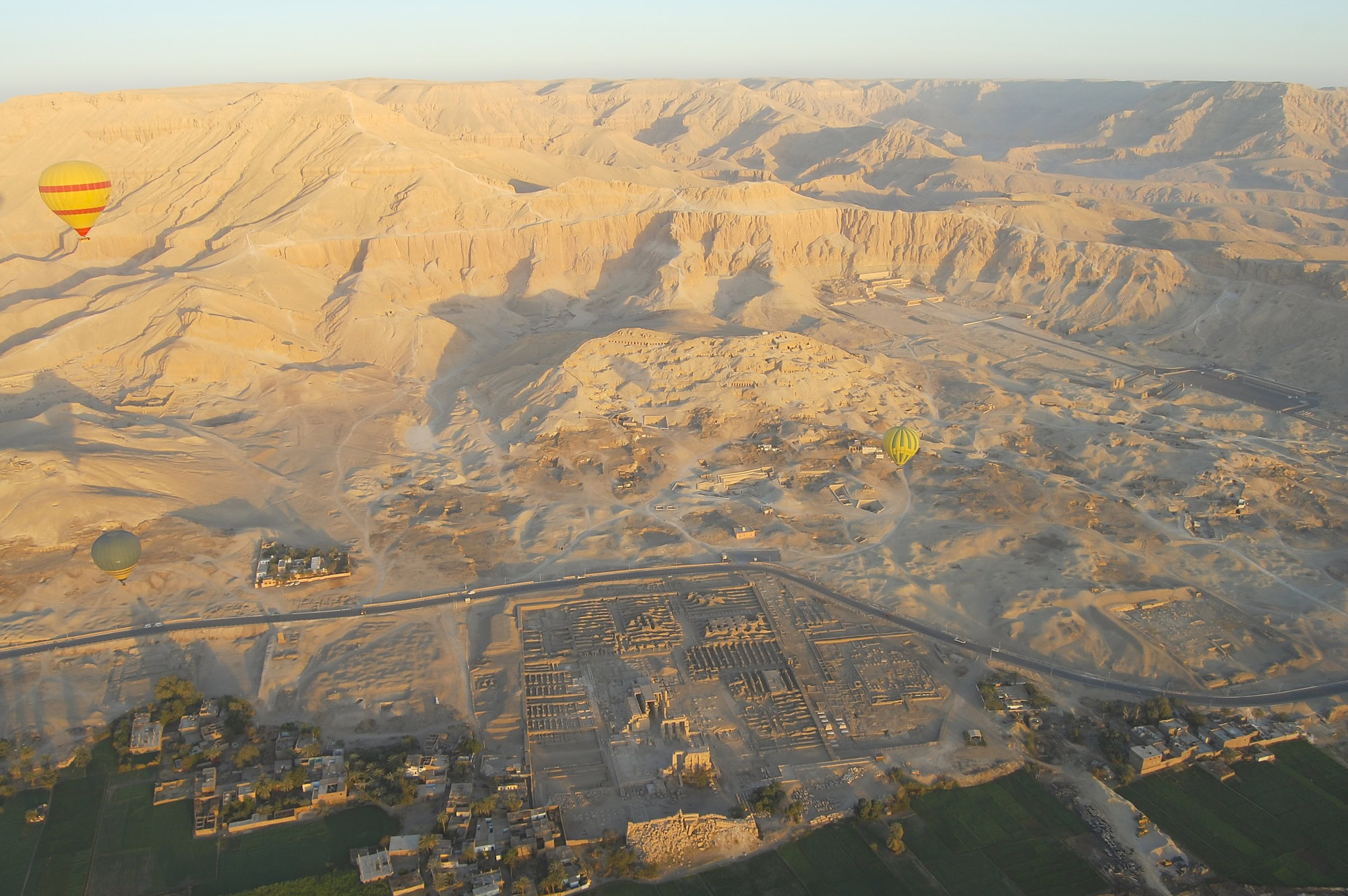
Hot air ballooning over Luxor’s West Bank offers spectacular sunrise views of ancient monuments from above. Weather permitting, these flights operate year-round though advance booking ensures availability during your cruise dates.
Sound and light shows at Karnak Temple and Philae Temple provide evening entertainment highlighting monument history through dramatic lighting and narration. Quality varies, but the settings alone make these experiences memorable.
Onboard Activities and Dining
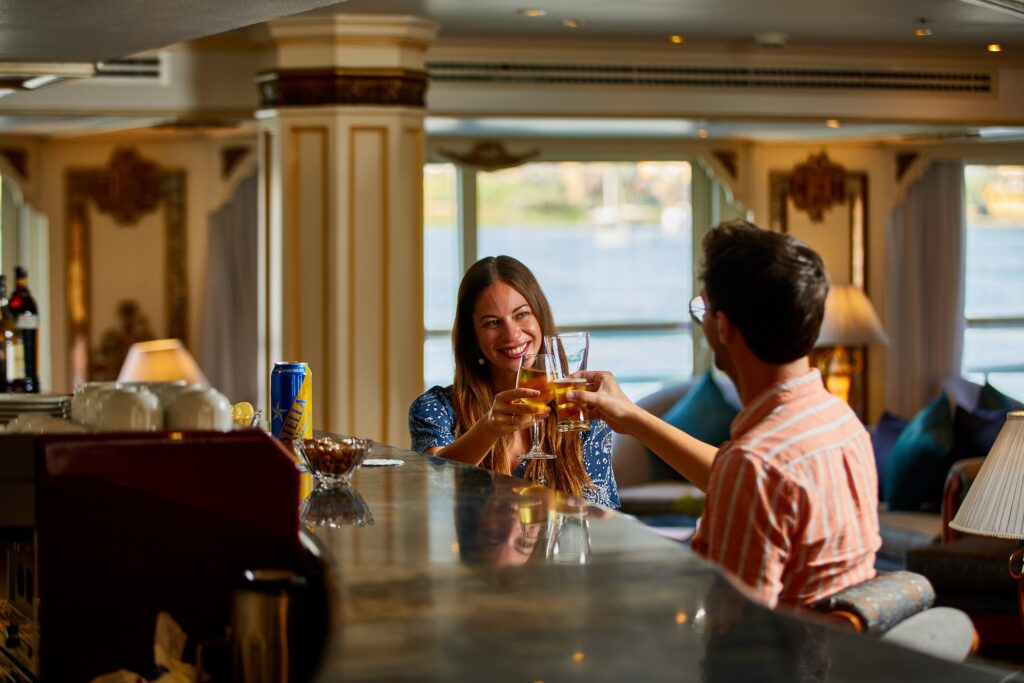
Most cruise ships offer themed entertainment nights featuring traditional music, belly dancing, and Nubian cultural performances. These shows typically begin around 8:30 pm (20:30) after dinner service concludes.
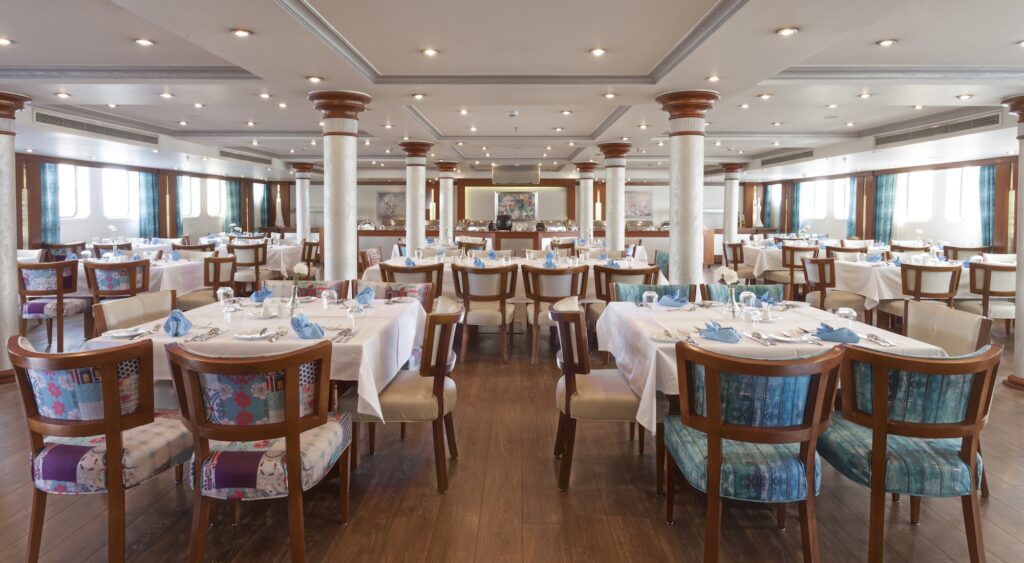
Dining emphasizes Egyptian and international cuisine with buffet breakfast and lunch services. Dinner operates restaurant-style with set menus changing nightly. Dietary restrictions receive accommodation when communicated during booking, though options remain more limited than at resort hotels.
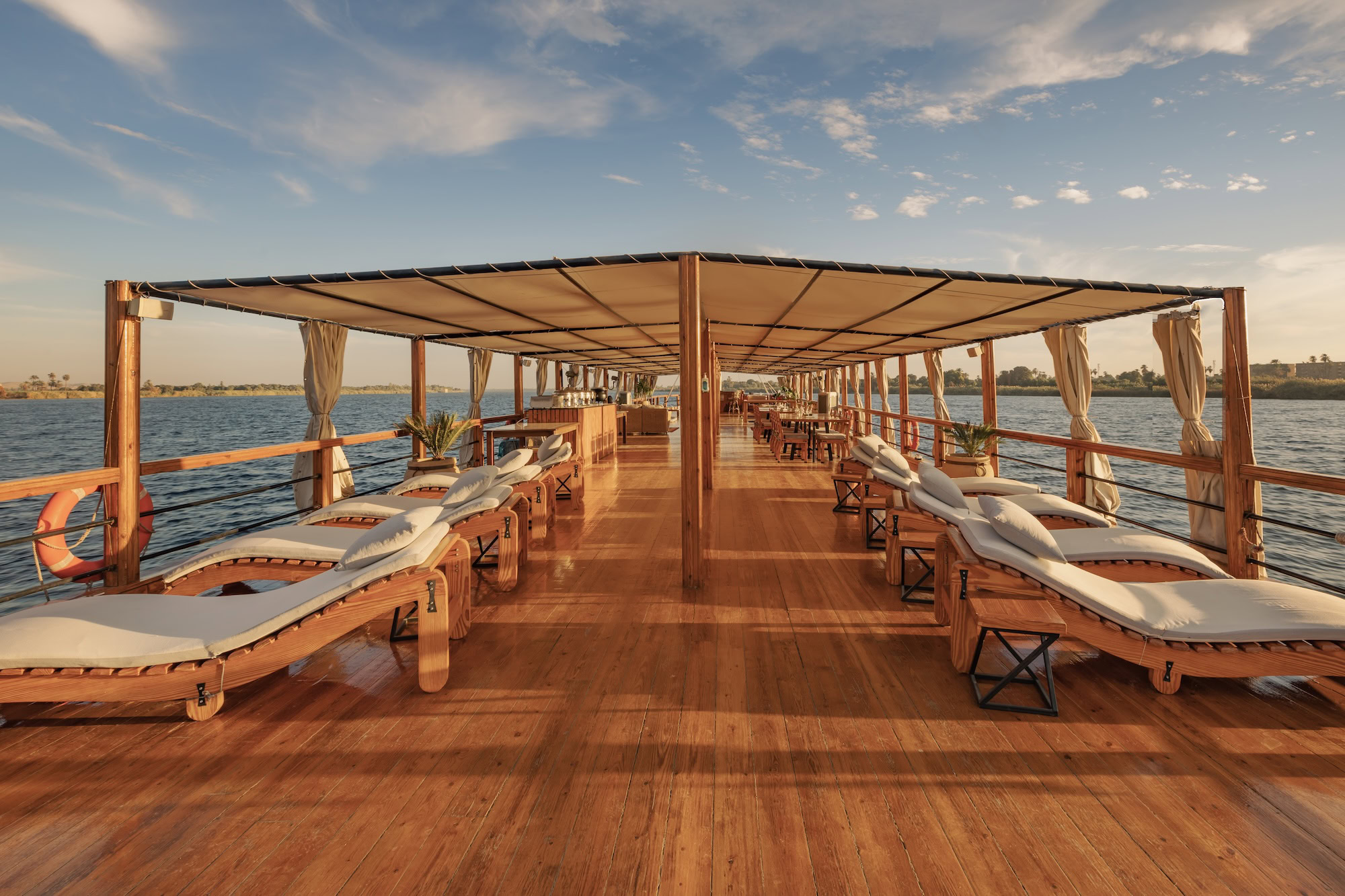
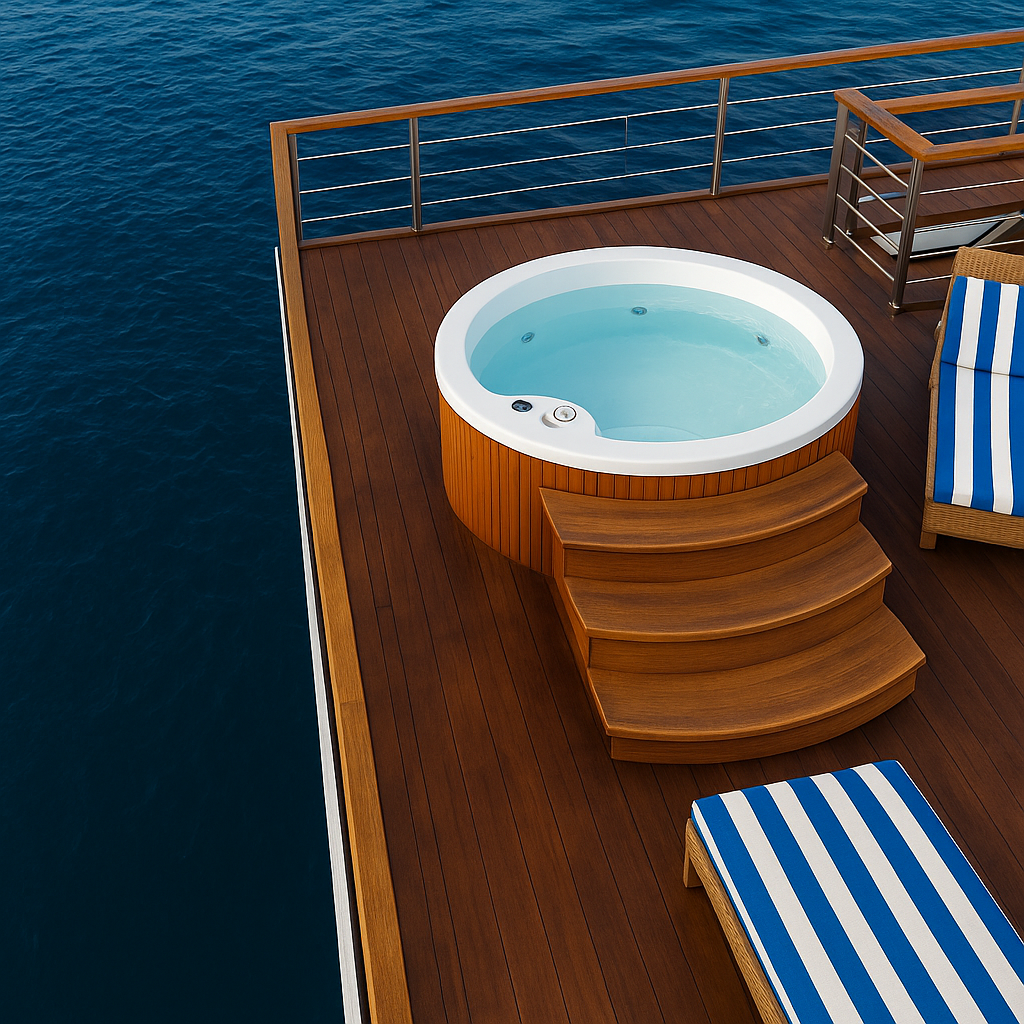
Pool areas and sun decks provide relaxation space between excursions. Deck chairs fill quickly during peak travel seasons, so establishing preferred spots early in the cruise helps ensure consistent access.
Frequently Asked Questions
What’s included in typical Nile cruise packages?
Most packages include accommodation, all meals, transportation between sites, and basic guided excursions to major temples.
When is the best time for Nile cruises?
October through April offers ideal weather conditions with temperatures between 20-30°C (68-86°F) and minimal rainfall.
How long should I spend on a Nile cruise?
First-time visitors find 3-4 nights sufficient to see major highlights, while history enthusiasts prefer 7+ nights for deeper exploration.
Are Nile cruises suitable for children?
Yes, though consider shorter itineraries and ensure children can handle significant walking at archaeological sites.
Do I need vaccinations for Nile cruises?
No special vaccinations are required, though hepatitis A and typhoid vaccinations are recommended for Egypt travel generally.
What’s the dress code onboard?
Casual comfortable clothing works for daytime, smart casual for evening dining, and modest clothing covering shoulders and knees for temple visits.
Can I book shore excursions independently?
Yes, though cruise-included excursions offer convenience and group coordination, while independent touring provides more flexibility.
Is internet available on Nile cruise ships?
Most modern vessels offer WiFi in common areas, though connectivity can be slow and intermittent along remote river sections.
What currency should I bring?
Egyptian pounds work best for tips and small purchases, though USD and EUR are widely accepted at tourist sites.
Are there medical facilities onboard?
Basic first aid is available, but serious medical issues require evacuation to Luxor or Aswan hospitals.
How formal are evening meals?
Smart casual attire is standard, with no requirement for formal wear even on luxury vessels.
Can I extend my stay in Aswan or Luxor?
Yes, most cruise operators can arrange additional hotel nights and continue your Egypt adventure with our tailored itineraries and award-winning service.

Design Your Custom Tour
Explore Egypt your way by selecting only the attractions you want to visit