

Is It Safe to Travel to Egypt and Jordan Now? A Practical Guide for First-Time Visitors
Planning your Middle Eastern adventure? Let’s address the security concerns head-on.
Both Egypt and Jordan have established themselves as reliable destinations for international travelers, though understanding the current safety landscape helps you make informed decisions. Political stability in Jordan has remained consistent over recent decades, while Egypt has seen improvements in tourist security measures since 2014.
Your safety depends largely on destination choices, travel timing, and local awareness – factors we’ll examine through current data and practical insights.
Want to explore both countries with complete peace of mind?
Discover our private guided Egypt and Jordan tours, designed for comfort, safety, and seamless travel — with your own guide, private driver, and 24/7 support.
Current Security Assessment for Egypt
Egypt’s tourism infrastructure has strengthened significantly following comprehensive security reforms. The Ministry of Tourism and Antiquities now coordinates directly with security forces to maintain protected corridors around major archaeological sites.
Sinai Peninsula Considerations
Northern Sinai remains under heightened security protocols due to ongoing military operations against extremist groups. We strongly advise avoiding this region entirely.
Southern Sinai, including Sharm El Sheikh and Dahab, operates under enhanced security arrangements, with a consistent police presence and dedicated tourist police units, and is considered safe to visit.
Red Sea resorts maintain international security standards with private security teams and government oversight. Most incidents in this area involve petty crime rather than serious security threats.
Cairo and Giza Safety Protocols
Tourist police patrol heavily around the Pyramids of Giza, Grand Egyptian Museum, and Islamic Cairo districts. Street crime occasionally targets tourists through pickpocketing and overcharging, but violent crime against visitors remains rare.
Demonstrations can occur with little warning, particularly around Tahrir Square and government buildings. Avoid large gatherings and political events completely, as authorities may restrict movement in surrounding areas.
Upper Egypt Security Measures
Luxor and Aswan benefit from enhanced security protocols including tourist convoys for certain routes. The Valley of the Kings, Karnak Temple, and Philae Temple operate under constant security monitoring. Abu Simbel requires organized transport with security coordination.
Tourism police escort groups traveling between Luxor and Aswan by road, though most travelers prefer Nile cruise ships for this route.
Jordan’s Safety Profile
Jordan has maintained political stability and security cooperation with international partners for decades. King Abdullah II’s government prioritizes tourism safety as essential to the national economy.
Crime rates against tourists remain exceptionally low across Jordan. The Tourism Police work specifically with international visitors, providing assistance and maintaining security at major sites.
Petra and Southern Jordan
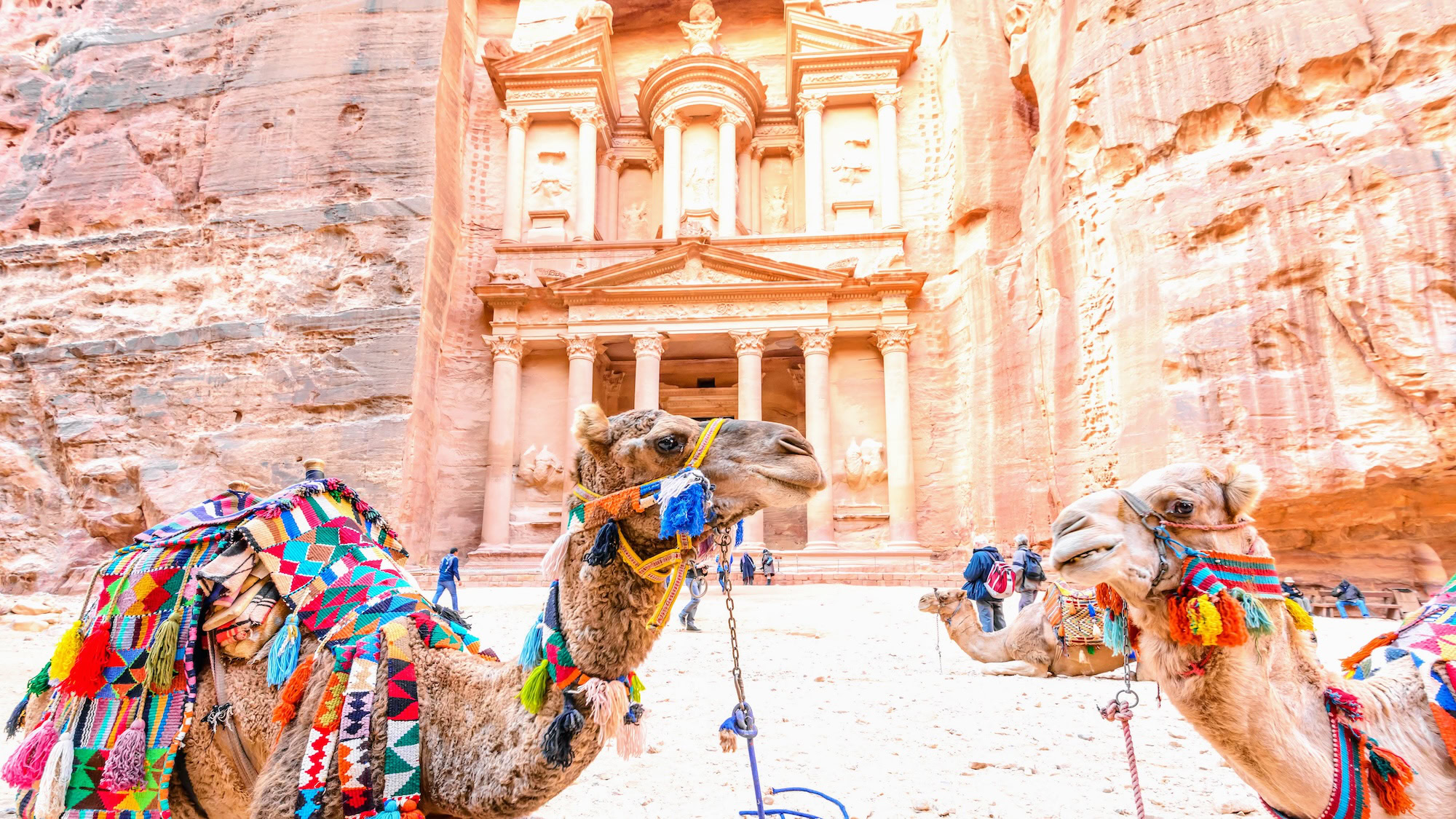
Petra Archaeological Park operates comprehensive security systems with trained guides and emergency protocols. The ancient city receives over 600,000 visitors annually without major security incidents.
Wadi Rum Protected Area employs Bedouin guides who know the terrain intimately and maintain communication with authorities. Desert camping experiences include safety briefings and emergency contact procedures.
Aqaba combines resort security with port authority oversight, creating multiple security layers for Red Sea activities.
Amman and Northern Regions
Jordan’s capital maintains modern urban security systems with tourist-friendly police presence. The Roman Theatre, Citadel, and downtown markets operate under regular security patrols.
Jerash archaeological site coordinates with local authorities to ensure visitor safety during peak seasons. The ancient Roman ruins attract large crowds, particularly during cultural festivals.
Border Areas and Regional Considerations
Syrian border regions remain restricted to travelers due to ongoing regional conflicts. Iraqi border areas similarly require special permits and security clearance. These restrictions don’t affect standard tourist itineraries focusing on Petra, Amman, Wadi Rum, and Aqaba.
Israeli-Palestinian border crossings at King Hussein Bridge and Aqaba-Eilat operate under international protocols but can experience delays during regional tensions.
Health and Medical Safety
Both countries provide adequate medical facilities in major tourist areas, though standards vary significantly outside main cities.
Egypt’s private hospitals in Cairo, Alexandria, and Sharm El Sheikh meet international standards for emergency care. Tourist areas maintain English-speaking medical staff and modern equipment. Travel insurance becomes essential for serious medical situations requiring evacuation.
Jordan offers excellent medical care in Amman with several hospitals meeting European standards. Petra and Aqaba have basic medical facilities suitable for common tourist health issues. The country’s medical tourism industry ensures high-quality healthcare infrastructure.
Water safety requires attention in both destinations. Bottled water remains the safest choice, while ice in tourist restaurants generally uses filtered water. Street food safety depends heavily on vendor hygiene practices and your personal tolerance levels.
Heat-related health risks peak during summer months (June-September) when temperatures can reach 45°C (113°F) in desert areas. Dehydration and heat exhaustion affect unprepared travelers, particularly during outdoor activities at archaeological sites.
Transportation Safety Standards
Egypt Transportation
Domestic flights between Cairo, Luxor, Aswan, and Hurghada maintain international safety standards through EgyptAir and private carriers. Airport security follows strict protocols established after international cooperation agreements.
Nile cruise ships operate under maritime safety regulations with regular inspections. Major cruise operators provide life vests, emergency procedures, and trained crew members. Safety standards vary between luxury operators and budget companies.
Road travel between cities requires careful operator selection. Highway conditions have improved significantly, though driver training and vehicle maintenance standards vary. Night driving presents additional risks due to limited lighting and unpredictable traffic patterns.
Jordan Transportation
Royal Jordanian Airlines maintains excellent safety records for domestic and international routes. Ground transportation through licensed tour operators provides reliable vehicles with trained drivers familiar with tourist route requirements.
Desert excursions in Wadi Rum use properly maintained 4WD vehicles with experienced Bedouin drivers. Safety equipment includes GPS tracking, communication devices, and emergency supplies for extended desert trips.
Women’s Safety Considerations
Female travelers face different safety considerations in both countries, though experiences vary greatly based on dress, behavior, and travel arrangements.
Egypt Specific Concerns
Sexual harassment represents a documented issue affecting both local women and female tourists in Egypt. Verbal harassment occurs frequently in crowded areas, markets, and public transportation. Physical harassment, while less common, requires immediate attention and reporting to tourist police.
Conservative dress significantly reduces unwanted attention. Long pants, shirts covering shoulders, and loose-fitting clothing help avoid problems. Many female travelers report positive experiences when following local dress customs.
Guided travel or male companions provide additional security in crowded tourist areas. Solo female travelers should exercise extra caution in isolated areas and avoid walking alone after dark.
Jordan Women’s Safety
Jordan generally provides a safer environment for women travelers compared to other regional countries. Harassment occurs less frequently, and local attitudes toward women visitors tend toward respect and hospitability.
Petra and tourist areas maintain family-friendly atmospheres where women feel comfortable exploring independently. Conservative dress remains advisable out of cultural respect, though requirements are less strict than Egypt.
Practical Safety Recommendations
Register with your embassy upon arrival in both countries. Embassy services provide emergency assistance, security updates, and evacuation coordination during serious situations.
Essential Safety Practices
Keep copies of important documents separate from originals. Embassy contacts, insurance information, and emergency numbers should remain accessible at all times. Digital copies stored securely online provide backup access.
Money handling requires discretion to avoid attracting unwanted attention. Use hotel safes for excess cash, jewelry, and electronics. Credit cards work in major tourist areas, though cash remains necessary for smaller vendors and tips.
Communication plans with family or friends back home provide security through regular check-ins. International phone plans or local SIM cards ensure constant connectivity for emergencies.
Local Custom Awareness
Religious sensitivity around mosques, Coptic churches, and Islamic sites requires modest dress and respectful behavior. Photography restrictions apply at certain religious and military locations.
Ramadan observances affect business hours, restaurant operations, and public behavior. Non-Muslim visitors should show respect by avoiding eating, drinking, or smoking publicly during daylight hours.
Tipping culture in both countries expects gratuities for most services. Understanding local expectations prevents confusion and maintains positive relationships with service providers.
Regional Political Factors
Middle Eastern political dynamics occasionally affect travel conditions through demonstrations, border restrictions, or security protocol changes.
Egypt’s government maintains strict control over political activities affecting tourism. Protest restrictions and media monitoring create stable environments for tourists while limiting local political expression.
Jordan’s constitutional monarchy provides political stability attractive to international investors and tourists. Regional refugee populations strain resources but don’t significantly impact tourist security in main destination areas.
International relations with Israel, Palestinian territories, and neighboring countries occasionally create diplomatic tensions affecting border procedures or flight routes.
Emergency Procedures and Contacts
Egypt Emergency Numbers
Tourist Police: 126
General Emergency: 122
Medical Emergency: 123
Jordan Emergency Numbers
Tourist Police Hotline: +962 79 550 5755
Emergency Services (Police / Ambulance / Fire): 911
Medical Emergency (Ambulance): 193
Embassy contact information should include after-hours emergency numbers for serious situations requiring immediate intervention. Travel insurance providers offer 24-hour assistance hotlines for medical and security emergencies.
Local tour operators maintain emergency protocols including backup transportation, medical contacts, and security coordination. We provide all clients with emergency contact cards containing relevant numbers and procedures.
Making Informed Decisions
Current security assessments change regularly based on regional developments and seasonal factors. Government travel advisories from your home country provide official recommendations updated according to diplomatic intelligence.
Tourism industry recovery in both countries has strengthened safety infrastructure while increasing economic dependence on visitor satisfaction. Local communities generally welcome international tourists as essential economic partners.
Risk tolerance varies among individual travelers based on experience, comfort levels, and specific interests. Some travelers prefer organized group tours for added security, while others feel comfortable with independent exploration using proper precautions.
Our 7 decades of regional experience guides travelers through safety considerations while maximizing cultural and historical experiences. Professional guides provide local knowledge, security awareness, and emergency support throughout your journey.
Ready to Travel Confidently? We’ll Design Your Perfect Egypt & Jordan Itinerary
If you’re considering visiting Egypt and Jordan, the best way to travel with confidence is to have everything planned and supported by local experts who know the destination inside and out.
At Egypt Tours Plus, we’ve been creating unforgettable private journeys since 1955 — and we take pride in making travel not only inspiring, but also safe, smooth, and stress-free.
When you book with us, you’ll enjoy:
- A private guide and driver in both countries
- Carefully selected hotels based on top guest reviews and best value
- Smooth Cairo → Amman flight connections (included in most itineraries)
- Flexible, personalized itineraries — no rushing, no group schedules
- 24/7 support, so you’re never alone if anything comes up
Tell us your travel dates, interests, and comfort level — and we’ll craft a tailor-made itinerary that lets you experience the pyramids, the Nile, Petra, Wadi Rum, and the Dead Sea with complete peace of mind.
Frequently Asked Questions
Is it safe to travel alone to Egypt and Jordan?
Solo travel is possible with proper precautions, though group travel or guided tours provide additional security.
What areas should be completely avoided?
Northern Sinai in Egypt and border areas with Syria/Iraq in Jordan remain restricted for tourists.
How safe is it for women traveling alone?
Jordan generally offers better conditions for solo female travelers, while Egypt requires extra caution.
Are tourist areas specifically protected?
Both countries maintain tourist police units and enhanced security at major archaeological sites and hotels.
What health precautions should I take?
Comprehensive travel insurance, bottled water, sun protection, and updated routine vaccinations provide adequate health security.
How do I handle emergencies?
Embassy registration, emergency contact lists, travel insurance hotlines, and local guide support create multiple safety networks.
Is public transportation safe?
Licensed tour operators and domestic airlines maintain better safety standards than public buses or unregulated taxis.
What about regional conflicts affecting travel?
Current conflicts primarily affect border areas not included in standard tourist itineraries; main destinations operate normally.
Should I avoid certain times of year?
Summer heat creates health risks, while regional political events occasionally affect travel conditions; spring and fall generally offer optimal conditions.
How do local customs affect safety?
Respecting religious practices, dress codes, and cultural norms significantly improves local interactions and reduces potential conflicts.
What communication should I maintain with home?
Regular check-ins with family, embassy registration, and reliable international communication plans provide essential safety networks.
How reliable are local tour operators for safety?
Licensed operators with established track records provide professional guides, proper vehicles, emergency protocols, and insurance coverage essential for safe exploration.

Design Your Custom Tour
Explore Egypt and Jordan your way by selecting only the attractions you want to visit