

Islamic Art Museum in Istanbul – A Journey Through Turkey’s Past
Step inside a world where ancient artistry speaks across centuries.
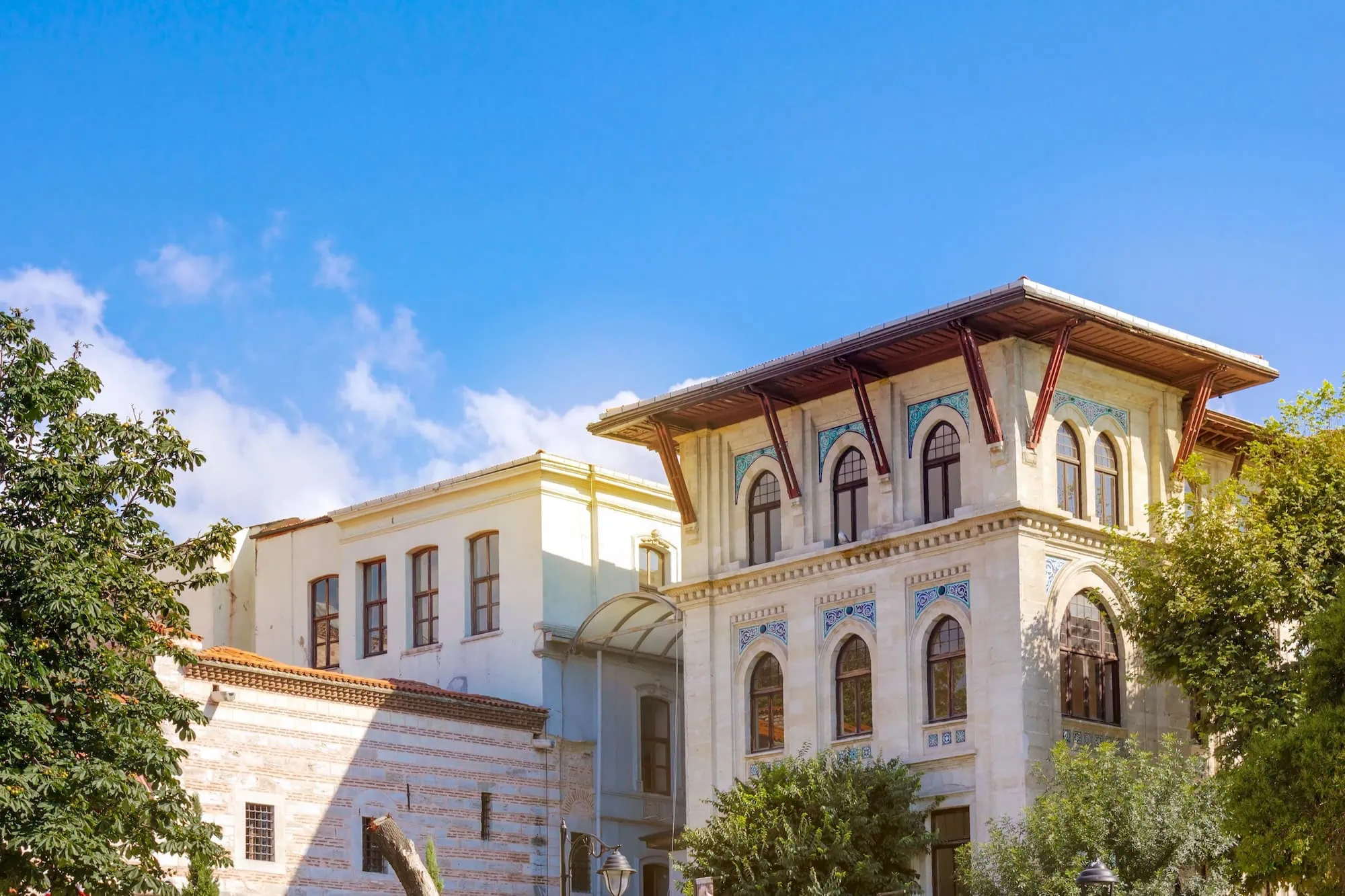
The Museum of Turkish and Islamic Arts stands as Istanbul’s most comprehensive collection of Islamic cultural heritage, housing over 40,000 works spanning more than thirteen centuries. Located in the historic Ibrahim Pasha Palace overlooking the Hippodrome, it was established in 1914 as Turkey’s first museum dedicated to Islamic art.
The Islamic Art Museum can be included in our Egypt and Turkey travel packages, where Istanbul’s rich cultural institutions are combined with its historic landmarks and Egypt’s ancient wonders for a deeply enriching travel experience.
From finely woven Anatolian carpets to detailed calligraphy and illuminated manuscripts, the museum offers a powerful insight into the artistic traditions that shaped the region. Visitors gain a deeper understanding of the cultural connections between past and present.
With extensive experience guiding travelers through Istanbul’s most important sites, we know this museum offers a quieter, more reflective perspective on the city’s heritage—one that often becomes a highlight of the journey.
Table of Contents
A Palace Steeped in Imperial History
The museum’s home deserves recognition as a masterpiece in its own right. Ibrahim Pasha Palace, commissioned by Suleiman the Magnificent in 1520, served as the residence of Grand Vizier Pargalı Ibrahim Pasha until his dramatic fall from grace in 1536.
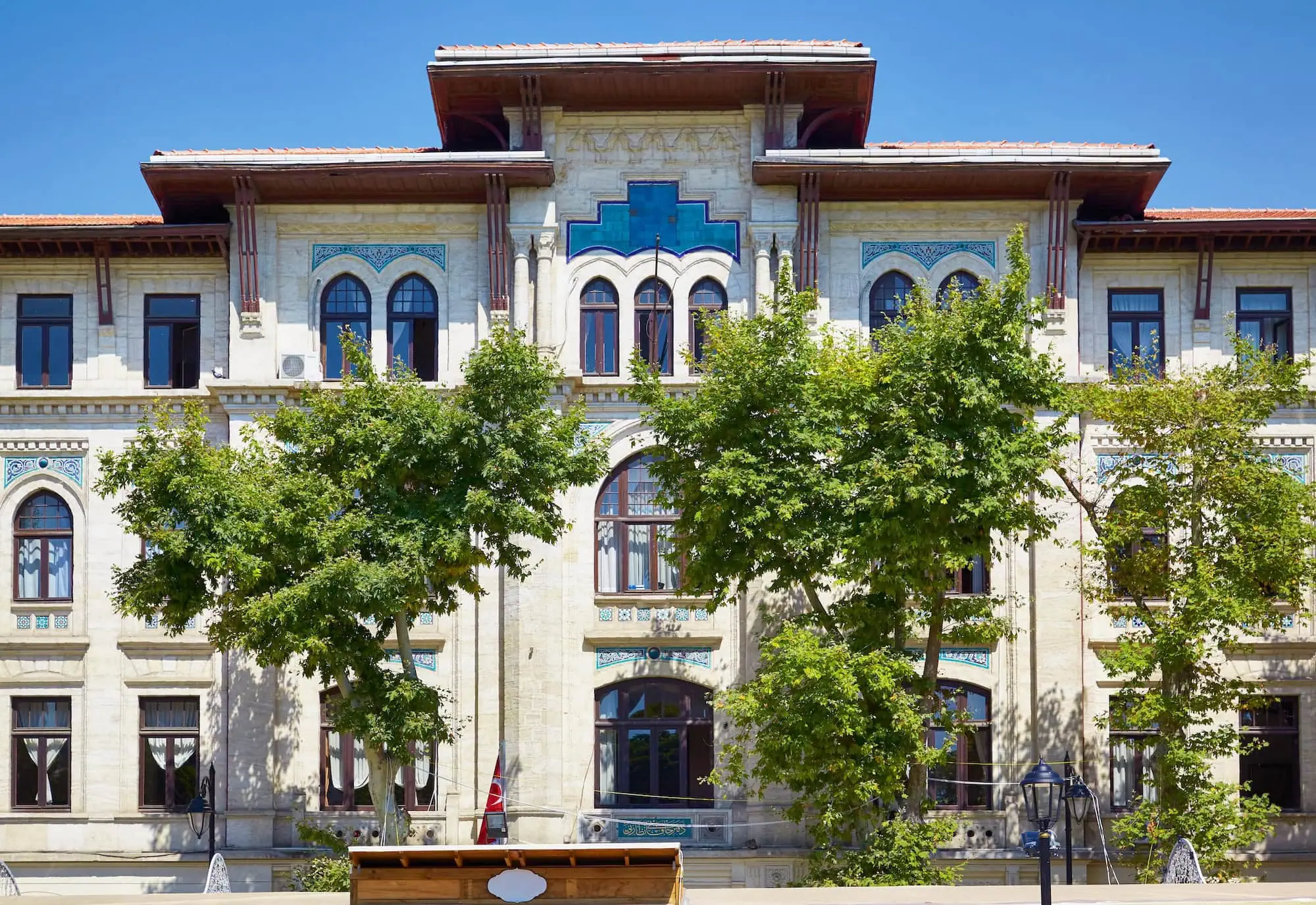
The Palace’s Strategic Position
Standing directly across from the Blue Mosque, the palace commands spectacular views over Sultanahmet Square, the ancient Hippodrome where Byzantine emperors once held chariot races. This strategic location places visitors at the very heart of Istanbul’s historic peninsula, surrounded by layers of Roman, Byzantine, and Ottoman heritage.
The building’s transformation into a museum space beginning in 1983 required extensive renovations to accommodate precious artifacts while preserving the palace’s original 16th-century character. Vaulted ceilings, marble columns, and intricate stonework create an atmospheric backdrop that enhances every exhibit.
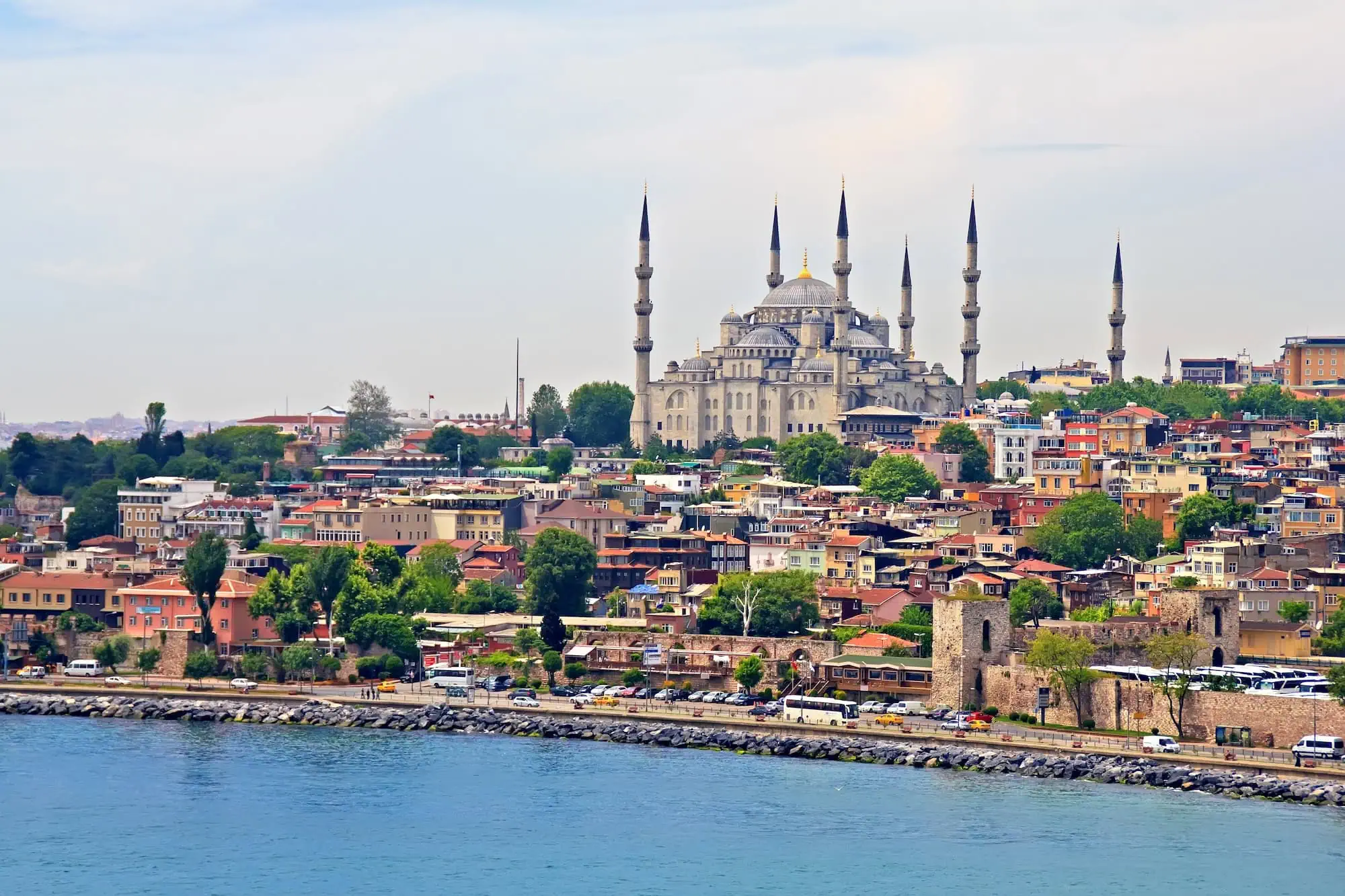
Architectural Elements That Enhance Experience
Original Ottoman architectural features remain beautifully preserved throughout the museum. Stone archways frame gallery spaces, while traditional Turkish tiles accent doorways and corridors. The palace’s courtyard offers visitors a peaceful respite between galleries, with fountain sounds echoing off ancient walls.
Modern climate control and lighting systems protect delicate manuscripts and textiles without compromising the building’s historical integrity. This careful balance between preservation and presentation makes every visit feel like stepping through time.
World-Class Collections Spanning Islamic Civilization
The museum houses Turkey’s most significant collection of Islamic art, with pieces representing major Islamic dynasties from the Umayyad period through the 20th century. Each gallery reveals different aspects of Islamic cultural achievement, from religious manuscripts to everyday objects that illuminate medieval life.
Walking through these galleries, visitors encounter works from the Abbasid, Artukid, and Ayyubid periods alongside Ottoman masterpieces. The breadth of geographic representation extends from Andalusia to Central Asia, demonstrating Islam’s role as a bridge between civilizations.
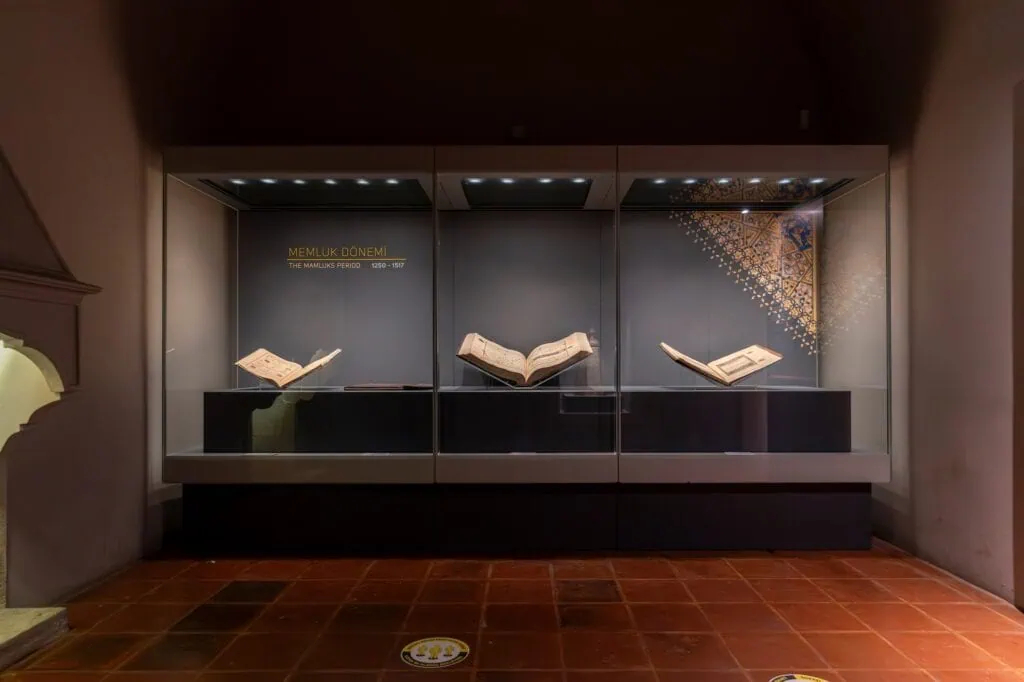
Precious objects include Mamluk metalwork from Egypt, Persian ceramics, and rare Quranic manuscripts written in gold ink. The ethnographic sections complement the art galleries by showing how Islamic artistic principles influenced daily life across Turkish society.
The Legendary Carpet Collection
Anatolian Masterpieces Through Ages
No element of the museum commands more international attention than its carpet collection, widely regarded as the world’s finest assemblage of Anatolian weavings. Over 1,700 pieces chronicle the evolution of Turkish carpet artistry from the 13th century to modern times.
Seljuk fragments reveal the earliest Turkish weaving traditions, while Ottoman court carpets demonstrate the sophisticated geometric patterns and color palettes that made Turkish carpets legendary throughout Europe. The famous “Holbein” and “Lotto” carpets, named after Renaissance painters who depicted them, showcase the luxury goods that fueled international trade between East and West.
Prayer rugs form another highlight, displaying the spiritual dimension of Islamic textile art. These pieces combine religious symbolism with aesthetic beauty, featuring mihrab designs, Quranic inscriptions, and architectural motifs that transform functional objects into devotional art.
Conservation and Display Innovation
The museum employs cutting-edge conservation techniques to preserve these fragile textiles. Climate-controlled galleries maintain optimal temperature and humidity levels, while specialized lighting prevents color fading. Rotating exhibitions ensure that the collection remains accessible while protecting individual pieces from overexposure.
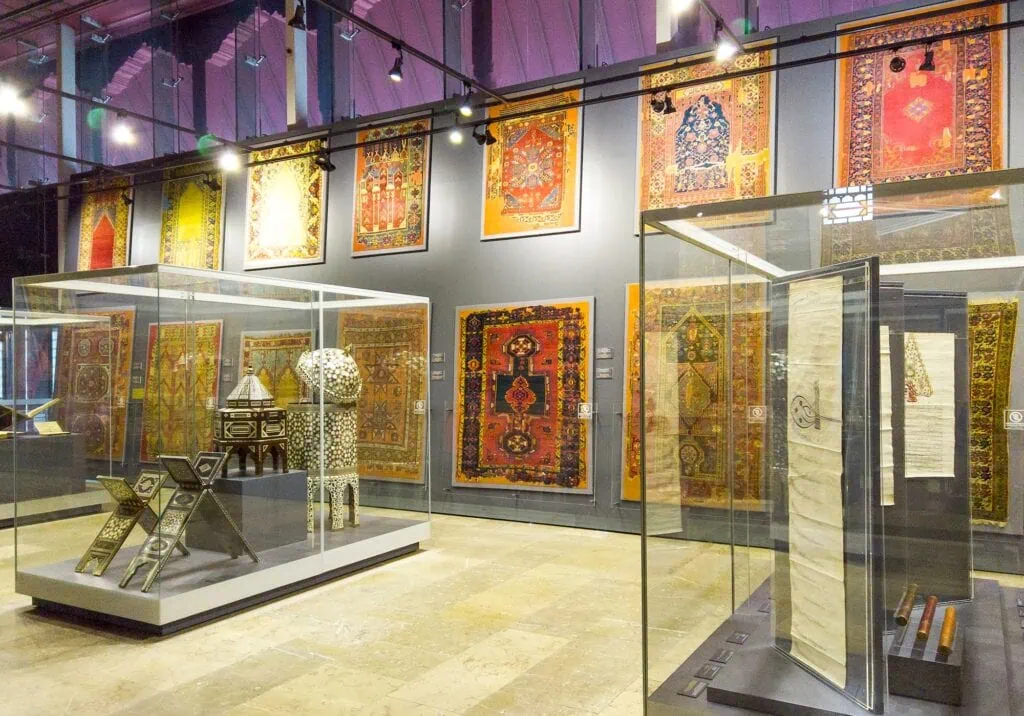
Interactive displays allow visitors to examine weaving techniques and pattern development without handling original artifacts. Digital magnification reveals intricate details often invisible to the naked eye, from individual knot structures to minute color variations that create optical effects.
Illuminated Manuscripts and Calligraphy Excellence
The manuscript collection encompasses over 17,000 volumes representing the full spectrum of Islamic intellectual achievement. Quranic texts written in various scripts demonstrate the evolution of Arabic calligraphy, while scientific treatises, poetry collections, and historical chronicles reveal the diversity of Islamic learning.
Illuminated borders showcase the decorative arts that transformed books into objects of beauty. Gold leaf, lapis lazuli, and other precious materials create geometric patterns, floral motifs, and architectural frames that complement the written text.
These manuscripts represent collaborative efforts between calligraphers, illuminators, and bookbinders working in palace workshops across the Islamic world. The Holy Relics section displays some of Islam’s most sacred artifacts, including items attributed to Prophet Muhammad and early Islamic leaders.
Visitors often spend considerable time examining the delicate brushwork and precise letter formations that characterize masterful calligraphy. The museum’s audio guides explain the spiritual significance of various scripts and the training required to achieve such artistic excellence.
Planning Your Museum Visit
Essential Information for Travelers
The museum operates from 9:00 am to 6:30 pm (09:00-18:30) during winter months, extending to 10:30 pm (22:30) in summer. We recommend allocating 2-3 hours for a comprehensive visit, though art enthusiasts often spend entire afternoons exploring the collections.
Standard admission includes access to all permanent galleries and temporary exhibitions. Audio guides are available in multiple languages, providing detailed commentary on highlighted pieces and historical context. The museum shop offers high-quality reproductions, books, and traditional crafts for those wishing to take home a piece of Islamic artistic heritage.
Combining with Other Sultanahmet Attractions
The museum’s location makes it an ideal complement to other major attractions in Istanbul’s historic core. The Blue Mosque stands directly across the square, while Hagia Sophia lies just a short walk away. The Basilica Cistern, Topkapi Palace, and Grand Bazaar all fall within easy walking distance.
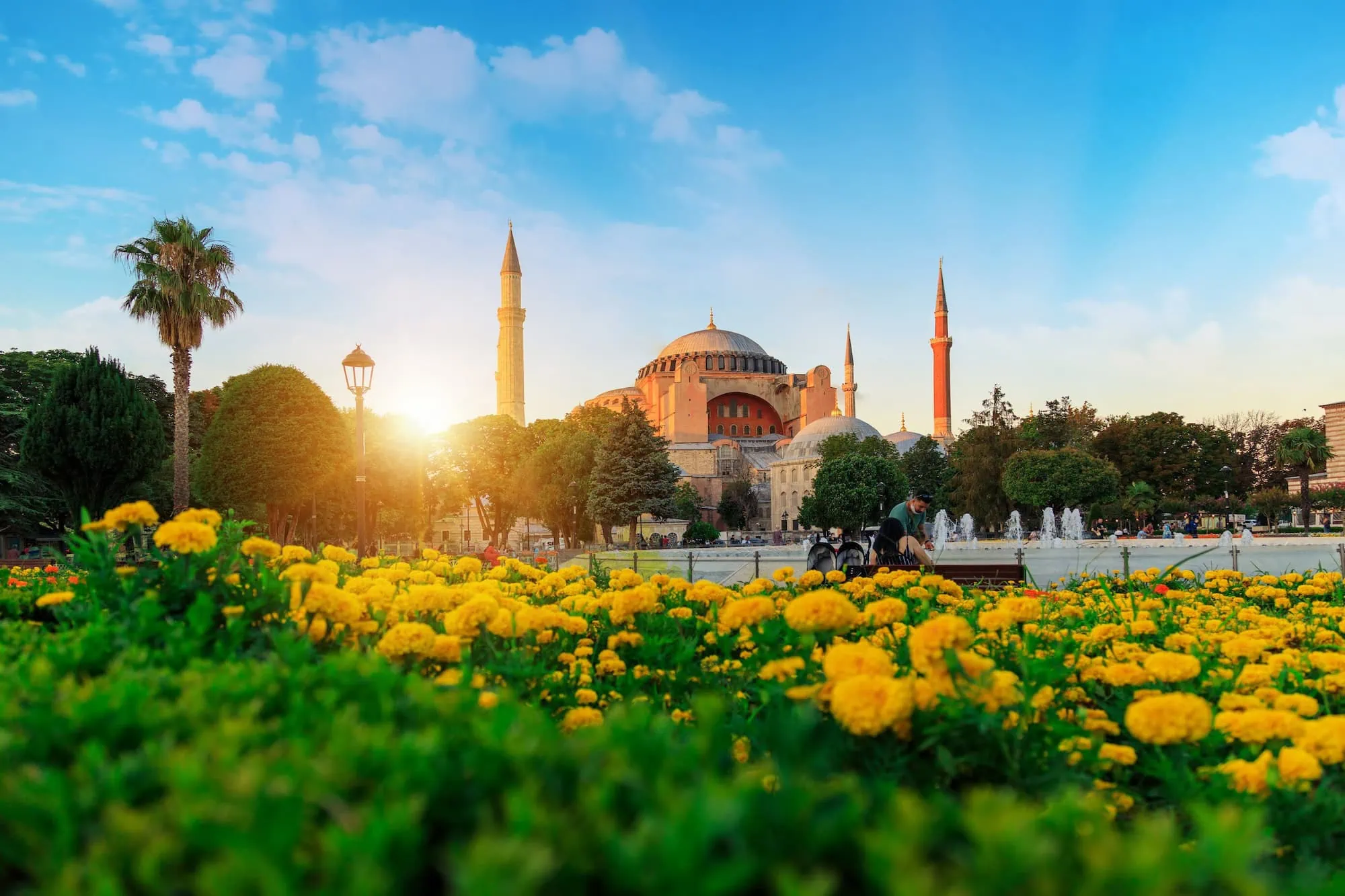
We often incorporate the museum into full-day Sultanahmet itineraries, allowing travelers to experience the full spectrum of Istanbul’s imperial heritage. The contrast between Byzantine, Ottoman, and Republican-era sites creates a comprehensive understanding of the city’s complex cultural evolution.
Our private guides provide specialized commentary on Islamic art traditions, helping visitors understand the religious, cultural, and historical contexts that shaped these masterpieces. This personalized approach transforms a museum visit into an educational journey through Islamic civilization.
Frequently Asked Questions
Allow 2-3 hours to explore the main galleries and carpet collection properly.
Yes, the museum offers family-friendly exhibits and interactive displays for younger visitors.
The museum houses the world’s largest collection of Anatolian carpets with rare pieces.
Photography is permitted in most galleries without flash for material protection.
The collection ranks among the world’s top three Islamic art museums globally.
Yes, but we recommend separate days for a more relaxed exploration experience.
Take metro to Vezneciler station or tram to Sultanahmet for easy access.
Audio guides are available in multiple languages for enhanced understanding.
This section displays sacred Islamic artifacts requiring respectful behavior and modest dress.
Main galleries are accessible with staff assistance available for navigation.
Early morning or late afternoon offer more peaceful viewing conditions.
The palace setting adds historical depth near other major Byzantine sites.

Design Your Custom Tour
Explore Egypt and Turkey your way by selecting only the attractions you want to visit