

Luxor East Bank – A Modern City and Home to Countless Attractions
The living heart of ancient Thebes beats strongest on Luxor’s East Bank.
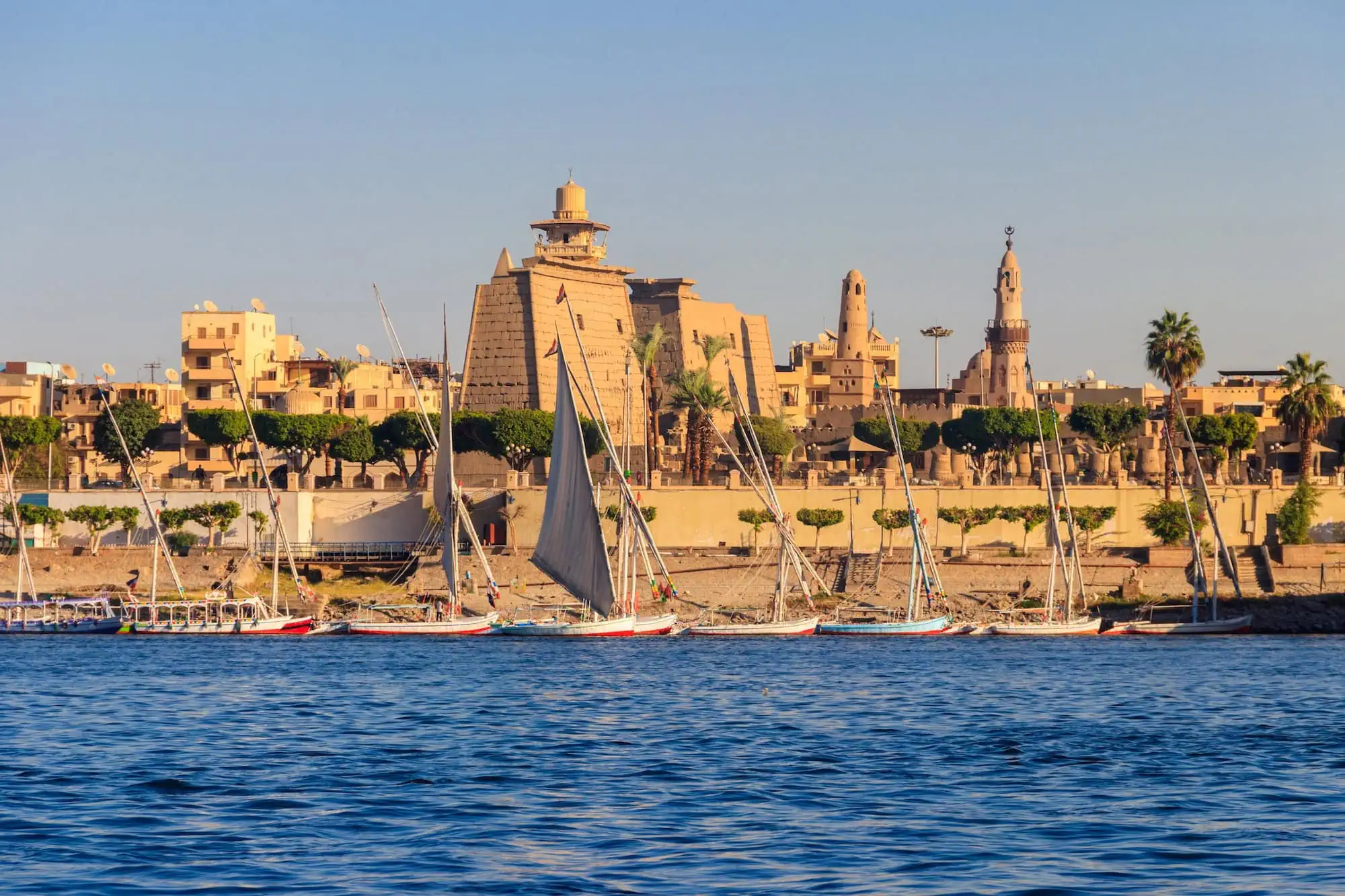
This extraordinary stretch along the Nile River represents more than just tourist attractions – it’s where pharaohs once ruled an empire, where massive temple complexes still inspire wonder, and where modern Egypt embraces its incredible heritage. With UNESCO World Heritage status protecting these ancient marvels, the East Bank offers visitors an unparalleled journey through 4,000 years of continuous civilization.
From the colossal columns of Karnak Temple to the elegant courtyards of Luxor Temple, we’ll guide you through everything that makes this archaeological wonderland essential to any Egyptian adventure.
Table of Contents
The Magnificent Karnak Temple Complex
Walking through Karnak feels like stepping into the dreams of ancient architects who thought in centuries, not years.
This sprawling temple complex covers over 200 acres (81 hectares), making it the largest religious building ever constructed. Construction began around 2055 BC and continued for nearly 2,000 years, with each pharaoh adding their own architectural signature to this sacred site dedicated to Amun-Ra, king of the gods.
The Great Hypostyle Hall Experience
Nothing quite prepares you for your first glimpse of the Great Hypostyle Hall. These 134 massive columns, some reaching 23 meters (75 feet) in height, create a stone forest that dwarfs even the tallest visitors.
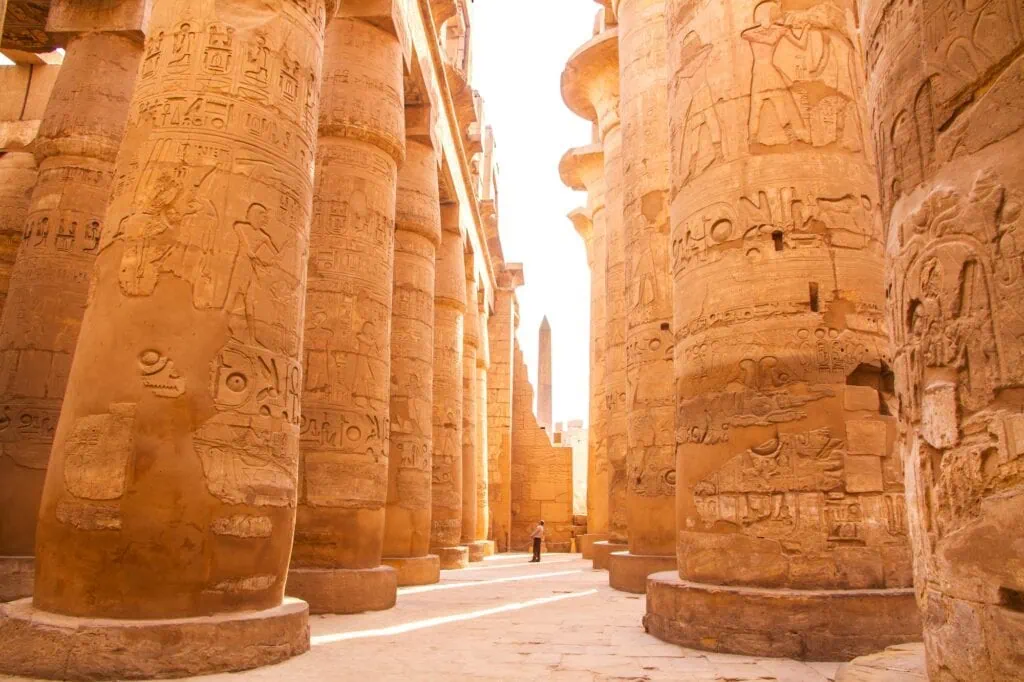
The central columns, decorated with intricate hieroglyphics and colorful paintings that somehow survived millennia, supported roofing stones weighing up to 200 tons each. Ancient Egyptians designed this hall to represent the primeval swamp from which all life emerged, with the columns symbolizing papyrus plants reaching toward the heavens.
Sacred Lake and Temple Grounds
Beyond the famous halls lies the Sacred Lake, where priests once performed daily purification rituals. This rectangular pool, measuring 120 by 77 meters (394 by 253 feet), still holds water and reflects the temple walls in its calm surface.
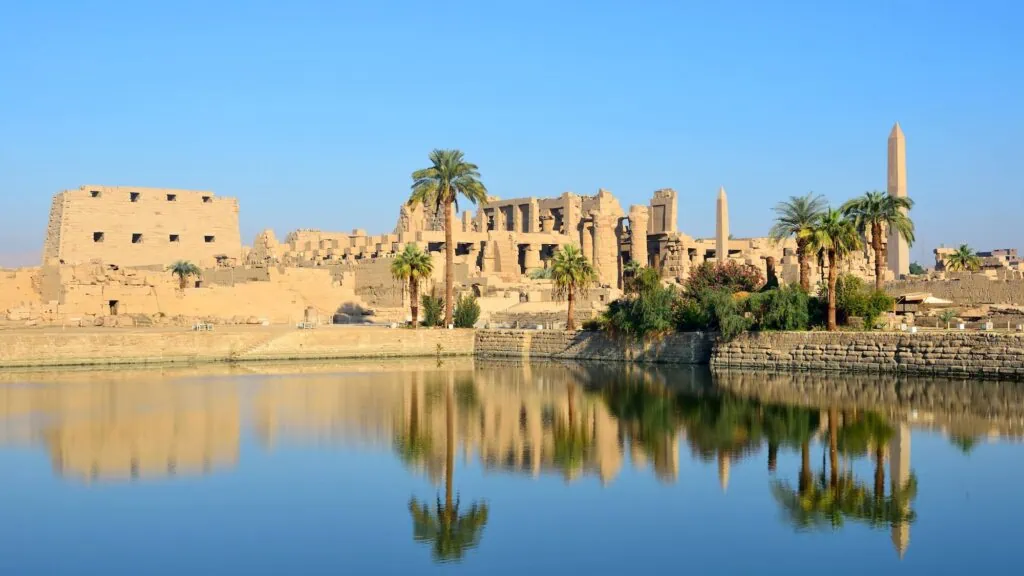
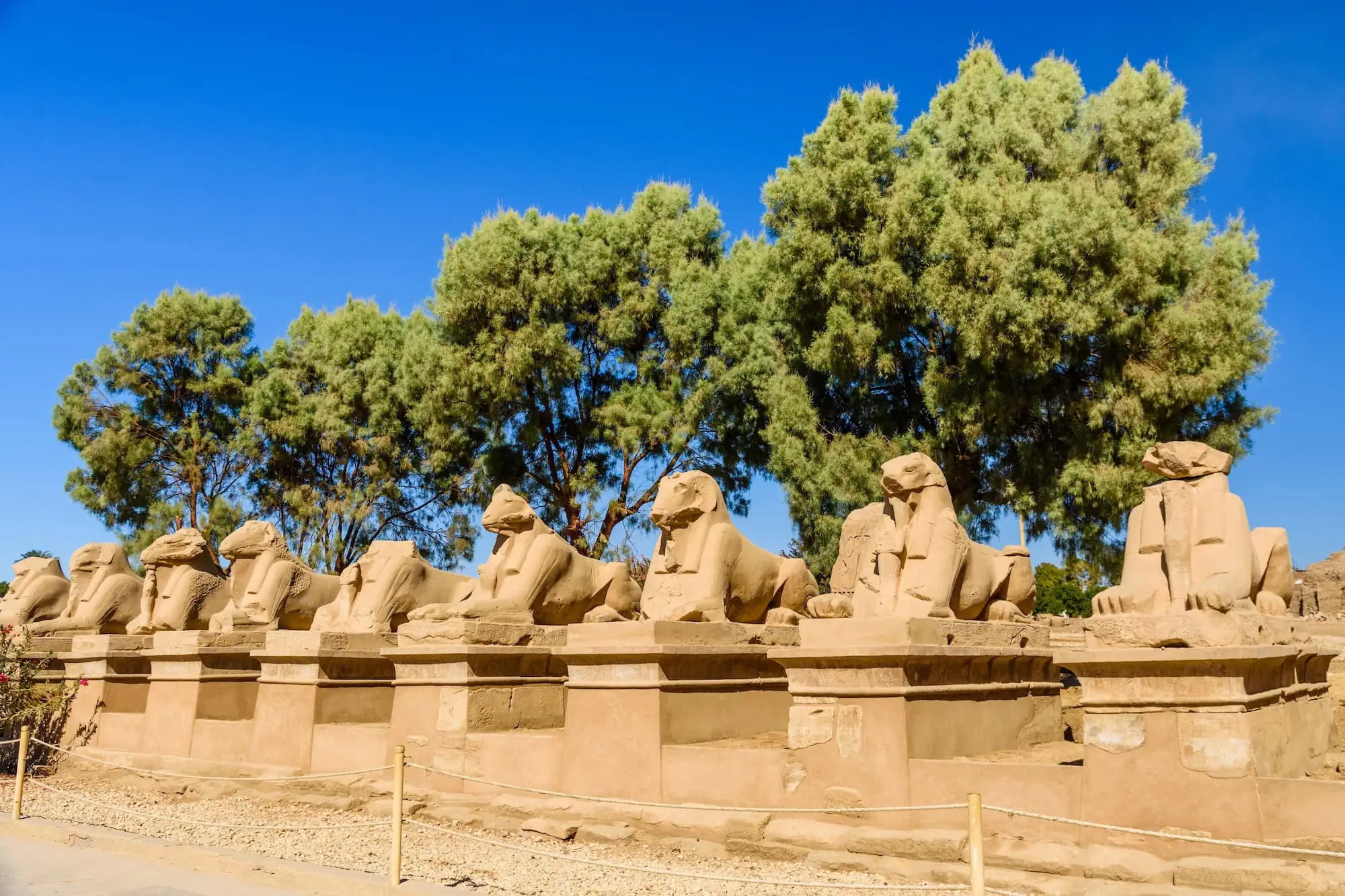
The temple grounds include numerous smaller chapels, obelisks, and sacred spaces. The Avenue of Sphinxes, recently restored and reopened after decades of archaeological work, originally connected Karnak to Luxor Temple through a 3-kilometer (1.9-mile) processional route lined with over 1,000 sphinx statues.
Planning Your Karnak Visit
Early morning visits offer the best lighting for photography and cooler temperatures for exploration. The complex opens at 6:00 am (06:00), and we recommend allowing at least three hours to properly appreciate the site’s scale and detail.
Sound and light shows illuminate the temple complex after dark, transforming the ancient stones into a dramatic stage for Egypt’s historical narrative. These evening performances operate in multiple languages and provide a completely different perspective on Karnak’s grandeur.
Luxor Temple: Where Pharaohs Were Crowned
Unlike Karnak’s sprawling complexity, Luxor Temple presents visitors with elegant symmetry and focused architectural purpose.
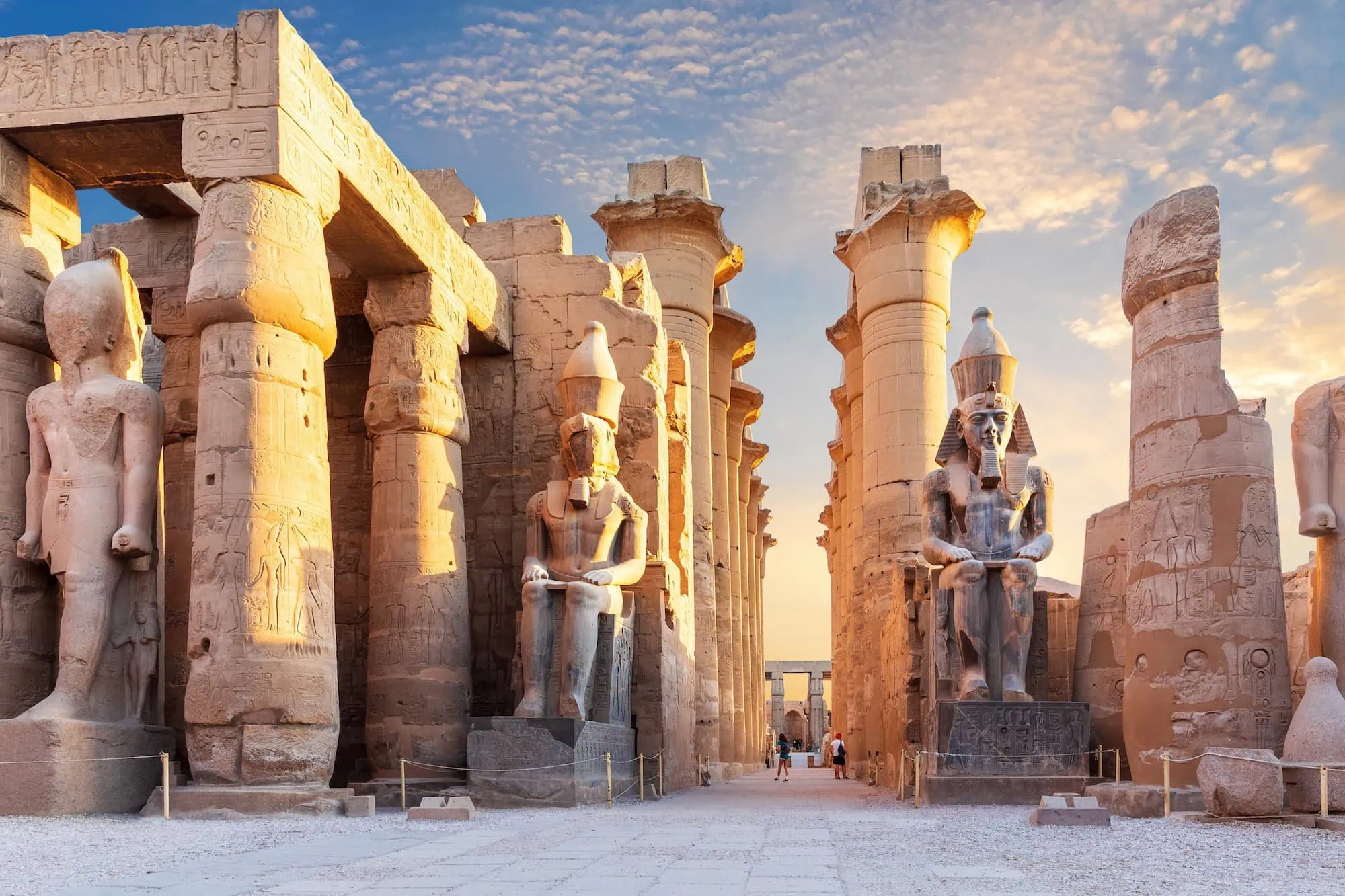
Built primarily during the reigns of Amenhotep III and Ramesses II, this temple served as the southern sanctuary of Amun-Ra and hosted the annual Opet Festival, when sacred barques carried the god’s statue from Karnak in elaborate processions. The temple’s design follows classical Egyptian proportions, creating harmonious spaces that feel both monumental and intimate.
The Temple’s Unique Features
Two massive granite obelisks once flanked the temple entrance, though only the eastern obelisk remains – its companion now stands in Paris’s Place de la Concorde. The entrance pylon, decorated with scenes of Ramesses II’s military victories, leads into the Court of Ramesses II, surrounded by double rows of columns with lotus and papyrus capitals.
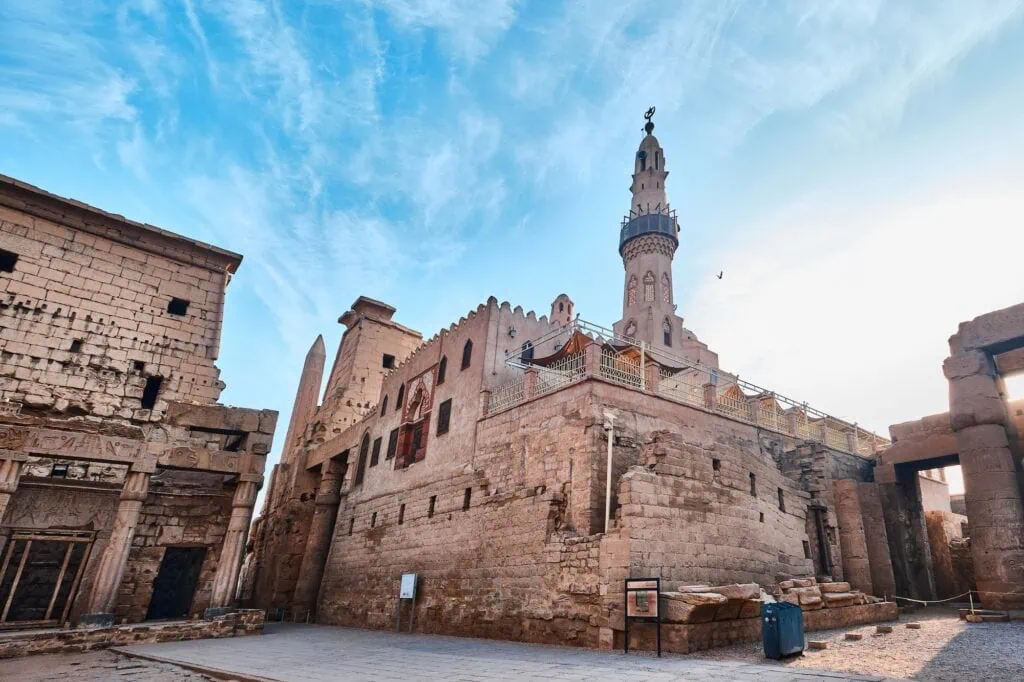
The most striking aspect of Luxor Temple might be the Abu al-Haggag Mosque, built directly atop the ancient ruins. This 13th-century Islamic structure demonstrates Egypt’s layered religious history, where sacred sites continued their spiritual function across different civilizations.
Connecting Ancient and Modern
The recently reopened Avenue of the Sphinxes now allows visitors to walk the same processional route used by ancient priests and pharaohs. This restoration project, completed in 2021, revealed additional sphinx statues and provided new insights into ancient Egyptian ceremonial practices.
During the Opet Festival, this avenue would have been crowded with pilgrims, priests, musicians, and dancers celebrating the renewal of pharaonic power. Today’s visitors can experience echoes of that ancient pageantry while exploring one of archaeology’s most significant restoration achievements.
Museums and Cultural Sites
The Luxor Museum houses some of Egypt’s finest artifacts in a thoughtfully designed space that avoids the overwhelming crowds of the Grand Egyptian Museum.
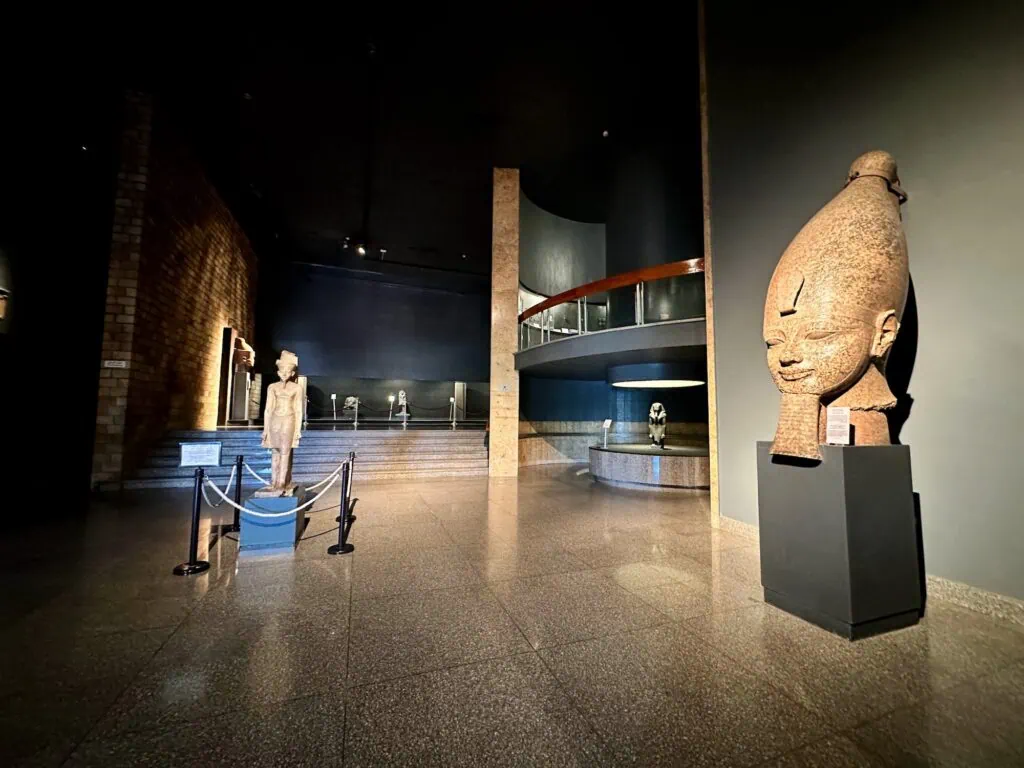
Here you’ll find treasures from Tutankhamun’s tomb, including furniture, jewelry, and ritual objects that showcase the incredible craftsmanship of ancient Egyptian artisans. The museum’s collection focuses specifically on Theban artifacts, providing context for the temples you’ll visit nearby. Statues from Luxor Temple’s colonnade, carefully preserved limestone reliefs, and intricate papyrus documents tell the story of this region’s central role in ancient Egyptian civilization.
The Mummification Museum
Located near Luxor Temple, the Mummification Museum offers visitors insight into ancient Egyptian burial practices through well-preserved examples and detailed explanations. The collection includes mummified animals, ancient embalming tools, and canopic jars that once held the internal organs of nobility.
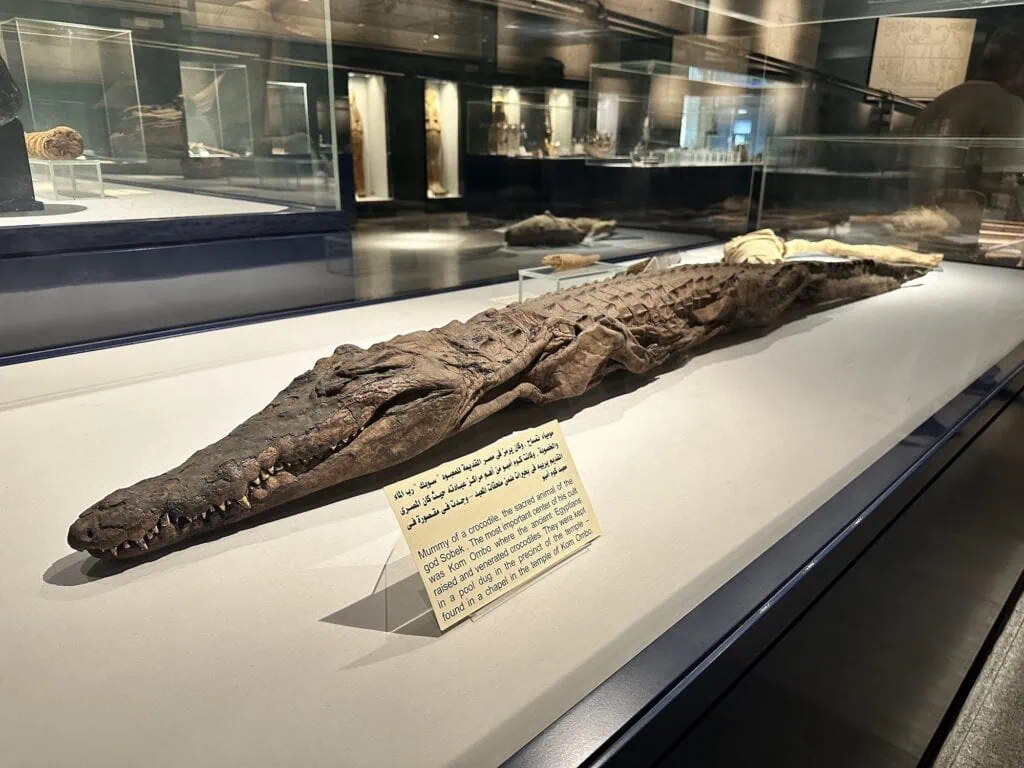
Interactive displays explain the 70-day mummification process, while artifacts demonstrate how different social classes approached death and the afterlife. This smaller museum provides an excellent complement to temple visits by explaining the religious beliefs that motivated their construction.
Traditional Markets and Local Culture
El Souk market stretches through the streets near Luxor Temple, offering everything from traditional spices and handwoven textiles to alabaster carvings and silver jewelry. Local artisans still practice techniques passed down through generations, creating authentic souvenirs that reflect Egyptian craftsmanship.
The market atmosphere provides a stark contrast to the ancient temples – here, contemporary Egyptian life unfolds with all its energy, colors, and sounds. Shopkeepers speak multiple languages and understand the art of friendly bargaining, making shopping an entertaining cultural experience rather than just a transaction.
Where to Stay on East Bank
Most visitors base themselves on the East Bank, where the majority of hotels and tourist infrastructure provide easy access to both major temple complexes.
Budget options like guesthouses and hostels offer basic accommodations within walking distance of major sites. The Bob Marley Peace Hotel and similar establishments cater to backpackers and budget travelers seeking clean, simple rooms without luxury amenities.
Mid-Range and Luxury Accommodations
The Hilton Luxor Resort and Spa provides modern comfort with Nile River views and easy access to Karnak Temple. The Winter Palace Hotel, a legendary establishment dating from 1886, offers colonial elegance and historical atmosphere that has hosted royalty, writers, and archaeologists for over a century.
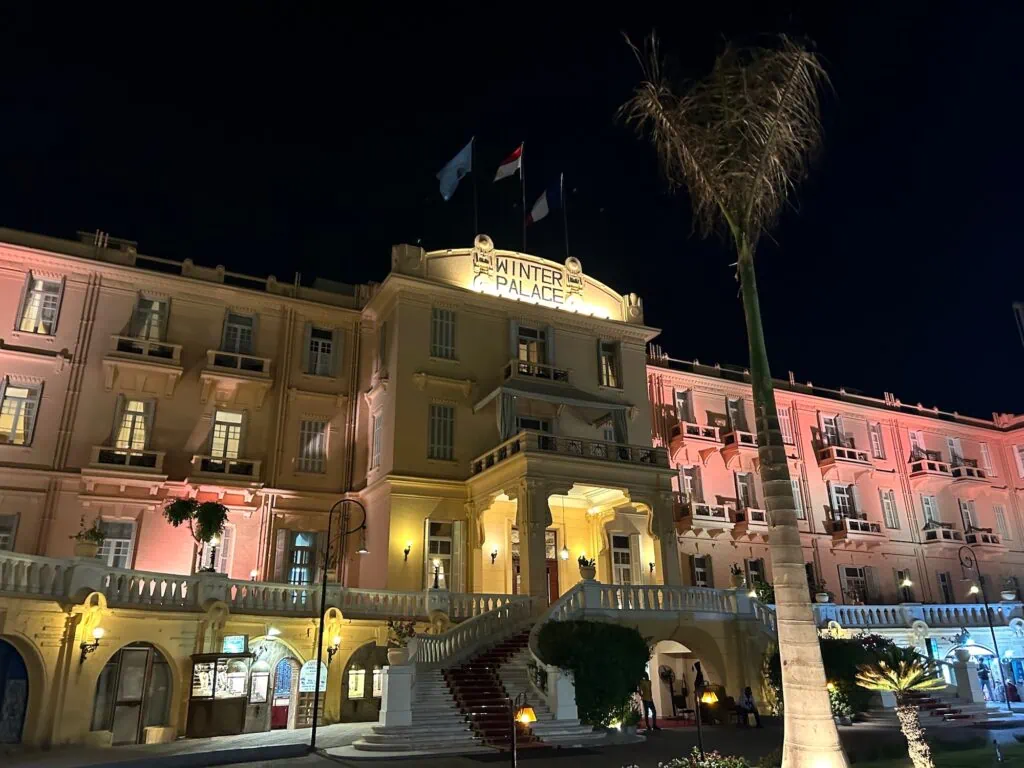
These higher-end properties typically include pools, spas, and multiple dining options, plus tour desks that can arrange private guides and transportation. Many offer balconies or terraces overlooking the Nile, providing stunning sunset views after long days exploring temples and museums.
Location Strategy for Temple Access
Staying on the East Bank means shorter travel times to Karnak and Luxor Temple, plus easy access to restaurants, banks, and other services. The new road bridge connecting East and West Banks has improved access to Valley of the Kings and other west bank sites, though most visitors still prefer the traditional ferry crossings for their authentic charm.
Hotels near the Corniche el-Nil offer Nile views and pleasant evening walks, while properties closer to the temple sites reduce walking distances but may have less scenic surroundings.
Getting Around and Practical Information
Transportation between East Bank sites works best on foot for short distances, with taxis or private drivers handling longer journeys.
Transportation Options
Walking between Luxor Temple and central hotels takes 10-15 minutes through busy streets that showcase contemporary Egyptian life. Taxis operate throughout the city, though agreeing on fares before starting your journey prevents confusion later.
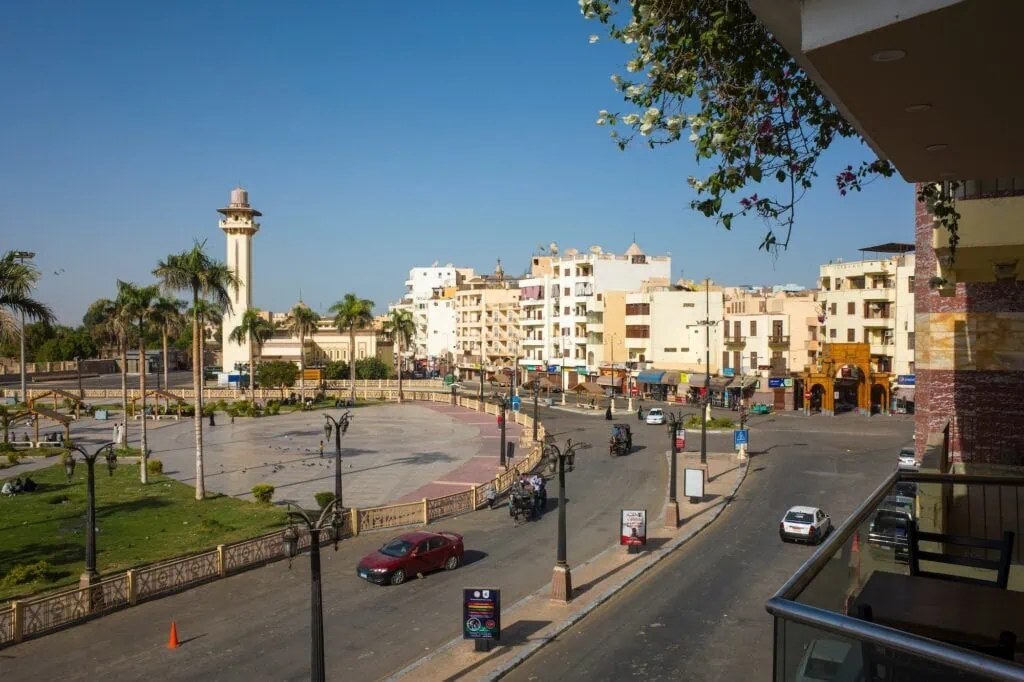
Private guides often include transportation in their services, using modern, air-conditioned vehicles that provide comfortable travel between widely separated sites. This option works particularly well for visitors with limited time or those preferring structured itineraries with expert commentary.
Best Times to Visit
Winter months from November through February offer the most comfortable temperatures for extensive outdoor exploration. Daytime highs around 25°C (77°F) allow for hours of temple wandering without excessive heat stress.
Summer visits require early morning starts and midday breaks, as temperatures can exceed 40°C (104°F). However, summer also means fewer crowds and lower accommodation prices for budget-conscious travelers.
Services and Amenities
Modern Luxor provides all necessary tourist services within the East Bank area. ATMs accept international cards, though carrying some cash helps with small purchases and tips. Internet cafes and mobile phone shops offer communication services, while pharmacies stock basic medical supplies and international brands of common medications.
Post offices handle international mail and package shipping, useful for sending home purchases too large or fragile for airline luggage. Most hotels provide laundry services, currency exchange, and tour booking assistance.
UNESCO World Heritage and Archaeological Significance
Ancient Thebes with its Necropolis received UNESCO World Heritage designation in 1979, recognizing the East Bank temples as integral parts of one of humanity’s most important archaeological sites.
This designation protects not just individual monuments but the entire landscape that once served as ancient Egypt’s religious and political capital. International funding supports ongoing restoration projects, ensuring future generations can experience these remarkable achievements of human civilization.
The UNESCO status also enables advanced archaeological research using modern techniques like ground-penetrating radar and 3D mapping. Recent discoveries include additional sphinx statues along the avenue connecting the temples, fragments of painted walls, and evidence of ancient workshops where artisans created the decorative elements that still amaze visitors today.
Restoration and Conservation Efforts
The Avenue of the Sphinxes restoration represents one of modern archaeology’s most ambitious projects. Egyptian and international teams spent decades carefully excavating, documenting, and preserving over 1,000 sphinx statues buried under centuries of accumulated sand and debris.
This work revealed new insights into ancient Egyptian ceremonial life while creating a unique visitor experience that connects two of the world’s most significant ancient monuments. The project’s success demonstrates how modern technology and traditional archaeological methods can work together to unlock historical secrets.
Experience The Energy Of Luxor’s East Bank
Luxor’s East Bank is where ancient Egypt still feels alive—home to the grandeur of Karnak Temple and the elegance of Luxor Temple, connected by history and atmosphere along the Nile. With EgyptToursPlus, we seamlessly include these iconic highlights in a private journey that blends must-see landmarks with carefully curated experiences.
You choose your travel dates, your pace, and the experiences that shape your route. From guided temple exploration and evening visits to Nile cruises and refined comfort throughout, we tailor every detail around your preferences—ensuring a smooth, immersive, and deeply personal travel experience.
Frequently Asked Questions
Plan at least one full day for Luxor’s East Bank because Karnak Temple alone typically requires 3 to 4 hours, while Luxor Temple usually takes another 2 to 3 hours to explore properly. The East Bank also includes museums, the Avenue of the Sphinxes, cafes, and Nile-side promenades that many travelers underestimate. Karnak covers more than 100 hectares, making it one of the largest religious complexes ever built. Start early to avoid midday heat and large tour-group congestion after 10:00 am.
Early morning between 6:00 am and 9:00 am is the best time to visit Karnak Temple because temperatures are cooler, shadows are softer, and crowds remain relatively light. Luxor summer temperatures frequently exceed 40°C (104°F) by midday, making afternoon exploration physically demanding across Karnak’s massive open courtyards. Morning sunlight also illuminates the Great Hypostyle Hall’s 134 columns more evenly for photography. Visitors interested in quieter experiences should arrive immediately at opening time.
Yes, visitors can walk between Karnak Temple and Luxor Temple along the restored Avenue of the Sphinxes, a ceremonial route stretching approximately 3 kilometers (1.9 miles). The paved processional road once connected the two temples during the annual Opet Festival in ancient Thebes and is lined with hundreds of reconstructed sphinx statues. Walking the route typically takes 35 to 50 minutes depending on pace and weather conditions. During summer afternoons, however, many travelers prefer taxis because of intense heat exposure.
Guides are not mandatory on Luxor’s East Bank, but professional Egyptologists significantly improve the experience by explaining symbolism, dynasties, and architectural details that most visitors would otherwise miss. Karnak Temple alone contains construction phases spanning nearly 2,000 years, from the Middle Kingdom through the Ptolemaic era. Reliefs, inscriptions, and hidden ceremonial spaces become far more meaningful with expert interpretation. Travelers with limited time often benefit most because guides help prioritize the site’s most historically important areas efficiently.
Yes, both Karnak Temple and Luxor Temple are surrounded by restaurants, cafes, and Nile-side dining venues within walking distance or a short taxi ride. Visitors can find traditional Egyptian dishes such as kofta, grilled chicken, lentil soup, and mezze alongside international menus catering to tourists. Luxor Temple’s downtown location provides more dining variety than the Karnak area, particularly during evening hours. Many travelers combine sunset visits to Luxor Temple with dinner overlooking the Nile Corniche afterward.
Visitors should wear lightweight, modest clothing with comfortable walking shoes when exploring Luxor’s East Bank temples because the sites involve extensive walking on uneven ancient stone surfaces under strong sun exposure. Breathable fabrics that cover shoulders and knees are generally recommended for cultural respect and practical sun protection. A hat, sunglasses, and sunscreen are especially important between May and September when daytime temperatures can surpass 38°C (100°F). Closed-toe shoes provide better stability on worn temple stairs and paving stones.
Photography is permitted in most outdoor areas of Karnak Temple and Luxor Temple, although certain interior chambers and restricted sections may require additional photo tickets or prohibit flash use entirely. Flash photography can damage surviving pigments and delicate relief surfaces, particularly inside enclosed sanctuaries. Tripods and professional filming equipment often require separate permissions from Egyptian authorities. Early morning and late afternoon provide the best lighting conditions because harsh midday sunlight creates strong shadows across carvings and columns.
Entrance fees for Luxor’s East Bank temples vary depending on nationality, student status, and whether travelers purchase individual or combined tickets for multiple archaeological sites. Karnak Temple and Luxor Temple are ticketed separately, although combination passes can reduce overall costs for visitors exploring several monuments in one itinerary. Prices are periodically updated by Egypt’s Ministry of Tourism and Antiquities, so travelers should verify current rates before arrival. Students with valid international identification often receive substantial discounts.
Yes, Luxor’s East Bank temples remain open year-round, although seasonal weather greatly affects comfort levels and ideal visiting times. Winter months from November through February offer daytime temperatures averaging 20°C to 28°C (68°F-82°F), making extended exploration much easier than during summer. Between June and August, afternoon temperatures frequently exceed 40°C (104°F), so early morning visits become essential for safety and comfort. Winter also brings Egypt’s highest tourist numbers, particularly during holiday travel periods.
Luxor’s East Bank represented the “land of the living” in ancient Egyptian belief, while the West Bank symbolized death, rebirth, and the afterlife because it faces the setting sun. The East Bank contains active ceremonial temples such as Karnak and Luxor Temple, historically connected to worship, festivals, and royal processions. In contrast, the West Bank houses tombs and mortuary temples including the Valley of the Kings and Hatshepsut Temple. Together, both sides formed the sacred landscape of ancient Thebes.
Design Your Custom Tour
Explore Egypt your way by selecting only the attractions you want to visit