

Luxor Museum – A Select Display of Fine Egyptian Antiquities
Small doesn’t always mean insignificant.
The Luxor Museum showcases one of Egypt’s most carefully curated archaeological collections. Established in 1975 on the east bank of the Nile, this two-story museum deliberately focuses on quality over quantity. Rather than overwhelming visitors with thousands of artifacts, the museum presents a thoughtfully selected collection that includes some of Egypt’s most remarkable treasures.
Each piece tells a story of ancient Egyptian civilization, from royal mummies to exquisite statuary found buried in temple courtyards. Whether you’re planning a day of sightseeing in Luxor or seeking refuge from the afternoon heat, this air-conditioned sanctuary offers exactly what serious travelers want: exceptional artifacts displayed with clarity and context.
Table of Contents
Why the Luxor Museum Stands Apart
The museum’s philosophy centers on thoughtful curation rather than overwhelming volume. Dr. Mahmud El Hakim and the Ministry of Culture designed this space to complement, not compete with, larger institutions like the Grand Egyptian Museum in Cairo.
Tutankhamun Collection Beyond the Tourist Trail
While the Grand Egyptian Museum displays the famous golden mask, Luxor Museum houses equally stunning grave goods from the boy pharaoh’s tomb in the Valley of the Kings. These artifacts, including intricate jewelry and ceremonial objects, provide intimate glimpses into 18th dynasty royal burial practices.
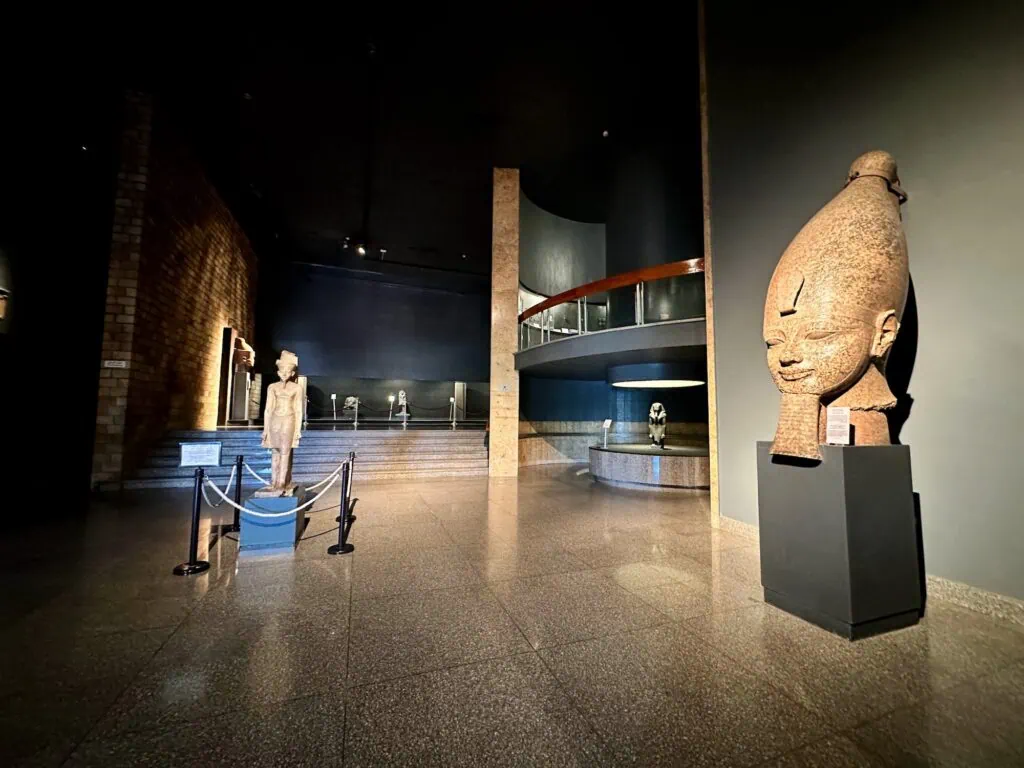
The museum’s climate-controlled environment preserves these delicate items while allowing visitors to examine craftsmanship details often missed in larger, more crowded displays.
The 1989 Luxor Temple Discovery
Twenty-six New Kingdom statues, discovered buried in a cache at Luxor Temple, form one of the museum’s most significant collections. These statues, dating from Egypt’s imperial period, were deliberately hidden by ancient priests to protect them from destruction.
The discovery revolutionized understanding of temple ritual and statue placement in ancient Egyptian religious practices.
Royal Mummies in Modern Display
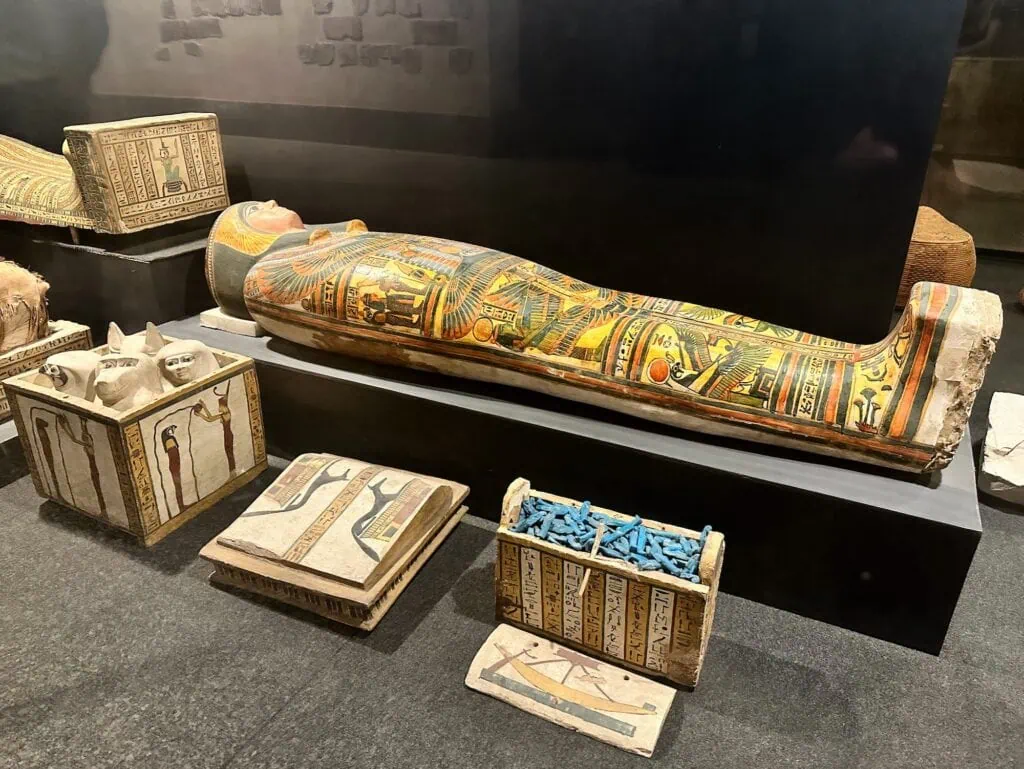
In March 2004, the museum added royal mummies of Ahmose I and Ramesses I to its collection. Unlike the more theatrical presentations found elsewhere, these mummies are displayed with scientific precision, allowing visitors to understand mummification techniques and preservation methods used for Egypt’s most important rulers.
Practical Information Every Visitor Should Know
The museum operates on a seasonal schedule that can surprise first-time visitors. During summer months, hours split between morning and evening sessions – typically closing at 2:00 pm (14:00) before reopening at 5:00 pm (17:00). Winter hours run continuously throughout the day. During Ramadan, special adjusted hours accommodate religious observances.
Payment systems have modernized completely – the museum accepts only credit and debit cards, no cash transactions. This electronic system occasionally experiences technical difficulties, so arrive with backup payment methods if possible.
Photography using mobile phones is permitted at no additional charge, making this one of Egypt’s more photo-friendly museums. Professional camera equipment requires special permission and additional fees.
The Architectural Setting and Location Advantage
Perched on Luxor’s corniche, the museum offers captivating views of the west bank of the River Nile where the Valley of the Kings lies hidden among limestone cliffs. This strategic location places visitors at the heart of ancient Thebes, Egypt’s New Kingdom capital.
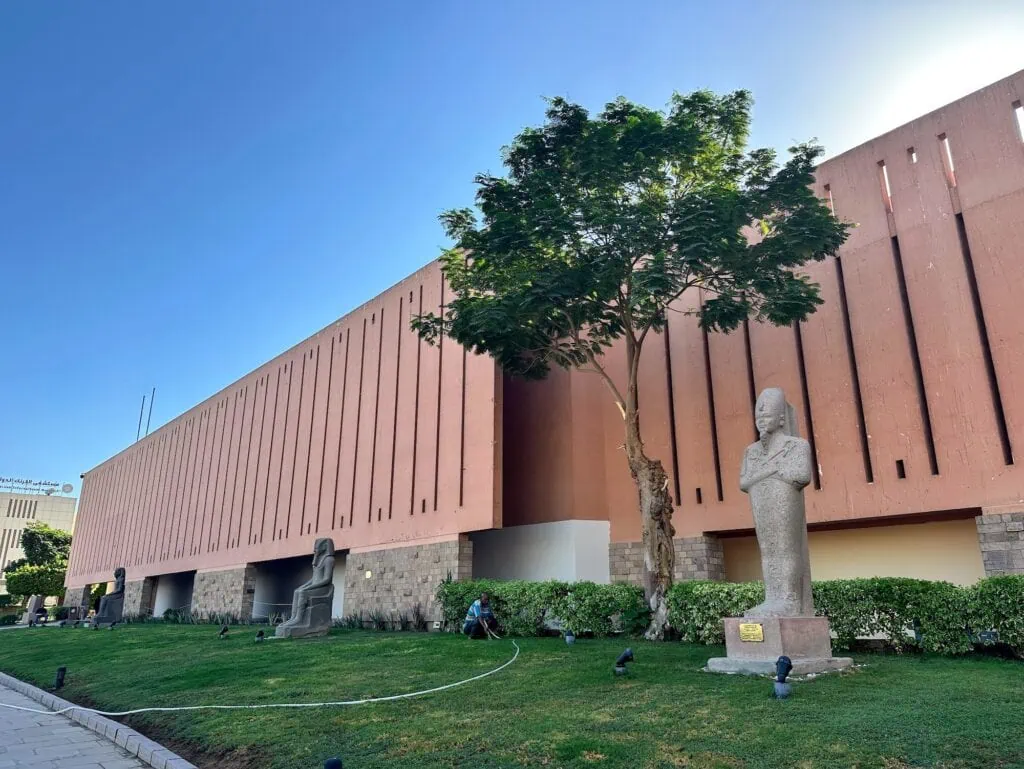
The building’s modern design contrasts deliberately with the ancient temples surrounding it. Large windows maximize natural light while sophisticated climate control systems protect sensitive artifacts. The two-story layout creates natural flow patterns that prevent overcrowding even during peak tourist seasons.
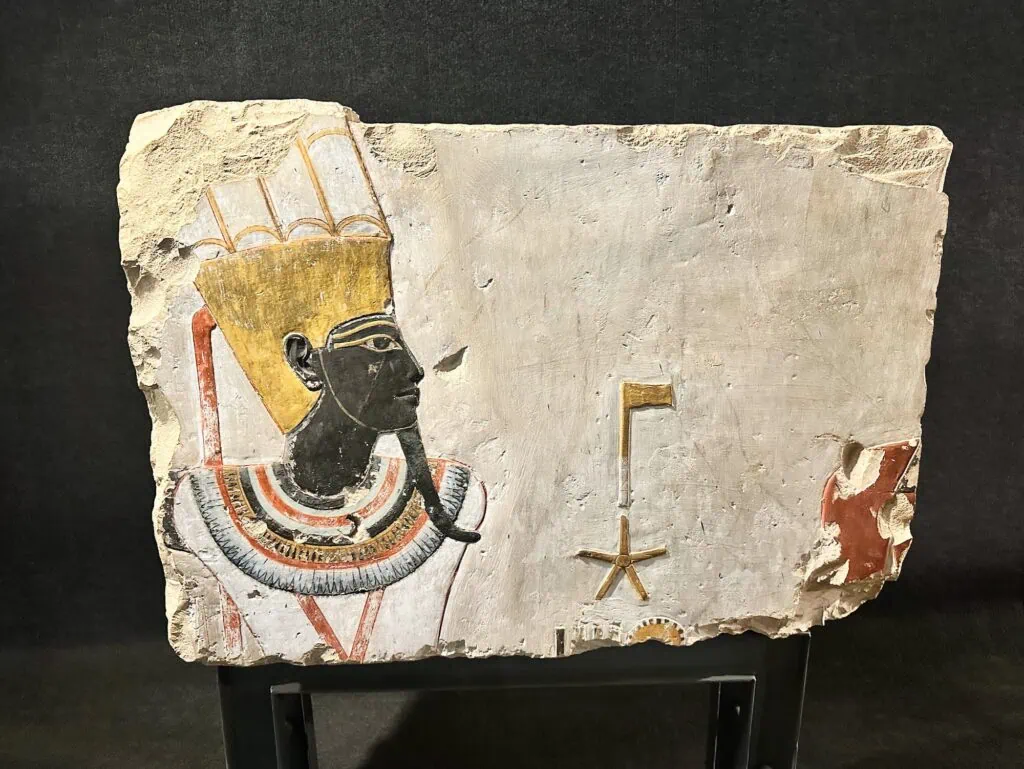
Most visitors spend between one and two hours exploring the collection thoroughly. The compact size means you won’t experience museum fatigue common in larger institutions. Each gallery connects logically to the next, creating a coherent narrative about Luxor’s archaeological significance.
Strategic Position for Temple Visits
The museum’s location makes it an ideal starting or ending point for temple visits. Many travelers use it as an air-conditioned break between outdoor sightseeing at Karnak Temple complex or Luxor Temple. The proximity allows for easy planning – you can visit the museum, then walk to nearby temples with enhanced understanding of the artifacts’ original contexts.
Signature Artifacts That Define the Collection
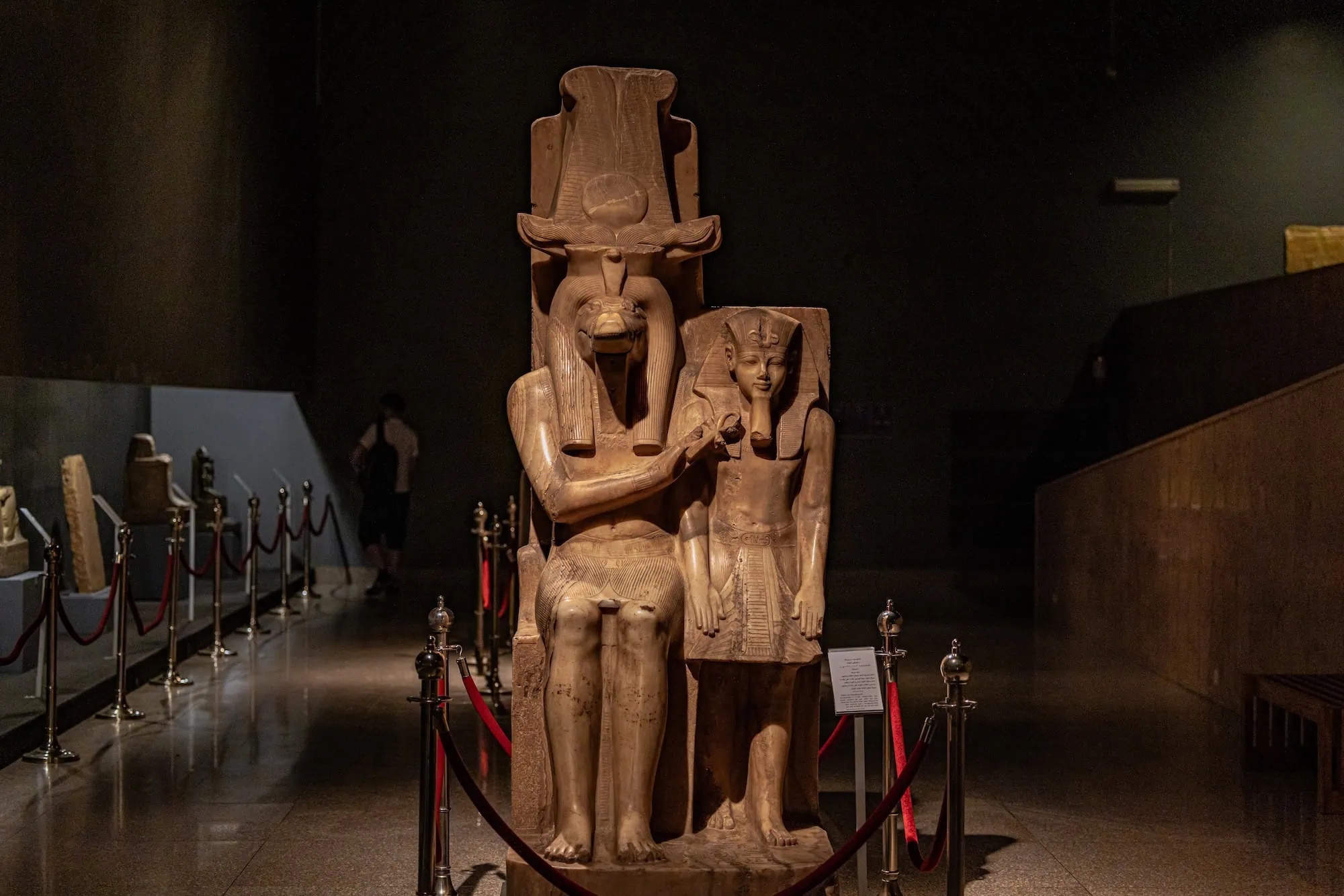
The calcite double statue representing Amenhotep III alongside Sobek, the crocodile god, dominates the museum’s main hall. This masterpiece demonstrates the sophisticated carving techniques of 18th dynasty artisans while illustrating the complex relationship between pharaohs and Egyptian mythology.
Akhenaten’s Temple Wall Reconstruction
One of the museum’s most ambitious displays reconstructs a wall from Akhenaten’s temple at Karnak. This installation provides insights into the revolutionary Amarna period when traditional Egyptian art styles transformed dramatically. The reconstruction allows visitors to understand how Akhenaten’s religious reforms influenced artistic expression throughout Egypt.
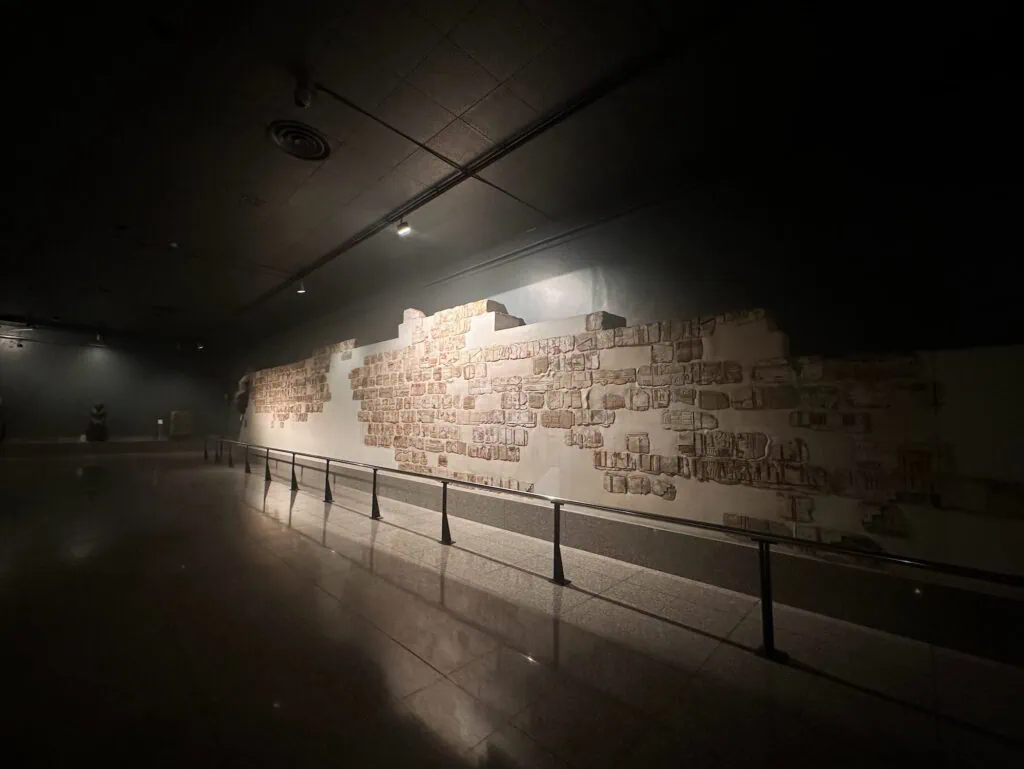
The wall segments, originally dismantled after Akhenaten’s death, were reassembled using modern archaeological techniques. This presentation method helps visitors visualize how ancient Egyptian temples actually looked when complete and functioning.
Jewelry and Personal Objects
The collection includes exquisite jewelry pieces that demonstrate the incredible skill of ancient Egyptian goldsmiths. These items, many discovered in royal tombs, showcase techniques still admired by modern craftspeople. The museum’s lighting system highlights intricate details often lost in photographs or larger museum displays.
Personal objects from various periods provide intimate connections to ancient daily life. Unlike the grand ceremonial pieces found in major museums, these artifacts show how wealthy Egyptians actually lived, worked, and expressed their beliefs through material culture.
Planning Your Visit for Maximum Impact
Arrive approximately one hour before your intended visit time to handle any payment system delays or queue management. The museum’s electronic ticketing system, while modern, can experience temporary outages during peak seasons.
Keep your ticket throughout the visit – staff conduct random checks, and losing your ticket can complicate exit procedures. The compact layout means you won’t need map navigation, but the museum provides excellent informational placards in multiple languages.
Consider visiting during the midday break period when outdoor temperatures make temple exploration uncomfortable. The museum’s air-conditioned environment provides perfect respite while maintaining your sightseeing momentum.
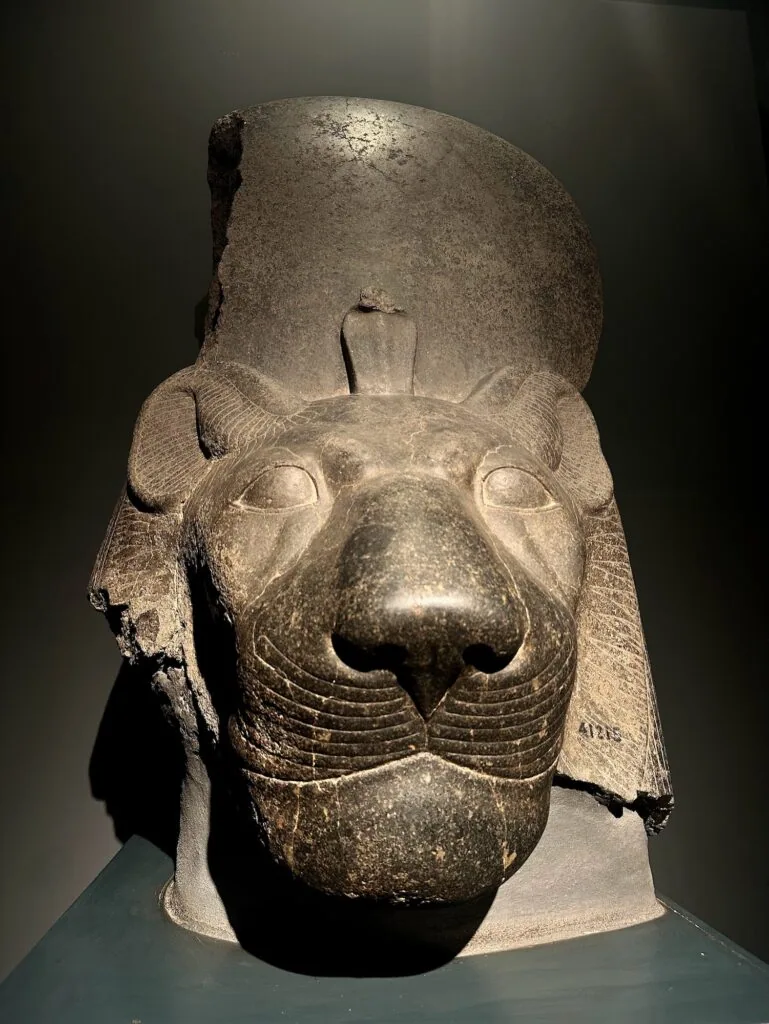
For photography enthusiasts, morning light through the large windows creates excellent conditions for artifact photography. The museum’s lighting design enhances rather than competes with natural light, resulting in superior photo quality compared to flash photography.
Combining with Other Luxor Attractions
The museum works exceptionally well as part of a structured Luxor itinerary. Many visitors find that seeing artifacts first enhances their temple experiences, as they can recognize similar artistic styles and religious themes in the temple decorations.
Professional guides often recommend the museum as preparation for Valley of the Kings visits, since understanding burial practices and artifact types improves tomb appreciation significantly.
See Egypt’s Treasures Up Close At Luxor Museum
Luxor Museum offers a refined and intimate way to experience ancient Egypt—where carefully curated artifacts reveal the artistry, power, and daily life of a remarkable civilization. With EgyptToursPlus, we seamlessly include this cultural highlight in a private journey that connects museum-quality insights with Egypt’s most iconic sites.
You choose your travel dates, your pace, and the experiences that shape your route. From in-depth cultural exploration to temple visits, Nile cruises, and refined comfort throughout, we tailor every detail around your preferences—ensuring a smooth, expertly planned, and deeply personal travel experience.
Frequently Asked Questions
Most visitors spend 1-2 hours exploring Luxor Museum, although archaeology enthusiasts often stay longer to study the carefully curated displays and translated inscriptions. Unlike larger museums with overwhelming collections, Luxor Museum focuses on high-quality presentation and spacious galleries overlooking the Nile Corniche. Highlights include statues from the Luxor Temple cachette, New Kingdom artifacts, and royal mummies. Visiting in the evening is especially rewarding because the museum’s lighting design dramatically enhances the sculptures and relief details.
No, Luxor Museum currently accepts only credit and debit card payments for ticket purchases, with cash transactions generally unavailable at the main entrance. This cashless system aligns with policies increasingly used at major Egyptian archaeological museums and heritage sites. International Visa and Mastercard payments are typically accepted, although travelers should still carry a backup payment method in case of technical interruptions. Visitors arriving without cards may experience entry delays or denial, especially during busy evening hours.
International adult tickets for Luxor Museum currently cost approximately 400 EGP, with reduced rates available for students carrying valid international identification cards. Prices can change periodically under Egypt’s Ministry of Tourism and Antiquities policies, especially during inflation adjustments or seasonal updates. Compared with larger attractions like the Valley of the Kings, the museum offers strong value because of its excellent artifact preservation and modern display standards. Carrying a student ID can significantly reduce admission costs for eligible travelers.
Yes, mobile phone photography is generally permitted inside Luxor Museum without additional fees, making it one of Egypt’s more photography-friendly museums for casual visitors. The museum’s modern lighting and uncluttered display cases create excellent conditions for capturing statues, jewelry, and inscriptions from the New Kingdom period. Flash photography may still be restricted around sensitive artifacts to reduce light damage over time. Professional cameras, tripods, and commercial filming projects may require separate permissions from museum authorities.
Early morning and evening hours are the best times to visit Luxor Museum during summer because daytime temperatures in Luxor frequently exceed 40°C (104°F) between June and August. Many travelers combine an evening museum visit with dinner along the Nile Corniche after sunset when conditions become noticeably cooler. The museum’s indoor climate-controlled galleries also provide relief from the desert heat compared with outdoor temple complexes. Evening visits often feel quieter and more comfortable for extended exploration.
Luxor Museum is smaller than the Egyptian Museum in Cairo but is widely praised for its superior lighting, clearer organization, and less crowded viewing experience. Instead of displaying tens of thousands of densely packed objects, Luxor Museum emphasizes carefully selected masterpieces from Thebes and the surrounding region. Visitors can study statues, reliefs, and royal artifacts at close range without overwhelming crowds. Many travelers consider it easier to appreciate artistically, especially after visiting Karnak or Luxor Temple nearby.
Yes, Luxor Museum is considered relatively accessible because the modern two-story building includes elevators, wide corridors, and smooth flooring designed for easier visitor movement. Compared with ancient temple sites containing uneven stone paths and steep staircases, the museum offers a far more manageable experience for wheelchair users and travelers with mobility limitations. Seating areas throughout the galleries also help visitors pace their exploration comfortably. Assistance from companions or staff may still be helpful during busier evening periods.
Yes, Luxor Museum often adjusts opening hours during Ramadan to accommodate religious observances, staffing schedules, and evening visitor patterns after sunset meals. Split operating hours are common in Egypt during the holy month, with temporary midday closures sometimes introduced depending on ministry policy. Travelers visiting during Ramadan should confirm schedules directly with their hotel, guide, or official tourism sources before arriving. Evening hours during Ramadan can actually become livelier because many locals visit cultural attractions after iftar.
Many Egyptologists recommend visiting Luxor Museum before exploring Karnak Temple or Luxor Temple because the museum provides valuable historical context and introduces artistic styles, religious symbols, and royal figures encountered later at the archaeological sites. Seeing original statues, inscriptions, and recovered temple artifacts first helps visitors recognize details that might otherwise go unnoticed in massive outdoor complexes. However, some travelers prefer visiting afterward to better connect museum objects with monuments they have already experienced firsthand.
Audio guide availability at Luxor Museum varies by season and operational staffing, although the museum’s bilingual display labels in Arabic and English are generally detailed and easy to follow independently. Some guided tour operators and Egyptologists also provide supplemental explanations during private visits for deeper historical interpretation. Because the collection is relatively compact, many visitors find self-guided exploration manageable without formal audio devices. Travelers specifically wanting audio support should confirm availability before arrival, especially during quieter tourism periods.
Large bags, backpacks, and luggage may be restricted inside Luxor Museum for security and conservation reasons, although limited storage options are sometimes available near the entrance checkpoint. Policies can change depending on visitor volume and security conditions, so travelers arriving directly from airports, cruise ships, or hotels should confirm procedures with museum staff beforehand. Small personal bags are usually permitted after inspection. Carrying minimal belongings helps speed entry and makes navigating the galleries more comfortable overall.
Luxor Museum includes a small gift shop selling books, postcards, replicas, and educational souvenirs related to ancient Egyptian history and archaeology. Compared with larger institutions in Cairo, the retail selection is modest but often well curated, with many items focused specifically on Luxor and Theban discoveries. Dining facilities remain limited, and there is no major on-site café comparable to international museums. Most visitors combine their museum visit with nearby Nile Corniche restaurants or hotel dining afterward.
Design Your Custom Tour
Explore Egypt your way by selecting only the attractions you want to visit