

Luxor Museum of Mummification – A Real Must-See Attraction
Step into one of Egypt’s most fascinating yet undervisited treasures.
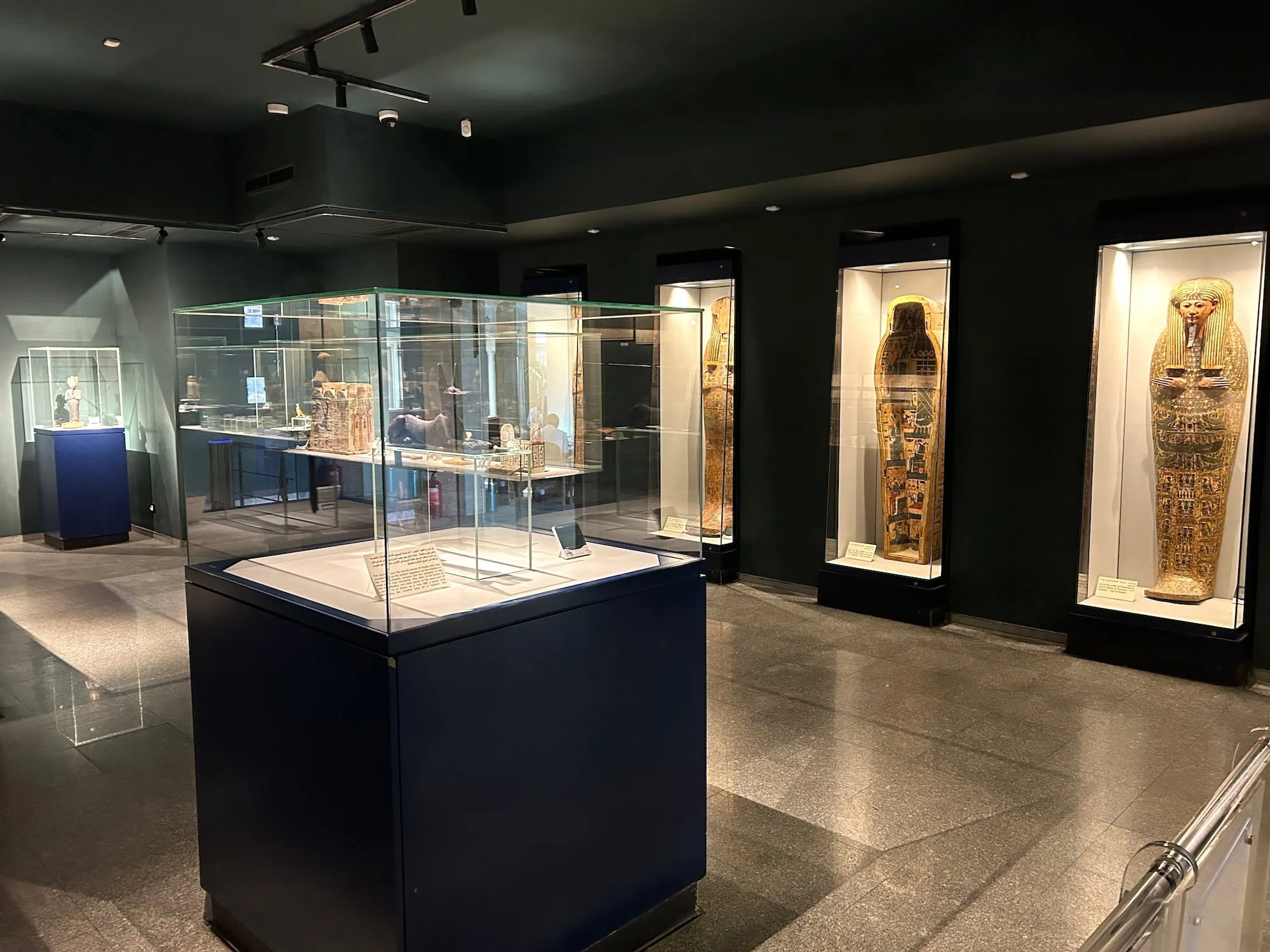
The Mummification Museum in Luxor offers visitors an extraordinary glimpse into ancient Egypt’s most sacred burial practices, displaying the intricate tools, precious materials, and elaborate rituals that preserved pharaohs and nobles for eternity. Located along the scenic Corniche An Nil, this specialized museum transforms what was once a simple tourist information center into an immersive journey through 3,000 years of mortuary science. While many travelers rush between Luxor’s massive temples and royal tombs, those who pause here discover the fascinating human stories behind Egypt’s most enduring mysteries.
Table of Contents
Understanding Ancient Egyptian Mummification Practices
The journey of preserving a body for the afterlife required extraordinary skill and patience. Ancient Egyptian embalmers perfected their craft over millennia, developing sophisticated techniques that modern science still studies today.
The Sacred 70-Day Process
The mummification process began immediately after death with careful preparation of the deceased. Embalmers first removed internal organs, treating each with natron salt—a naturally occurring compound from Wadi El Natron that dried and preserved tissue. The brain required special attention, extracted through the nasal cavity using bronze hooks and scrapers, tools you’ll see displayed throughout the museum.
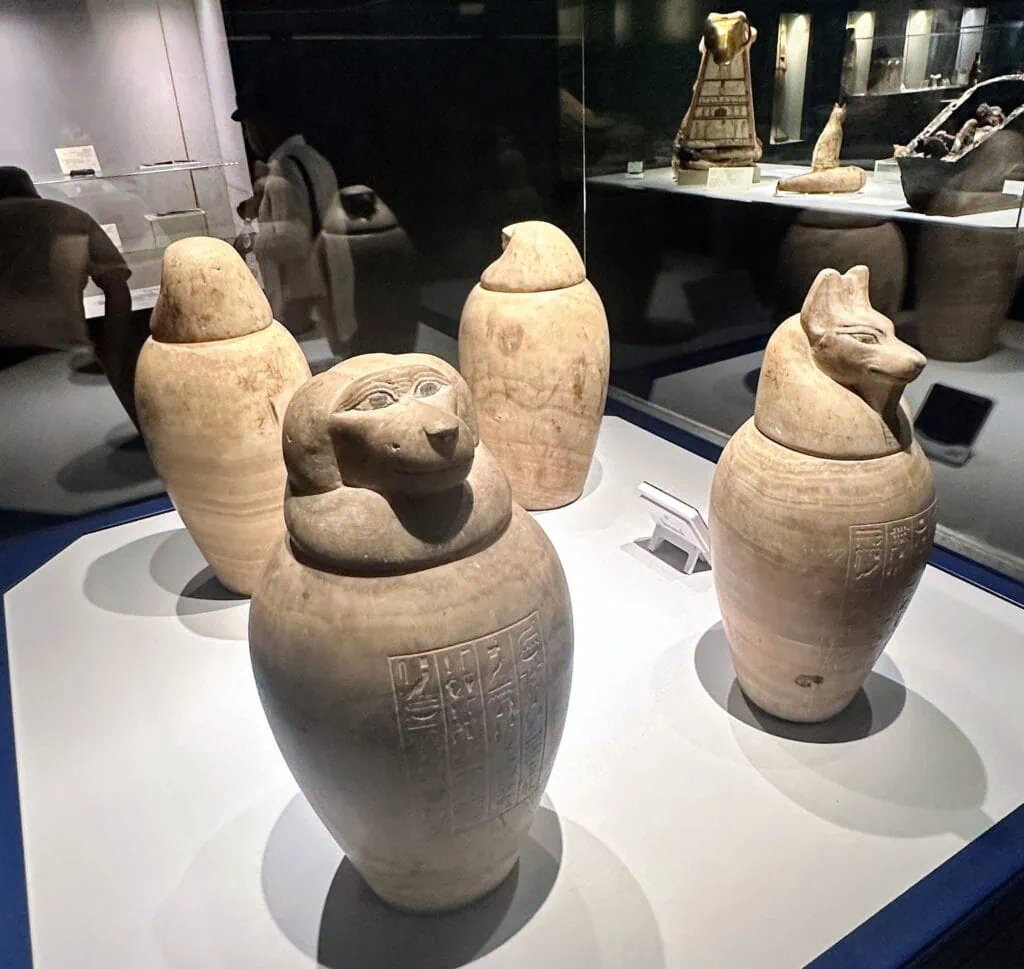
Four canopic jars held the preserved organs, each protected by a different deity. The liver belonged to Imsety, the lungs to Hapi, the stomach to Duamutef, and the intestines to Qebehsenuef.
Religious Significance and Ritual Elements
Every step carried deep spiritual meaning tied to Egyptian mythology. The god Anubis, depicted as a jackal-headed figure, guided the entire process as protector of the dead. Embalmers wore Anubis masks during certain rituals, connecting earthly preparation with divine protection.
The goddess Nephthys watched over the canopic jars while Isis provided magical protection through amulets placed strategically within the linen wrappings. These weren’t mere decorations—each amulet served a specific purpose in helping the deceased navigate the afterlife journey.
What You’ll Discover at the Museum
The museum’s 2,035 square meters house one of the world’s most comprehensive collections dedicated to mummification. Nineteen carefully designed display cases guide visitors through eleven distinct themes, from divine mythology to the practical reality of ancient mortuary science.
Exceptional Artifacts and Specimens
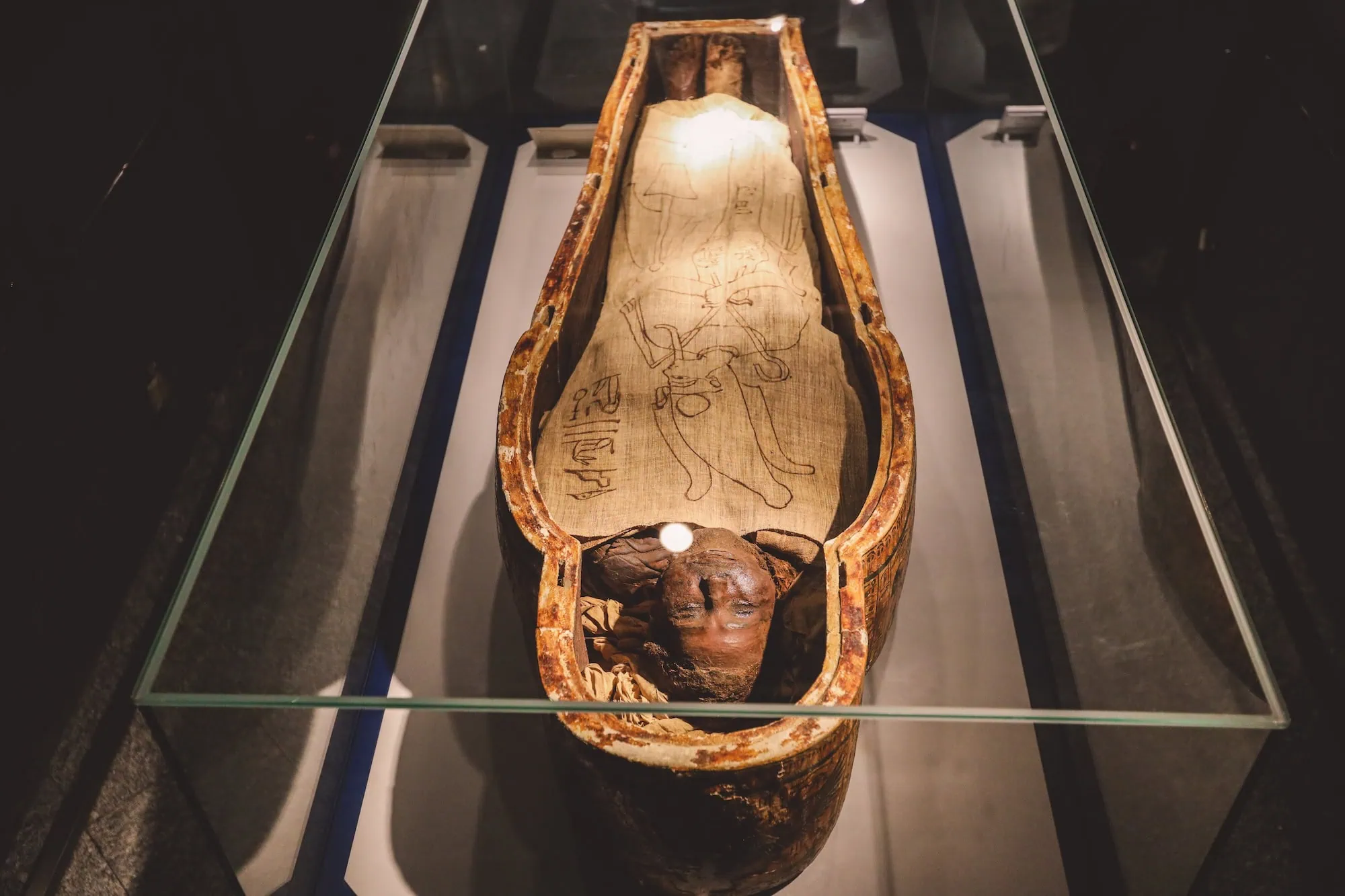
The centerpiece remains the well-preserved mummy of Masaharti, a 21st Dynasty high priest whose body demonstrates the pinnacle of embalming artistry. His perfectly wrapped form, complete with painted cartonnage mask, shows how elite mummies received the most elaborate treatment. Nearby displays reveal the tools that made such preservation possible: bronze surgical instruments, natron containers, and intricately carved canopic jars.
Animal mummies provide equally compelling stories. The museum houses mummified cats, ram specimens, and even crocodiles—each representing different aspects of Egyptian religious beliefs. These weren’t pets; they were sacred beings believed to carry prayers to specific gods.
The Ani papyrus fragments offer written evidence of burial beliefs, while wooden ushabtis demonstrate how the wealthy prepared miniature servants for afterlife duties. These small figurines, often numbering in the hundreds per tomb, were meant to perform manual labor in the eternal realm.
Interactive Learning Experiences
Modern presentation techniques bring ancient practices to life without overwhelming visitors. Video displays in the dedicated screening room explain complex procedures using 3D animations, making the 70-day mummification timeline easy to understand. Touch-screen terminals provide additional context about specific artifacts, allowing deeper exploration of items that capture your interest.
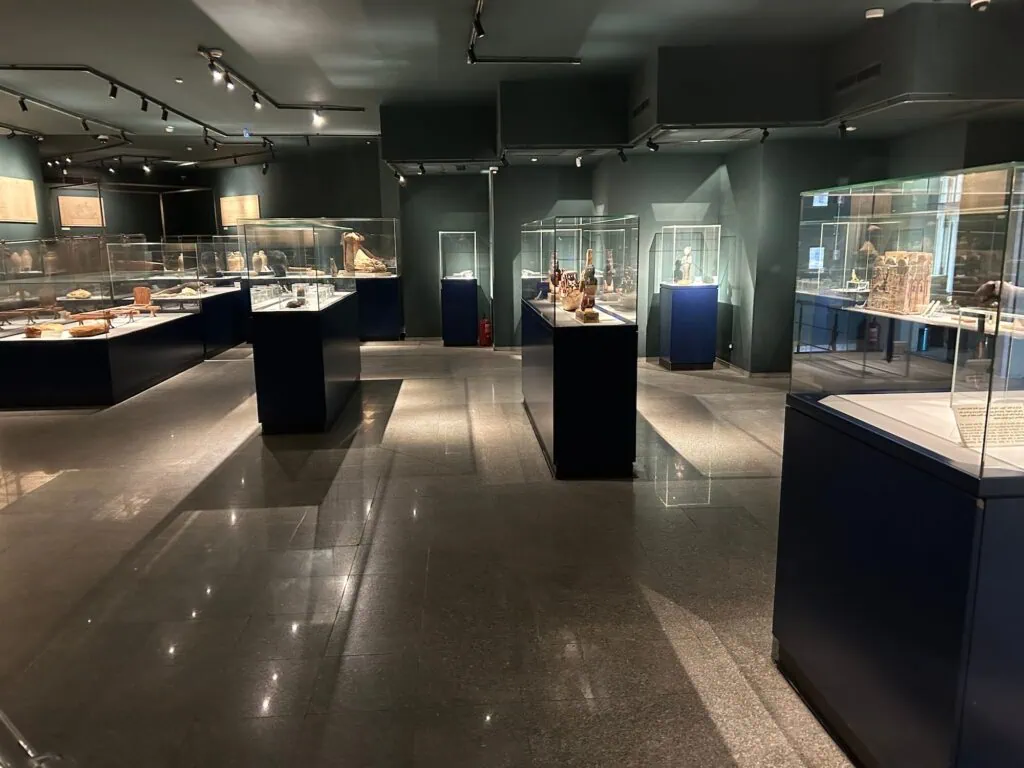
The museum’s layout flows logically from basic concepts to advanced techniques, ensuring visitors build understanding progressively. Wall texts appear in Arabic, English, and French, making the experience accessible to international tourists while serving local educational needs.
Planning Your Visit to Luxor’s Hidden Gem
Smart timing makes all the difference when experiencing this specialized museum. We recommend visiting early morning or late afternoon to avoid peak tourist crowds and harsh midday heat.
Practical Information and Logistics
The museum operates on seasonal schedules that change throughout the year. Summer hours run from 9:00 am to 2:00 pm (09:00-14:00), while winter extends until 4:00 pm (16:00). During Ramadan, expect modified hours typically running 9:00 am to 12:00 pm (09:00-12:00) and 5:00 pm to 7:00 pm (17:00-19:00).
Entry fees follow Egypt’s dual pricing structure: foreign adults pay EGP 220, while students with valid identification receive significant discounts at EGP 110. Egyptian nationals and residents enjoy much lower rates. Children under 12 enter free when accompanied by adults.
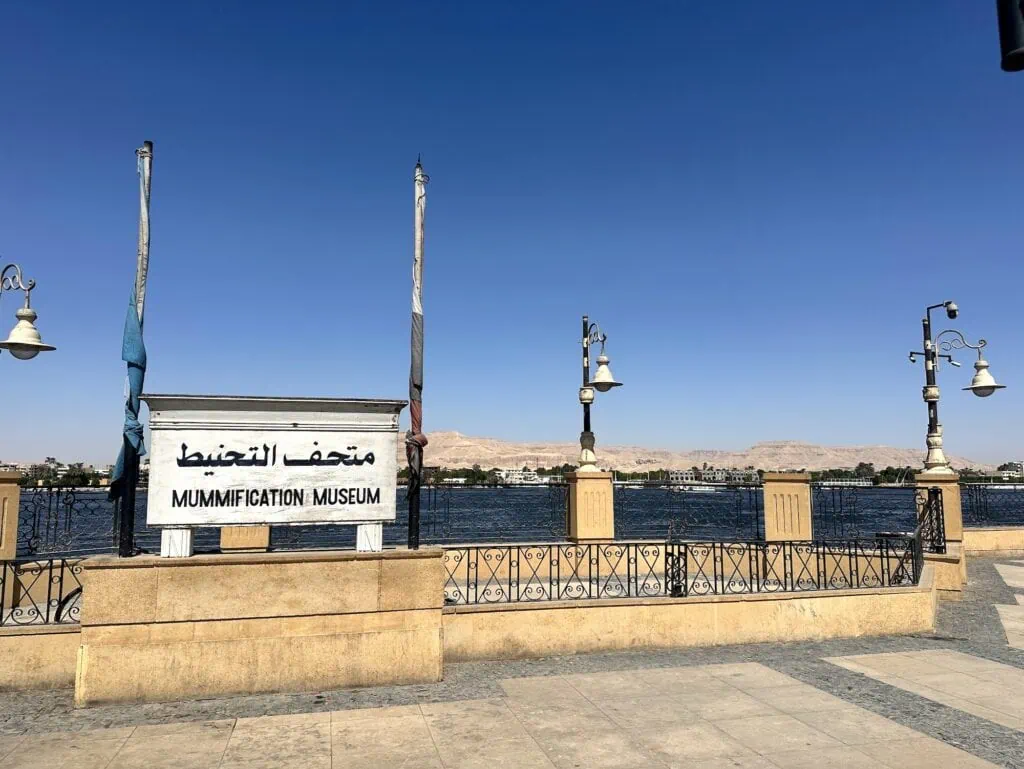
Photography rules remain strict—no cameras allowed inside exhibition areas to protect sensitive artifacts from flash damage and ensure other visitors’ experience isn’t disrupted by constant photo-taking.
Combining with Other Luxor Attractions
The museum’s location along the Nile Corniche makes it perfect for combining with other West Bank activities. Many visitors include it as part of comprehensive Valley of the Kings tours, adding cultural depth to tomb explorations. The contrast proves enlightening: seeing mummification tools and techniques first makes the elaborate burial chambers more meaningful.
Luxor Temple sits just minutes away by taxi, making afternoon combinations practical. The museum’s compact size—most visits last 60-90 minutes—fits easily into packed Luxor itineraries without creating scheduling conflicts.
We often recommend pairing the museum with felucca sunset cruises. The timing works perfectly: finish your museum visit by 4:00 pm (16:00), enjoy tea along the corniche, then board traditional sailboats as evening approaches.
The Museum’s Evolution and Significance
President Mubarak officially opened this specialized institution in 1997, transforming what had been a basic tourist information center into Egypt’s only dedicated mummification museum. The Supreme Council of Antiquities recognized that scattered mummification artifacts in various museums worldwide never told complete stories—this focused approach allows comprehensive understanding.
The facility’s creation filled a crucial gap in Egyptian museum offerings. While the Grand Egyptian Museum houses vast collections covering all periods, and Luxor Museum focuses on local archaeological finds, no institution specialized in mortuary practices until this museum opened.
Architectural design reflects the building’s evolution from tourist center to serious cultural institution. Clean lines and modern climate control protect sensitive organic materials while large windows provide natural lighting that doesn’t damage exhibits. The cafeteria and gift shop maintain visitor comfort without detracting from the educational mission.
International cooperation helped establish the collection. The British Museum provided replica artifacts and research expertise, while German archaeological teams contributed preservation techniques still used today. This collaborative approach ensures the museum meets global standards while maintaining distinctly Egyptian character.
Beyond the Tourist Trail: Why This Museum Matters
Most Luxor visitors focus exclusively on pharaonic temples and royal tombs, missing opportunities to understand the human stories behind monumental architecture. The Mummification Museum bridges this gap by revealing intimate details about ancient Egyptian beliefs and daily life practices.
Educational Value for Modern Visitors
Understanding mummification processes provides context for everything else you’ll see in Egypt. Tomb paintings make more sense when you know why specific gods appear in certain scenes. The elaborate burial goods in museums worldwide gain meaning when you understand their roles in afterlife preparation.
The museum also corrects popular misconceptions perpetuated by Hollywood movies and sensational documentaries. Real mummification was medical science, not mystical magic. Embalmers trained for years to master anatomical knowledge and preservation chemistry that rivals modern techniques.
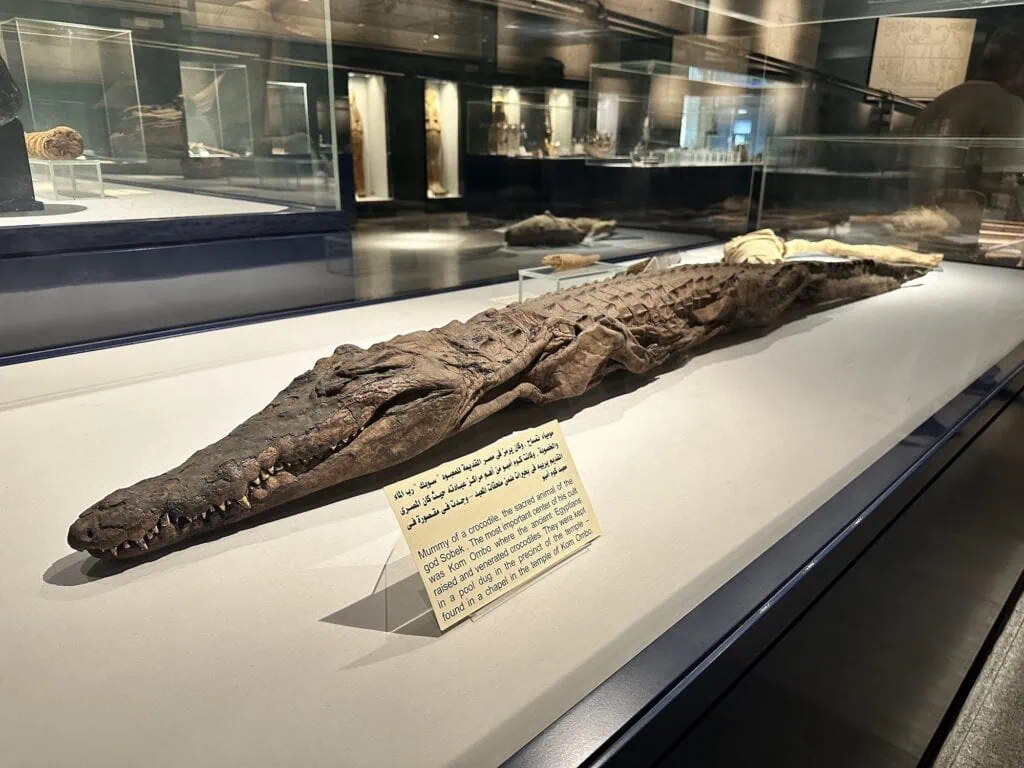
For families traveling with children, the museum provides age-appropriate introductions to Egyptian culture without the overwhelming scale of temples or potentially frightening tomb environments. Kids often find animal mummies particularly engaging, creating positive associations with historical learning.
Research and Preservation Efforts
Behind public displays, the museum conducts serious research into ancient preservation techniques. Modern medical imaging reveals details about mummification quality and health conditions of ancient Egyptians. This research contributes to global understanding of historical population health and mortuary evolution.
Preservation work continues on newly discovered mummies from ongoing excavations. The museum serves as a treatment center where fresh discoveries receive stabilization before long-term display or storage decisions. Visitors occasionally witness conservation work through protected observation windows.
International scholars regularly visit to study the collection, making the museum a working research facility rather than just a tourist attraction. These academic connections ensure exhibits reflect current archaeological understanding rather than outdated theories.
Maximizing Your Experience
A visit here rewards preparation and patience. Reading background information beforehand helps visitors appreciate subtle details that might otherwise seem unremarkable.
The museum works exceptionally well as part of our expertly crafted Luxor experiences. Our qualified Egyptologist guides provide context that transforms static displays into compelling narratives about real people who lived thousands of years ago. With decades of experience guiding visitors through Egypt’s most significant sites, we understand how to balance educational depth with engaging storytelling.
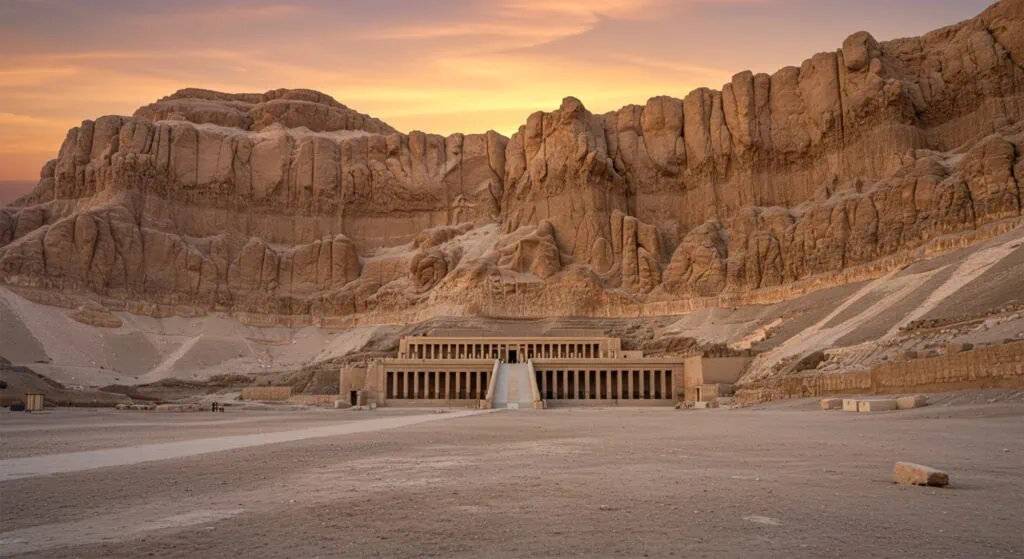
Consider timing your visit as part of a comprehensive West Bank exploration. We can arrange private transportation that includes the museum alongside Valley of the Kings, Hatshepsut Temple, and other major Luxor attractions, creating thematic connections between burial preparation, tomb construction, and royal afterlife beliefs.
Uncover The Secrets Of Ancient Preservation
The Luxor Museum of Mummification offers a rare and fascinating look into one of ancient Egypt’s most iconic rituals—revealing the science, beliefs, and artistry behind the journey to the afterlife. With EgyptToursPlus, we seamlessly include this unique experience in a private journey that connects cultural insight with Egypt’s most legendary sites.
You choose your travel dates, your pace, and the experiences that shape your route. From immersive museum visits and expert-guided exploration to Nile cruises and refined comfort throughout, we tailor every detail around your preferences—ensuring a smooth, enriching, and deeply personal travel experience.
Frequently Asked Questions
Most visitors spend 60 to 90 minutes exploring the Luxor Museum of Mummification, though history enthusiasts often stay longer studying the detailed displays and preservation techniques. The compact museum contains around 150 artifacts including human mummies, animal mummies, embalming tools, canopic jars, and funerary objects arranged in a chronological narrative. Because the exhibits are highly focused rather than overwhelming, visitors can absorb the material without rushing. Pairing the museum with Luxor Temple or the Nile Corniche creates an efficient half-day itinerary.
Yes, the Luxor Museum of Mummification is generally suitable for children, especially those interested in ancient Egypt, archaeology, or animals. Younger visitors are often fascinated by the preserved crocodiles, cats, fish, and birds displayed alongside explanations of ancient embalming practices dating back more than 3,000 years. The museum’s smaller size also makes it less tiring than larger institutions such as the Egyptian Museum in Cairo. Parents with very young children should note that some human mummy displays may feel intense or unsettling.
No, photography is generally prohibited inside the Luxor Museum of Mummification in order to protect delicate artifacts and preserve the museum environment. Egyptian museums often restrict flash photography because repeated exposure can damage pigments, linen wrappings, and fragile organic materials that have survived for millennia. Security staff may also require visitors to store professional cameras or large photography equipment before entry. Travelers wanting detailed visual records should plan to photograph the museum exterior and nearby Nile Corniche instead.
Early morning and late afternoon are the best times to visit the Luxor Museum of Mummification because temperatures are cooler and visitor numbers are typically lower. Luxor regularly experiences midday temperatures above 38°C (100°F) between May and September, so indoor museum visits become especially attractive outside peak heat hours. Morning visits also pair well with nearby attractions on the East Bank such as Luxor Temple and Karnak Temple. Visiting shortly before sunset allows comfortable exploration followed by evening walks along the Nile.
Guided tours of the Luxor Museum of Mummification are available through licensed Egyptologists and reputable tour operators, including private arrangements through Egypt Tours Plus. Expert guides explain the religious symbolism behind embalming rituals, the role of Anubis and Osiris, and the scientific techniques ancient Egyptians used to preserve bodies for the afterlife. Without interpretation, many visitors miss important details hidden in tools, inscriptions, and funerary objects. Guided visits are particularly valuable before exploring tombs in the Valley of the Kings.
The Luxor Museum of Mummification differs from other museums in Luxor because it focuses entirely on the science, religion, and rituals of embalming rather than presenting broad collections of pharaonic artifacts. It is the only museum in Egypt dedicated exclusively to mummification techniques, displaying preserved humans and animals alongside surgical tools, resins, natron salts, and funerary equipment. Unlike larger museums that cover multiple dynasties and themes, this museum offers concentrated depth on one of ancient Egypt’s most famous cultural practices.
Yes, the Luxor Museum of Mummification is considered relatively accessible because its exhibits are arranged on a single main level with wide corridors and modern flooring. Compared to archaeological sites such as the Valley of the Kings or Karnak Temple, the museum requires far less walking and no steep climbing over uneven stone surfaces. Wheelchair users and elderly travelers generally find navigation manageable with assistance if needed. Air-conditioned indoor galleries also provide relief from Luxor’s intense summer temperatures.
The museum’s major exhibits and informational panels are displayed in Arabic, English, and French, making the collection accessible to a broad range of international visitors. Labels explain mummification methods, funerary beliefs, and artifact origins using concise descriptions supported by diagrams and photographs. Because Luxor receives large numbers of European and North American travelers each year, multilingual interpretation is an important part of the museum’s design. Visitors wanting deeper analysis often benefit from hiring an Egyptologist guide for additional context.
Visiting the Luxor Museum of Mummification before the Valley of the Kings is often more useful because it provides essential context about embalming, burial rituals, and preparation for the afterlife. The museum explains how organs were preserved, how linen wrapping worked, and why tombs contained specific funerary objects later seen inside royal burial chambers. Travelers who visit afterward, however, often appreciate the exhibits differently because they can connect the artifacts directly to what they observed in the tombs themselves.
Large bags, professional photography equipment, and oversized backpacks are usually not permitted inside the Luxor Museum of Mummification and may need to be stored at the entrance security area. Egyptian museums enforce these restrictions to protect fragile displays and reduce congestion in enclosed gallery spaces. Food, drinks, selfie sticks, and flash equipment may also face limitations depending on current museum regulations. Travelers should carry only essential personal items to speed up security screening and move comfortably through the exhibits.
The Luxor Museum of Mummification occasionally adjusts operating hours because of seasonal heat, maintenance work, official holidays, or special governmental directives affecting Egyptian museums. Midday closures or shortened hours are more common during summer months when visitor traffic decreases and temperatures become extreme. Travelers should confirm schedules locally or through their hotel or tour operator before arrival, especially during Ramadan or national holidays. Morning visits remain the safest option for avoiding unexpected timing disruptions and heavy afternoon crowds.
Yes, the museum gift shop sells books, educational materials, replica artifacts, and souvenirs related specifically to mummification and ancient Egyptian funerary practices. Visitors can usually find illustrated guides explaining embalming methods, reproductions of canopic jars, statues of Anubis, and small-scale models inspired by museum exhibits. Compared to general souvenir markets in Luxor, the museum shop tends to focus on historically themed items connected directly to the collection. Inventory varies seasonally, so specialized publications may sell out during peak tourist months.
Design Your Custom Tour
Explore Egypt your way by selecting only the attractions you want to visit