

Luxury Middle East Tours
The Middle East transforms travel into something extraordinary.
This crossroads of civilization offers travelers a remarkable opportunity to explore millennia of human history while enjoying contemporary luxury accommodations. From the rose-red city of Petra carved into living rock to the gleaming skyscrapers of Dubai, the region provides experiences that seamlessly blend ancient wonder with modern sophistication. Private guides share stories passed down through generations, while five-star resorts and luxury desert camps ensure comfort matches the grandeur of your surroundings.
Our carefully crafted Middle East tours create unforgettable journeys through Jordan, Egypt, Oman, and the UAE. Each destination reveals different facets of this fascinating region’s character.
Experience the Middle East your way—crafted by experts since 1955.
Private Multi-Country Tours Across the Middle East
Why Choose Luxury Tours for Middle East Travel
Traveling through the Middle East requires local expertise and premium accommodations to fully appreciate each destination’s unique character. We’ve spent decades perfecting our approach to luxury travel in this culturally rich region.
Expert Local Guides Make All the Difference
Our qualified guides transform ancient sites into living stories. In Jordan’s Petra, they reveal architectural secrets hidden within the Treasury’s intricate facade. At Egypt’s Valley of the Kings, they explain hieroglyphic meanings that bring pharaohs’ stories to life. These aren’t just tour guides – they’re cultural ambassadors with university degrees in archaeology, history, or regional studies.
Each guide speaks fluent English and understands how to present complex historical information in engaging ways. They know which viewpoints offer the best photography opportunities and can arrange special access to sites typically closed to general visitors.
Premium Accommodations Enhance Cultural Immersion
Luxury hotels in the Middle East aren’t just places to rest – they’re cultural experiences. The Four Seasons Resort Sharm El Sheikh overlooks pristine Red Sea waters where you can snorkel among coral reefs. Amangiri’s tented camp in Wadi Rum lets you sleep under desert stars while maintaining five-star comfort standards.

These properties employ local architects and designers who incorporate regional artistic traditions. Traditional mashrabiya screens filter sunlight in hotel lobbies. Courtyards feature fountains and gardens inspired by Islamic architectural principles. Even contemporary properties like Dubai’s Burj Al Arab reflect regional design sensibilities through their interpretation of dhow sailing vessels.
Multi-Country Itineraries Maximize Your Investment
The Middle East’s compact geography makes country-hopping surprisingly efficient. A well-planned luxury tour can include Jordan’s Petra and Wadi Rum, Egypt’s pyramids and Nile cruise, and Dubai’s modern attractions – all within 10-14 days.
We coordinate private transfers, domestic flights, and border crossings to minimize travel time while maximizing experiences. Our relationships with luxury accommodation providers across the region ensure consistent service standards whether you’re in Cairo, Amman, or Abu Dhabi.
Top Destinations for Luxury Middle East Adventures
Jordan stands out as the region’s crown jewel for luxury travelers seeking authentic cultural experiences.
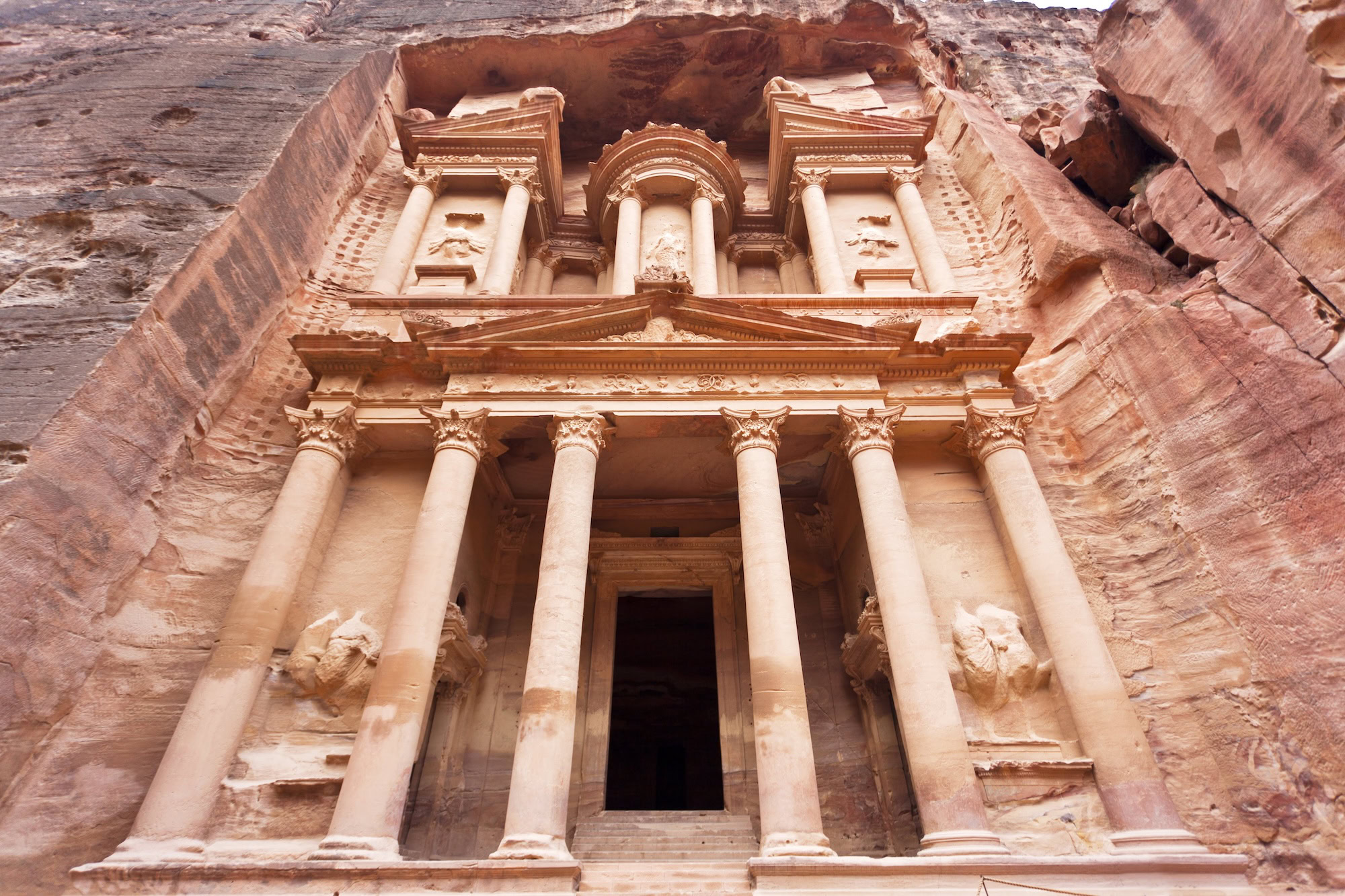
Petra’s ancient Nabataean city reveals new wonders around every corner carved into sandstone cliffs. The Treasury’s elaborate facade represents just the beginning of this archaeological marvel. Beyond the main tourist routes, private guided tours access the Monastery via the challenging but rewarding back trail. Sunset viewing from the High Place of Sacrifice offers photographers spectacular lighting on the rose-colored stone.
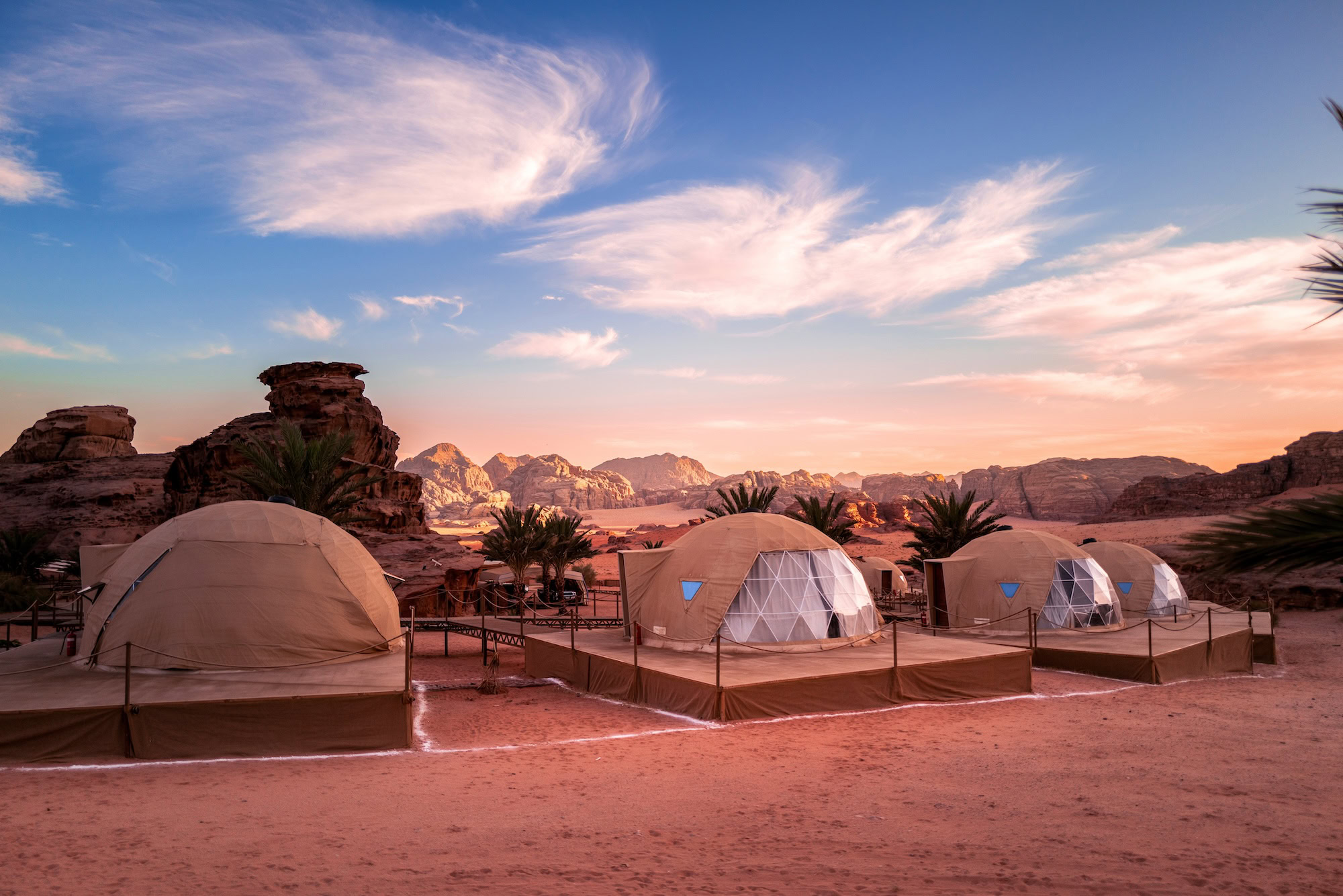
Wadi Rum’s protected desert landscape provides adventure activities from rock climbing to camel trekking. Luxury desert camps like Memories Aicha Luxury Camp offer private tented accommodations with en-suite bathrooms and traditional Bedouin hospitality. Evening campfires feature local musicians performing traditional songs while you enjoy authentic zarb (underground barbecue) dinners.
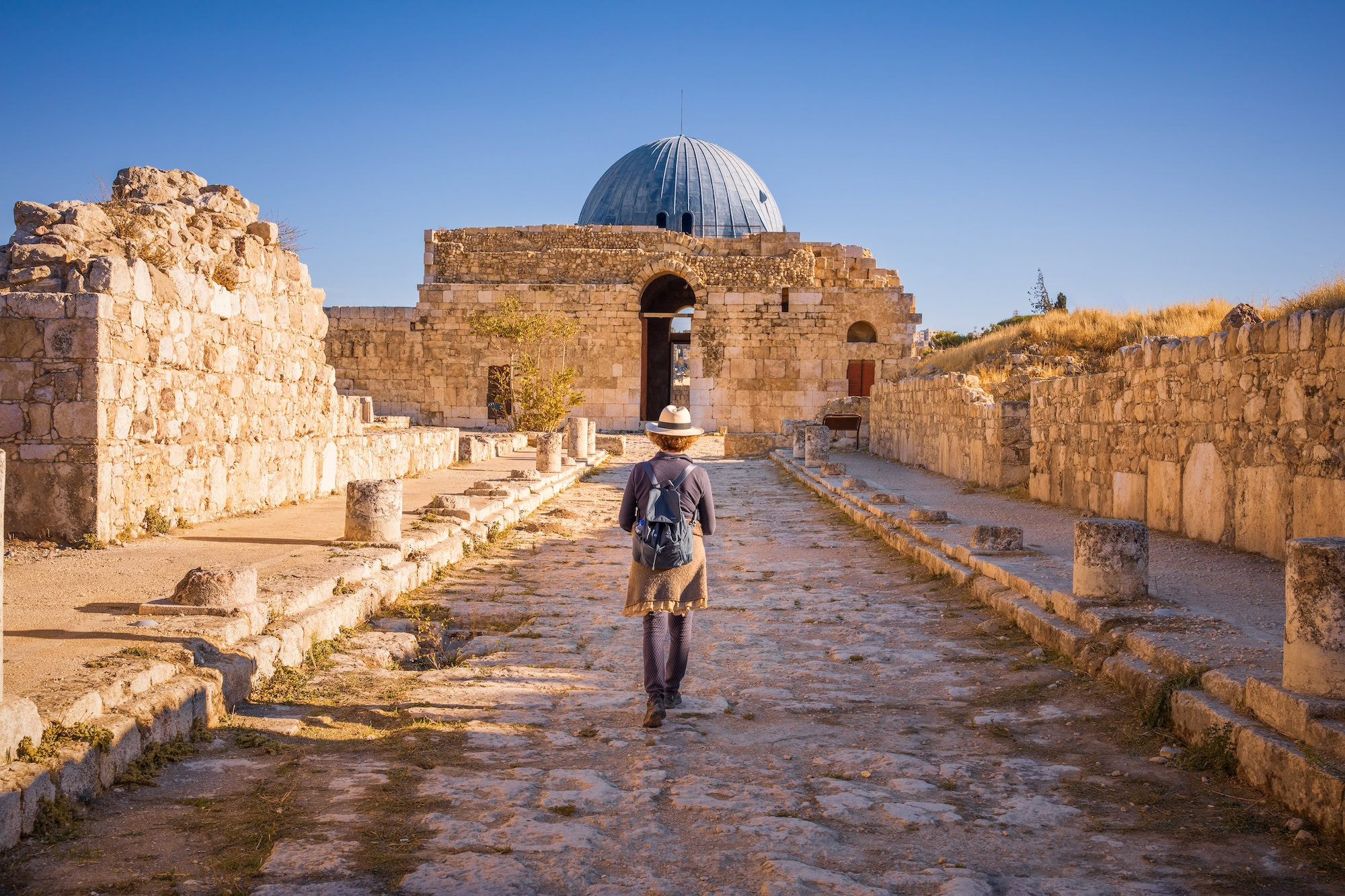
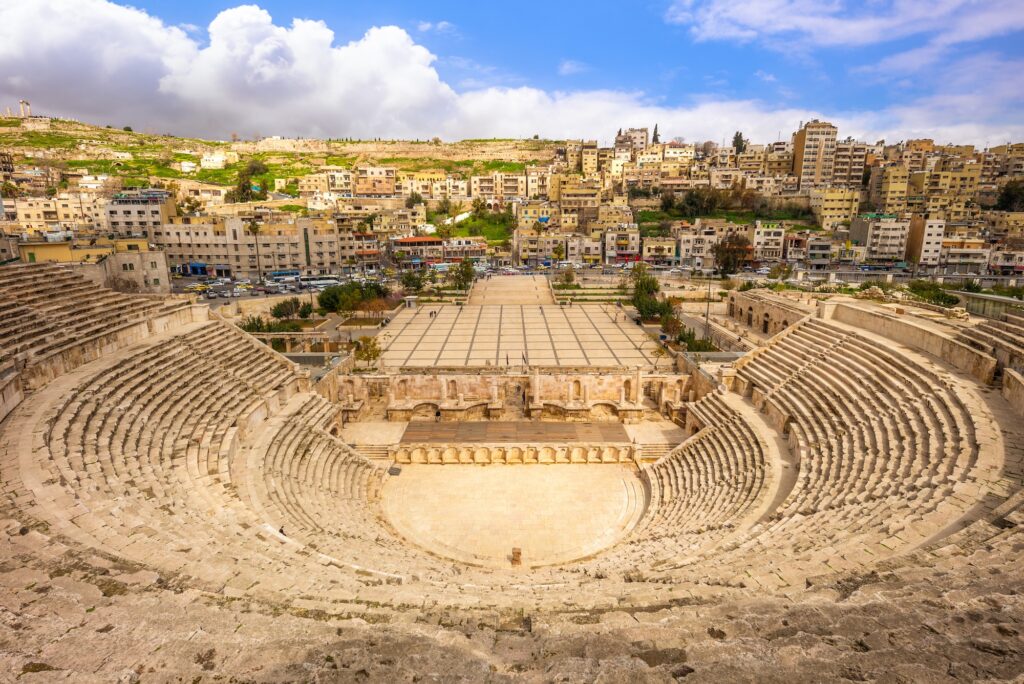
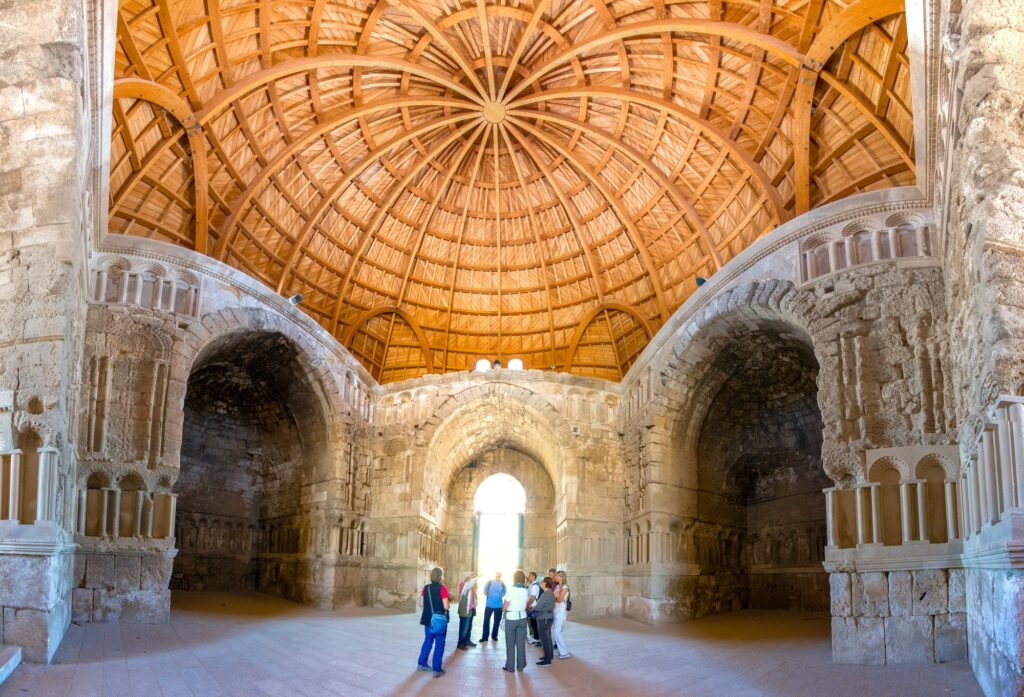
The capital Amman combines Roman history with contemporary Middle Eastern culture. The Jordan Archaeological Museum houses artifacts spanning 9,000 years of regional history. Downtown’s Rainbow Street offers upscale shopping and dining experiences, while the Citadel provides panoramic city views and Roman Temple of Hercules ruins.
Egypt’s Timeless Appeal
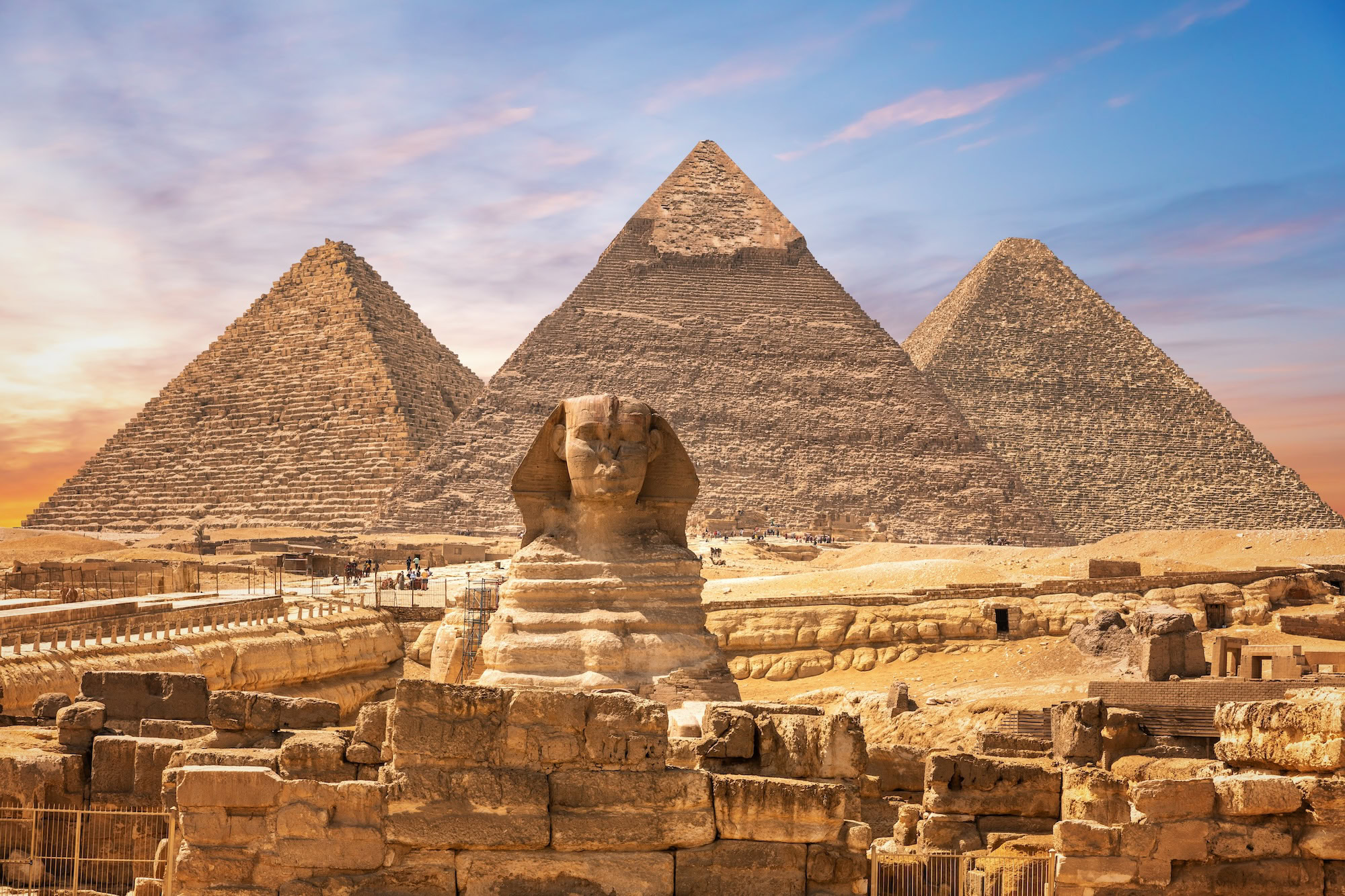
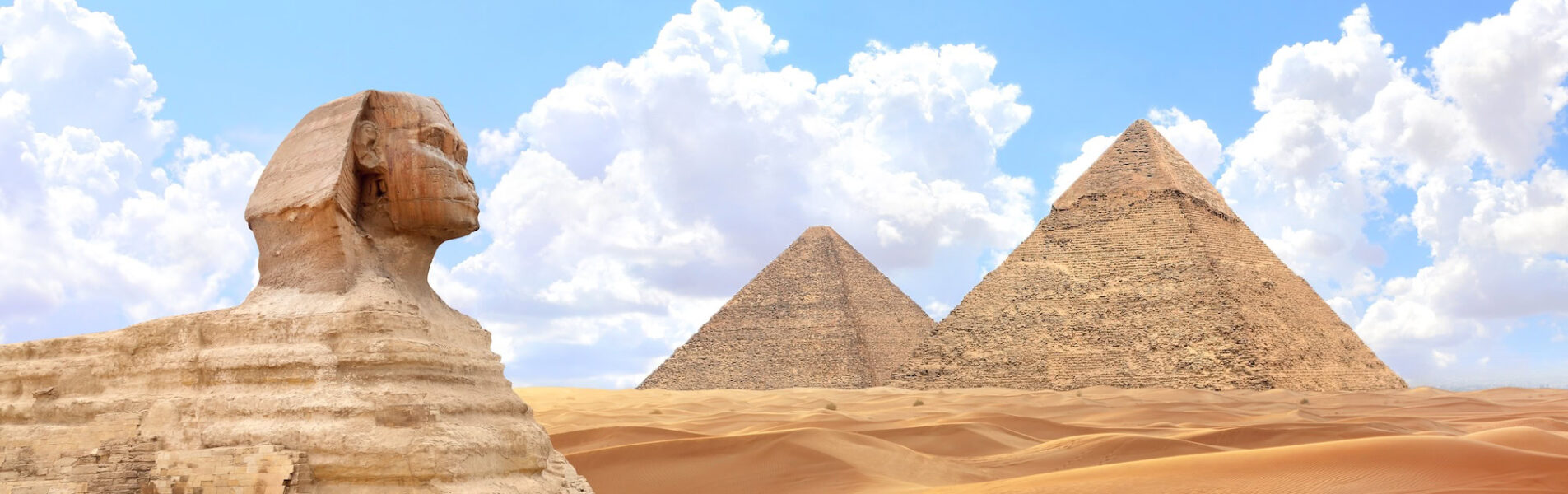
Egypt’s ancient wonders continue fascinating travelers centuries after their construction. The Great Pyramid of Giza remains the only surviving Wonder of the Ancient World, while the nearby Sphinx guards secrets archaeologists continue uncovering. Private guided tours provide exclusive access to interior chambers typically closed to general visitors.
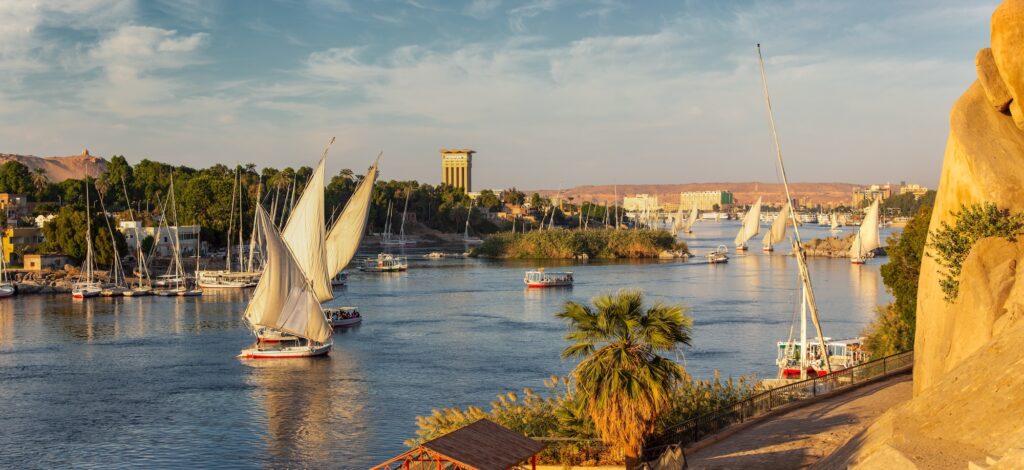
A luxury Nile cruise between Luxor and Aswan reveals temple complexes built over 4,000 years ago. The Valley of the Kings houses elaborate tomb paintings depicting ancient Egyptian beliefs about the afterlife. Karnak Temple’s hypostyle hall contains 134 massive columns, each carved with hieroglyphic inscriptions.
Modern Egypt offers sophisticated experiences in Cairo’s upscale Zamalek district and Alexandria’s Mediterranean coastline. The newly opened Grand Egyptian Museum near the Pyramids displays King Tutankhamun’s complete treasure collection in climate-controlled galleries.
United Arab Emirates: Where Tradition Meets Innovation
Dubai exemplifies the Middle East’s rapid modernization without abandoning cultural roots. The Burj Khalifa observation deck provides stunning views across the Persian Gulf, while the Dubai Mall’s aquarium houses thousands of marine species. Traditional gold and spice souks in old Dubai maintain centuries-old trading traditions.
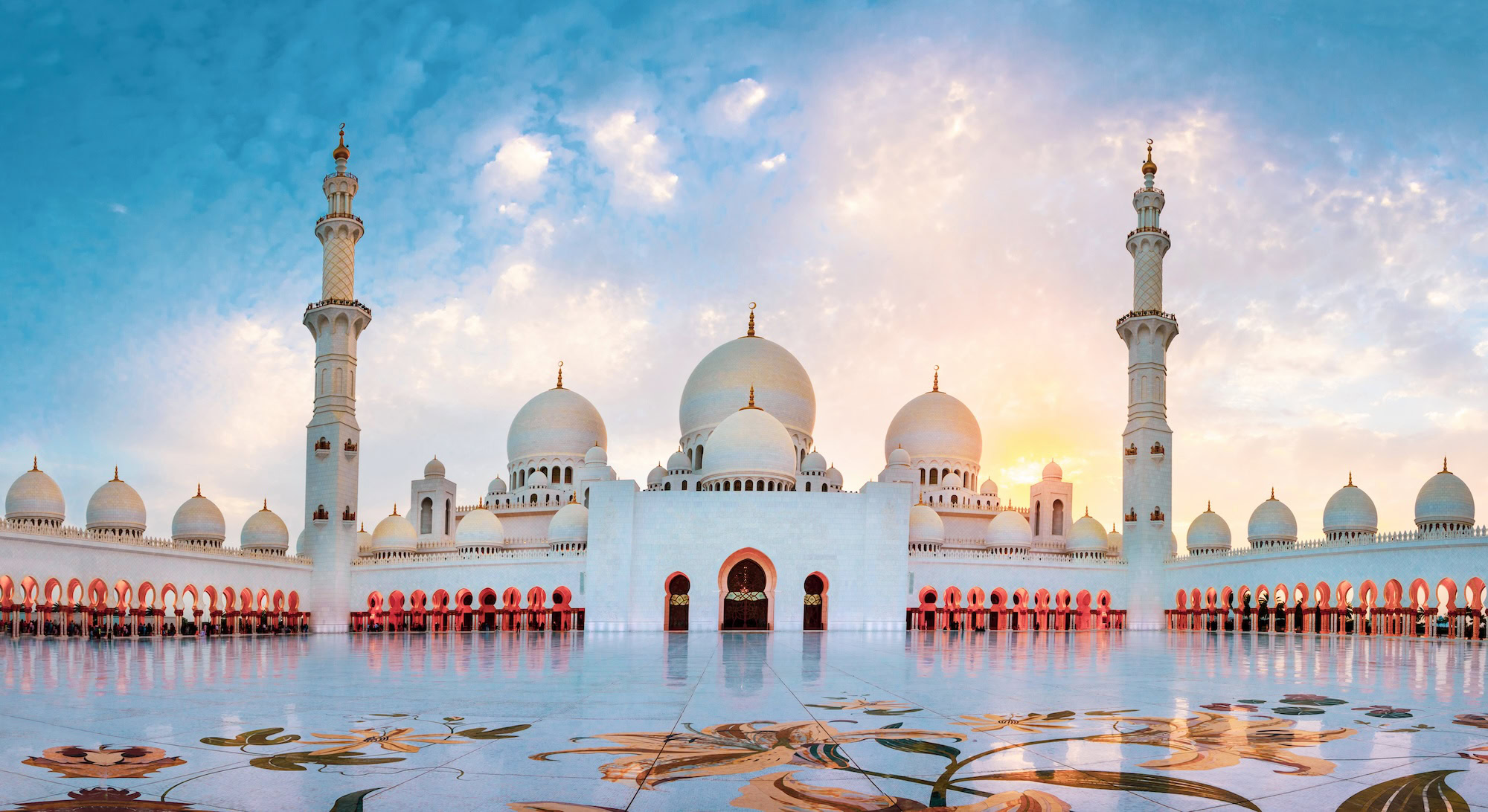
Abu Dhabi’s Sheikh Zayed Grand Mosque accommodates 40,000 worshippers beneath 82 domes decorated with semi-precious stones. The Louvre Abu Dhabi displays artifacts from ancient civilizations alongside contemporary artworks. Luxury resorts on Saadiyat Island offer pristine beaches just minutes from world-class cultural attractions.
Oman presents a more traditional Gulf experience focused on natural beauty and maritime heritage. Muscat’s Royal Opera House hosts international performances in stunning contemporary architecture. The Mutrah Souq sells frankincense, silver jewelry, and traditional Omani textiles. Luxury resorts in Salalah provide access to pristine beaches and seasonal monsoon landscapes.
Planning Your Luxury Middle East Experience
Timing significantly impacts your Middle East luxury tour experience. October through April offers the most comfortable weather conditions across the region.
Jordan’s pleasant spring temperatures (March-May) provide ideal conditions for Petra exploration and Wadi Rum desert activities. Summer temperatures can exceed 40°C (104°F), making outdoor activities challenging. Winter brings cooler temperatures but occasional rainfall, particularly in northern regions.
Egypt’s peak season runs from December through February when temperatures range from 20-25°C (68-77°F) during the day. Nile cruises operate year-round, but shoulder seasons (March-April and October-November) offer fewer crowds and moderate prices while maintaining excellent weather conditions.
The UAE’s luxury season coincides with cooler months from November through March. This period features numerous cultural festivals, including the Dubai Shopping Festival and Abu Dhabi Festival. Hotel rates increase during these months, but the comfortable weather conditions justify the premium pricing.
Visa Requirements and Entry Procedures
U.S. citizens can obtain tourist visas for most Middle East destinations either on arrival or through electronic visa systems. Jordan offers visa-on-arrival for tourists staying minimum three nights, or you can purchase the Jordan Pass online which includes major attraction entries. Egypt requires a tourist visa available on arrival at Cairo International Airport for $25, valid for 30 days with single entry.
The UAE provides 30-day tourist visas free for U.S. citizens upon arrival, renewable for additional 30 days. Oman offers tourist visas online through their eVisa system, processed within 3-5 business days.
European visitors enjoy similar visa arrangements with most destinations, though some countries require advance applications. Latin American travelers should check specific bilateral agreements, as requirements vary by nationality. We assist all our clients with visa applications to ensure smooth entry procedures.
Cultural Considerations and Dress Codes
Middle East destinations maintain varying cultural expectations regarding appropriate dress and behavior. Jordan’s tourist areas accommodate Western clothing styles, but covering shoulders and knees shows respect when visiting religious sites. Petra’s extensive walking requires comfortable, closed-toe shoes and sun protection.
Egypt’s Islamic cultural influences suggest conservative dress for both men and women when visiting mosques or traditional neighborhoods. Luxury hotels and resorts generally accommodate standard Western attire. The Red Sea coastal regions maintain more relaxed dress codes around beaches and diving centers.
The UAE’s cosmopolitan cities welcome international fashion trends, though mosque visits require conservative clothing for all visitors. Dubai and Abu Dhabi’s luxury shopping districts stock designer clothing suitable for upscale dining and entertainment venues.
Desert Adventures and Cultural Immersion
Desert experiences define many travelers’ Middle East memories. Wadi Rum’s protected landscape offers diverse adventure activities from beginner-friendly camel rides to technical rock climbing routes.
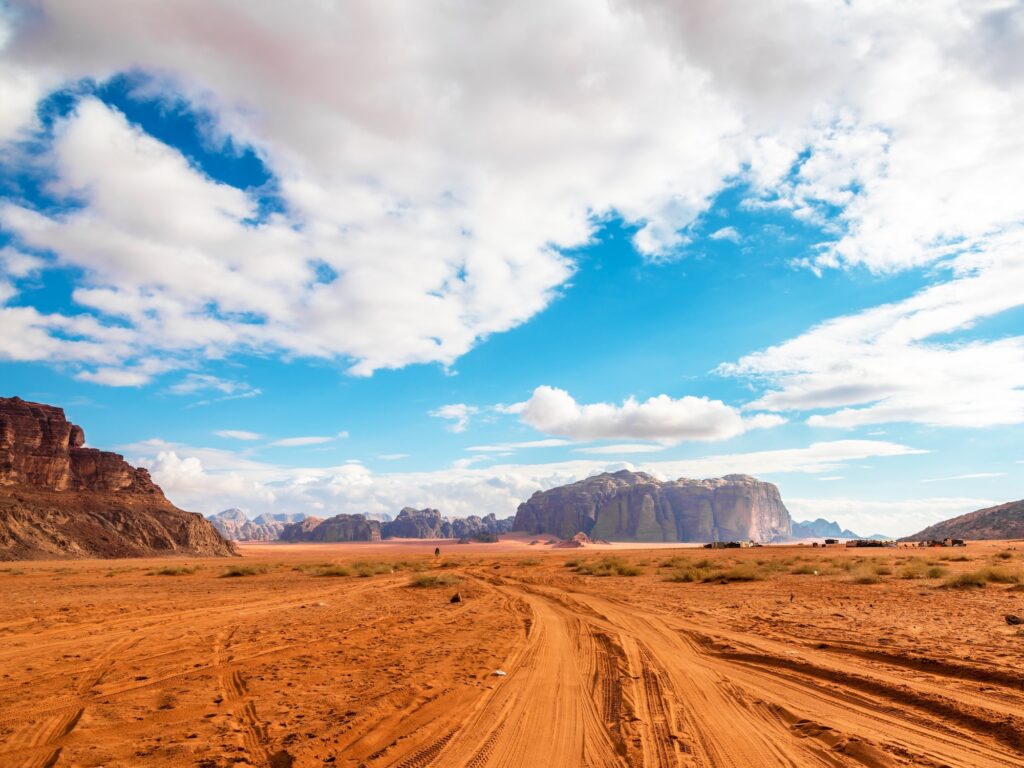
Luxury desert camps provide authentic Bedouin experiences without sacrificing comfort. Private tented accommodations feature proper bathrooms, comfortable bedding, and climate control systems. Evening entertainment includes traditional music performances and storytelling sessions around campfires under spectacular star-filled skies.
Our guides arrange sunrise balloon flights over desert landscapes, providing unique photographic perspectives of sandstone formations and ancient caravan routes. These flights operate year-round, weather permitting, with pickup from luxury desert camps or nearby towns.
Archaeological Site Access and Private Tours
Many Middle East archaeological sites offer exclusive access opportunities for luxury travelers. Private guided tours of Petra can include the challenging hike to the Monastery via the back trail, avoiding crowded main routes. Special arrangements provide after-hours access to the Treasury for photography without tourist crowds.
Egypt’s Valley of the Kings offers private tomb visits to sites typically closed to general tourists. These experiences require advance booking and additional fees, but provide unprecedented access to well-preserved wall paintings and burial chambers. Our partnerships with local archaeological authorities facilitate these exclusive opportunities.
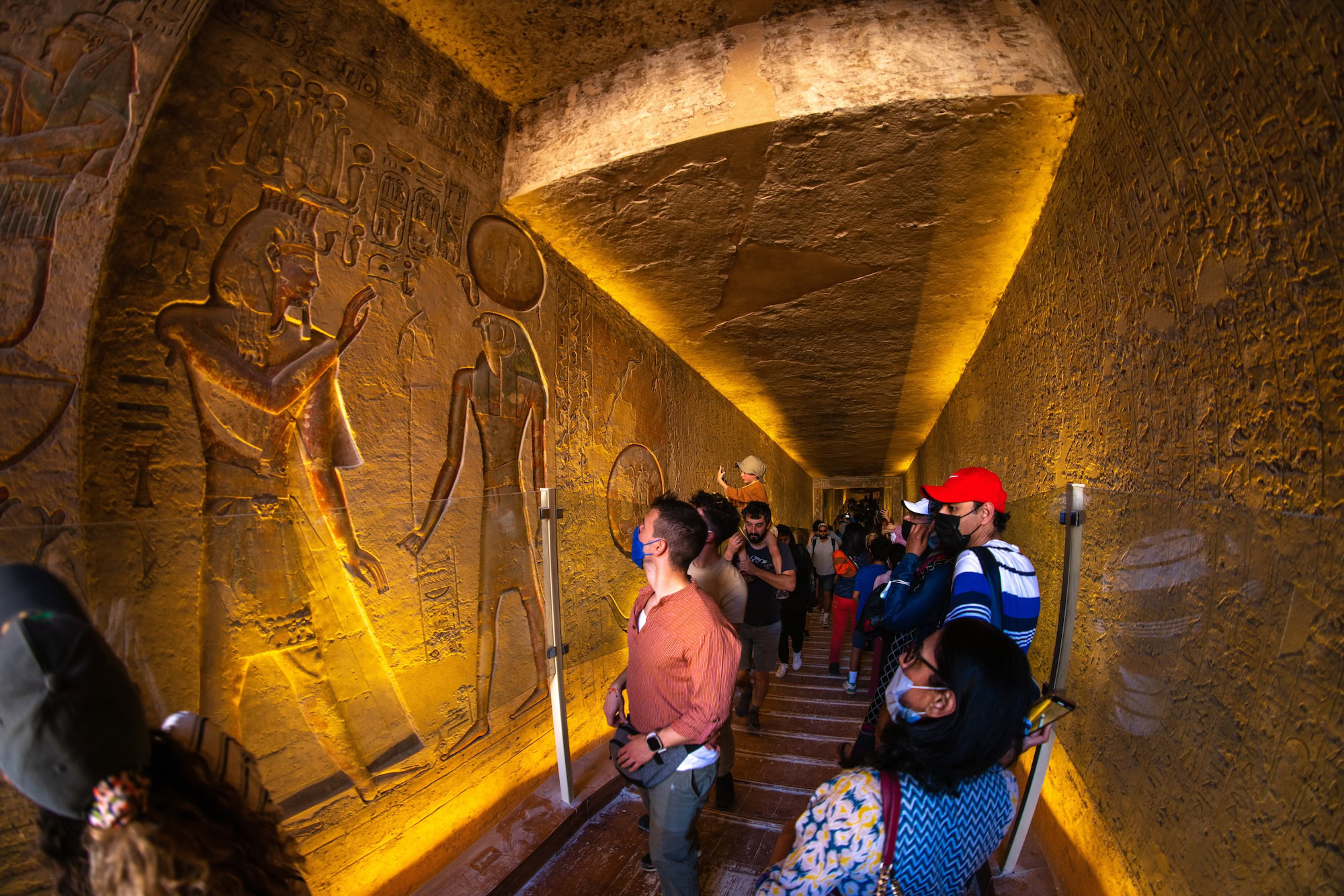
Professional archaeologists accompany specialized tours, explaining excavation techniques and recent discoveries. They provide insights into ancient construction methods, religious beliefs, and daily life practices that standard guidebooks don’t cover.
Luxury Nile Cruise Experiences
Nile cruises represent Egypt’s most popular luxury travel experience. Modern cruise ships feature spacious staterooms with private balconies, swimming pools, and spa facilities. Gourmet dining rooms serve international cuisine alongside traditional Egyptian dishes.
Shore excursions include guided tours of Luxor’s Karnak and Luxor Temples, Valley of the Kings tomb visits, and Edfu Temple exploration. Small group experiences (maximum 12 participants) ensure personalized attention from qualified Egyptologists. These aren’t private tours, but the intimate group sizes provide much better experiences than typical large tour groups.
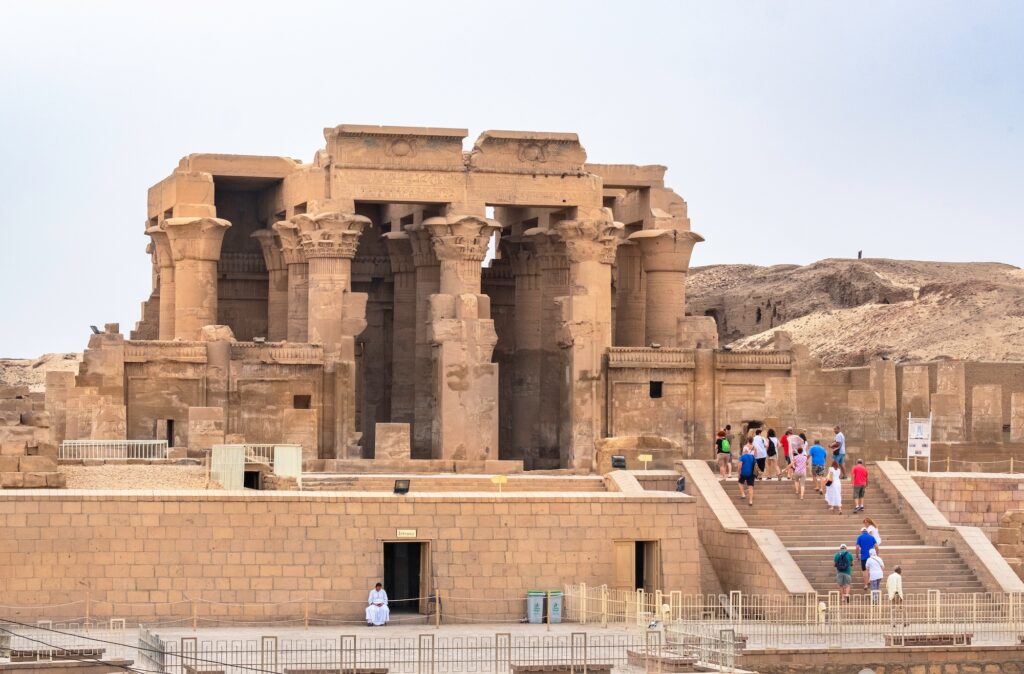
Evening entertainment aboard cruise ships features traditional music performances, folklore shows, and astronomy presentations on upper decks. The Nile’s calm waters and scenic riverbanks create peaceful settings for relaxation between cultural site visits.
Modern Luxury and Traditional Culture
Contemporary Middle East destinations successfully balance traditional cultural values with luxury travel amenities. Dubai’s gold souks maintain centuries-old trading practices while accepting international credit cards and providing air conditioning for shopper comfort.
Traditional hammam (Turkish bath) experiences now operate in luxury spa settings with premium amenities. These treatments combine authentic Middle Eastern wellness traditions with modern hygiene standards and professional massage therapy techniques.
Culinary experiences range from street food tours in traditional markets to Michelin-starred restaurants featuring contemporary interpretations of regional cuisines. Cooking classes teach traditional preparation methods for dishes like mansaf (Jordan’s national dish) and koshari (Egypt’s popular comfort food).
Shopping and Artisan Crafts
Middle East luxury shopping experiences extend far beyond typical tourist souvenirs. Jordan’s traditional handicrafts include handwoven rugs, silver jewelry featuring Bedouin designs, and pottery using techniques unchanged for centuries. Amman’s upscale galleries showcase contemporary Middle Eastern artists alongside traditional crafts.
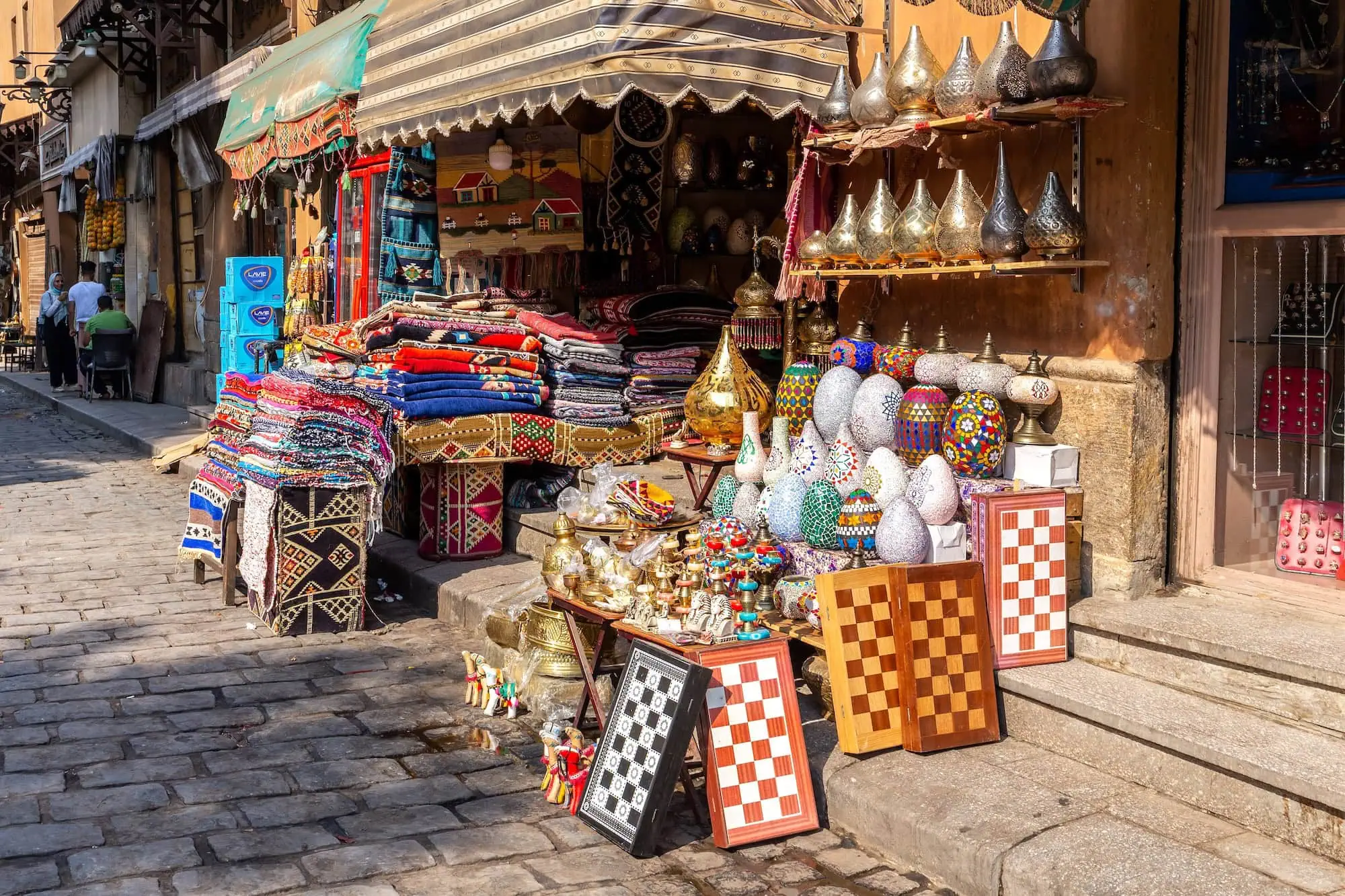
Egypt’s Khan el-Khalili bazaar offers everything from machine-made trinkets to museum-quality antiques. Our guides identify reputable dealers selling authentic papyrus, alabaster sculptures, and gold jewelry. Alexandria’s antique shops specialize in Ottoman-era artifacts and vintage photographs.
Dubai’s luxury shopping destinations include designer boutiques, traditional gold markets, and contemporary art galleries. The Dubai Mall’s Fashion Avenue houses international luxury brands, while the nearby Gold Souk offers custom jewelry design services using traditional Arabic motifs.
Frequently Asked Questions
What’s the best time of year for luxury Middle East tours?
October through April offers ideal weather conditions across most destinations, with comfortable temperatures for outdoor activities and sightseeing.
Do I need special vaccinations for Middle East travel?
No special vaccinations are required for healthy adults visiting Jordan, Egypt, UAE, or Oman. Standard travel health precautions apply.
How should I dress when visiting religious sites?
Cover shoulders, arms, and legs when entering mosques or religious areas. We provide specific guidance for each destination in your pre-travel information.
Are Middle East destinations safe for luxury travelers?
Yes, tourist areas in Jordan, Egypt, UAE, and Oman maintain excellent security standards with dedicated tourist police and hospitality industry safety protocols.
Can dietary restrictions be accommodated on tours?
Absolutely. Luxury hotels and restaurants easily accommodate vegetarian, vegan, gluten-free, and religious dietary requirements with advance notice.
What’s included in luxury desert camping experiences?
Private tented accommodations with en-suite bathrooms, gourmet meals, traditional entertainment, professional guides, and all transportation to/from camps.
How do I handle currency exchange in the Middle East?
Major hotels, restaurants, and shops accept international credit cards. ATMs are readily available in tourist areas for local currency needs.
What language barriers might I encounter?
English is widely spoken in luxury hotels, restaurants, and tourist areas throughout Jordan, Egypt, and the UAE. Our guides are fluent English speakers.
Are private guides available for all destinations?
Yes, we provide qualified private guides for all cultural sites and city tours. Note that Nile cruise excursions operate as small group experiences.
How far in advance should I book luxury Middle East tours?
We recommend booking 3-6 months ahead for optimal hotel and flight availability, especially during peak season (October-April).
What photography restrictions exist at archaeological sites?
Most sites allow photography without flash. Some locations charge additional fees for professional cameras. Specific tomb photography may be restricted.
Can tours be customized for special interests like archaeology or culinary experiences?
Definitely. Our decades of regional expertise allow us to create specialized itineraries featuring archaeology, cuisine, adventure activities, or specific cultural interests.
Design Your Custom Tour
Explore Egypt and the Middle East your way by selecting only the attractions you want to visit