

Morocco Tourist Attractions
Morocco captivates with ancient medinas and endless desert horizons.
Whether you’re drawn to bustling souks filled with handcrafted treasures or seeking solitude in the Atlas Mountains, this North African kingdom delivers experiences that linger long after you return home. From imperial cities steeped in centuries of history to coastal towns where the Atlantic meets traditional Berber culture, Morocco offers a remarkable tapestry of attractions that cater to every type of traveler.
Planning your Moroccan adventure means choosing from an incredible variety of destinations, each with its own distinct character and appeal.
Historic Imperial Cities and Their Timeless Appeal
Morocco’s four imperial cities form the cultural backbone of any meaningful visit. Each former capital tells a different chapter of the kingdom’s rich history through magnificent architecture and enduring traditions.
Marrakech: The Red City’s Magnetic Energy
Marrakech pulses with energy from sunrise to midnight. The famous Jemaa el-Fnaa square transforms throughout the day, starting as a quiet space for orange juice vendors and evolving into a theatrical stage of snake charmers, storytellers, and musicians. The surrounding medina maze leads to hidden riads, traditional workshops, and the stunning Bahia Palace with its intricate tilework and peaceful courtyards.
The Majorelle Gardens provide a serene contrast to the medina’s intensity. Created by French painter Jacques Majorelle and later owned by Yves Saint Laurent, these botanical gardens showcase rare plants from around the world against brilliant blue buildings that have become iconic symbols of Marrakech.
Fez: Morocco’s Spiritual and Intellectual Heart
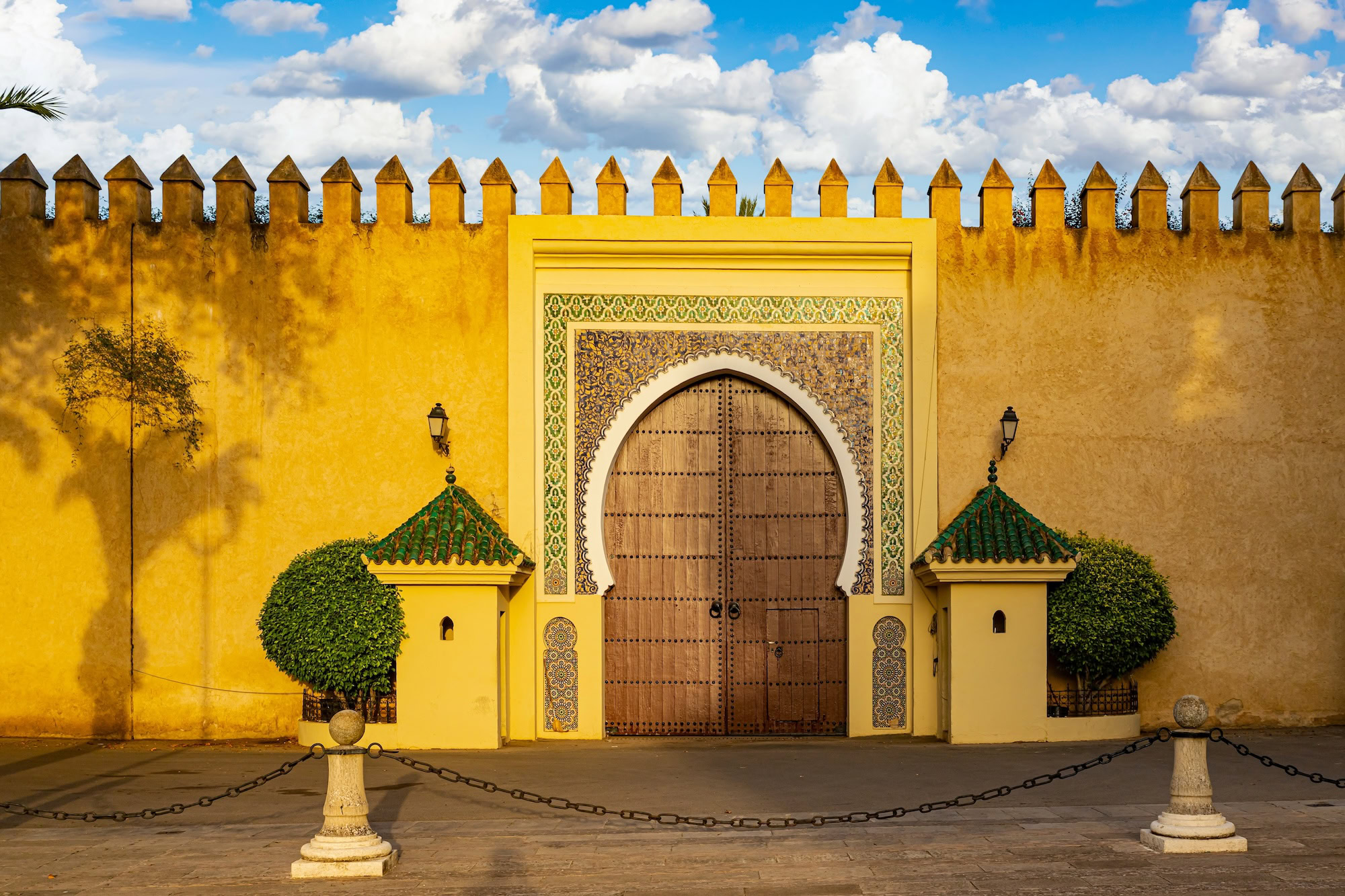
Fez preserves medieval Moroccan life better than any other city. The Fez el-Bali medina, a UNESCO World Heritage site, remains largely unchanged since the Middle Ages. Walking through its narrow alleys reveals traditional crafts workshops, ancient madrasas, and the world’s oldest continuously operating university.
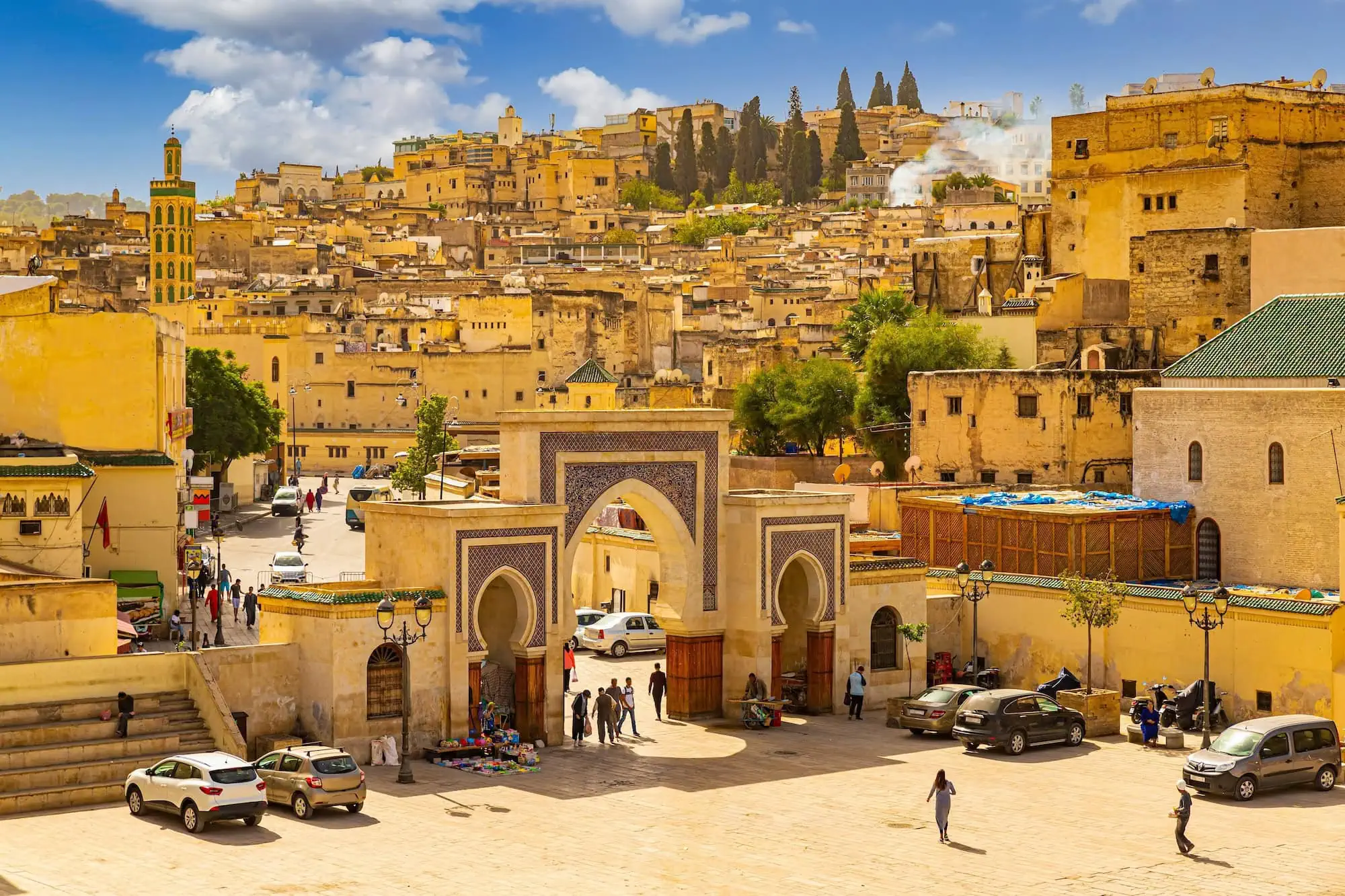
The famous tanneries of Fez offer a glimpse into leather-making techniques that haven’t changed for centuries. Despite the strong smell, watching craftsmen work the hides using traditional methods provides an authentic connection to Morocco’s artisanal heritage.
Meknes and Rabat: Imperial Grandeur
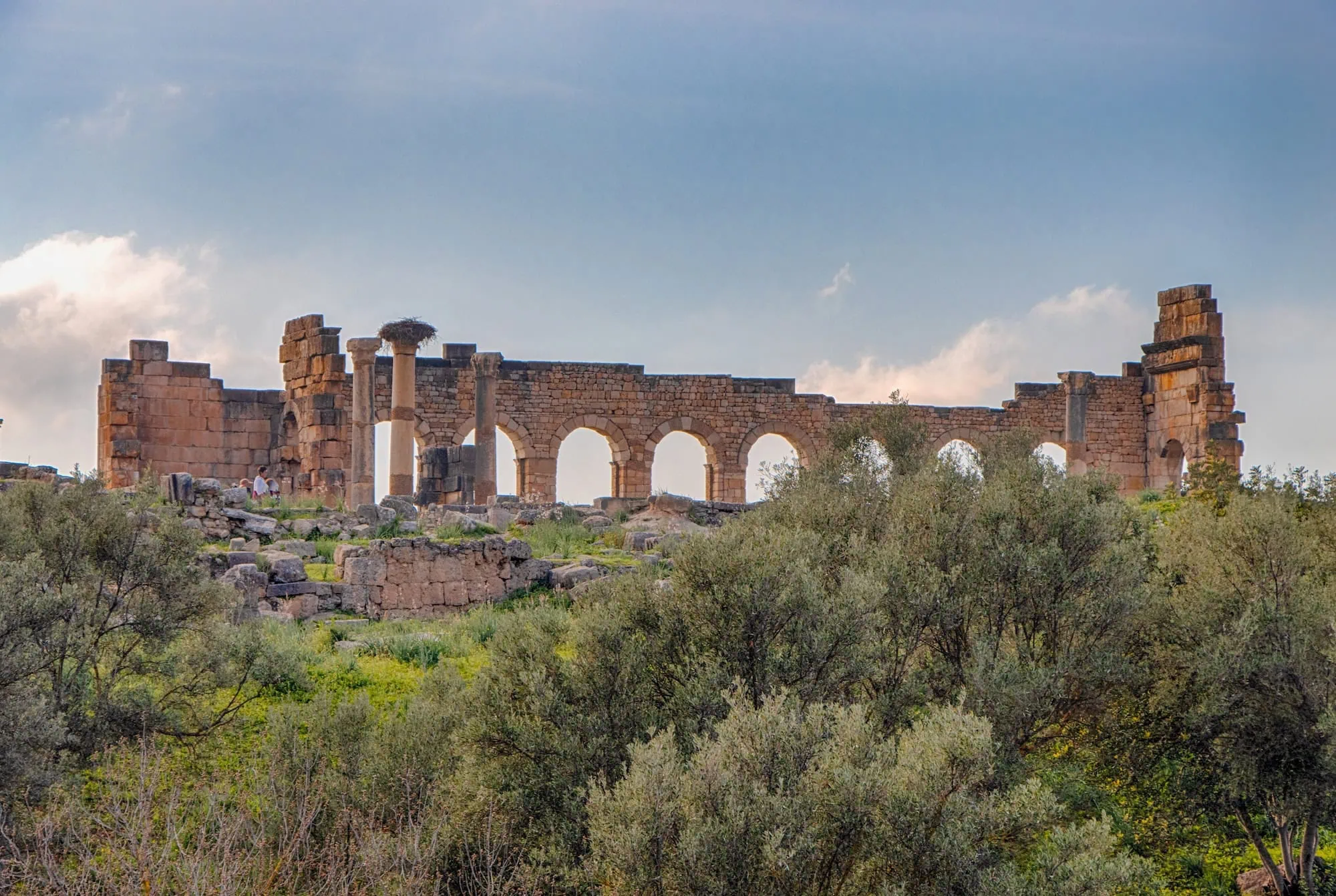
Meknes showcases the ambitions of Sultan Moulay Ismail through massive gates and expansive palace ruins. The Bab Mansour gate stands as one of Morocco’s most beautiful architectural achievements, while nearby Volubilis Roman ruins add another historical layer to the region.
Rabat combines royal elegance with modern governance as Morocco’s current capital. The Hassan Tower and Mohammed V Mausoleum demonstrate architectural mastery, while the coastal Kasbah of the Udayas offers Atlantic views and traditional blue-and-white painted houses.
Sahara Desert Adventures and Atlas Mountain Escapes
Morocco’s natural landscapes provide some of the world’s most dramatic scenery. Desert experiences and mountain adventures create lasting memories through their sheer scale and beauty.
The journey to the Sahara typically begins in Ouarzazate, known as the “Gateway to the Desert.” This city serves as a filming location for numerous Hollywood movies and provides access to the impressive Ait Ben-Haddou kasbah, another UNESCO site that demonstrates traditional southern Moroccan architecture.
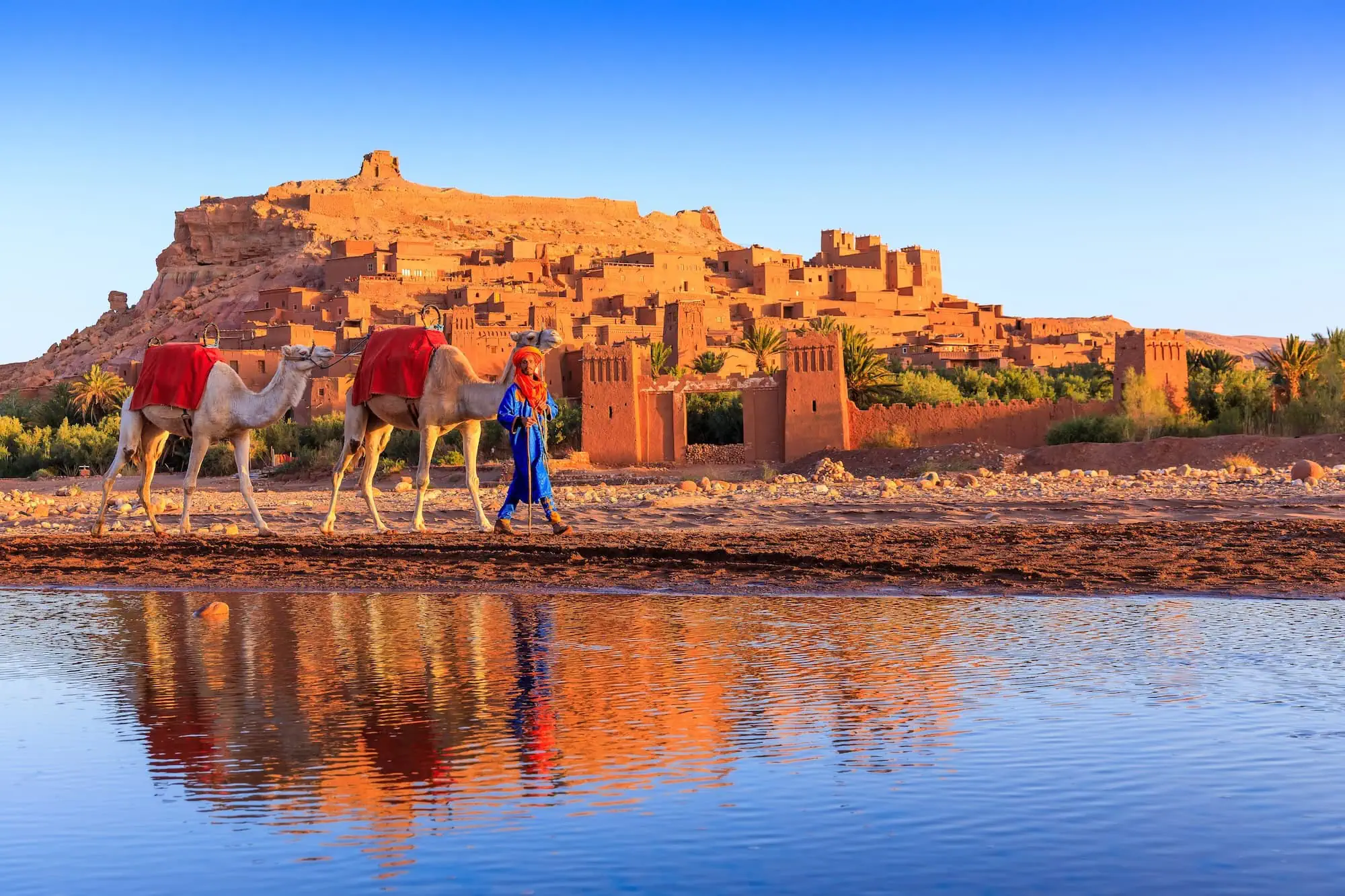
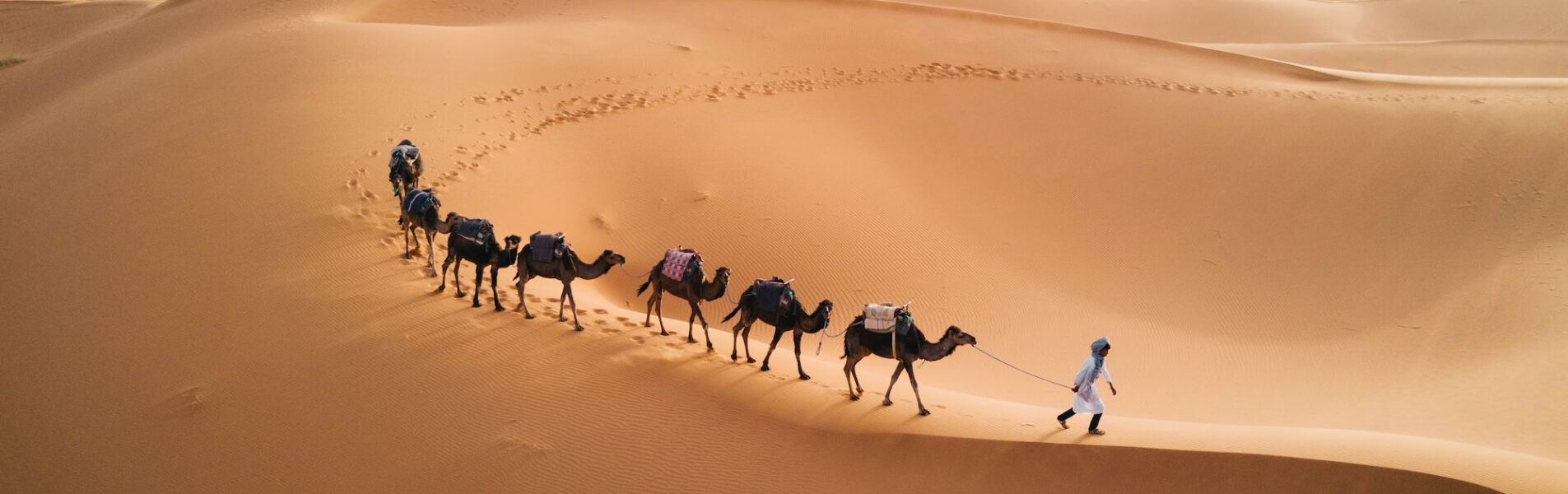
Merzouga offers the classic Sahara experience with towering sand dunes that shift color throughout the day. Camel trekking at sunset followed by nights in traditional desert camps under star-filled skies creates the quintessential Moroccan desert memory. The silence and vastness of the Erg Chebbi dunes provide a powerful counterpoint to the busy cities.
Atlas Mountain Villages and Hiking
The High Atlas Mountains contain traditional Berber villages where life continues much as it has for generations. Imlil serves as the base for Mount Toubkal, North Africa’s highest peak at 4,167 meters (13,671 feet). Even without attempting the summit, day hikes through terraced valleys and stone villages offer incredible mountain scenery.
The Anti-Atlas region provides a more remote mountain experience with fewer crowds but equally stunning landscapes. Traditional kasbahs built into rocky outcrops demonstrate how Berber communities adapted to challenging terrain while creating architectural beauty.
Coastal Cities and Atlantic Charm
Morocco’s Atlantic coastline combines relaxation with cultural discovery through cities that blend maritime traditions with historic significance.
Essaouira: Where Ocean Meets Medina
Essaouira’s Portuguese-influenced architecture creates a unique coastal atmosphere. The medina’s whitewashed buildings and blue shutters face the Atlantic Ocean, while massive ramparts protect the harbor from both storms and historical invaders. Artisan workshops produce beautiful woodwork, particularly items made from local thuya wood.
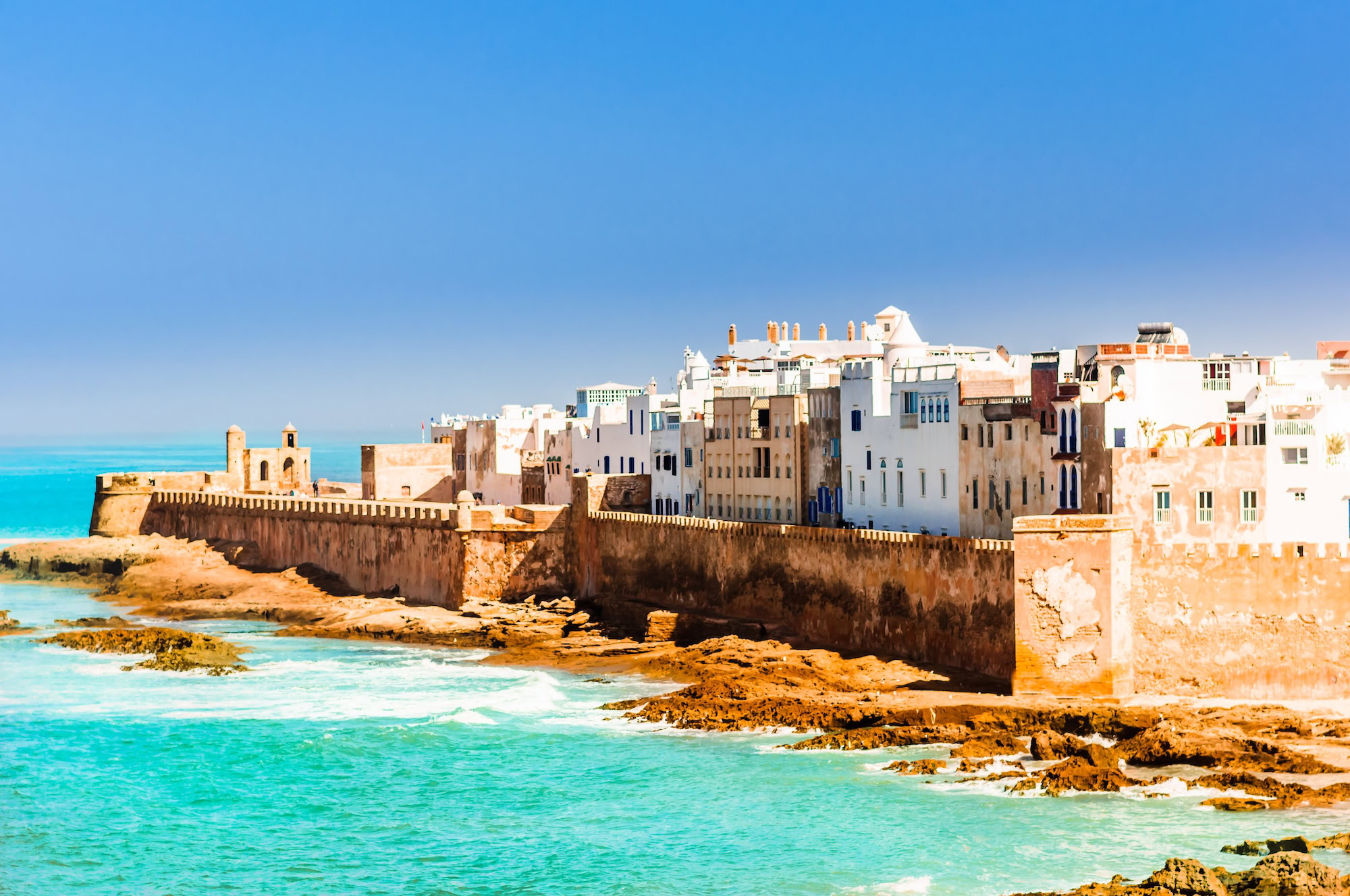
The city attracts windsurfers and kitesurfers due to consistent trade winds, but equally appeals to those seeking a more relaxed pace than Marrakech or Fez. Fresh seafood restaurants line the harbor, and the evening call to prayer echoes beautifully across the water.
Casablanca: Modern Morocco’s Commercial Heart
Casablanca represents contemporary Morocco while maintaining strong cultural roots. The Hassan II Mosque dominates the coastline with its 210-meter (689-foot) minaret and stunning location partially built over the Atlantic Ocean. As one of the few mosques in Morocco open to non-Muslims, it offers visitors insight into Islamic architecture and spiritual practices.
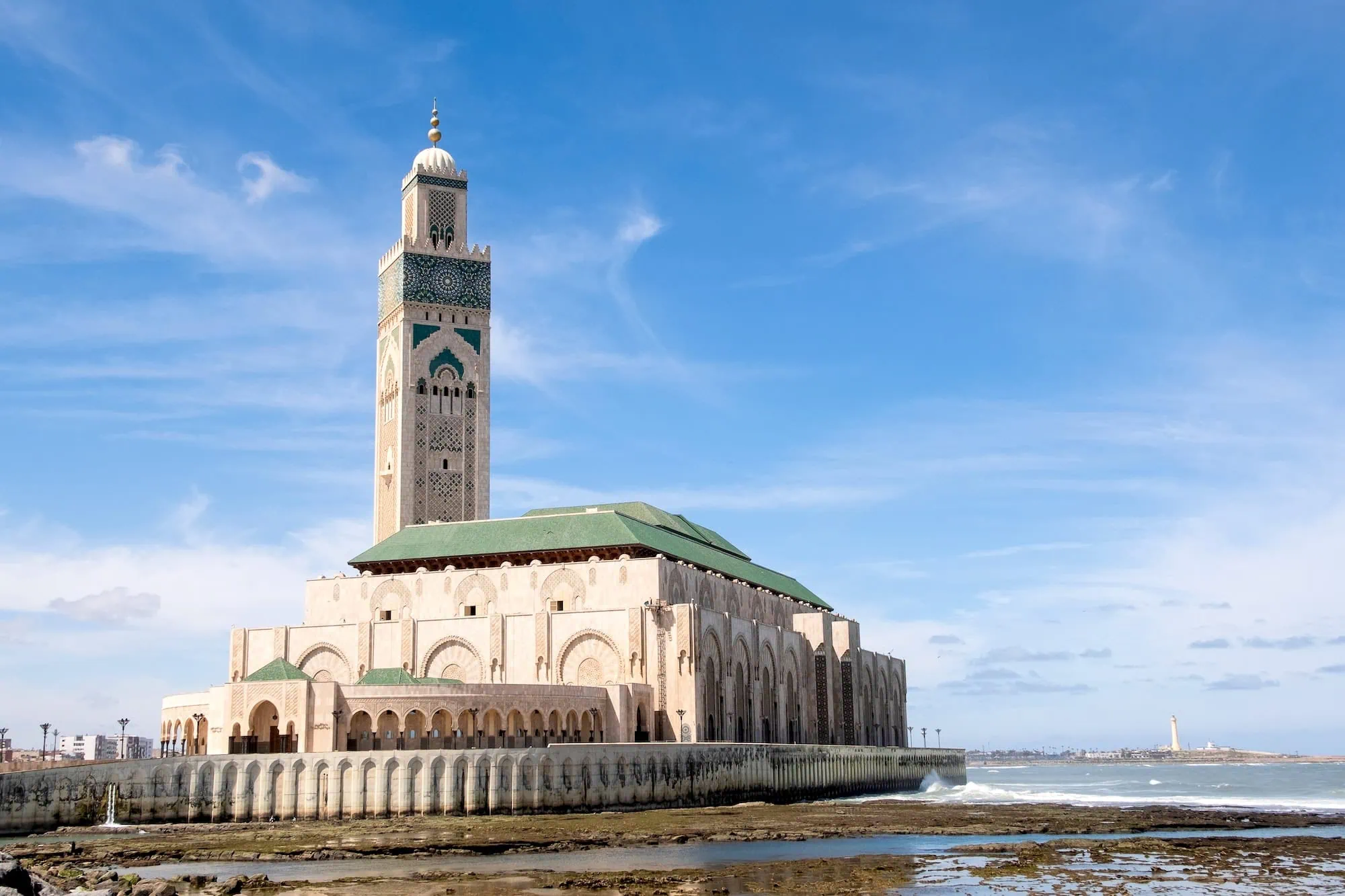
The city’s Art Deco architecture from the French colonial period creates an interesting contrast with traditional Moroccan design. The Corniche waterfront provides a modern beach experience, while the central medina maintains traditional markets and craftsmen.
Agadir: Beach Resort Paradise
Agadir caters to those seeking a more conventional beach holiday within Morocco. The wide sandy beach stretches for miles along Agadir Bay, backed by modern hotels and restaurants. The city was rebuilt after a devastating 1960 earthquake, resulting in contemporary infrastructure and amenities.
Despite its modern appearance, Agadir provides easy access to traditional Moroccan experiences. Day trips to nearby Berber villages, argan oil cooperatives, and the Anti-Atlas Mountains offer cultural immersion alongside beach relaxation.
Cultural Immersion and Authentic Experiences
Morocco rewards travelers who venture beyond main tourist circuits to discover authentic cultural experiences and local traditions.
Traditional hammams provide insight into Moroccan bathing culture and social customs. These steam baths serve both practical and social functions, offering deep cleansing treatments using black soap and rough mitts that remove dead skin. Many riads and hotels offer private hammam experiences, while public hammams provide more authentic local interaction.
Moroccan cuisine extends far beyond familiar tagines and couscous, though these remain delicious staples. Cooking classes reveal the complexity of Moroccan spice blends and traditional preparation methods. Learning to prepare pastilla, harira soup, or various regional specialties provides lasting skills and cultural understanding.
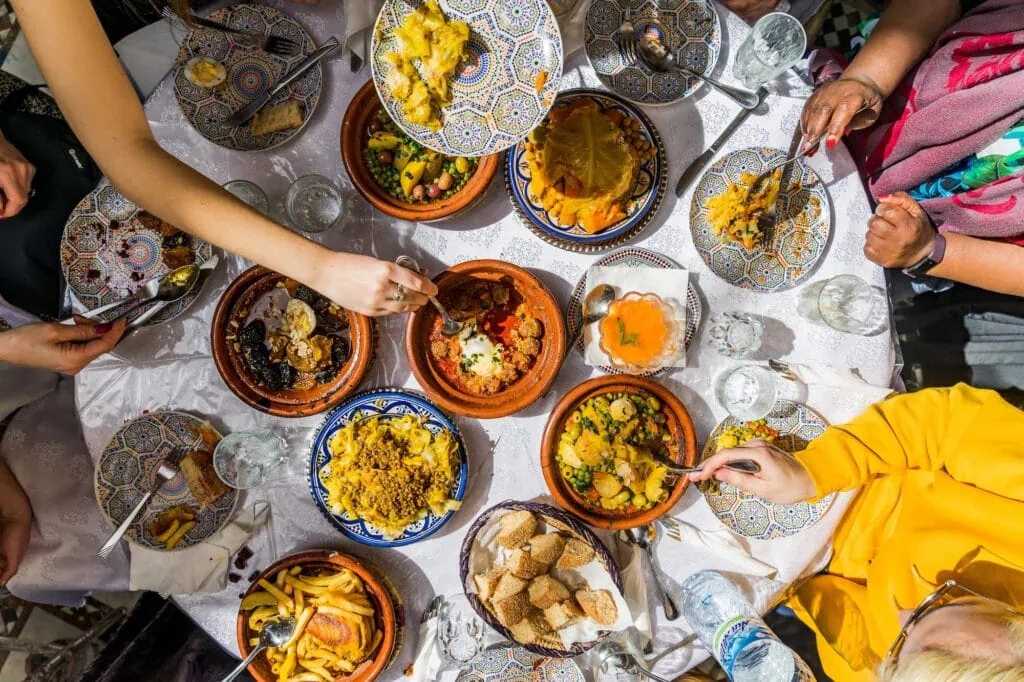
Berber village homestays offer the most authentic cultural immersion. Families in the Atlas Mountains or desert regions welcome guests to share meals, learn traditional crafts, and understand rural Moroccan life. These experiences require flexibility and open-mindedness but provide unmatched cultural insights.
Traditional Crafts and Artisan Workshops
Morocco maintains strong artisanal traditions through cooperatives and family workshops that welcome visitors. Pottery centers in Salé demonstrate traditional ceramic techniques, while carpet weaving cooperatives in the Middle Atlas show how traditional designs pass between generations.
Argan oil production in southwestern Morocco provides insight into women’s cooperatives that transformed a traditional practice into economic empowerment. Watching the labor-intensive process from nut cracking to oil extraction highlights both the product’s value and the skill required for production.
Practical Information for Morocco Travel
Morocco welcomes U.S. visitors with visa-free entry for stays up to 90 days, requiring only a passport valid for at least six months. European Union citizens enjoy similar privileges, while visitors from other regions should verify specific requirements before travel.
The Moroccan dirham (MAD) serves as the local currency, with exchange rates typically around 10 MAD to 1 USD. ATMs are widely available in cities, though carrying some cash proves useful in rural areas and traditional markets where bargaining remains common practice.
Transportation options include well-maintained highways connecting major cities, comfortable train service between Casablanca, Rabat, Meknes, and Fez, and domestic flights for longer distances. Renting a car provides maximum flexibility for exploring remote areas, though driving in medinas requires experience with narrow streets and pedestrian traffic.
Morocco’s climate varies significantly by region and season. Coastal areas enjoy moderate temperatures year-round, while inland cities experience hot summers and cool winters. Desert regions show extreme temperature variations between day and night. Spring (March-May) and fall (September-November) generally provide the most comfortable weather for extensive travel.
Accommodation Options Throughout Morocco
Riads represent the quintessential Moroccan accommodation experience. These traditional houses built around central courtyards offer intimate settings with authentic architecture, though amenities vary significantly between budget and luxury options. Many feature rooftop terraces with medina views and traditional Moroccan décor.
Modern hotels in new city areas provide familiar amenities and services, particularly beneficial for first-time Morocco visitors. International chains maintain properties in major cities, while boutique hotels often blend Moroccan design with contemporary comfort.
Desert camps range from basic Berber-style tents to luxury desert resorts with private bathrooms and gourmet dining. The experience itself matters more than luxury level – sleeping under Sahara stars creates unforgettable memories regardless of accommodation style.
Frequently Asked Questions
Spring (March-May) and fall (September-November) offer ideal weather with comfortable temperatures and minimal rainfall.
A minimum of 7-10 days allows experience of imperial cities, desert, and coast, while 2-3 weeks enables deeper immersion.
Yes, Morocco is generally safe for solo travelers, including women, though standard precautions enhance the experience.
Pack modest clothing, comfortable walking shoes, sunscreen, and layers for temperature variations between regions.
No special vaccinations are required, though routine immunizations should be current before international travel.
Bottled water is recommended for drinking, though tap water is safe for brushing teeth in urban areas.
Arabic and Berber are official languages, French is widely spoken, and English is common in tourist areas.
Budget travelers need $30-50 daily, mid-range travelers $75-150 daily, luxury experiences start around $200-300 daily.
Yes, bargaining is traditional and expected in souks, typically starting at 30-50% of the initial asking price.
Dress modestly, remove shoes when entering homes, use your right hand for greetings, and respect prayer times.
Most mosques restrict access to Muslims only, with Hassan II Mosque in Casablanca offering guided tours.
Trains connect northern cities efficiently, buses serve the entire country, and flights save time for longer distances.
Design Your Custom Tour
Explore Egypt & Morocco your way by selecting only the attractions you want to visit