

Musée Bert-Flint – A Real Gem in the Heart of Marrakech
Step into one of Marrakech’s most authentic cultural treasures.
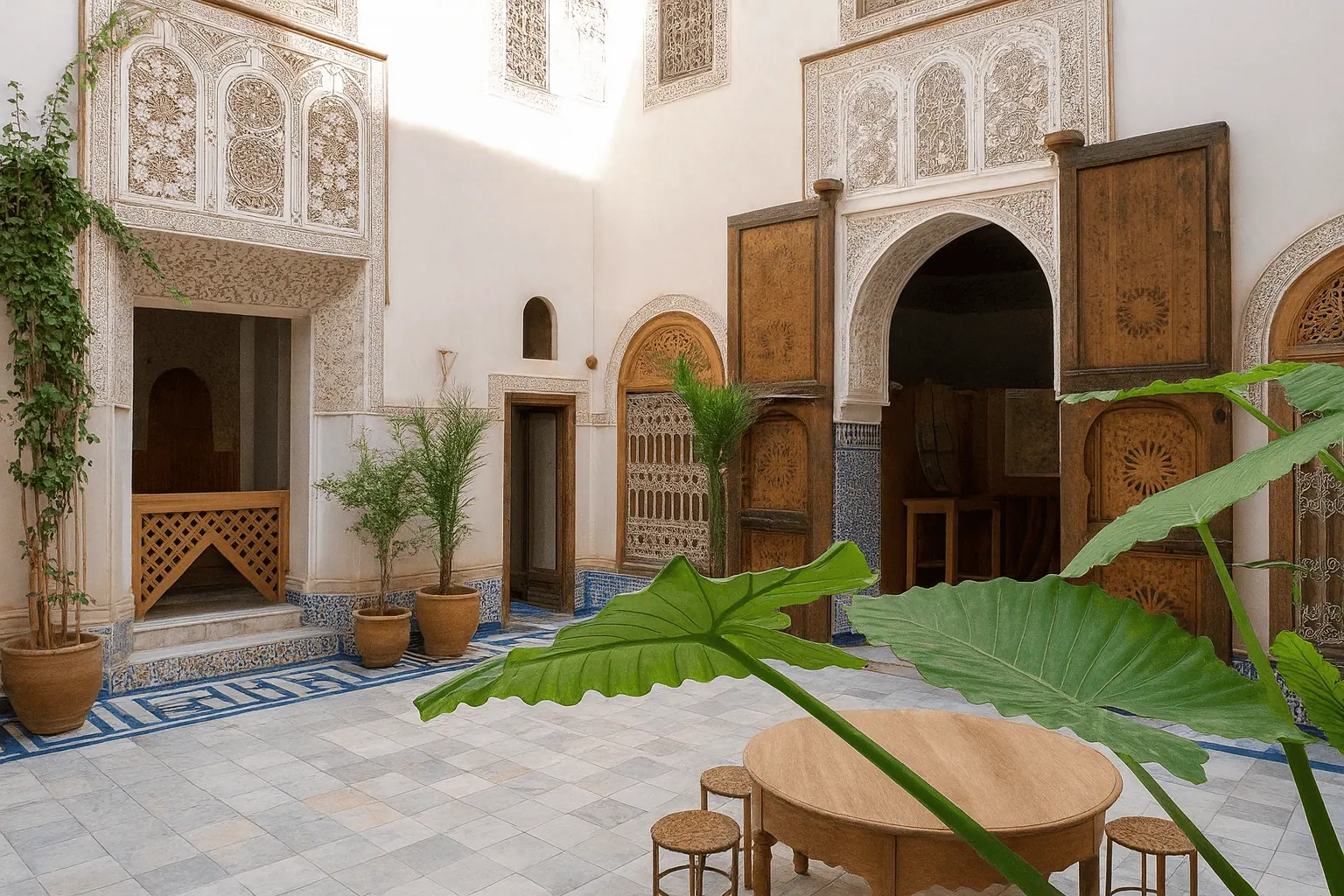
The Musée Bert-Flint, also known as Dar Tiskiwin, offers a rare glimpse into the rich tapestry of Berber culture that has shaped North Africa for millennia. Unlike the bustling souks and more frequented attractions, this intimate museum preserves the legacy of ancient Sahara trade routes and the nomadic communities who once crossed them.
Musée Bert-Flint can be included in our Egypt and Morocco multi-country tours, where Morocco’s cultural depth is combined with its historic cities and Egypt’s ancient wonders for a rich and immersive travel experience.
Located in a traditional riad on Rue de la Bahia, the museum houses one of Morocco’s most important ethnographic collections, connecting Marrakech to broader African traditions and histories.
For travelers seeking a deeper cultural perspective, this museum offers a meaningful and less crowded alternative—revealing stories that extend far beyond the city itself.
The Vision of Dutch Anthropologist Bert Flint
Bert Flint arrived in Morocco in the 1950s with a passion for understanding North African cultures. His background as both an anthropologist and art historian shaped his unique approach to collecting. Rather than simply gathering artifacts, Flint documented the stories behind each piece.
Building a Comprehensive Collection
The Dutch scholar spent decades traveling through the Sahara and Souss Valley regions. He lived among Berber communities, learning their traditions and gaining their trust. This immersive approach allowed him to acquire pieces that tell authentic stories of nomadic life.
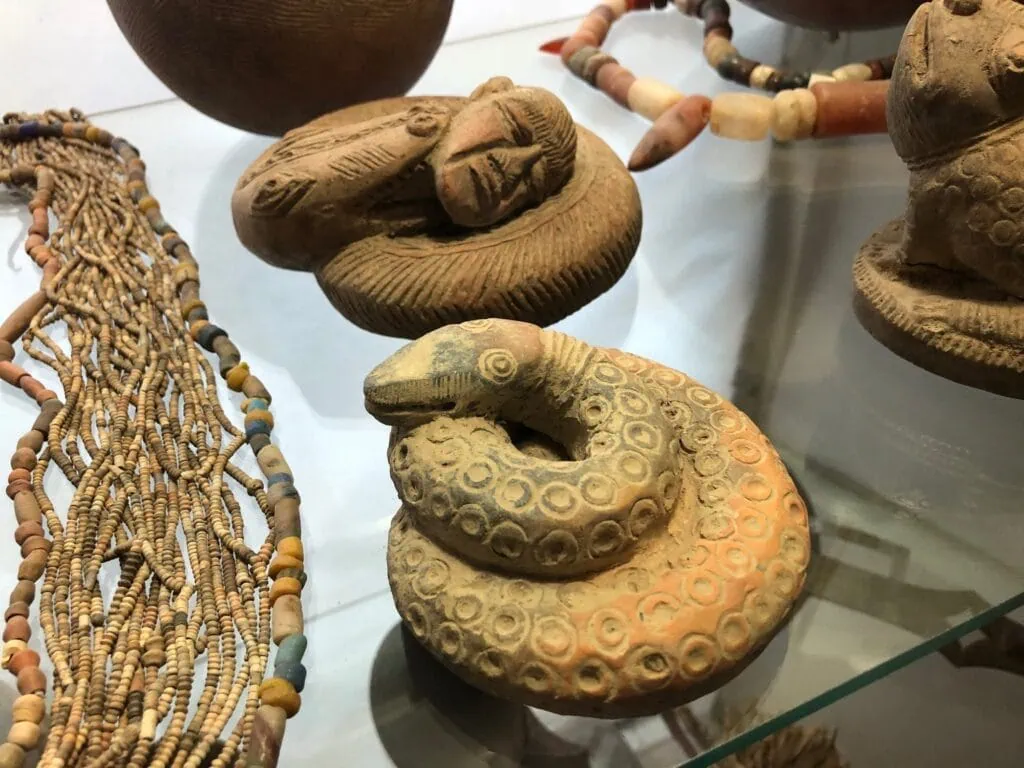
Flint’s academic rigor ensured each artifact was properly documented. He recorded not just the object’s origin, but its cultural significance and role in daily life. This methodology created a collection that functions as a living archive of Berber heritage.
From Private Passion to Public Legacy
In 2000, Bert Flint made a remarkable decision. He donated both his house and entire collection to Cadi Ayyad University in Marrakech. This generous act ensured the museum would continue serving educational purposes for future generations.
The Institut Bert Flint pour le Patrimoine du Nord-Ouest-Africain was established to carry forward his research mission. Today, the institute continues studying North African cultural heritage and promoting understanding between Morocco and Sub-Saharan communities.
Journey Through Ancient Trade Routes
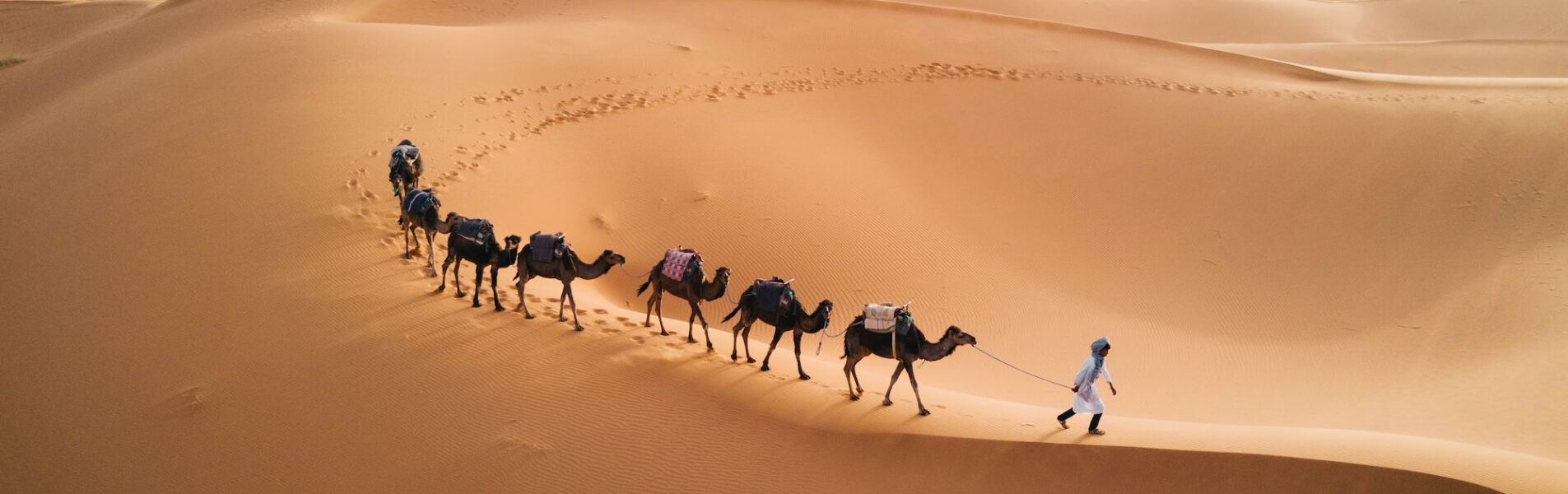
The museum’s layout follows the historic Marrakech to Timbuktu trade route that connected North Africa with Sub-Saharan regions for over a thousand years.
Each room represents a different stage of this epic journey. Visitors begin in Morocco’s Atlas Mountains, then travel through the vast Sahara Desert before reaching the kingdoms of Mali. The progression creates an immersive experience that brings ancient trade networks to life. Ornamental art from each region demonstrates how cultural exchange flourished along these routes.
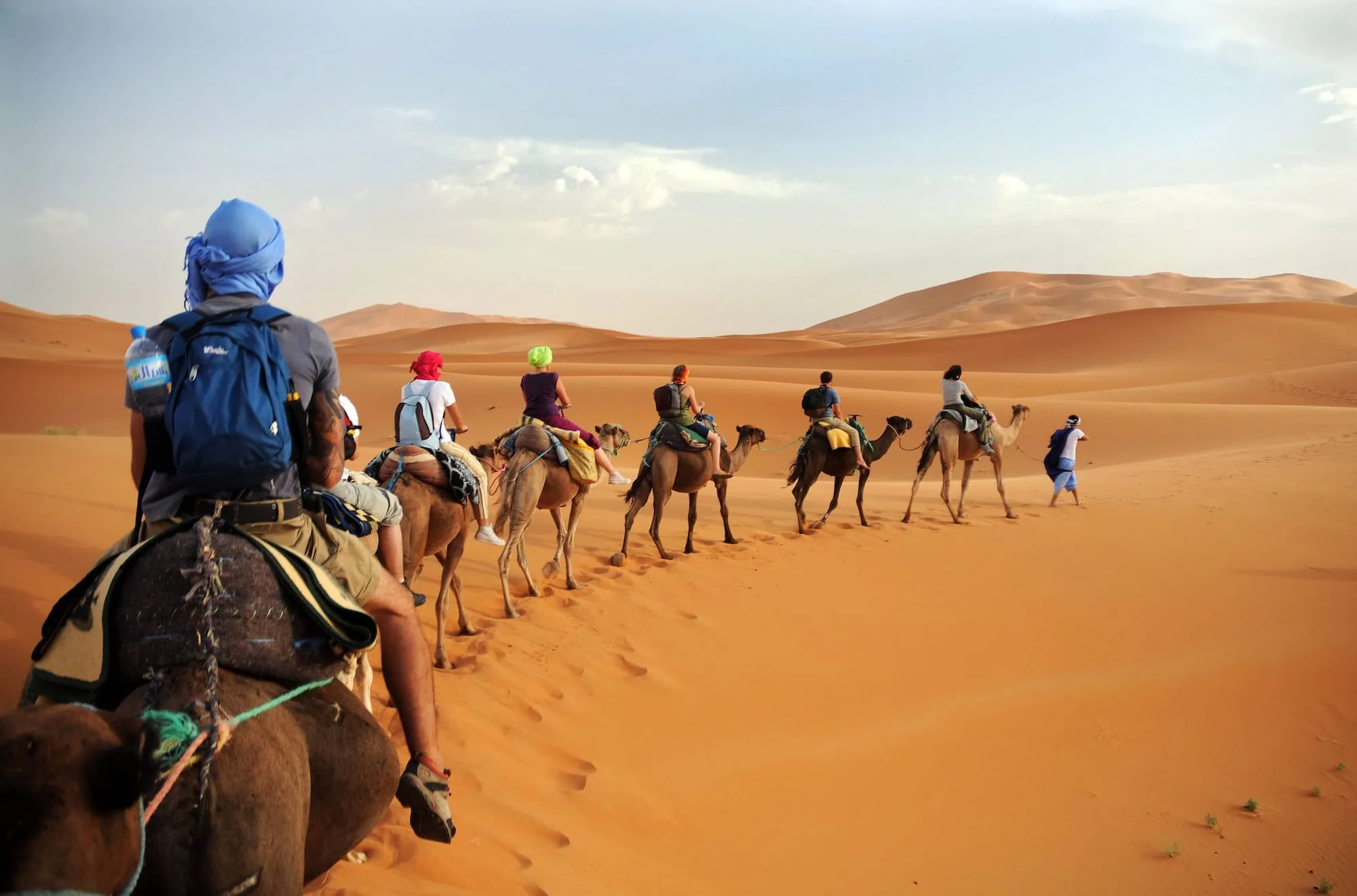
Caravan leaders relied on Berber guides who knew every water source and safe passage. These nomadic peoples developed sophisticated navigation techniques, reading the desert landscape like a map. Their knowledge made trans-Saharan commerce possible.
The Cultural Exchange Network
Trade routes weren’t just commercial highways. They facilitated the exchange of ideas, artistic techniques, and religious practices across vast distances. Islamic scholarship traveled south while African artistic traditions moved north. This cultural fusion is evident throughout the museum’s collection.
Gold, salt, and ivory moved through these networks alongside textiles and crafted goods. Berber artisans incorporated design elements from distant lands, creating unique hybrid styles that reflect Morocco’s position as a cultural crossroads.
Exploring the Museum’s Ethnographic Treasures
Dar Tiskiwin’s collection spans centuries of Berber material culture. Traditional jewelry reveals sophisticated metalworking techniques passed down through generations. Each piece tells stories of tribal identity, social status, and spiritual beliefs.
Textiles showcase the remarkable diversity of North African weaving traditions. Carpets from different regions display distinct patterns and color palettes that identify their origins. These weren’t merely decorative items but essential elements of nomadic life, providing warmth and defining living spaces in temporary settlements.
Everyday objects reveal the ingenuity of desert peoples. Water containers designed for long journeys, navigation instruments, and portable tools demonstrate how Berber communities adapted to harsh environments. Musical instruments highlight the central role of music in preserving oral traditions.
The museum’s weapon collection includes ceremonial daggers and protective amulets. These items weren’t just functional but carried deep symbolic meaning within Berber society. Intricate engravings and silver inlays demonstrate the artistic sophistication of traditional craftspeople.
Household items from nomadic encampments show how families maintained their cultural identity while constantly moving. Portable cooking vessels, prayer rugs, and children’s toys reflect the practical needs of life on ancient trade routes.
Understanding Berber Cultural Identity
Morocco’s indigenous Berber peoples have maintained distinct cultural identities for thousands of years. Despite centuries of Arab and European influence, Berber communities preserved their languages, customs, and artistic traditions.
The museum explores how geography shaped different Berber groups. Mountain tribes developed different practices from desert nomads or coastal communities. Yet common threads unite these diverse peoples through shared values and ancestral connections.
Language and Oral Traditions
Tamazight languages remain central to Berber identity. The museum documents how these languages preserved historical knowledge through oral poetry and storytelling. Ancient tales passed down through generations contain geographic information, genealogies, and moral teachings essential to community survival.
Traditional music played a crucial role in maintaining cultural memory. Instruments displayed in the museum were used to accompany epic poems that could last for hours. These performances served both entertainment and educational functions within nomadic societies.
Social Organization and Daily Life
Berber society operated through complex kinship networks that extended across tribal boundaries. The museum’s collection illustrates how these relationships influenced everything from trade partnerships to marriage customs.
Women held important positions within traditional Berber society. They controlled many aspects of textile production and often served as cultural knowledge keepers. The museum’s collection includes items that demonstrate women’s central role in preserving artistic traditions.
The Museum Experience Today
Visiting Dar Tiskiwin requires advance planning since the museum operates on limited hours. The intimate setting in a traditional riad creates an authentic atmosphere that larger institutions cannot replicate.
Guided tours provide essential context for understanding the collection’s significance. Expert guides explain the cultural background behind each display, bringing ancient traditions to life for modern visitors. The museum’s small size allows for personalized attention that enhances the learning experience.
Photography restrictions protect the delicate artifacts while maintaining the contemplative atmosphere. Visitors often spend hours examining the intricate details of individual pieces, discovering new elements with each closer look.
The museum shop offers carefully selected items that reflect the quality and authenticity of the main collection. Purchases support ongoing conservation efforts and research programs at the Institut Bert Flint.
Planning Your Visit to Marrakech’s Cultural Gem
The Musée Bert-Flint sits in the heart of Marrakech’s medina, within walking distance of major attractions like the Bahia Palace and Saadian Tombs. This central location makes it easy to include in a comprehensive exploration of the old city.
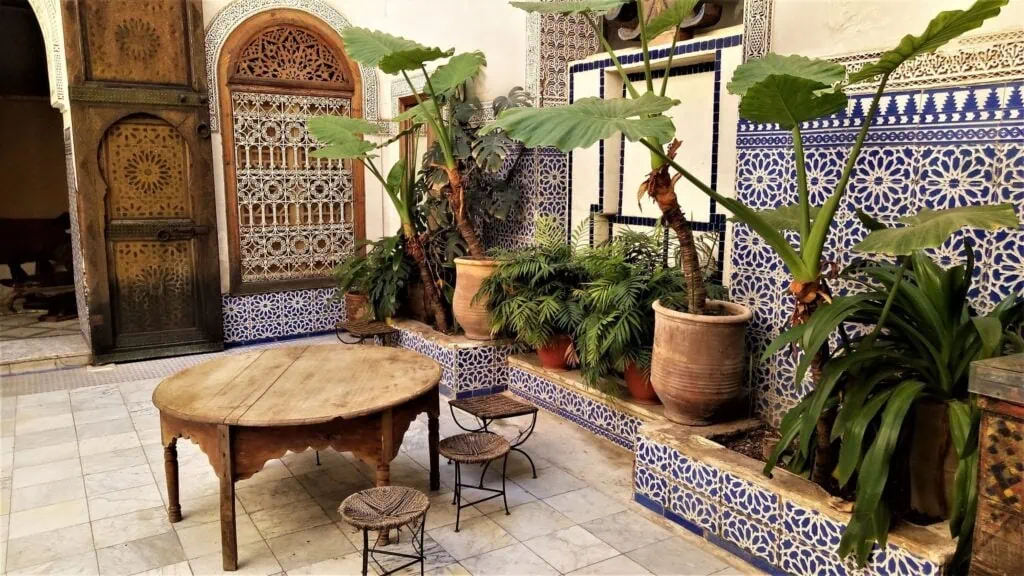
We recommend allowing at least 90 minutes for your visit to fully appreciate the collection. Morning hours tend to be less crowded, providing a more peaceful experience for contemplating the exhibits. The museum’s traditional architecture and shaded courtyards offer welcome respite from Marrakech’s intense afternoon heat.
Admission fees support the museum’s educational mission and ongoing research programs. Student discounts are available with proper identification. Group bookings can be arranged in advance for specialized educational tours.
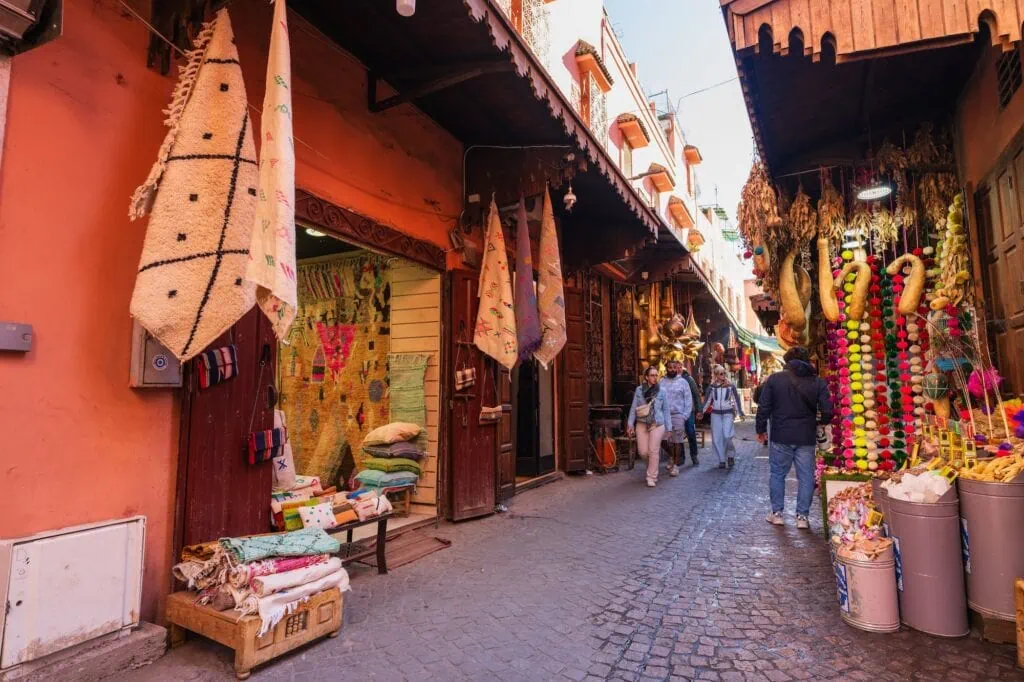
The museum’s location on Rue de la Bahia places it in one of Marrakech’s most atmospheric neighborhoods. Traditional riads, artisan workshops, and small cafes create an authentic Moroccan street experience that complements the museum visit.
Connecting Morocco to Africa
Bert Flint’s vision emphasized Morocco’s deep connections to the African continent. The museum challenges common misconceptions about North Africa’s relationship to Sub-Saharan regions.
Historical evidence throughout the collection demonstrates centuries of cultural exchange. Artistic styles, religious practices, and technological innovations flowed both north and south along trade routes. These connections shaped Moroccan identity in fundamental ways that continue today.
Modern Morocco maintains strong ties to African nations through economic partnerships and cultural exchanges. The museum serves as a reminder of these enduring relationships and their historical foundations.
Frequently Asked Questions
The museum is currently closed for maintenance work. Check the official website or contact Cadi Ayyad University for reopening updates.
Allow at least 90 minutes to properly explore the collection and understand the cultural context of the exhibits.
Photography restrictions protect the delicate artifacts. Check with museum staff about current policies regarding personal photography.
The museum focuses specifically on Berber culture and Sahara trade routes, offering authentic ethnographic insights unavailable elsewhere.
While self-guided visits are possible, guided tours provide essential cultural context that significantly enhances understanding of the collection.
Dar Tiskiwin is located at 8 Rue de la Bahia in the medina, near the Bahia Palace and other historic attractions.
Bert Flint was a Dutch anthropologist who spent decades studying Berber culture and donated his collection to create this educational museum.
Yes, the museum is part of Cadi Ayyad University in Marrakech and supports ongoing research through the Institut Bert Flint.
The museum welcomes visitors of all ages, though the cultural focus may be most appreciated by older children and adults.
The museum shop offers carefully selected items that reflect the quality and cultural authenticity of the main collection.
These ancient routes connected North Africa to Sub-Saharan regions, facilitating cultural and economic exchange that shaped Moroccan identity.
The traditional riad architecture may present accessibility challenges. Contact the museum directly to discuss specific accommodation needs.
Design Your Custom Tour
Explore Egypt & Morocco your way by selecting only the attractions you want to visit