

Qasr El Nil Bridge – Egypt’s Most Famous Bridge over the Nile
Bronze lions guard the gateway to modern Cairo.
This remarkable swing bridge has witnessed a century of Egyptian transformation, from royal ceremonies to revolutionary protests. Standing since 1931, the Qasr El Nil Bridge connects downtown Cairo’s bustling Tahrir Square to the sophisticated island district of Zamalek, serving as both a vital transportation link and an enduring symbol of Egypt’s journey through time. Four magnificent bronze lions by French sculptor Henri Alfred Jacquemart have watched over countless stories unfold beneath their watchful gaze.
We’ve guided thousands of visitors across this iconic span, and each crossing offers something different – whether it’s the golden hour light reflecting off the Nile River or the electric energy of Cairo’s streets converging at this historic junction.
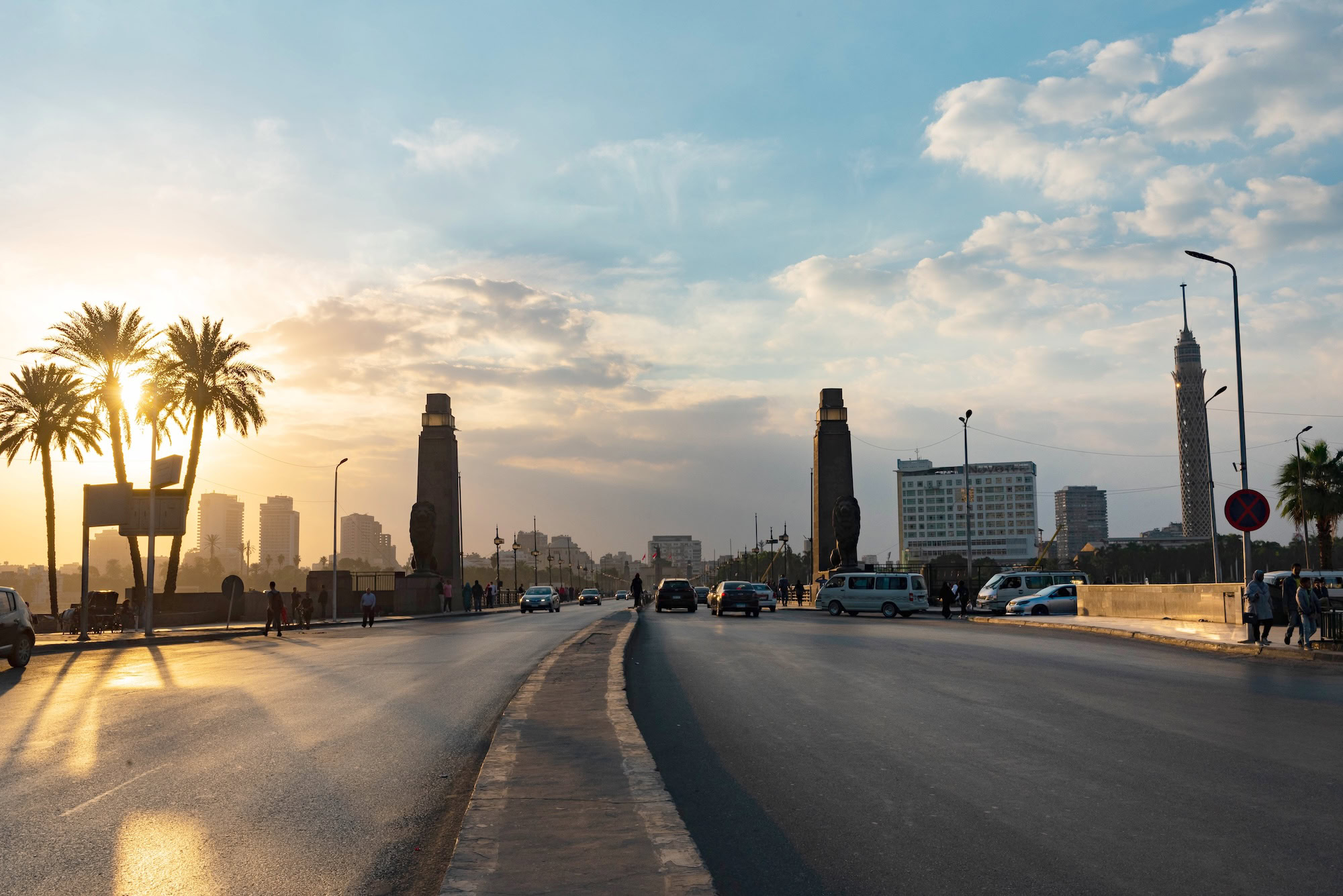
Engineering Marvel That Defined Cairo’s Skyline
The bridge represents a remarkable achievement in early 20th-century engineering. British firm Dorman Long & Co, simultaneously constructing the Sydney Harbor Bridge, designed this 382-meter steel structure with innovative swing bridge technology. The central 67-meter section could rotate electronically to allow large vessels passage along the Nile River, a feature that remained functional for decades.
Revolutionary Swing Bridge Design
Ralph Anthony Freeman’s architectural vision created something unprecedented in Cairo’s infrastructure. The mechanical systems operated with precision, lifting the roadway 12 meters (39 feet) above the water level. This engineering feat required massive counterweights and electric motors that were cutting-edge technology in 1931. Ship traffic could pass through in just 15 minutes, though the bridge opening became increasingly rare as Cairo’s vehicle traffic grew exponentially.
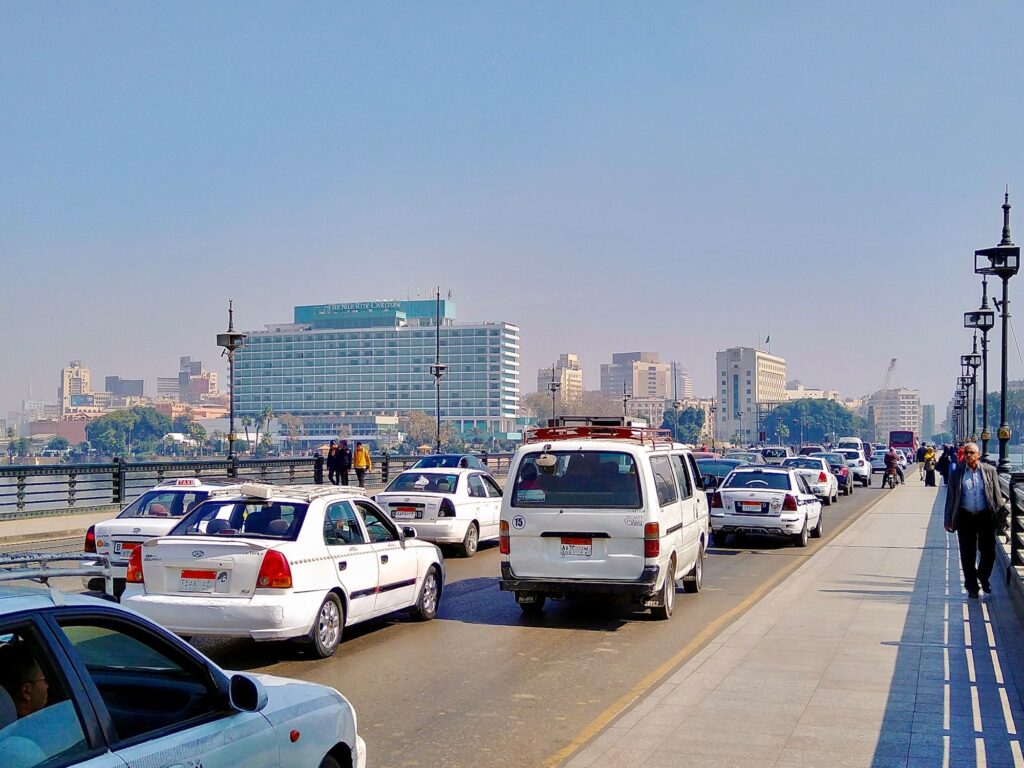
Construction Under British Influence
The project began during a period when Khedive Ismail envisioned transforming Cairo into “a slice of Europe.” Construction took three years, employing both British engineers and local Egyptian craftsmen. The steel framework arrived in sections from England, while the distinctive Art Deco elements reflected the architectural trends of the era. Workers faced unique challenges building over the Nile’s flowing waters, requiring innovative construction techniques that influenced future bridge projects throughout the Middle East.
Steel Framework That Endures
The bridge’s durability stems from its robust steel construction and regular maintenance. Unlike many structures of its era, the Qasr El Nil Bridge has required minimal structural renovation. The original riveted connections and reinforced foundations continue supporting modern traffic loads that far exceed 1930s projections. This longevity demonstrates the superior craftsmanship and forward-thinking design that characterized British engineering projects of the colonial period.
Bronze Lions: Cairo’s Most Photographed Guardians
Henri Alfred Jacquemart’s four bronze lions transformed a functional bridge into an artistic landmark. These majestic sculptures, each weighing approximately 2 tons, were originally destined for Alexandria’s Muhammad Ali Pasha monument. Political changes redirected them to Cairo, where they became the bridge’s defining feature. The French animalier’s reputation for capturing wildlife in bronze made these lions instant classics.
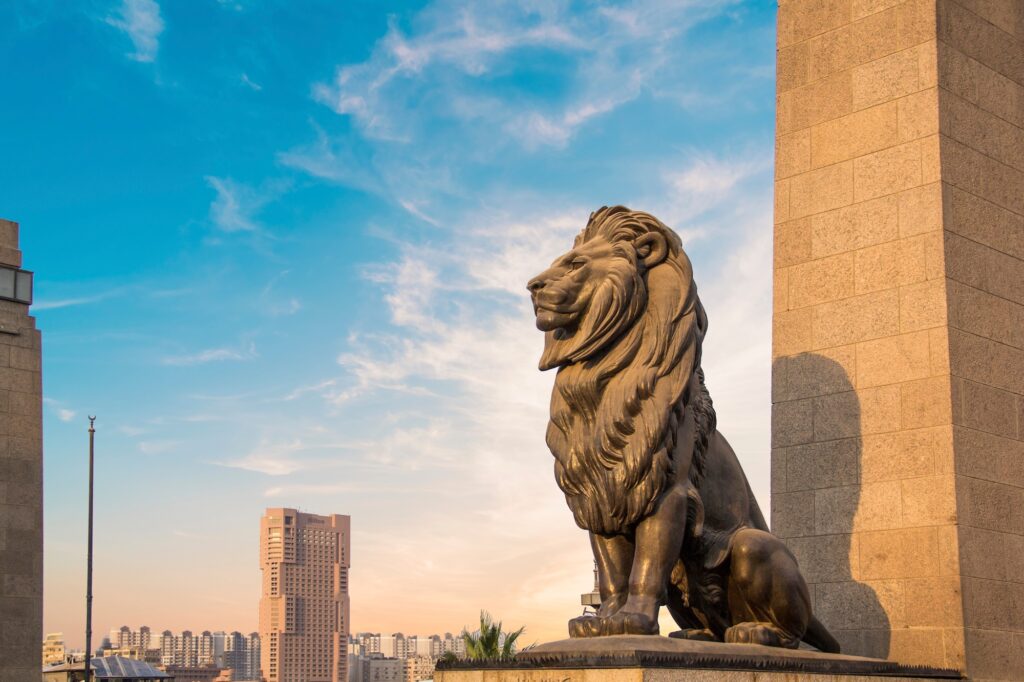
Photography enthusiasts gather daily at sunrise and sunset, when dramatic lighting illuminates the lions’ detailed features. The statues face both directions – two lions gaze toward downtown Cairo while the other pair surveys Zamalek island. This positioning creates symbolic significance, as if the lions protect both the traditional heart of Cairo and its modern residential district. Social media has amplified their fame, with countless Instagram posts featuring these bronze guardians against Cairo’s ever-changing skyline.
Local legends have grown around the lions over nine decades. Some Cairenes believe the lions roar when Egypt faces national challenges, while others consider them protectors of the city’s soul. Tour guides often share stories about the lions “coming to life” during the 2011 Egyptian Revolution, when protesters gathered around their bases for inspiration and strength. Whether mythical or real, these stories reflect how deeply the lions have embedded themselves in Cairo’s cultural identity.
From Khedive Ismal Bridge to Revolutionary Symbol
The bridge carried the name Khedive Ismail Bridge for its first two decades, honoring the ruler who modernized 19th-century Egypt. The 1952 Revolution brought sweeping changes across Egyptian society, including the symbolic renaming of colonial-era monuments and infrastructure. Qasr El Nil Bridge received its new name from the nearby Qasr El Nil Barracks, connecting it more directly to Egyptian rather than royal history.
This transformation reflected broader nationalist movements reshaping post-colonial Egypt. Street names, building designations, and public monuments underwent systematic revision to emphasize Egyptian identity over foreign influence. The bridge’s renaming represented one small part of this cultural reclamation, though its British engineering origins remained proudly intact. Modern Cairenes rarely reference the original name, fully embracing the post-revolutionary identity.
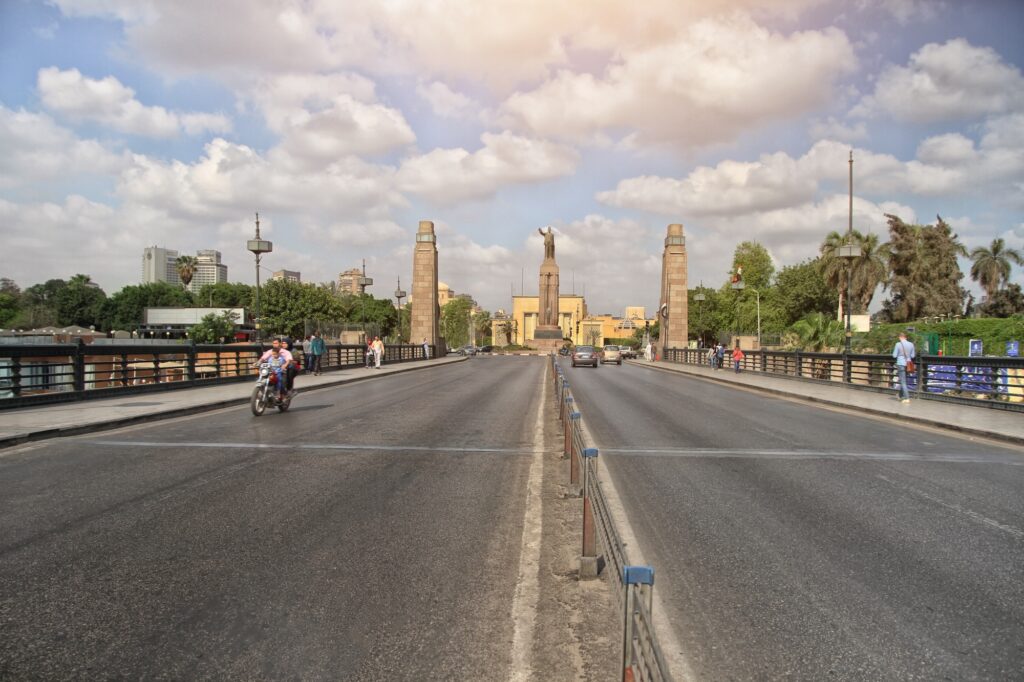
During the 2011 Egyptian Revolution, the bridge became an unexpected focal point for demonstrations. Protesters recognized its symbolic power as a connection between different parts of Cairo society. The space around the bronze lions provided natural gathering points, while the bridge’s elevation offered strategic advantages for organizing marches toward Tahrir Square. These events added new layers of political significance to an already historically rich structure.
Photography Restrictions and Security Concerns
For several decades following the 1952 Revolution, Egyptian authorities prohibited photography of bridges for national security reasons. This policy particularly affected the Qasr El Nil Bridge due to its strategic importance and military significance. Tourists caught photographing the structure faced confiscation of film and potential questioning by security forces. The restrictions gradually relaxed during the 1990s as tourism became increasingly important to Egypt’s economy.
Economic Impact on Traditional Transport
The bridge’s construction disrupted established Nile transportation patterns. Ferry operators and felucca boat owners initially resisted the project, fearing revenue loss from reduced river crossings. The Egyptian government implemented a temporary toll system to help fund construction and appease traditional transport workers. These economic tensions reflected broader modernization challenges as Egypt balanced technological progress with existing livelihoods.
Connecting Cairo’s Cultural Districts
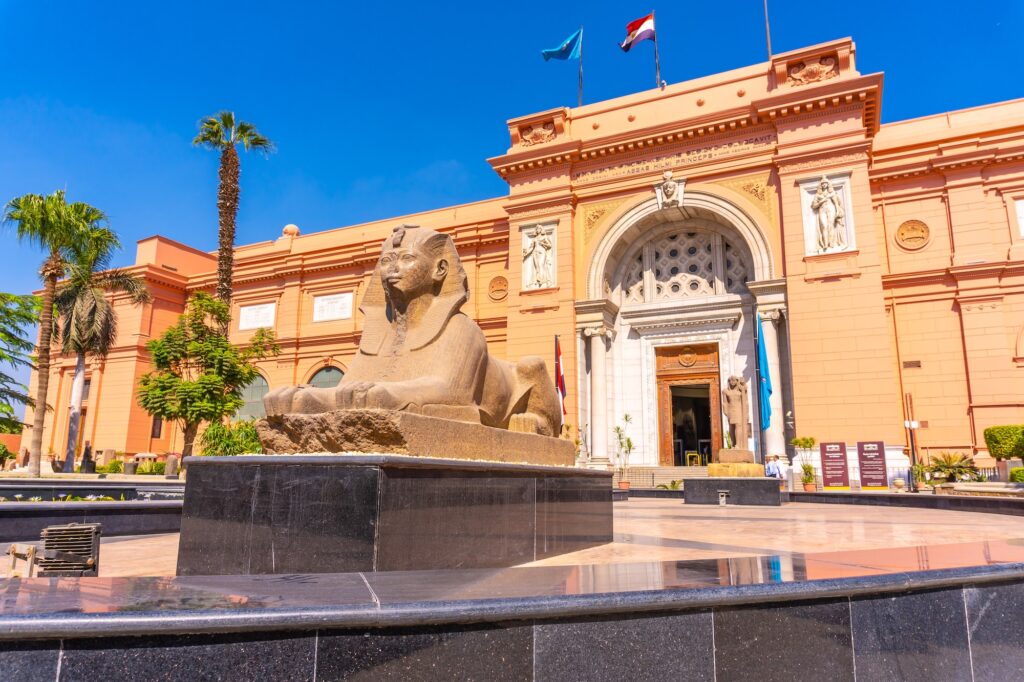
The bridge serves as more than transportation infrastructure – it’s a cultural bridge between two distinct Cairo personalities. Tahrir Square represents the bustling commercial heart where traditional Egyptian life meets modern urban energy. Street vendors, government buildings, and the iconic Egyptian Museum create a densely packed environment that epitomizes downtown Cairo’s controlled chaos.
Zamalek offers a completely different atmosphere just 400 meters away. This affluent island district features tree-lined streets, art galleries, upscale restaurants, and diplomatic residences. The contrast becomes immediately apparent when crossing the bridge – noise levels decrease, architectural styles shift toward elegant early 20th-century buildings, and the pace of life noticeably slows. Many visitors experience culture shock at how dramatically the environment changes within such a short distance.
Evening Romance and Local Culture
Young Egyptians have embraced the bridge as an affordable outdoor dating destination. Couples stroll between the bronze lions as the sun sets over the Nile River, creating romantic silhouettes against Cairo’s skyline. This tradition has continued for generations, with grandparents sharing memories of their own courtship walks along the same route. The bridge provides a public space where traditional Egyptian courtship customs can unfold naturally.
Street musicians often perform near the lions during evening hours, adding soundtrack to the romantic atmosphere. Tea vendors sell traditional drinks to couples and families enjoying the Nile breeze. These informal economic activities create a vibrant social ecosystem that transforms the bridge from mere infrastructure into community space. The combination of historical significance, artistic beauty, and social function makes evening visits particularly memorable.
Practical Information for Modern Visitors
The bridge remains fully accessible to pedestrians and vehicles 24 hours daily. Walking across takes approximately 10-15 minutes at a leisurely pace, allowing time to photograph the lions and enjoy Nile views. The closest metro station is Sadat (formerly Saad Zaghloul) on the Red Line, requiring a 5-minute walk through Tahrir Square to reach the bridge entrance.
Security presence varies depending on current political situations, but photographers rarely encounter restrictions under normal circumstances. The bronze lions have become so synonymous with Cairo tourism that authorities actively encourage photography for promotional purposes. Best lighting occurs during golden hour – approximately 6:00 am to 8:00 am (06:00 to 08:00) and 5:00 pm to 7:00 pm (17:00 to 19:00), depending on season.
Traffic congestion peaks during morning rush hour 7:00 am to 9:00 am (07:00 to 09:00) and evening rush hour 5:00 pm to 8:00 pm (17:00 to 20:00). Pedestrian walkways remain separate from vehicle traffic, ensuring safe crossing regardless of congestion levels. We recommend visiting during off-peak hours for the most comfortable experience and better photography opportunities.
Integration with Cairo Sightseeing
Most Cairo itineraries naturally incorporate the Qasr El Nil Bridge due to its central location. The Egyptian Museum sits just 300 meters from the Tahrir Square end, while the Cairo Tower rises prominently from Zamalek island on the opposite side. This positioning makes the bridge an essential transition point between major tourist attractions rather than a destination requiring separate planning.
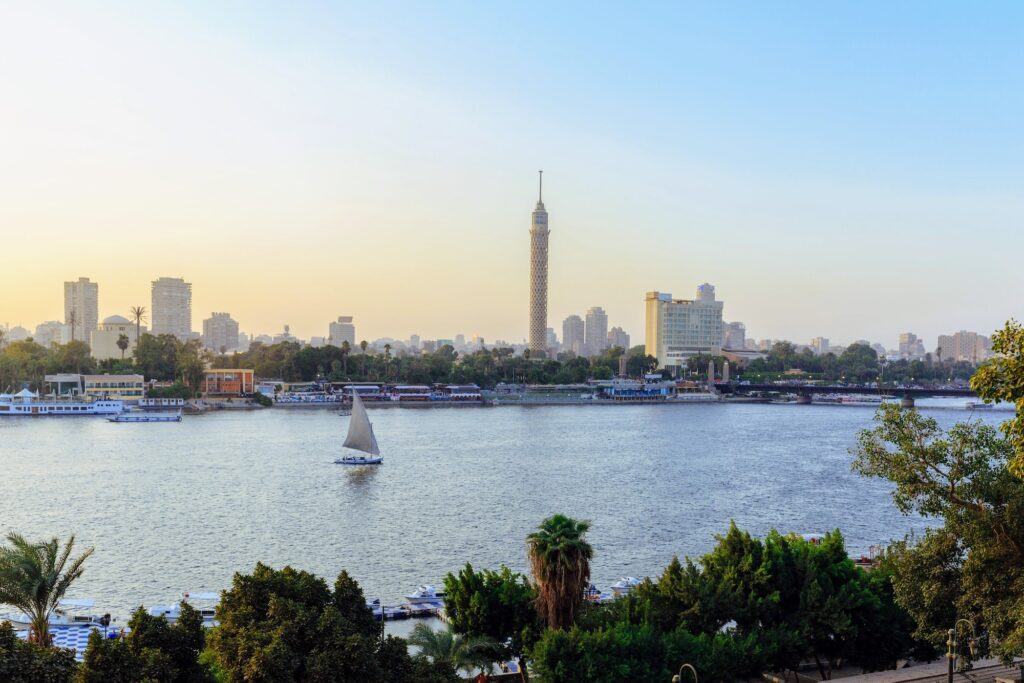
Our private guided tours often pause at the lions for photography and historical context before continuing to other sites. The bridge provides an excellent vantage point for understanding Cairo’s geography and the Nile’s role in shaping the city’s development. Guides can point out landmarks visible from the bridge span, including the Cairo Opera House, various hotels, and distant pyramid silhouettes on clear days.
Frequently Asked Questions
How long does it take to walk across Qasr El Nil Bridge?
Walking leisurely across the bridge takes 10-15 minutes, allowing time to stop at the bronze lions for photos and enjoy the Nile views.
When is the best time to photograph the bronze lions?
Golden hour provides the most dramatic lighting – early morning 6:00 am to 8:00 am or evening 5:00 pm to 7:00 pm.
Can you still see the swing bridge mechanism in operation?
No, the swing bridge function was permanently disabled decades ago due to increased vehicle traffic, though the original mechanical structure remains visible.
Is the bridge safe for pedestrians?
Yes, the bridge features dedicated pedestrian walkways completely separated from vehicle traffic, with protective barriers throughout.
What’s the closest metro station to reach the bridge?
Sadat Station on the Red Line is closest, requiring a 5-minute walk through Tahrir Square to reach the bridge entrance.
Who created the famous bronze lions?
French sculptor Henri Alfred Jacquemart crafted all four bronze lions, each weighing approximately 2 tons and featuring intricate artistic details.
Why was the bridge renamed after the 1952 Revolution?
The original name honored Khedive Ismail, representing royal/colonial heritage. Post-revolution authorities renamed it Qasr El Nil Bridge to reflect Egyptian nationalism.
Are there any restrictions on photographing the bridge?
Modern visitors face no photography restrictions. The bridge and lions are actively promoted as tourist attractions, unlike earlier decades when security concerns limited photography.
What can you see from the bridge?
The bridge offers excellent views of the Nile River, Cairo Tower on Zamalek island, downtown Cairo’s skyline, and distant pyramids on clear days.
How does traffic affect visiting the bridge?
Rush hours 7:00 am to 9:00 am and 5:00 pm to 8:00 pm create vehicle congestion, but pedestrian areas remain unaffected.
What attractions are within walking distance?
The Egyptian Museum is 300 meters away, Tahrir Square is directly adjacent, and Cairo Tower on Zamalek island is 500 meters across the bridge.
Do the bronze lions have any special significance?
Beyond their artistic value, the lions have become symbols of Cairo’s resilience, witnessing everything from royal ceremonies to revolutionary protests throughout nearly a century.
Design Your Custom Tour
Explore Egypt your way by selecting only the attractions you want to visit