

Roman Theatre In Amman – A Legacy Of The Roman Empire
Time seems to pause the moment you first glimpse Jordan’s Roman Theatre.
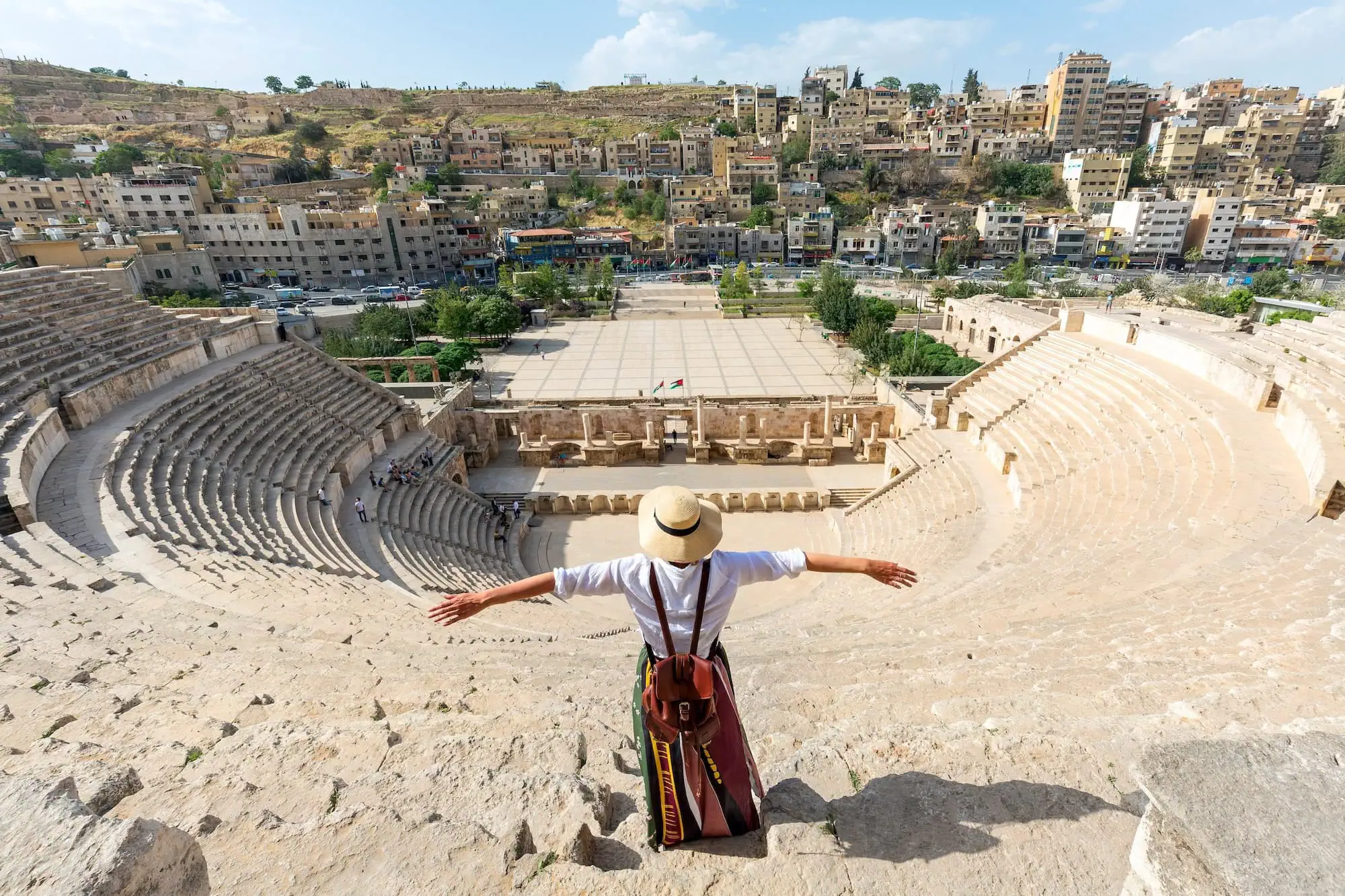
Carved into a hillside in the heart of downtown Amman, this impressive 2nd-century amphitheater stands as one of the Middle East’s finest examples of Roman engineering. Built around 140 AD during the reign of Emperor Antoninus Pius, the theatre once accommodated up to 6,000 spectators, carefully arranged across three tiers that reflected the social structure of the time. Today, it remains both a major archaeological landmark and an active cultural venue, hosting everything from traditional performances to contemporary events.
This iconic site uniquely bridges nearly two thousand years of continuous use, offering visitors a rare opportunity to experience history in a living setting. From its architectural precision to its cultural relevance today, the Roman Theatre is an essential stop on any journey through Jordan.
To experience Amman alongside Petra, Wadi Rum, and Egypt’s world-famous monuments, explore our Egypt and Jordan tour packages.
Table of Contents
Historical Foundation and Imperial Context
The Roman Theatre emerged during one of the empire’s most prosperous periods. Emperor Antoninus Pius commissioned its construction as part of transforming ancient Philadelphia into a major provincial center. This emperor’s 23-year reign marked an era of unprecedented peace, allowing massive public works projects across the Roman world.
Planning Philadelphia’s Entertainment District
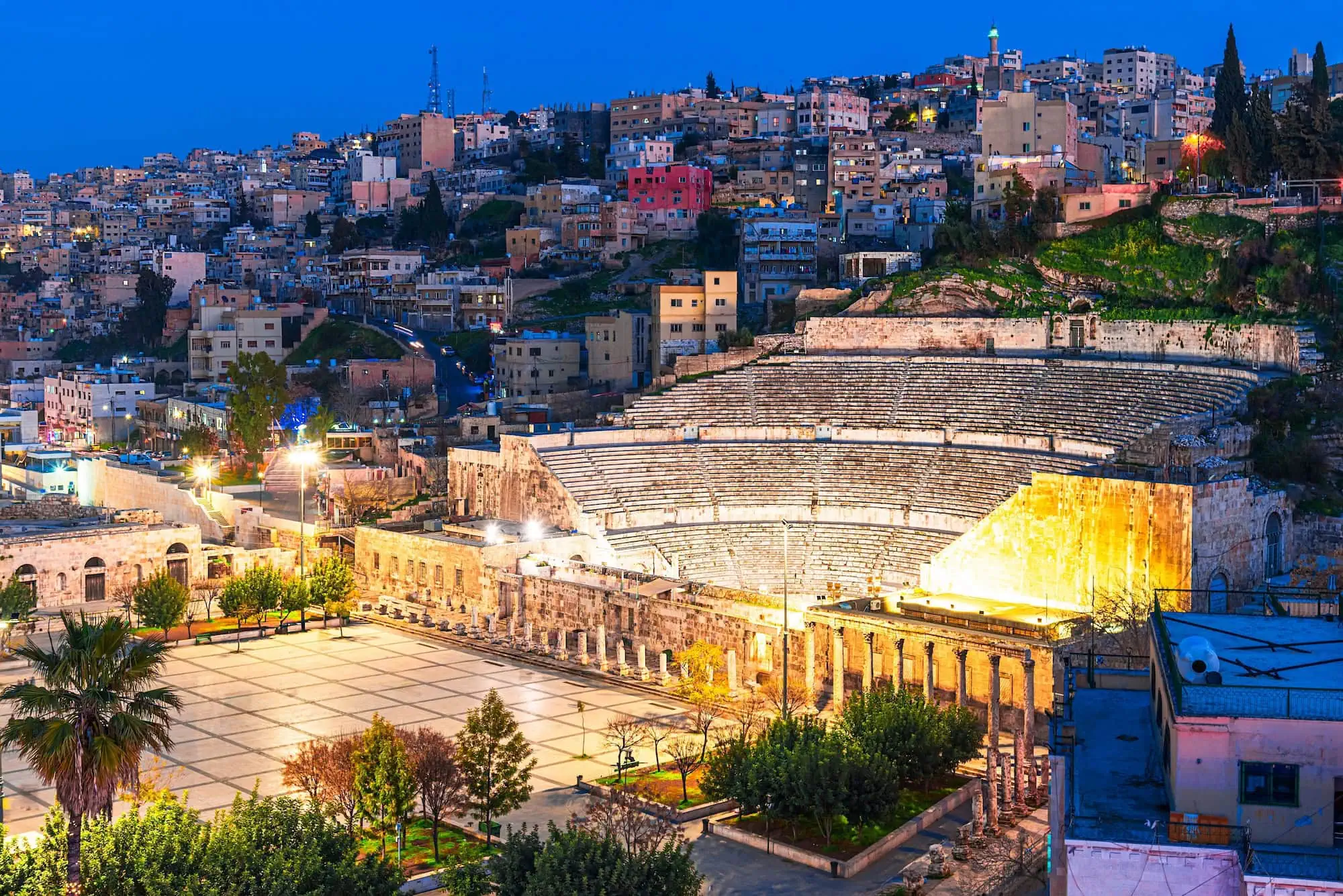
Roman city planners positioned the theater strategically within Philadelphia’s urban layout. The north-facing orientation kept harsh sunlight from blinding performers while ensuring optimal acoustics. Engineers carved directly into Jabal Al-Joufah’s limestone hillside, using the natural slope to create perfect sightlines from every seat.
Social Architecture in Stone
Three distinct seating sections reflected Roman social hierarchy with mathematical precision. The lowest tier, closest to the orchestra, housed governors and wealthy merchants. Military officers and middle-class citizens occupied the central diazomata section. Common citizens climbed to the upper cavea, though even these “cheap seats” offered excellent acoustics thanks to the theater’s ingenious design.
Integration with Surrounding Monuments
The theater formed part of a larger cultural complex. Planners constructed a smaller 500-seat Odeon nearby for intimate performances and civic meetings. The ornamental Nymphaeum fountain provided both decoration and practical water access. Together, these structures created a comprehensive entertainment district rivaling anything in Rome itself.
Architectural Mastery and Engineering Innovation
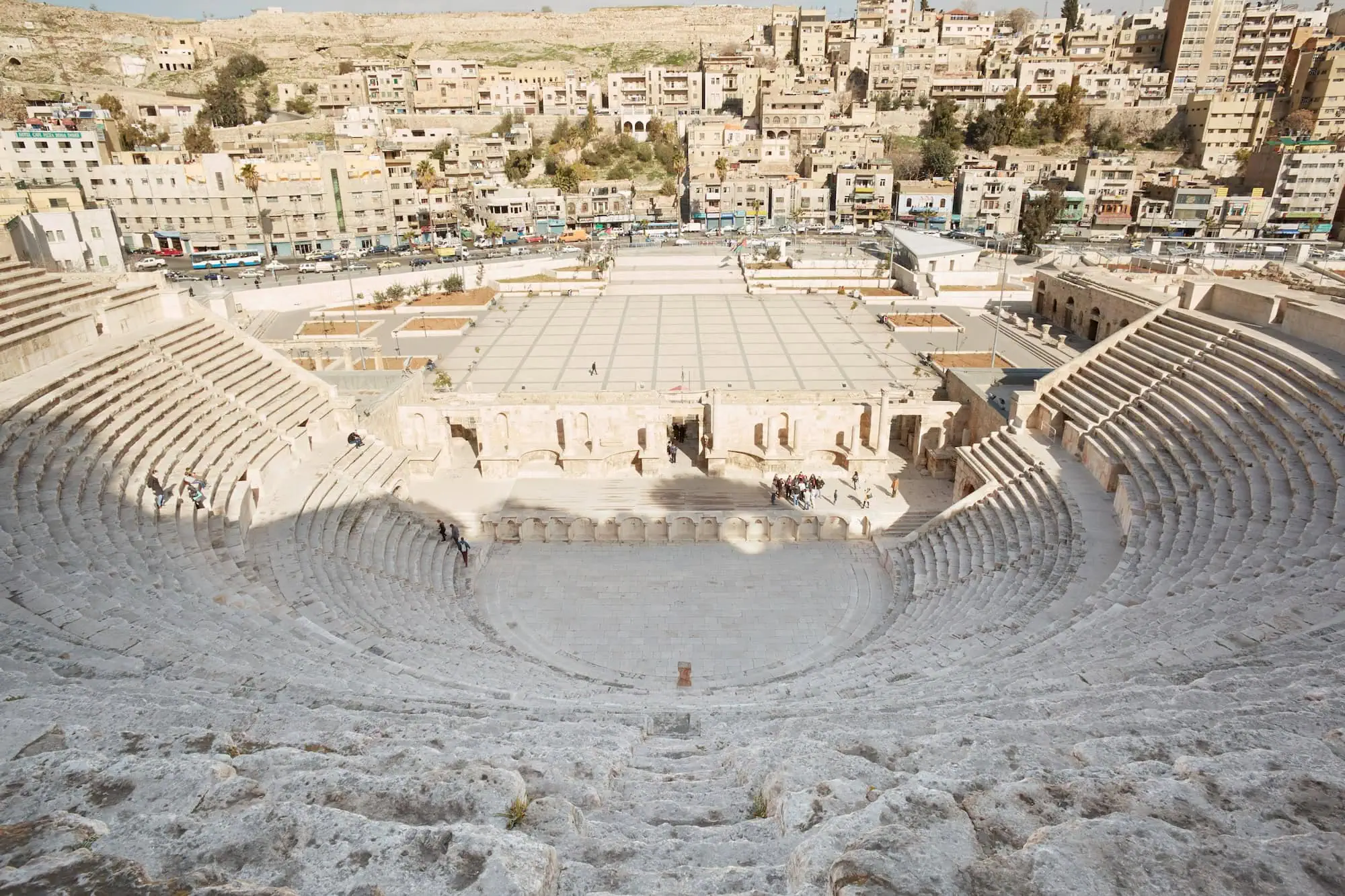
Roman engineers demonstrated remarkable sophistication when designing this hillside theater. The structure’s most impressive feature isn’t its size—it’s how seamlessly they integrated natural topography with architectural principles. Every element serves multiple functions, from the stage’s southern exposure that bathes performers in natural light to the precisely calculated angles that amplify even whispered dialogue to the highest rows.
The cavea’s three-tier system extends far beyond mere social organization. Each level features different seat depths and angles, optimizing comfort for different viewing distances. Modern acoustics experts still marvel at how sound travels perfectly throughout the 6,000-seat capacity without any amplification technology.
Foundation Engineering
Builders excavated deep into the hillside, creating a stable foundation that has endured for nearly 1,900 years. They used massive limestone blocks quarried locally, reducing transportation costs while ensuring the theater blended naturally with Amman’s landscape. The paradoi—entrance tunnels on either side—allow smooth crowd flow while structurally supporting the massive seating sections above.
Stage and Performance Areas
The scaenae frons (stage building) originally soared three stories high, decorated with elaborate Corinthian columns and marble statuary. Though much of this ornamentation has vanished, archaeological evidence suggests it rivaled the finest theaters in Rome. The orchestra pit, carved from solid bedrock, provides a natural resonating chamber that enhances musical performances.
Modern Restoration and Cultural Renaissance
Jordan’s government initiated comprehensive restoration in 1957, breathing new life into this ancient venue. The project faced complex challenges balancing historical authenticity with modern safety requirements. While restoration teams couldn’t source identical materials to Roman originals, they achieved remarkable results that honor the theater’s architectural integrity.
Today’s performances range from classical Arabic music to contemporary theatrical productions. The annual Al-Balad Music Festival transforms the ancient stones into a modern cultural celebration, proving that great architecture transcends time periods. International artists regularly perform here, drawn by the unique atmosphere of presenting shows in a venue where Roman audiences once cheered gladiatorial exhibitions.
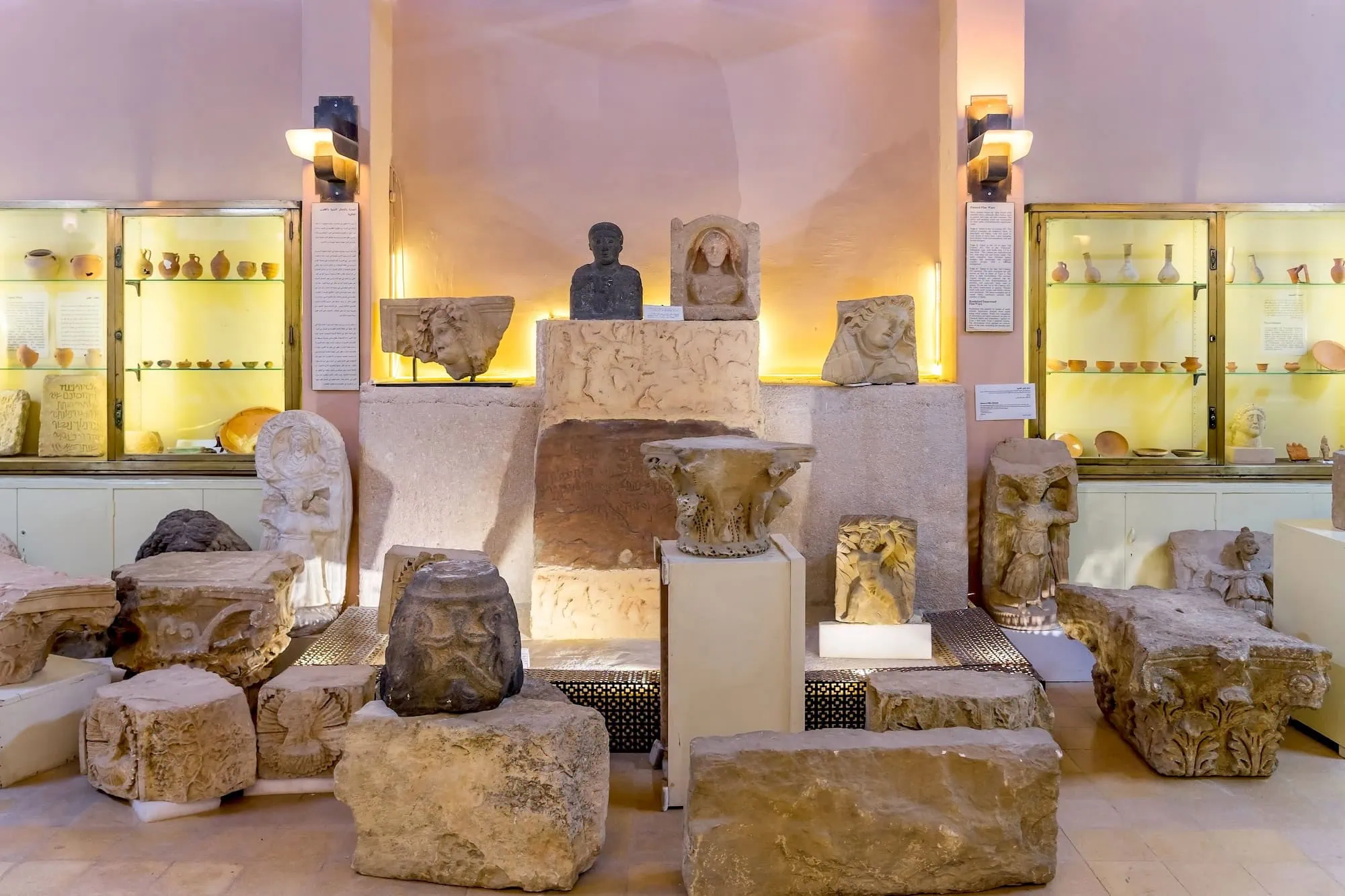
The restoration also created space for cultural education. The Jordan Folklore Museum now operates within the theater complex, displaying traditional costumes, musical instruments, and handicrafts. The Popular Traditions Museum offers deeper insights into Jordanian heritage, creating a comprehensive cultural experience that extends far beyond the theater itself.
Safety improvements include modern lighting, crowd barriers, and emergency exits discretely integrated into the Roman design. Visitors can now safely navigate the steep stone steps that once challenged ancient spectators, though the climb to the upper sections remains quite demanding.
Visiting Experience and Practical Information
Planning your visit requires understanding both the theater’s layout and Amman’s climate patterns. The site opens daily from 8:00 am to 8:00 pm (08:00-20:00), with entrance fees typically set at 2 JOD for individual tickets. The Jordan Pass includes theater access along with over 40 other archaeological sites, offering excellent value for travelers exploring multiple locations.
Navigation and Accessibility
The theater’s steep design presents mobility challenges. Stone steps, worn smooth by nearly two millennia of foot traffic, can be slippery, especially during Jordan’s occasional winter rains. Visitors often use seat edges as handholds when climbing to upper sections. The center seats offer the best acoustic experience, though reaching them requires considerable physical effort.
Timing Your Visit
Morning visits provide the most comfortable temperatures, particularly during summer months when Amman temperatures can exceed 30°C (86°F). The theater’s north-facing orientation means afternoon shadows fall across seating areas, but the stage remains fully illuminated. Photography enthusiasts find late afternoon lighting ideal for capturing the golden limestone against Amman’s urban backdrop.
Cultural Context and Etiquette
Remember you’re visiting both an active cultural venue and a respected archaeological site. During performances, dress codes may apply, and photography restrictions often accompany evening events. The surrounding Hashemite Plaza area offers dining and shopping opportunities, making the theater an excellent starting point for exploring downtown Amman’s traditional markets and modern cafes.
Comparing Regional Roman Heritage
Jordan’s Roman Theatre stands among the Middle East’s most significant Roman archaeological sites, though each offers unique perspectives on imperial architecture. Jerash’s more extensive ruins provide broader context of Roman urban planning, while Amman’s theater offers intimacy and continued cultural relevance that ruins cannot match.
The theater’s urban setting creates a fascinating juxtaposition. Modern Amman surrounds this ancient monument, creating a living timeline where Roman engineering meets contemporary Middle Eastern city life. Unlike isolated archaeological parks, you experience this theater as Romans intended—integrated into a thriving civic center.
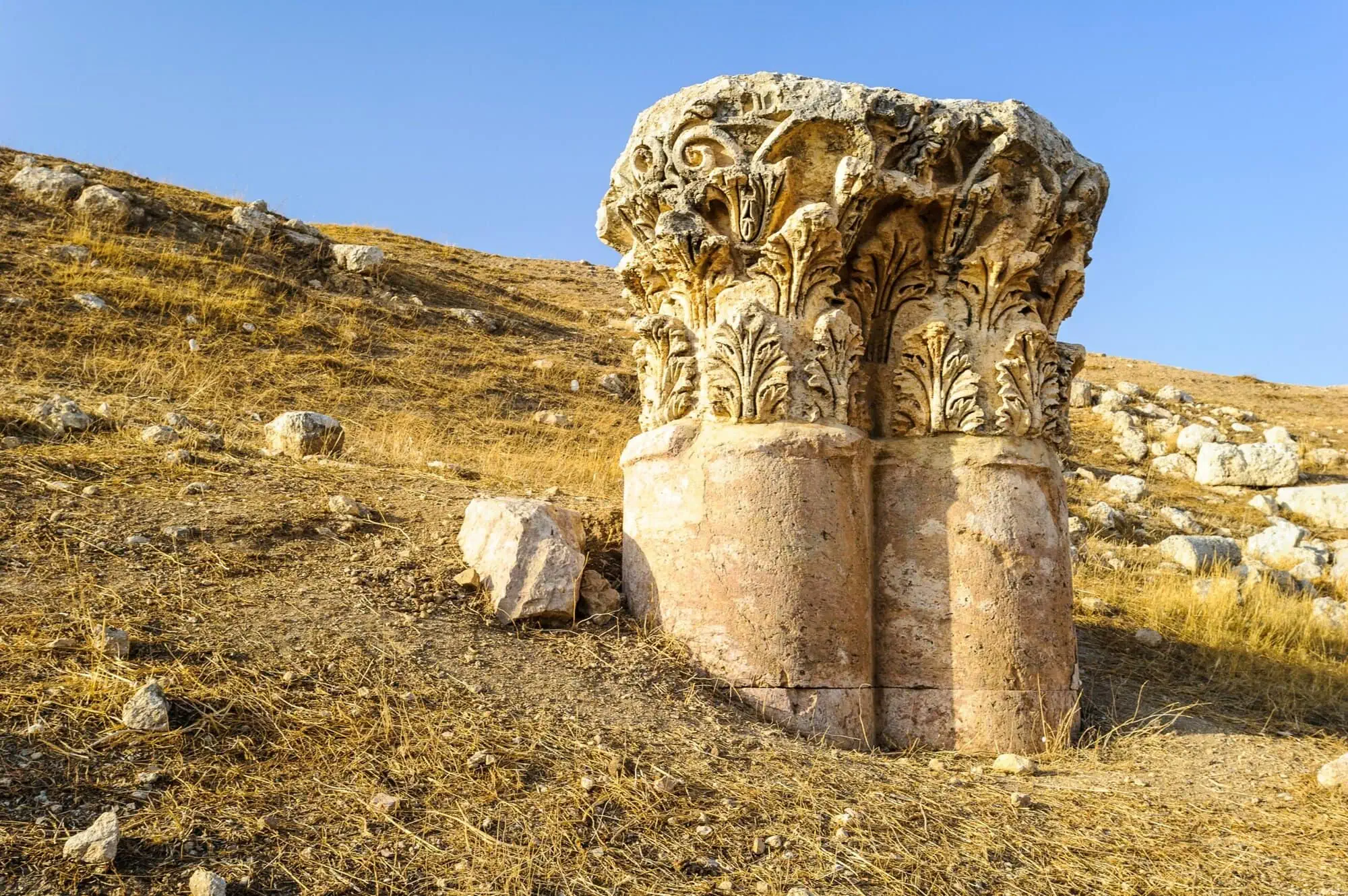
Comparison with other Roman theaters reveals interesting design variations. While Rome’s Colosseum emphasized spectacle and scale, Amman’s theater prioritized acoustics and social organization. The hillside carving technique appears throughout the eastern Mediterranean, but few sites demonstrate such successful integration of natural and constructed elements.
Performance Heritage: Then and Now
Ancient performances likely included everything from classical Greek dramas to Roman comedies, gladiatorial exhibitions, and civic ceremonies. The theater’s design accommodated diverse entertainment formats, with the orchestra pit hosting musical performances while the main stage presented dramatic productions.
Contemporary programming maintains this diversity. Traditional Arabic music concerts showcase regional cultural heritage, while international festivals bring global perspectives to this historic venue. The acoustics that once carried Latin oratory now amplify everything from symphonic music to spoken word poetry.
Al-Balad Music Festival Legacy
This annual celebration has become the theater’s signature event, attracting regional and international artists. The festival demonstrates how ancient venues can support modern cultural expression without losing historical significance. Performers regularly comment on the unique experience of presenting work in a space where entertainment has occurred continuously for nearly two millennia.
Educational and Cultural Programs
Beyond entertainment, the theater hosts educational programs connecting modern audiences with Roman history. School groups regularly visit for immersive history lessons, while cultural organizations use the space for traditional craft demonstrations and storytelling events. These programs ensure the theater remains a living educational resource rather than merely a tourist attraction.
Frequently Asked Questions
Entrance typically costs 2 JOD, though the Jordan Pass includes access to the theater and over 40 other archaeological sites throughout the country.
The theater originally seated 6,000 spectators across three social tiers, though current safety regulations limit capacity for modern events.
The site opens daily from 8:00 am to 8:00 pm, with last entry typically 30 minutes before closing.
Construction occurred around 140 AD during Emperor Antoninus Pius’s reign, as part of developing ancient Philadelphia into a major Roman provincial center.
The steep stone steps and uneven surfaces present significant accessibility challenges, though lower seating areas are somewhat easier to reach.
Yes, the theater regularly hosts concerts, festivals, and cultural events, including the annual Al-Balad Music Festival.
Roman engineers designed the cavea’s curved shape and the orchestra pit to naturally amplify sound, allowing whispered dialogue to reach the highest seats without modern amplification.
The smaller Odeon theater, Nymphaeum fountain, Jordan Folklore Museum, and traditional downtown markets are all within walking distance.
The 1957 restoration used modern materials rather than original Roman techniques, achieving impressive results while acknowledging that complete authenticity wasn’t possible.
Comfortable walking shoes with good grip are essential for navigating steep stone steps, and sun protection is recommended for daytime visits.
Most visitors spend 45-90 minutes exploring the theater and adjacent museums, though performance attendees will obviously stay longer.
Photography is generally permitted for personal use, though restrictions may apply during performances or special events.
Design Your Custom Tour
Explore Egypt and Jordan your way by selecting only the attractions you want to visit