

Temple of Dakka – An Ancient Nubian Monument Built for Thoth
Ancient stones tell stories that span millennia.
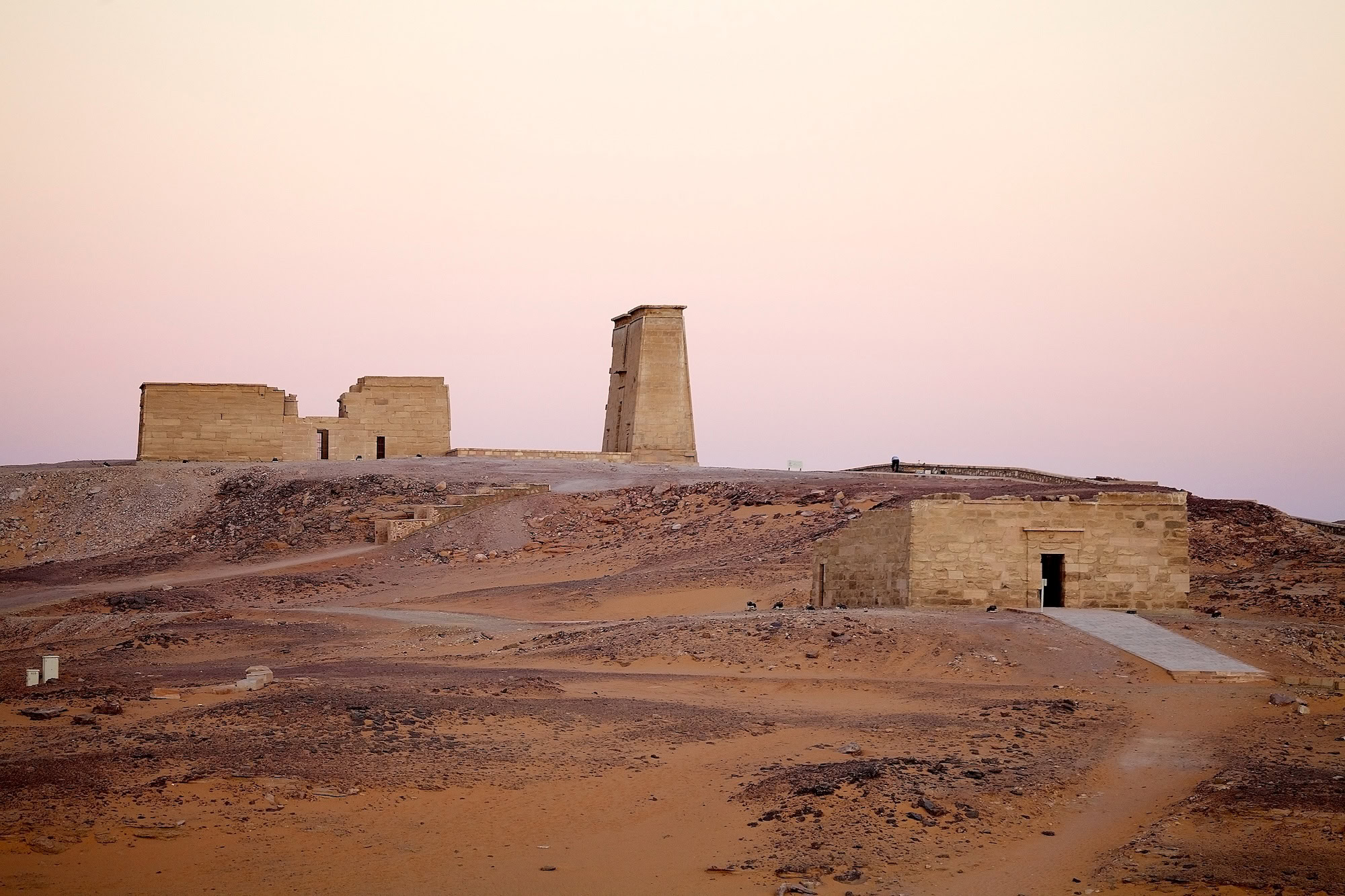
Standing proudly on the western shores of Lake Nasser, the Temple of Dakka represents one of Egypt’s most remarkable preservation successes. This approximately 2,000-year-old temple, dedicated to Thoth, the god of wisdom and writing, survived both the test of time and a dramatic relocation effort in the 1960s.
Originally constructed through a unique collaboration between Nubian kings and Ptolemaic rulers, the temple showcases the rich cultural exchange that flourished in Lower Nubia during the Hellenistic period.
Today, visitors can explore this exceptional sanctuary during Lake Nasser cruises, where the temple’s distinctive north-facing orientation and remarkably preserved 12-meter-high pylon continue to inspire awe among travelers and archaeologists alike.
Origins and Divine Purpose
The Temple of Dakka emerged from an extraordinary partnership between cultures. Construction began in the 3rd century BC when the Meroitic king Arqamani (Ergamenes) initiated work on a modest single-room shrine dedicated to Thoth. This Egyptian deity, revered as the master of wisdom, magic, and hieroglyphic writing, held special significance for both Egyptian and Nubian communities along the Nile.
The Ptolemaic Expansion
Later Ptolemaic rulers, particularly Ptolemy IV Philopator and Ptolemy IX Soter II, recognized the temple’s importance and substantially expanded the original structure. Their architects added the impressive pronaos (entrance hall) and the towering pylon that dominates the temple’s facade today.
These additions transformed Arqamani’s humble shrine into a proper Egyptian temple complex.
Roman Imperial Contributions
Roman emperors Augustus and Tiberius later contributed reliefs and inscriptions carved into the inner walls of the sanctuary. These scenes combine traditional Egyptian religious imagery with Roman imperial iconography, reflecting the continued veneration of Thoth during the Roman period.eriod.
Unique Architectural Features
Unlike most Egyptian temples, which traditionally face east toward the rising sun, the Temple of Dakka presents its main façade toward the north. This unusual orientation likely reflects local topography and Nubian religious traditions, as well as the temple’s original location at Pselqet (ancient Pselchis).
The Great Rescue Operation
When plans for the Aswan High Dam were announced in the 1950s, archaeologists realized that Nubia’s monuments faced permanent submersion beneath the rising waters of Lake Nasser.
The Temple of Dakka was among those threatened. UNESCO launched the International Campaign to Save the Monuments of Nubia, mobilizing international expertise and funding to relocate endangered structures. Teams of Egyptian and foreign specialists dismantled the temple stone by stone, drawing on earlier documentation and new field surveys.
Engineering the Move
Moving a 2,000-year-old temple requires extraordinary precision. Each decorated block received detailed cataloging before removal. Workers photographed every surface, measured precise angles, and created detailed maps showing the original placement of thousands of individual stones.
The entire structure was then reconstructed at its new site near Wadi es-Sebua, maintaining its original north-south orientation and architectural integrity.
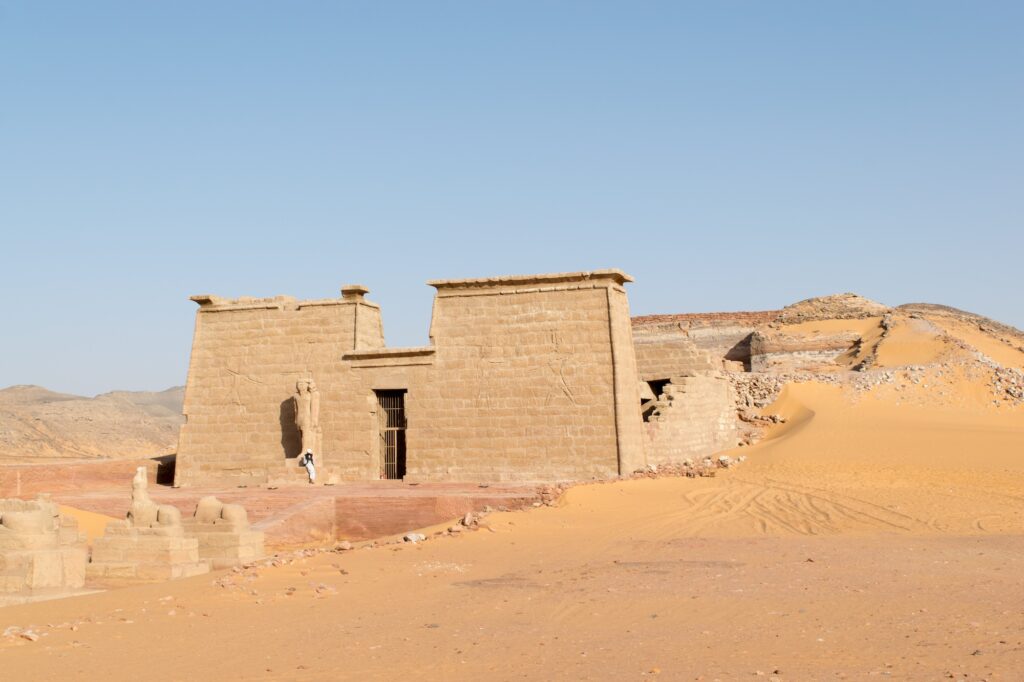
This monumental effort, completed in the late 1960s, preserved not only the temple itself but also valuable inscriptions in both Egyptian hieroglyphs and Meroitic script that provide insights into Nubian-Egyptian cultural exchange.
Architectural Splendor and Sacred Spaces
The temple’s most striking feature remains its magnificent pylon, standing nearly intact at 12 meters high. Visitors can climb to the top for panoramic views across Lake Nasser, where the temple’s relocated position offers perspectives impossible at its original site. The pylon’s surfaces bear well-preserved reliefs showing various pharaohs making offerings to Thoth and other deities.
Beyond the pylon lies the pronaos, its columns decorated with lotus capitals typical of Ptolemaic architecture. The inner sanctuary, or naos, houses the most sacred reliefs depicting Thoth in his various forms – sometimes as an ibis-headed man holding a scribal palette, other times as a sacred baboon associated with lunar cycles and mathematical calculations.
Christian converts later added their own artistic contributions, painting religious scenes over some of the original Egyptian decorations. These Coptic additions, rather than detracting from the temple’s historical value, provide evidence of the monument’s continuous use through different religious periods.
Experiencing Dakka Today
Lake Nasser Cruise Routes
Most visitors reach the Temple of Dakka aboard luxury Lake Nasser cruise ships that navigate between Aswan and Abu Simbel. We organize these multi-day journeys to include stops at several relocated Nubian temples, with Dakka serving as one of the most photographed destinations along the route.
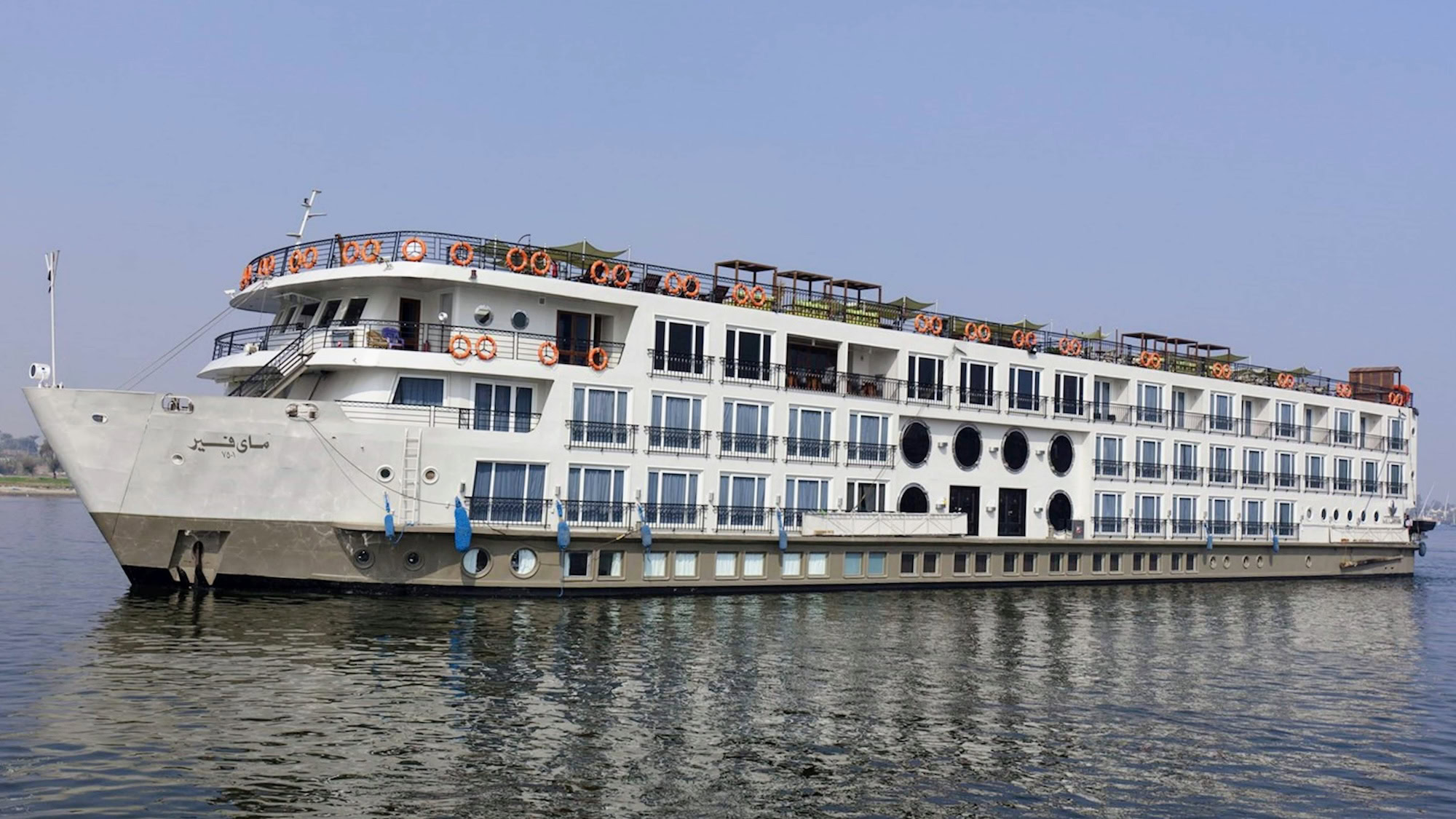
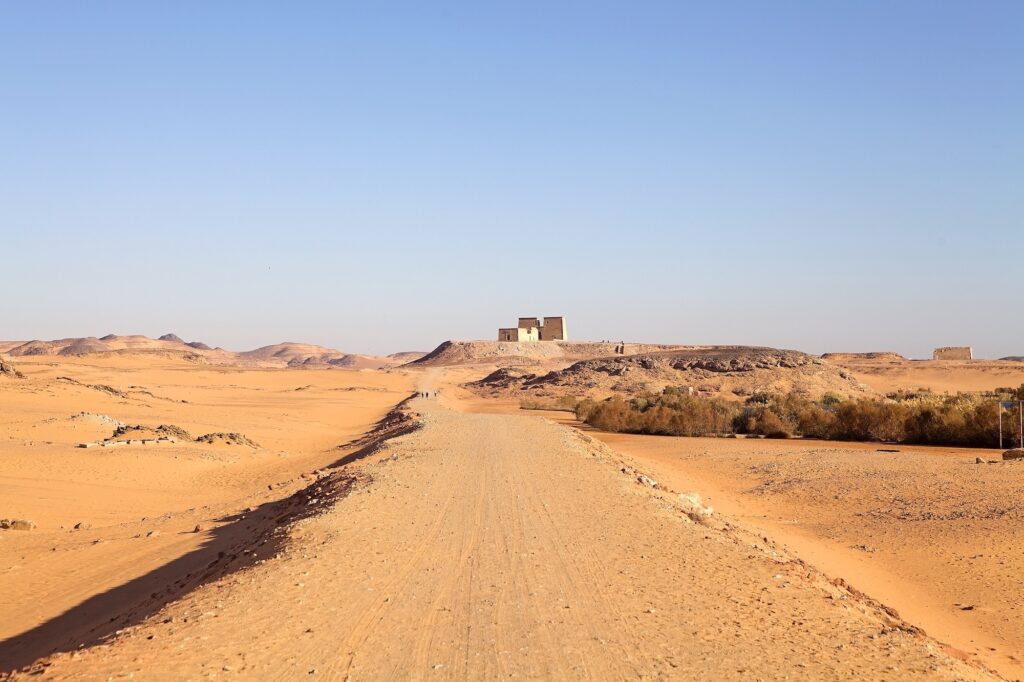
The temple’s current location at Wadi es-Sebua allows cruise ships to dock nearby, providing easy access for exploration. Unlike the crowded conditions at some Egyptian monuments, Dakka typically receives smaller groups, creating more intimate experiences for photography and quiet contemplation.
Guided Exploration
Our qualified Egyptologists accompany all visits to provide historical context and point out details that casual visitors might overlook. They explain the significance of various hieroglyphic inscriptions, identify different construction phases, and describe the temple’s role in ancient Nubian society.
The climb to the pylon’s top requires moderate physical fitness but rewards visitors with spectacular views. From this elevated position, the temple’s relationship to Lake Nasser and the surrounding desert landscape becomes dramatically apparent.
Photography and Documentation
The temple’s relatively isolated location and excellent preservation make it a photographer’s dream. Early morning and late afternoon light illuminate the sandstone blocks beautifully, while the contrast between ancient architecture and the modern lake creates compelling compositions.
Professional photography equipment faces no restrictions, though we recommend bringing extra batteries since no electrical outlets exist at this remote site. The clear desert air provides exceptional clarity for both wide-angle shots of the entire complex and detailed close-ups of individual reliefs.
Cultural Significance and Modern Research
Recent archaeological work continues to reveal new insights about the Temple of Dakka’s role in ancient Nubian society. Scholars studying the Meroitic inscriptions have identified references to local gods and rulers previously unknown from Egyptian sources alone. This research demonstrates how the temple served as a bridge between Egyptian religious traditions and distinctly Nubian spiritual practices.
The collaborative construction between Meroitic and Ptolemaic rulers represents one of the earliest examples of international cooperation in monument building. This partnership model influenced later Roman projects throughout the eastern Mediterranean and provides valuable lessons for modern cultural preservation efforts.
Planning Your Visit
Lake Nasser cruises typically operate between October and April when temperatures remain comfortable for extended outdoor exploration. Our 4-day and 7-day cruise itineraries include dedicated time at Dakka, usually combined with visits to nearby temples at Abu Simbel, Kalabsha, and Beit el-Wali.
We provide all necessary transportation from Aswan, including transfers between your hotel and the cruise departure point. Our modern, air-conditioned vessels feature comfortable cabins, dining facilities, and sun decks perfect for enjoying Lake Nasser’s dramatic landscapes.
Frequently Asked Questions
How long does a Temple of Dakka visit typically take?
Most guided tours spend 1.5 to 2 hours exploring the temple complex, including time for climbing the pylon.
Can visitors access the temple year-round?
Lake Nasser cruises operate primarily from October through April when temperatures remain comfortable.
What’s the best time of day for photography?
Early morning (7:00 am – 9:00 am) and late afternoon (4:00 pm – sunset) provide dramatic lighting.
How does Dakka compare to other Nubian temples?
Dakka features the best-preserved pylon among relocated Nubian monuments and unique north-facing orientation.
Do cruise ships provide meals during temple visits?
Yes, all our Lake Nasser cruises include full board dining with meals served aboard the vessel.
Can private vehicles reach the Temple of Dakka?
No, the temple’s current location requires boat access via Lake Nasser from Aswan.
What should visitors bring for temple exploration?
We recommend comfortable walking shoes, sun protection, water bottles, cameras, and modest clothing.
Are there facilities available at the temple site?
Basic restroom facilities exist, but no shops, restaurants, or visitor centers operate at this location.
How far is Dakka from other Lake Nasser attractions?
The temple sits approximately 40 kilometers south of Kalabsha Temple and 120 kilometers north of Abu Simbel.
Do guides speak languages other than English?
Our multilingual team includes guides fluent in French, German, Spanish, and Italian, arranged based on group composition.
Can wheelchair users access the temple?
Ground-level areas remain accessible, but the pylon climb and some interior spaces present mobility challenges.
Design Your Custom Tour
Explore Egypt your way by selecting only the attractions you want to visit