Traditional Dishes of Egypt: A Culinary Journey Through Egypt
Egyptian cuisine tells a story that spans millennia.
From the bustling street food carts of Cairo to the family tables where generations gather, traditional Egyptian dishes carry the weight of history in every bite. We’ve witnessed travelers discover flavors that transport them back to ancient civilizations, where pharaohs dined on ingredients still cherished today. The culinary landscape here reflects influences from Arab conquest, Ottoman rule, and Mediterranean trade routes that shaped not just recipes, but entire food traditions.
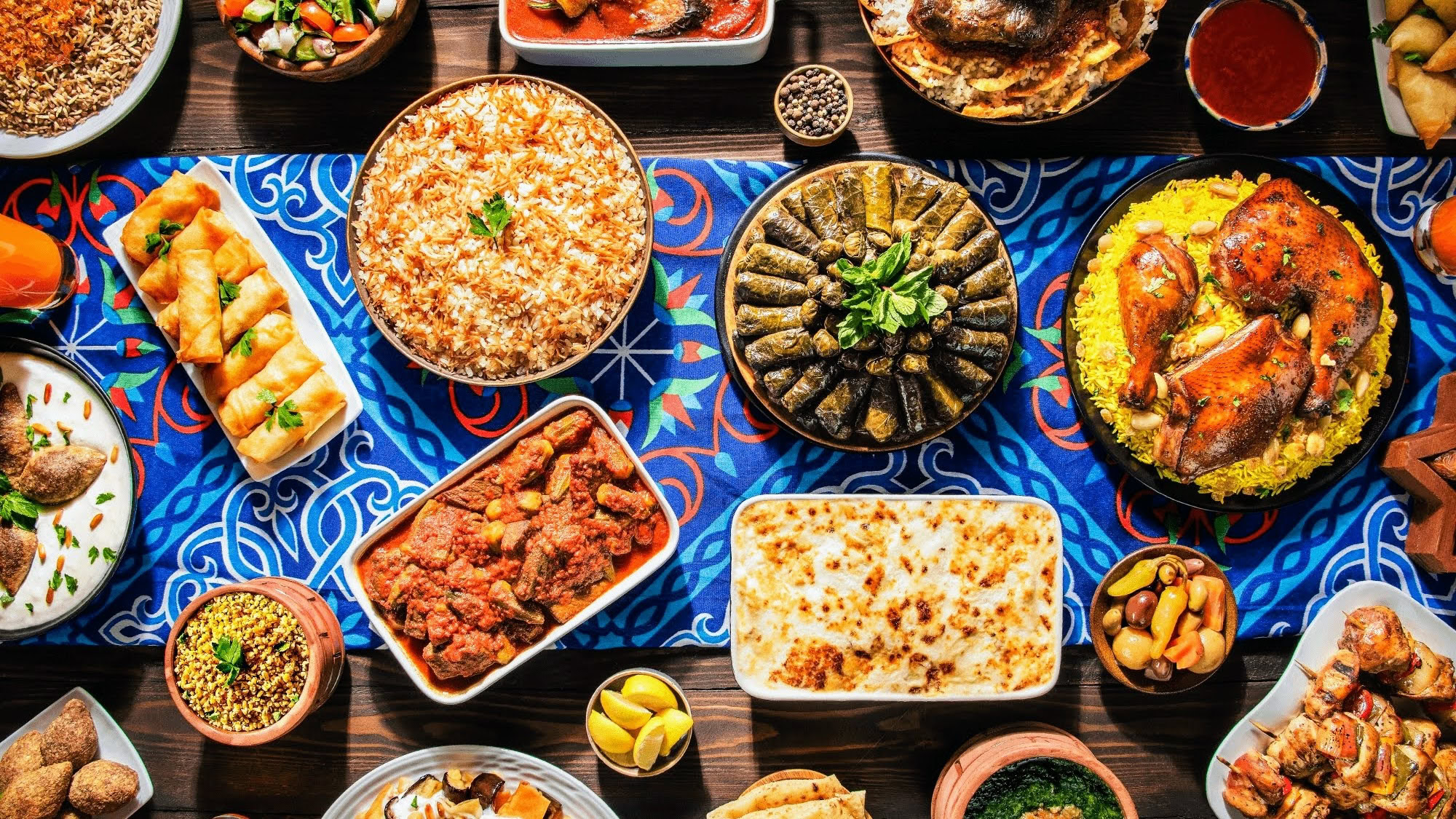
Understanding Egypt’s traditional dishes means experiencing the soul of this remarkable culture. Every meal becomes a window into customs that have survived centuries of change.
The Heart of Egyptian Culinary Culture
Egyptian gastronomy represents far more than simple sustenance. Food here connects communities, honors religious traditions, and celebrates the fertile abundance of the Nile Valley.
Ancient Foundations That Still Matter
Archaeological evidence reveals that ancient Egyptians cultivated many ingredients we encounter in modern kitchens today. Fava beans, lentils, and various grains formed the dietary foundation during pharaonic times. Bread held sacred significance – so important that over 60 different types developed throughout history.
The Nile’s annual flooding created agricultural cycles that determined seasonal eating patterns. These rhythms still influence when certain dishes appear on tables across Egypt.
Religious Influences on Daily Meals
Islamic dietary laws shape much of Egyptian cuisine, while Coptic fasting traditions introduce plant-based variations during specific calendar periods. During Ramadan, families gather for iftar meals featuring dishes passed down through generations.
Hospitality remains central to Egyptian meal culture. Guests receive generous portions, with hosts often preparing more food than anyone could possibly consume.
Regional Variations Across the Nation
Coastal cities like Alexandria developed seafood specialties influenced by Mediterranean neighbors. The famous Alexandrian Kebdah incorporates local fish with traditional spices. Desert regions created preservation techniques for meats and dairy products that travelers still taste today.
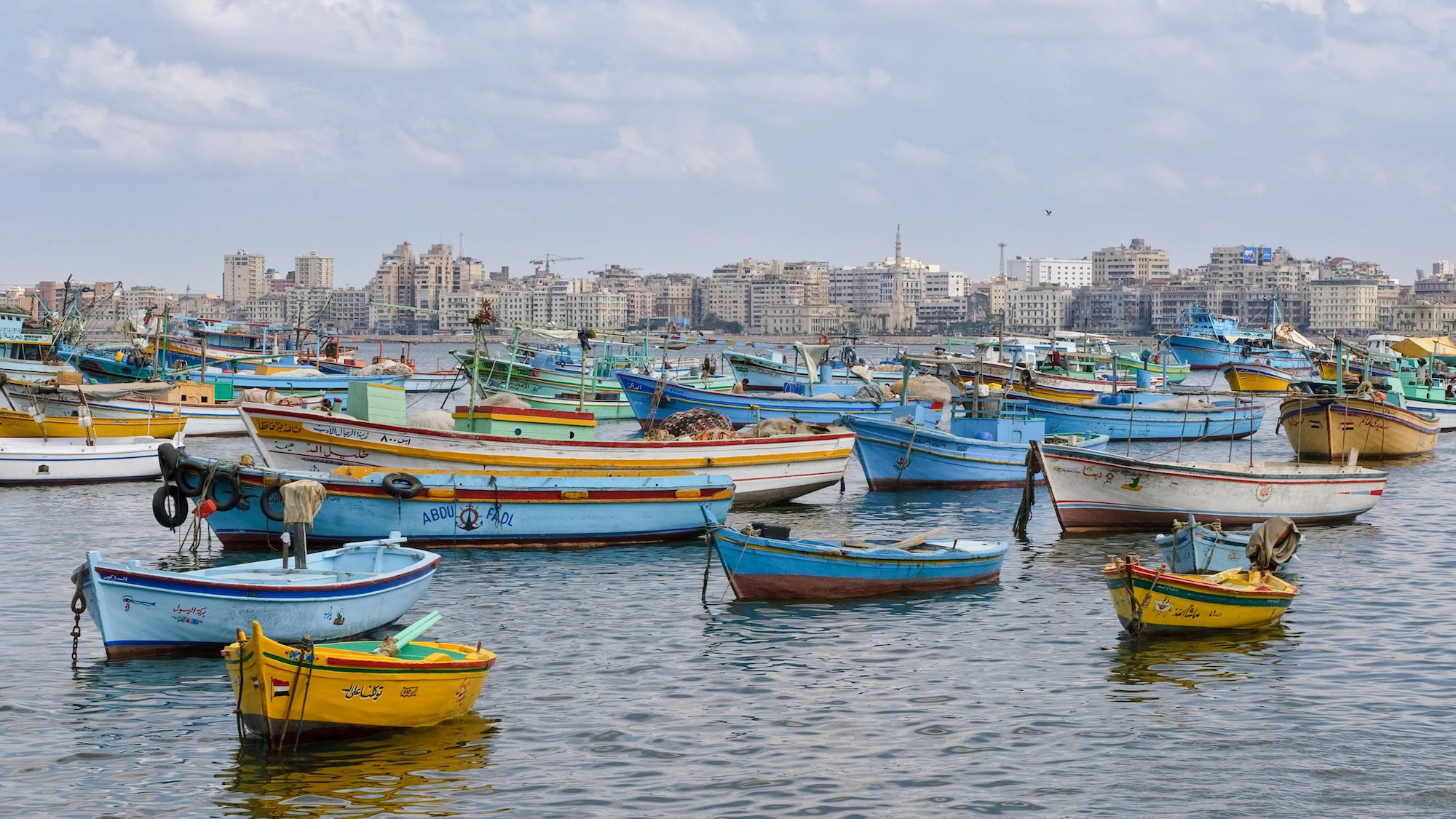
Upper Egypt maintains stronger connections to ancient cooking methods, including traditional bread ovens and charcoal grilling techniques.
National Treasures: Egypt’s Most Beloved Dishes
Every Egyptian will tell you about certain dishes that define their homeland. These recipes represent the essence of national culinary identity.
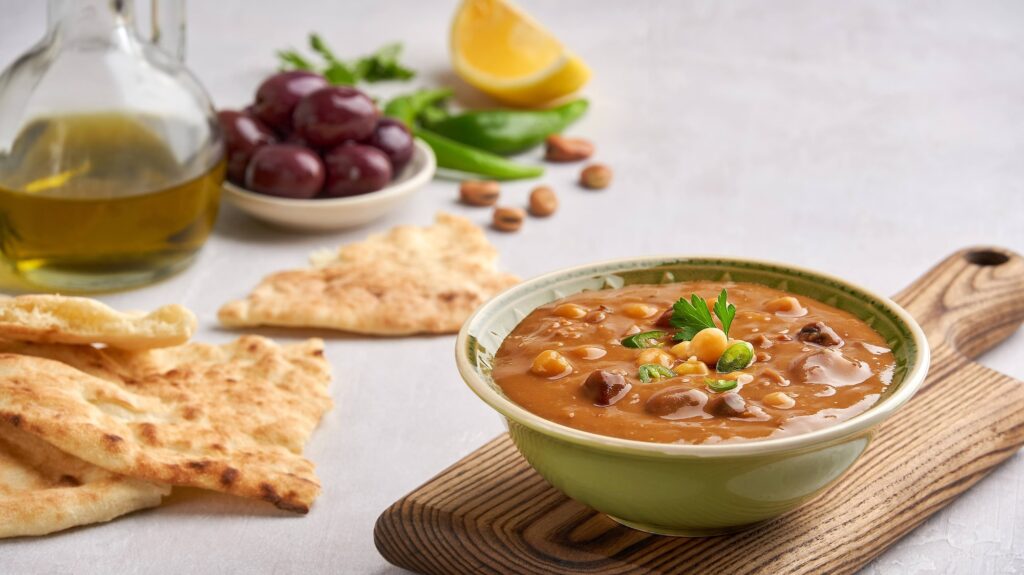
Ful medames stands as Egypt’s undisputed national dish. This simple preparation of slow-cooked fava beans appears on breakfast tables from luxury hotels to street-side vendors. We’ve watched families prepare massive pots early in the morning, seasoning the beans with garlic, lemon juice, and olive oil. The dish connects modern Egyptians to their ancestors who ate similar preparations thousands of years ago.
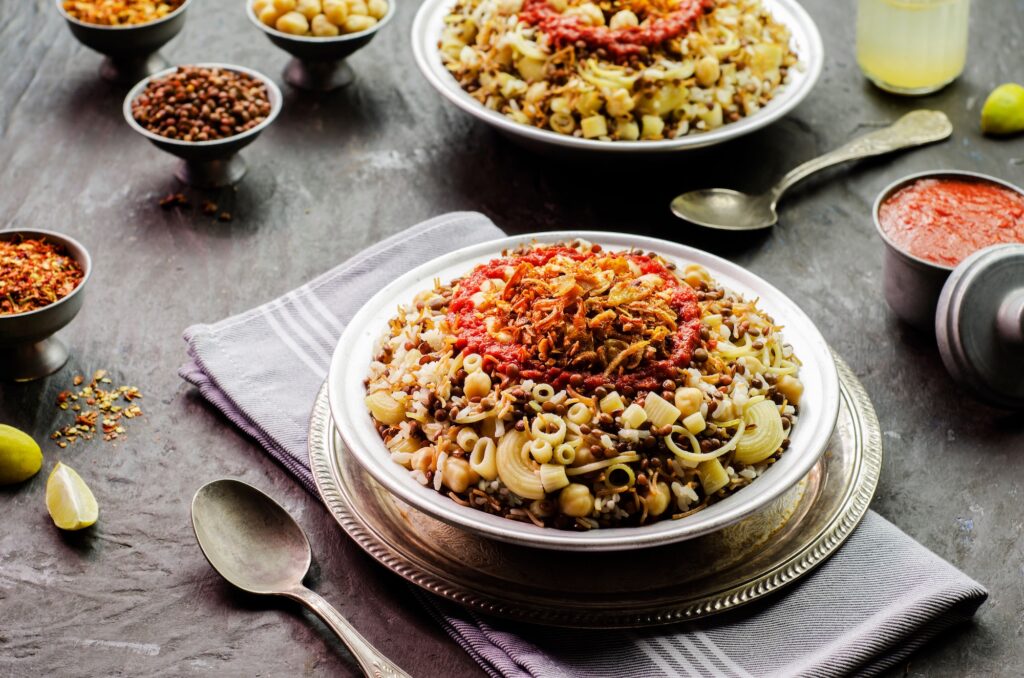
Koshari creates Egypt’s most famous street food phenomenon. Abu Tarek restaurant in Cairo serves this mixture of rice, lentils, pasta, and spiced tomato sauce to endless queues of locals and tourists. The fluorescent-lit establishment represents democratic dining at its finest – everyone from students to businesspeople shares tables while enjoying identical portions.
The Art of Egyptian Bread Making
Eish baladi represents more than food – it’s cultural identity baked into every loaf. Traditional neighborhoods still maintain communal ovens where families bring their dough for baking. The word “eish” literally translates to “life,” emphasizing bread’s fundamental importance.

Traditional bread making requires specific wheat varieties and techniques perfected over centuries. Master bakers understand fermentation timing, oven temperatures, and shaping methods that create the distinctive flavor and texture.
Meat Preparations That Tell Stories
Egyptian lamb and chicken dishes reflect centuries of spice trade influences. Kofta combines ground lamb with aromatic herbs, shaped into cylinders and grilled over charcoal. The smoky flavor creates memories that travelers carry home.
Stuffed dishes like pigeon filled with seasoned rice showcase elaborate preparation methods. These recipes often require hours of careful cooking and represent special occasion dining.
Street Food Culture and Market Adventures
Egyptian streets pulse with food vendors creating meals that cost mere Egyptian pounds while delivering authentic flavors.
Cairo’s Legendary Food Scene
Walking through Cairo markets reveals food preparation as performance art. Vendors slice fresh tamiya (Egyptian falafel) made from fava beans rather than chickpeas. The crispy exterior gives way to herbaceous interiors seasoned with parsley, cilantro, and traditional spices.
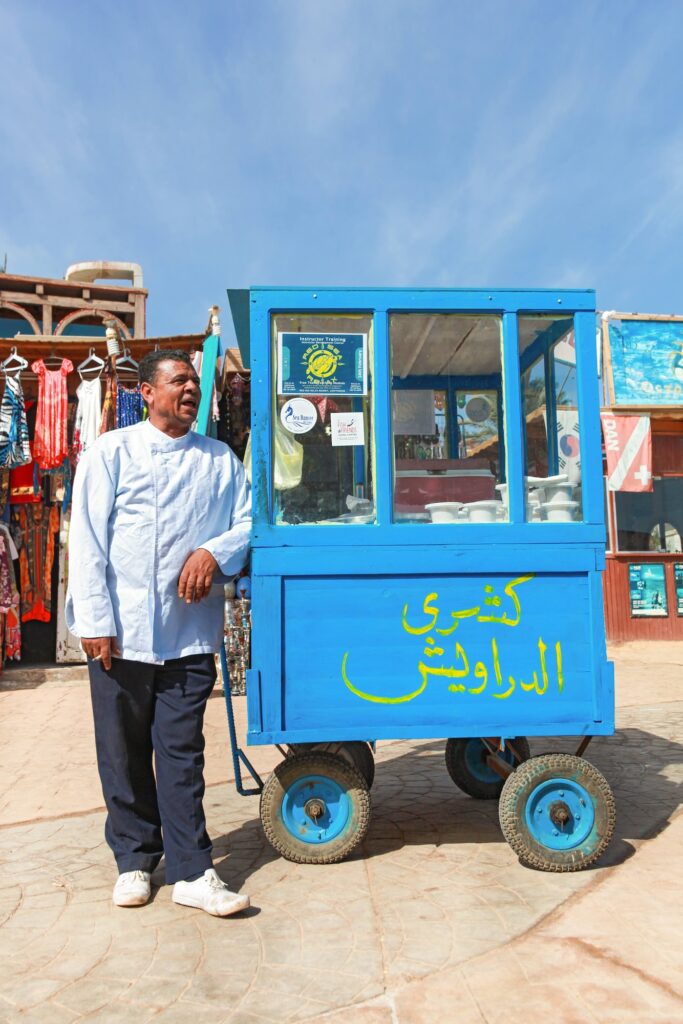
Ful carts appear throughout the city beginning before dawn. Steam rises from massive pots while vendors ladle portions into fresh bread pockets. A complete meal costs around 5 Egyptian pounds, making authentic dining accessible to everyone.
Street-side grills produce aromatic lamb and chicken shawarma throughout the day. The meat rotates slowly, developing crispy edges while maintaining juicy centers. Fresh bread, pickled vegetables, and tahini sauce complete these portable meals.
Market Traditions and Vendor Relationships
Regular customers develop relationships with specific vendors spanning years or even decades. These connections ensure consistent quality and often result in extra portions or special preparations.
Markets operate on unwritten rules about timing, territory, and customer service. Understanding these dynamics enhances any food exploration adventure.
Safety Considerations for Adventurous Eaters
Choosing vendors with high turnover ensures fresh ingredients. Look for stalls where locals consistently gather – they understand which establishments maintain proper food handling standards. Bottled water remains advisable for those with sensitive stomachs.
Trust your instincts about cleanliness and preparation methods. Street food represents authentic culture, but sensible caution protects your vacation health.
Sweet Traditions and Dessert Culture
Egyptian desserts combine Arab, Turkish, and Mediterranean influences into creations that satisfy any sweet craving. Om Ali stands as Egypt’s most beloved dessert, created from puff pastry pieces soaked in warm milk and topped with nuts and raisins. Legend connects this dessert to Ayyubid dynasty courts, though modern versions appear in homes throughout the country.
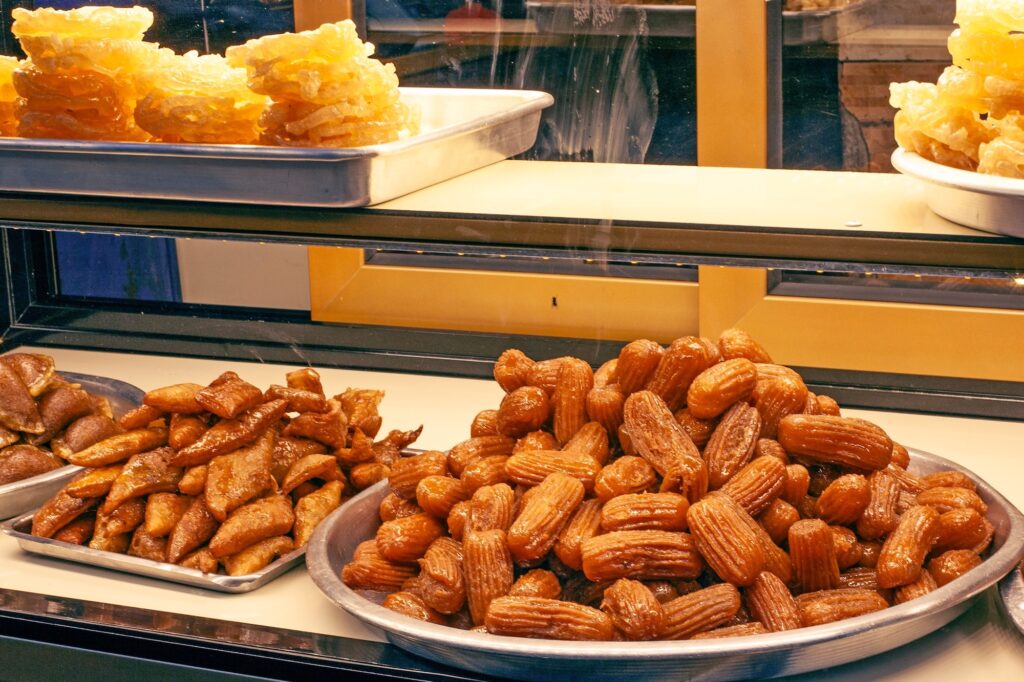
Baklava layers thin phyllo pastry with nuts and honey syrup. Egyptian versions often incorporate local honey varieties and regional nut preferences. Basbousa offers a semolina-based option soaked in aromatic syrup flavored with rose water or orange blossom.
Festival Sweets and Special Occasions
Religious holidays introduce specific dessert traditions. During Eid celebrations, families prepare elaborate sweet tables featuring multiple dessert types. Wedding celebrations call for towers of konafa filled with cream or nuts.
Ramadan brings special dessert timing as families break their fasts with dates before proceeding to more elaborate sweet preparations.
Tea Culture and Social Rituals
Egyptian tea service accompanies most dessert consumption. Strong black tea served in small glasses creates social opportunities extending meals into hours-long conversations.
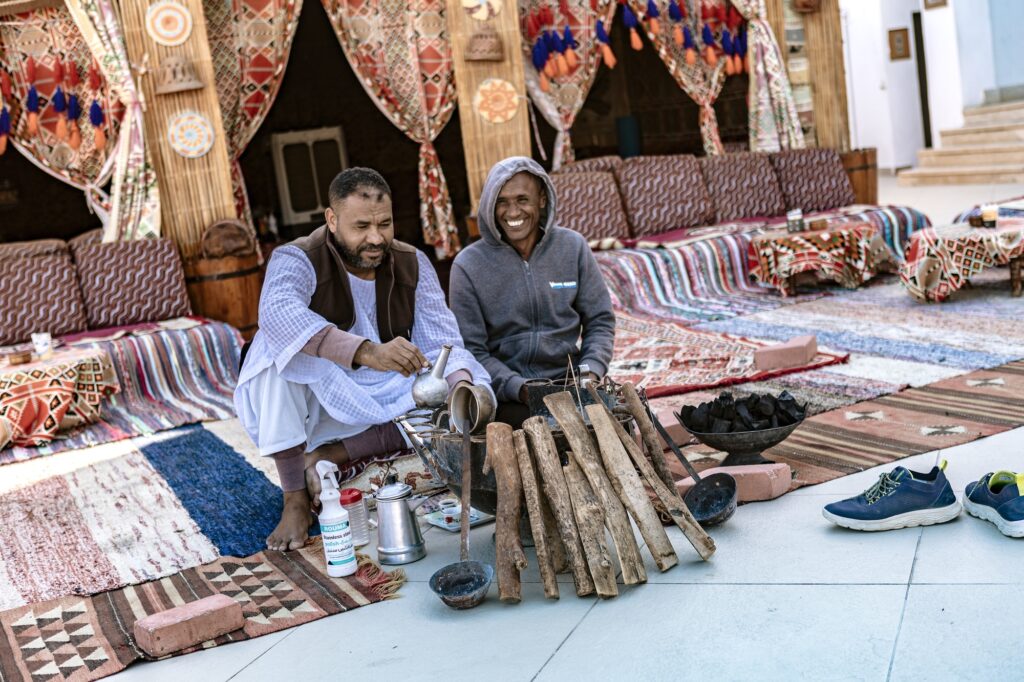
Ahwa (coffee houses) serve as community gathering places where men discuss politics, business, and family matters over endless rounds of tea and coffee.
Regional Specialties Worth Discovering
Alexandria’s Mediterranean Influence
Coastal cuisine incorporates fresh seafood unavailable in inland regions. Sayadiyah fish combines local catches with seasoned rice and aromatic spices. The dish represents fishing community traditions adapted for wider Egyptian palates.
Greek and Italian communities historically contributed recipes still found in Alexandrian restaurants. These influences create unique fusion dishes unavailable elsewhere in Egypt.
Upper Egypt’s Ancient Flavors
Southern regions maintain stronger connections to pharaonic cooking methods. Traditional tandoor ovens produce bread and roasted meats using techniques virtually unchanged for millennia.
Spice combinations in Upper Egyptian cuisine often include ingredients like fenugreek and dried lime that rarely appear in northern cooking.
Oasis Communities and Desert Adaptations
Desert oases developed preservation techniques creating unique flavors from necessity. Dried fruits, preserved vegetables, and specially prepared dairy products reflect harsh climate adaptations.
These communities often maintain food traditions isolated from broader Egyptian developments, preserving ancient techniques modern chefs now rediscover.
Planning Your Culinary Adventure
We design food-focused experiences that introduce travelers to authentic Egyptian flavors while ensuring comfortable dining conditions. Our local guides understand which restaurants maintain traditional preparation methods without compromising modern hygiene standards.
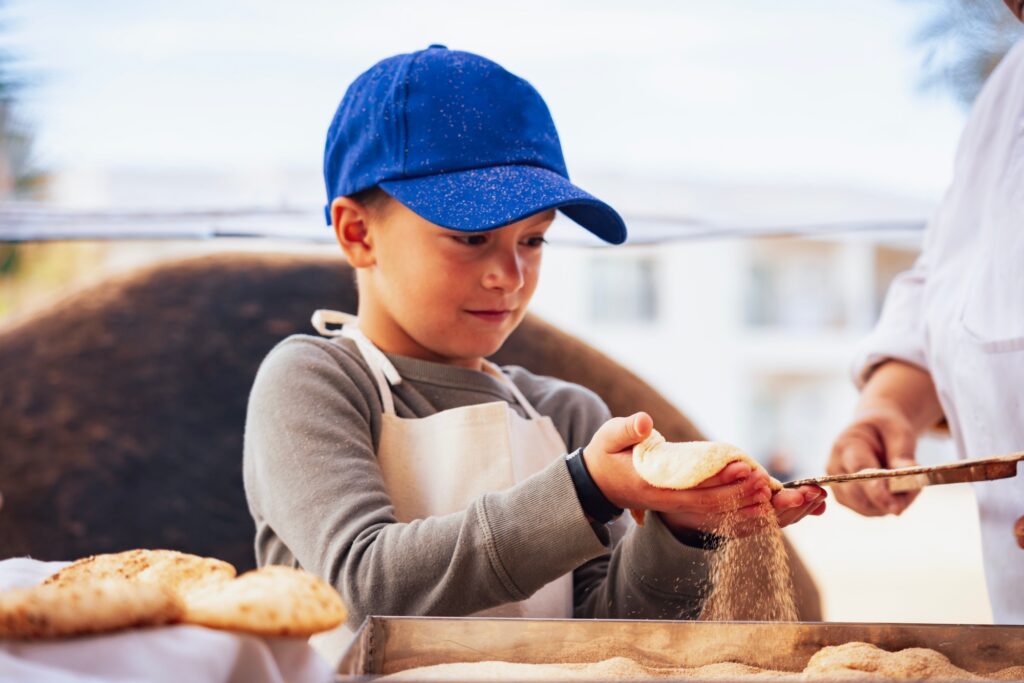
Private tours allow deeper exploration of food markets, cooking demonstrations, and family-style meals unavailable to casual tourists. We arrange meetings with master chefs, spice merchants, and food artisans who share knowledge accumulated over lifetimes.
Restaurant Recommendations by Experience Level
First-time visitors benefit from established restaurants serving traditional dishes in comfortable environments. We recommend venues where English-speaking staff explain ingredients and preparation methods.
Adventurous eaters enjoy guided market tours followed by street food sampling. These experiences require knowledgeable guides who understand food safety while maximizing authentic encounters.
Practical Tips for Food Exploration
Understanding Egyptian dining customs enhances every meal experience. Meals often begin with mezze selections including tahini, baba ganoush, and fresh vegetables. Bread accompanies virtually every dish and serves as both utensil and sustenance.
Tipping practices differ from Western standards. Small amounts for street vendors show appreciation, while restaurant tipping follows percentage guidelines similar to international norms.
Dietary Restrictions and Alternatives
Vegetarian travelers discover abundant options since many traditional Egyptian dishes focus on legumes, vegetables, and grains. Vegan requirements need careful navigation due to dairy usage in many preparations.
Religious dietary restrictions receive understanding throughout Egypt. Halal food dominates, while Coptic restaurants provide alternatives during fasting periods.
Timing Your Meals Like Locals
Egyptian meal timing differs significantly from Western schedules. Breakfast often occurs later in the morning, lunch becomes the day’s main meal, and dinner happens quite late in the evening.
Understanding these rhythms helps plan restaurant visits when kitchens operate at peak efficiency and freshest ingredients are available.
Frequently Asked Questions
What is Egypt’s most famous traditional dish?
Ful medames, made from slow-cooked fava beans, serves as Egypt’s national dish eaten throughout the country for breakfast and beyond.
Are Egyptian dishes spicy or mild?
Most traditional Egyptian food features mild to moderate seasoning, relying on herbs and aromatic spices rather than intense heat levels.
Can vegetarians find good food options in Egypt?
Yes, many traditional dishes center on legumes, vegetables, and grains, making Egypt quite vegetarian-friendly with careful menu selection.
What should first-time visitors try first?
Start with koshari, ful medames, and fresh bread to experience Egypt’s most fundamental flavors before exploring more adventurous options.
Is street food safe for tourists to eat?
Street food can be safe when choosing vendors with high turnover and visible cleanliness standards, especially with experienced local guidance.
How much do traditional meals typically cost?
Street food costs 5-15 Egyptian pounds, while restaurant meals range from 50-200 pounds depending on location and establishment type.
What’s the difference between Egyptian falafel and other varieties?
Egyptian tamiya uses fava beans instead of chickpeas, creating a different texture and flavor profile compared to Middle Eastern versions.
When do Egyptians typically eat their main meals?
Breakfast occurs between 8-10 am, lunch around 2-3 pm serves as the primary meal, and dinner happens after 8 pm.
Are there foods to avoid during certain times of year?
During Ramadan, many restaurants close during daylight hours, while Coptic fasting periods may limit certain ingredients at some establishments.
How important is bread in Egyptian dining culture?
Bread is fundamental to Egyptian meals, often serving as both utensil and staple food, with the word “eish” literally meaning “life.”
What beverages traditionally accompany Egyptian meals?
Strong black tea, coffee, fresh juices, and plenty of water complement most traditional dishes, with alcohol available in tourist-oriented establishments.
Should visitors tip food vendors and restaurant staff?
Small tips for street vendors (2-5 pounds) show appreciation, while restaurants typically expect 10-15% gratuity for good service.

Design Your Custom Tour
Explore Egypt your way by selecting only the attractions you want to visit