

Valley of the Queens – A Necropolis of the Pharaohs Wives
Step into Egypt’s most sacred necropolis, where ancient queens and royal children were laid to rest.
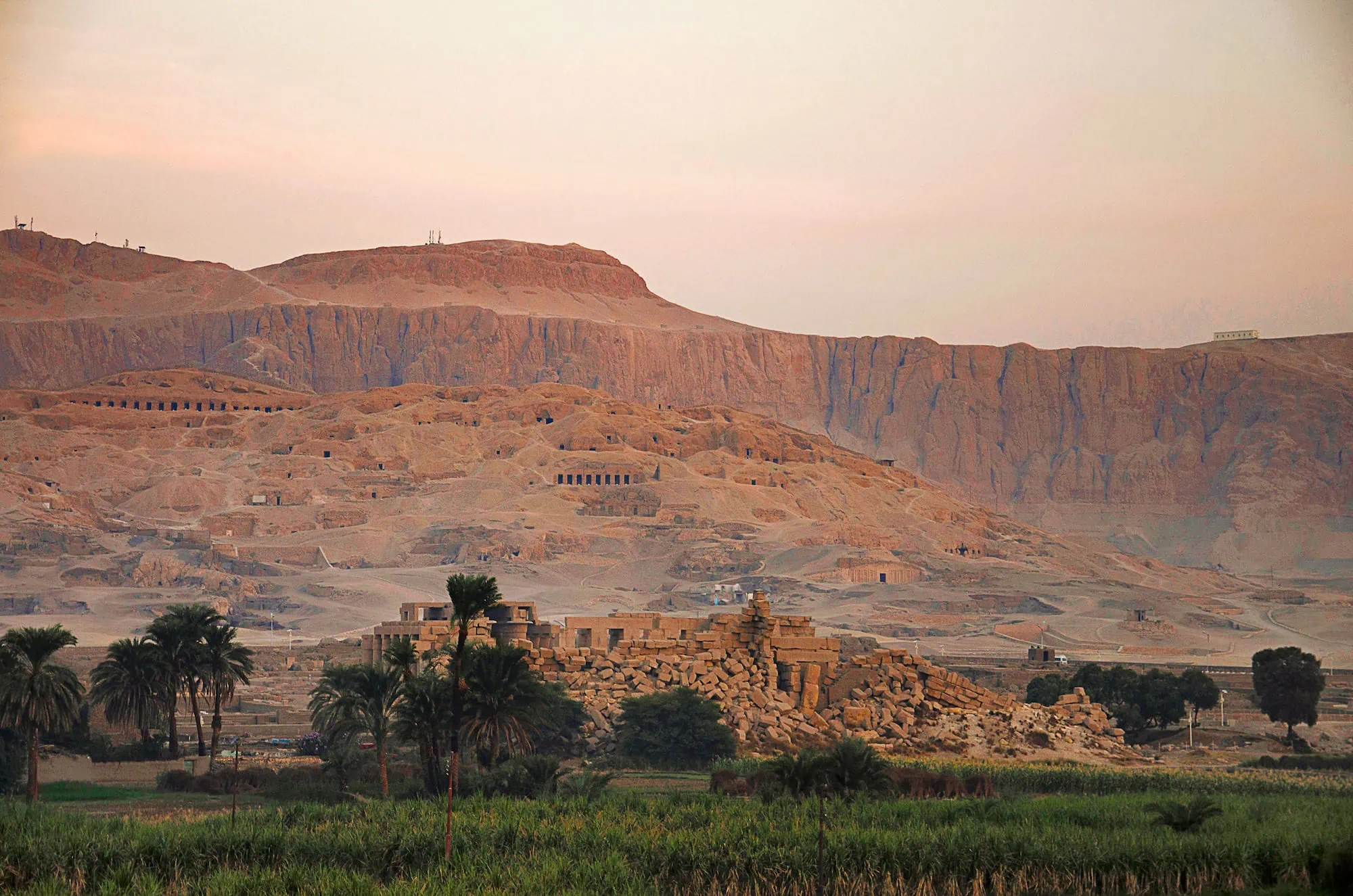
The Valley of the Queens stands as one of Egypt’s most significant archaeological sites, housing over 110 tombs carved into the limestone hills of the Theban Necropolis. Located on the west bank of the Nile near Luxor, this royal burial ground served the queens, princes, and high officials of Egypt’s New Kingdom dynasties from the 18th through 20th dynasties. Known in ancient times as Ta-Set-Neferu, meaning “The Place of Beauty,” this valley continues to captivate visitors with its stunning tomb decorations and rich historical significance.
Our decades of experience guiding visitors through Egypt’s most treasured sites has shown us that the Valley of the Queens offers an intimate glimpse into ancient Egyptian royal burial practices that you simply cannot find elsewhere.
Table of Contents
Historical Significance and Royal Burials
The valley’s history spans nearly 500 years of Egyptian royal burials. During the height of the New Kingdom period, this sacred site became the preferred resting place for Egypt’s most important women and children. The decision to establish a separate necropolis for royal family members reflected the evolving religious beliefs of ancient Egypt.
The Ramesside Period
Most tombs date to the reigns of Ramesses II and Ramesses III, when royal burial practices reached their artistic peak. The 19th and 20th dynasties saw unprecedented investment in tomb construction and decoration. Queen Nefertari’s tomb, commissioned by Ramesses II for his beloved wife, represents the pinnacle of ancient Egyptian funerary art.
Royal Children and High Officials
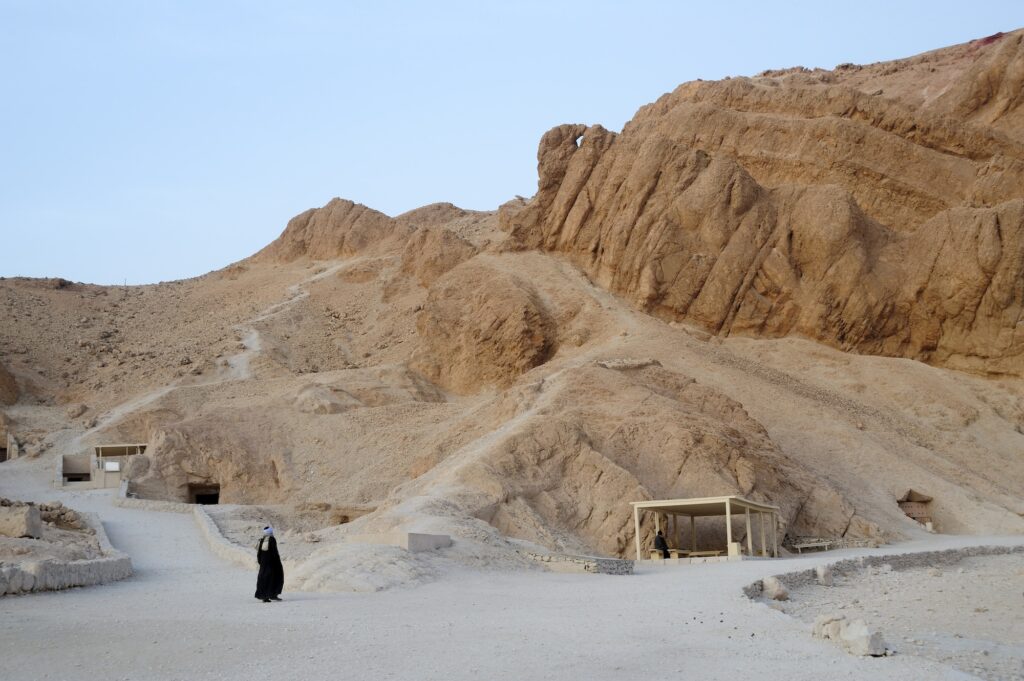
Beyond queens, the valley houses tombs of royal princes and princesses who died young. Prince Amun-her-khepeshef, son of Ramesses III, was buried here alongside other members of the royal family. High-ranking officials who served the pharaohs also earned the privilege of burial in this sacred ground.
Archaeological Discoveries
Italian archaeologist Ernesto Schiaparelli conducted the first systematic excavations in the early 1900s. His team uncovered numerous tombs, including the famous burial chamber of Queen Nefertari. Modern archaeological work continues to reveal new insights about royal burial practices and ancient Egyptian beliefs about the afterlife.
The Most Famous Tombs
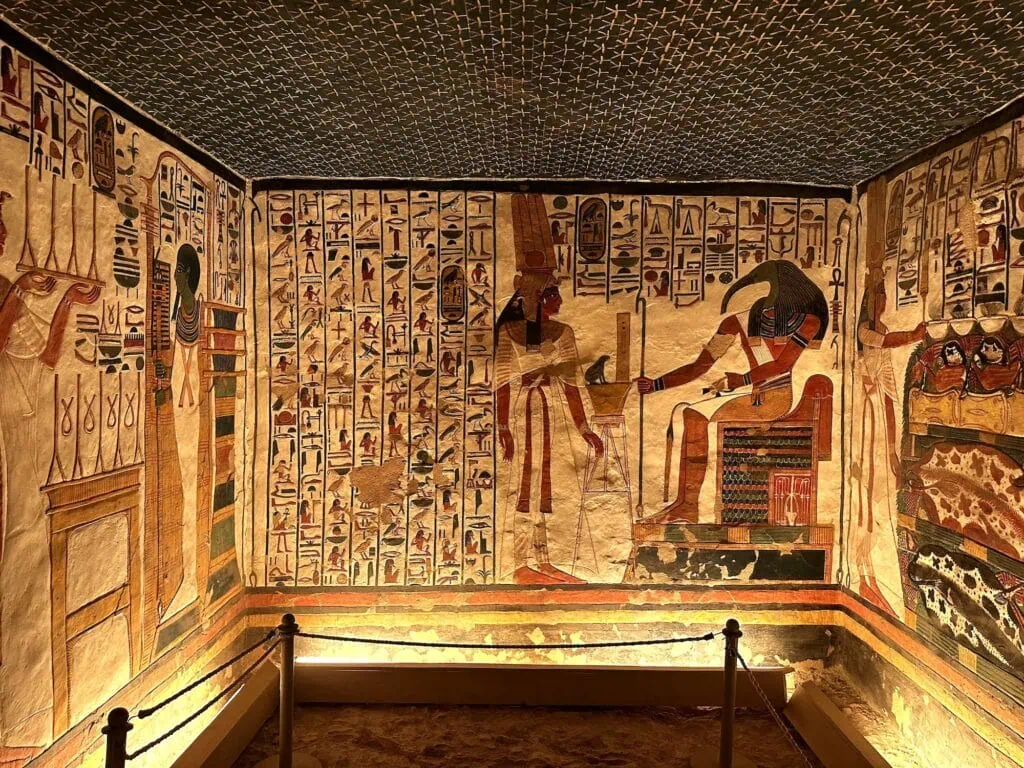
Queen Nefertari’s tomb stands as the crown jewel of the entire necropolis.
Often called the “Sistine Chapel of Ancient Egypt,” this burial chamber showcases the finest examples of pharaonic wall painting ever discovered. The vivid colors and intricate scenes depicting Nefertari’s journey through the afterlife remain remarkably preserved after more than 3,000 years. Conservation efforts have protected these masterpieces while allowing limited public access.
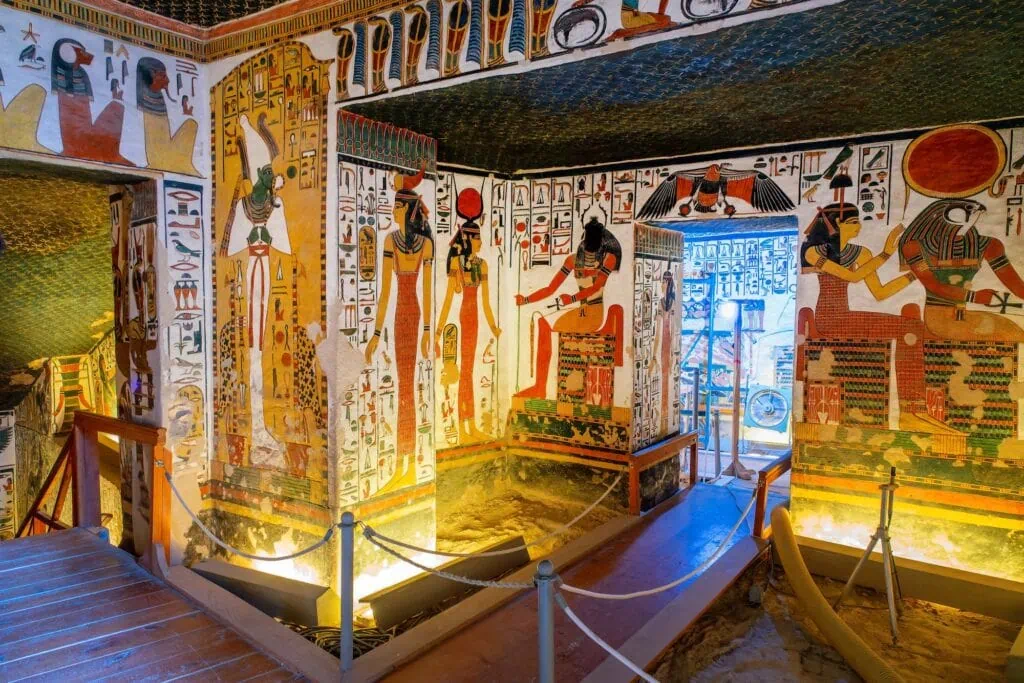
The tomb of Queen Tyti, wife of Ramesses III, features equally impressive decorations. Biblical scenes and religious texts cover the walls, providing insight into the spiritual beliefs of ancient Egyptian royalty. Prince Khaemwaset’s tomb displays unique architectural features that set it apart from other royal burials in the valley.
Artistic Masterpieces
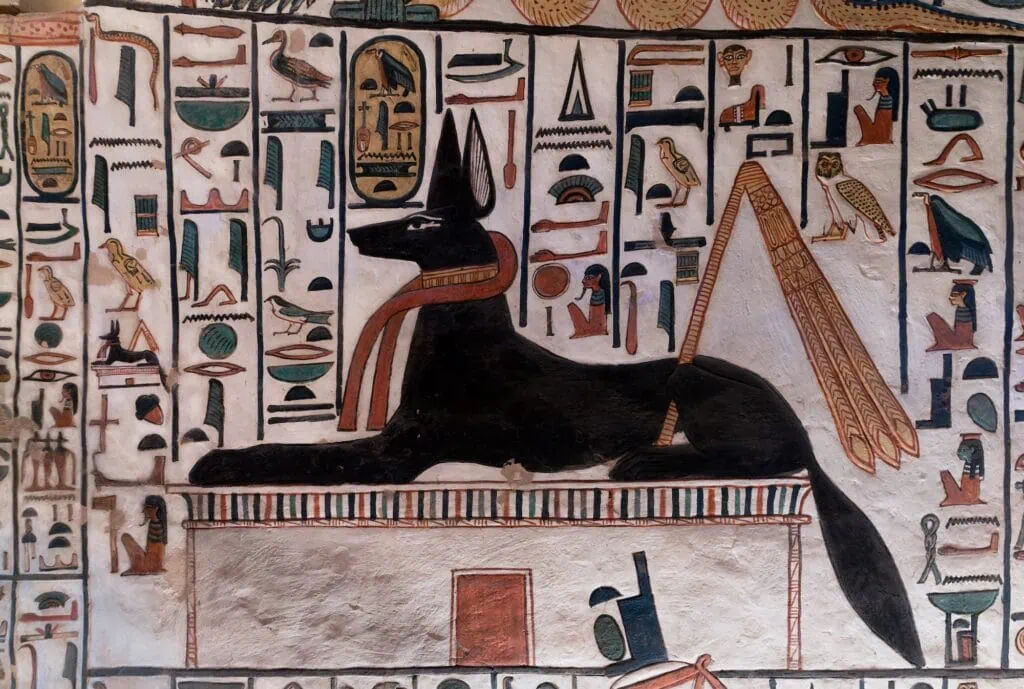
Wall paintings throughout the valley demonstrate the highest levels of ancient Egyptian artistic achievement. Scenes from the Book of the Dead guide the deceased through their journey to eternal life. The use of gold leaf, precious pigments, and masterful craftsmanship creates an otherworldly atmosphere that continues to inspire awe in modern visitors.
Planning Your Visit
Visiting the Valley of the Queens requires advance planning to make the most of your experience.
Ticket Information and Access
Standard tickets provide access to three tombs, while special tickets are required for premium sites like Nefertari’s tomb. Egyptian visitors pay reduced rates compared to international tourists. Students and certain groups may qualify for additional discounts with proper documentation.
We recommend booking tickets in advance, especially during peak tourist seasons from October through April. Opening hours run from 6:00 am (06:00) to 5:00 pm (17:00) during winter months and 6:00 am (06:00) to 6:00 pm (18:00) in summer.
What to Expect During Your Tour
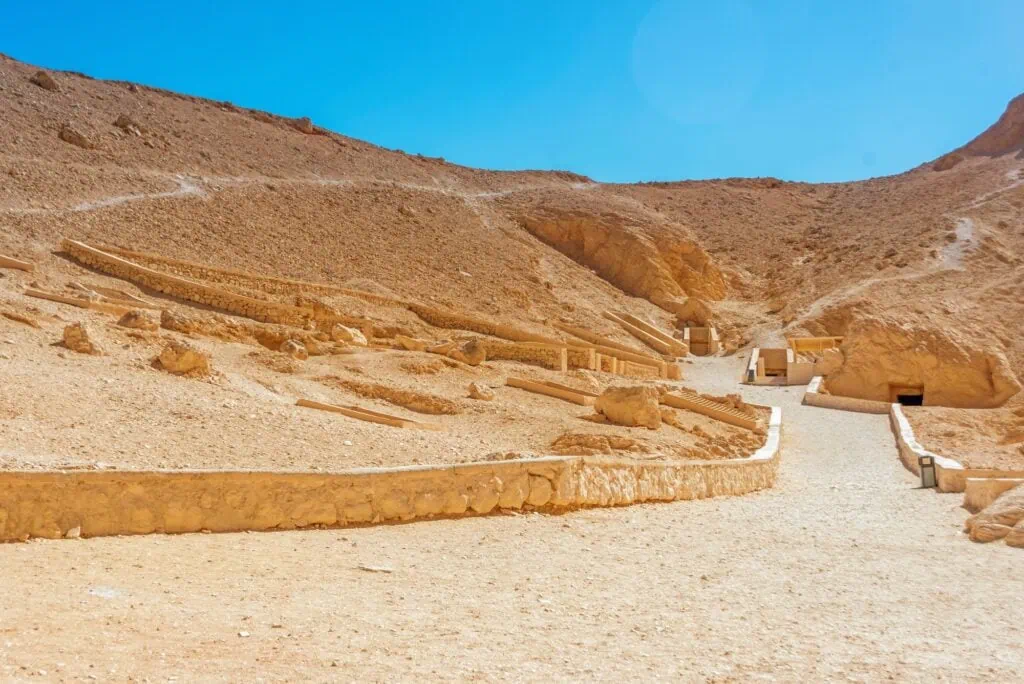
The valley consists of a main section and smaller subsidiary areas. Most accessible tombs lie within walking distance of the entrance, though the terrain can be challenging for visitors with mobility concerns. Temperature inside the tombs remains relatively constant year-round at approximately 24°C (75°F).
Photography policies vary by tomb, with some allowing pictures for an additional fee while others prohibit cameras entirely to protect ancient artwork. Our expert guides provide detailed explanations of the historical context and artistic significance of each site you visit.
Best Times to Visit
Early morning visits offer cooler temperatures and fewer crowds. The golden hour lighting enhances the natural beauty of the surrounding landscape. Weekday visits typically provide a more peaceful experience compared to weekends when domestic tourism increases.
Conservation Challenges and UNESCO Protection
Modern preservation efforts face significant environmental and human pressures. Flash flooding poses a constant threat to the ancient tombs, with dramatic weather events causing damage to priceless artifacts and decorations. Climate change has intensified these challenges in recent decades.
Tourism impact requires careful management to balance public access with long-term preservation. Humidity from visitors’ breath and body heat gradually affects the delicate wall paintings. Restricted visitor numbers and time limits help minimize damage while allowing people to experience these remarkable sites.
The entire Theban Necropolis, including the Valley of the Queens, received UNESCO World Heritage Site designation in 1979. This recognition brought international attention to conservation needs and funding for ongoing preservation projects. Collaboration between Egyptian authorities and international organizations continues to protect these irreplaceable cultural treasures.
Bat colonies that inhabit some tombs create additional conservation challenges. While these creatures play important ecological roles, their presence affects air quality and cleanliness within burial chambers. Scientists work to balance wildlife protection with archaeological preservation.
Getting There and Practical Information
The Valley of the Queens sits approximately 2 km (1.2 miles) from the more famous Valley of the Kings. Most visitors combine both sites in a single day trip from Luxor. The journey from central Luxor takes about 20 minutes by car or taxi.

Public transportation options include local buses and shared taxis, though private transportation offers greater comfort and flexibility for exploring multiple archaeological sites. We provide modern, air-conditioned vehicles with experienced drivers who understand the area’s road conditions and parking requirements.
The site includes basic visitor facilities such as restrooms and a small shop selling refreshments and souvenirs. However, we recommend bringing water and sun protection, especially during summer months when temperatures can exceed 40°C (104°F).
For U.S. Visitors
Americans need a valid passport and tourist visa to enter Egypt. The visa can be obtained on arrival at Cairo or Luxor airports for $25, or applied for in advance through Egyptian consulates. The process typically takes 15-30 minutes at the airport.
European Union citizens follow similar visa requirements, while some Latin American countries have different arrangements. Canadian and Australian visitors use the same visa-on-arrival system as Americans.
What Sets Egypt Tours Plus Apart
Our award-winning service includes private qualified guides who bring these ancient sites to life through expert storytelling and historical context. With decades of experience, we understand exactly how to pace your visit for maximum impact while respecting the sacred nature of these royal burial grounds.
We provide 24/7 customer support throughout your journey, ensuring any questions or concerns receive immediate attention. Our modern vehicles and personal drivers eliminate the stress of navigation and parking, allowing you to focus entirely on the incredible experience of exploring ancient Egypt’s most treasured royal necropolis.
Step Into Royal Elegance At The Valley Of The Queens
The Valley of the Queens reveals a more intimate and beautifully preserved side of ancient Egypt—where richly decorated tombs tell the stories of royal women and their legacy. With EgyptToursPlus, we seamlessly include this remarkable site in a private journey that connects Luxor’s most iconic landmarks with deeper, more refined discoveries.
You choose your travel dates, your pace, and the experiences that shape your route. From exclusive tomb visits and expert-guided exploration to Nile cruises and refined comfort throughout, we tailor every detail around your preferences—ensuring a smooth, immersive, and deeply personal travel experience.
Frequently Asked Questions
The Valley of the Queens typically has four tombs open to regular visitors at any given time, although access changes periodically because of conservation work and restoration schedules. Located on Luxor’s West Bank near the Valley of the Kings, the necropolis contains more than 90 known tombs dating mainly to the New Kingdom period. Additional premium tombs, including Queen Nefertari’s famous burial chamber, usually require separate tickets and advance reservation. Tomb rotation helps protect fragile wall paintings from humidity and visitor impact.
Queen Nefertari’s tomb is widely considered worth the additional admission cost because it contains some of the finest preserved wall paintings from ancient Egypt. Known as QV66, the tomb dates to the reign of Ramesses II in the 13th century BCE and features intensely vivid pigments, celestial ceilings, and detailed funerary scenes that survived for more than 3,000 years. Visitor numbers are tightly controlled to reduce humidity damage inside the chambers. Art historians often rank it among the world’s most important decorated tombs.
Children are welcome at the Valley of the Queens, and visitors under age 6 often receive free entry depending on current ticket policies. The site’s decorated tombs and stories of queens and royal families can be engaging for older children, although the terrain includes uneven desert pathways, stairways, and warm underground chambers that may challenge very young visitors. Luxor’s temperatures frequently exceed 95°F (35°C) outside winter months. Morning visits are usually more comfortable for families traveling with children.
Most travelers spend 2 to 3 hours exploring the Valley of the Queens, including time for tomb interiors, photography, and walking between burial chambers. Visitors entering premium tombs such as Queen Nefertari’s often require additional time because of controlled entry procedures and the level of artistic detail inside the chambers. The necropolis sits on Luxor’s West Bank near sites such as Hatshepsut Temple and Medinet Habu, so many itineraries combine multiple attractions within a half-day excursion. Early morning visits generally provide cooler conditions and lighter crowds.
Large bags, tripods, drones, and professional photography equipment are generally restricted inside the Valley of the Queens to protect fragile archaeological areas and improve visitor flow. Flash photography is commonly prohibited because repeated exposure can damage pigments that have survived inside tombs since the New Kingdom period more than 3,000 years ago. Security checks are standard at major Luxor archaeological sites, and regulations may change depending on conservation work. Carrying only water, small personal items, and a phone or compact camera is usually recommended.
The Valley of the Queens primarily served as the burial place for royal women and children, while the Valley of the Kings was reserved mainly for pharaohs and powerful rulers of ancient Egypt’s New Kingdom. Both necropolises are located on Luxor’s West Bank, but the Queens’ Valley is generally quieter and more focused on artistic decoration than monumental scale. Tombs in the Valley of the Queens often contain vividly colored paintings and intimate religious scenes. The Valley of the Kings, by contrast, emphasizes larger royal tomb architecture and funerary engineering.
The Valley of the Queens is considered very safe for tourists, with Egyptian tourism police and site security regularly monitoring the surrounding archaeological zone. Located within Luxor’s heavily visited West Bank region, the site receives organized tours, private guides, and international visitors throughout the year. Pathways and tomb entrances are supervised to protect both visitors and ancient artwork. Travelers should still prepare for strong desert sun and high temperatures, particularly from May through September when midday heat can become intense.
Visitors with claustrophobia can still enjoy parts of the Valley of the Queens, although some tombs contain narrow corridors, low ceilings, and enclosed underground chambers. Certain burial chambers are relatively short and open compared with deeper royal tombs in the Valley of the Kings, which can make the experience more manageable for sensitive travelers. Queen Nefertari’s tomb includes several compact passageways connected by decorated rooms and stair sections. Discussing concerns with a guide beforehand helps identify tombs that feel less confined.
Visitors to the Valley of the Queens should wear breathable clothing, comfortable walking shoes, and strong sun protection suitable for Luxor’s desert climate. Lightweight fabrics that cover shoulders and knees are recommended both for comfort and for respectful travel practices at historical and cultural sites in Egypt. The necropolis involves walking across exposed desert terrain with limited shade, and temperatures frequently exceed 95°F (35°C) during warmer months. Hats, sunglasses, and sunscreen are especially important for daytime visits on Luxor’s West Bank.
The Valley of the Queens can be explored independently, but guided tours provide significantly deeper understanding of the tomb artwork, symbolism, and royal family history connected to the site. Many burial chambers contain complex funerary texts, depictions of gods, and religious scenes that are difficult to interpret without expert explanation from a licensed Egyptologist. Egypt Tours Plus and similar operators often combine the valley with nearby West Bank monuments for broader historical context. Guided visits also help travelers navigate changing tomb access policies more efficiently.
Design Your Custom Tour
Explore Egypt your way by selecting only the attractions you want to visit