

Everything you need to know about visiting Alexandria
Alexandria Travel Guide
Our complete Alexandria Travel Guide — built by specialists who’ve been guiding travelers through Egypt’s Mediterranean jewel since 1955 — brings together our top Alexandria trips, an in-depth guide to its Greco-Roman sites and Mediterranean coastline, handpicked excursions, and answers to the questions every first-time visitor asks.
Welcome to Egypt’s Mediterranean Jewel
Ancient Egypt’s intellectual capital awaits your discovery.
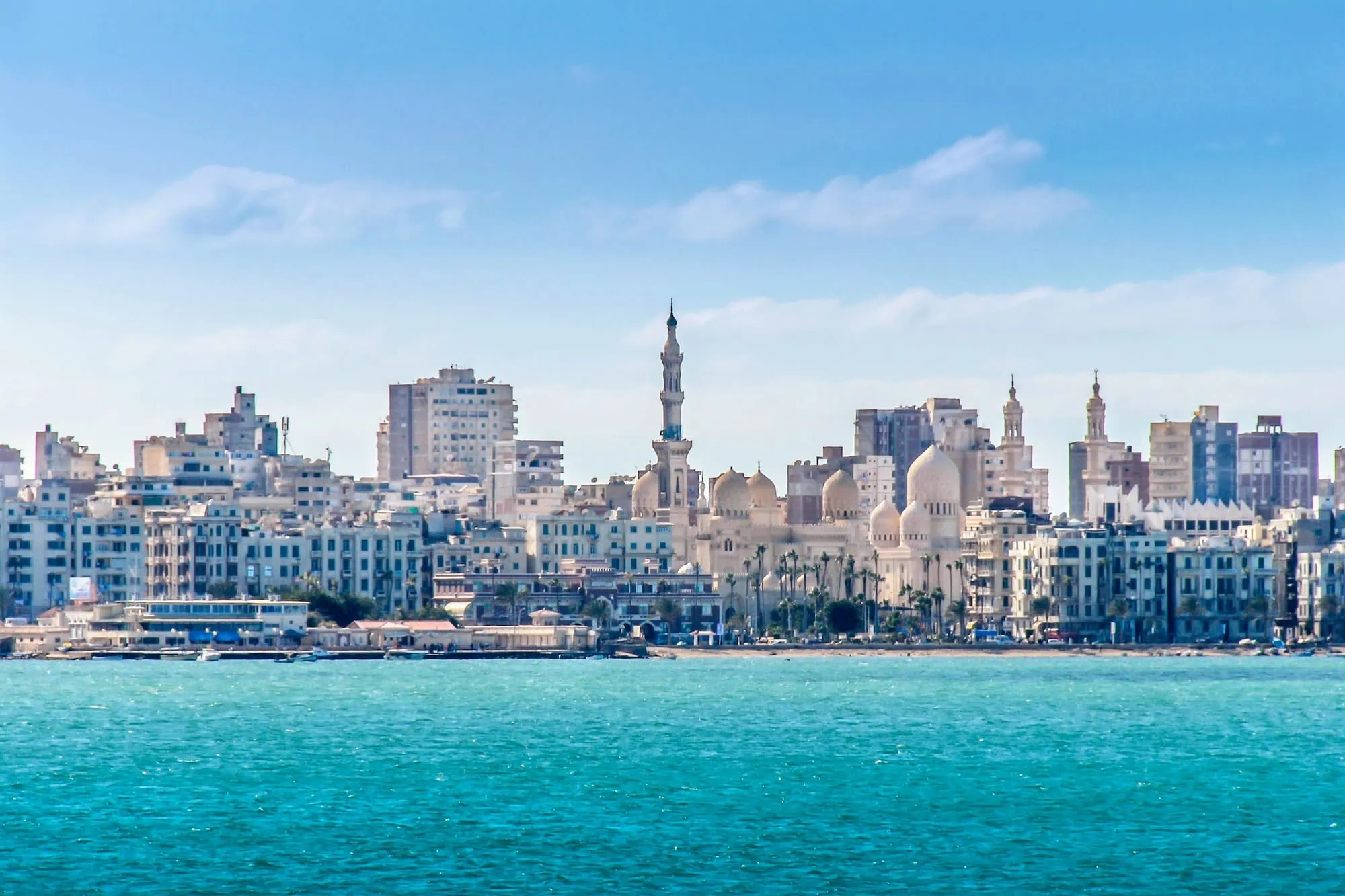
Alexandria captivates travelers with its unique Mediterranean character, standing in sharp contrast to the desert landscapes typically associated with Egypt. Founded by Alexander the Great in 331 BCE, this coastal city seamlessly blends millennia of history with modern Egyptian life.
The Mediterranean breeze carries stories of ancient libraries, underwater palaces, and legendary queens, while bustling markets and seaside cafes remind you that Alexandria pulses with contemporary energy.
Whether you’re drawn by the archaeological wonders or simply seeking Egypt’s most European-feeling destination, Alexandria delivers experiences you won’t find elsewhere in the country. We’ve spent decades guiding travelers through this fascinating city, and our expertise ensures you’ll uncover both famous landmarks and hidden corners that make Alexandria truly special.
Table of Contents
Getting to Alexandria: Your Journey Begins Here
Cairo serves as your primary gateway to Alexandria, with most international flights arriving at Cairo International Airport. The journey between Egypt’s capital and its Mediterranean jewel offers several comfortable options that fit different travel styles and budgets.
Train Travel: The Scenic Route
Egyptian National Railways operates regular services between Cairo and Alexandria, with the journey taking approximately 2.5 hours. First-class carriages provide air conditioning and comfortable seating, making this an excellent choice for travelers who enjoy watching Egyptian countryside unfold through the window.
Trains depart from Cairo’s Ramses Station several times daily, with morning departures (8:00 am / 08:00) offering the best combination of schedule convenience and scenic lighting.
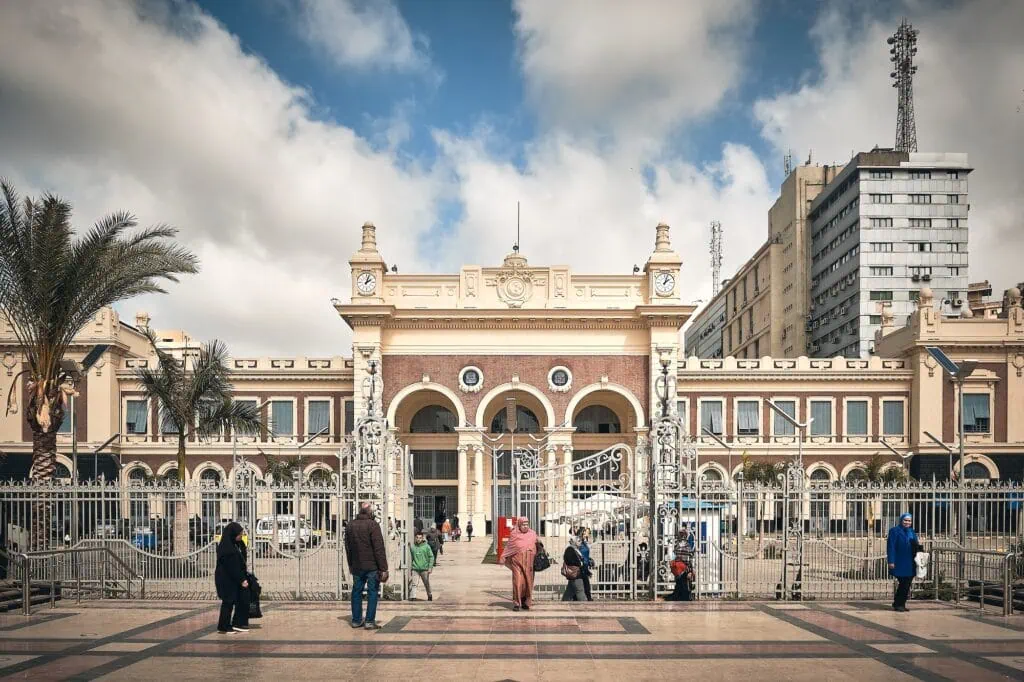
Book tickets at least one day in advance, especially during Egyptian holidays and peak tourist seasons. The train station in Alexandria sits centrally located, making onward travel to your accommodation straightforward.
Bus Services: Budget-Friendly Alternative
Several bus companies connect Cairo with Alexandria, offering a more economical option with journey times around 3 hours. Air-conditioned coaches depart regularly from Cairo’s Turgoman Station, with tickets available on the day of travel.
While less scenic than the train, buses provide reliable transportation and drop you near Alexandria’s city center.
Private Transport: Maximum Flexibility
Our private vehicle service eliminates the uncertainty of public transport schedules. Your dedicated driver meets you at Cairo airport or your hotel, ensuring a seamless transition to Alexandria.
The 220-kilometer (137-mile) journey becomes part of your Egyptian adventure as you travel in comfort with personalized attention and flexibility to stop for photos or refreshments.
This option proves particularly valuable for families, travelers with mobility considerations, or those arriving on international flights with specific timing requirements.
Historical Treasures That Define Alexandria
Alexandria’s archaeological sites tell the story of a city that once rivaled Rome in importance. These carefully preserved locations offer glimpses into different chapters of human civilization, from Hellenistic grandeur to Roman engineering prowess.
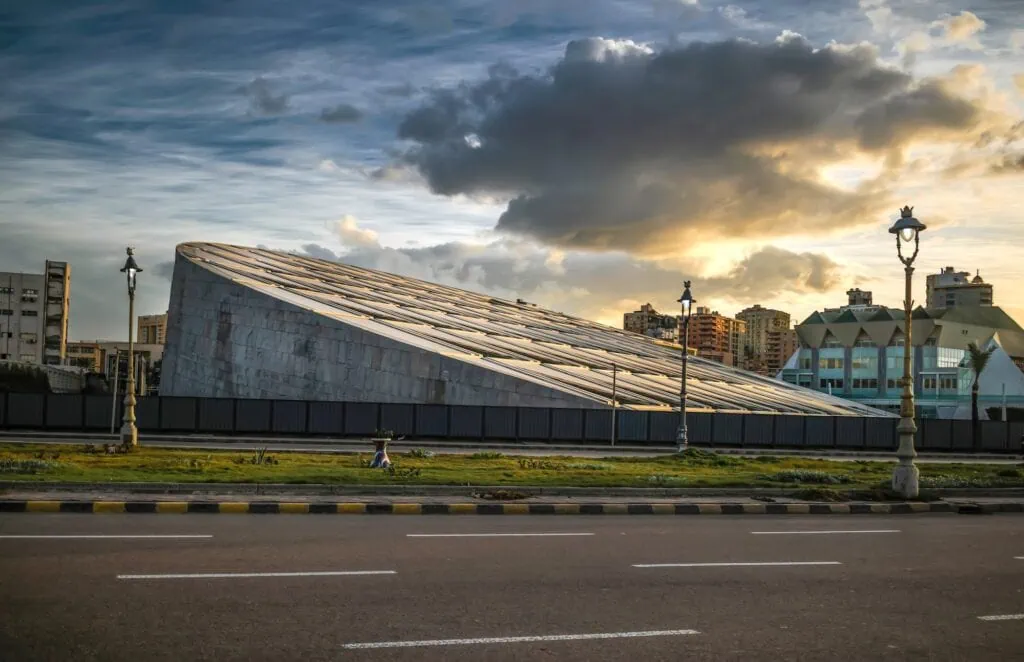
The Bibliotheca Alexandrina stands as modern Alexandria’s most striking landmark, built to honor the ancient Library of Alexandria that once housed humanity’s greatest collection of knowledge. This contemporary architectural marvel houses manuscripts, exhibitions, and research facilities that continue Alexandria’s intellectual tradition.
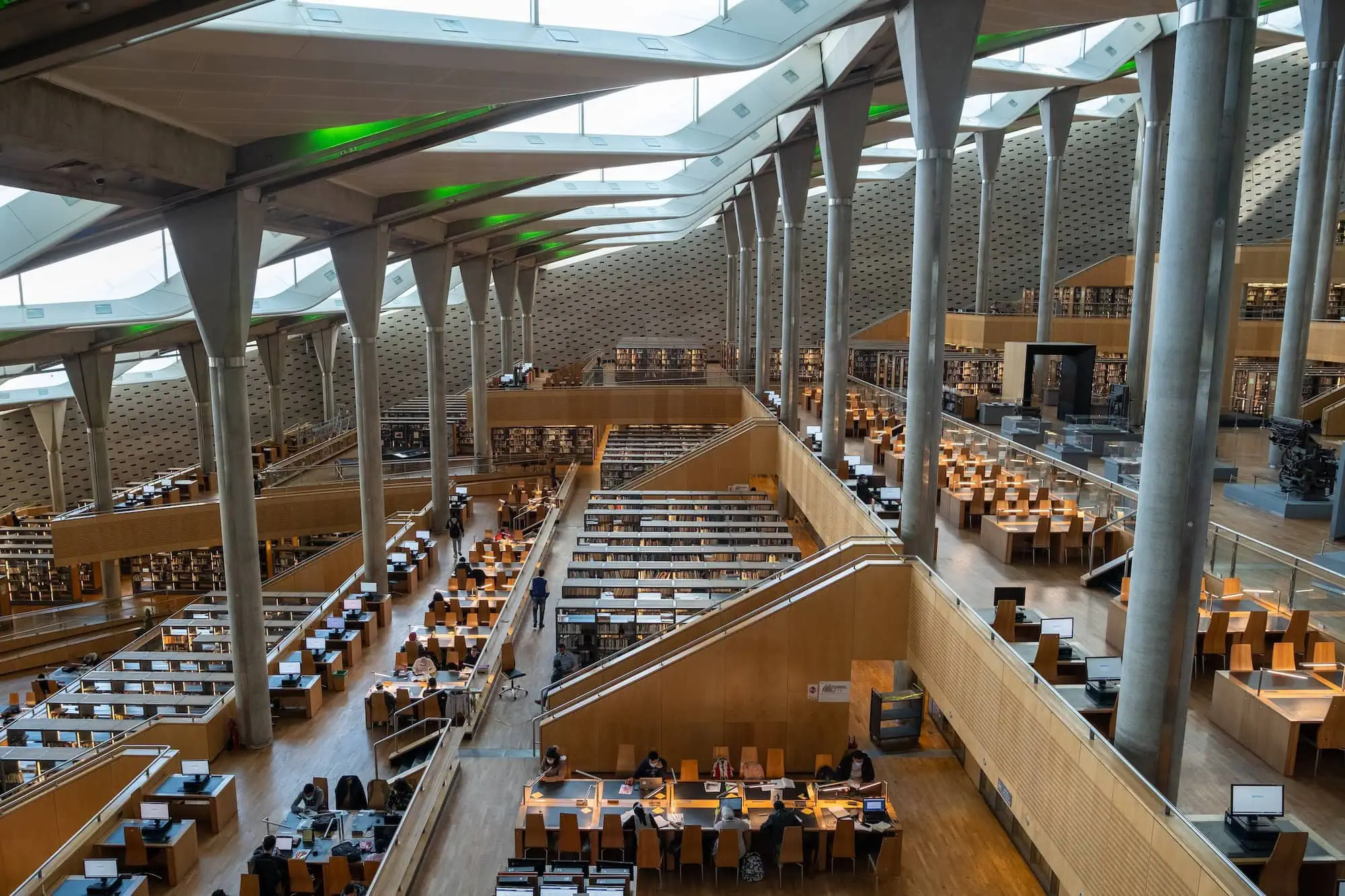
The building’s tilted disc design creates dramatic lighting effects throughout the day, while its facade displays characters from every alphabet known to humanity.
Walking through the library’s halls connects you with scholars and thinkers who traveled from across the ancient world to study here. The planetarium and several specialized museums within the complex provide additional layers of discovery beyond the main library spaces.
Underground Marvels: The Catacombs of Kom el Shoqafa
Descend into the Catacombs of Kom el Shoqafa, Alexandria’s most mysterious archaeological site, where three levels of tombs carved from solid rock reveal the unique cultural fusion that characterized ancient Alexandria. These Roman-period catacombs blend Egyptian, Greek, and Roman artistic traditions in ways found nowhere else in the world.
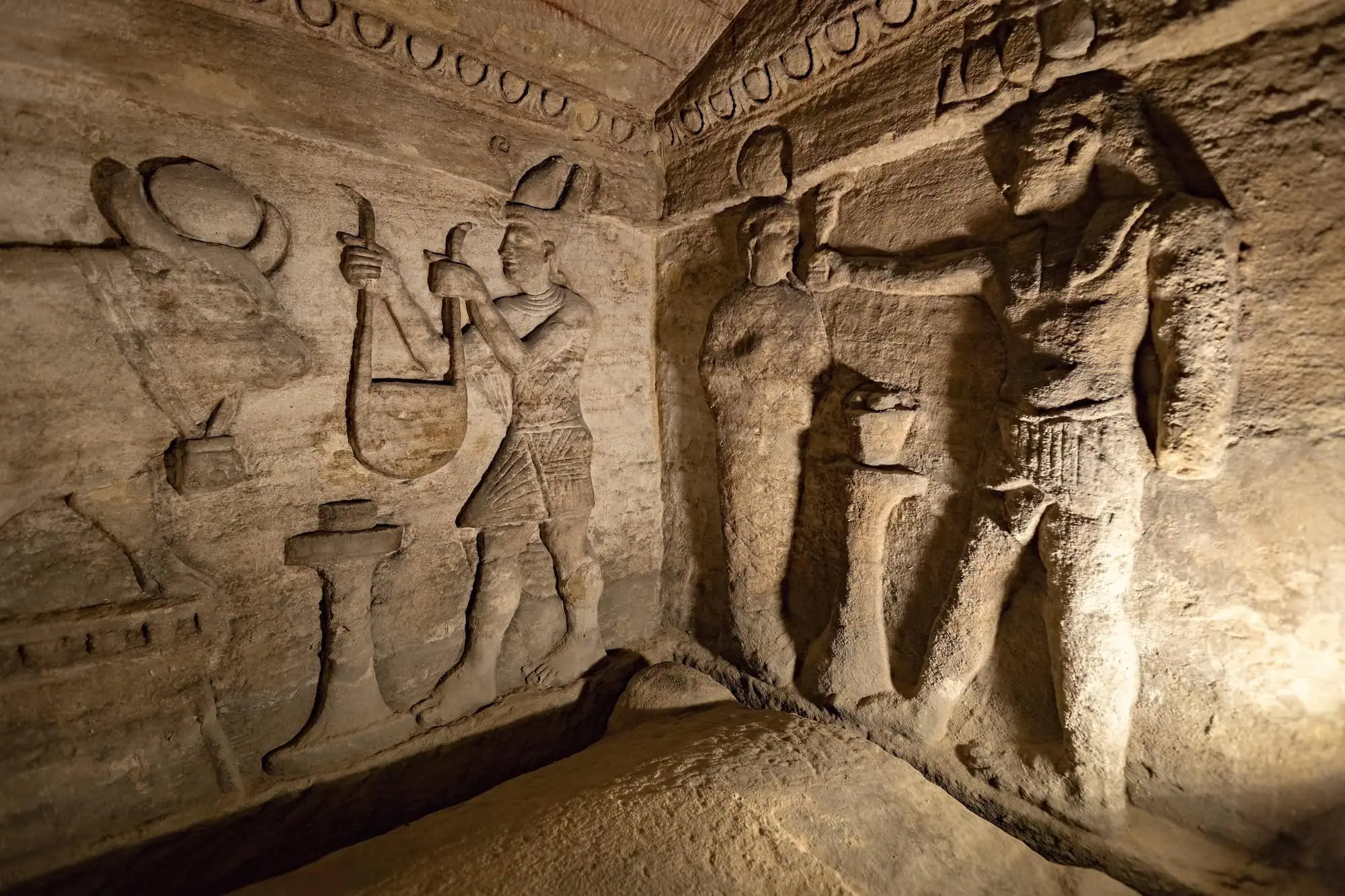
The intricate carvings and architectural details become more impressive as your eyes adjust to the underground environment. Local guides enhance the experience by explaining the symbolic meanings behind the decorative elements and the practical aspects of ancient burial customs.
Citadel of Qaitbay: Guardian of the Harbor
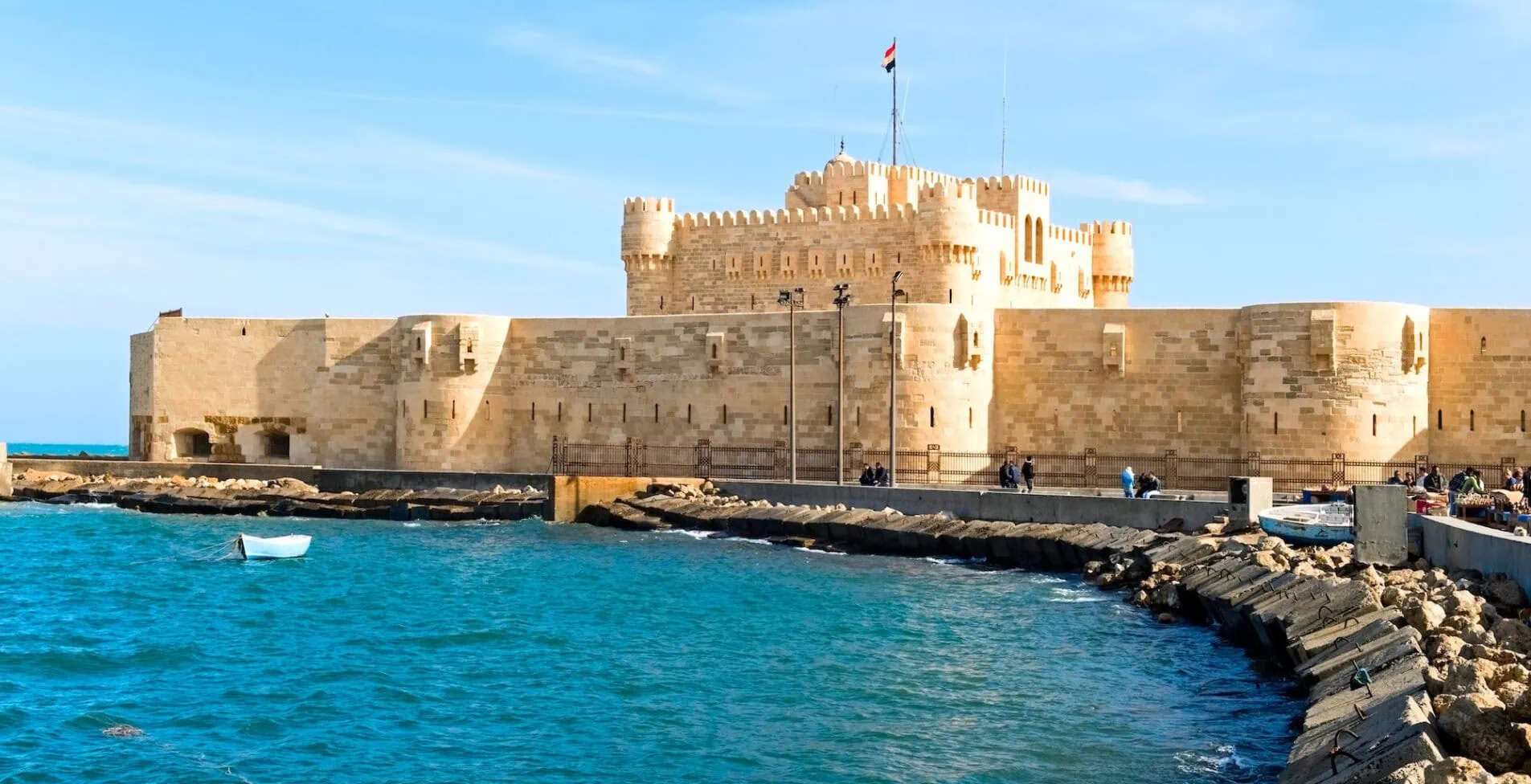
Built on the exact location of Alexandria’s ancient lighthouse — one of the Seven Wonders of the Ancient World — the Citadel of Qaitbay has guarded the entrance to Alexandria’s Eastern Harbor since the 15th century. The fortress’s strategic position offers panoramic views across the Mediterranean, while its thick walls and defensive architecture tell stories of medieval conflicts and Ottoman rule.

Explore the fortress chambers and walkways while imagining the ancient Pharos lighthouse that once stood here, guiding ships safely to Alexandria’s harbor for over a thousand years.
Alexandria’s Mediterranean Character
The Corniche waterfront promenade stretches for kilometers along Alexandria’s coast, creating a pedestrian-friendly corridor between the city’s historic core and the sparkling Mediterranean Sea. This seaside boulevard captures Alexandria’s unique atmosphere better than any single location.
Early morning walks along the Corniche reveal Alexandria awakening to Mediterranean rhythms. Fishermen prepare their nets while coffee vendors set up their stalls, and the morning light transforms the sea into countless diamonds.
The promenade continues to evolve throughout the day, hosting families, couples, and solo travelers who come to enjoy the cooling sea breeze.
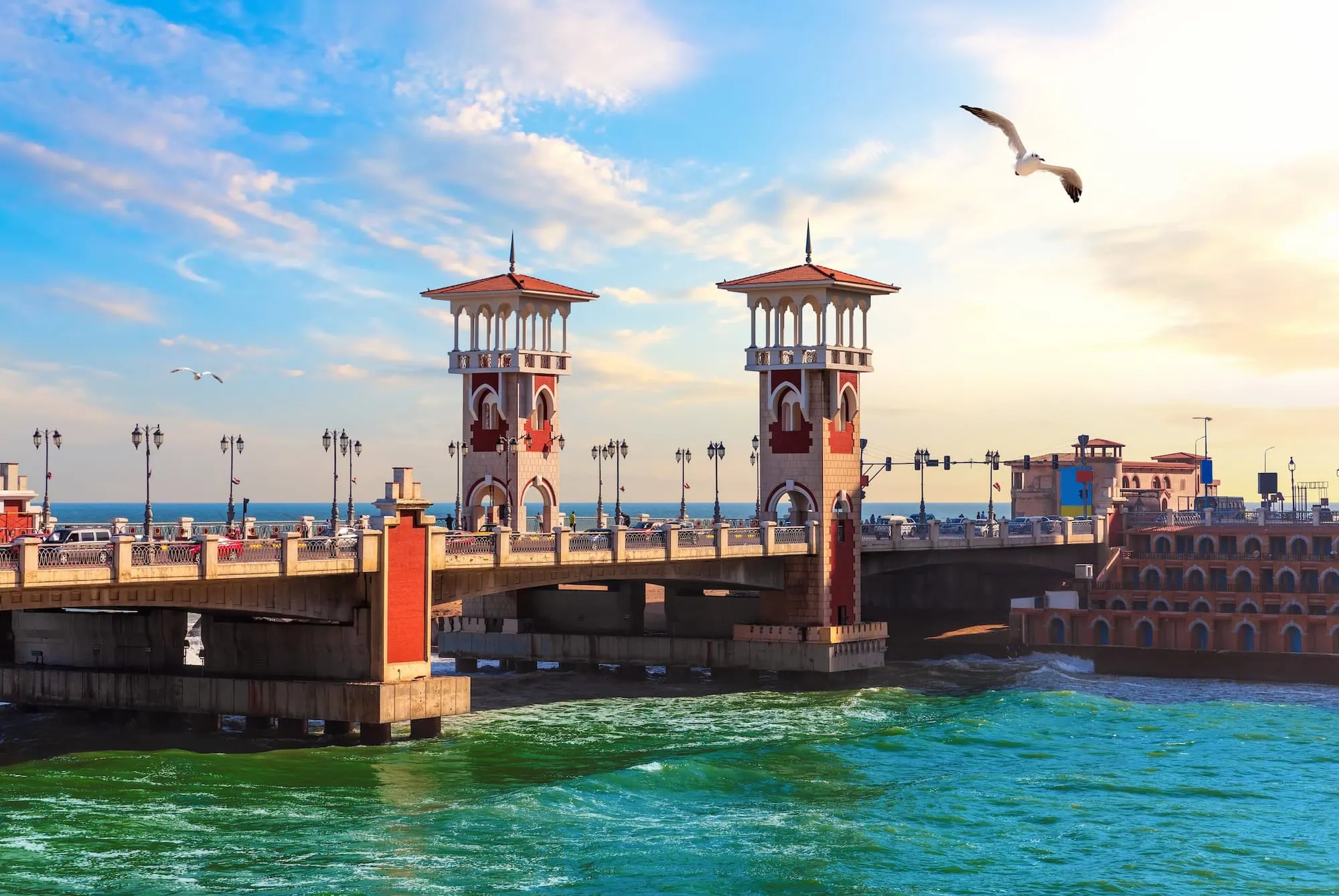
Stanley Bridge marks one of the Corniche’s most photographed spots, where the promenade extends into the sea on a graceful arch of stone and steel. The bridge provides an excellent vantage point for harbor photography and sunset viewing.
Montazah Gardens offer a peaceful retreat from the city’s energy, where former royal palaces sit surrounded by carefully maintained landscaping. These gardens demonstrate Alexandria’s more refined character, with manicured pathways leading through diverse plant collections that thrive in the Mediterranean climate.
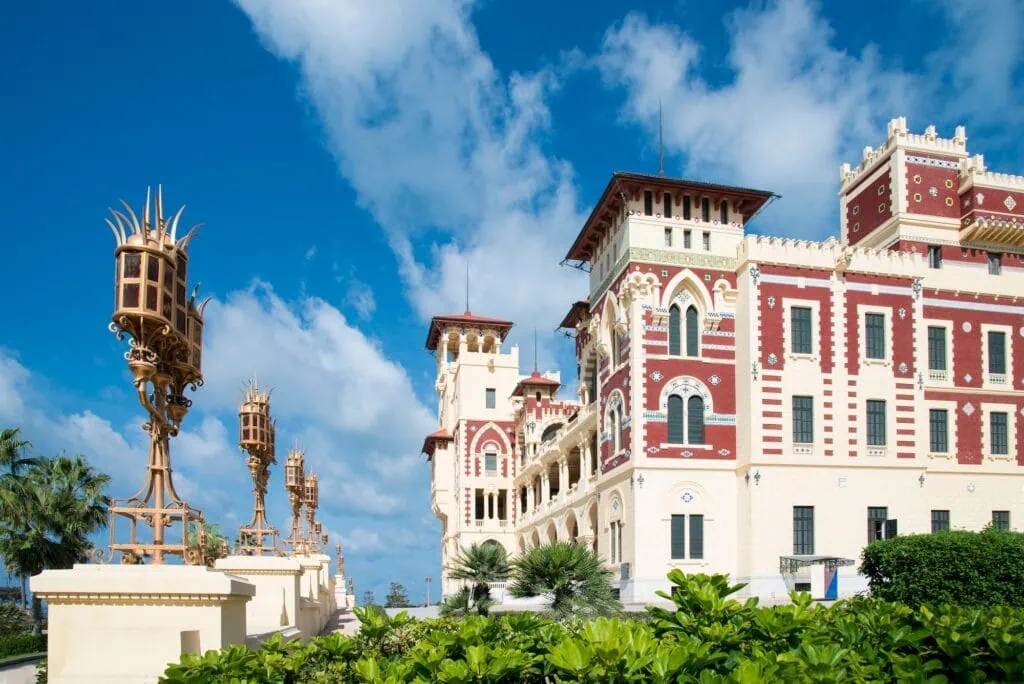
The beach areas along Alexandria’s coast provide genuine relaxation opportunities. While not as pristine as Egypt’s Red Sea resorts, these beaches offer authentic local experiences where Egyptian families gather for weekend recreation and international visitors can experience Mediterranean beach culture with an Egyptian twist.
Where Ancient Meets Modern: Archaeological Discoveries
Alexandria continues revealing its secrets through ongoing archaeological work, with new discoveries regularly adding to our understanding of this ancient metropolis. Recent excavations have uncovered additional sections of the ancient city that were lost to earthquakes and rising sea levels over the centuries.
Roman Amphitheater: Entertainment Through the Ages
Alexandria’s well-preserved Roman amphitheater showcases the engineering sophistication that characterized Roman construction throughout their empire. The marble seating areas and acoustic design demonstrate how Roman architects adapted their standard amphitheater concepts to Alexandria’s specific geography and cultural needs.
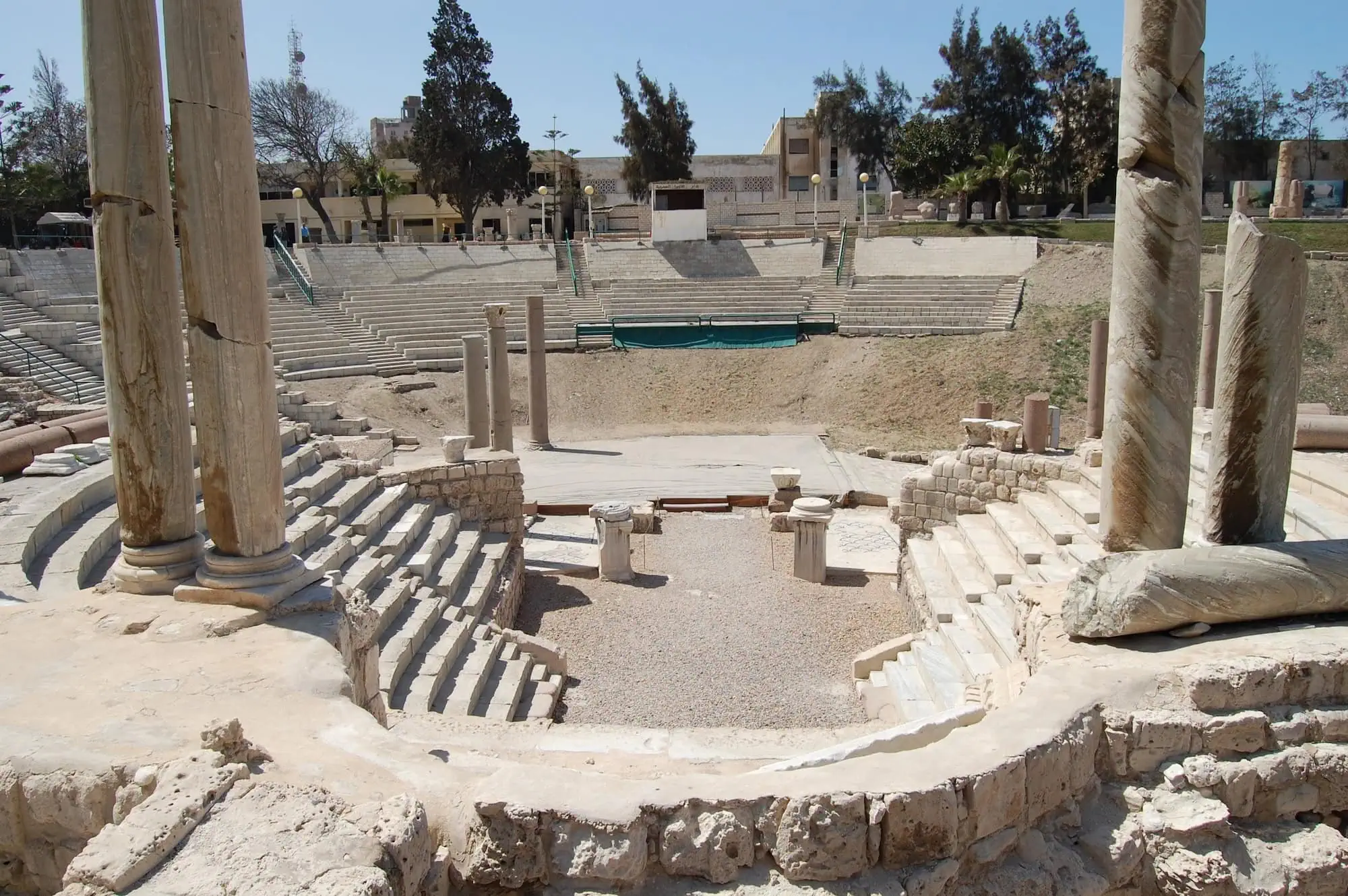
Sit in the ancient seats and experience the remarkable acoustic properties that allowed performers to reach every audience member without artificial amplification. The surrounding archaeological area includes Roman baths and villa foundations that paint a complete picture of daily life in Roman Alexandria.
Underwater Archaeological Sites: Submerged Wonders
Alexandria’s harbor holds one of the world’s most significant underwater archaeological sites, where remains of ancient Alexandria lie beneath the Mediterranean’s surface. While diving requires certification and specialized tour arrangements, the discoveries include statue fragments, building foundations, and artifacts from the ancient city’s heyday.
These submerged ruins resulted from earthquakes and gradual sea level changes that claimed portions of ancient Alexandria over the centuries. The preservation conditions underwater have protected materials that would have deteriorated on land, providing unique insights into Ptolemaic and Roman Alexandria.
Culinary Adventures Along the Coast
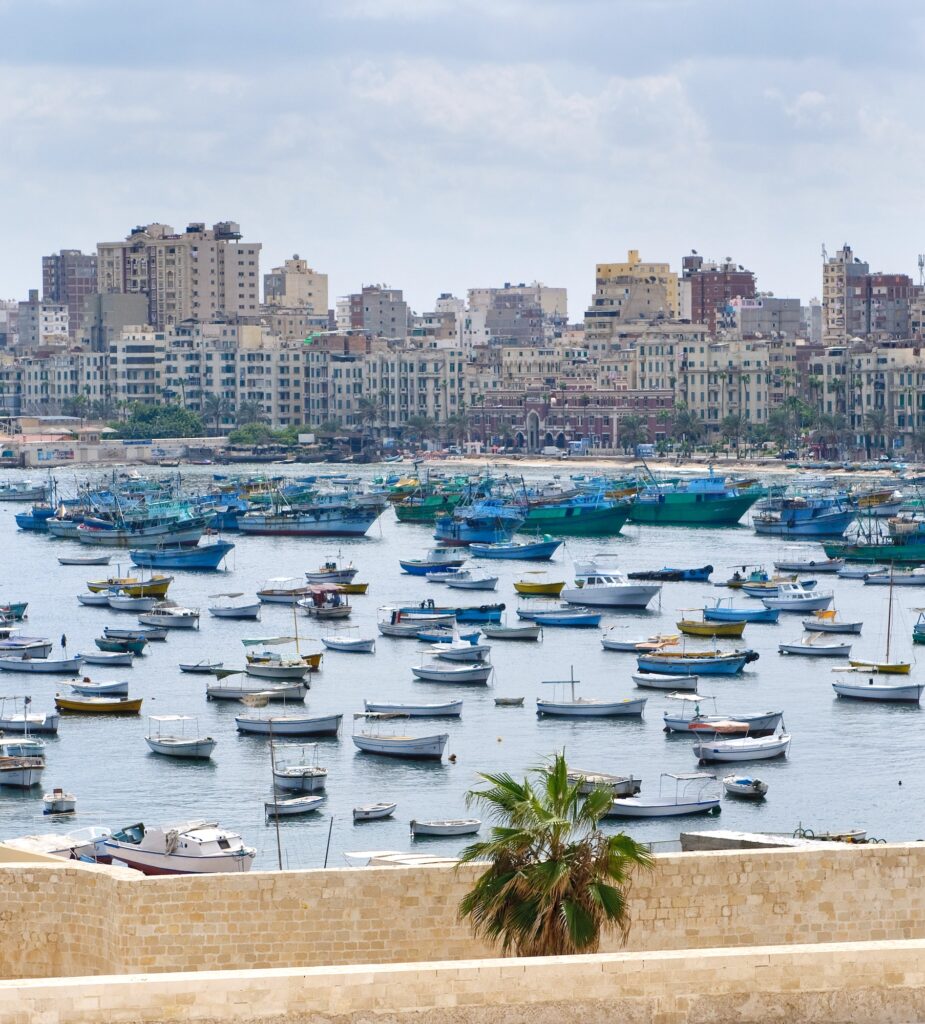
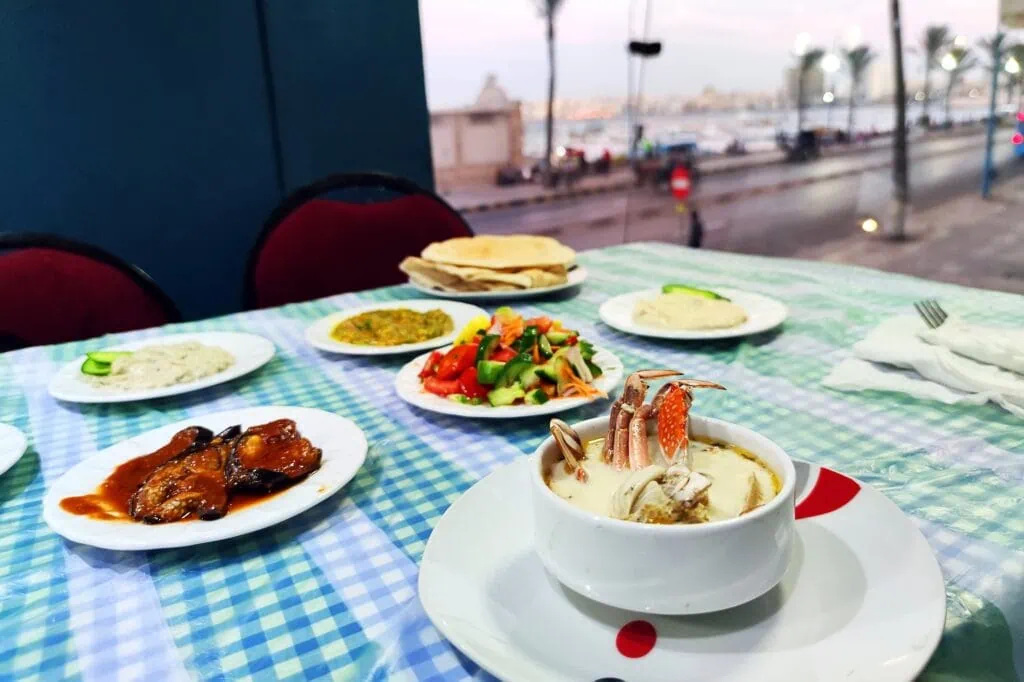
Alexandria’s food scene reflects its Mediterranean location and cosmopolitan history. Seafood naturally dominates local menus, with fishing boats bringing daily catches directly to the city’s restaurants and markets.
Fresh fish preparation in Alexandria follows traditions passed down through generations of Mediterranean cooking. Grilled sea bass, stuffed calamari, and mixed seafood platters appear on menus throughout the city, prepared with olive oil, garlic, and herbs that grow in the coastal climate.
The famous Alexandrian liver sandwiches represent local street food at its finest. Vendors prepare this specialty with precision timing and seasoning that transforms simple ingredients into memorable meals. While liver might not appeal to every international palate, adventurous food lovers consider these sandwiches essential Alexandria experiences.
Traditional Cafes and Modern Dining
Historic cafes throughout Alexandria maintain the traditions of Egyptian coffee culture while serving as gathering places for locals engaged in endless conversations over newspapers and backgammon games. These establishments offer insights into daily Alexandrian life that tourist restaurants cannot provide.
Modern restaurants along the Corniche combine international cooking techniques with local ingredients, creating menus that satisfy diverse tastes while showcasing Alexandria’s agricultural and marine resources. Many of these establishments offer terraces with Mediterranean views, making dinner a scenic experience.
Planning Your Alexandria Adventure
Best Times to Visit
Alexandria’s Mediterranean climate makes it comfortable year-round, but spring (March–May) and fall (September–November) offer the most pleasant conditions for extensive walking and outdoor exploration. Summer temperatures rarely become as extreme as inland Egyptian destinations, while winter provides mild, occasionally rainy weather perfect for museum visits and indoor cultural experiences.
Peak tourist seasons align with cooler months when European visitors seek warm weather, so advance booking becomes important for accommodations and guided tours during December through February.
Accommodation Strategies
Alexandria’s accommodation options range from historic hotels with colonial-era charm to modern properties designed for international business travelers. Location matters significantly in Alexandria, with properties near the Corniche providing easy access to major attractions and the Mediterranean atmosphere that defines the city.
We recommend staying within walking distance of both the waterfront and the city center, allowing you to experience Alexandria’s daily rhythms while maintaining convenient access to archaeological sites and transportation connections.
Duration and Itinerary Considerations
Most travelers find 2-3 days sufficient for Alexandria’s major attractions, though the city rewards longer stays with deeper cultural immersion and relaxed exploration opportunities. A well-planned two-day visit covers the essential archaeological sites, allows time for waterfront strolls, and includes at least one memorable meal featuring fresh Mediterranean seafood.
Our private guides enhance any Alexandria itinerary by providing historical context, navigating local logistics, and ensuring you discover both famous landmarks and authentic local experiences that independent travelers often miss.
Frequently Asked Questions
Alexandria is 220 kilometers from Cairo, approximately 2.5 hours by train.
Yes, Alexandria is generally very safe for tourists with helpful communities.
Dress modestly with covered shoulders and knees for religious sites.
Yes, though beaches are more cultural than pristine swimming destinations.
Plan 2-3 hours minimum to explore the main library and exhibitions.
Absolutely – Alexandria offers completely different Egyptian Mediterranean cultural experiences.
Walking along the Corniche covers many attractions efficiently.
Some restaurants and hotels serve alcohol with limited options.
While possible, Alexandria deserves at least two days to experience properly.
Arabic is primary, though English is widely understood in tourist areas.
Yes, international banks and ATMs are readily available throughout the city.
Alexandria’s Mediterranean location and European-influenced architecture create unique Egyptian atmosphere.
Explore Egypt Your Way
Share your travel wishes — our experts will craft the perfect experience just for you.