History of Cairo, Egypt – The City Victorious
Cairo captivates millions with its 6,000-year story of continuous civilization.
The story begins long before the pharaohs built their eternal monuments at Giza. Archaeological evidence reveals settlements flourishing along the Nile’s banks since pre-dynastic times, making this region one of humanity’s oldest continuously inhabited areas. Ancient Memphis served as Egypt’s first capital, while the Roman fortress of Babylon marked early strategic importance at the river’s narrowest point.
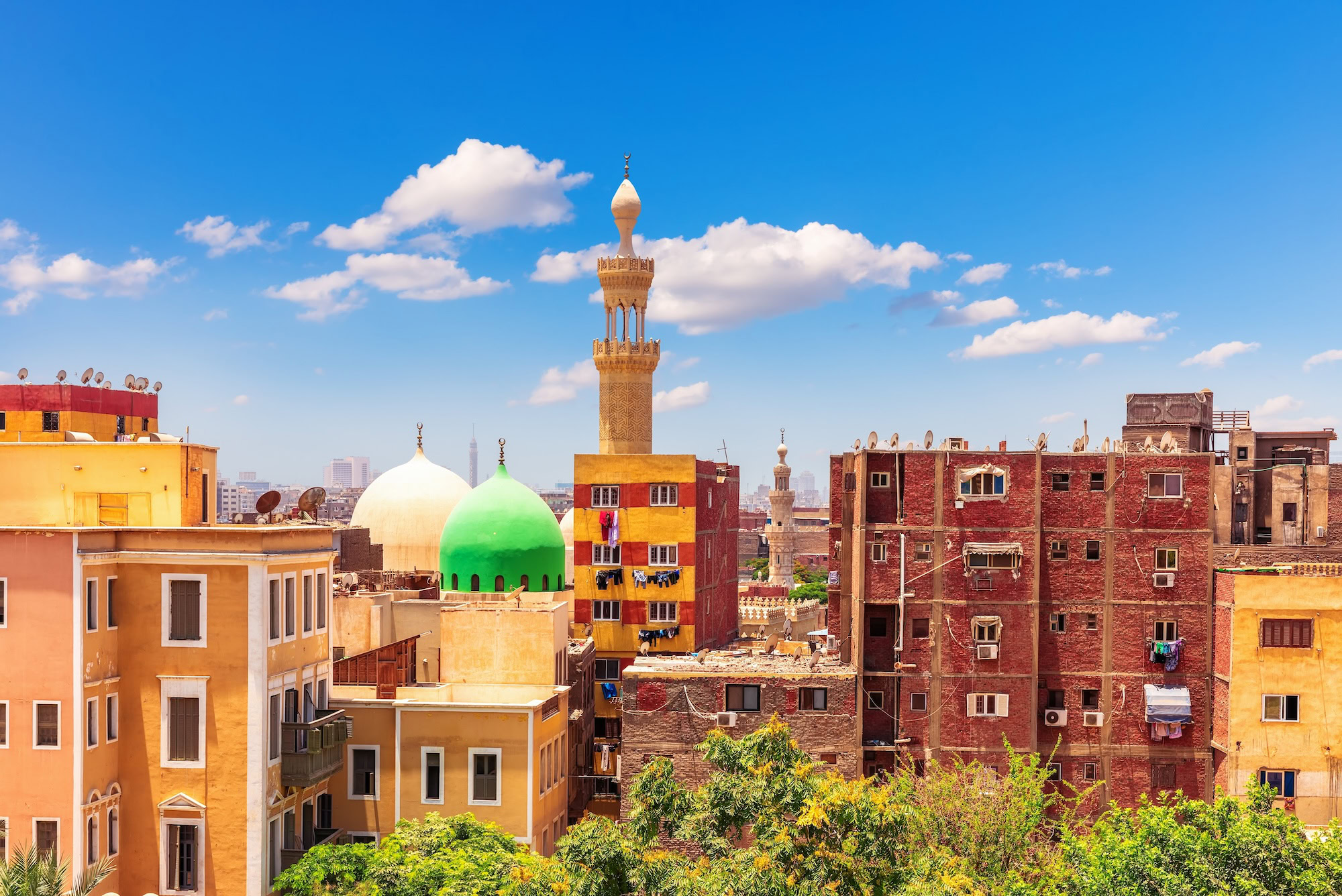
Today’s Cairo stands as the largest city in Africa and the Arab world, where minarets pierce modern skylines and horse-drawn carts navigate alongside luxury cars. We’ll guide you through the fascinating layers of history that created this remarkable metropolis.
Ancient Foundations and Pre-Islamic Settlements
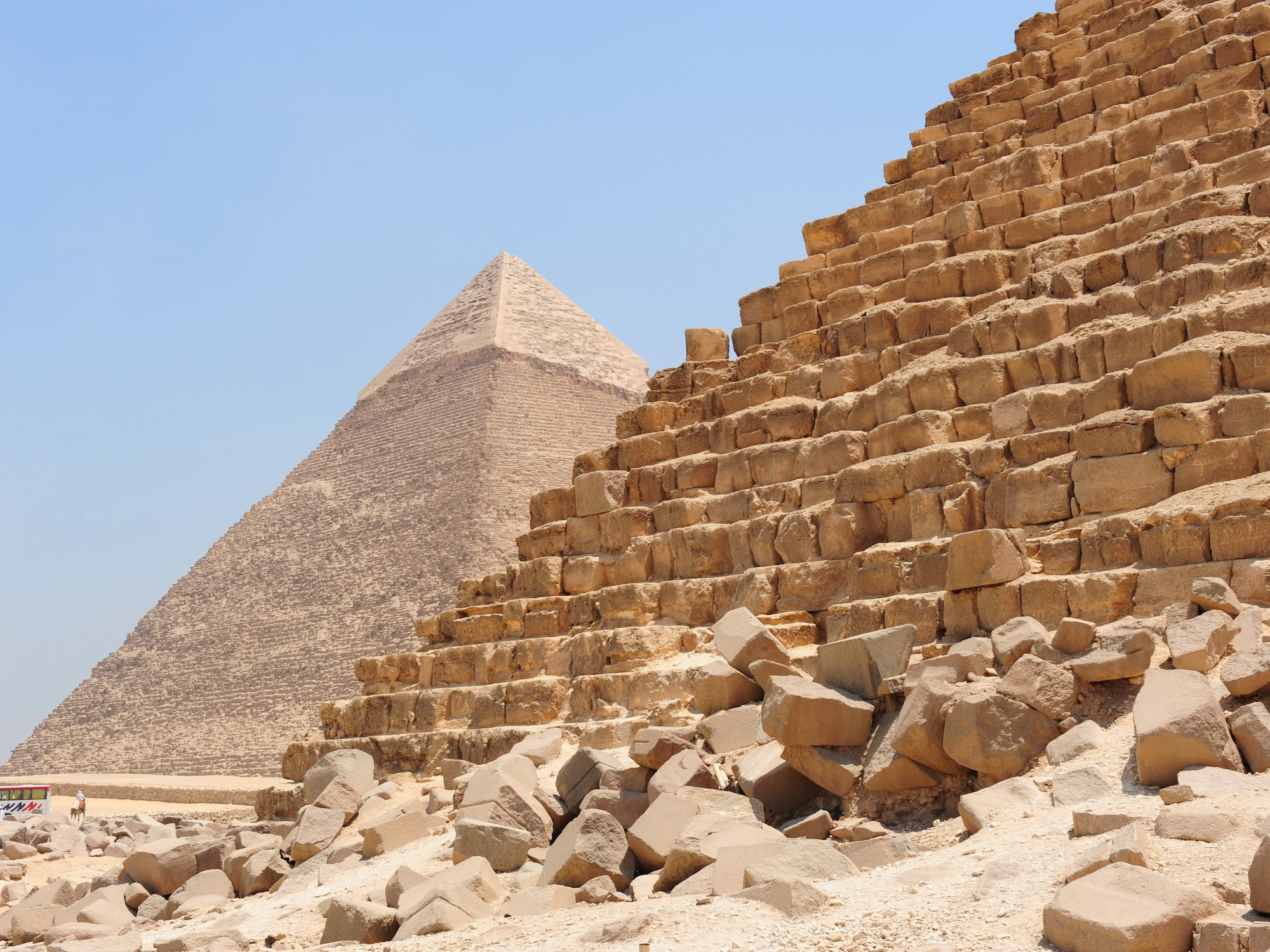
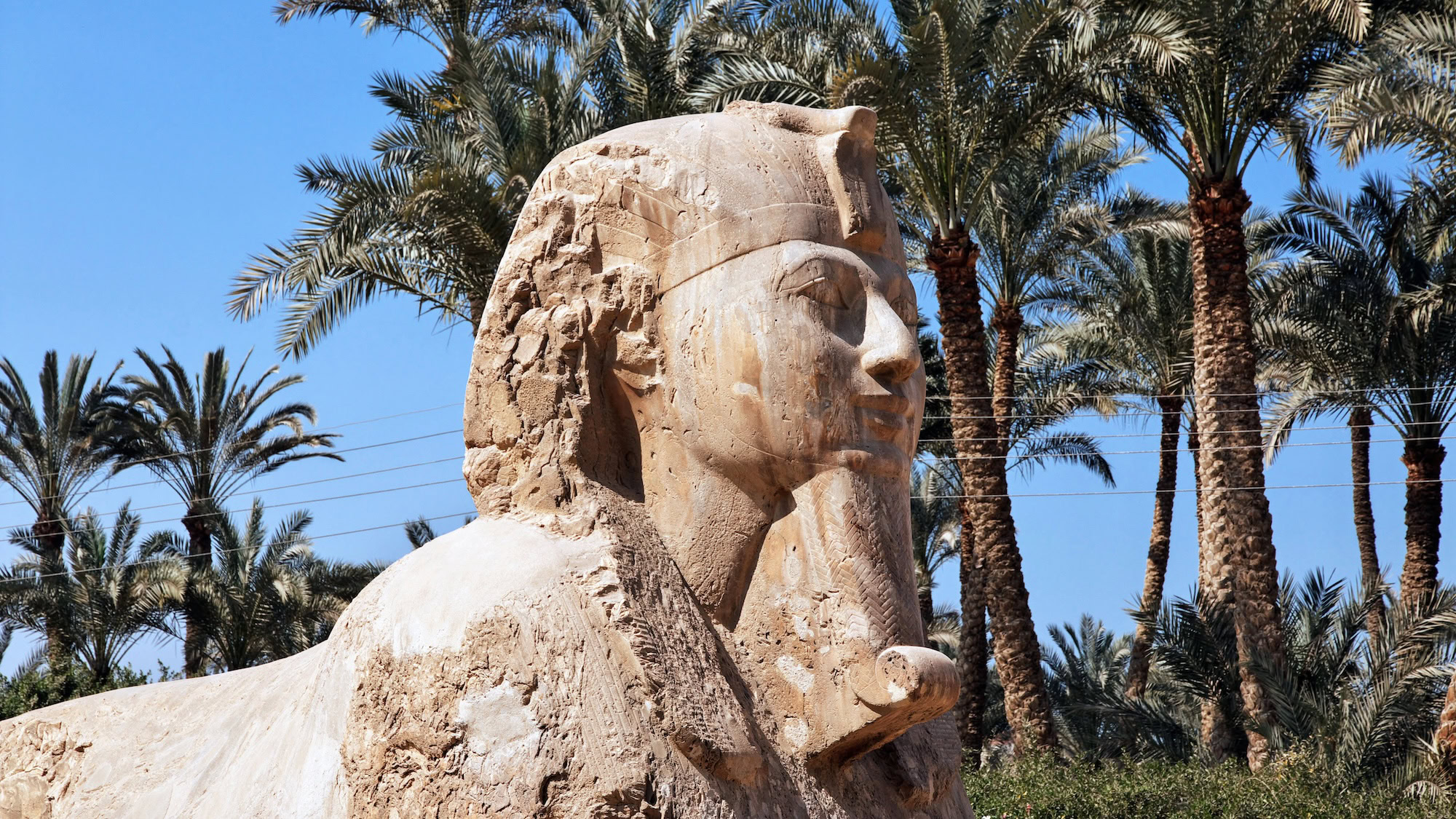
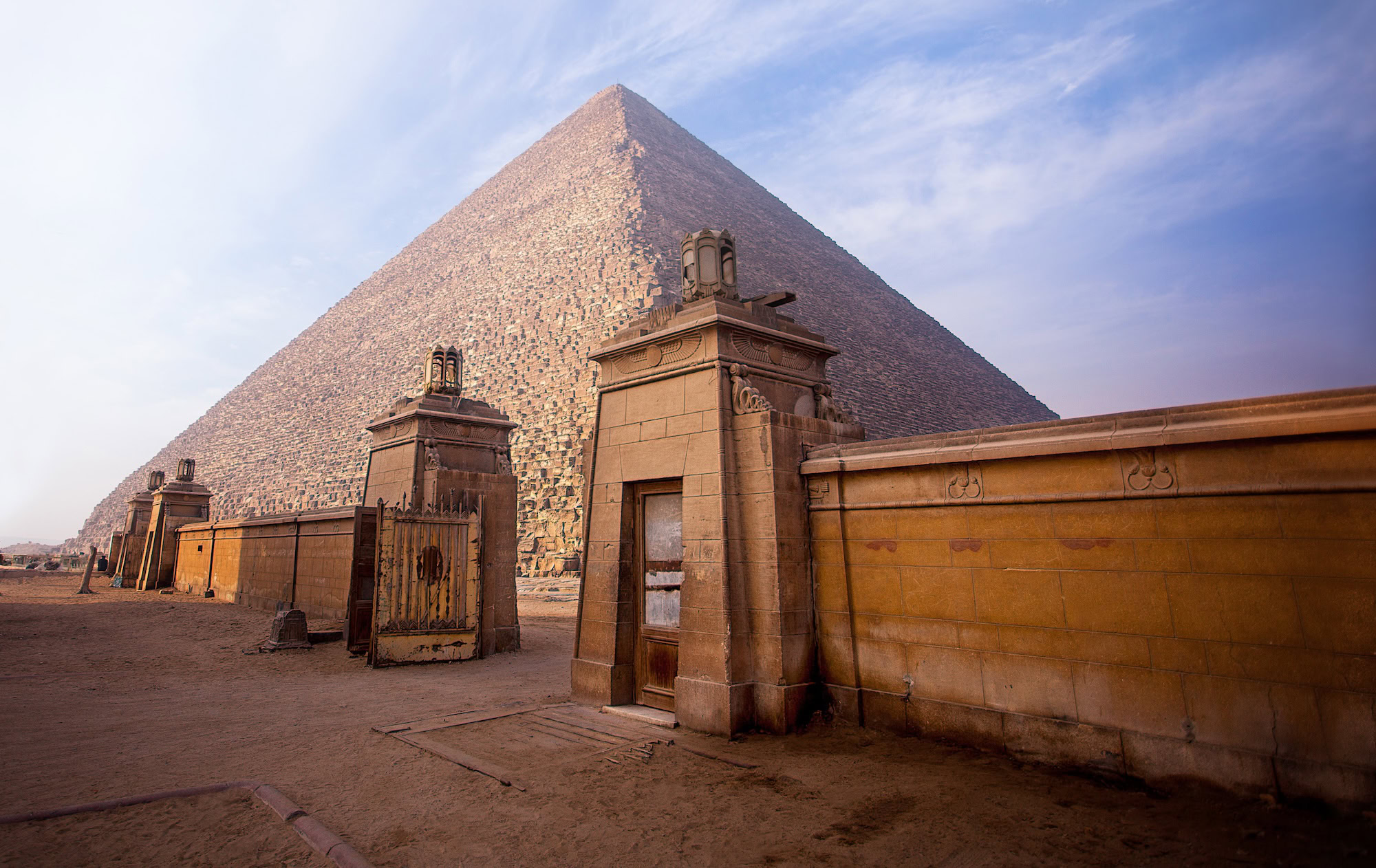
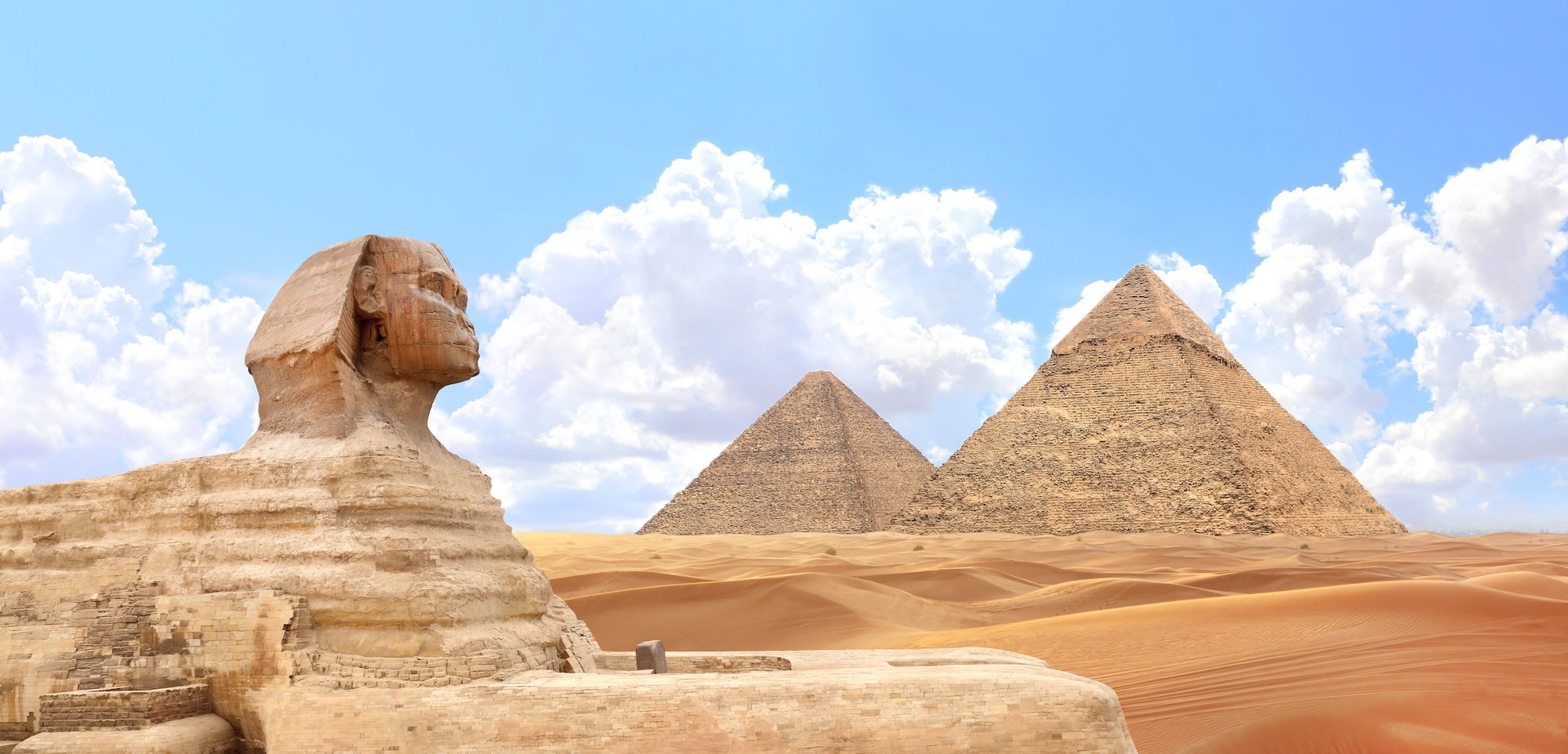
Memphis dominated the ancient world for over 3,000 years as Egypt’s political and religious center. Pharaohs chose this strategic location where Upper and Lower Egypt met, creating a power base that controlled the entire kingdom. The nearby Giza pyramid complex demonstrates Memphis’s incredible wealth and influence during the Old Kingdom period.
Roman Period and Babylon Fortress
Roman engineers recognized the area’s strategic value when they constructed Babylon Fortress around 30 BC. This massive stone structure controlled river traffic and protected Egypt’s eastern approaches from invasion. Parts of the fortress walls still stand today in Old Cairo, testament to Roman engineering excellence.
Byzantine Christians expanded the settlement significantly after Rome adopted Christianity. Coptic communities built numerous churches within and around the fortress walls, establishing traditions that continue today in what locals call “Coptic Cairo.”
Persian and Arab Arrivals
Persian conquest brought new administrative systems and trade networks to the region. When Arab forces arrived in 641 AD under general Amr ibn al-As, they found a thriving commercial hub perfectly positioned for further expansion.
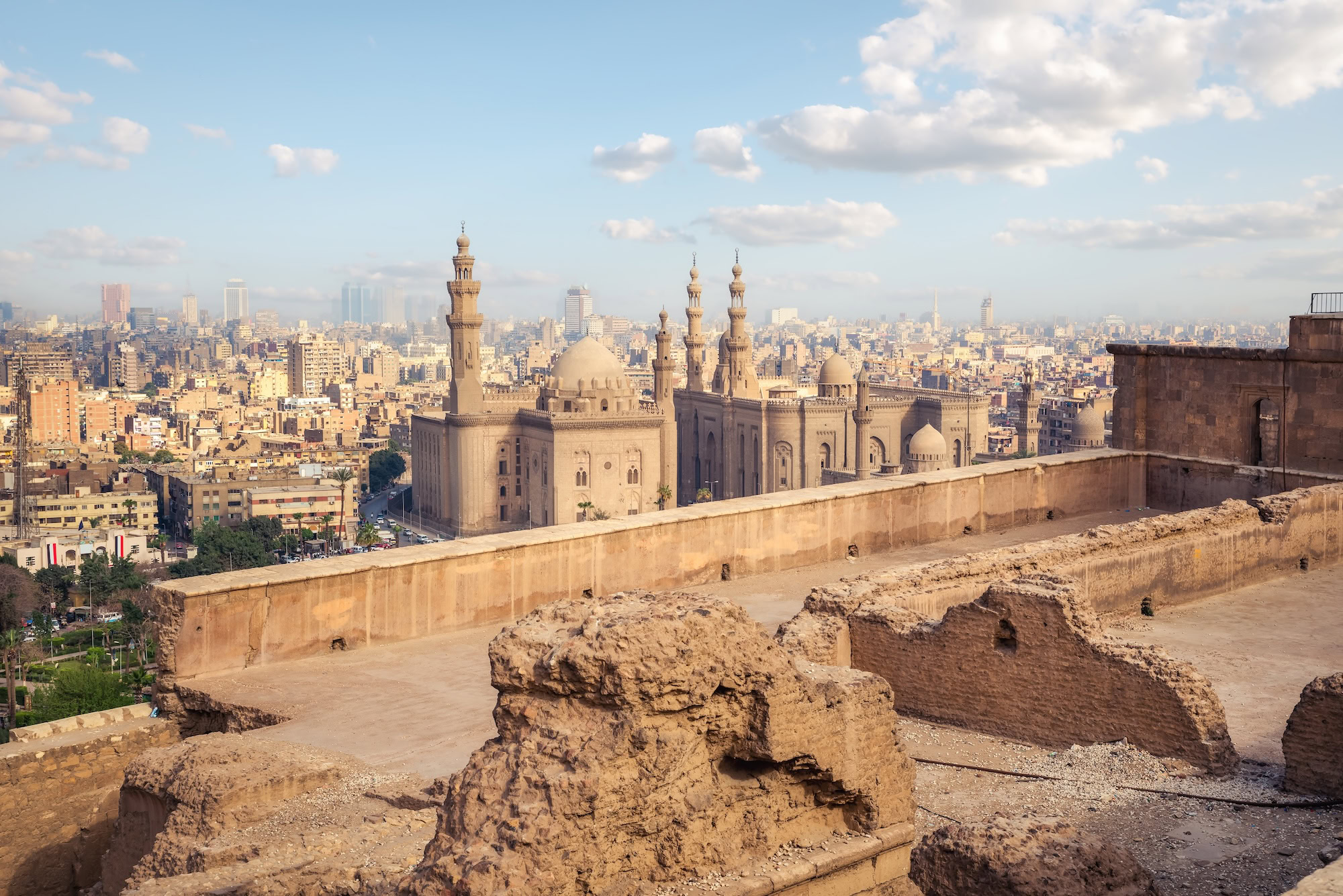
The Arabs established Fustat just south of the old fortress. This became the first Muslim capital of Egypt and marked the beginning of Cairo’s transformation into an Islamic metropolis.
Fatimid Foundation: Creating Medieval Cairo
Fatimid forces conquered Egypt in 969 AD with grand ambitions extending far beyond simple military victory.
General Jawhar al-Siqilli founded a new royal city called Al-Qahirah al-Mu’izziyah – “The Victorious City of al-Mu’izz.” This planned capital would serve as headquarters for the Fatimid caliphate’s expansion across the Mediterranean world. The new city featured wide boulevards, magnificent palaces, and the world’s first university-mosque at Al-Azhar.
Fatimid planners designed their capital according to strict geometric principles. The Great Palace complex covered one-third of the entire city area, while separate quarters housed different social classes and professions. Jewish and Christian communities received designated neighborhoods with their own religious and commercial centers.
Al-Azhar Mosque and Islamic Scholarship
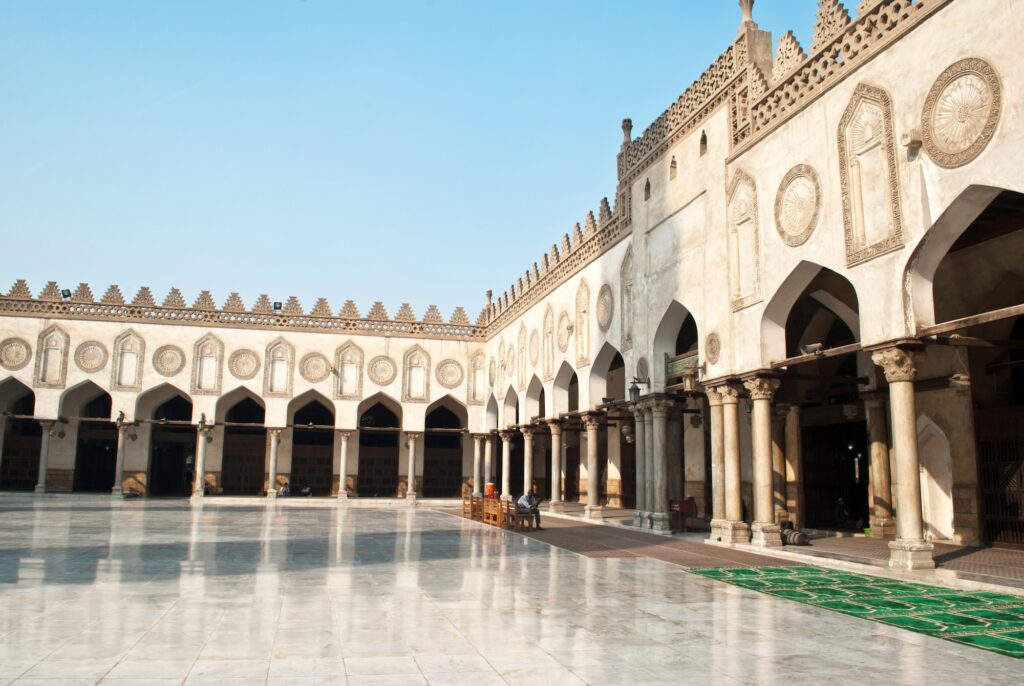
Construction began on Al-Azhar Mosque in 970 AD as the new capital’s spiritual centerpiece. Fatimid architects created a revolutionary design combining prayer hall, teaching spaces, and student housing within a single complex. This became the template for Islamic educational institutions worldwide.
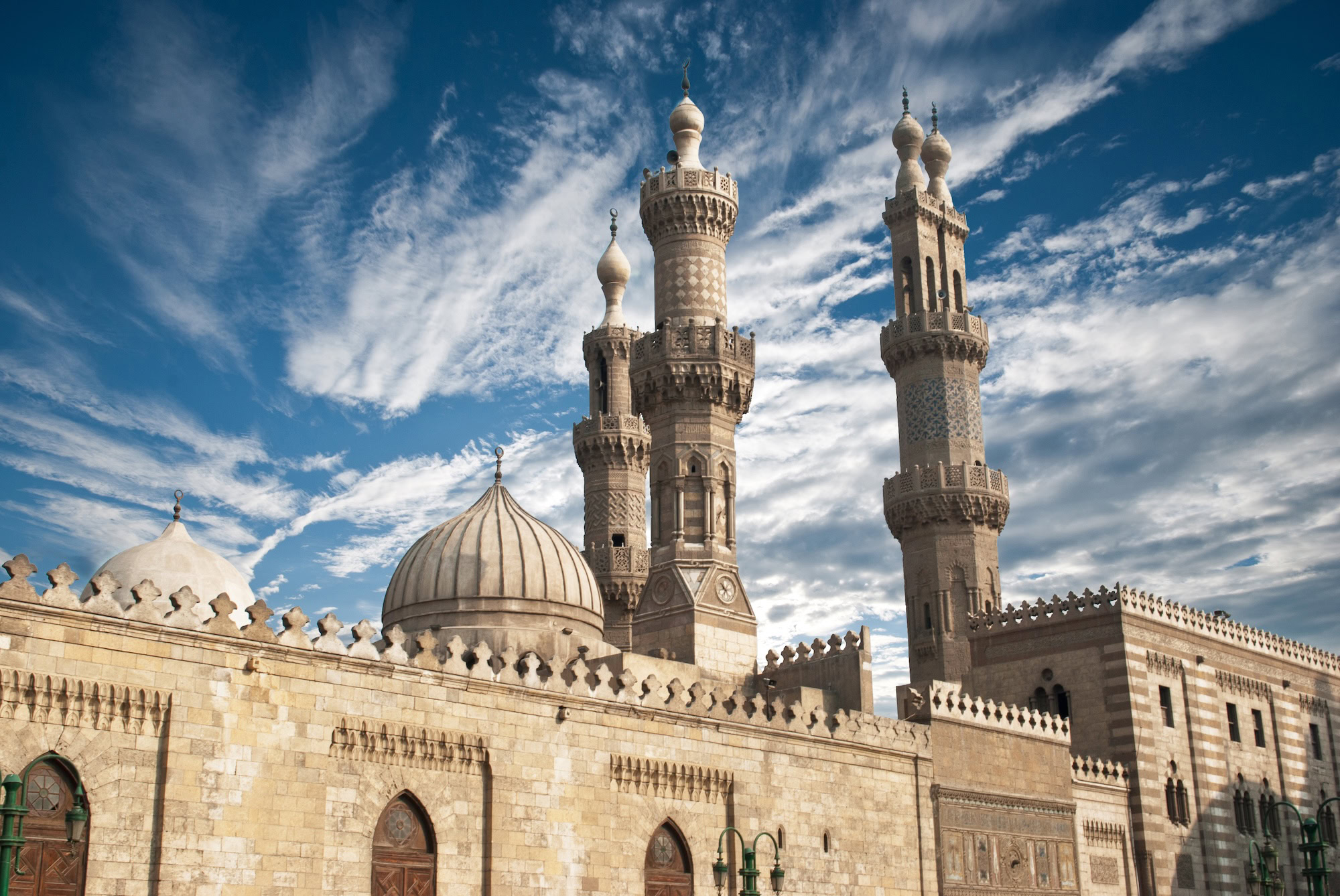
Within decades, Al-Azhar attracted scholars from across the Islamic world. Students came to study Islamic law, theology, Arabic literature, and mathematics under renowned teachers. The mosque-university system pioneered by the Fatimids influenced educational development from Spain to Central Asia.
Saladin’s Revolution and Ayyubid Transformation
Kurdish general Saladin overthrew Fatimid rule in 1171, fundamentally reshaping both the city’s character and the broader region’s political landscape.
Saladin immediately began construction of the massive Citadel on Mokattam Hill overlooking the city. This fortress complex served multiple purposes: military headquarters, royal residence, and administrative center. The Citadel’s commanding position allowed defenders to control all approaches to the city while demonstrating Ayyubid power to friend and foe alike.
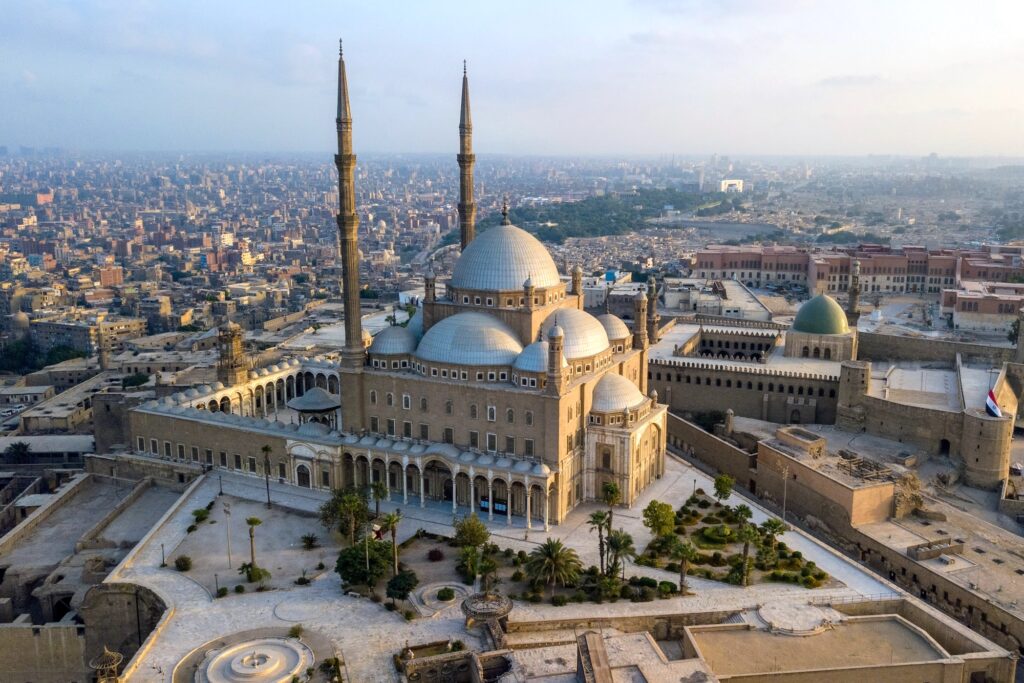
The new ruler also ordered construction of a massive wall system connecting the Citadel to the older city below. These fortifications created one of the medieval world’s most impregnable urban defenses, successfully protecting Cairo during the Crusade period.
Military Innovations and Urban Development
Ayyubid military engineers revolutionized siege warfare technology. The Citadel’s workshops produced advanced catapults, Greek fire weapons, and sophisticated defensive systems that influenced military architecture across Europe and Asia. Professional military schools trained officers in the latest tactics and weapons technology.
Commercial activity expanded dramatically under Ayyubid rule. New market districts developed around the old Fatimid core, while improved road networks connected Cairo to Red Sea ports and Mediterranean trading centers. Spice merchants, textile dealers, and metalworkers established permanent bazaars that remain active today.
The Mamluk Golden Age
Mamluk sultans transformed Cairo into the Islamic world’s most magnificent city between 1250 and 1517 AD.
These former slave-soldiers created an elaborate court culture combining military prowess with sophisticated artistic patronage. Sultan Baibars expanded the city’s defenses and built numerous public works projects. His successors continued this tradition, commissioning mosques, madrasas, hospitals, and fountain complexes that displayed Mamluk wealth and piety to impressed visitors from across the known world.
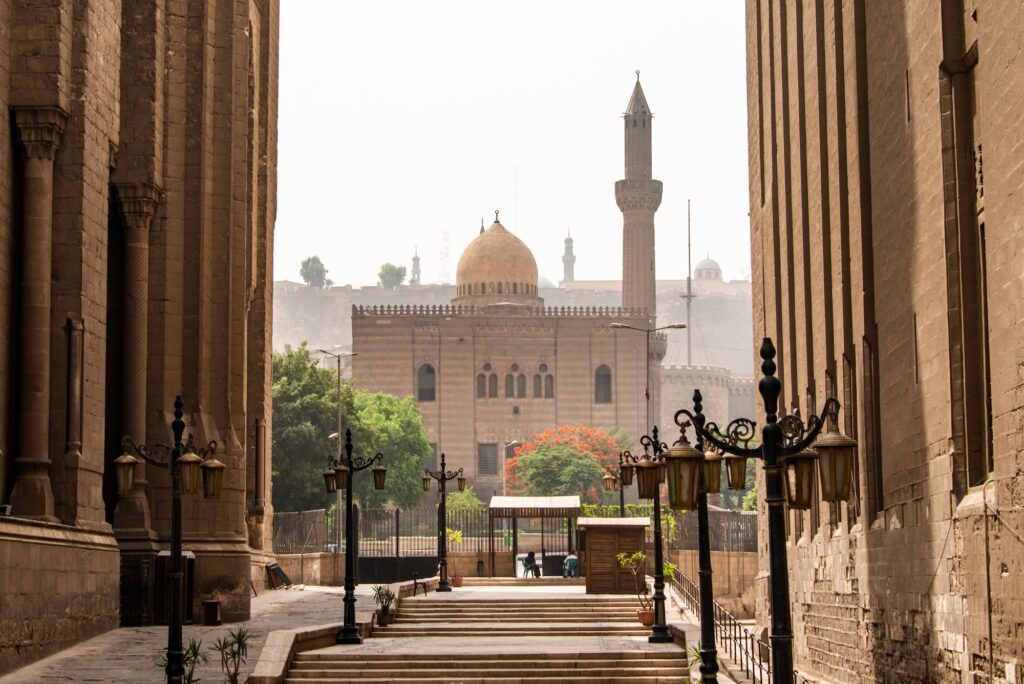
The Mosque-Madrasa of Sultan Hasan epitomizes Mamluk architectural achievement. Completed in 1363, this enormous complex features soaring prayer halls, intricate stone carving, and innovative engineering solutions that influenced Islamic architecture for centuries. The building’s massive scale and sophisticated decoration announced Mamluk power to anyone entering the city from the Citadel direction.
Trade Networks and Economic Prosperity
Mamluk Cairo controlled the most profitable trade routes connecting Europe with India and East Asia. Spice caravans from Yemen passed through the city’s gates, while Venetian and Genoese merchants established permanent trading houses near the port of Bulaq. This commercial activity funded the massive construction projects that gave the city its distinctive Islamic character.
The sultan’s treasury collected customs duties, market taxes, and tribute from vassal states throughout Syria and Palestine. Professional guilds organized craftsmen into highly regulated corporations that maintained quality standards while preventing unfair competition. These economic institutions supported a population exceeding 400,000 people – making Cairo one of the world’s largest cities during the 14th century.
Artistic and Intellectual Achievements
Mamluk patronage created Cairo’s golden age of Islamic arts and learning. Master craftsmen developed distinctive techniques in metalwork, glass production, carpet weaving, and manuscript illumination. The royal workshops produced luxury goods that were prized from London to Beijing.
Al-Azhar University reached its medieval peak during this period. Scholars produced major works in Islamic law, philosophy, history, and mathematics that influenced intellectual development throughout the Islamic world. The city’s libraries contained hundreds of thousands of manuscripts covering every field of medieval knowledge.
Ottoman Provincial Capital
Ottoman conquest in 1517 reduced Cairo from imperial capital to provincial center, fundamentally altering the city’s role and character.
Istanbul became the empire’s political heart, but Cairo remained economically vital as the Ottoman Empire’s wealthiest province. Turkish administrators modified existing Mamluk institutions rather than replacing them entirely. Local beys continued governing day-to-day affairs under Ottoman supervision, while merchants maintained their traditional trading privileges.
Architectural Adaptation and New Styles
Ottoman architects introduced new design elements while respecting existing Islamic traditions. The Mosque of Sulayman Pasha (1528) demonstrates early Ottoman adaptation to local building techniques and decorative preferences. Later monuments like the Sinan Pasha Mosque show fuller integration of Istanbul architectural styles with Cairene craftsmanship.
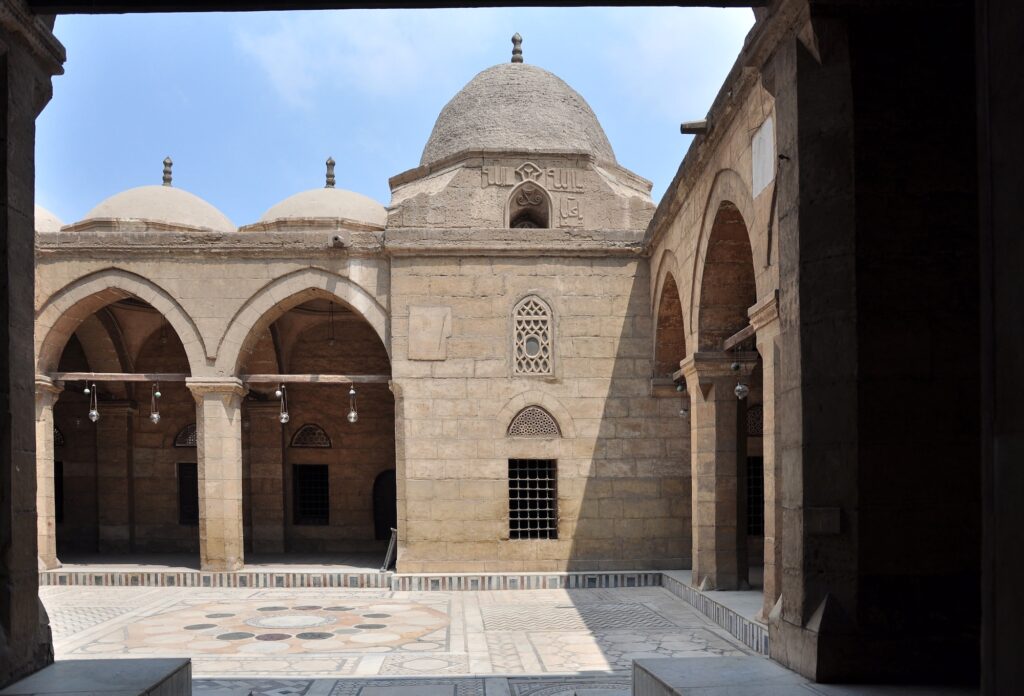
Turkish administrative needs required new building types. The Ottoman government constructed customs houses, military barracks, and administrative offices throughout the old city. These structures often incorporated Mamluk spolia – recycled architectural elements from earlier buildings – creating distinctive hybrid styles unique to Ottoman Cairo.
Modern Transformation and European Influence
Napoleon’s brief occupation (1798-1801) shocked Cairo into the modern era through violent confrontation with European military and technological superiority.
French scholars accompanying Bonaparte’s expedition documented Cairo’s monuments, culture, and society in unprecedented detail. Their “Description de l’Égypte” introduced Europe to Islamic civilization’s achievements while revealing the city’s declining condition after three centuries of Ottoman rule.
Muhammad Ali Pasha began systematic modernization after establishing independence from Istanbul in the 1800s. His government built new quarters, improved sanitation systems, and established modern schools and hospitals. The construction of the Suez Canal brought renewed international attention and investment to Egypt.
Urban Planning and Infrastructure Development
Khedive Ismail commissioned major urban improvements in preparation for the Suez Canal’s 1869 opening ceremony. European-trained architects created new districts with wide boulevards, public parks, and modern utilities. The Opera House, Gezira Palace, and numerous hotels provided appropriate venues for entertaining international dignitaries.
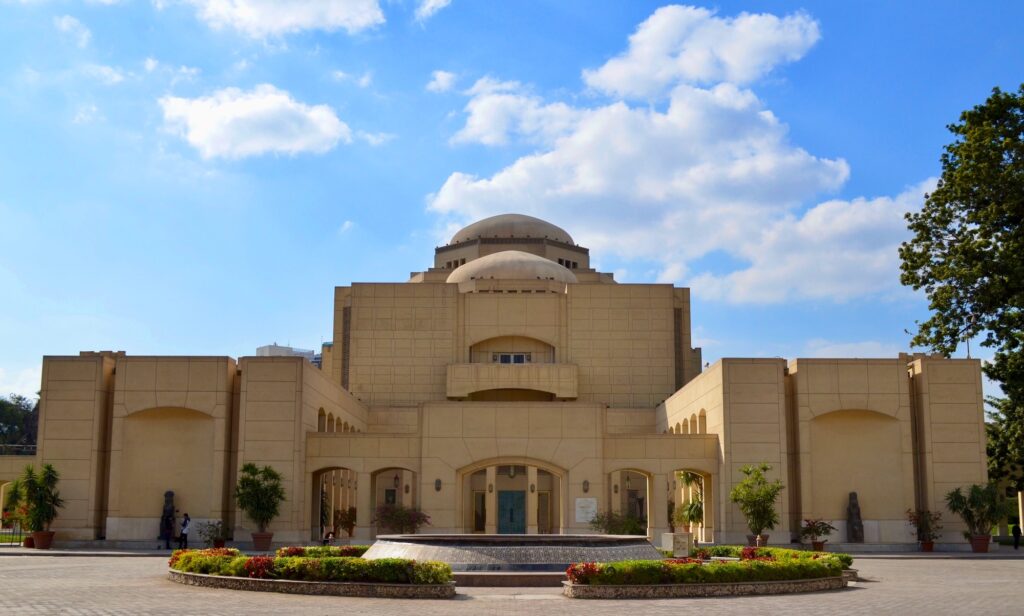
These developments created a dual city: traditional Islamic Cairo with its narrow streets and ancient monuments, alongside modern European-style quarters with gas lighting, running water, and sewage systems. This division continues to characterize the city today.
Contemporary Cairo: Challenges and Preservation
Greater Cairo now houses over 20 million people, making it Africa’s largest urban agglomeration and one of the world’s most populous metropolitan areas.
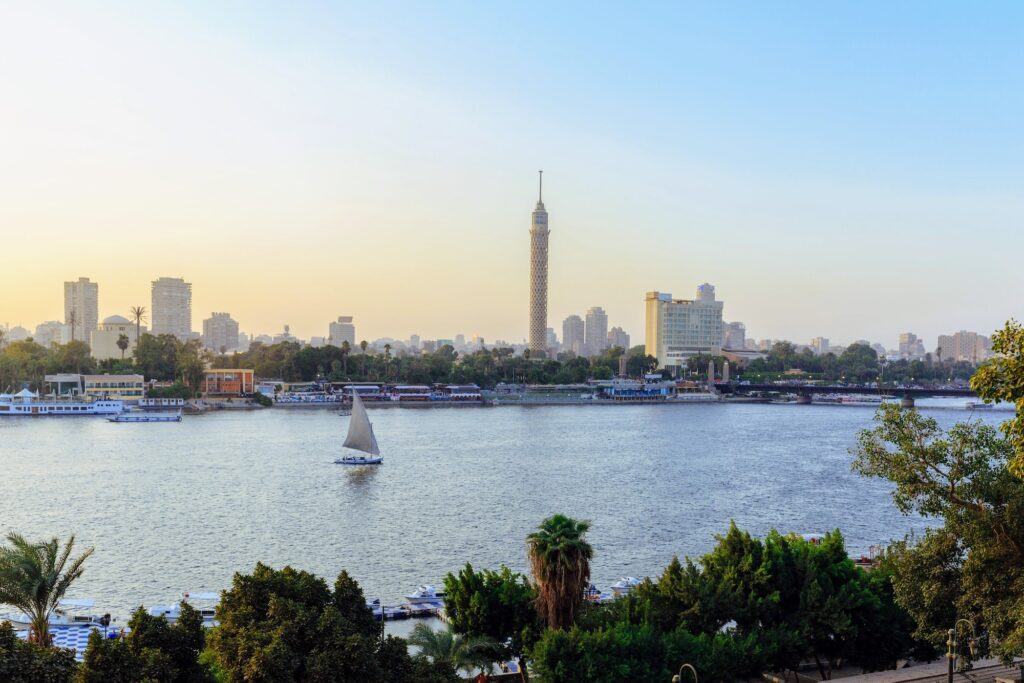
Population growth has created enormous challenges for infrastructure, housing, and traffic management. The historic city center faces particular pressure from development demands and environmental degradation. Many medieval monuments require urgent conservation work to prevent further deterioration.
UNESCO’s 1979 designation of “Historic Cairo” as a World Heritage Site recognized the area’s outstanding universal value while highlighting preservation needs. The protected zone contains over 600 classified monuments representing all major periods of Islamic art and architecture. This concentration of historical buildings is unmatched anywhere in the Islamic world.
Tourism and Economic Development
Tourism provides crucial income for monument conservation and local communities. We organize private guided tours that help visitors understand Cairo’s complex historical layers while supporting preservation efforts through responsible tourism practices. Our expert guides explain architectural development, historical context, and ongoing conservation challenges to create meaningful educational experiences.
The tourism industry faces ongoing challenges from political instability and security concerns. However, Cairo’s historical importance ensures continued international interest in preservation and cultural exchange programs.
Conservation Efforts and Future Challenges
International organizations work alongside Egyptian authorities to address urgent conservation needs. The Aga Khan Trust for Culture has completed major restoration projects at the Park of Al-Azhar and surrounding monuments. These efforts demonstrate successful approaches to heritage preservation in dense urban environments.
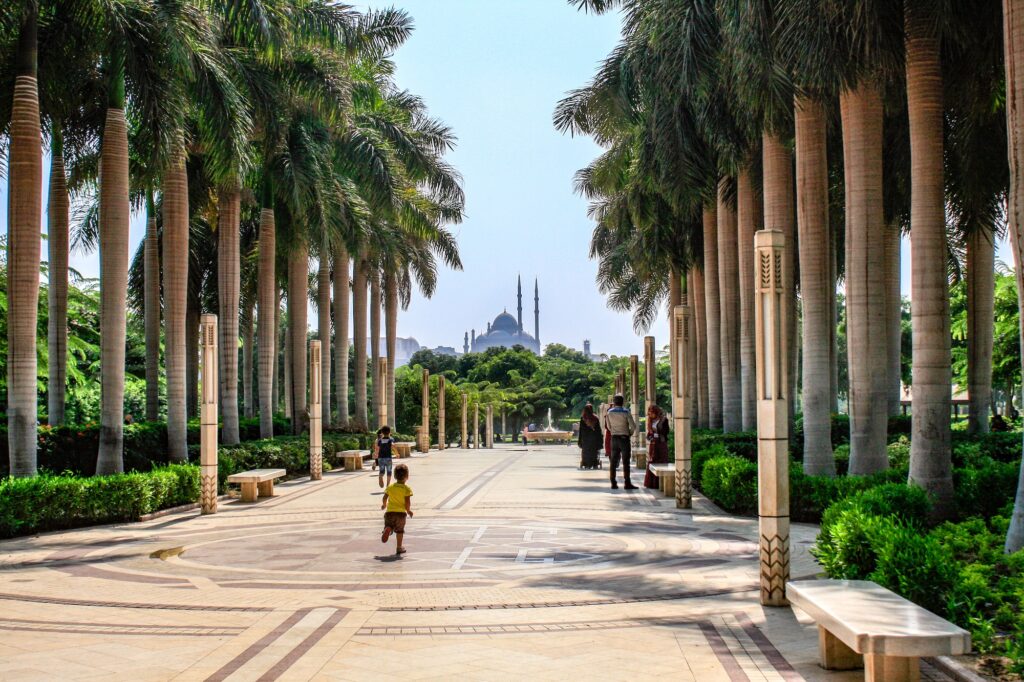
Climate change poses new threats to ancient buildings through increased pollution, flooding risks, and temperature fluctuations. Conservation specialists must develop innovative techniques to protect fragile stone, wood, and metal elements from accelerating environmental damage.
Frequently Asked Questions
When was Cairo officially founded?
The Fatimids established Al-Qahirah (modern Cairo) in 969 AD as their new capital city.
What does the name “Cairo” mean?
“Cairo” derives from “Al-Qahirah,” meaning “The Victorious” or “The Conqueror” in Arabic.
How old are the oldest parts of Cairo?
Archaeological evidence shows continuous settlement for approximately 6,000 years in the greater Cairo area.
Who built the Citadel of Cairo?
Saladin ordered construction of the Citadel beginning in 1176 AD as his military headquarters and royal residence.
What was the Mamluk period’s significance?
Mamluk rule (1250-1517) represented Cairo’s golden age, when it became the Islamic world’s most magnificent city.
Why is Historic Cairo a UNESCO World Heritage Site?
UNESCO recognized Historic Cairo in 1979 for containing the world’s largest collection of historic Islamic architecture.
What happened during Ottoman rule?
Ottoman conquest in 1517 reduced Cairo from imperial capital to provincial center, though it remained economically important.
How did European influence change Cairo?
Beginning with Napoleon’s expedition (1798), European influence introduced modern urban planning, infrastructure, and architectural styles.
What are the main historical periods of Cairo?
Major periods include: Ancient Egyptian, Roman-Byzantine, Islamic Conquest, Fatimid, Ayyubid, Mamluk, Ottoman, and Modern eras.
What conservation challenges does Historic Cairo face?
Major challenges include urban overcrowding, environmental pollution, inadequate infrastructure, and climate change effects on ancient buildings.
How many historical monuments are in Cairo?
Historic Cairo contains over 600 classified monuments from various Islamic periods, representing the world’s largest concentration of Islamic architecture.
What role did the Nile River play in Cairo’s development?
The Nile provided water, transportation, fertile land, and strategic defensive advantages that made Cairo’s location ideal for continuous settlement.
Design Your Custom Tour
Explore Egypt your way by selecting only the attractions you want to visit