

4-Day Nile Cruises – Find the Best Nile River and Lake Nasser Cruises in Egypt
Perfect timing meets ancient wonders.
A four-day Nile cruise offers the ideal balance between experiencing Egypt’s most magnificent temples and enjoying the relaxing rhythm of river travel. Whether you’re drawn to the Valley of the Kings’ hidden tombs or eager to witness sunrise over Kom Ombo Temple, this journey delivers both cultural immersion and comfortable luxury. We’ve guided thousands of travelers through these same waters, and the magic never fades.
Unlike rushed day trips or extended weeks-long voyages, four days provides enough time to explore major archaeological sites while maintaining a comfortable pace that doesn’t overwhelm first-time visitors.
What Makes 4-Day Nile Cruises Special
Four days represents the sweet spot for Nile River cruising. Most travelers arrive feeling energized and leave with deep appreciation for ancient Egyptian civilization, without the fatigue that longer journeys sometimes bring.
The Aswan to Luxor Route
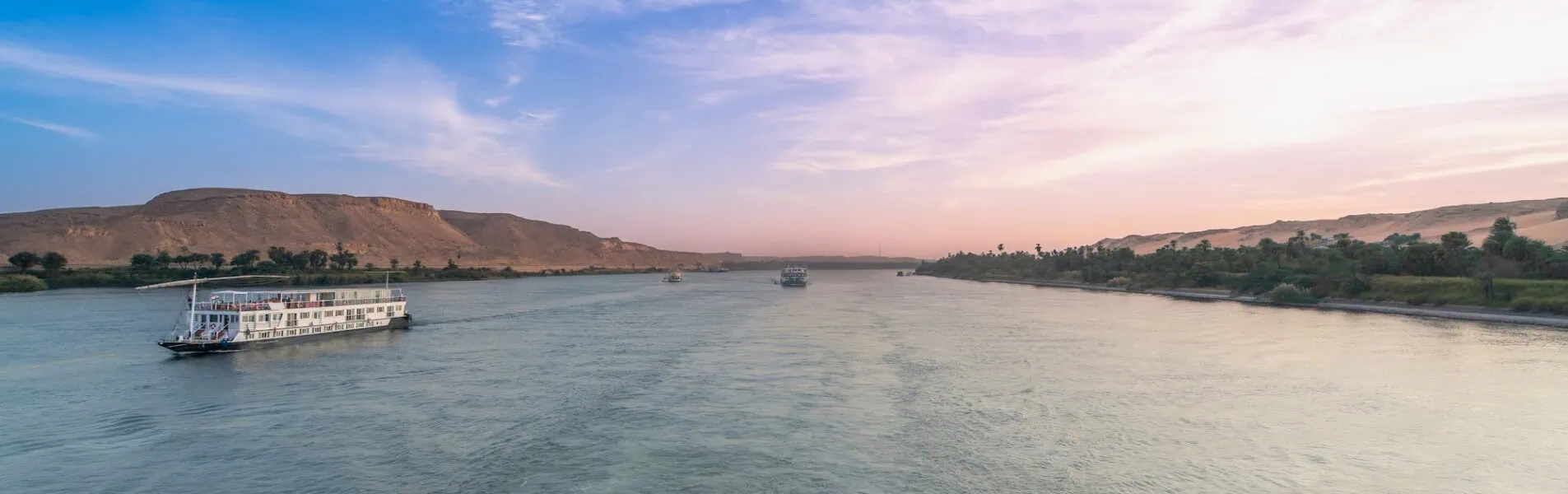
This classic southbound journey covers approximately 200 km (124 miles) of the Nile’s most scenic and historically significant stretch. Your cruise typically begins in Aswan, where Nubian culture blends seamlessly with pharaonic heritage, then concludes in Luxor – often called the world’s greatest open-air museum.
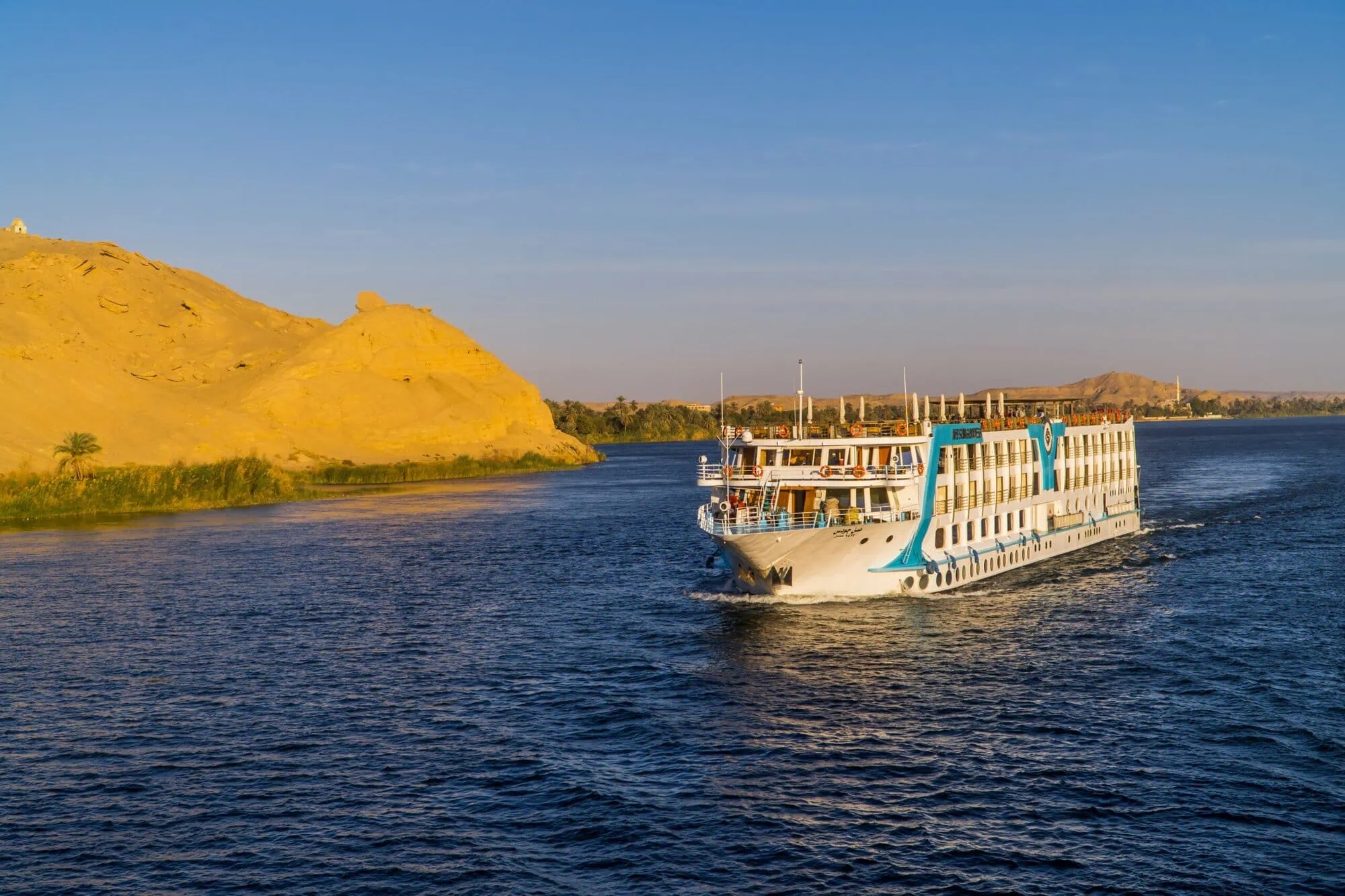
The route includes scheduled stops at Kom Ombo and Edfu, two remarkably preserved temples that showcase different aspects of ancient Egyptian religious life. Kom Ombo’s unique double design honors both Sobek the crocodile god and Horus the falcon deity, while Edfu Temple stands as one of Egypt’s best-preserved ancient structures.
Onboard Experience and Amenities
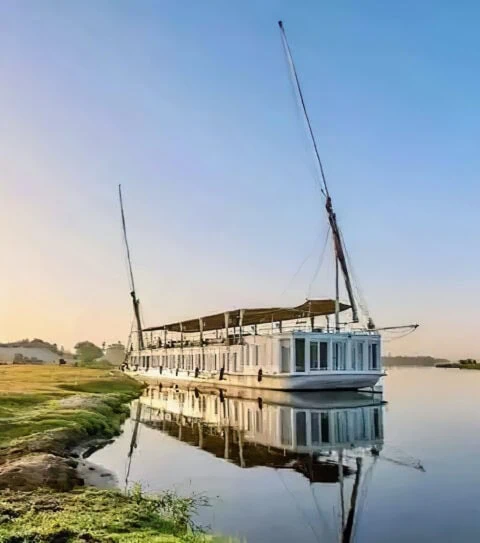
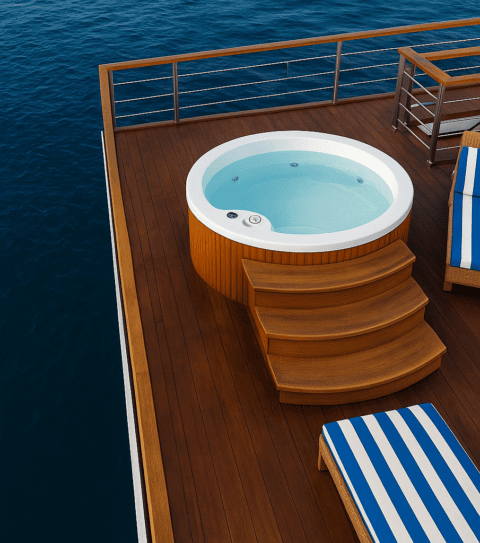
Modern cruise ships feature air-conditioned cabins with private bathrooms, sun decks for watching the Egyptian countryside drift past, and restaurants serving both international and traditional Egyptian cuisine. Most vessels accommodate 60-80 passengers, creating an intimate atmosphere where you’ll likely meet fellow travelers from around the world.
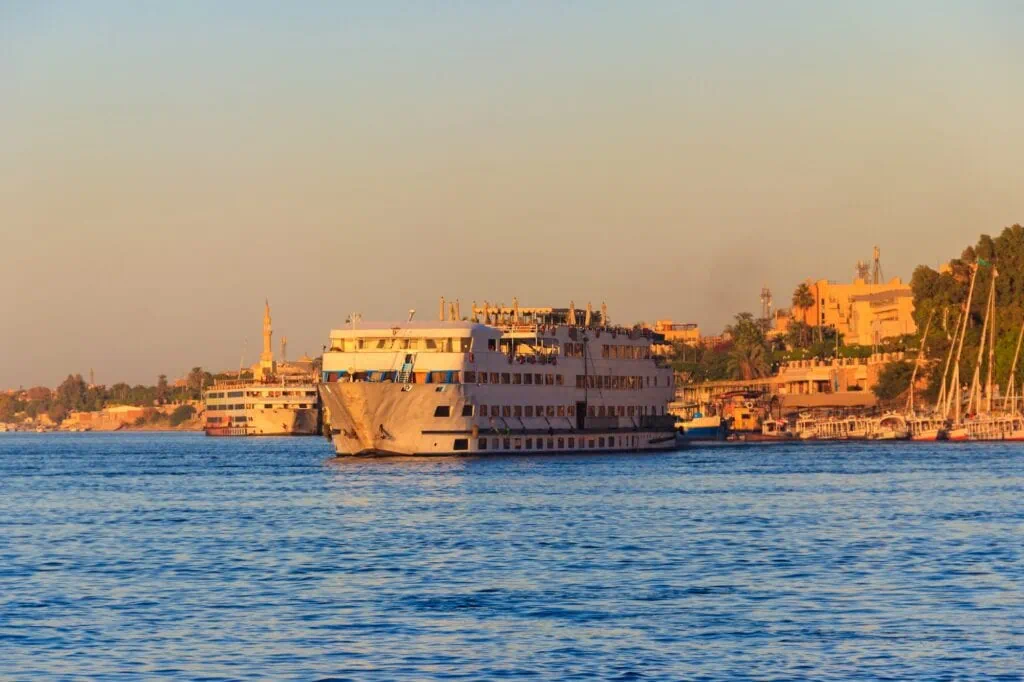
Evening entertainment often includes traditional music and dance performances, though many guests prefer simply relaxing on deck under the desert stars. The gentle motion of the boat and absence of city noise create surprisingly restful nights.
Small Group Shore Excursions
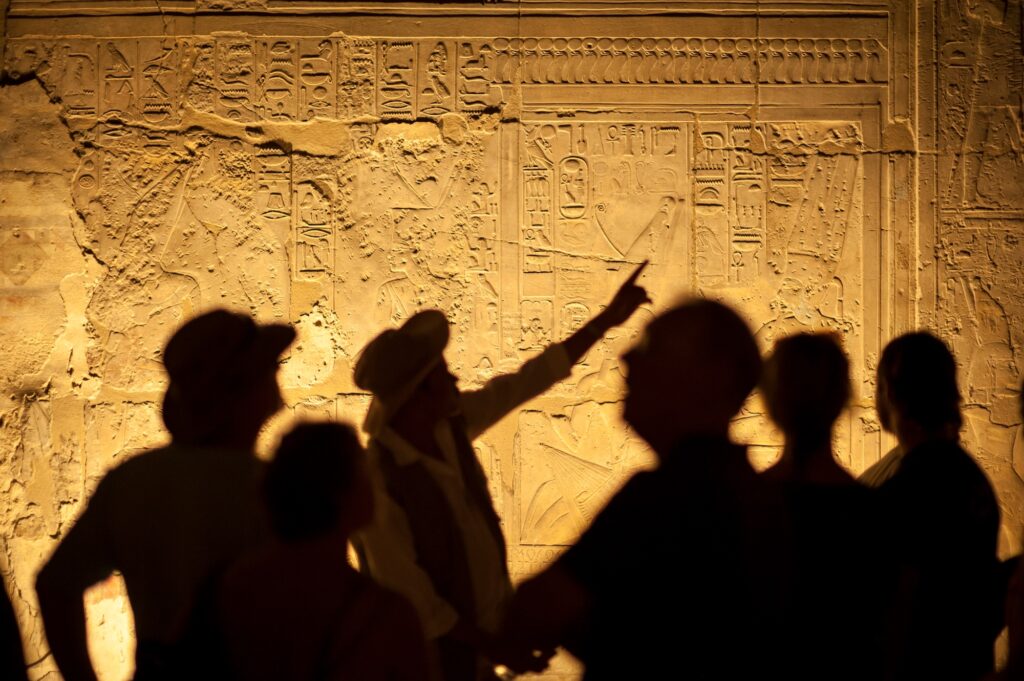
Daily excursions operate as small group experiences with up to 12 participants, ensuring personalized attention from your Egyptologist guide. This intimate setting allows for detailed discussions about hieroglyphics, architectural techniques, and daily life in ancient Egypt that would be impossible with larger tour groups.
Planning Your 4-Day Nile Adventure
Most cruises follow a well-established schedule that maximizes your time at major attractions while allowing for relaxation onboard. Smart planning starts with understanding what’s included and what requires additional arrangements.
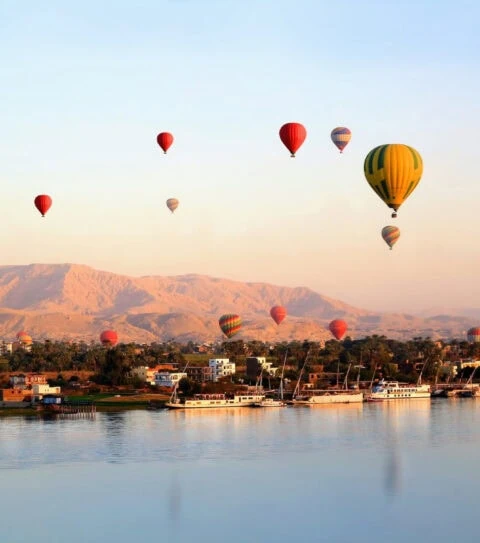
Standard itineraries typically include all meals, accommodation, guided excursions to major temples, and transportation between sites. Optional activities like hot air balloon rides over Luxor or visits to Abu Simbel require separate booking and additional fees. We always recommend discussing these options during the booking process to avoid last-minute disappointments.
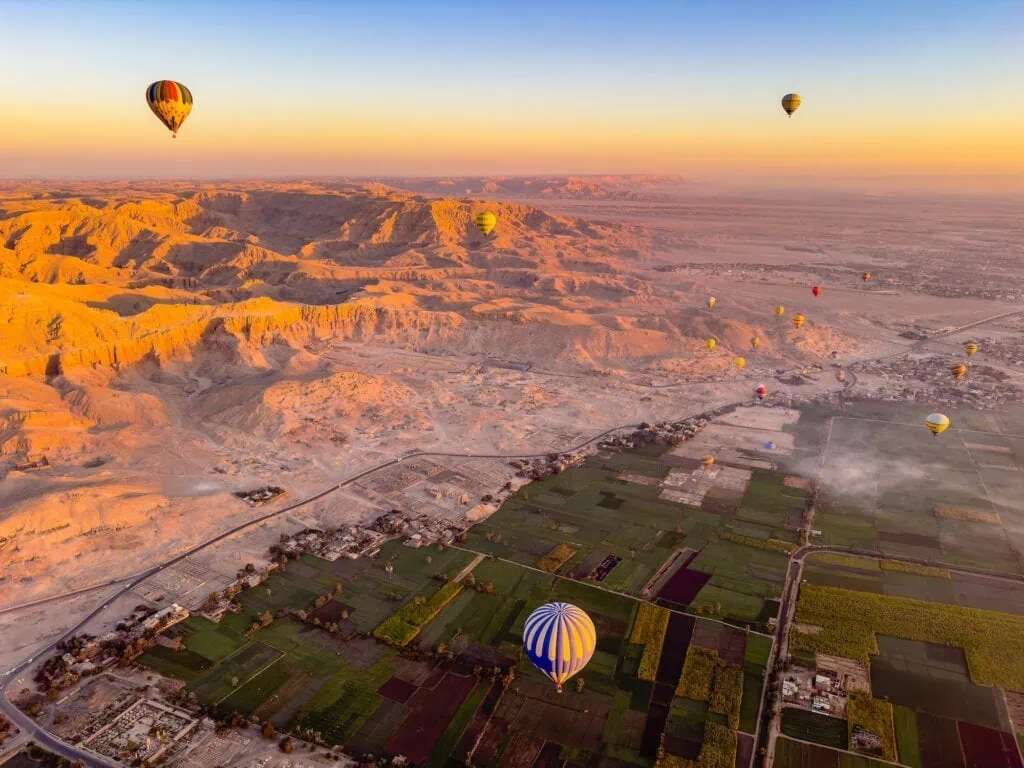
The best time to cruise runs from October through April, when daytime temperatures range between 20-28°C (68-82°F). Summer months bring intense heat that can make sightseeing uncomfortable, especially at midday. Winter months offer perfect weather but higher prices and more crowded attractions.
Packing should focus on comfortable walking shoes, lightweight clothing covering shoulders and knees for temple visits, sun protection, and layers for cooler evenings on deck. Most cruise lines provide towels and basic amenities, but bringing personal items like sunscreen and insect repellent proves essential.
Day-by-Day Experience Breakdown
Aswan Arrival and Philae Temple
Your journey begins in Aswan, where the desert meets the Nile in stunning fashion. After boarding and settling into your cabin, the afternoon excursion takes you to Philae Temple, dedicated to the goddess Isis. This remarkable structure was carefully relocated to Agilkia Island during the construction of the High Dam, stone by stone.
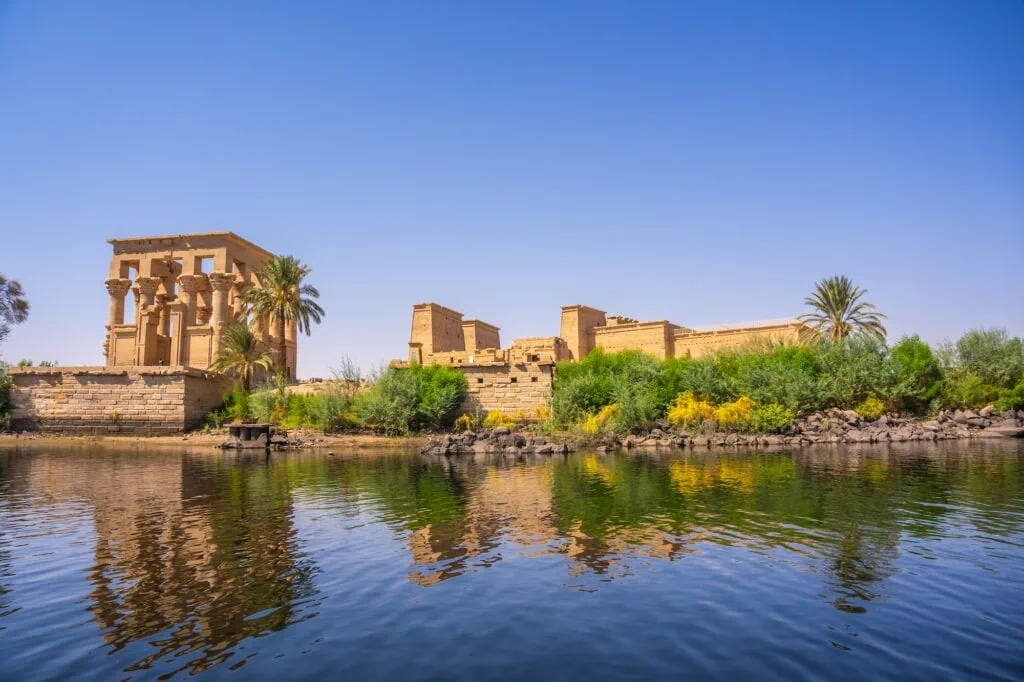
The temple’s island setting creates magical photo opportunities, especially during the golden hour before sunset. Your guide explains the intricate relief carvings that tell stories of divine love and resurrection, themes that resonated deeply with ancient Egyptians.
Kom Ombo’s Double Temple
The second day brings you to Kom Ombo, where the unique double temple design immediately captures attention. Built during the Ptolemaic period, this structure served two deities simultaneously – an architectural solution that reflects the complex religious politics of its era.
Ancient medical instruments carved into the temple walls reveal sophisticated surgical knowledge that rivals modern techniques in some areas. The crocodile museum nearby houses mummified crocodiles that were once considered sacred animals, providing fascinating insight into animal worship in ancient Egypt.
Edfu and the Temple of Horus
Edfu Temple stands as Egypt’s second-largest ancient temple and certainly its best-preserved. Horse-drawn carriages transport you from the cruise dock through the modern town to the temple entrance, creating an authentic Egyptian street experience.
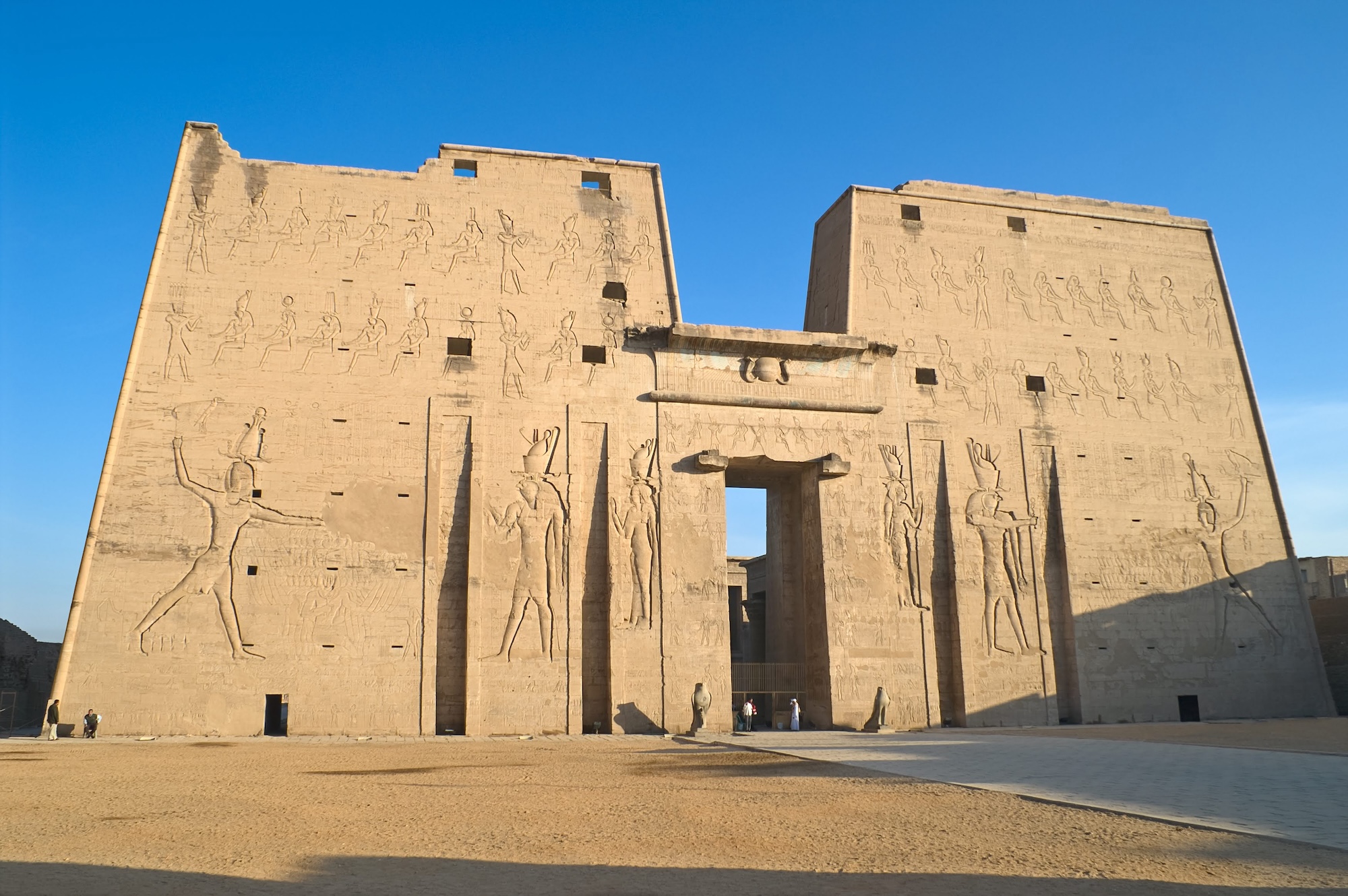
Inside, towering columns and detailed wall reliefs depict the mythological battle between Horus and Seth, good versus evil in ancient Egyptian theology. The temple’s excellent preservation allows you to walk through courtyards and chambers much as ancient pilgrims did over 2,000 years ago. Your Egyptologist guide brings these stone stories to life with explanations of religious rituals and architectural symbolism.
Luxor’s West Bank Treasures
Your final full day explores Luxor’s West Bank, home to the Valley of the Kings and other royal burial sites. Here lies the tomb of Tutankhamun, along with dozens of other pharaohs who chose this desert valley as their final resting place.
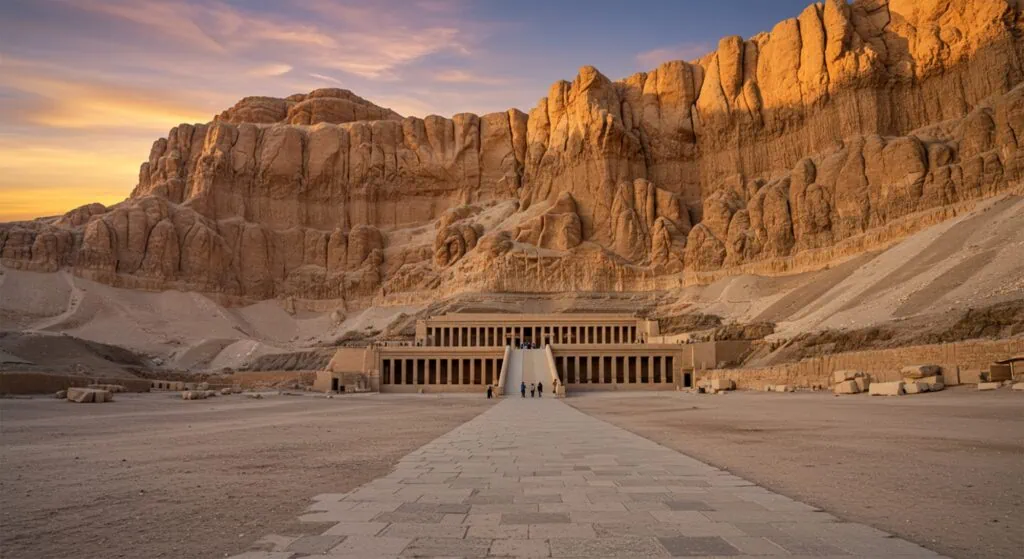
Hatshepsut Temple, built into dramatic limestone cliffs, honors Egypt’s most successful female pharaoh. Her story challenges conventional narratives about women’s roles in ancient Egypt and showcases remarkable architectural innovation. The temple’s terraced design harmonizes beautifully with the natural rock formations behind it.
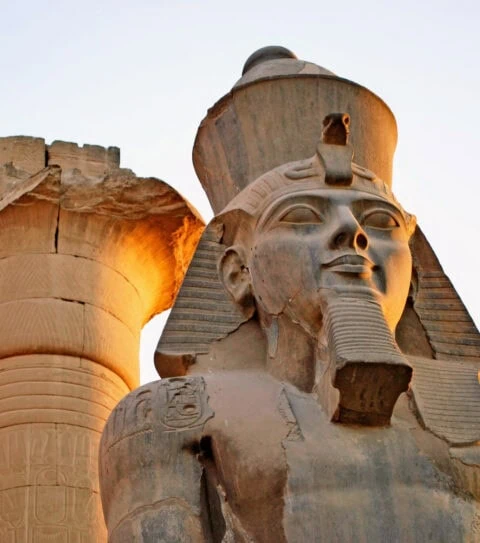
The Colossi of Memnon, two massive stone statues standing guard over the Theban necropolis, provide a perfect photo opportunity while your guide explains their connection to Amenhotep III and the legends that surrounded them in classical antiquity.
Understanding Temple Architecture and History
Walking through these ancient sites becomes far more meaningful when you understand the architectural principles and religious purposes that guided their construction. Egyptian temples followed specific layouts that mirrored the journey from earthly realm to divine presence.
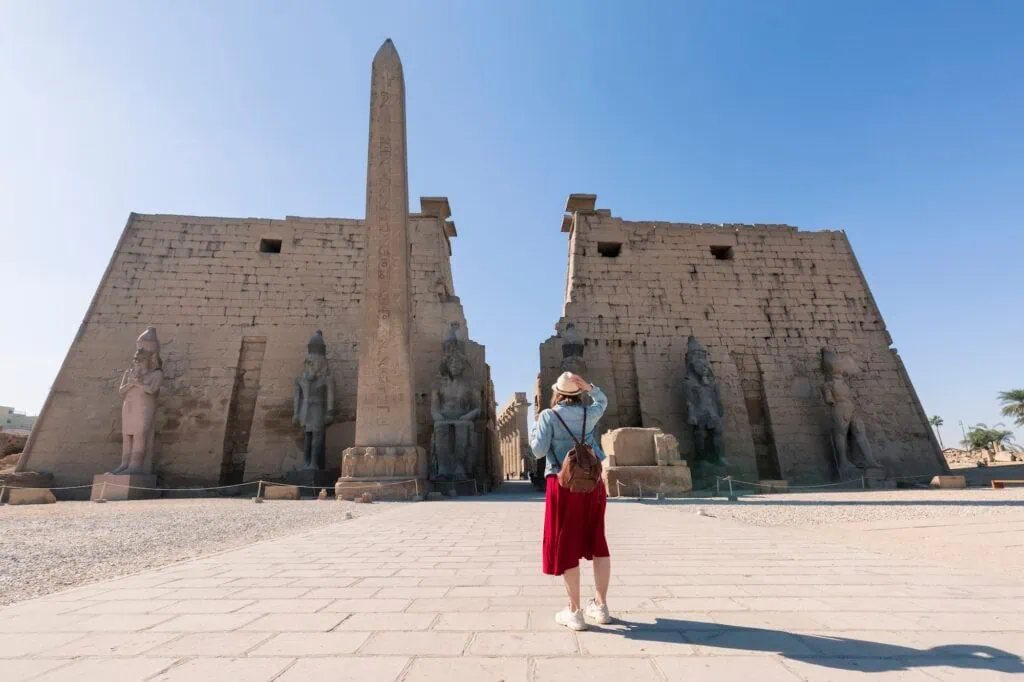
Entrance pylons represented the horizon where the sun god Ra began his daily journey across the sky. Courtyards allowed large numbers of worshippers to gather for festivals, while inner sanctuaries remained restricted to priests and pharaohs who served as intermediaries between humans and gods.
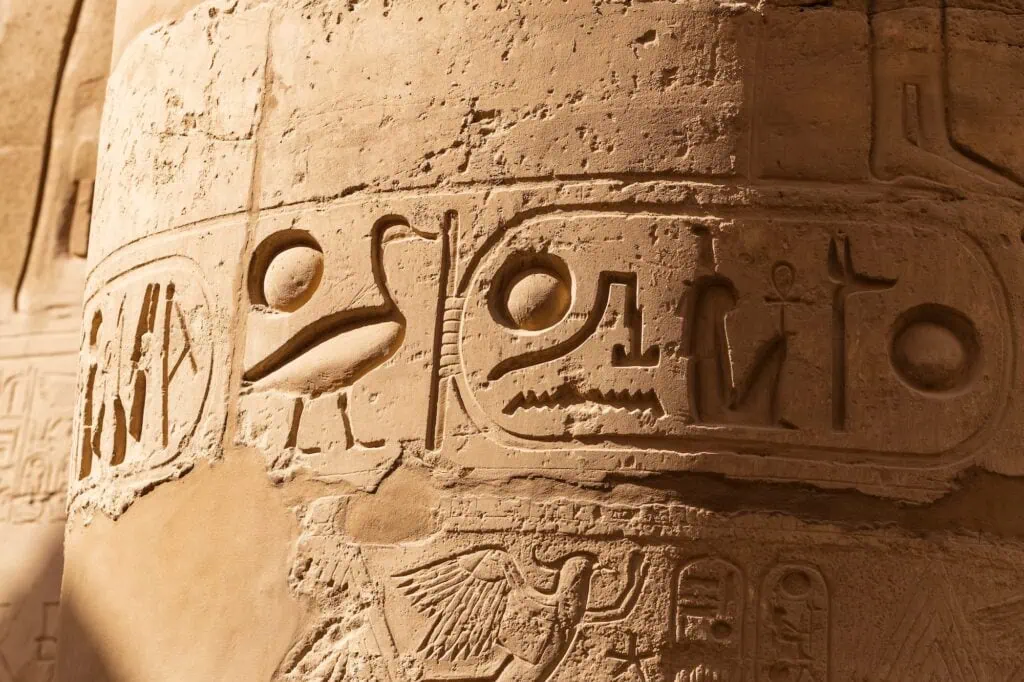
Hieroglyphic inscriptions cover virtually every surface, recording religious texts, royal accomplishments, and construction details that help modern archaeologists understand ancient Egyptian society. Your guide translates key passages and explains how the writing system evolved over thousands of years.
The preservation of these monuments results from Egypt’s dry climate and the ancient builders’ sophisticated understanding of structural engineering. Massive stone blocks fitted together without mortar have withstood earthquakes, floods, and human interference for millennia.
Practical Booking and Travel Tips
Booking through established operators ensures proper permits, qualified guides, and reliable transportation between sites. We handle all logistics including domestic flights if your itinerary requires them, hotel transfers, and coordination with cruise operators.
Visa Requirements and Entry Process
U.S. visitors need a tourist visa available on arrival at Cairo or other international airports for $25, valid for 30 days. European Union citizens follow the same process, while some nationalities can obtain e-visas in advance through the official Egyptian government website. Canadian and Australian travelers also receive visas on arrival under the same terms as Americans.
Your passport must have at least six months remaining validity and at least two blank pages for entry and exit stamps. Keep digital copies of important documents stored securely on your phone or cloud storage.
Health and Safety Considerations
No special vaccinations are required for Egypt, though routine immunizations should be current. The cruise ships maintain high cleanliness standards, and all meals undergo proper food safety protocols.
Drinking bottled water is recommended throughout your stay, and most cruise lines provide complimentary bottles in cabins. Mild stomach sensitivity sometimes occurs when trying new cuisines, so packing basic medications proves wise.
Sun protection cannot be overstated – the desert sun reflects intensely off both water and sand. High SPF sunscreen, wide-brimmed hats, and sunglasses are essential gear for comfortable sightseeing.
Choosing the Right Cruise Experience
Five-star cruise ships offer the most comfortable accommodations and highest service standards, though well-managed four-star vessels provide excellent value for budget-conscious travelers. Cabin categories range from standard river-view rooms to luxury suites with private balconies.
All-inclusive packages typically cover meals, standard excursions, and onboard entertainment, but carefully review what’s excluded. Optional activities like spa treatments, alcoholic beverages, and premium shore excursions often carry additional charges.
Group size affects your experience significantly. Our small group excursions with maximum 12 participants allow for interactive discussions with Egyptologist guides and flexibility to spend extra time at sites that particularly interest your group. Larger groups move more rigidly through predetermined schedules.
Private guides can be arranged for truly personalized experiences, though this increases costs considerably. Many travelers find the small group format provides the perfect balance between personal attention and cost efficiency.
Cultural Insights and Local Interactions
Egyptian hospitality extends naturally to cruise passengers, and crew members often share stories about their families and local customs during informal conversations. Learning a few Arabic phrases like “shukran” (thank you) and “ahlan wa sahlan” (welcome) creates instant connections.
Traditional Nubian culture remains strong in the Aswan region, with distinct music, crafts, and architectural styles that differ from mainstream Egyptian traditions. Many crew members come from Nubian communities and take pride in sharing their heritage with interested guests.
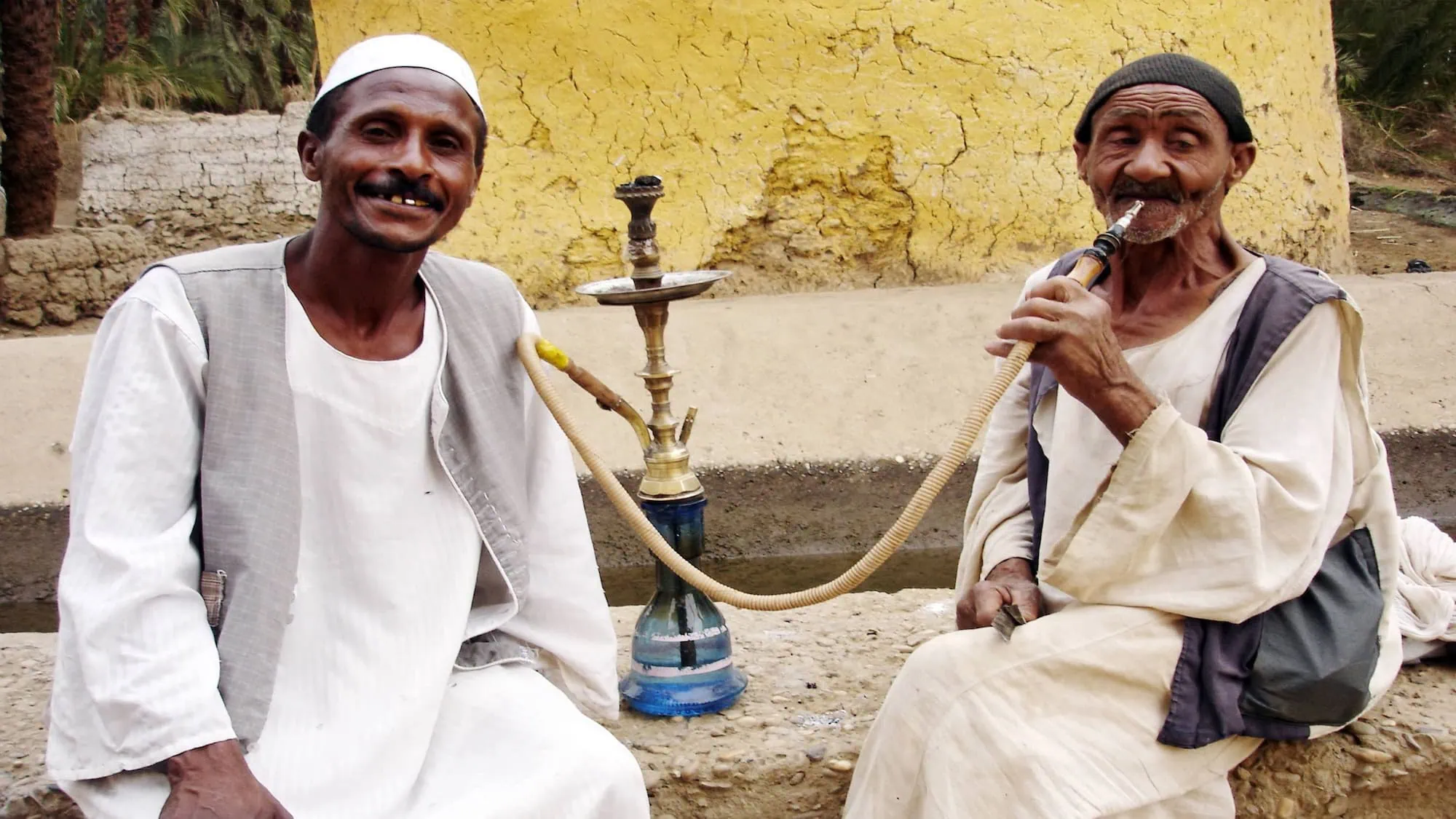
Local markets near temple sites offer authentic handicrafts, spices, and textiles, though bargaining skills prove essential. Your guide provides advice about fair pricing and quality indicators for items like cotton scarves, handmade jewelry, and carved stone replicas.
Photography policies vary by site, with some temples requiring additional permits for camera use. Your guide explains current regulations and helps you capture memorable images within the allowed guidelines.
Frequently Asked Questions
What’s the best time of year for a 4-day Nile cruise?
October through March offers ideal weather with comfortable temperatures and minimal rainfall, though this is also peak season with higher prices and more crowds.
Are the temple excursions physically demanding?
Most sites involve moderate walking on uneven surfaces with some stairs, but the pace is comfortable for people with average fitness levels.
Can vegetarians and people with dietary restrictions be accommodated onboard?
Yes, cruise ships routinely handle vegetarian, vegan, gluten-free, and other dietary requirements when notified during booking.
How much should I budget for optional activities and souvenirs?
Optional activities like hot air balloon rides cost $80-150 per person, while souvenir shopping can range from $50-200 depending on your interests.
Is it safe to drink the water onboard cruise ships?
Cruise ships use filtered water systems, but most travelers prefer bottled water which is provided in cabins and available throughout the ship.
What type of clothing is appropriate for temple visits?
Modest clothing covering shoulders and knees is required, along with comfortable walking shoes with good grip for ancient stone surfaces.
Are there ATMs or currency exchange facilities available during the cruise?
Limited banking services exist at major stops, but we recommend arranging Egyptian pounds before departure or using your ship’s currency exchange service.
How far in advance should I book my cruise?
Three to six months provides the best selection of ships and cabin categories, especially for travel during peak season from November through February.
What happens if weather conditions affect the cruise schedule?
Cruise operators have contingency plans for weather delays, though significant disruptions are rare due to Egypt’s consistently dry climate.
Can I extend my stay in Egypt before or after the cruise?
Absolutely – we specialize in creating comprehensive Egypt itineraries that combine Nile cruises with visits to Cairo, Alexandria, or Red Sea resort destinations.
Are gratuities expected for guides and crew members?
Tips are customary and appreciated, with suggested amounts of $3-5 per day for cabin stewards and $5-8 per day for guides, though this varies based on service quality.
What documentation do I need beyond my passport and visa?
Travel insurance documentation is highly recommended, along with any prescription medication lists and emergency contact information for family members back home.
Design Your Custom Tour
Explore Egypt your way by selecting only the attractions you want to visit