Egyptian Festivals: Ancient Traditions and Modern Celebrations
Egypt pulses with festivals year-round, blending pharaonic rituals, Coptic feasts, and Islamic celebrations into one living calendar.
From the mystical Abu Simbel Sun Festival where ancient pharaonic engineering creates spectacular light displays to vibrant Coptic Christmas celebrations shared by millions, Egypt’s festival calendar spans millennia. These celebrations weave together Islamic traditions, Coptic Christianity, and pharaonic heritage into a rich tapestry that defines modern Egyptian culture. Whether you’re drawn to the spiritual devotion of Ramadan observances or the joyful community spirit of Sham Ennessim spring celebrations, Egypt’s festivals offer authentic windows into both ancient wisdom and contemporary life.
We’ve guided travelers through Egypt’s festival seasons for decades, and each celebration reveals different layers of this extraordinary civilization. For the wider trip-planning context — when to go, what to pack, visa rules, getting around — see our Egypt travel guide.
Table of Contents
Religious Festivals That Unite Communities
The call to prayer echoes across Cairo as families gather for Eid celebrations, marking the end of Ramadan with four days of joyful festivities. These Islamic holidays showcase Egypt’s deep spiritual roots, with ceremonial practices dating back centuries.
Ramadan and Eid: The Heart of Islamic Egypt
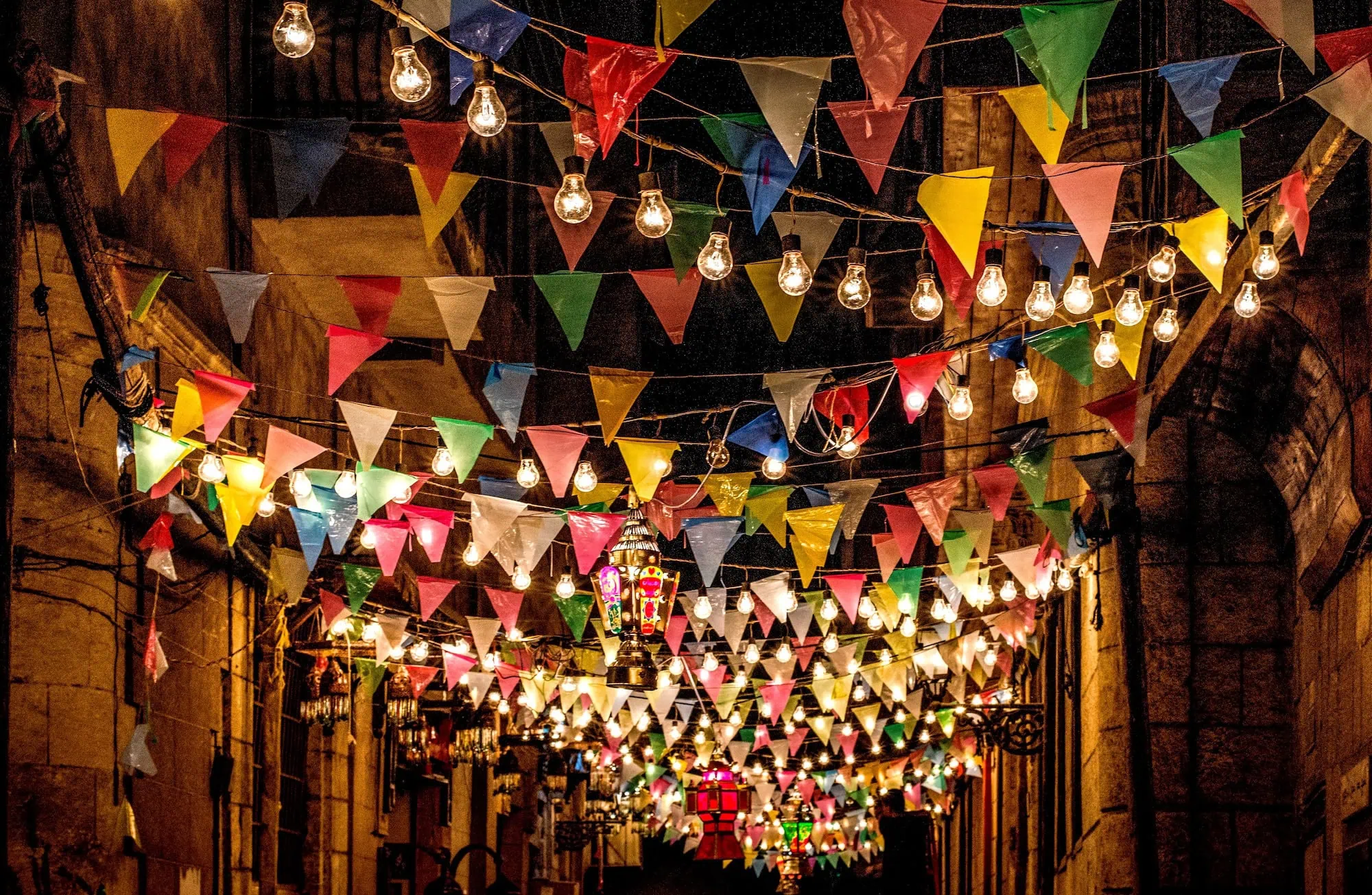
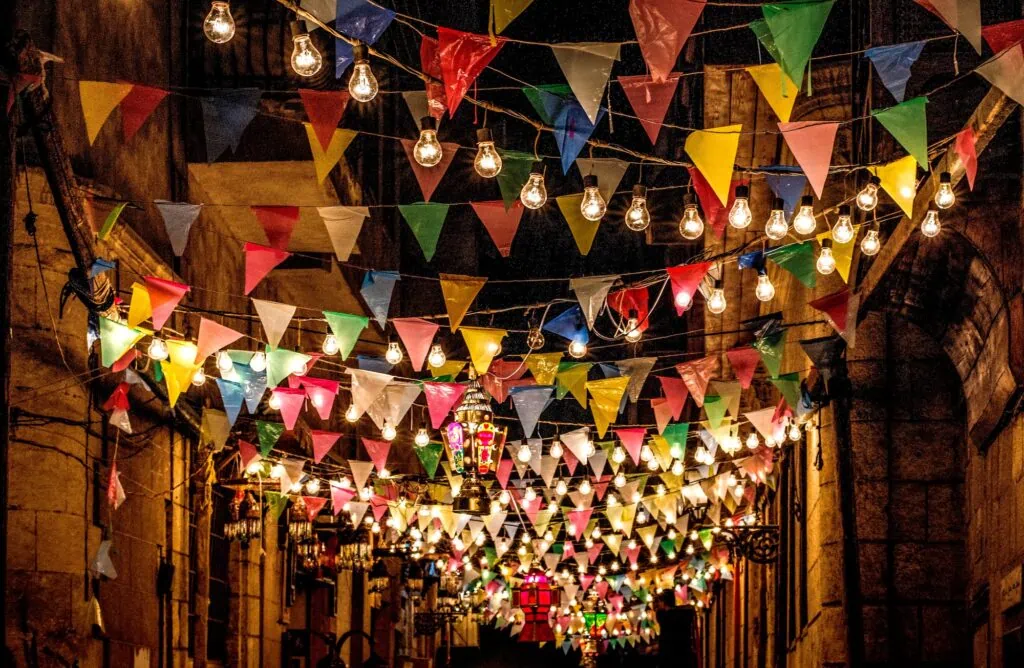
Ramadan transforms Egyptian cities completely. Streets come alive after sunset as families break their fasts together, sharing traditional dishes like ful medames and dates. The holy month affects daily rhythms – shops close during afternoon hours, then reopen late into the night as communities embrace the spiritual calendar.
Eid al-Adha follows with its own unique traditions. Families gather for ceremonial meals honoring Abraham’s narrative, with children receiving new clothes and gifts. Markets overflow with festive sweets and decorations as the four-day celebration strengthens bonds between generations.
Coptic Orthodox Christmas: Ancient Christianity in Modern Egypt
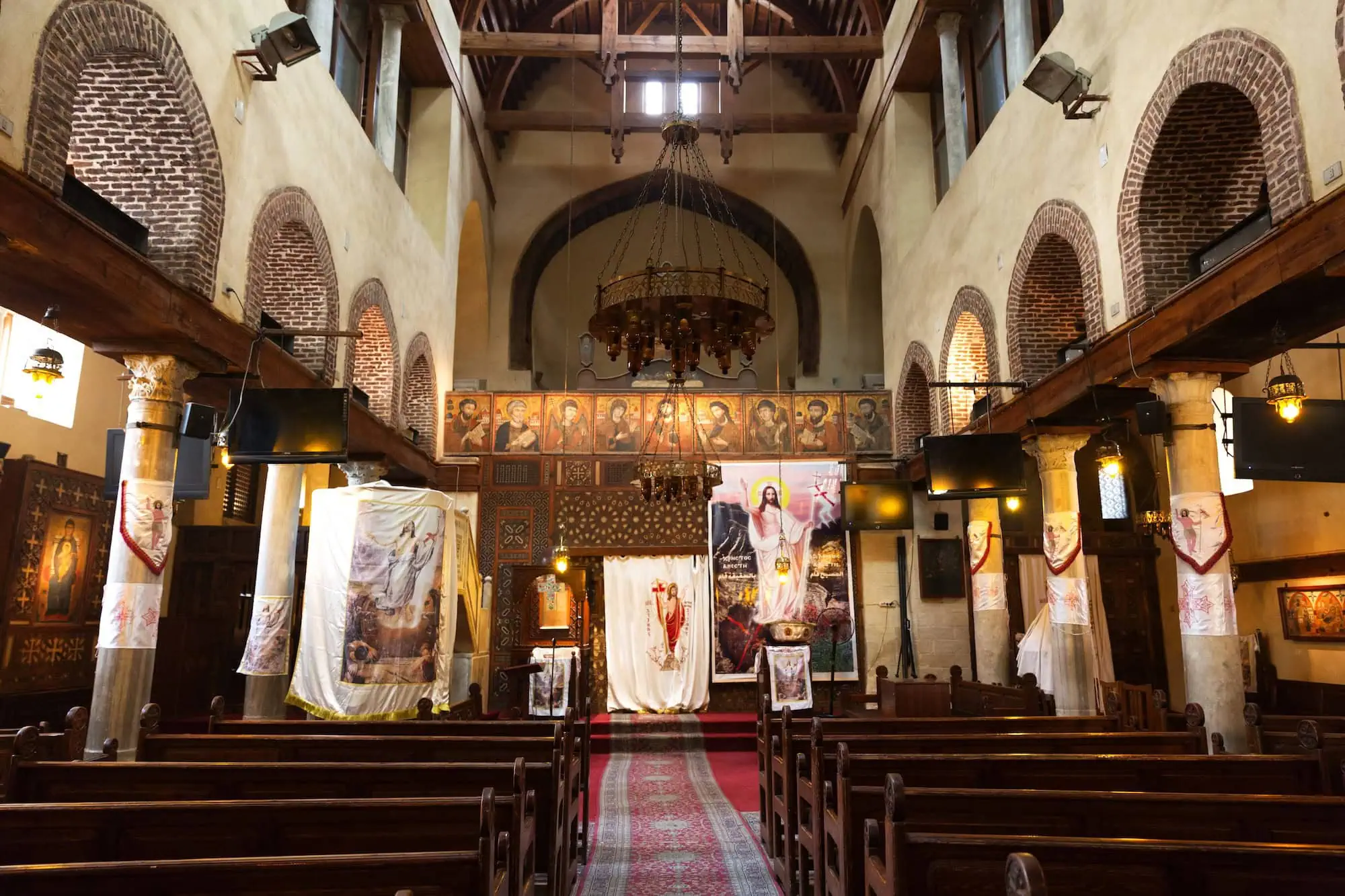
January 7th brings Coptic Orthodox Christmas to Egypt’s Christian communities, representing 10-15% of the population. Midnight services fill ancient churches with candlelight and hymns sung in Coptic, the direct descendant of pharaonic Egyptian language.
Moulid Celebrations: Street Festivals of Faith
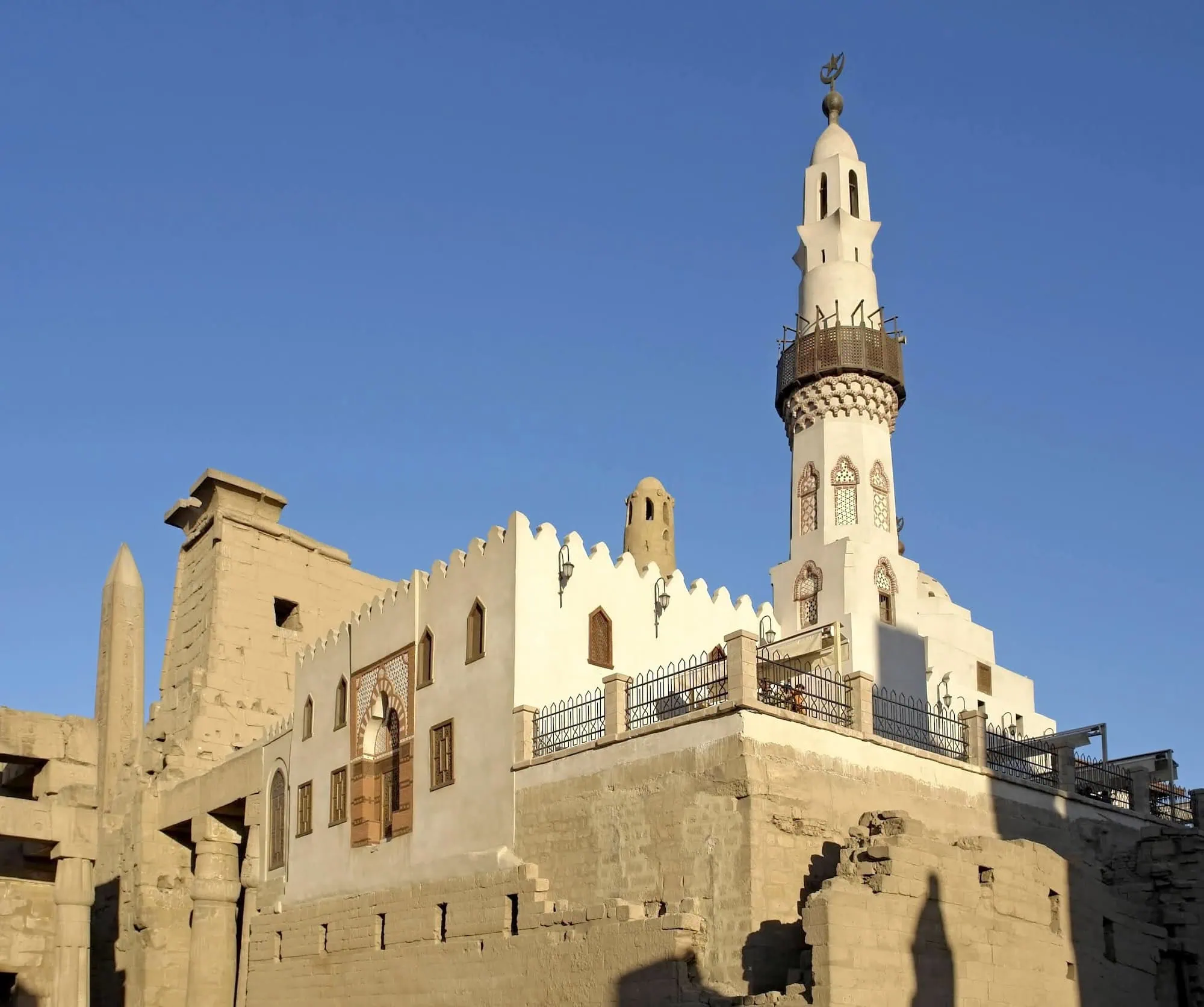
Moulid festivals honor Islamic religious figures through vibrant street celebrations combining Sufi traditions with popular culture. These gatherings feature traditional music, food vendors, and religious storytelling that creates bridges between formal worship and community joy. The most significant moulids celebrate Prophet Muhammad and Hussein, drawing pilgrims from across the country.
Ancient Festivals Brought to Life
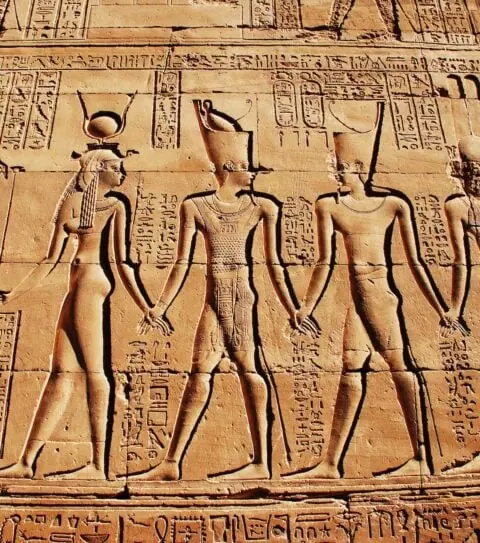
Modern Egypt keeps pharaonic traditions alive through carefully reconstructed celebrations that honor 5,000 years of continuous culture. These events blend archaeological accuracy with contemporary accessibility.
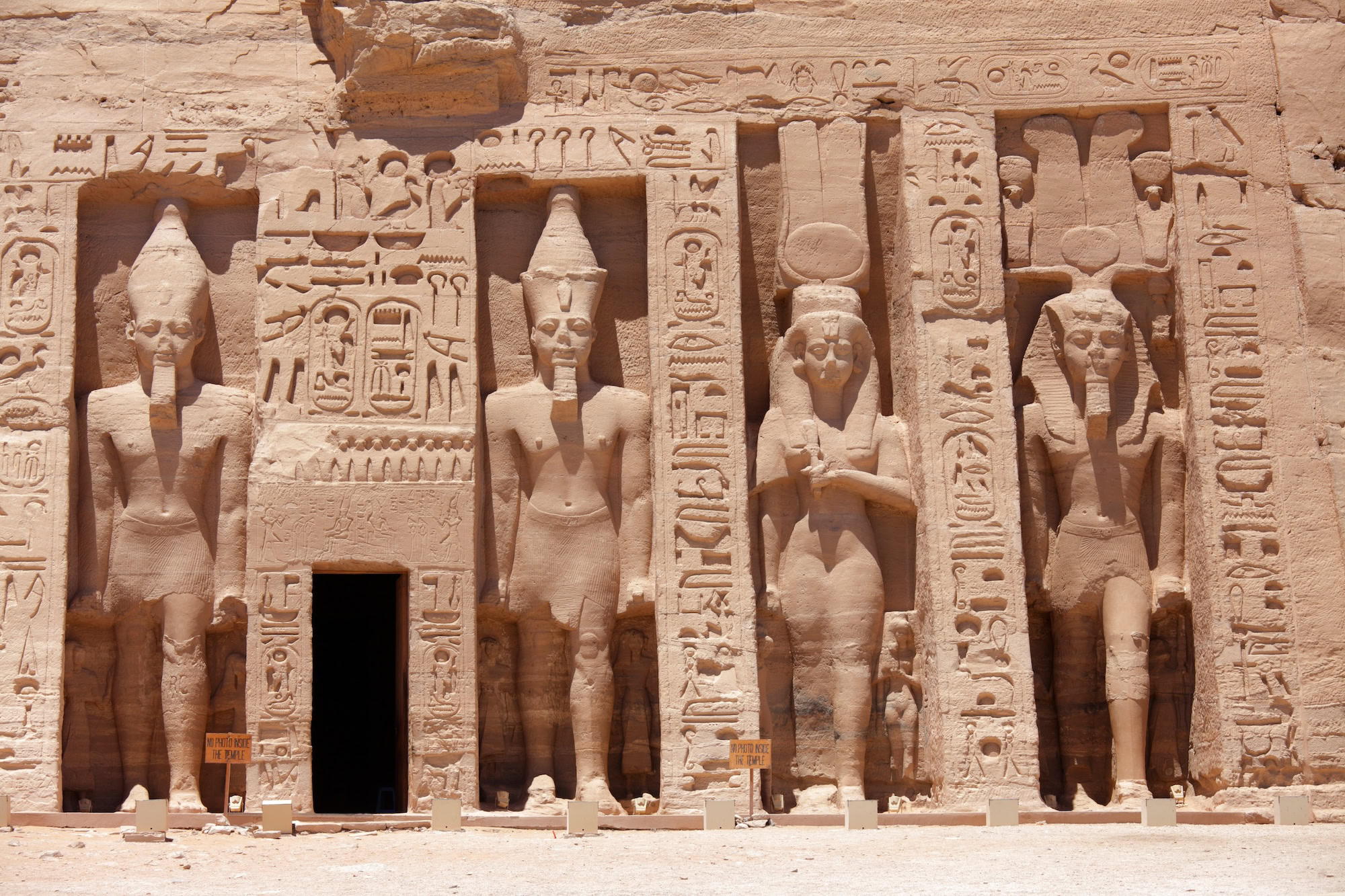
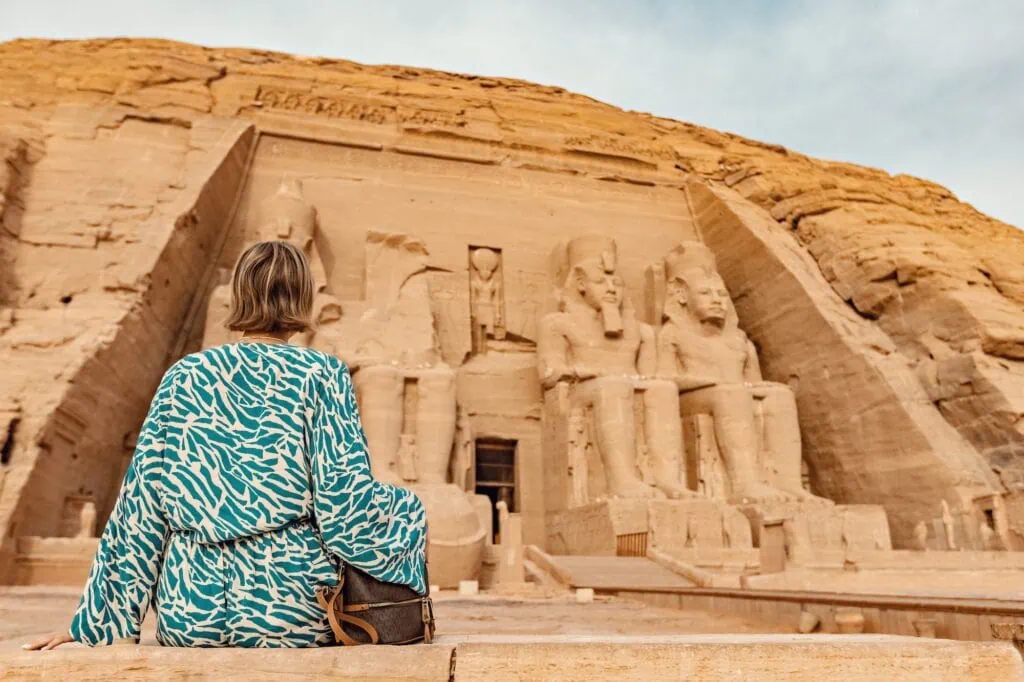
Abu Simbel’s Sun Festival demonstrates the sophisticated astronomical knowledge of ancient Egyptian priests. Twice yearly, the rising sun illuminates the normally dark inner sanctuary of Ramesses II’s temple, creating a phenomenon that draws international visitors. Our expert guides explain the precise mathematical calculations behind this ancient engineering marvel, connecting visitors directly to pharaonic science.
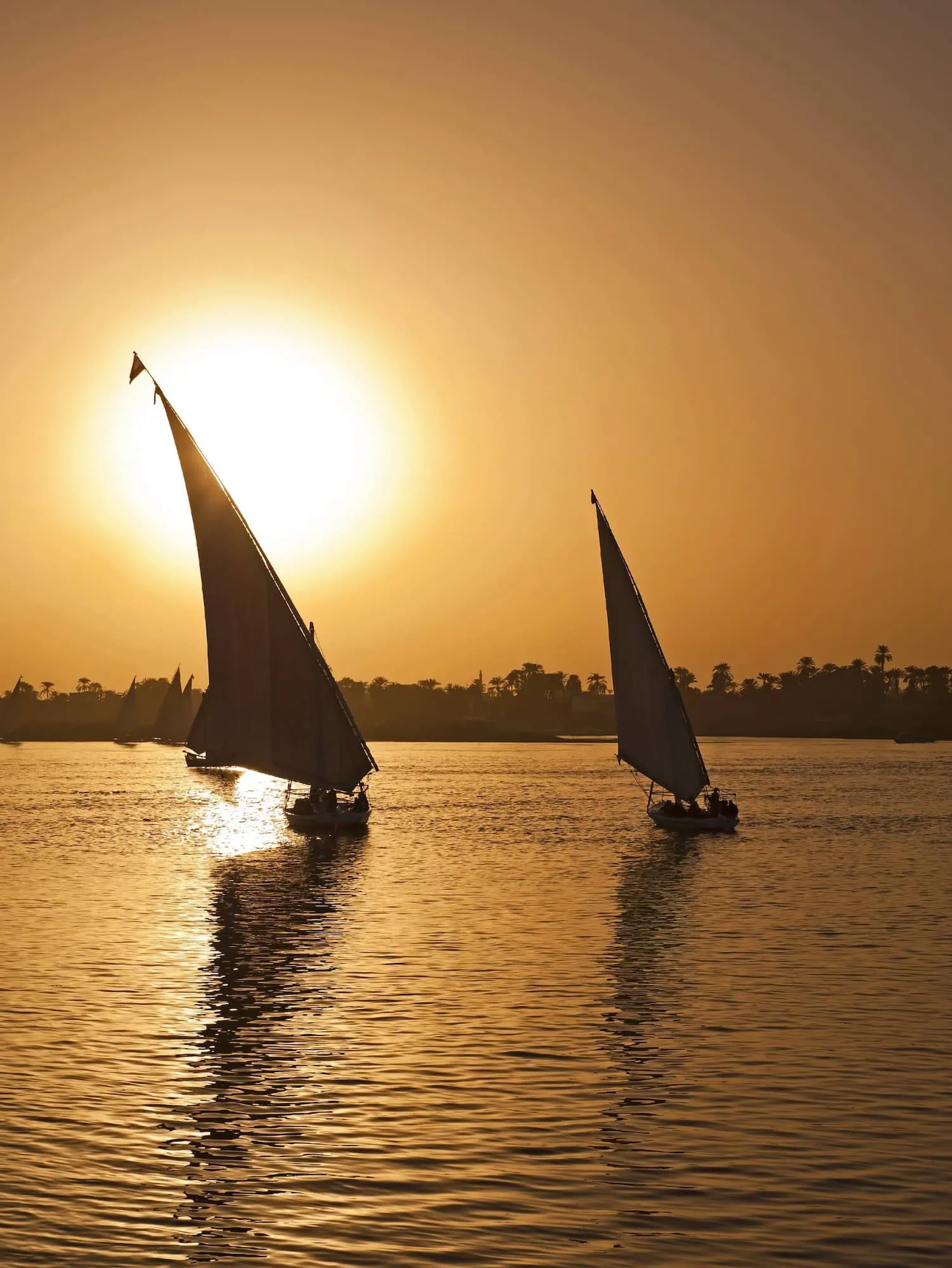
The agricultural calendar still influences Egyptian life through festivals celebrating the Nile River’s annual cycle. Wafaa Al Nil brings together poetry competitions, traditional music performances, and art exhibitions honoring Egypt’s lifeline. These celebrations acknowledge the river’s central role in sustaining civilization for millennia, much as ancient Egyptians celebrated the flooding seasons of Akhet, Peret, and Shemu.
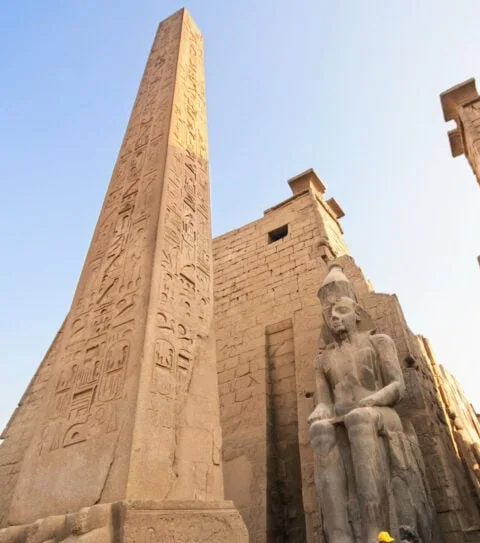
Temple complexes across Luxor host recreated pharaonic ceremonies that bring ancient texts to life. The Opet Festival, once ancient Egypt’s most important celebration, involved elaborate processions between Karnak Temple and Luxor Temple. Modern interpretations of these rituals help visitors understand how pharaohs maintained divine legitimacy through public ceremonies that reinforced their connection to gods like Amun-Re.
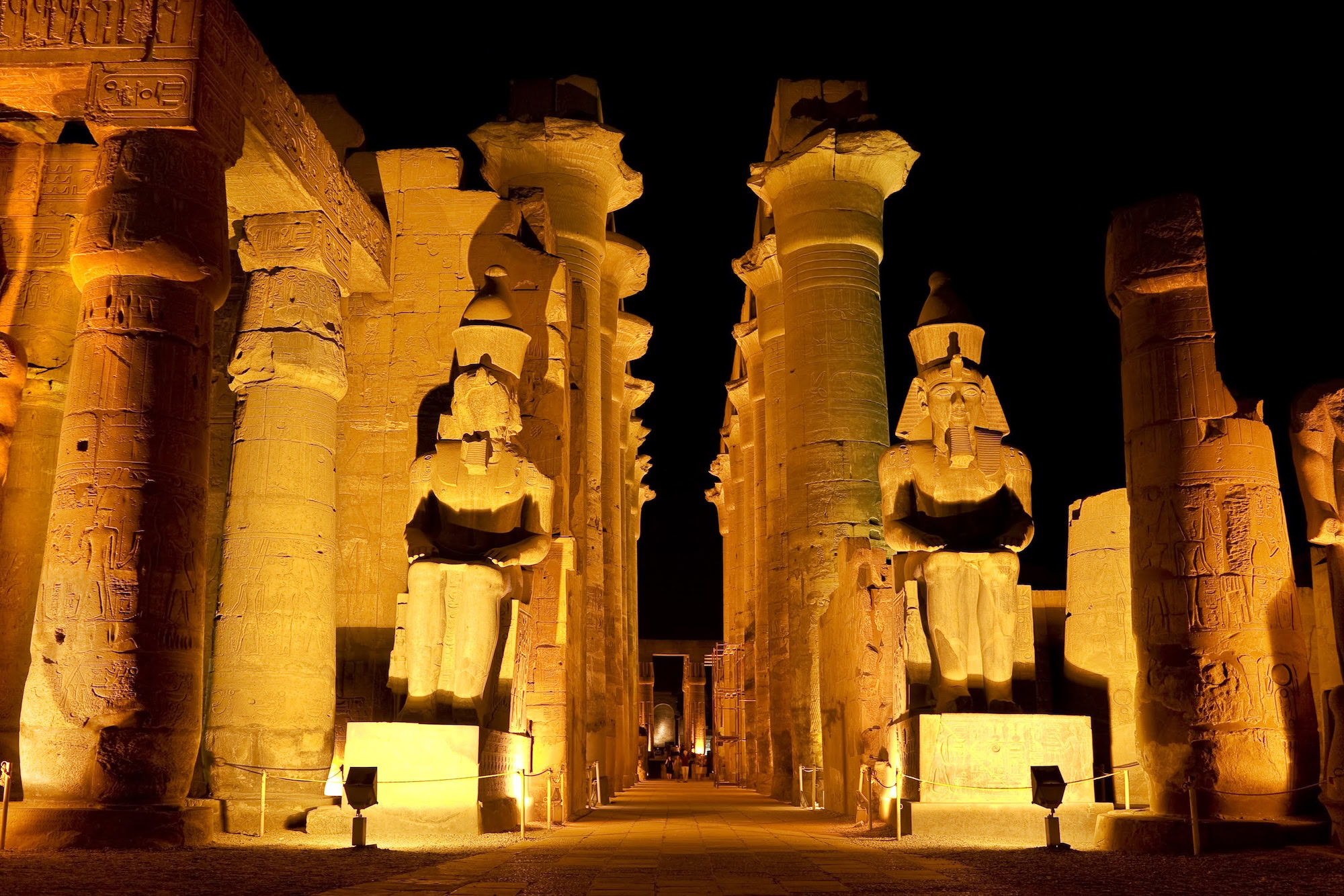
Historical research reveals that the Sed Festival marked royal jubilees when pharaohs demonstrated their continued fitness to rule through physical challenges and religious ceremonies. Today’s cultural presentations in temple settings allow visitors to witness adapted versions of these ancient royal rituals.
Interfaith Traditions and National Unity
Sham Ennessim stands unique among Egyptian festivals because Christians and non-Christians celebrate spring together through shared traditions that predate both Islam and Christianity. Families pack colored eggs, salted fish, and green onions for picnics in parks and along the Nile.
This spring celebration perfectly captures Egypt’s genius for cultural synthesis. Ancient astronomical observations determined optimal timing for agricultural activities, which early Christians adapted into resurrection symbolism, and which modern Muslims embrace as a joyful seasonal tradition. The result demonstrates how Egyptian identity transcends religious boundaries.
Wedding Traditions: Elaborate Social Celebrations
Egyptian weddings showcase the country’s talent for magnificent celebrations that can involve hundreds of guests across multiple days. These elaborate ceremonies reveal deep social structures and family networks that define Egyptian society. Economic considerations often determine celebration scales, but even modest weddings feature traditional music, dancing, and ceremonial elements that connect modern couples to historical practices.
The Pharaonic Wedding ceremony at Karnak Temple represents contemporary efforts to link modern traditions with ancient civilization symbols. These theatrical presentations help couples feel connected to Egypt’s glorious past while celebrating their personal futures.
Seasonal Rhythms and Calendar Complexity
Three different calendar systems operate simultaneously in Egypt: the Gregorian calendar used internationally, the Coptic calendar following ancient Egyptian astronomical calculations, and the Islamic Hijra calendar based on lunar cycles. This complexity means festival dates shift relative to each other annually, creating a dynamic celebration schedule.
Agricultural Connections to Ancient Practices
Modern Egyptian festivals maintain strong connections to agricultural rhythms that governed pharaonic life. The Nile’s annual flooding determined ancient festival timing, and contemporary celebrations still acknowledge these seasonal patterns. Harvest festivals celebrate successful crops, while spring celebrations welcome renewed growth cycles.
Astronomical observations continue playing important roles in festival timing. The Wepet-Renpet celebration traditionally marked the Egyptian New Year when the Sirius star appeared on the horizon, signaling the Nile’s flood season. Modern adaptations of this celebration connect participants to ancient Egyptian astronomy while celebrating cosmic renewal themes linked to Osiris mythology.
Contemporary Adaptations and Tourism
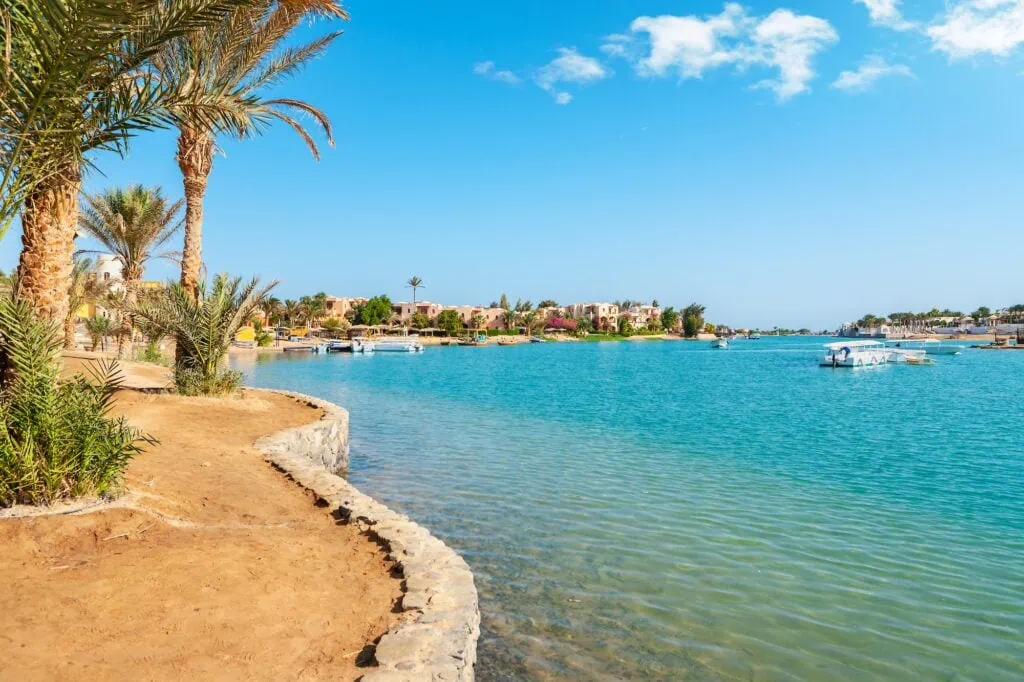
Sandbox Music Festival in El Gouna represents Egypt’s evolving festival landscape, where contemporary Egyptian youth culture meets international tourism. This beach festival showcases electronic music and modern entertainment while maintaining connections to Egyptian hospitality traditions.
Cultural festivals increasingly serve dual purposes: preserving traditional practices for Egyptian communities while offering authentic experiences for international visitors. Our carefully planned itineraries ensure travelers experience genuine celebrations rather than artificial tourist versions.
Regional Variations Across Egypt
Valley Festival traditions vary significantly between Upper Egypt and the Nile Delta, reflecting regional agricultural patterns and historical influences. Southern celebrations often emphasize connections between living communities and ancestral traditions, with visits to mortuary temples and nekropolis sites playing central roles.
Northern coastal regions blend Mediterranean influences with traditional Egyptian practices, creating unique hybrid celebrations. Alexandria’s festivals often incorporate Greek Orthodox traditions alongside Coptic and Islamic elements, reflecting the city’s cosmopolitan heritage.
Desert communities maintain Bedouin festival traditions that emphasize hospitality and survival skills passed down through generations. These celebrations feature traditional crafts, storytelling, and music that differs markedly from Nile Valley traditions.
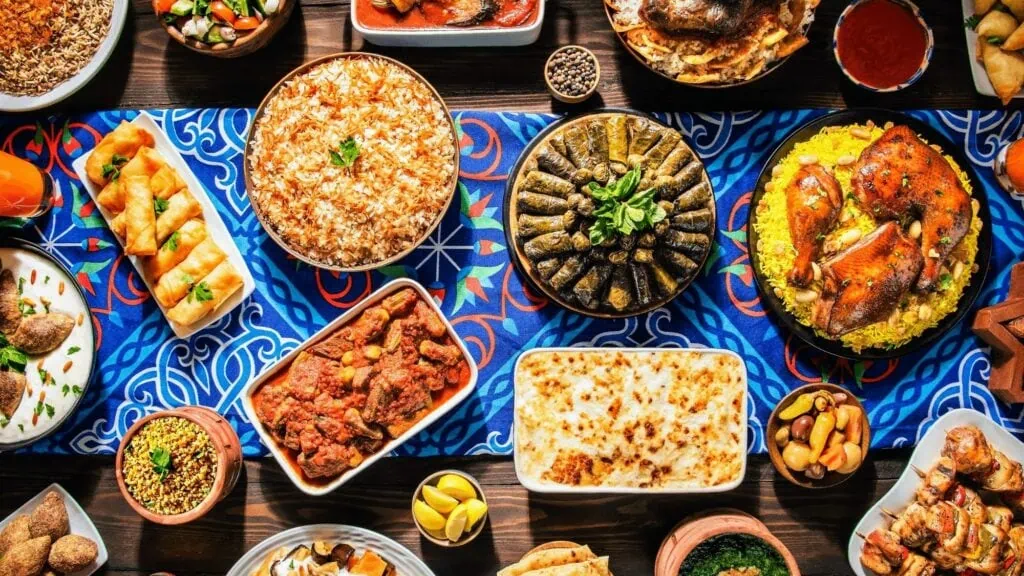
Festival foods reveal regional specialties – from Upper Egyptian date preparations to coastal seafood traditions to desert preservation techniques. Each region’s celebrations showcase local ingredients and cooking methods that reflect Egypt’s geographical diversity.
Our decades of expertise across all Egyptian regions ensure travelers experience authentic regional variations rather than generic festival representations. We work directly with local communities to arrange genuine participation in celebrations that matter to Egyptian families.
Planning Your Festival Experience
Timing becomes crucial when planning Egyptian festival experiences, as celebration dates shift according to multiple calendar systems. Ramadan dates advance approximately 11 days annually relative to the Gregorian calendar, while Coptic celebrations follow the ancient Egyptian calendar that differs from both Islamic and Gregorian systems.
Weather considerations affect outdoor festival experiences significantly. Spring celebrations like Sham Ennessim offer ideal temperatures of 75-80°F (24-27°C), while summer festivals may require careful planning around midday heat. Winter celebrations provide comfortable conditions but may require warm clothing for evening outdoor events.
Accommodation availability varies dramatically during major festival periods. Cairo hotels often reach capacity during Eid celebrations, while Luxor accommodations fill quickly during Abu Simbel Sun Festival dates. This is why many travelers rely on expertly planned tour packages to Egypt, where festival timing, accommodations, and logistics are handled in advance so you can focus on the experience itself.
We secure advance bookings to ensure travelers don’t miss these extraordinary cultural experiences.
Transport logistics require careful coordination during festival seasons when millions of Egyptians travel to celebrate with extended families. Our private vehicles and experienced drivers navigate festival crowds efficiently while maintaining comfortable schedules for international visitors.
Cultural Etiquette and Respectful Participation
Festival participation requires understanding appropriate behavior during religious and cultural celebrations. Islamic festivals involve specific prayer times and dietary considerations that guests should respect. Coptic celebrations may include long church services conducted in ancient languages that require patience and reverence.
Photography guidelines vary between different festival types. Ancient temple celebrations often welcome documentation, while religious ceremonies may restrict camera use during sacred moments. Our guides provide clear guidance about appropriate behavior and documentation opportunities.
Dress codes become particularly important during religious festivals. Conservative clothing shows respect for local customs while ensuring comfortable participation in community celebrations. We provide detailed preparation guidance to ensure travelers feel confident and appropriately dressed.
Gift-giving traditions vary across different celebration types. Understanding when small gifts are appropriate and what items might be welcomed helps visitors participate meaningfully in community festivities.
Modern Egypt’s Festival Innovation
Contemporary Egyptian artists increasingly blend traditional festival elements with modern creative expression. Music festivals incorporate ancient instruments alongside electronic production, while visual artists create installations that reinterpret pharaonic symbols for contemporary audiences.
Digital technology enhances festival experiences through smartphone apps that provide historical context and translation services during celebrations. These tools help international visitors appreciate subtle cultural elements they might otherwise miss.
Environmental consciousness influences modern festival planning, with organizers emphasizing sustainable practices that honor Egypt’s natural heritage. The Nile River’s health directly affects water-based celebrations, creating connections between environmental stewardship and cultural preservation.
Social media documentation has transformed how Egyptians share festival experiences with extended family networks and international audiences. These digital connections strengthen cultural bonds while introducing global audiences to Egyptian celebration traditions.
See It Live, Not Just Read About It
Festivals don’t run on the standard tourist calendar. The Abu Simbel Sun Festival lights up the inner sanctuary on exactly two mornings a year, February 22 and October 22. Sham El Nessim moves with the Coptic Easter. Moulids cluster around saints’ days that no online schedule consistently lists.
Tell your Travel Concierge which festival you want at the centre of your visit, and we’ll build the rest of the itinerary (Cairo, Luxor, a Nile cruise) around that one fixed date. Your private Egyptologist guide will read the rituals as they unfold and explain the cultural layers underneath. First-draft itinerary back in your inbox within 1 to 12 hours.
Frequently Asked Questions
The festival happens twice yearly on February 22nd and October 22nd when sunlight illuminates the temple’s inner sanctuary.
Yes, respectful participation is welcomed, though dietary restrictions and prayer times should be observed during Ramadan.
Sham Ennessim spring celebrations and Abu Simbel events specifically encourage participation from travelers of all backgrounds.
Major celebrations require 3-6 months advance planning for optimal accommodation and tour availability.
Most temple celebrations use standard monument entry fees, though some special events may have additional costs.
Festival foods vary by celebration type and season, from Eid sweets to Coptic Christmas specialties to spring picnic dishes.
Yes, most celebrations welcome families, though some religious ceremonies may be lengthy for very young children.
Ancient temple celebrations and outdoor spring festivals typically provide excellent documentation opportunities with fewer restrictions.
Religious festivals shift dates annually relative to the Gregorian calendar, requiring flexible travel planning.
Conservative, comfortable clothing respects local customs while ensuring participation comfort across different celebration environments.
While festivals are inherently community events, we arrange guided experiences that provide context and optimal viewing positions.
Cairo and Luxor provide the widest variety of celebrations, from ancient temple events to modern religious observances and cultural festivals.
Design Your Custom Tour
Explore Egypt your way by selecting only the attractions you want to visit