

Best Time to Visit the Western Desert, Egypt
Planning matters when the Western Desert calls. The vast wilderness stretches endlessly under Egypt’s blazing sun, where ancient oases shimmer like emeralds against golden sand dunes.
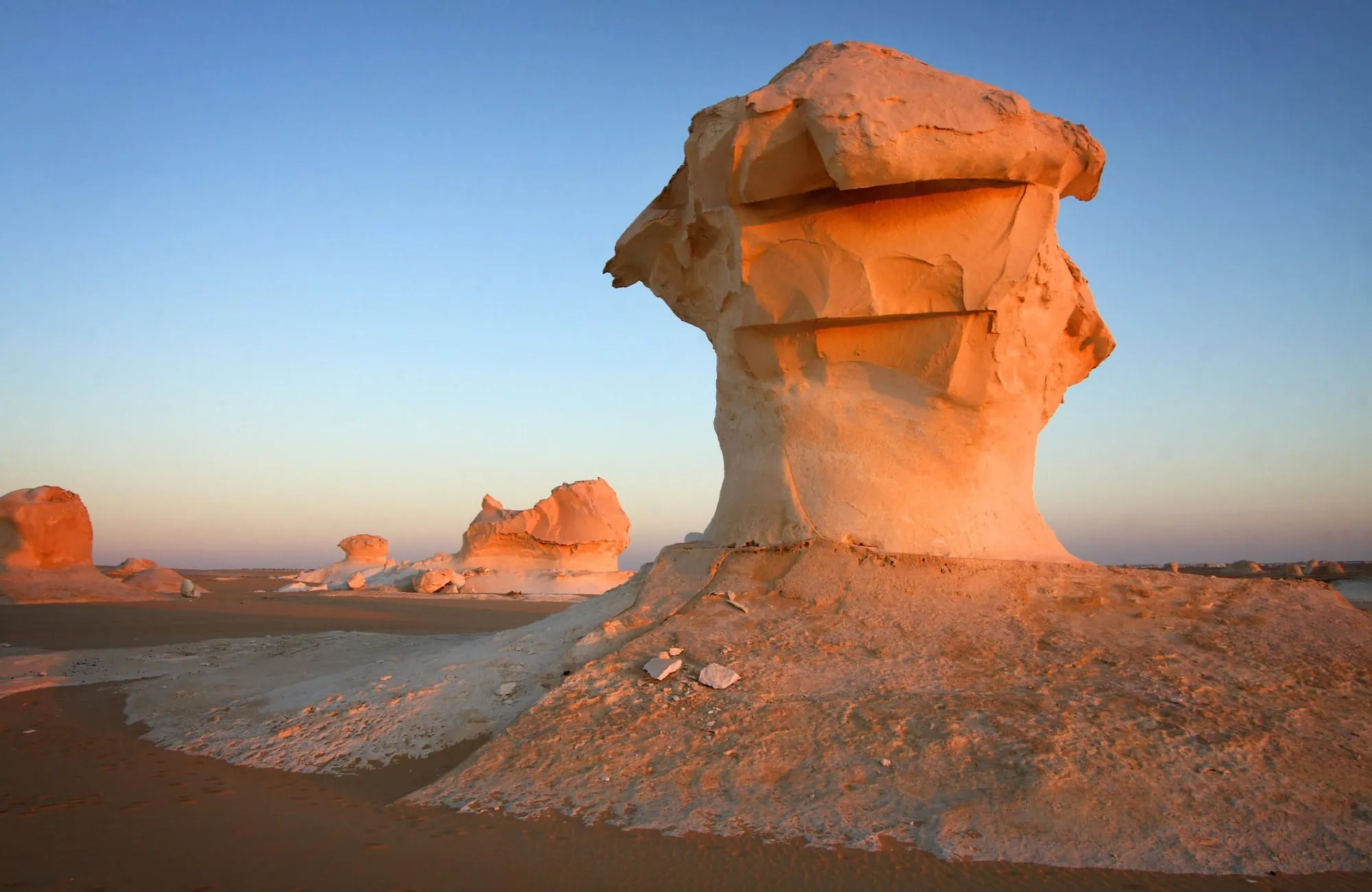
Choosing the right season transforms your adventure from an exhausting endurance test into an unforgettable journey through one of Earth’s most magnificent landscapes. Temperature swings of 40°C (72°F) between day and night can make or break your experience, while seasonal winds and rare rainfall patterns create dramatically different conditions throughout the year.
Our decades of guiding travelers through Egypt’s Western Desert have taught us that timing isn’t just important – it’s everything.
Table of Contents
Optimal Seasons for Desert Exploration
Winter months deliver ideal conditions for Western Desert adventures. From November through March, daytime temperatures hover between 18-25°C (64-77°F), creating comfortable conditions for hiking, camel trekking, and exploring remote oases. Night temperatures drop to 5-10°C (41-50°F), perfect for stargazing around campfires without the bone-chilling cold of higher altitude deserts.
December and January represent peak season for good reason. Tourist facilities operate at full capacity, experienced guides are readily available, and transportation runs on reliable schedules. However, popular spots like Siwa Oasis and the White Desert can feel crowded during Egyptian holidays and European winter breaks.
November: The Sweet Spot
November offers the best balance of weather and solitude. Temperatures remain pleasant while tourist numbers stay manageable. Desert winds are gentle, creating excellent visibility for photography and wildlife spotting. Many consider this the absolute prime month for multi-day camping expeditions.
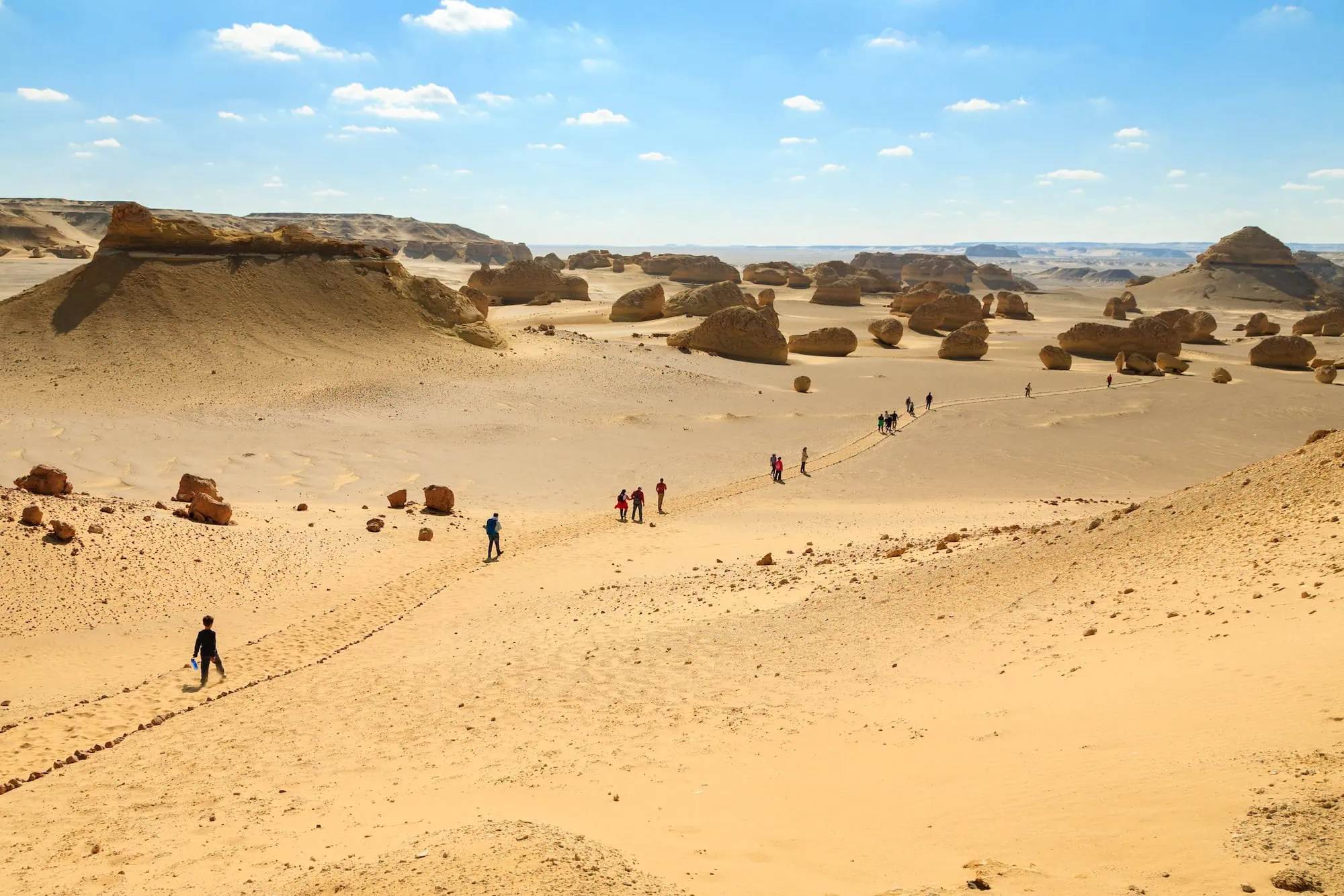
February Through March: Spring Awakening
Late winter brings occasional wildflower blooms after rare winter rains. The desert landscape transforms with subtle color changes that photographers prize. Temperatures begin their gradual climb, but remain comfortable for extended outdoor activities.
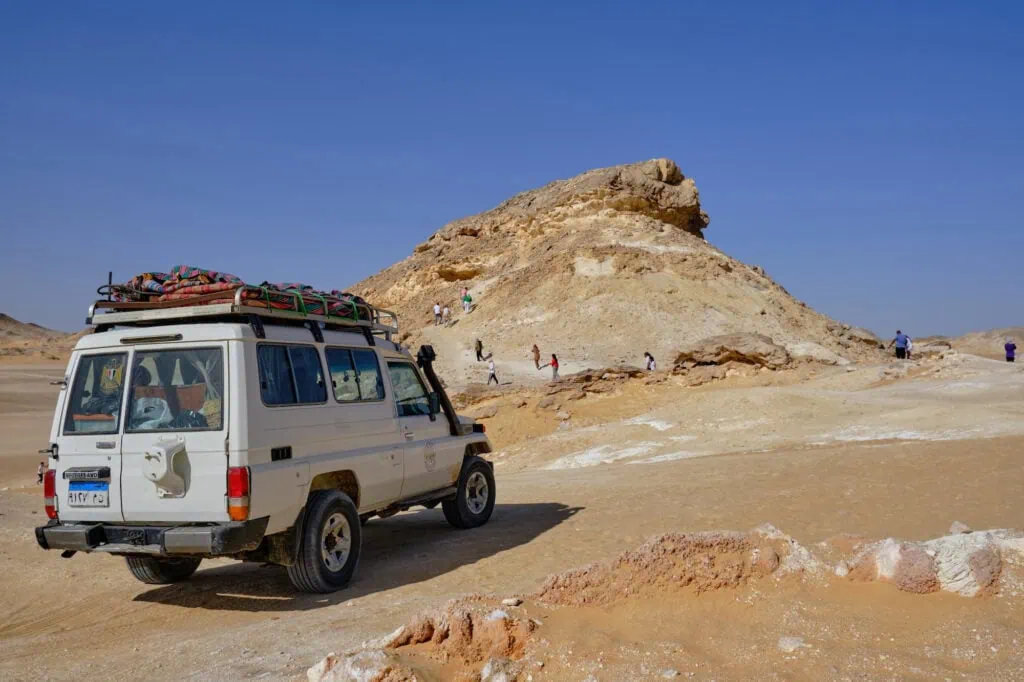
December Through January: Peak Comfort
These months guarantee the most predictable weather patterns. Professional tour operators schedule their premium expeditions during this window. Expect higher prices but also the most reliable conditions for complex itineraries involving multiple oases and remote archaeological sites.
Summer Challenges and Opportunities
Summer travel requires serious preparation and realistic expectations. June through August brings extreme heat, with midday temperatures reaching 45-50°C (113-122°F) in direct sunlight. Most outdoor activities become impossible between 10:00 am (10:00) and 4:00 pm (16:00), forcing travelers to adopt nocturnal schedules.
Yet summer holds unique rewards for prepared adventurers. Accommodation prices drop significantly, and popular destinations empty of crowds. The crystal-clear desert nights offer unparalleled astronomical viewing, with the Milky Way visible in spectacular detail. Early morning and late evening hours provide magical lighting conditions that desert photographers specifically seek.
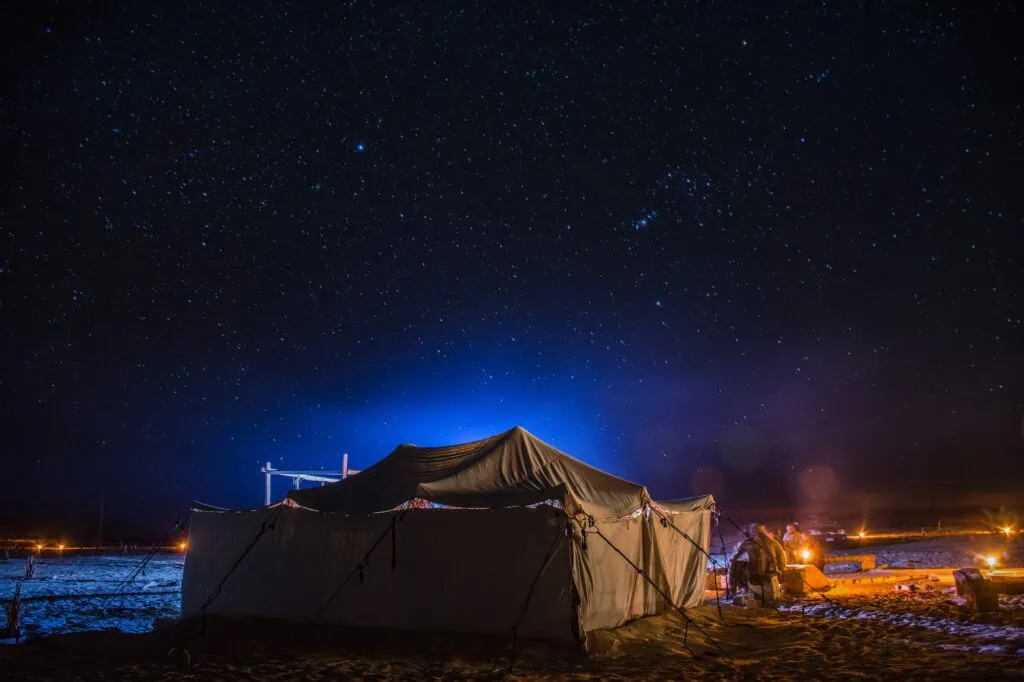
Budget-conscious travelers can save 30-40% on tour costs during summer months. Local Bedouin guides often have more availability for personalized experiences. Just remember that summer desert travel demands extensive precautions, quality sun protection, and constant hydration.
Weather Patterns and Climate Considerations
Desert weather follows predictable but extreme patterns that directly impact travel planning. Understanding these cycles helps optimize your timing for specific activities and comfort levels.
Temperature Extremes Throughout the Year
Daily temperature swings define desert life more than seasonal averages. Even during mild winter months, morning temperatures can drop 20°C (36°F) below afternoon highs. This phenomenon creates unique packing challenges – you’ll need warm layers for dawn camel treks and light, breathable clothing for midday breaks.
Spring and autumn shoulder seasons offer the most moderate swings, with day-night differences around 15-20°C (27-36°F). Summer amplifies everything, creating brutal midday heat followed by surprisingly cool nights around 20-25°C (68-77°F).
Wind and Sandstorm Seasons
March through May brings the Khamsin winds – hot, dry gusts from the south that can trigger sandstorms lasting several days. These conditions reduce visibility, disrupt transportation, and make outdoor activities uncomfortable or dangerous. April typically sees the highest frequency of dust storms.
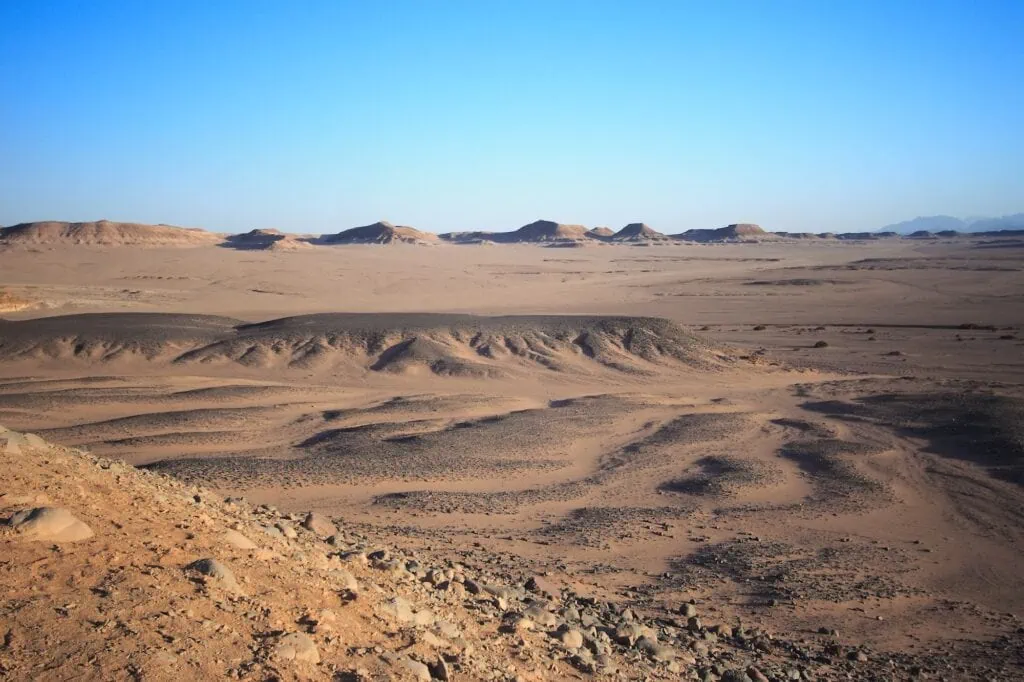
Conversely, winter months feature calmer atmospheric conditions perfect for photography, stargazing, and leisurely exploration. The stable air masses of December and January create those postcard-perfect desert sunrise and sunset moments.
Rainfall Rarity and Flash Flood Risks
The Western Desert receives less than 1mm of annual rainfall, but when rain does fall, it creates sudden dangers. Winter months hold the highest probability for the rare precipitation events. Flash floods can fill normally dry wadis (valleys) within minutes, trapping vehicles and creating navigation hazards.
Regional Variations Across the Western Desert
Egypt’s Western Desert spans diverse microclimates that can vary dramatically within short distances. Understanding these regional differences helps fine-tune your travel timing for specific destinations within the broader desert region.
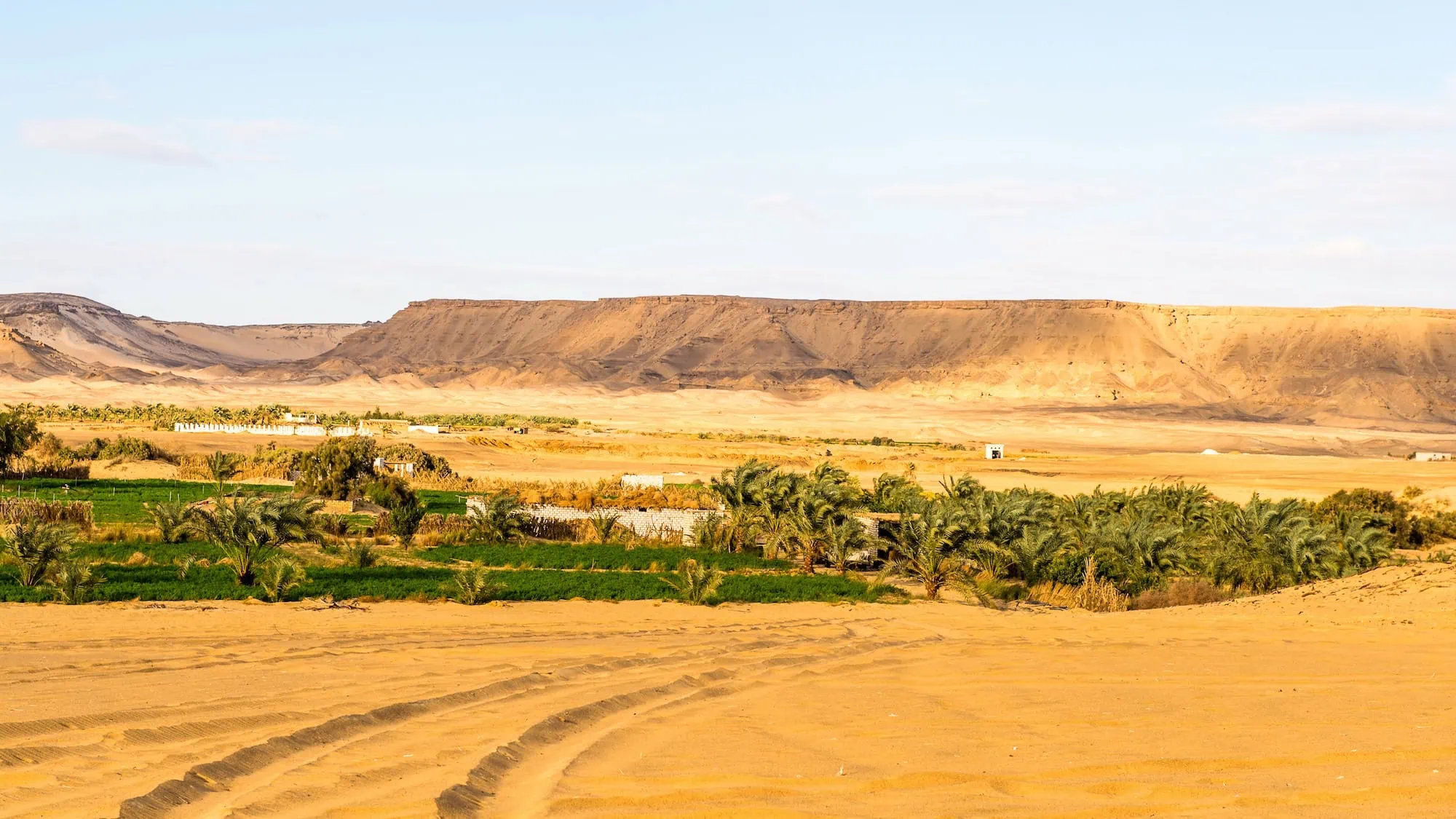
Siwa Oasis enjoys slightly more moderate temperatures year-round due to its depression below sea level and abundant natural springs. The microclimate created by palm groves and freshwater lakes moderates extreme temperature swings. Summer visits to Siwa remain challenging but more tolerable than exposed desert areas.
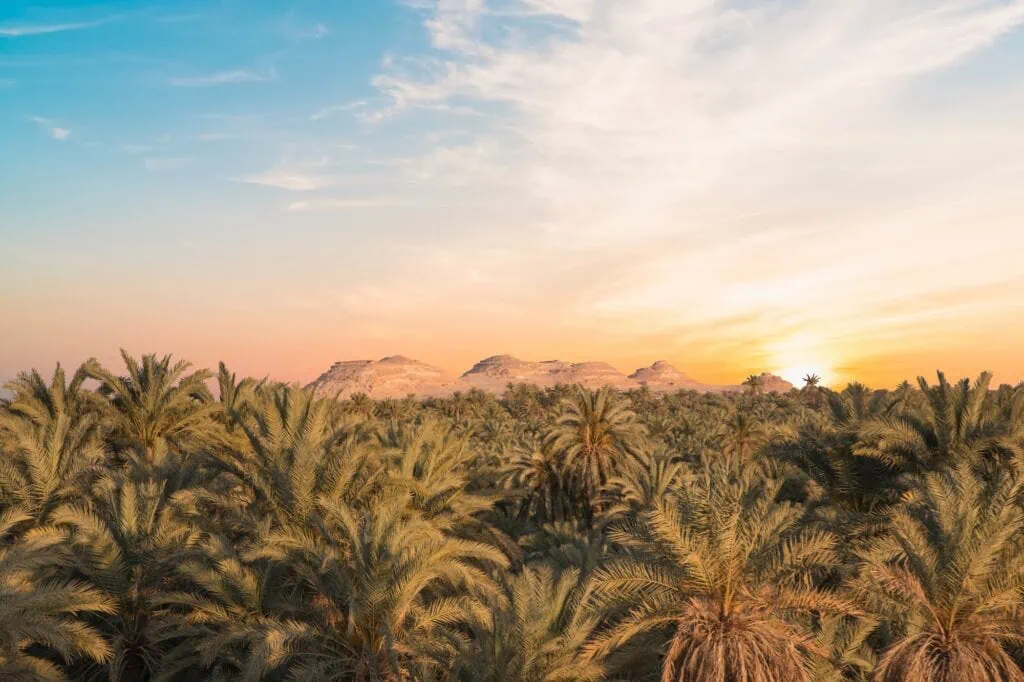
The White Desert and Black Desert regions experience the full force of continental desert climate. These areas showcase the most dramatic temperature variations and offer the clearest examples of why timing matters. Winter camping in the White Desert creates magical experiences with comfortable temperatures and stunning limestone formations. Summer visits require extreme heat precautions and severely limited activity windows.
Bahariya Oasis sits at higher elevation, creating slightly cooler conditions than surrounding areas. This makes it an excellent base for year-round desert excursions, though summer still demands careful planning. The oasis also serves as the primary jumping-off point for White Desert expeditions.
Northern vs. Southern Desert Conditions
Northern regions closer to the Mediterranean coast experience slightly more moderate temperatures and occasional winter moisture. These areas offer extended comfortable seasons from October through April. Southern reaches toward Sudan face more extreme conditions with longer, more intense summer heat periods.
Understanding these gradients helps plan multi-region itineraries that maximize comfort while minimizing weather-related restrictions.
Activity-Specific Timing Recommendations
Different desert activities peak during specific seasons, and smart travelers align their interests with optimal conditions.
Hiking and Trekking
Serious hiking requires winter timing. November through February offers the only months suitable for extended walking expeditions. Desert hiking during other seasons becomes dangerous due to heat exposure risks. Even winter hiking demands early morning starts and afternoon rest periods.
Photography and Stargazing
Astronomical photography reaches its peak during new moon phases in winter months. December and January offer the longest nights with clearest atmospheric conditions. The absence of humidity creates exceptional clarity for both landscape and night sky photography.
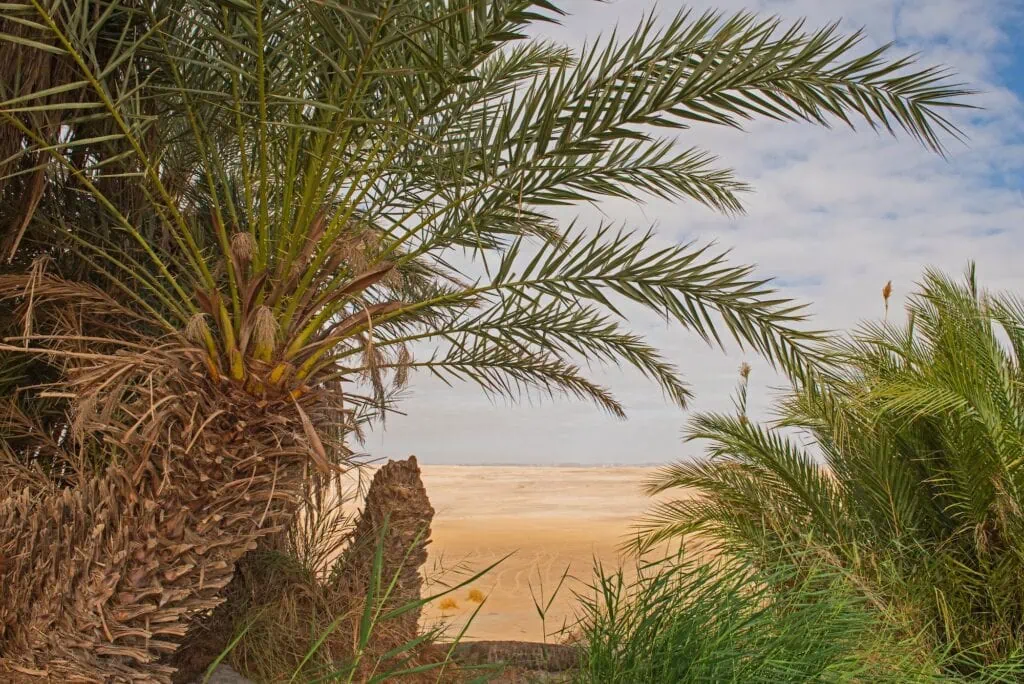
Spring and autumn provide excellent golden hour lighting for landscape photography, though wind conditions can create challenges with blowing sand.
Cultural Site Visits
Archaeological sites scattered throughout the Western Desert become more accessible during cooler months. Winter timing allows comfortable exploration of temples, tombs, and ancient settlements without rushing due to heat stress. Summer visits to cultural sites require very early morning timing or late evening approaches.
Adventure Sports and Camping
Multi-day camping expeditions work best from November through March. This window allows comfortable overnight experiences without extreme cold or dangerous heat. Camel trekking, sandboarding, and 4×4 adventures all peak during these months.
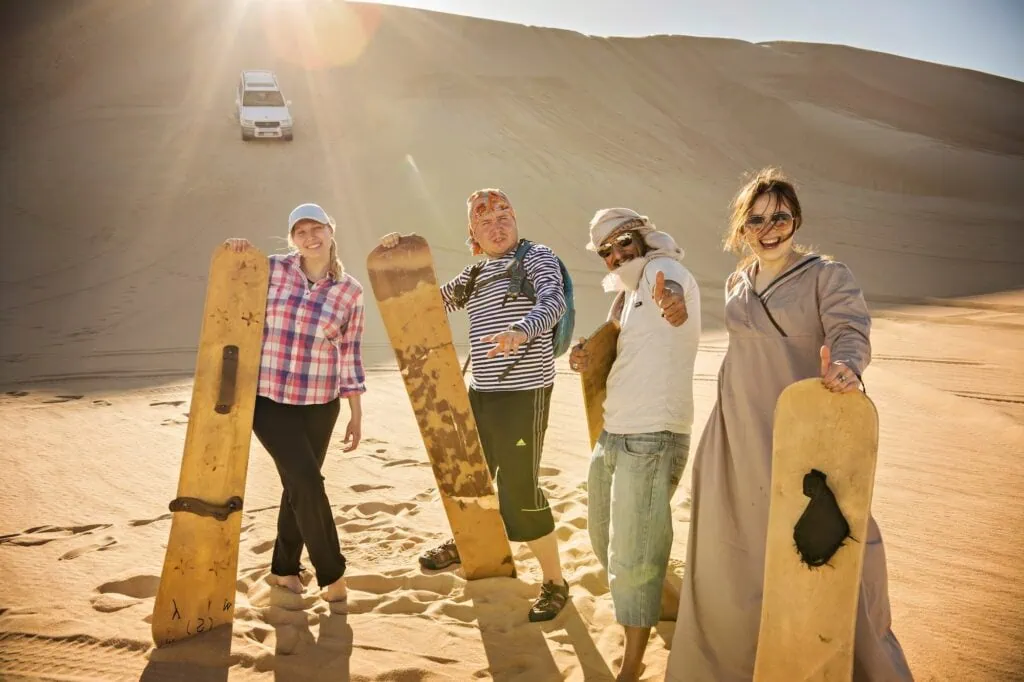
Desert camping during summer becomes an extreme sport requiring specialized equipment and experienced guides familiar with heat management protocols.
Practical Planning Considerations
Successful Western Desert timing involves more than weather preferences. Tourism infrastructure, guide availability, and transportation schedules all vary seasonally in ways that impact travel plans.
Peak winter months offer maximum service availability but require advance bookings and higher budgets. Shoulder seasons provide excellent compromises between weather comfort and practical logistics. Summer travel demands specialized arrangements and realistic expectations about activity limitations.
Our private guides remain available year-round, but summer expeditions require modified itineraries focusing on early morning and late evening activities. We provide specialized equipment and adjusted schedules to ensure safety and enjoyment regardless of season, though we strongly recommend winter timing for first-time desert visitors.
Transportation schedules vary seasonally, with reduced frequency during extreme summer months. Internal flights to desert gateways like Siwa maintain regular schedules year-round, but ground transportation may face weather-related delays during sandstorm seasons.
Frequently Asked Questions
December is widely considered the best month to visit Egypt’s Western Desert because it combines comfortable daytime temperatures, cool nights, and generally stable weather conditions. Daytime highs typically range between 20°C and 25°C (68°F to 77°F), making activities such as camping in the White Desert and exploring Bahariya Oasis far more comfortable than in summer. December also offers excellent visibility for photography and stargazing. Book accommodations and tours early, as this is one of the busiest months.
Yes, the Western Desert can be visited safely during summer when trips are planned around the extreme heat and led by experienced guides. From June through August, daytime temperatures frequently exceed 40°C (104°F) and may reach 45°C (113°F) in exposed areas. Most activities are scheduled around sunrise and late afternoon, with midday hours reserved for rest. Adequate hydration, sun protection, and air-conditioned transport are essential for safe summer travel.
Winter nights in Egypt’s Western Desert commonly drop to between 5°C and 10°C (41°F to 50°F), with some remote desert locations feeling even colder before dawn. The region’s dry climate allows heat to dissipate quickly after sunset, creating a sharp contrast with mild daytime temperatures. Travelers planning overnight camping in destinations such as the White Desert should pack warm layers, insulated sleeping gear, and a jacket suitable for desert evenings.
June through August are generally the most challenging months for Western Desert travel due to extreme heat, while April and May often experience increased sandstorm activity from seasonal Khamsin winds. Temperatures above 45°C (113°F) can limit outdoor exploration and increase the risk of heat-related illness. Although travel remains possible year-round, most experienced visitors prefer the cooler period from October through March for greater comfort and more flexible sightseeing schedules.
Yes, clothing requirements vary significantly between winter and summer in Egypt’s Western Desert. Winter travelers should bring layered clothing because temperatures can shift from around 25°C (77°F) during the day to near 5°C (41°F) at night. Summer visitors benefit from lightweight, breathable, long-sleeved garments that provide protection from intense sun exposure. In all seasons, sturdy footwear, sunglasses, and a wide-brimmed hat are highly recommended.
Winter desert trips should ideally be booked 2 to 3 months in advance, particularly for travel in December and January. These months attract the highest number of visitors because of the favorable weather conditions across destinations such as the White Desert, Black Desert, and Bahariya Oasis. Availability of experienced guides, quality camping equipment, and preferred accommodations can become limited. Early booking also provides more flexibility in itinerary planning.
Oasis destinations are generally slightly more comfortable than open desert environments during summer because vegetation, natural springs, and shaded areas can moderate local conditions. Locations such as Siwa Oasis and Bahariya Oasis often feel less exposed than the surrounding desert landscape. However, temperatures still regularly exceed 40°C (104°F), so visitors must follow the same heat-management precautions. Early morning sightseeing remains the most comfortable option.
Spring and autumn both offer good weather, but they differ in stability and environmental conditions. Spring, particularly from March through May, can bring Khamsin winds that occasionally cause reduced visibility and sandstorms. Autumn, from September through November, generally features gradually cooling temperatures and more predictable weather patterns. Many travelers prefer autumn because it combines comfortable conditions with fewer weather-related disruptions and relatively moderate visitor numbers.
Yes, the shoulder seasons are excellent for photography in Egypt’s Western Desert. October, November, March, and early April often provide comfortable temperatures, dramatic desert lighting, and fewer visitors than the winter peak season. The lower angle of the sun during these months enhances textures in limestone formations, dunes, and rock landscapes. Photographers also benefit from clearer skies and more flexibility in scheduling sunrise and sunset shoots.
The lunar cycle can significantly influence the desert experience, particularly for camping and night photography. New moon periods create exceptionally dark skies that reveal thousands of stars and the Milky Way with minimal light interference. Full moon nights, by contrast, illuminate desert landscapes naturally and make nighttime walks more practical. Winter months combine the best weather with outstanding astronomical viewing conditions, making them especially popular among stargazers.
Rainfall is rare in Egypt’s Western Desert, but small precipitation risks do exist during the winter months, particularly between December and February. While annual rainfall totals are extremely low, occasional storms can create localized flooding in wadis and low-lying areas. These events are uncommon but can affect travel routes and campsite selection. Experienced guides monitor weather forecasts closely and adjust itineraries when conditions warrant additional caution.
Design Your Private Western Desert Adventure
Travel with your own expert guide, private 4×4 vehicle, and a route tailored to you.