

Cairo Citadel – An Islamic Medieval Fortification in Cairo, Egypt
Standing proud for over 800 years, the Citadel of Saladin commands Cairo’s skyline like few monuments can.
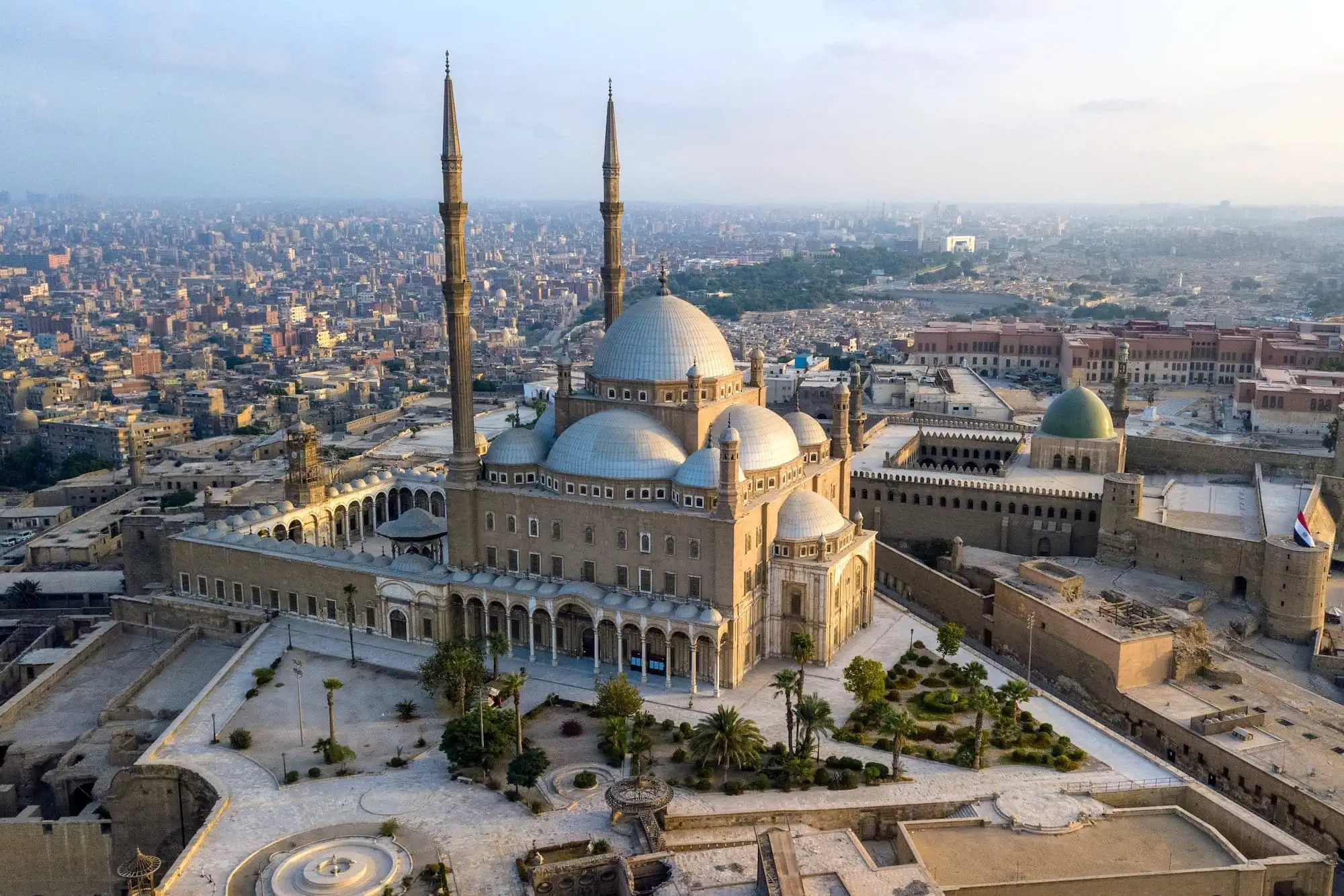
Built by the legendary Salah al-Din to protect the city from Crusader invasions, this massive stone fortress has served as Egypt’s seat of power for nearly seven centuries. The citadel’s imposing walls and strategic position atop Mokattam Hills offer visitors both breathtaking panoramic views of Cairo and an immersive journey through Islamic military architecture. From the gleaming domes of Muhammad Ali Mosque to the ancient wells that once sustained entire armies, every corner tells stories of sultans, battles, and the rise and fall of dynasties.
We’ve guided thousands of travelers through these historic gates, watching their faces light up as they discover why this UNESCO World Heritage site remains one of Cairo’s most compelling attractions. Whether you’re drawn to medieval fortifications, Islamic art, or simply want to escape the bustling streets below, the Cairo Citadel delivers an experience that bridges centuries.
Table of Contents
Historical Foundation and Strategic Importance
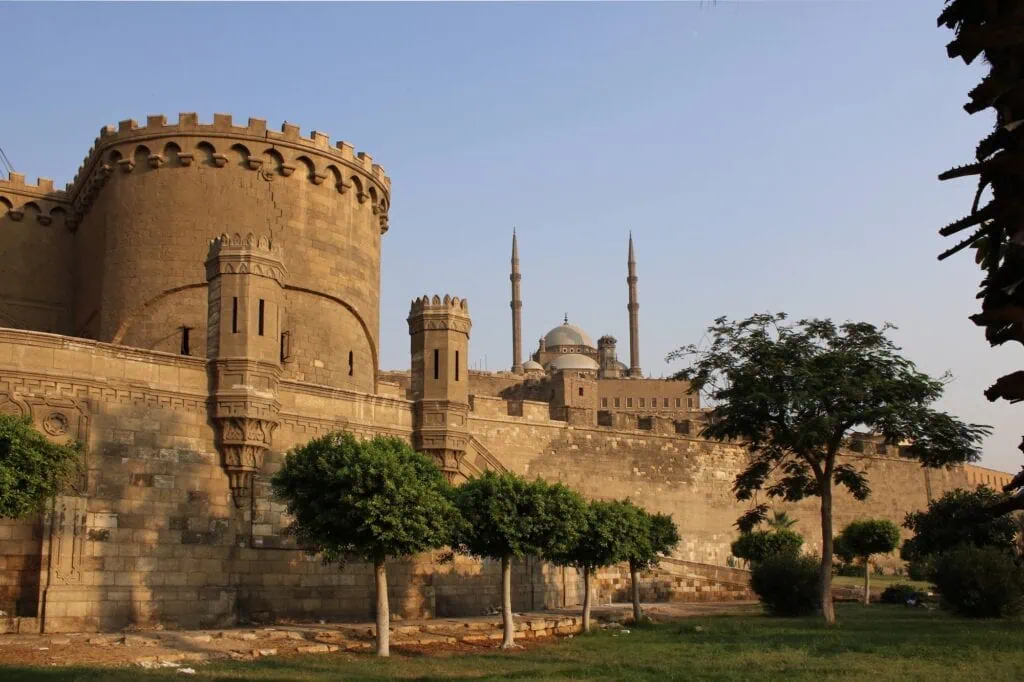
The Citadel of Saladin emerged from necessity during one of history’s most turbulent periods. In 1176, the great Kurdish military commander Salah al-Din al-Ayyubi began construction on what would become the Middle East’s most formidable defensive position.
Saladin’s Military Vision
Saladin chose this elevated location after carefully studying Cairo’s vulnerabilities. The Mokattam Hills provided natural defensive advantages that no enemy could easily overcome. Previous Islamic rulers had fortified other areas, but none recognized the strategic brilliance of this particular site. From here, defenders could monitor approaches from multiple directions while maintaining secure supply lines to the city below.
The initial construction employed thousands of workers and required innovative engineering solutions. Massive limestone blocks, some weighing several tons, were hauled up the steep hillside using ingenious pulley systems. Within a decade, the basic fortification was complete, featuring thick defensive walls punctuated by strategically placed towers.
Ayyubid Architecture and Design
The citadel’s original design reflected Ayyubid military philosophy perfectly. Engineers incorporated lessons learned from earlier Crusader sieges, creating overlapping fields of fire and multiple defensive layers. The main entrance followed a bent-axis approach, forcing attackers to navigate several turns while exposed to defender fire from above.
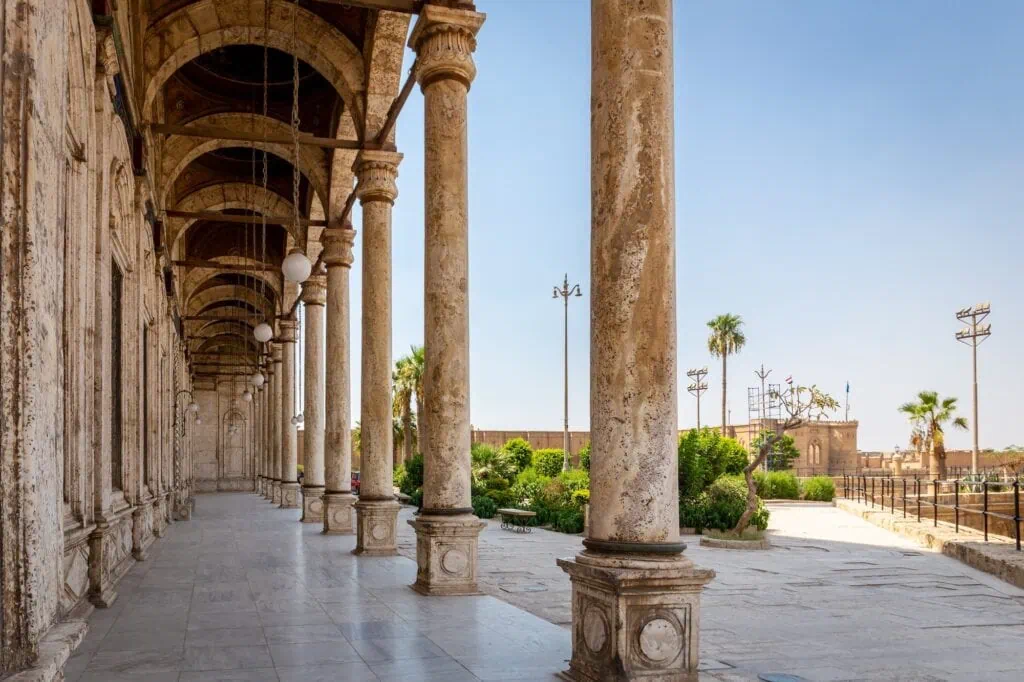
Inner courtyards provided space for cavalry maneuvers and troop assemblies. Storage areas could hold supplies for extended sieges. The famous Joseph’s Well, dug during this period, guaranteed water access even when enemies controlled surrounding areas.
Medieval Seat of Power
For nearly 700 years, this fortress served as Egypt’s governmental center. Ayyubid sultans made crucial decisions within these walls, followed by their Mamluk successors who expanded and modified the complex extensively. Each ruling dynasty left architectural fingerprints that modern visitors can still identify today.
The Magnificent Muhammad Ali Mosque
Rising majestically from the citadel’s highest point, the Mosque of Muhammad Ali represents Ottoman architectural grandeur adapted to Egyptian sensibilities. This striking structure, completed in 1857, dominates both the fortress complex and Cairo’s broader skyline with its distinctive twin minarets and massive central dome.
Muhammad Ali Pasha commissioned this mosque as both a place of worship and a symbol of his dynasty’s legitimacy. The Albanian-born ruler who modernized Egypt wanted a monument that would rival Istanbul’s great mosques while establishing his own architectural legacy. French architect Yusuf Bushnak designed the building, drawing inspiration from the Blue Mosque but incorporating elements that suited Cairo’s climate and cultural context.
Architectural Splendor
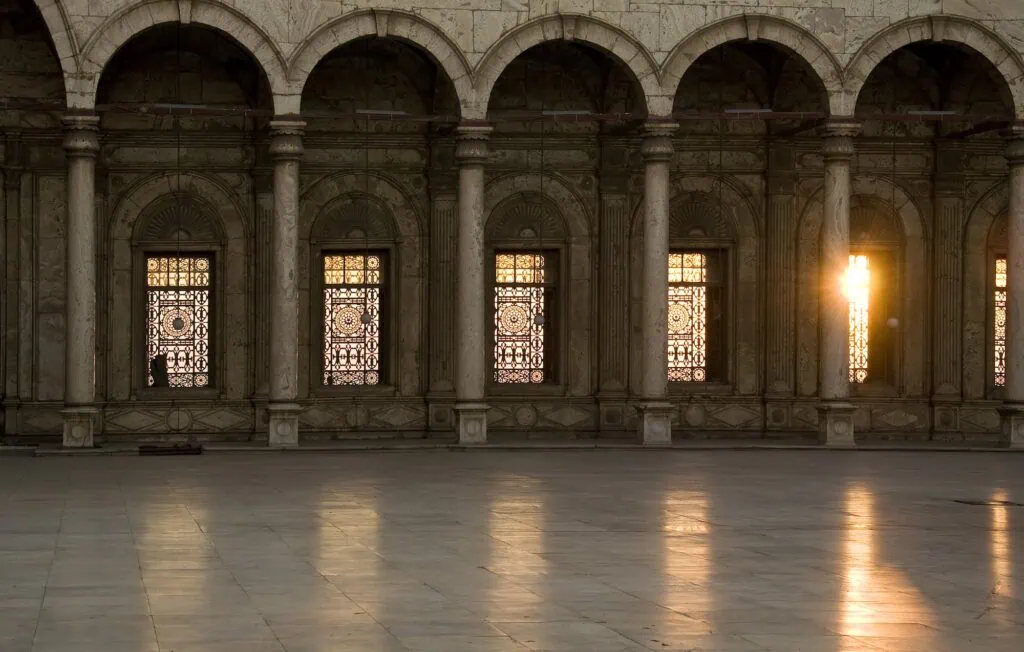
The mosque’s interior spaces create an atmosphere of serene magnificence. The central dome, supported by four massive pillars, soars 52 meters (170 feet) above the prayer hall floor. Intricate geometric patterns cover nearly every surface, while hundreds of suspended lamps cast dancing shadows across ornate carpets.
Two elegant minarets, each reaching 82 meters (269 feet) in height, flank the main structure. These slender towers showcase the finest Ottoman stonework techniques, their surfaces decorated with calligraphy and floral motifs that catch the light throughout the day.
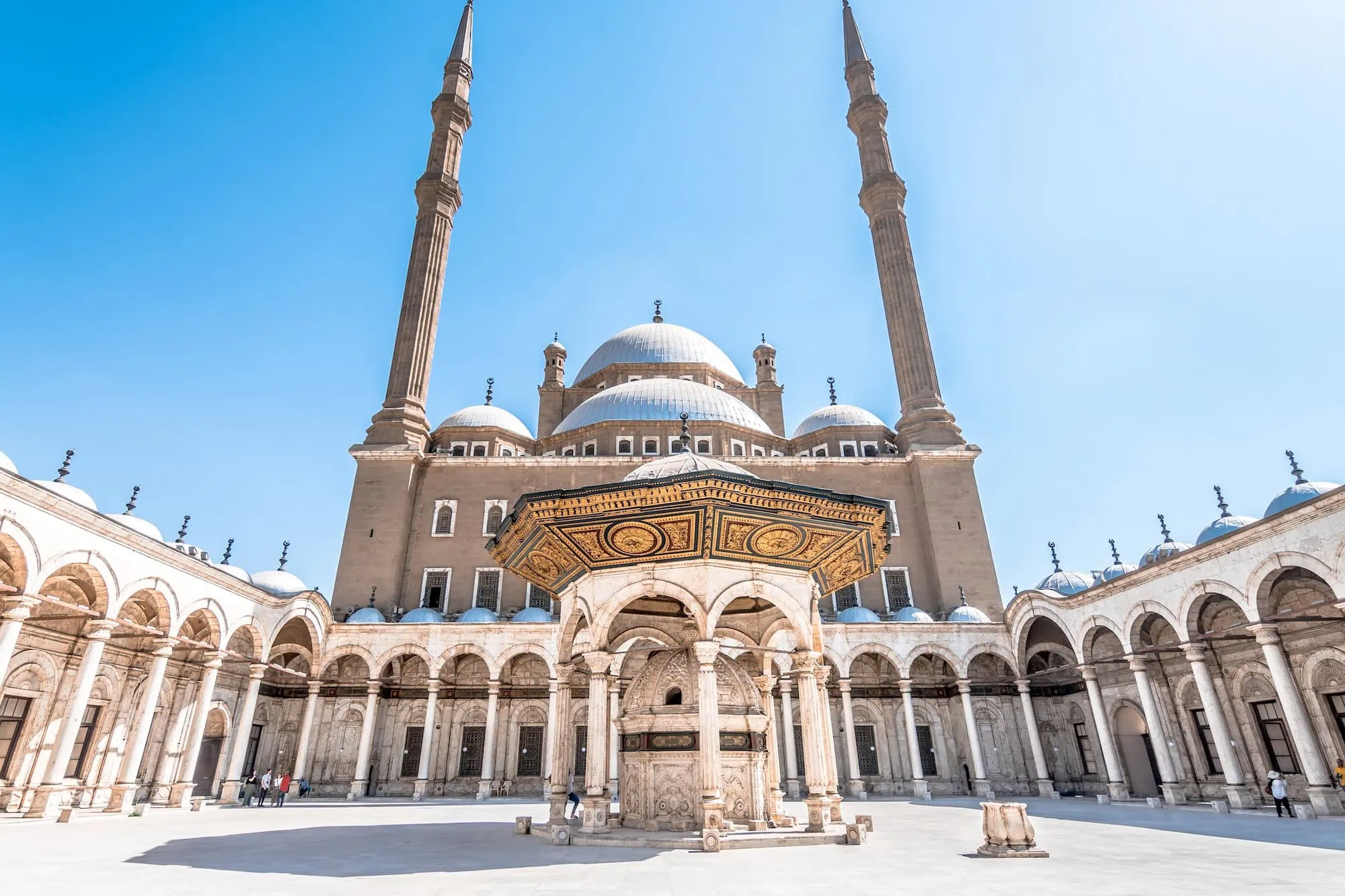
The mosque’s courtyard features a central ablution fountain crowned by an ornate clock tower. This timepiece, a gift from French King Louis Philippe, has marked the hours for Cairo’s faithful since 1846.
Muhammad Ali Pasha himself rests within an elaborate marble tomb located in the mosque’s southeastern corner. The mausoleum’s Turkish Baroque styling contrasts beautifully with the building’s overall Ottoman aesthetic, creating visual interest without disrupting the space’s sacred atmosphere.
Exploring the Fortress Complex
Military Museums and Artifacts
The National Military Museum occupies several restored buildings within the citadel walls, housing Egypt’s most comprehensive collection of military artifacts. Ancient weapons, ceremonial armor, and detailed battle maps trace the evolution of Egyptian warfare from pharaonic times through modern conflicts.
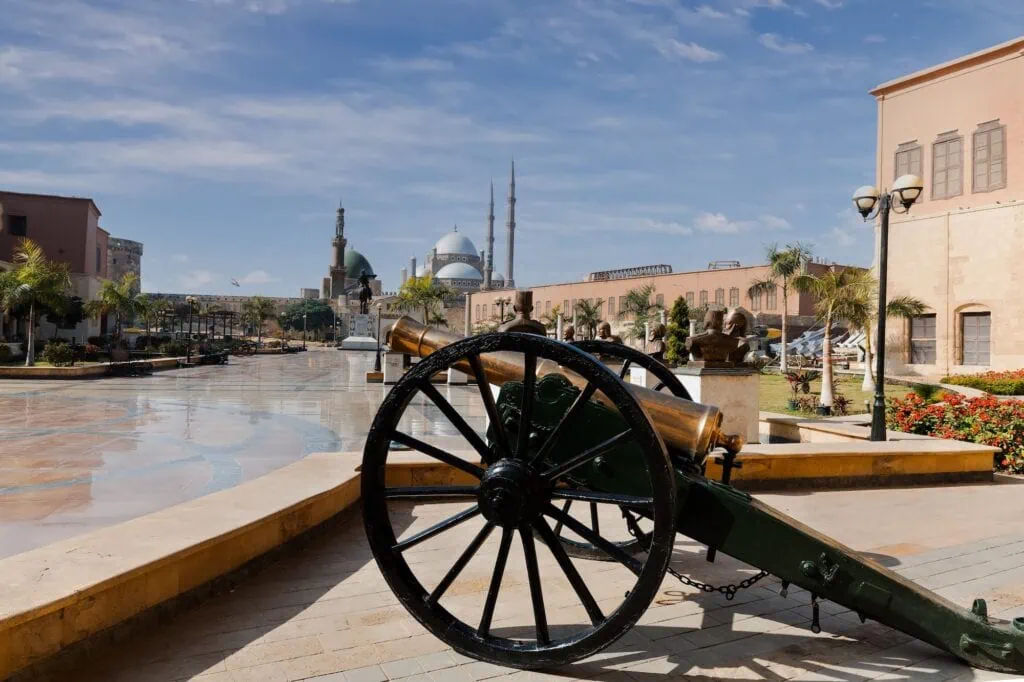
The Carriage Museum displays ornate vehicles once used by Egyptian royalty. Muhammad Ali’s personal carriage, adorned with gold leaf and intricate woodwork, exemplifies the luxury enjoyed by 19th-century rulers.
Joseph’s Well – Engineering Marvel
This remarkable engineering achievement descends 87 meters (285 feet) into solid rock, providing the citadel with an independent water supply that proved crucial during numerous sieges. The well features two spiral staircases – one for descent, another for ascent – allowing donkeys to carry water up and down without interfering with each other.
Medieval engineers carved this masterpiece entirely by hand, creating perfectly smooth walls that still function today. The project required nearly a decade to complete and employed hundreds of skilled stoneworkers.
Prison and Interrogation Chambers
The citadel’s prison complex offers sobering glimpses into medieval and Ottoman-era justice systems. Stone cells, some barely large enough for a single person, housed political prisoners and common criminals alike. Iron shackles still hang from walls, while narrow windows provided the only sources of light and air.
One chamber displays instruments used for interrogation, though many exhibits focus on the daily lives of imprisoned individuals rather than their suffering. Personal items found during archaeological excavations humanize these spaces, revealing how prisoners adapted to harsh conditions over long periods.
Planning Your Visit
Timing significantly impacts your citadel experience. We recommend arriving early morning (around 8:00 am or 08:00) when temperatures remain comfortable and crowds haven’t yet gathered. The fortress opens at 9:00 am (09:00) daily, but gates often admit visitors slightly earlier.
Summer visits require extra preparation due to limited shade within the complex. Bring sun protection, comfortable walking shoes, and plenty of water. Winter months from December through February offer ideal conditions, with clear skies providing exceptional photography opportunities and comfortable temperatures for extended exploration.
Ticket Information and Access
Standard admission costs 200 Egyptian pounds for international visitors, with significant discounts available for students presenting valid identification. Photography permits require additional fees, though basic camera use is generally permitted in most areas.
The main entrance processes visitors efficiently, but arrive prepared for security checks similar to those at major museums worldwide. Large bags require storage in designated areas, though most personal items pass through without issues.
U.S. visitors need valid passports and tourist visas, which can be obtained upon arrival at Cairo International Airport for $25 USD or purchased online in advance. European Union citizens follow identical requirements, while most Latin American countries also qualify for visa-on-arrival services. Some nationalities require pre-approved visas, so check current requirements before traveling.
Navigation and Highlights
The citadel covers extensive grounds, so prioritize attractions based on your interests and available time. Most visitors spend 3-4 hours exploring thoroughly, though shorter visits focusing on Muhammad Ali Mosque and main viewpoints can be completed in 90 minutes.
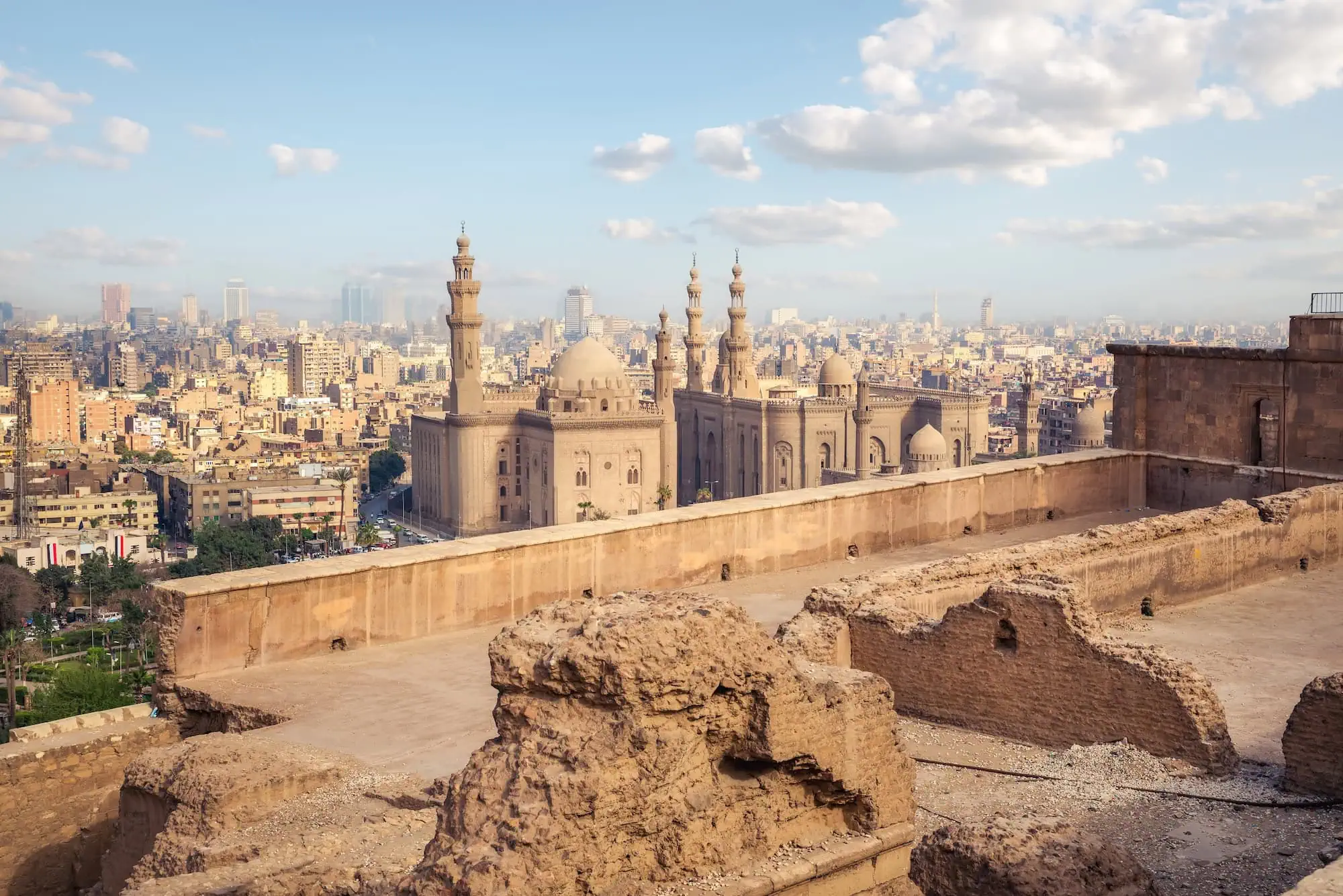
Start with the mosque, as its elevated position provides orientation for the entire complex. The panoramic terrace offers spectacular views across Islamic Cairo, with the Pyramids visible on clear days. From there, descend to explore the military museums and prison areas.
Joseph’s Well requires moderate fitness levels, as the descent involves 300+ steps on stone staircases. The climb back up can be challenging, but the engineering marvel justifies the effort for most visitors.
Our private guides enhance any citadel visit significantly, providing historical context and architectural insights that transform ruins into living history. With decades of experience and fluent English, our certified experts share stories and details that guidebooks simply cannot capture.
Photography and Views
The citadel ranks among Cairo’s premier photography locations, offering dramatic compositions from multiple elevated vantage points. Golden hour lighting (shortly after sunrise or before sunset) transforms limestone walls and creates stunning contrasts between ancient architecture and modern city sprawl.
Muhammad Ali Mosque’s exterior provides countless angles, from wide shots capturing its relationship to surrounding buildings to detailed studies of intricate stonework and calligraphy. Interior photography requires respectful behavior and awareness of worshippers, though most areas welcome visitors with cameras.
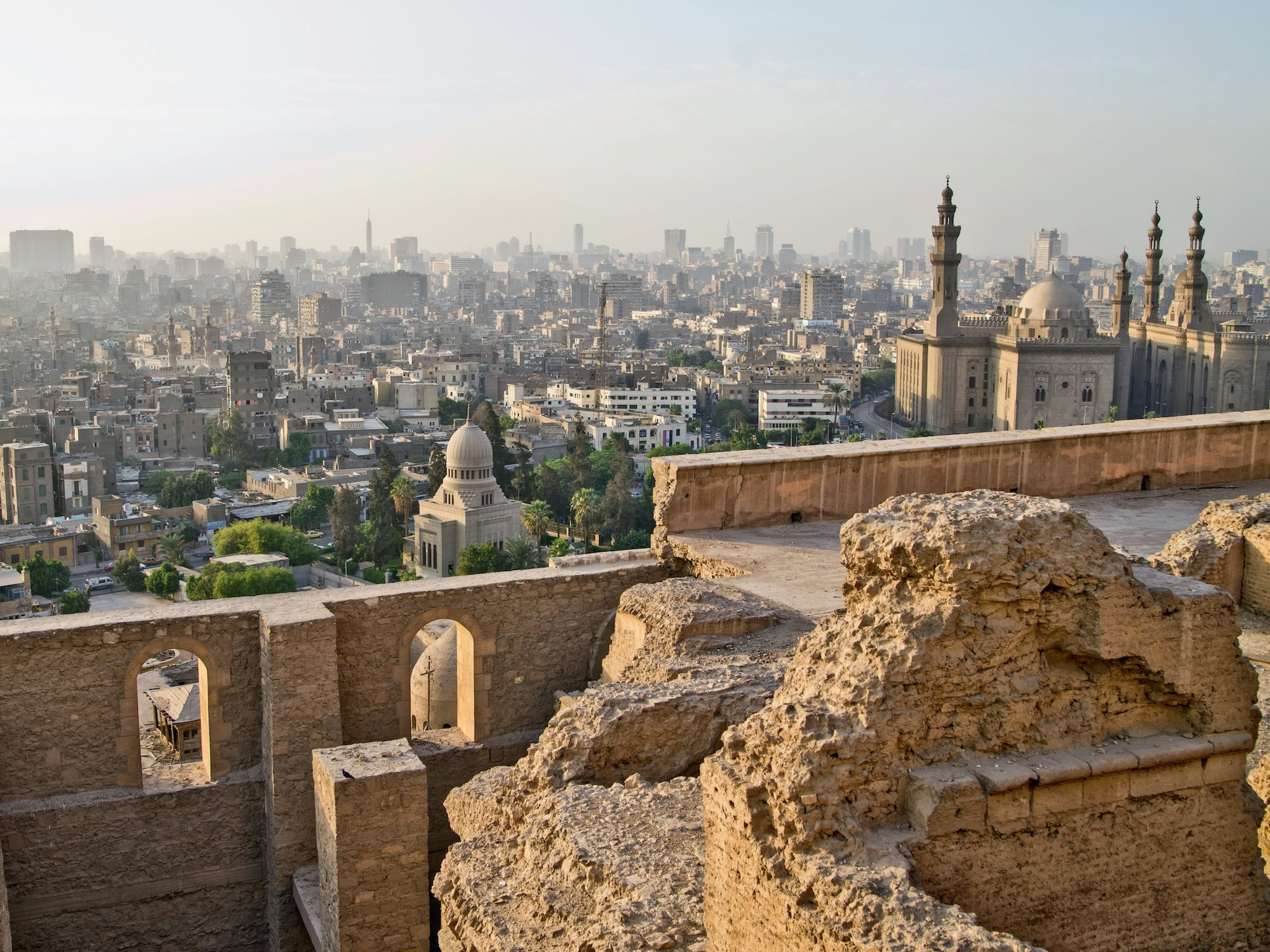
The panoramic terraces showcase Cairo’s vast urban landscape, with Islamic Cairo’s minarets and medieval buildings creating layered compositions that extend to the horizon. On exceptionally clear days, the Great Pyramids of Giza appear as distant triangular silhouettes against the western sky.
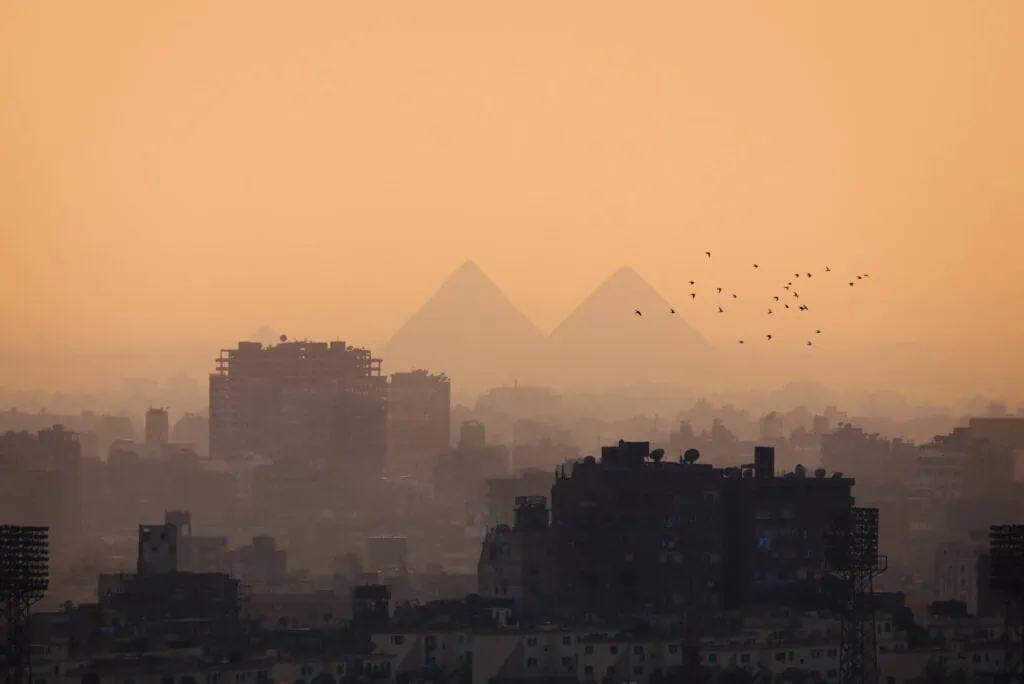
Professional photographers appreciate the variety of subjects within walking distance: architectural details, atmospheric interiors, sweeping landscapes, and cultural documentation opportunities. Our guides can suggest optimal shooting locations and timing while ensuring respectful interaction with local customs.
Step Into Cairo’s Timeless Stronghold
The Cairo Citadel offers more than sweeping views—it opens the door to Egypt’s layered history, from powerful dynasties to iconic landmarks like the Mosque of Muhammad Ali. With EgyptToursPlus, we weave this experience into a thoughtfully designed journey that connects Cairo’s highlights with the wonders beyond, creating a seamless and enriching travel story.
You decide when to travel, how fast to move, and which experiences shape your itinerary. From private guided tours and exclusive access to carefully selected stays and smooth logistics, we tailor every detail to match your vision—so you can explore Egypt with total ease and confidence.
Frequently Asked Questions
Most visitors spend 3-4 hours exploring Cairo Citadel, which includes the Muhammad Ali Mosque, Al-Gawhara Palace, military museums, and panoramic city viewpoints. The fortress complex covers a large hilltop area on the Mokattam Hills overlooking Islamic Cairo, so walking time between sites adds up quickly. History enthusiasts often stay longer, especially when combining museum visits with photography and mosque interiors. Arriving early in the morning helps avoid both tour-group congestion and midday heat, particularly from May through September.
The main courtyards and major attractions inside Cairo Citadel are reasonably accessible, although some historic sections involve uneven stone paths, slopes, and stairs. The Muhammad Ali Mosque is easier to navigate than deeper fortress areas such as Joseph’s Well, which requires descending steep staircases. Wheelchair users can access many exterior areas with assistance, but medieval defensive structures remain challenging by design. Private transportation inside the complex entrance area can reduce walking distances significantly for elderly visitors.
Visitors to Cairo Citadel should wear modest, comfortable clothing suitable for both historic and religious sites. Long pants or skirts and covered shoulders are recommended, especially when entering the Muhammad Ali Mosque, where women may also need a headscarf during active prayer periods. Lightweight fabrics work best because Cairo temperatures regularly exceed 35°C (95°F) in summer. Comfortable walking shoes are essential due to uneven stone surfaces and large walking areas across the fortress complex.
Yes, Cairo Citadel remains open during Ramadan and most Islamic holidays, although prayer times and religious events can temporarily restrict access to mosque interiors. Evening visits during Ramadan often feel especially lively because Cairo’s Islamic districts become more active after sunset prayers and iftar meals. Visitors should expect heavier crowds on Fridays and during major religious celebrations such as Eid al-Fitr. Morning visits generally provide quieter conditions and smoother access to the Muhammad Ali Mosque and museum sections.
Limited refreshment kiosks and small cafés operate near the main entrance areas of Cairo Citadel, but dining options inside the fortress are relatively basic compared to central Cairo restaurants. Most visitors bring bottled water, especially during warmer months when temperatures on the exposed hilltop can become intense by midday. Nearby districts such as Islamic Cairo and Salah El-Din Square offer more substantial dining choices within a short drive. Carrying snacks is practical for families or longer visits involving multiple museums.
Friday can still be a rewarding day to visit Cairo Citadel, but visitors should expect larger crowds around the Muhammad Ali Mosque because of weekly congregational prayers. Midday periods between approximately 11:30 am and 2:00 pm are typically busiest, especially during Ramadan and public holidays. Travelers seeking quieter photography conditions usually prefer weekdays or early Friday mornings before prayer traffic increases. The atmosphere on Fridays is also more culturally immersive because local worshippers and families actively use the mosque complex.
Taxis and ride-hailing services such as Uber provide the easiest access to Cairo Citadel from downtown Cairo, Zamalek, or Garden City, with travel times usually ranging from 15 to 30 minutes depending on traffic. The fortress sits on the elevated Mokattam Hills, so walking from street level can be steep and tiring, particularly during summer heat. Most tour vehicles enter through Salah Salem Road. Visitors using private drivers should confirm a pickup location in advance because the complex has multiple gates.
Cairo Citadel combines easily with nearby Islamic Cairo landmarks including Sultan Hassan Mosque, Al-Rifa’i Mosque, and Khan El-Khalili Bazaar within the same sightseeing day. Most attractions lie within a 10-20 minute drive of one another depending on traffic conditions. Many visitors begin at the citadel in the morning, then continue into Al-Muizz Street and the historic Fatimid district afterward. Combining these sites provides a broader understanding of Cairo’s military, religious, and architectural history across several Islamic dynasties.
The best time to visit Cairo Citadel is between October and April, when daytime temperatures are cooler and outdoor exploration becomes far more comfortable. Winter temperatures in Cairo generally range between 18°C and 25°C (64°F to 77°F), while summer afternoons regularly exceed 38°C (100°F). Clear winter skies also improve panoramic views across Cairo from the citadel terraces and mosque courtyards. December through February typically offers the most pleasant walking conditions for extended visits.
Professional guides substantially improve a Cairo Citadel visit because the complex spans nearly 900 years of Egyptian military and political history. Certified Egyptologist or Islamic Cairo guides explain details most independent visitors miss, including Ottoman architecture inside the Muhammad Ali Mosque and the strategic role of Salah ad-Din’s 12th-century fortress defenses. Guided tours also help visitors navigate multiple museums and historical layers more efficiently. Egypt Tours Plus often recommends guided visits for travelers interested in deeper historical context rather than simple sightseeing.
Photography is permitted throughout most areas of Cairo Citadel, including exterior courtyards, mosque plazas, and panoramic viewpoints overlooking Cairo. Some museum interiors may restrict flash photography or professional equipment such as tripods without additional permission. Visitors should remain respectful when photographing inside active religious spaces, especially during prayer times at the Muhammad Ali Mosque. Early morning lighting between 9:00 am and 11:00 am generally produces the clearest architectural photos and softer shadows across the limestone structures.
Arriving at Cairo Citadel near opening time, usually around 9:00 am, provides the quietest experience and the best opportunity for unobstructed photography. Tour buses and school groups typically begin arriving later in the morning, especially between 11:00 am and 1:00 pm during peak tourist season from October through April. Earlier visits also avoid the strongest afternoon heat on the exposed hilltop complex. Visitors interested in photographing the Muhammad Ali Mosque interior should prioritize the first morning entry window.
Design Your Custom Tour
Explore Egypt your way by selecting only the attractions you want to visit