How Much Does it Cost to Travel to Egypt? A Complete 2026 Budget Breakdown
Egypt calls to adventurers with its blend of ancient wonders, vibrant culture, and modern comfort — but before you set off, one question always comes first: How much does it cost to travel to Egypt?
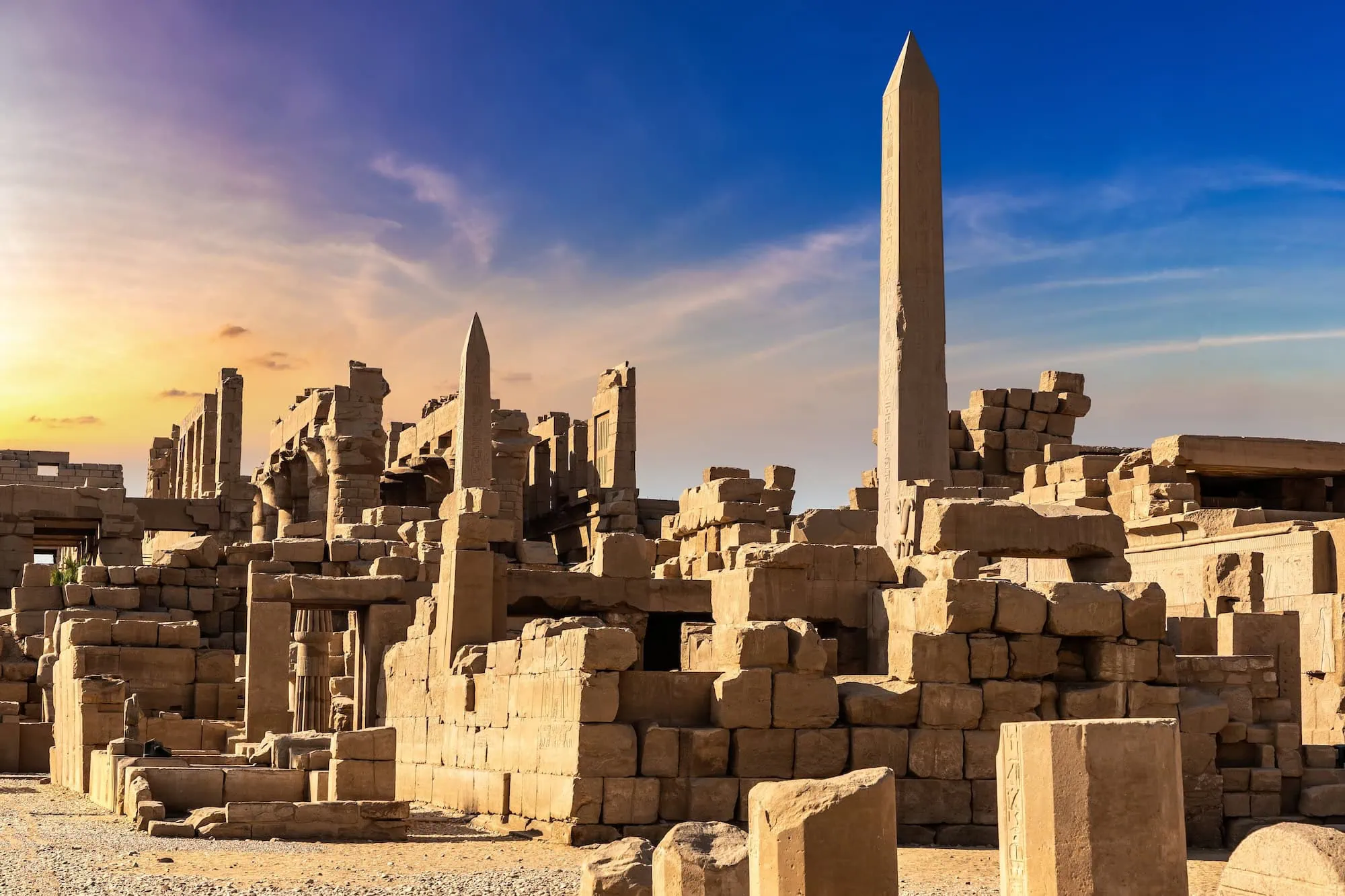
Understanding your potential expenses, from international flights and accommodations to guided tours, transportation, and entry fees at iconic sites, will help you plan with confidence and shape a journey that fits your budget and travel style. This guide breaks it all down clearly, so you know exactly what to expect.
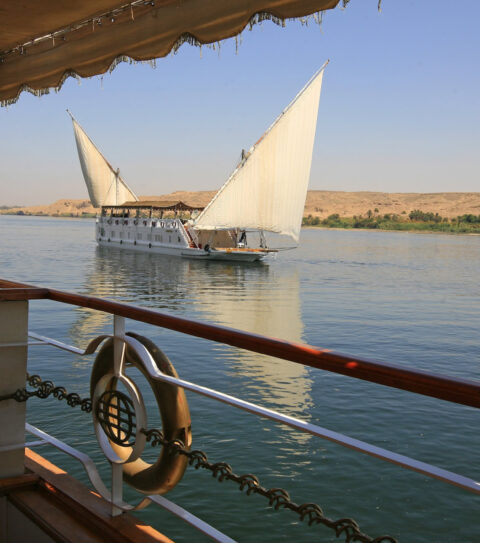
Your total budget depends heavily on your travel style, trip duration, and the experiences you prioritize during your stay. Whether you’re drawn to budget-friendly hostels or Dahabiya Nile cruise yachts, Egypt accommodates travelers across all spending ranges while delivering unforgettable memories.
Most visitors find that a well-planned Egypt itinerary balances must-see tourist attractions with personal interests. Understanding typical costs helps you make informed decisions about where to allocate your travel budget.
Table of Contents
Egypt Travel Budget Breakdown by Category
Transportation forms the largest expense for most international visitors. Round-trip flights from the United States typically range from $800 to $2,500, depending on your departure city, airline choice, and booking timing. European travelers often find more competitive rates, with flights averaging $400 to $1,200 from major hubs like London or Frankfurt.
Domestic Transportation Costs
Getting around Egypt requires planning for multiple transportation methods. Internal flights between Cairo and Aswan cost approximately $150 to $300 one-way, while train journeys offer budget-friendly alternatives at $20 to $80 for sleeper cars. Private transfers provide comfort and convenience, especially for groups traveling together.

Local Movement and Daily Transport
Taxis and rideshare services dominate urban transportation. Short rides within Cairo typically cost $2 to $8, while longer distances across the city might reach $15 to $25.
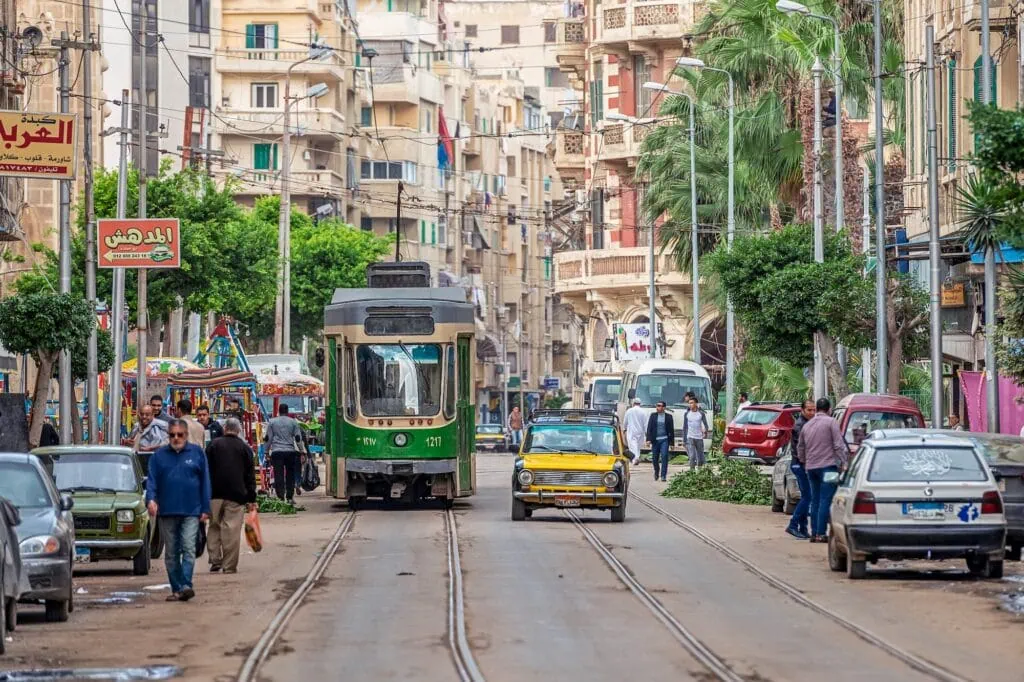
Many travelers appreciate having dedicated drivers for day trips, which costs around $50 to $100 daily including fuel and driver fees.
Airport Transfers and Special Routes
Airport pickups from Cairo International Airport to downtown hotels range from $15 for shared shuttles to $40 for private cars. Modern vehicles and English-speaking drivers command premium rates but offer enhanced comfort and reliability.

Accommodation Options Across All Budgets
Egypt’s lodging landscape spans from budget hostels to world-class luxury resorts. Budget travelers can secure clean, safe accommodation for $15 to $35 per night in major cities like Cairo and Luxor. These options often include breakfast and basic amenities, making them excellent value for money.
Mid-range hotels deliver comfort and convenience without excessive costs. Expect to pay $50 to $120 nightly for three and four-star properties featuring air conditioning, private bathrooms, and often swimming pools. Many of these hotels provide strategic locations near major attractions.
However, it’s important to remember that hotel classifications in Egypt do not match those in the USA or Europe — a three-star property here typically offers a more modest standard than what Western travelers may be used to.
Luxury accommodations elevate your Egypt experience significantly. Premium hotels and historic properties charge $200 to $600 per night, offering exceptional service, gourmet dining, and unique architectural settings. Some feature rooftop terraces with pyramid views or restored 19th-century palaces.
Nile Cruise Pricing and What’s Included
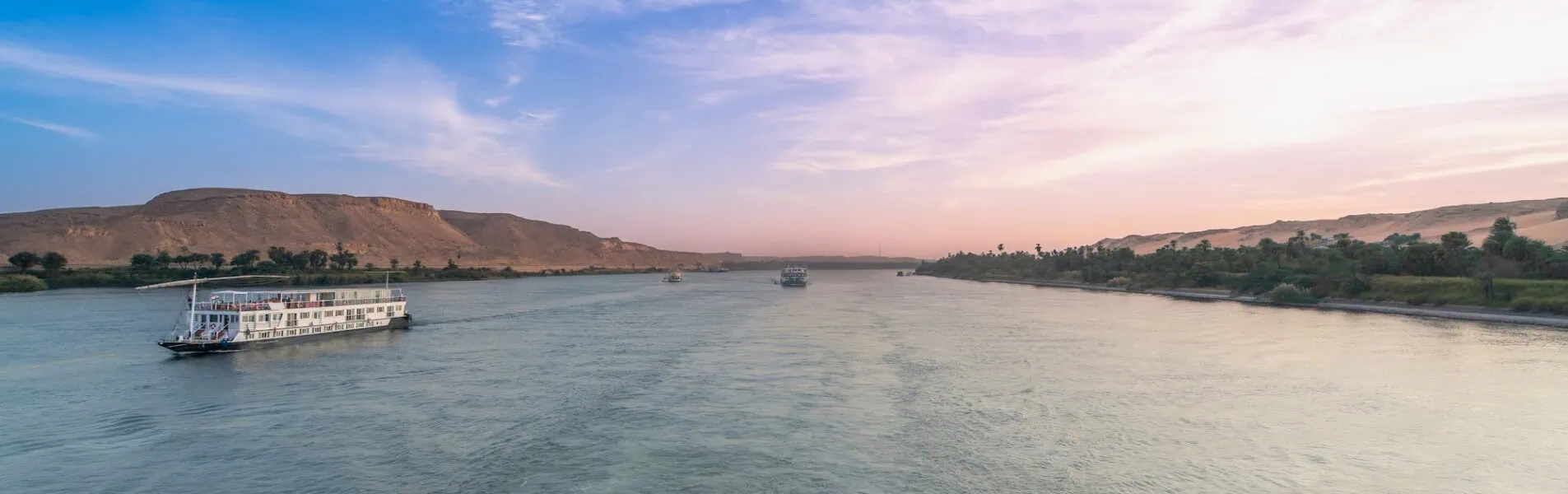
Nile cruises represent a quintessential Egypt experience, sailing between Luxor and Aswan over three to seven nights. Standard cruises cost $200 to $400 per person for three-night journeys, including meals, onboard entertainment, and guided excursions to temples and archaeological sites. These group experiences accommodate up to 12 participants, creating intimate settings compared to larger tour operations.

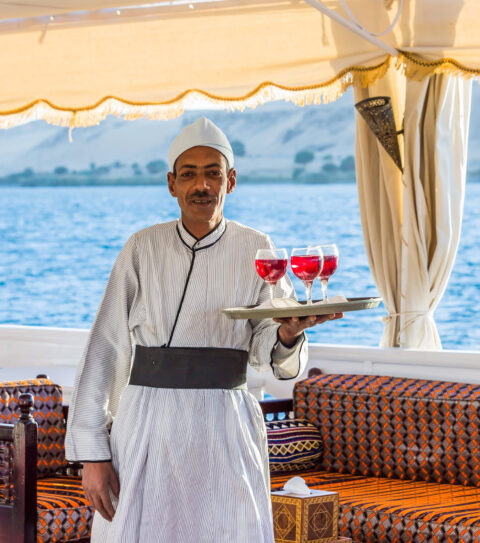
Luxury Nile cruises command $600 to $1,500 per person for similar durations. These premium vessels feature spacious suites, fine dining restaurants, spa facilities, and personalized service from dedicated staff members.
Explore: Egypt Tours with Nile Cruise
Food and Dining Experiences Throughout Egypt
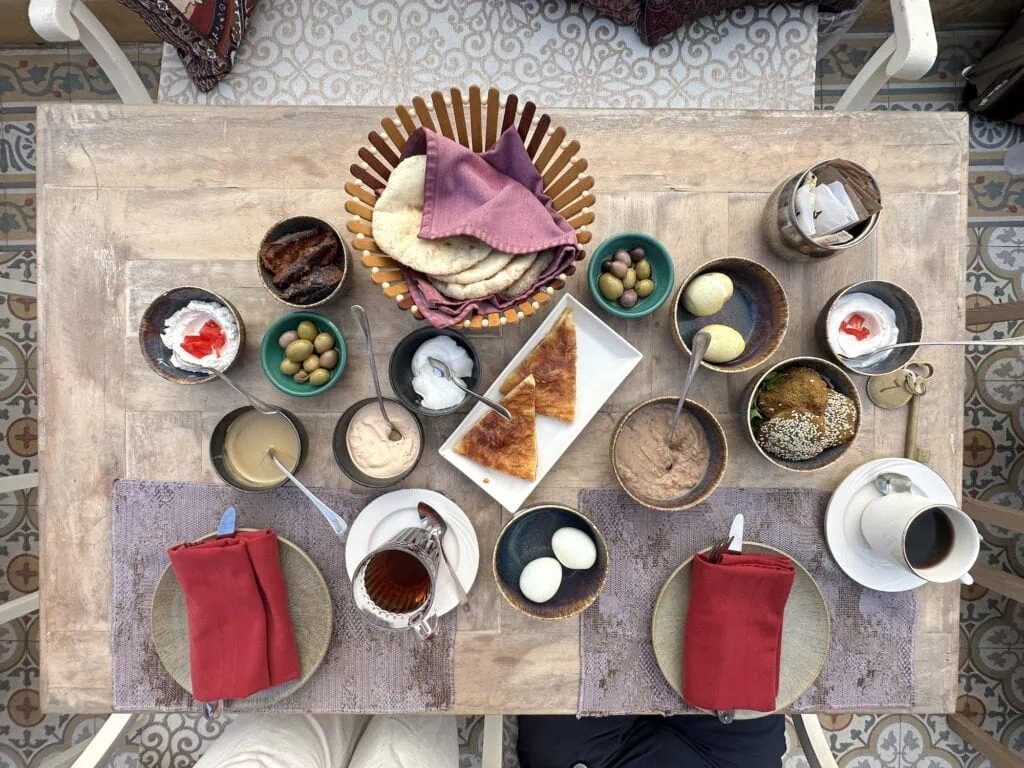
Street food and local restaurants provide authentic flavors at incredibly affordable prices. Traditional meals like koshari, falafel, and grilled meats cost just $2 to $8 per serving. Local restaurants frequented by Egyptian families offer generous portions and genuine hospitality.
International cuisine and hotel dining increase costs substantially. Tourist-oriented restaurants charge $15 to $35 for main courses, while luxury hotel restaurants can reach $50 to $80 per person for multi-course meals. However, these establishments often provide air-conditioned comfort and familiar menu options.

Markets and grocery stores allow budget-conscious travelers to purchase snacks, bottled water, and light meals. Fresh fruits, nuts, and local specialties cost significantly less than hotel mini-bars or tourist area vendors. Always negotiate prices in markets, as initial quotes often exceed fair market value.
Tourist Attractions and Entrance Fees
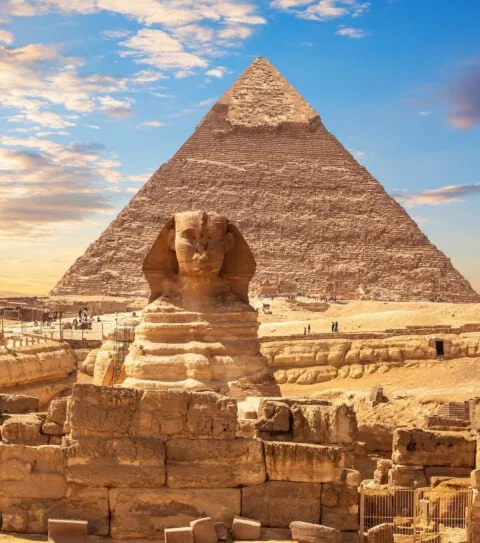
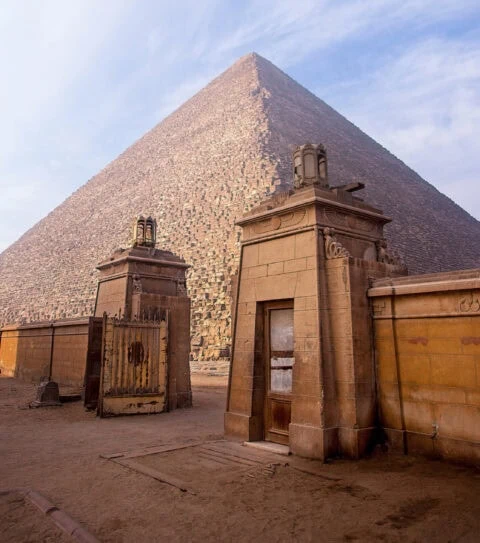
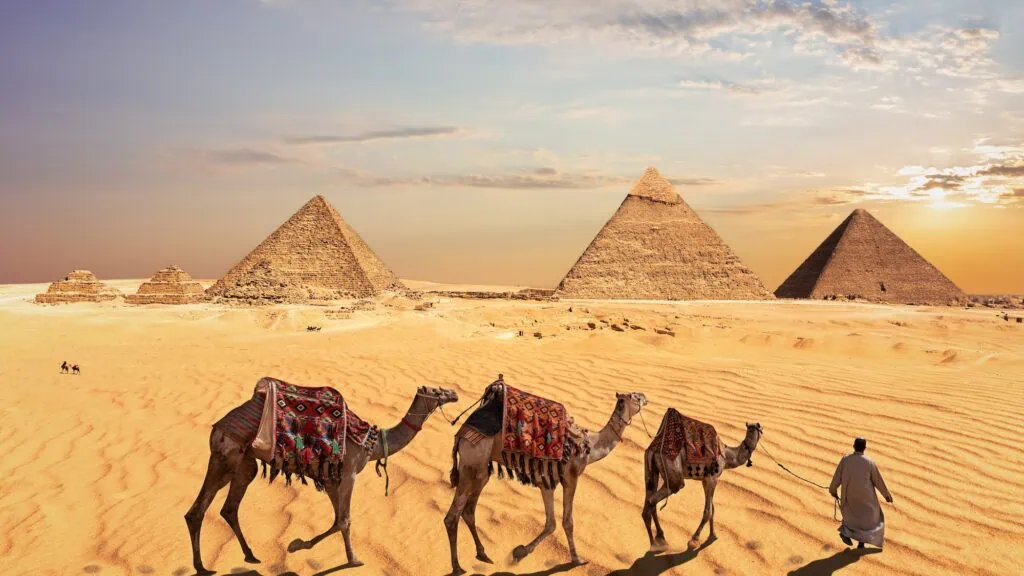
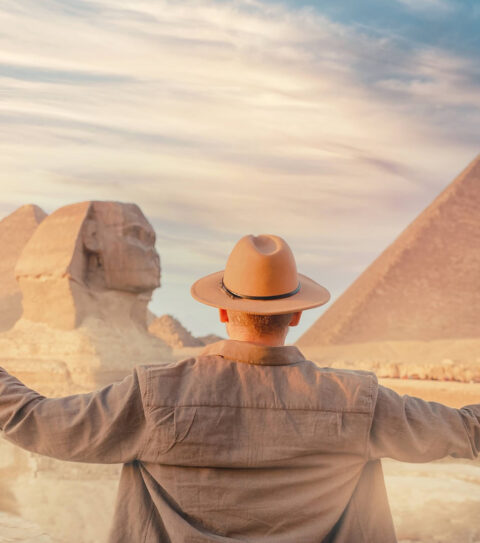
The Great Pyramids of Giza charge approximately $15 for general admission, with additional fees for entering specific pyramid chambers ranging from $20 to $40.
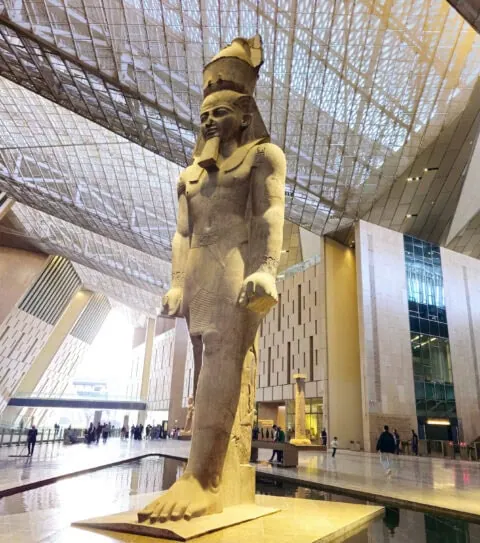
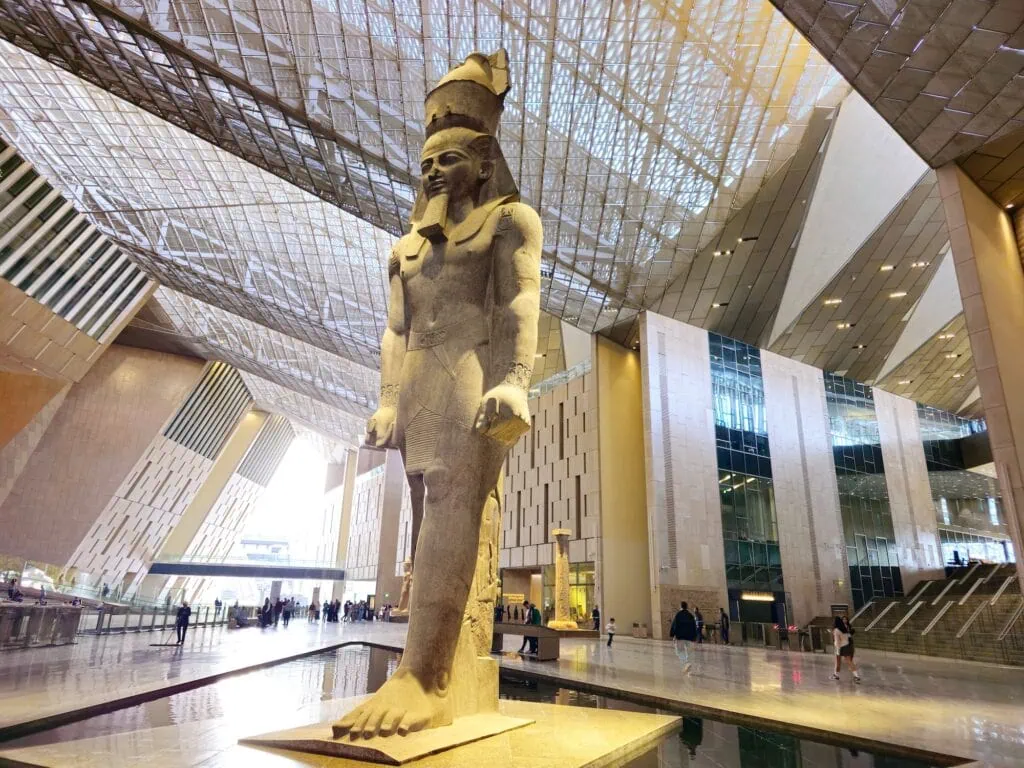
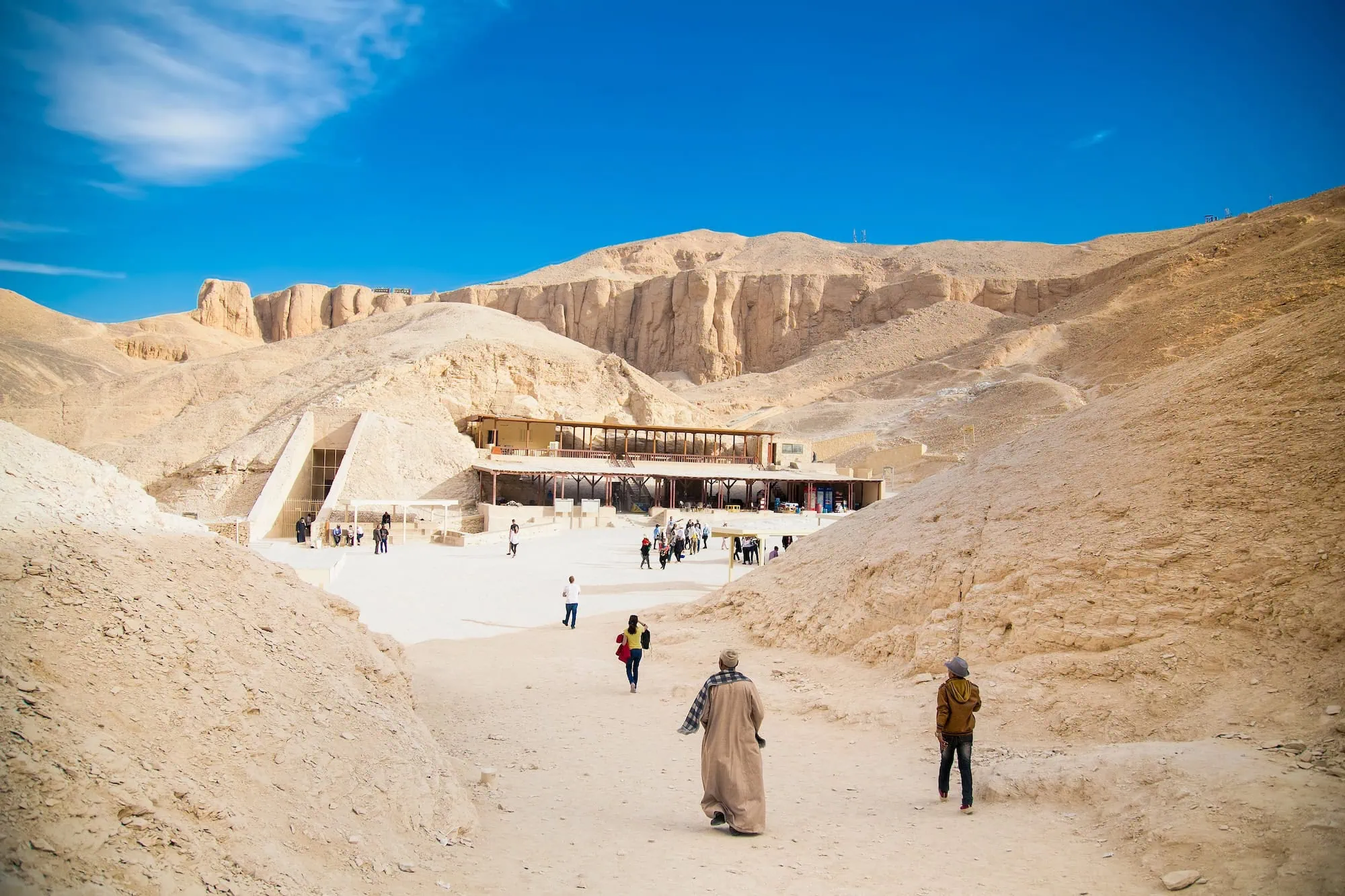
The Grand Egyptian Museum in Cairo costs around $12, while the Valley of the Kings near Luxor requires $15 for a standard ticket covering three tombs.
Temple Complexes and Archaeological Sites
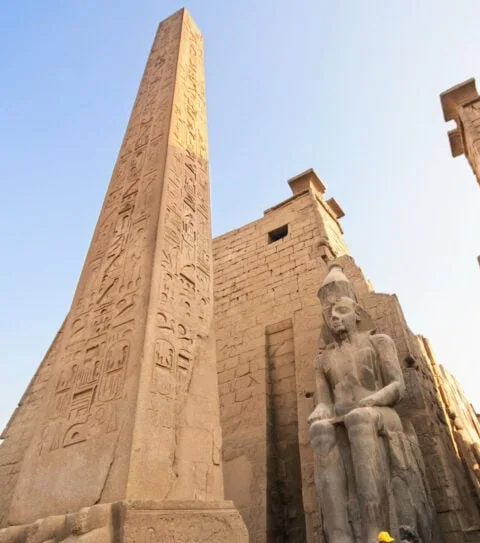
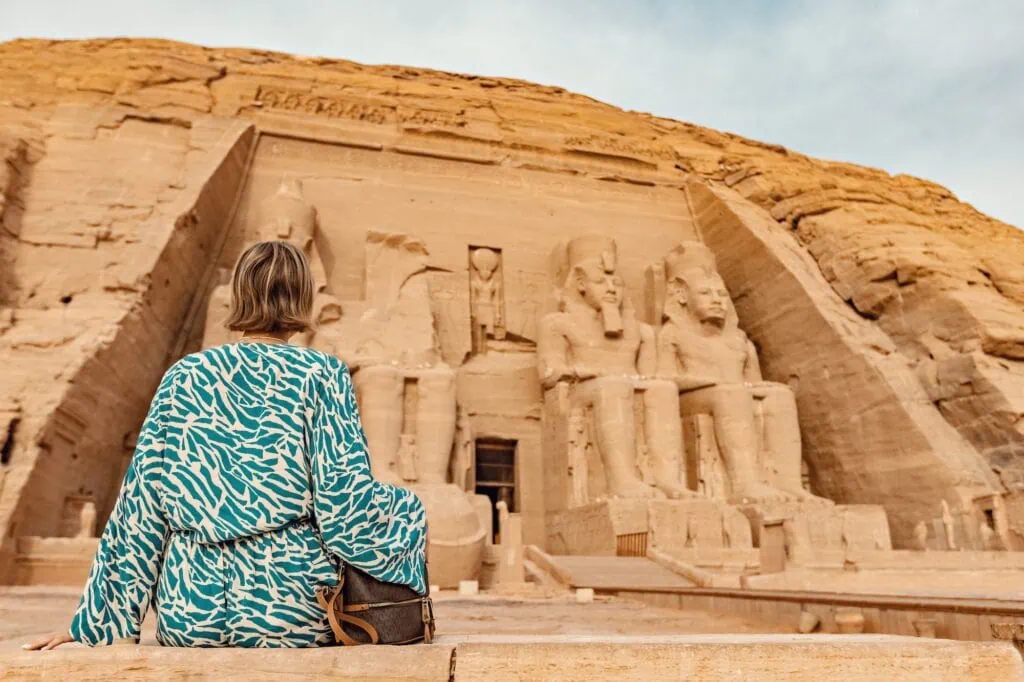
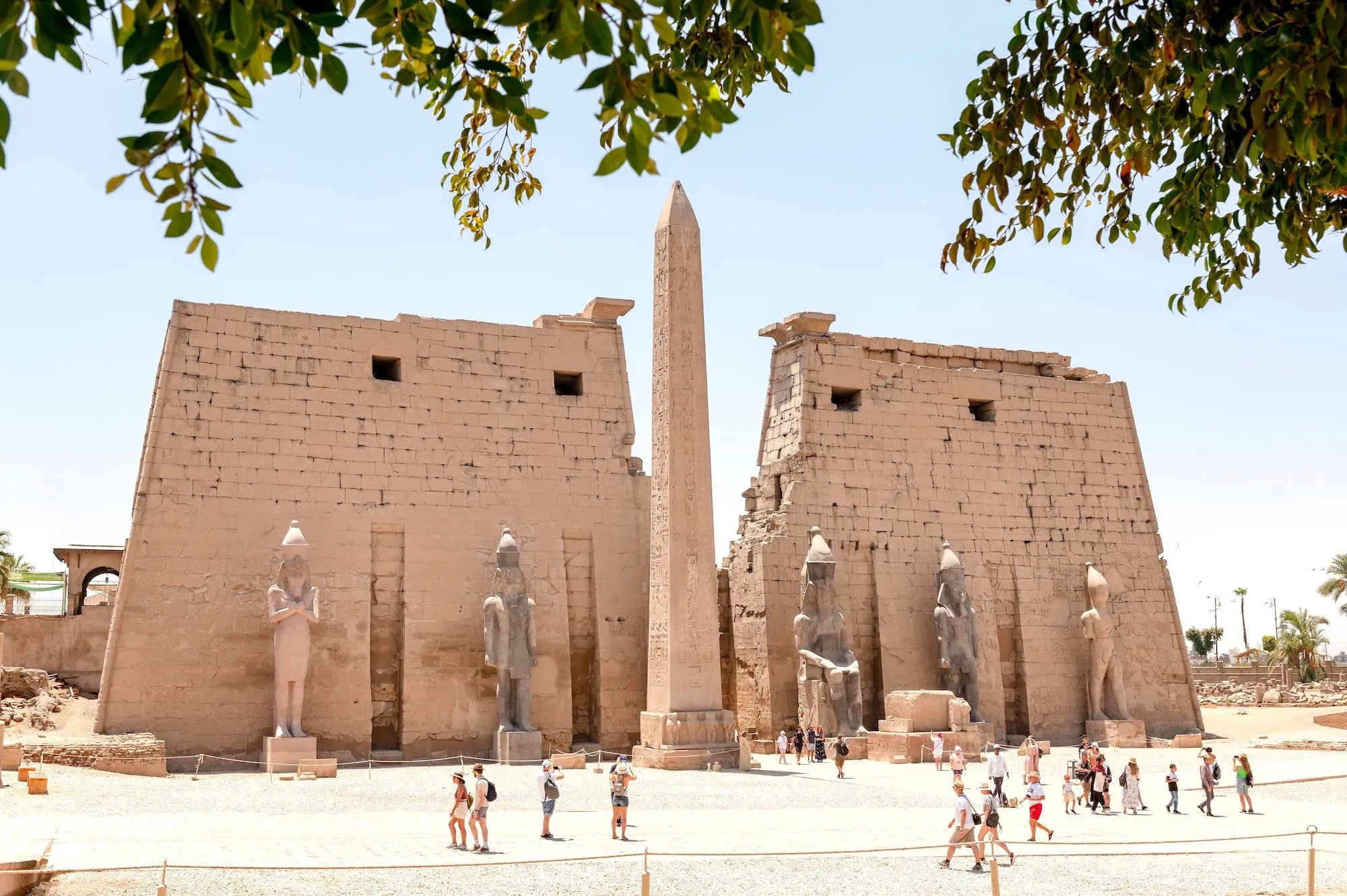
Karnak Temple in Luxor charges $10 for admission, while nearby Luxor Temple costs an additional $8. Abu Simbel, a must-see destination south of Aswan, requires $25 for entrance plus transportation costs that can reach $100 to $200 depending on your chosen method.
Photography Permits and Special Access
Most sites charge extra fees for photography privileges. Camera tickets typically cost $5 to $15 at major attractions, while video recording permissions can reach $25 to $50. Professional equipment may require special permits and higher fees.
Guided Tour Services vs Independent Exploration
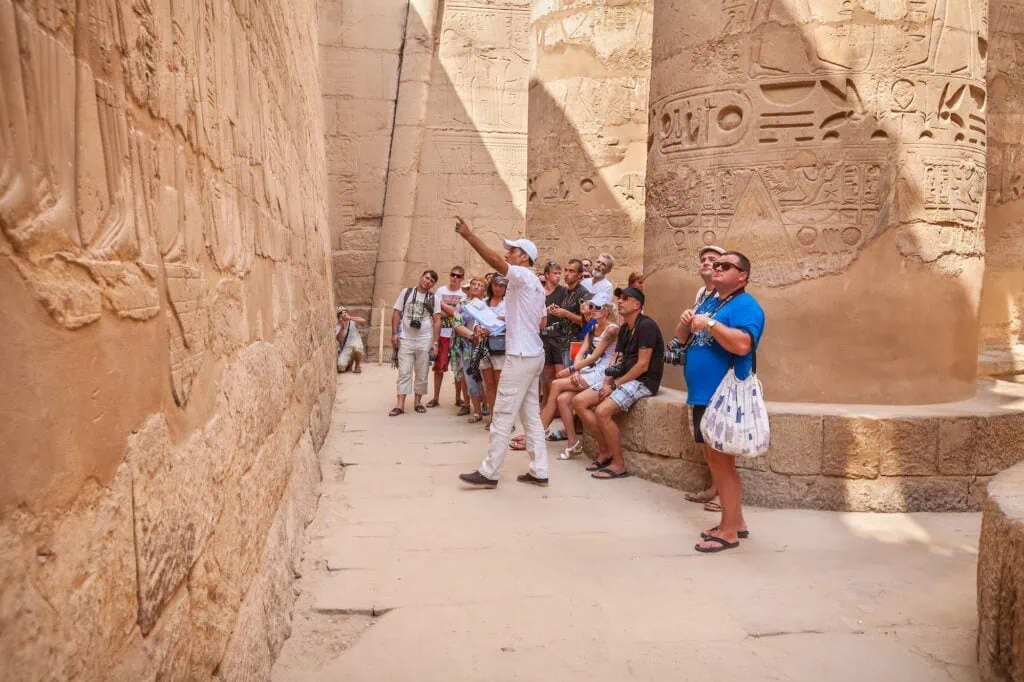
Professional guides enhance your understanding of Egypt’s complex history and cultural significance. Half-day guided tours cost $50 to $150 per group, while full-day excursions range from $100 to $300. Private guides command premium rates but offer personalized attention and flexible scheduling.
Total Trip Cost Estimates by Travel Style
Budget-conscious travelers can experience Egypt for $50 to $80 per day, covering basic accommodation, local transportation, street food, and entrance fees to major attractions. This budget requires careful planning, staying in hostels or budget hotels, eating primarily local cuisine, and using public transportation.
Mid-range travelers typically spend $120 to $200 daily for comfortable hotels, private transportation for some journeys, restaurant meals, and comprehensive sightseeing. This budget allows for Nile cruise experiences, domestic flights, and guided tours to enhance your understanding of visited sites.
Luxury travelers invest $300 to $600 or more per day for premium accommodations, private guides, fine dining, and exclusive experiences. This budget includes luxury Nile cruises, private jet transfers, five-star hotels, and access to exclusive archaeological sites or special exhibitions.
Complete Trip Cost Examples
Real-world Egypt vacation budgets help visualize total expenses across different travel styles and durations.
Budget 7-Day Egypt Trip – $800-1,100 per person
- Basic hostels and budget-friendly guesthouses
- Local transportation and second-class trains
- Street food and simple local restaurants
- Group tours for major highlights
Mid-Range 8-Day Egypt Experience – $1,400-1,800 per person
- Comfortable 3-4 star hotels
- Private transfers and first-class trains
- Mix of local and popular tourist restaurants
- Private guided tours with qualified guides
Upper-Range 8-Day Egypt Tour – $2,100-2,800 per person
- Comfortable 4-5 star hotels and 5-star Nile cruises
- Private transfers and domestic flights
- Combination of good local and international restaurants
- Private guided tours with expert Egyptologists or senior guides
Luxury 10-Day Egypt Adventure – $2,800-3,500 per person
- 5-star hotels and premium Nile cruises
- Private vehicles and domestic flights
- High-end restaurants and hotel dining
- Exclusive private tours and special access opportunities
These examples exclude international flights but include all ground costs, accommodations, meals, tours, and transportation within Egypt. Actual costs depend on specific choices, seasonal pricing, and personal spending habits.
Money-Saving Tips and Budget Optimization
Traveling during shoulder seasons delivers significant savings on accommodation and tours. April through May and September through November offer pleasant weather with reduced tourist crowds and lower prices compared to peak winter months.
Booking package tours through reputable operators can reduce overall costs while ensuring quality experiences. Egypt Tours Plus specializes in tailored itineraries featuring decades of expertise, award-winning service, and 24/7 customer support.
Our private guides and modern vehicles enhance safety and comfort while providing authentic cultural insights.
Currency and Payment Considerations
The Egyptian Pound fluctuates against major international currencies, affecting your purchasing power throughout your stay. US dollars and Euros are widely accepted at tourist establishments, but exchanging money at official banks or authorized dealers ensures fair rates and authentic currency.
Credit cards work at upscale hotels and restaurants, but cash remains essential for local transportation, markets, and smaller establishments. ATMs are readily available in major cities, though rural areas may have limited access to banking services.
Visa Requirements and Entry Procedures
US visitors need tourist visas available upon arrival at Egyptian airports for $25, valid for 30-day stays. The process requires a valid passport with at least six months remaining validity and blank pages for stamps. European Union citizens follow similar procedures with identical visa fees and requirements.
Latin American travelers should verify specific requirements with Egyptian consulates, as some nationalities require advance visa applications. Most visitors receive single-entry tourist visas, though multiple-entry options exist for travelers planning to leave and re-enter Egypt during their trip.
Processing times at Cairo International Airport typically take 15 to 30 minutes during standard hours, though peak arrival periods may extend wait times. Having exact change in US dollars expedites the visa fee payment process.
All our tours include VIP meet-and-greet service on arrival, with our team assisting you through visa formalities, entry procedures, and even baggage handling to ensure a smooth, stress-free start to your journey.
Frequently Asked Questions
Late spring (May) and early fall (September to October) are typically the cheapest times to visit Egypt while still offering reasonably comfortable weather. These shoulder-season months sit between the busy winter tourism period and the intense summer heat, so airlines, hotels, and Nile cruises often reduce prices to attract visitors. Travelers can frequently find lower rates than in December through February while still enjoying major attractions such as the Pyramids of Giza and Luxor’s temples with fewer crowds.
Yes, comprehensive travel insurance is strongly recommended for any trip to Egypt because it protects against medical emergencies, trip cancellations, lost baggage, and unexpected travel disruptions. While Egypt does not generally require insurance for tourist entry, medical evacuation, hospital treatment, and flight changes can become expensive without coverage. Policies that include adventure activities, Nile cruises, and domestic flights provide the most complete protection. Purchase coverage before making significant non-refundable travel payments.
Tipping, known locally as “baksheesh,” is a normal part of daily life in Egypt, and travelers should budget for it throughout their trip. A private guide typically receives the equivalent of $5 to $10 per day per traveler, while drivers often receive $2 to $5 daily. Restaurants commonly expect an additional 10% to 15% tip beyond any service charge. Carrying small Egyptian pound notes makes tipping easier and helps avoid awkward change situations.
Read more : Tipping in Egypt
Egypt is generally one of the most affordable destinations in the Middle East, offering lower travel costs than countries such as Jordan or the United Arab Emirates. Hotel rates, restaurant meals, transportation, and attraction tickets are often considerably less expensive, particularly outside luxury resorts. Travelers can experience world-famous sites including the Pyramids of Giza, Karnak Temple, and Abu Simbel at a lower overall cost than many comparable heritage destinations in the region.
A combination of Egyptian pounds, credit cards, and a small amount of U.S. dollars works best for most travelers in Egypt. Credit cards are widely accepted at upscale hotels, major restaurants, and larger shops, while cash remains essential for local markets, small vendors, tipping, and transportation. ATMs are readily available in Cairo, Luxor, Aswan, and resort destinations. Keeping a supply of smaller banknotes is particularly useful for everyday purchases and service tips.
Booking tours in advance is generally the better option because it secures availability, locks in pricing, and simplifies trip planning. Popular experiences such as Nile cruises, Abu Simbel excursions, and Egyptologist-guided visits often sell out during peak season from December through March. Advance reservations also allow travelers to compare inclusions, accommodations, and transportation arrangements more carefully. Early booking is especially valuable for travelers visiting Egypt during holiday periods.
Most travelers should budget an additional $100 to $300 for shopping, depending on their interests and purchasing habits. Popular purchases include alabaster carvings, papyrus artwork, spices, cotton garments, silver jewelry, and handmade Nubian crafts. Spending can vary dramatically between casual souvenir buyers and serious collectors. Markets such as Khan el-Khalili in Cairo reward careful browsing and negotiation, so keeping a dedicated shopping budget helps prevent overspending.
Yes, many Egyptian attractions charge optional fees beyond the standard entrance ticket. Additional costs may include photography permits, access to premium tombs such as Tutankhamun’s Tomb in the Valley of the Kings, audio guides, or special exhibition areas. These supplementary charges vary by site and can add noticeably to your daily sightseeing budget. Checking ticket structures before visiting helps avoid surprises and allows for more accurate trip budgeting.
Most Nile cruise packages include accommodation, full-board meals, guided sightseeing excursions, and transportation between major river attractions. Standard itineraries typically cover landmarks such as Karnak Temple, Luxor Temple, Edfu Temple, Kom Ombo, and Philae Temple over three to seven nights. However, beverages, gratuities, optional excursions, and personal expenses are often charged separately. Reviewing inclusions carefully helps travelers compare cruise value more accurately before booking.
Full-day private drivers in Egypt typically cost between $50 and $100 per day, depending on distance, vehicle type, and location. For families or groups of three to four travelers, private transportation can be surprisingly cost-effective when compared with multiple taxis or rideshare services. Professional drivers also provide flexibility, air-conditioned comfort, and local navigation expertise. Longer intercity transfers, such as Cairo to Alexandria, usually command higher rates.
Yes, bargaining is expected in many traditional Egyptian markets, especially in souks and independent souvenir shops. Initial asking prices are often intentionally higher than the final selling price, and negotiated discounts of 30% to 50% are common. Polite, friendly negotiation is considered part of the shopping culture rather than a confrontation. Fixed-price stores, supermarkets, and most upscale retailers generally do not negotiate prices.
Travelers should maintain an emergency fund for unexpected costs such as medical treatment, flight changes, additional hotel nights, or transportation disruptions. A reserve of at least several hundred U.S. dollars is prudent, particularly for longer trips involving domestic flights or Nile cruises. Even with travel insurance, many expenses may require upfront payment before reimbursement. Keeping access to a credit card and backup funds provides additional financial security while traveling in Egypt.
Explore our most popular guides and expert tips to make your trip safe, smooth, and unforgettable.
Plan Your Egypt Adventure with Confidence
How to Plan a Trip Egypt
Step-by-step guide to help you plan the perfect Egypt trip — from routes and budget to booking.
Best Time to Visit Egypt
Learn the best months to visit Egypt based on weather, crowds, and local travel experiences.
Must Visit Places in Egypt
Explore Egypt’s top sights — from pyramids to temples — and hidden gems worth seeing.
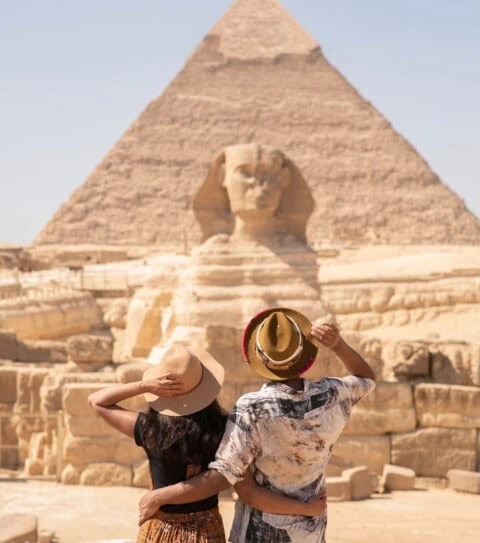
Top-Rated Egypt Tours
Handpicked private tours with local guides — our most loved and best-reviewed experiences.
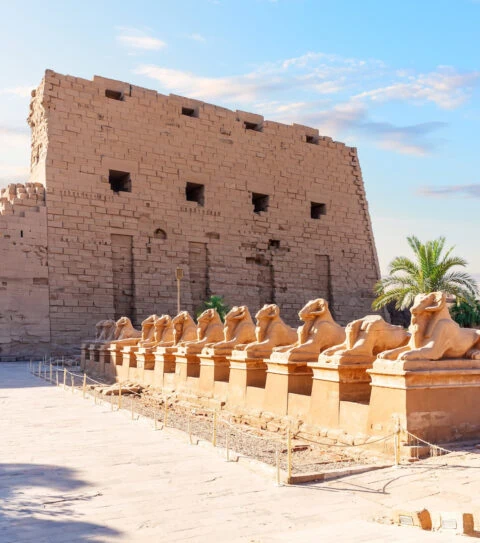
How Many Days to Visit Egypt?
Find out how many days you need in Egypt — from quick trips to full itineraries.
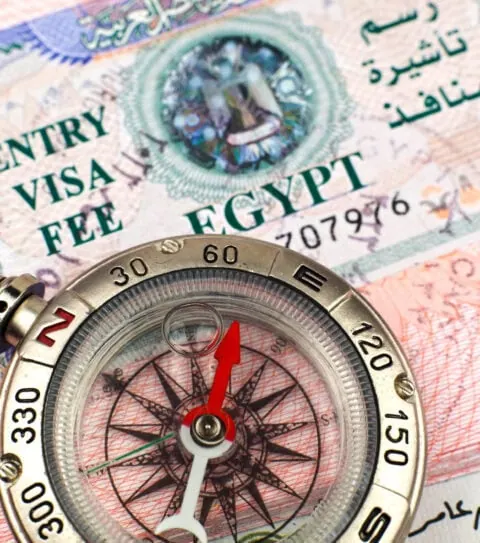
Egypt Visa Requirements
Check if you need a visa and get simple, up-to-date entry info based on your nationality.

Is it Safe to Travel to Egypt?
Is Egypt safe? Get honest safety tips, area advice, and what to know before you travel.
What to Pack for Egypt
A quick packing guide with essentials, cultural tips, and clothing advice for your Egypt trip.
Design Your Custom Tour
Explore Egypt your way by selecting only the attractions you want to visit