

What to Expect on a Nile Cruise Experience
Every moment aboard a Nile cruise reveals ancient wonders and modern comforts.
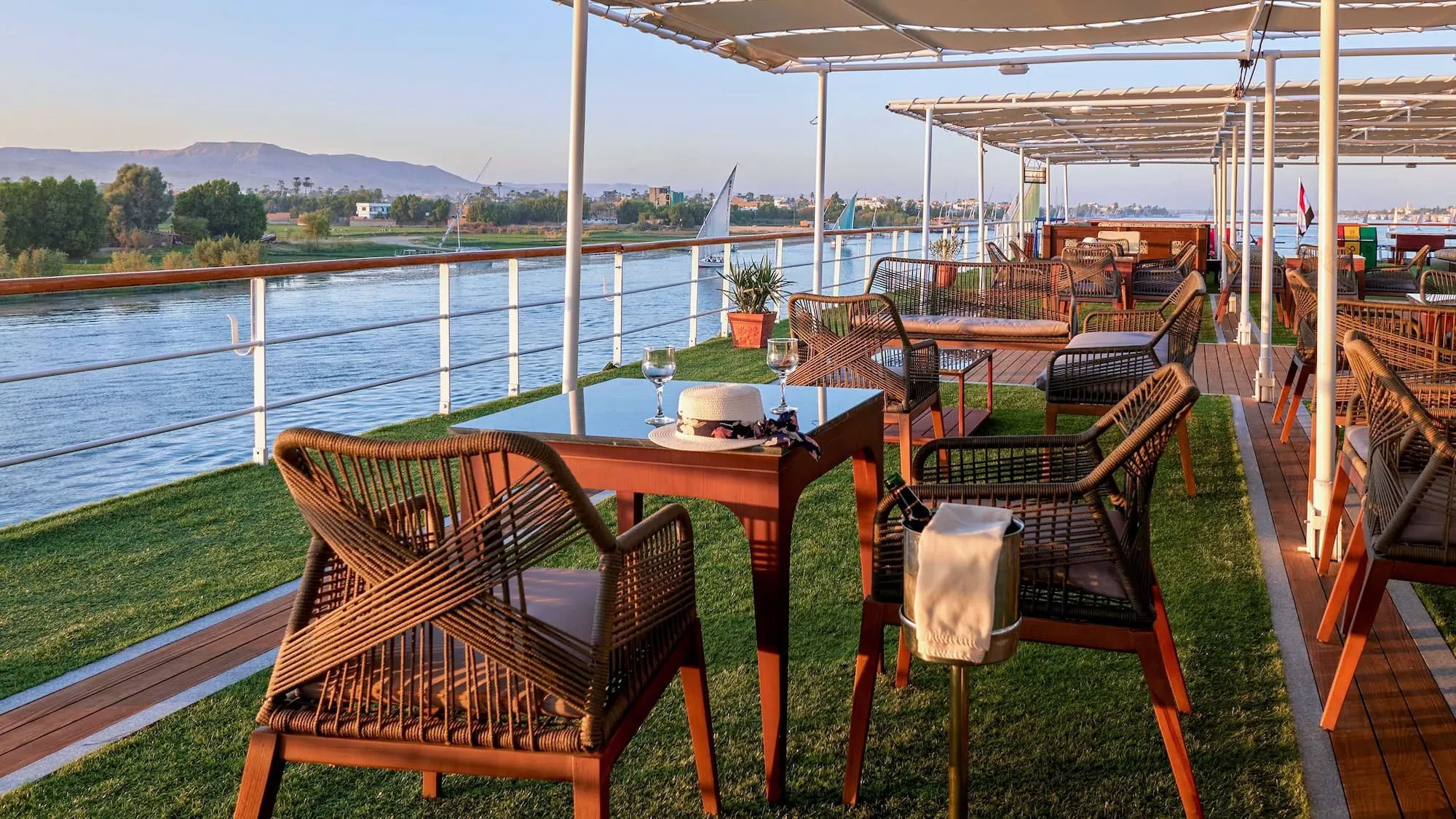
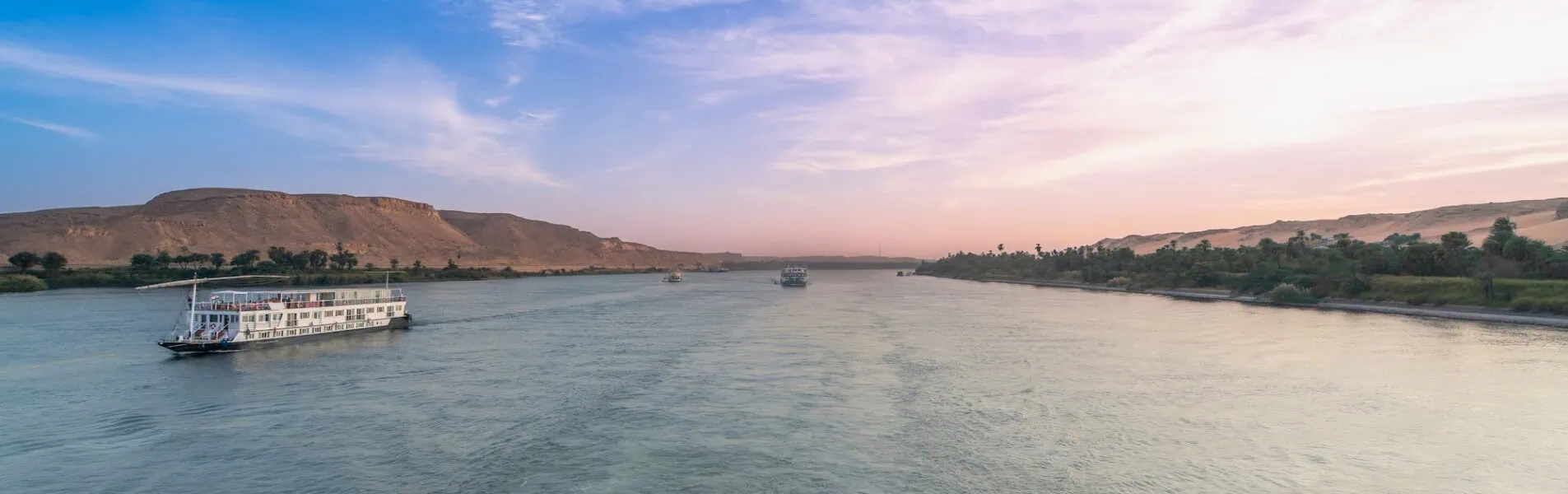
From the deck of your floating hotel, you’ll witness history unfold along riverbanks that have cradled civilization for millennia. The gentle rhythm of the Nile carries you through landscapes dotted with temples, tombs, and villages that seem untouched by time. Whether you’re watching sunrise over Luxor’s monuments or dining under stars between Aswan and Abu Simbel, a Nile cruise combines discovery with relaxation in ways that land-based travel simply cannot match. The experience transforms how you understand Egypt’s profound connection to this legendary river.
Our decades of expertise in crafting personalized Nile cruise experiences ensures every detail enhances your journey through pharaonic Egypt.
Table of Contents
Your Floating Base Between Ancient Treasures
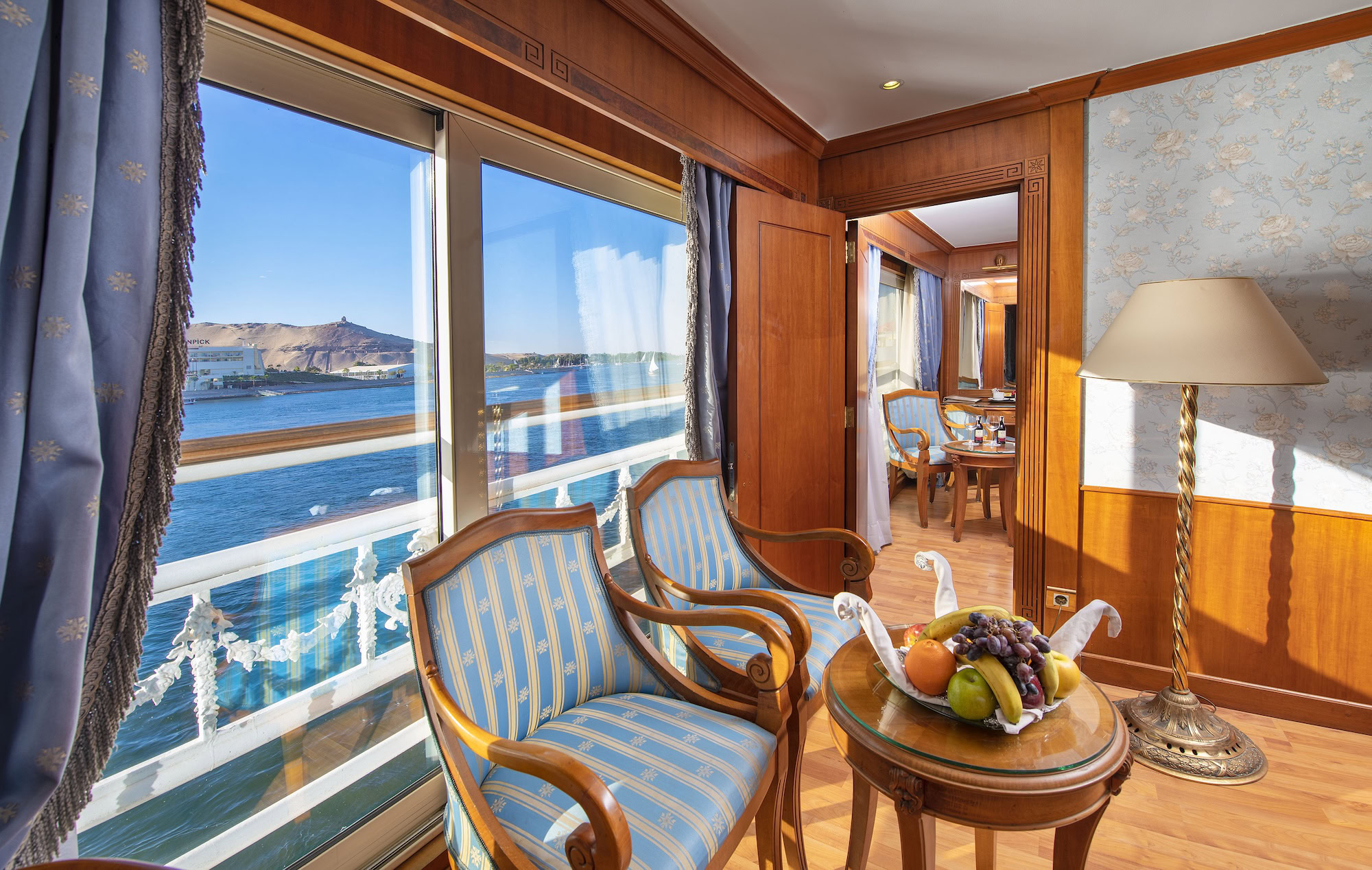
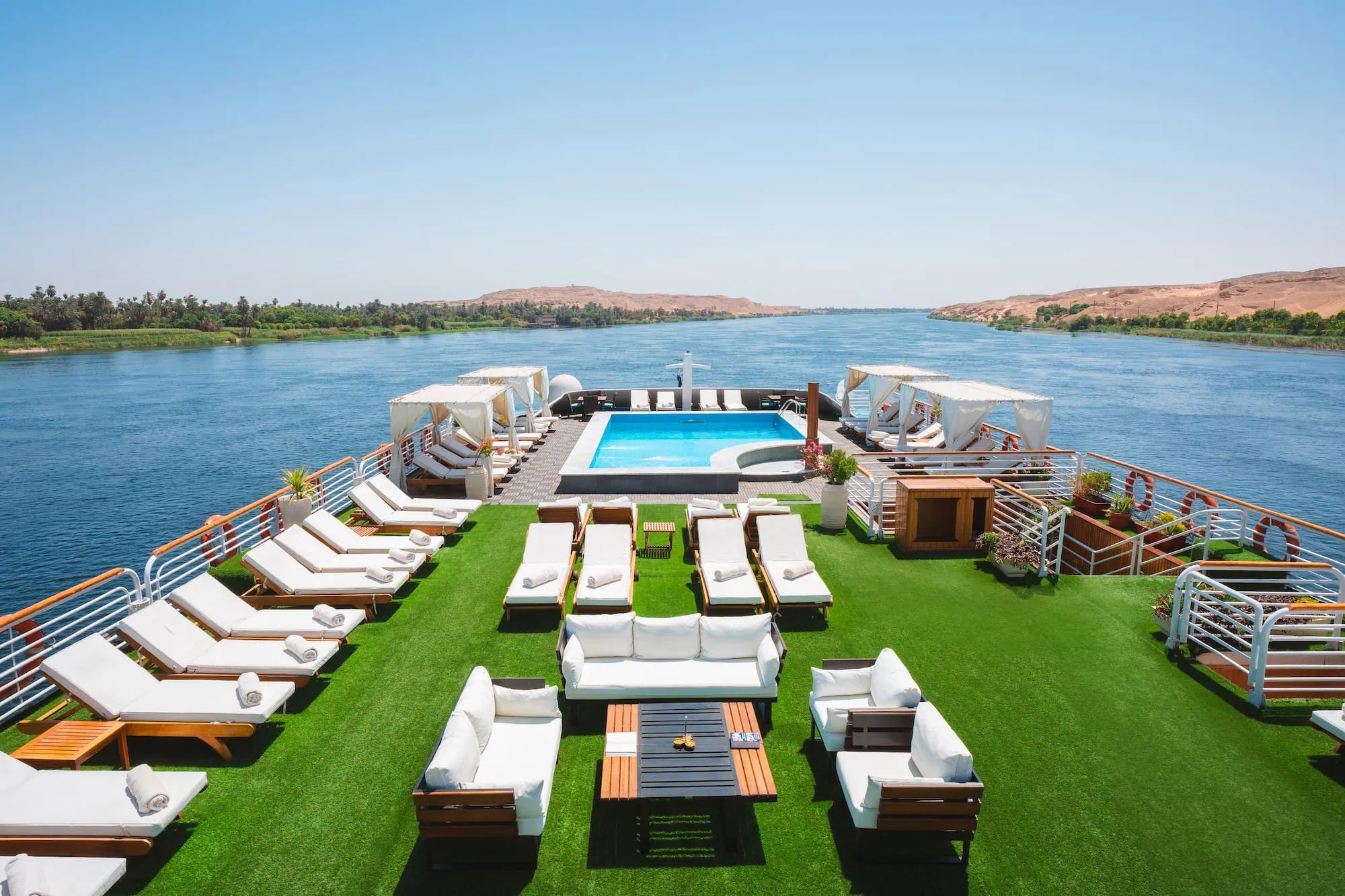
Modern Nile cruise ships blend contemporary luxury with thoughtful design that maximizes your river experience. Expect spacious cabins with panoramic windows framing ever-changing scenery as you sail between Luxor and Aswan. Most vessels feature sun decks perfect for afternoon reading, swimming pools that provide cooling relief from desert heat, and restaurants serving both international cuisine and authentic Egyptian specialties.
Ship Amenities and Comfort Standards
Air-conditioned cabins include private bathrooms, comfortable bedding, and often small balconies where morning coffee tastes better with views of palm groves and ancient ruins. Common areas encourage socializing with fellow travelers, while libraries stock books about Egyptian history and archaeology.
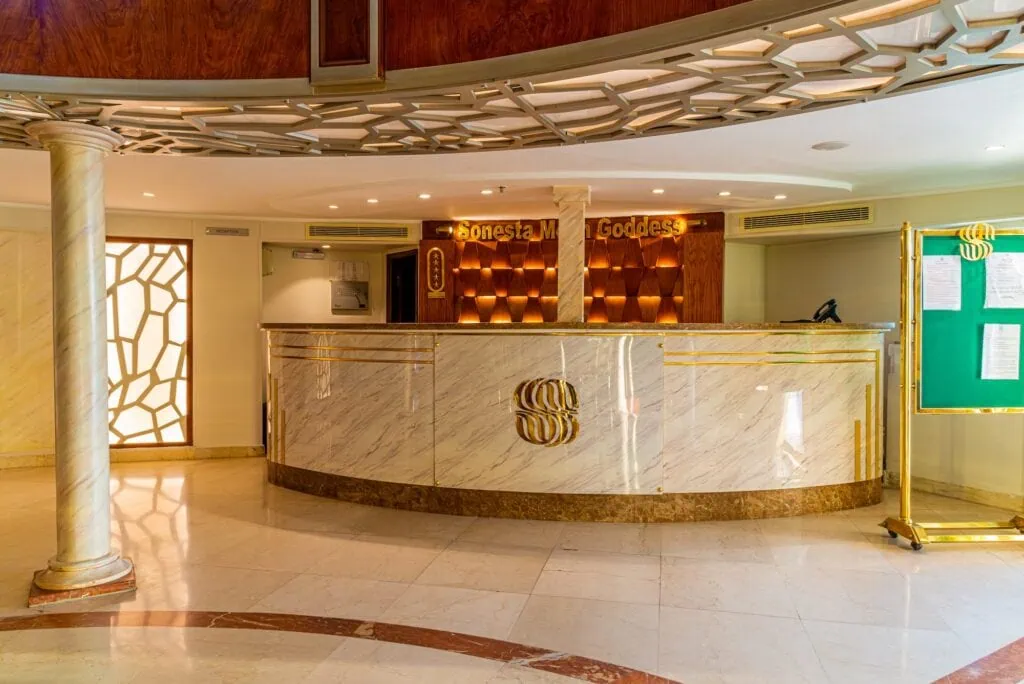
Evening entertainment might include traditional music performances or lectures about sites you’ll visit the following day.
Dining and Culinary Discoveries
Meals aboard Nile cruises showcase Egypt’s rich culinary traditions alongside familiar international options. Breakfast buffets typically feature fresh fruits, pastries, and Egyptian specialties like ful medames and tahini. Lunch and dinner menus rotate between Mediterranean dishes and local favorites such as koshari, grilled fish from the Nile, and aromatic rice preparations seasoned with herbs grown in riverside gardens.
Navigation and River Logistics
Cruise ships navigate between ancient locks and modern dams that control Nile water levels throughout the year. Your captain adjusts sailing schedules based on river conditions, seasonal flooding patterns, and coordination with other vessels. The gentle motion of river cruising differs significantly from ocean travel – most guests find it remarkably smooth and conducive to peaceful sleep.
Temple Visits and Archaeological Wonders
Shore excursions form the heart of your Nile cruise experience, bringing you face-to-face with monuments that define ancient Egyptian civilization.
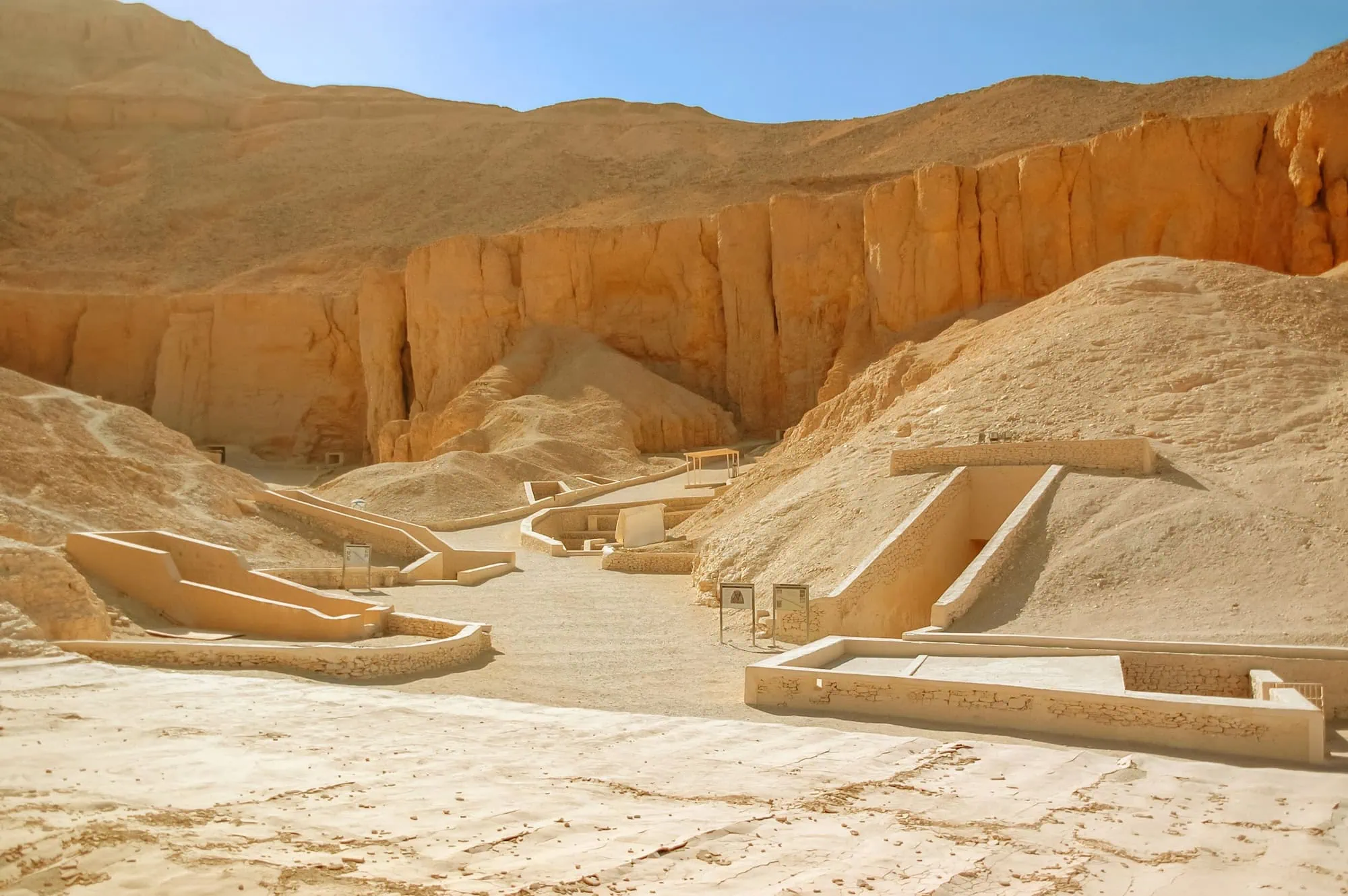
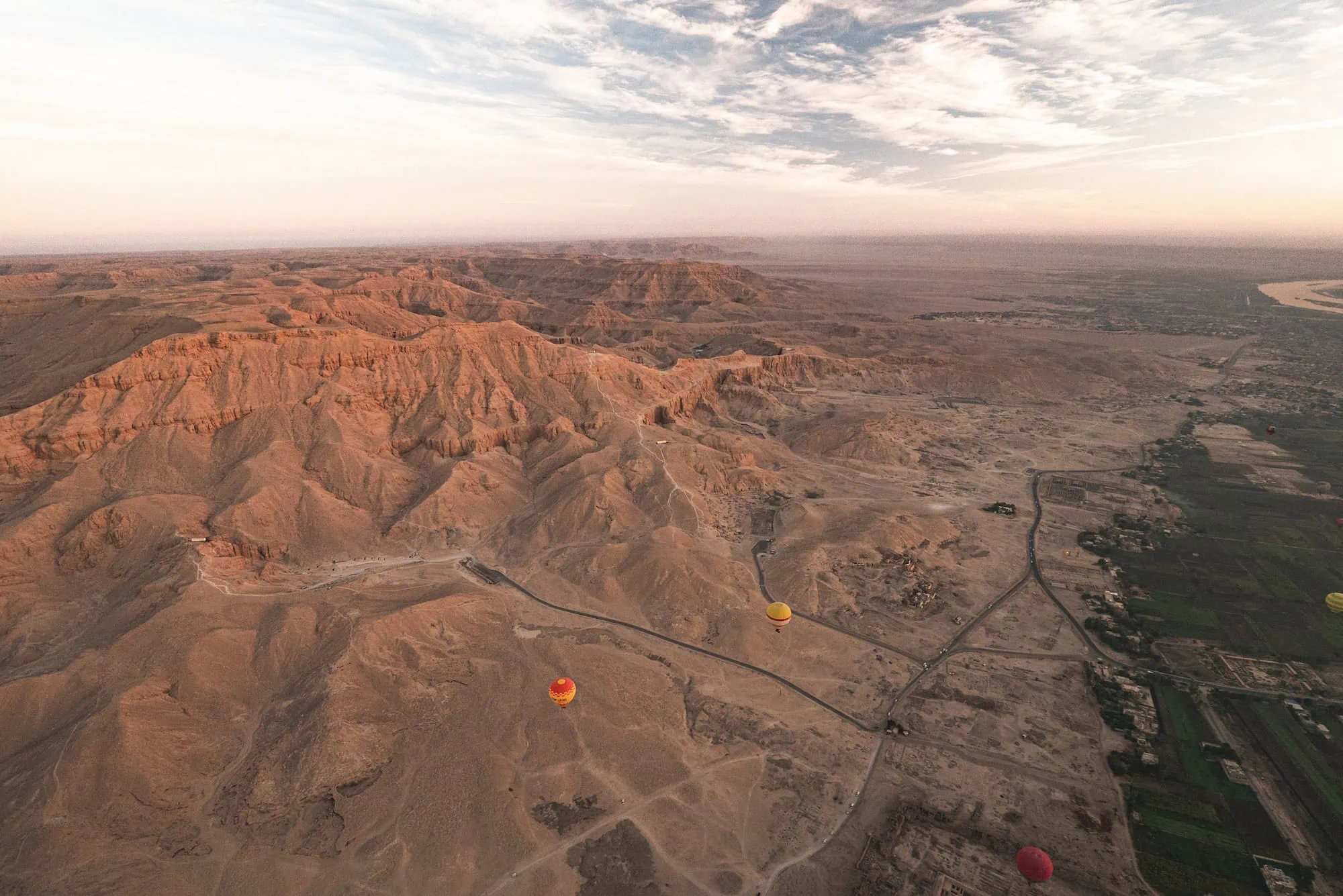
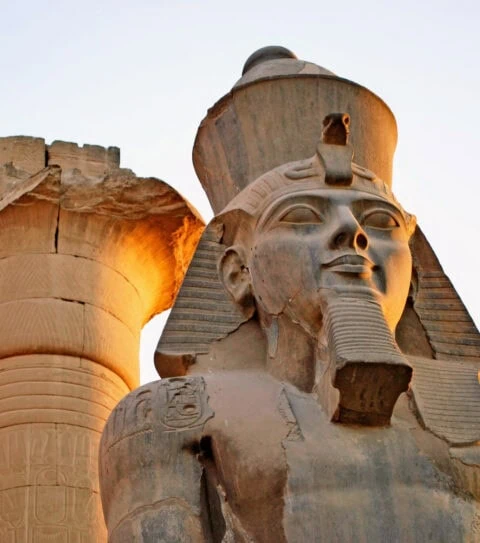
Mornings often begin with guided tours of temples and tombs where hieroglyphic stories cover walls and columns. Professional Egyptologists accompany small groups of up to 12 participants, ensuring intimate experiences that large bus tours cannot provide. You’ll explore the Valley of the Kings near Luxor, where pharaohs chose eternal rest in elaborate underground chambers decorated with Book of the Dead passages. Temple complexes at Karnak and Luxor reveal architectural evolution spanning centuries of pharaonic rule.
Between Luxor and Aswan, stops include Edfu Temple dedicated to Horus the falcon god, and Kom Ombo’s unique double temple honoring both Sobek the crocodile deity and Haroeris the falcon. These excursions typically last 2-3 hours each, allowing adequate time for photography, questions, and personal exploration while avoiding midday heat.
Abu Simbel Extension Options
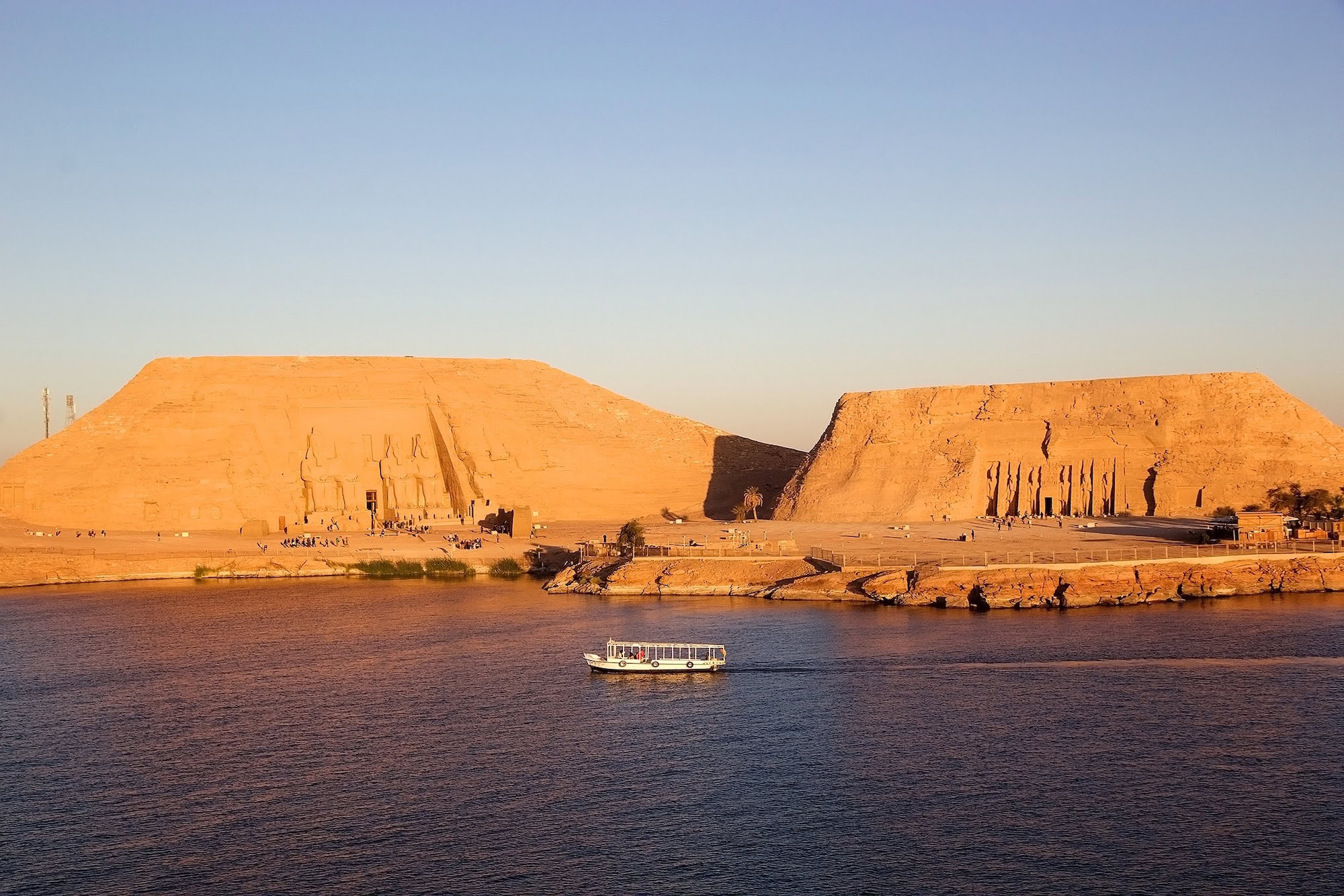
Many cruise itineraries include optional excursions to Abu Simbel, Ramesses II’s most impressive monuments located 280 km (174 miles) south of Aswan. Early morning flights or overland journeys bring you to temples carved directly into cliff faces, relocated stone by stone when Lake Nasser formed behind the High Dam. The experience requires additional planning but rewards visitors with some of Egypt’s most spectacular ancient architecture.
Daily Life Aboard Your River Journey
Cruise schedules balance structured excursions with leisurely river time that lets you absorb Egypt’s timeless landscapes.
Wake up calls come gently – perhaps bird songs from riverside vegetation or soft announcements about upcoming temple visits. After breakfast, guided excursions typically begin at 8:00 am (08:00) to avoid afternoon heat that can reach 40°C (104°F) during summer months. Shore visits last 2-4 hours depending on site complexity and group interests.
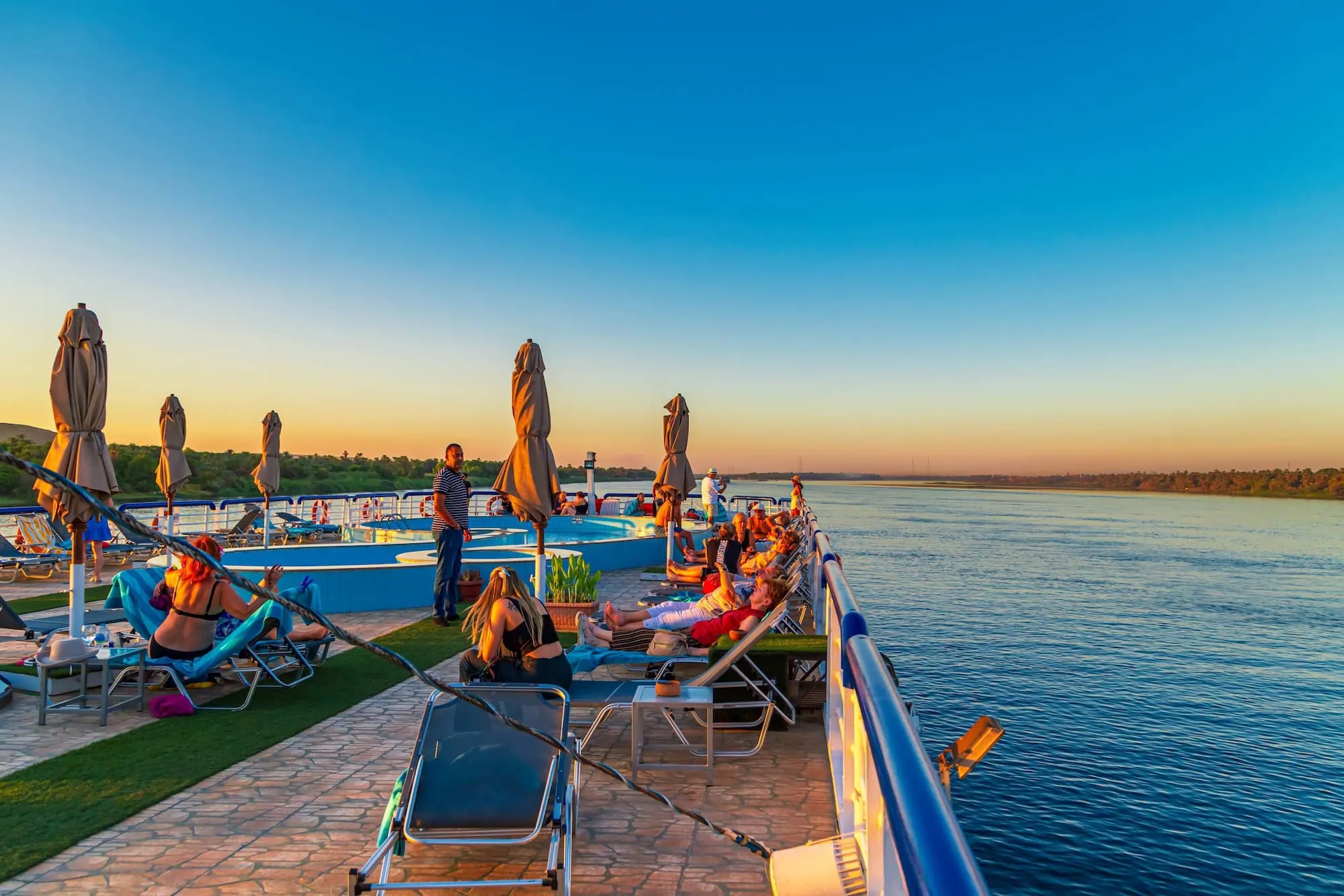
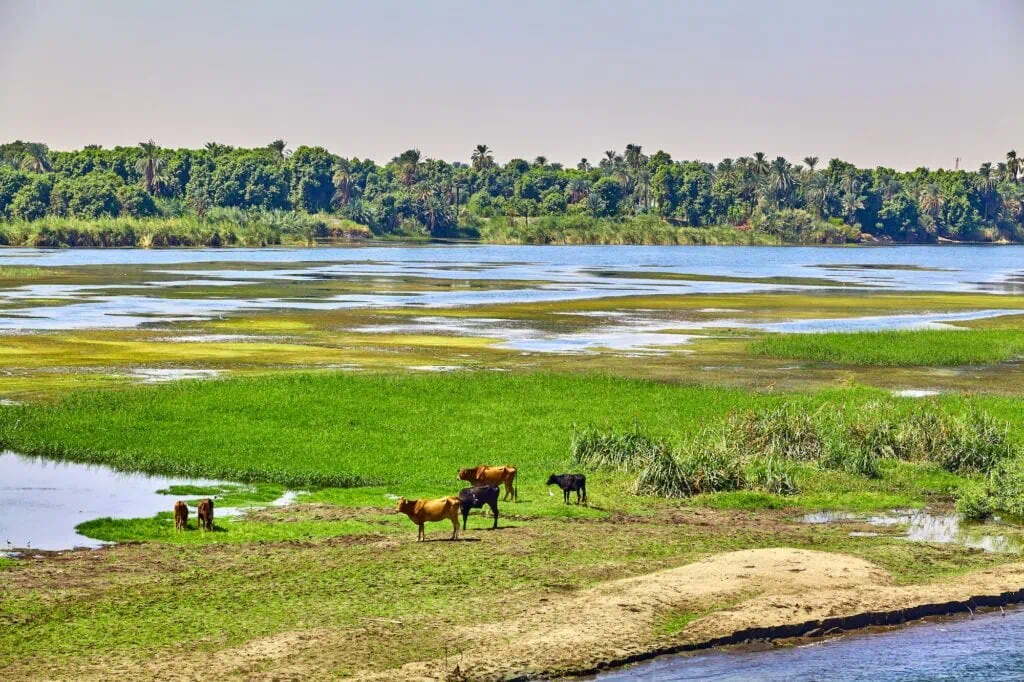
Afternoons aboard ship offer swimming, reading, or watching rural Egyptian life unfold along riverbanks. Farmers tend fields using methods their ancestors employed thousands of years ago. Fishermen cast nets from traditional feluccas while children wave from mud-brick villages. These unguarded moments often become treasured memories.
Evenings bring social hours, cultural presentations, or simply quiet contemplation on deck as stars emerge over the desert. The absence of city lights reveals constellations ancient Egyptians incorporated into temple alignments and pyramid orientations.
Seasonal Considerations and Weather Patterns
Nile cruise experiences vary significantly depending on when you choose to sail through this historic corridor.
Winter months from November through March provide ideal conditions with daytime temperatures ranging 20-25°C (68-77°F) and cool evenings perfect for deck dining. This peak season brings larger crowds to popular temples but also the most comfortable weather for extensive walking and outdoor activities.
Spring and autumn shoulder seasons offer excellent value with fewer tourists and pleasant temperatures, though occasional sandstorms might temporarily affect visibility. Summer cruising from June through August presents challenges with extreme heat reaching 45°C (113°F), but also provides unique opportunities to experience Egypt as locals do – with afternoon siestas and evening activities extending late into cooler nighttime hours.
River Levels and Navigation
Seasonal Nile flooding patterns, now controlled by the High Dam at Aswan, affect cruise schedules and available itineraries. Higher water levels during flood season enable access to sites sometimes unreachable during low-water periods. Your cruise operator monitors these conditions constantly, adjusting routes to ensure optimal experiences regardless of seasonal variations.
Cultural Immersion Beyond Temple Walls
Authentic cultural encounters happen spontaneously throughout your Nile cruise journey, creating connections that extend far beyond scheduled excursions.
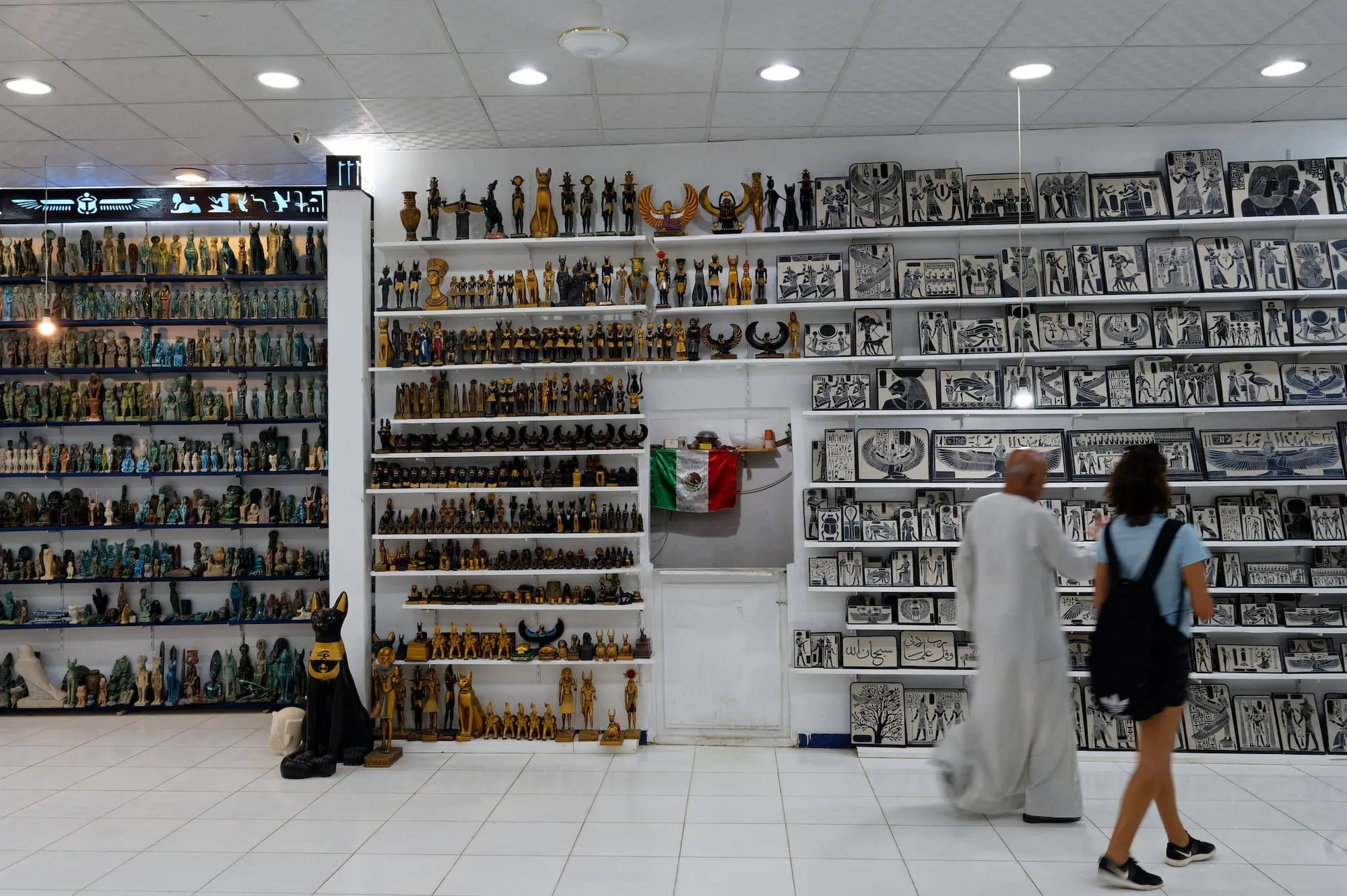
Local markets in riverside towns offer opportunities to practice basic Arabic phrases while shopping for spices, textiles, or handcrafted souvenirs. Vendors appreciate genuine interest in their products and often share stories about family traditions passed down through generations. These interactions provide insights into contemporary Egyptian life that complement your exploration of ancient monuments.
Traditional Crafts and Local Artisans
Villages along the Nile maintain traditional pottery-making, textile weaving, and metalworking crafts using techniques dating back millennia. Your guide might arrange informal visits to workshops where artisans demonstrate ancient methods still employed today. Watching clay vessels shaped on foot-powered wheels or observing carpet weavers work complex patterns helps connect past and present in meaningful ways.
Music and Evening Entertainment
Shipboard entertainment reflects Egypt’s rich musical heritage through performances featuring traditional instruments like the oud, tabla drums, and ney flute. Local musicians often join cruise ships for evening concerts that showcase classical Arabic compositions alongside modern Egyptian popular music. These performances create festive atmospheres where passengers often find themselves clapping along or even attempting traditional dance steps.
Practical Logistics and Travel Preparation
Planning your Nile cruise requires understanding visa requirements, packing considerations, and booking logistics that ensure smooth sailing from arrival to departure.
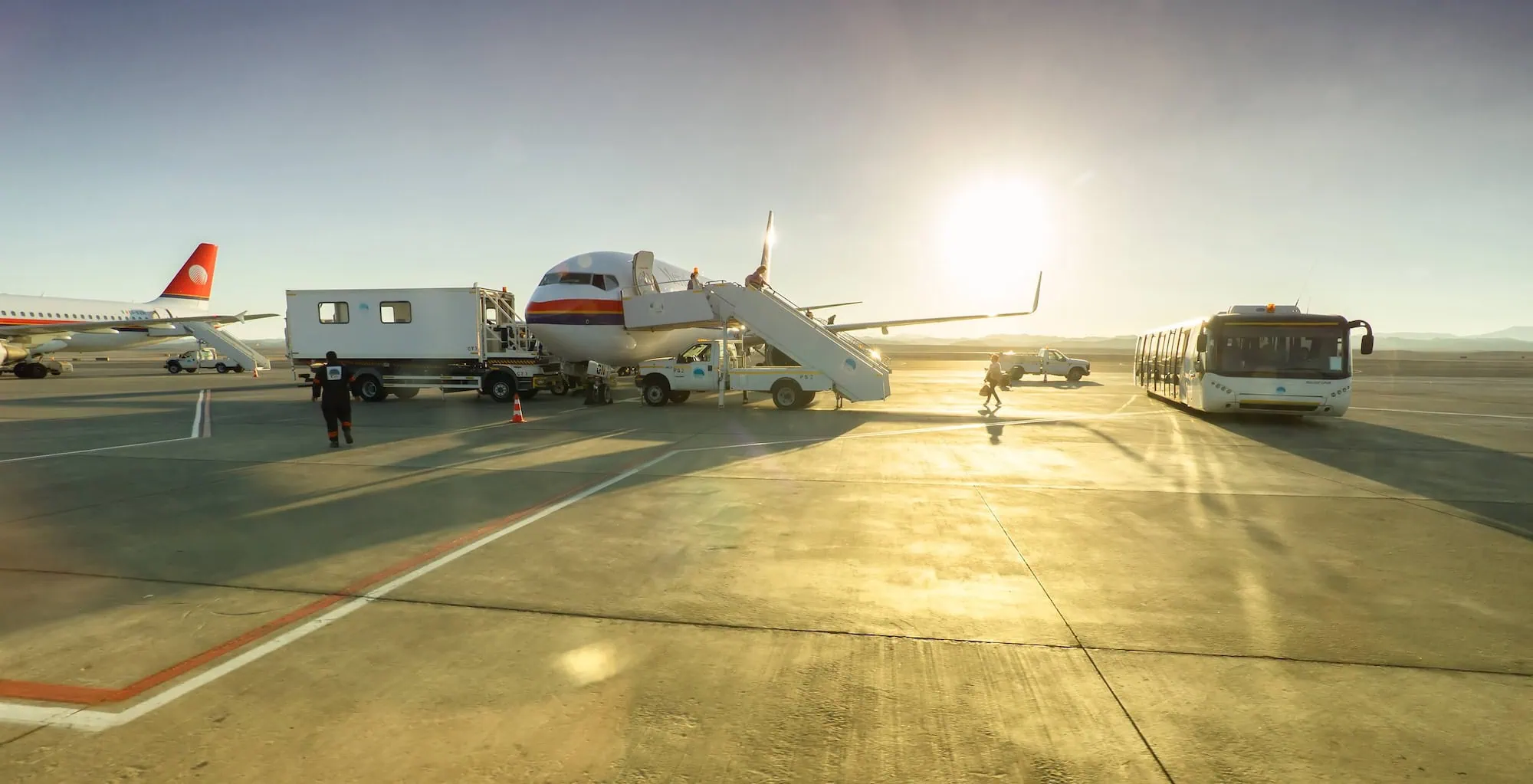
U.S. visitors need tourist visas available on arrival at Cairo or other Egyptian airports for $25 USD, valid for 30 days with single or multiple entries. European Union citizens enjoy similar visa-on-arrival privileges, while visitors from Latin America, Australia, and most Asian countries can obtain visas electronically before travel or upon arrival. Always confirm current requirements with Egyptian diplomatic missions, as policies occasionally change.
Health and Safety Considerations
No special vaccinations are required for Nile cruise travel, though travelers should pack sun protection, comfortable walking shoes, and any personal medications. Drinking water aboard cruise ships meets international safety standards, while shore excursions include bottled water during temple visits. Travel insurance covering medical evacuation is recommended, particularly for travelers with pre-existing conditions.
What to Pack for River Cruising
Lightweight, breathable clothing in natural fabrics works best for Egypt’s dry climate. Long pants and shirts with sleeves are required for temple visits, both for sun protection and cultural respect.
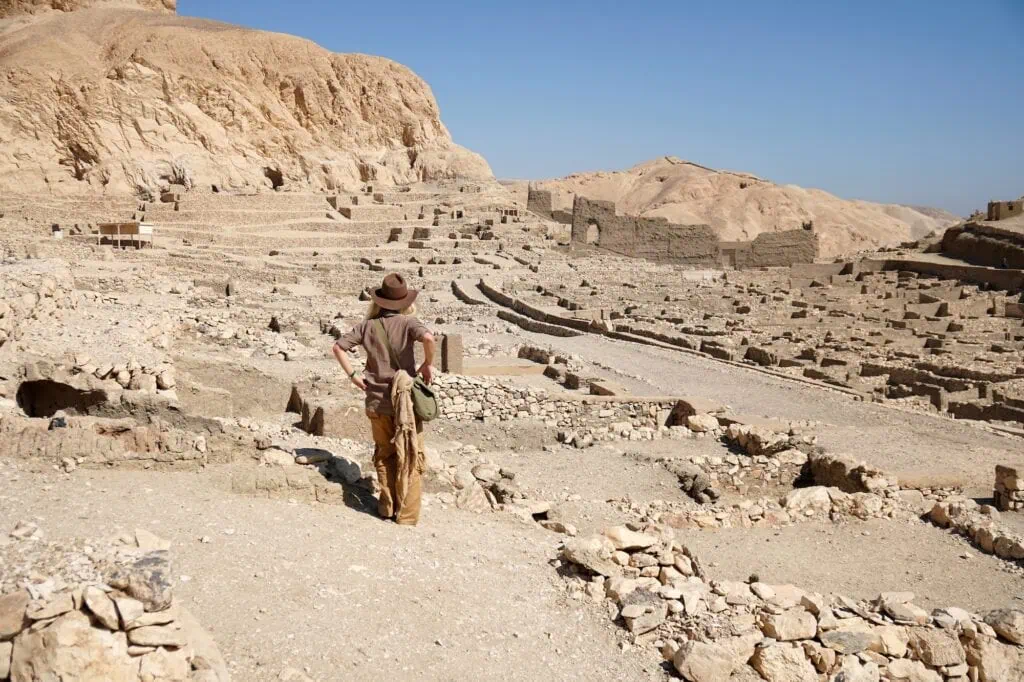
Comfortable walking shoes with good traction help navigate uneven stone surfaces in ancient monuments. Evenings can be cool during winter months, so pack layers for deck dining and stargazing sessions.
Tipping and Local Currency
Egyptian pounds (EGP) are preferred for local purchases, though U.S. dollars are widely accepted at tourist sites. ATMs in Luxor and Aswan provide convenient currency exchange, while cruise ships often offer exchange services at competitive rates. Tipping follows established customs – approximately 10-15% for restaurant service, small amounts for porters and guides, and pooled tips for cruise staff typically collected at journey’s end.
Making the Most of Your Nile Experience
Maximize your cruise investment through thoughtful preparation and openness to unexpected discoveries that make each journey unique.
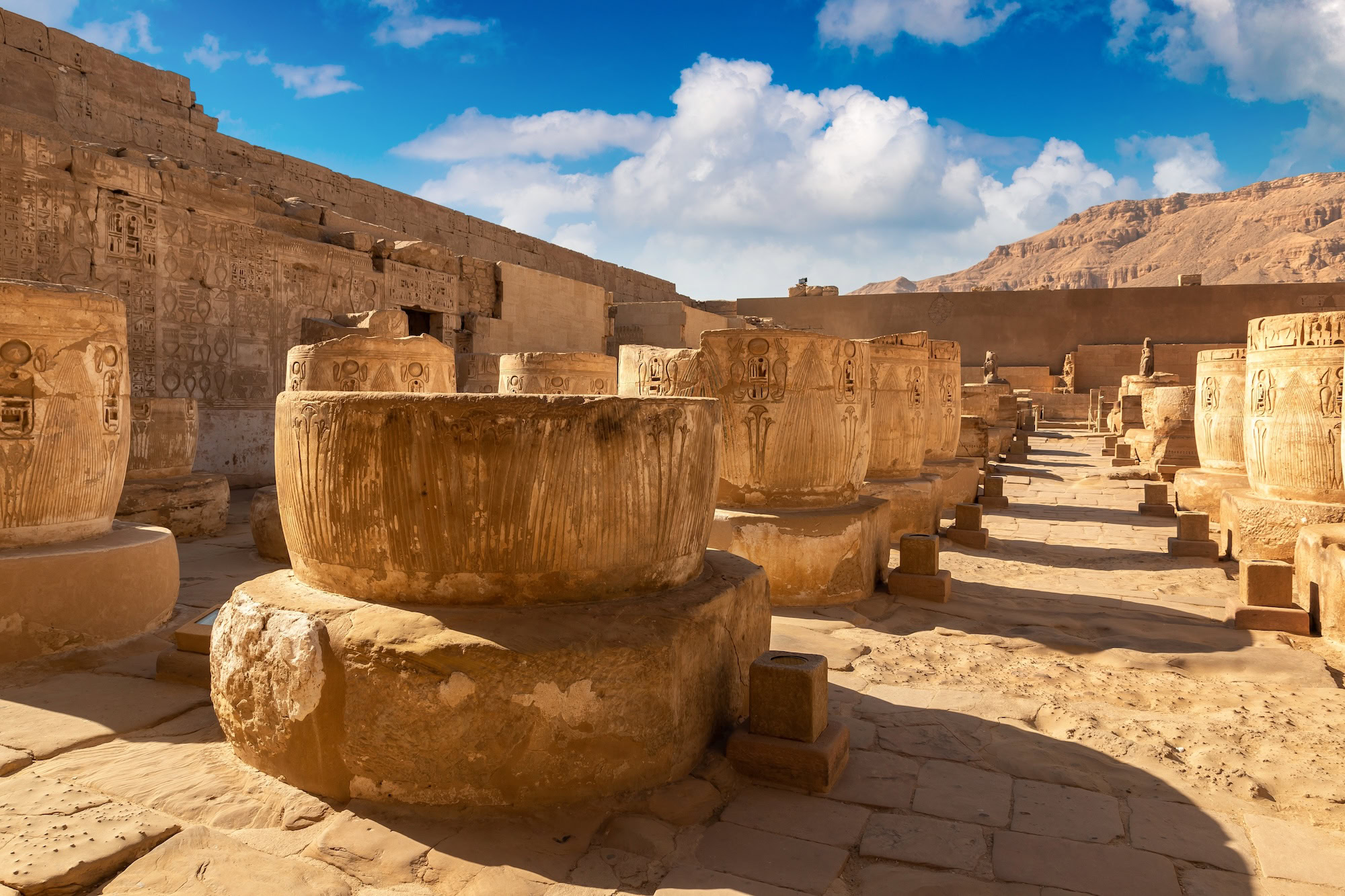
Read about Egyptian history before departure to enhance your appreciation of monuments and artifacts you’ll encounter. Basic familiarity with pharaonic dynasties, major deities, and historical chronology transforms temple visits from sightseeing into genuine learning experiences. Many travelers find that understanding hieroglyphic basics adds depth to their monument explorations.
Photography opportunities abound throughout your cruise, from sunrise silhouettes of ancient columns to candid moments of rural Egyptian life along riverbanks. Respect photography restrictions in certain tombs and temples, where flash can damage ancient pigments. Early morning and late afternoon light create the most dramatic images of monuments against desert landscapes.
Our award-winning service includes experienced guides who tailor explanations to group interests and knowledge levels, ensuring every participant gains meaningful insights into Egypt’s extraordinary heritage. With 24/7 customer support and decades of expertise crafting personalized itineraries, we handle logistics so you can focus entirely on discovery and wonder along the world’s most historically significant river.
Frequently Asked Questions
Most Nile cruises last between 3 and 7 nights, with 4-night Luxor-to-Aswan and 3-night Aswan-to-Luxor itineraries being the most common for first-time visitors. These routes cover Egypt’s major riverside attractions, including Karnak Temple, Luxor Temple, Edfu Temple, and Philae Temple. Travelers seeking a more relaxed pace often choose 7-night round-trip cruises, which allow additional time at key archaeological sites and onboard activities.
Most Nile cruise fares include full-board accommodation, daily meals, guided sightseeing, and transportation associated with scheduled excursions. Standard itineraries typically cover visits to major landmarks such as the Valley of the Kings, Karnak Temple, Kom Ombo, and Edfu Temple. Many packages also include airport or station transfers in Luxor or Aswan. Optional activities, premium beverages, gratuities, and certain specialty excursions may be charged separately, so review inclusions carefully before booking.
Yes, Nile cruises can be an excellent family travel experience, especially for children interested in history, archaeology, and ancient civilizations. Excursions often involve walking on uneven surfaces and spending 2 to 4 hours at temple complexes, so comfortable footwear and realistic expectations are important. Many ships offer family cabins, flexible meal options, and shorter excursion choices. Families with younger children may find 3- or 4-night itineraries easier to manage than longer sailings.
Yes, independent shore excursions are possible, but cruise-organized tours offer logistical advantages and expert interpretation. Scheduled excursions are timed to match ship arrivals and departures, reducing the risk of missing the vessel. Most cruise tours are led by licensed Egyptologists who explain the historical significance of sites such as Abu Simbel, Edfu Temple, and the Valley of the Kings. Independent travelers gain flexibility but assume responsibility for transportation and timing.
Luxury Nile cruises generally feature larger cabins, higher staff-to-guest ratios, premium dining, and fewer passengers than standard vessels. Standard cabins often measure around 18-22 square meters (194-237 square feet), while luxury suites can exceed 40 square meters (430 square feet). Luxury ships may also include spa facilities, gourmet menus, private balconies, and more personalized service. Both categories typically visit the same major temples, but the onboard experience differs significantly.
Advance booking is strongly recommended during the peak Nile cruise season from November through March. Popular sailings, especially luxury vessels and holiday departures, often sell out several months ahead. Booking 3 to 6 months in advance typically provides the best cabin selection, preferred sailing dates, and competitive pricing. Travelers visiting during summer or shoulder seasons usually have more flexibility, but earlier reservations still offer more options.
Yes, modest clothing is recommended for temple visits throughout Egypt, with shoulders and knees generally covered. Ancient sites such as Karnak Temple and Abu Simbel do not enforce strict religious dress codes, but lightweight, conservative clothing provides protection from intense sun and demonstrates cultural awareness. Temperatures in Upper Egypt frequently exceed 30°C (86°F), so breathable fabrics such as cotton and linen are ideal. Comfortable walking shoes are equally important.
Weather-related disruptions on the Nile are uncommon, but cruise operators can adjust schedules when necessary due to river conditions, fog, or navigation restrictions. Experienced captains coordinate with local authorities to maintain safe operations while preserving as much sightseeing as possible. Alternative excursion timings or modified routes may be implemented to avoid delays. In most cases, travelers still visit the major highlights included in their itinerary despite minor scheduling adjustments.
Yes, many travelers extend their Nile cruise with additional nights in Cairo, Luxor, Aswan, or Red Sea destinations such as Hurghada. A cruise typically covers only one portion of an Egypt itinerary, while extensions allow time for attractions like the Pyramids of Giza, the Grand Egyptian Museum, or snorkeling along the Red Sea coast. Adding two to four extra nights often creates a more balanced and comprehensive Egypt experience.
Egyptian pounds (EGP) are the most practical currency for small purchases, tips, and local transactions during a Nile cruise. While many tourist businesses also accept U.S. dollars and euros, local currency often provides smoother transactions and clearer pricing. Tipping is customary in Egypt and commonly covers cabin stewards, restaurant staff, drivers, and guides. Carrying a supply of small denomination notes makes gratuities easier throughout the journey.
Most modern Nile cruise ships offer onboard Wi-Fi, particularly in reception areas, lounges, and public spaces. Internet quality varies significantly depending on location, with stronger signals near Luxor, Aswan, and larger towns than in remote river stretches. Travelers should expect speeds suitable for messaging and email rather than heavy streaming or video conferencing. Purchasing a local Egyptian SIM card can provide a more reliable connection during the trip.
Nile cruise ships carry basic medical supplies and can address minor health concerns, but they are not equipped as full medical centers. Most vessels have trained staff who can provide first aid and coordinate emergency assistance when necessary. Serious medical situations generally require transfer to hospitals in Luxor or Aswan, both of which have established healthcare facilities serving international visitors. Travelers should carry essential medications and adequate travel insurance.
Design Your Custom Tour
Explore Egypt your way by selecting only the attractions you want to visit