What is the Best Way to Travel in Egypt?
Planning a trip to Egypt feels overwhelming with so many transportation choices.
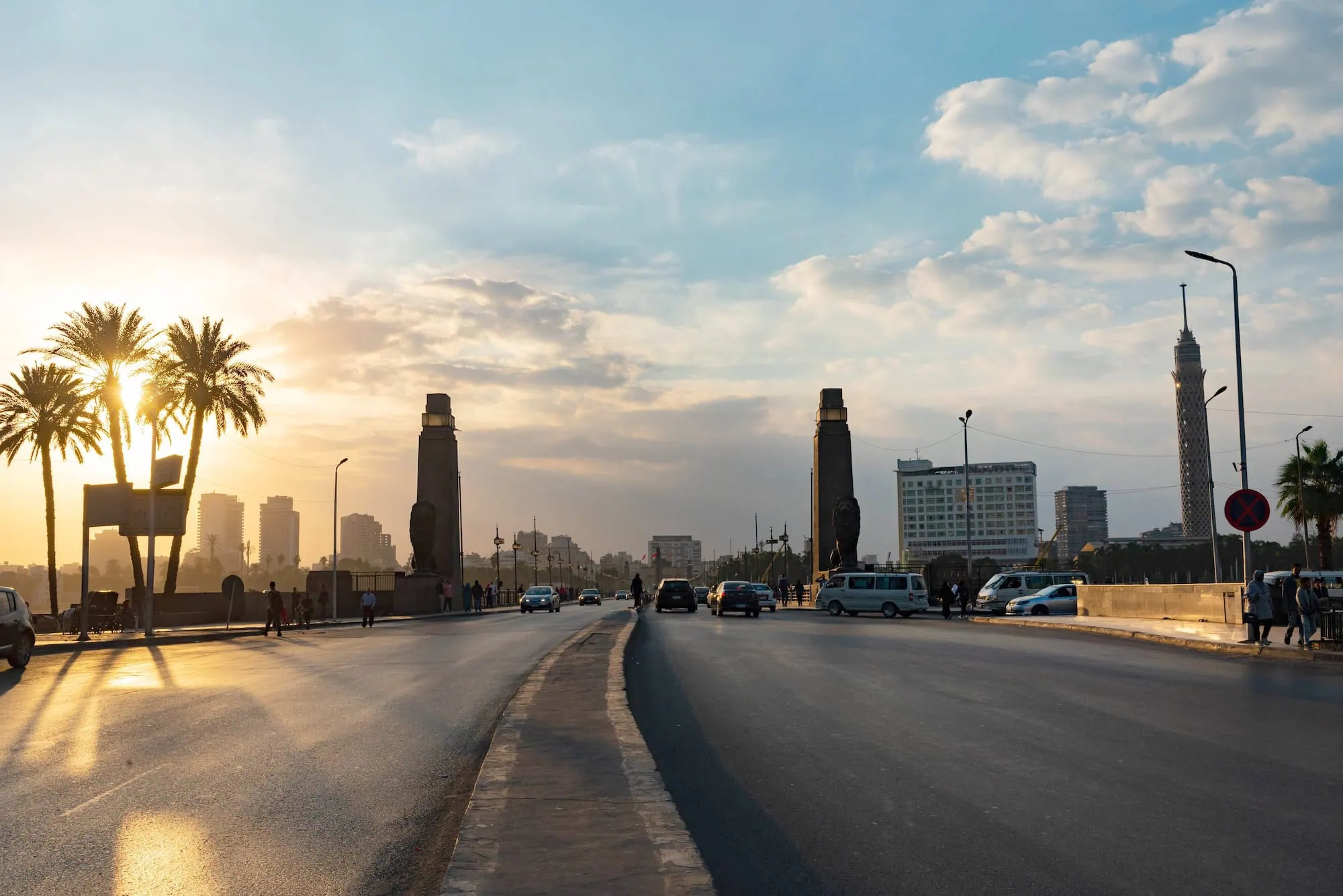
Egypt offers multiple ways to get around, each suited to different travel styles, budgets, and time constraints. From domestic flights connecting major cities to scenic train journeys along the Nile, the country provides well-developed infrastructure for tourists. Understanding your options helps you make informed decisions that maximize both comfort and cultural immersion during your Egyptian adventure.
The key is matching transportation methods to your specific itinerary, group size, and comfort preferences while considering seasonal factors that can impact travel times.
Table of Contents
Transportation Overview: Your Egyptian Journey Options
Egypt’s transportation network connects ancient wonders spanning from Mediterranean Alexandria to southern Aswan. The country maintains modern infrastructure alongside traditional travel methods, giving visitors flexibility in how they explore.
Domestic Flights: Speed Across Desert
Flying between cities saves significant time, especially when traveling from Cairo to Luxor or Aswan. EgyptAir operates regular domestic routes with flight times typically under 90 minutes. This option works particularly well for visitors with limited vacation days or those uncomfortable with long road trips.
Booking domestic flights in advance often provides better rates, with prices varying by season. Peak winter months (December through February) see higher demand and costs.
Train Travel: Scenic Routes Along Ancient Paths
Egypt’s railway system offers comfortable passage between major destinations, particularly the Cairo-Luxor-Aswan route. First-class sleeper trains provide overnight accommodations while traveling, essentially combining transportation and lodging. These trains follow routes parallel to the Nile, offering glimpses of rural Egyptian life unavailable from airports.
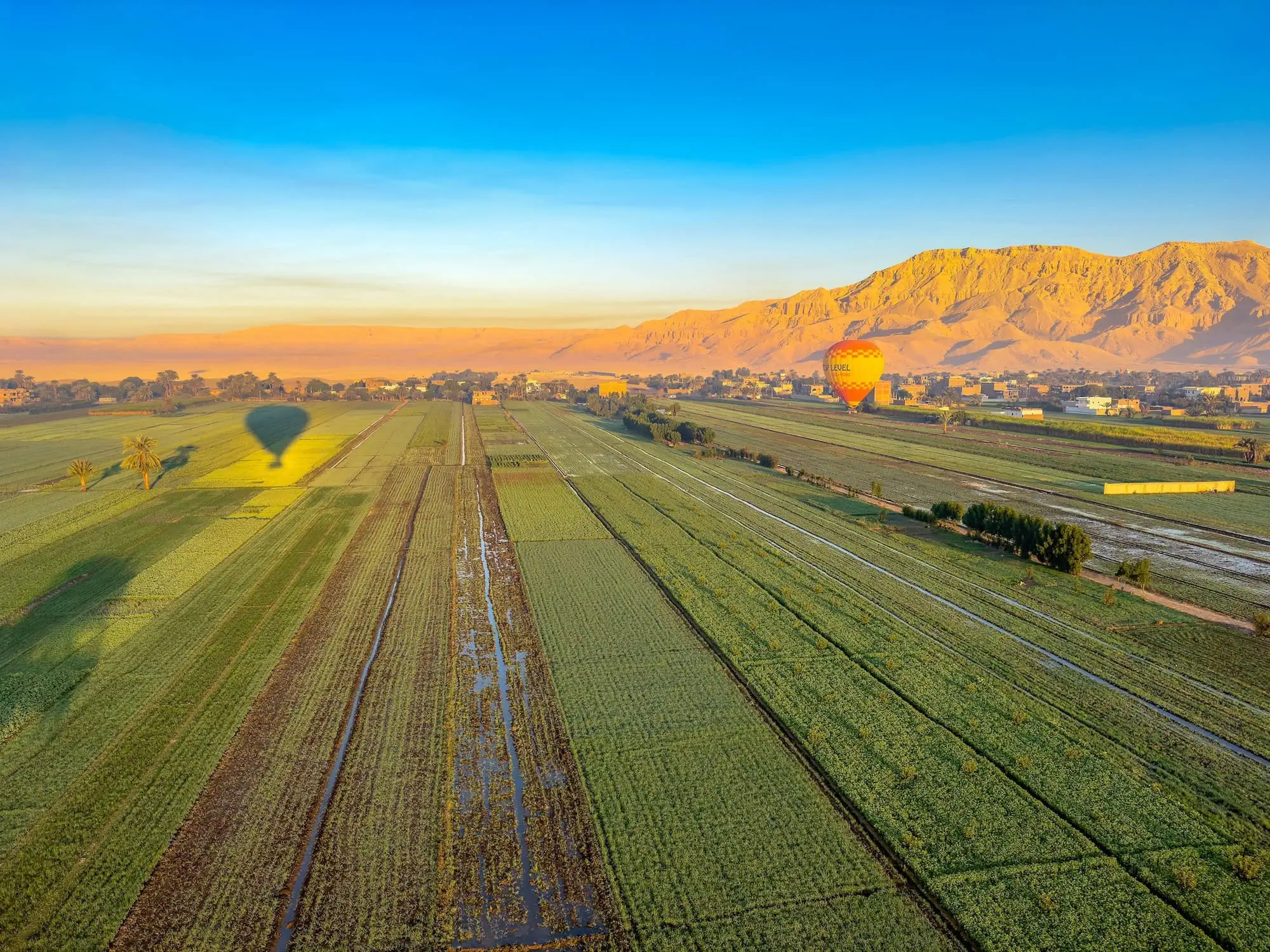
The journey from Cairo to Luxor takes approximately 10-12 hours by overnight train, arriving refreshed for morning sightseeing. Air conditioning and dining services make long journeys comfortable.
Private Transportation: Ultimate Flexibility and Comfort
Private vehicles with professional drivers provide unmatched convenience and cultural insight. Experienced guides navigate local traffic patterns while sharing stories about passing landmarks. This method allows spontaneous stops at villages, markets, or viewpoints that group tours might miss.

We arrange modern, air-conditioned vehicles with English-speaking drivers who understand tourist needs and safety requirements. Private transportation proves especially valuable for families or travelers with mobility considerations.
Planning Your Multi-City Egyptian Itinerary
Distance and time constraints significantly influence transportation choices across Egypt’s vast territory. Cairo to Aswan spans approximately 900 km (560 miles), while shorter hops like Cairo to Alexandria cover just 220 km (137 miles).
Most visitors combine multiple transportation methods throughout their stay. Flying from Cairo to southern cities like Luxor saves time for exploring temples and tombs. Meanwhile, overland travel between nearby destinations like Luxor and Edfu offers scenic river valley views. Road conditions remain excellent on main tourist routes, with well-maintained highways connecting major attractions.
Weather impacts transportation schedules, particularly during occasional sandstorms between March and May. Summer temperatures exceeding 40°C (104°F) in southern regions make midday travel less comfortable, though air-conditioned vehicles and trains maintain pleasant interior conditions.
Consider your physical comfort level with different travel durations. Some travelers prefer breaking long journeys into segments with overnight stops, while others want to reach destinations quickly to maximize sightseeing time.
Nile Cruise Ships: Floating Hotels
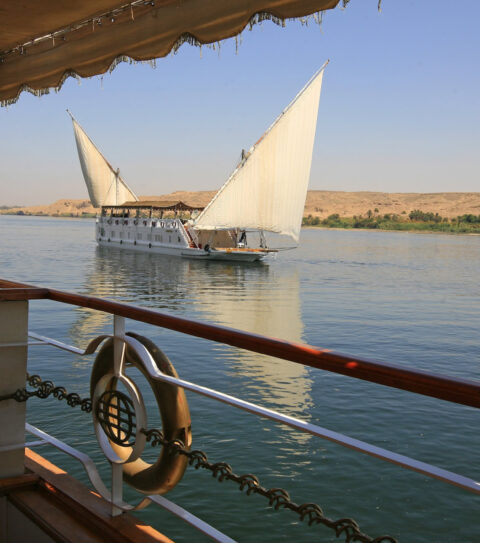
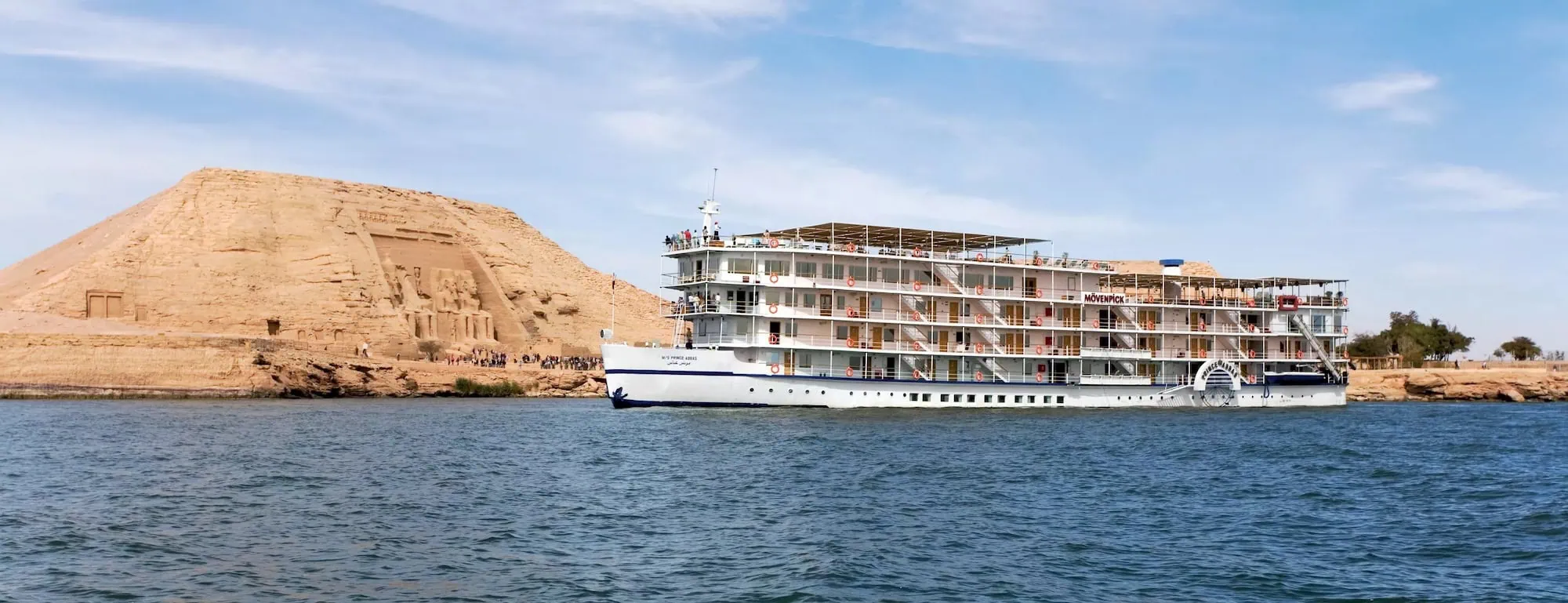
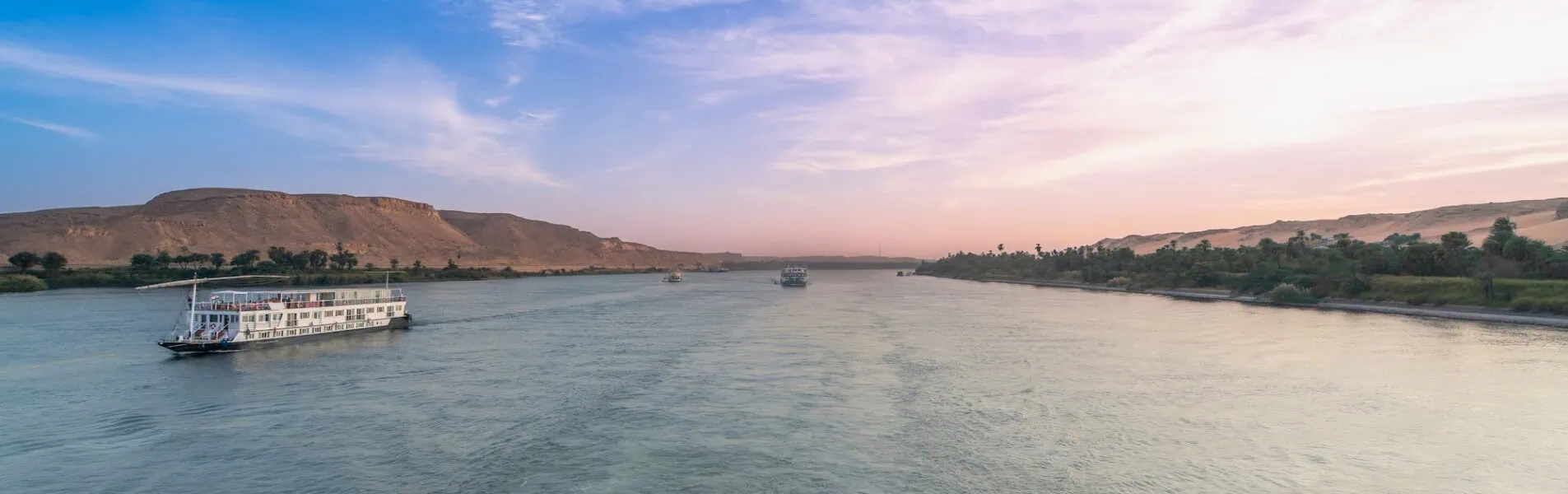
Multi-day Nile cruises between Luxor and Aswan combine transportation with accommodation and dining. These floating hotels stop at temple complexes like Kom Ombo and Edfu while providing onboard entertainment and relaxation. Small group excursions with up to 12 participants ensure more intimate experiences at archaeological sites.

Cruise ships typically sail during daytime hours, allowing passengers to enjoy Nile scenery from deck areas. Evening entertainment often features traditional music and dance performances.
Budget-Conscious Travel: Public Transport Options
Public buses and shared taxis serve budget travelers willing to trade comfort for affordability. Long-distance buses connect major cities with basic amenities, though journey times extend considerably compared to private options. Shared service taxis (known locally as “service”) operate on fixed routes between cities, departing when full.
These options require more flexibility with schedules and comfort expectations but provide authentic local experiences. English communication may be limited, so having destination names written in Arabic helps with navigation.
Regional Transportation Strategies
Northern Egypt, including Cairo and Alexandria, offers extensive public transportation networks within cities. Metro systems in Cairo provide efficient urban travel, while Alexandria’s tram network connects coastal attractions. Taxi services and ride-sharing apps operate in major urban areas.
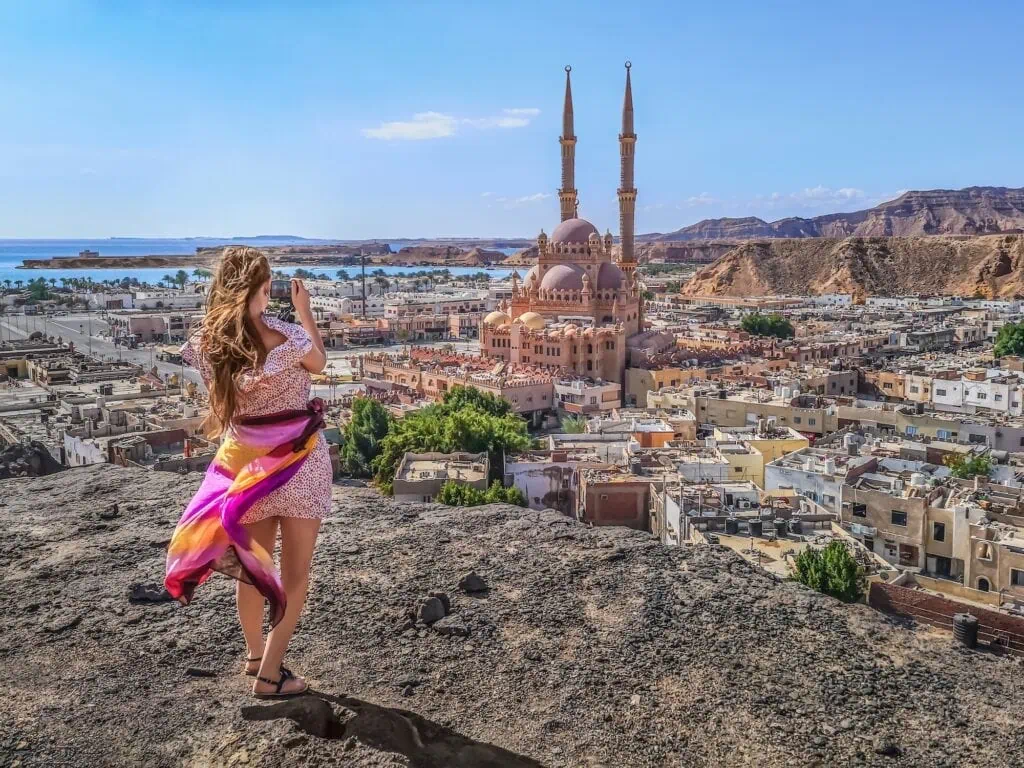
The Red Sea coastal region between Hurghada and Sharm El Sheikh relies heavily on resort transfers and organized tours. Many beachfront hotels provide shuttle services to airports and popular attractions. This region’s tourism infrastructure focuses on convenience for resort-based vacations rather than independent exploration.
Southern Egypt’s attractions cluster around Luxor and Aswan, making these cities ideal bases for temple visits and Nile activities. Most archaeological sites require organized transportation due to security protocols and remote locations. The Valley of the Kings, Karnak Temple, and Philae Temple all benefit from guided transportation that includes entry coordination and historical context.
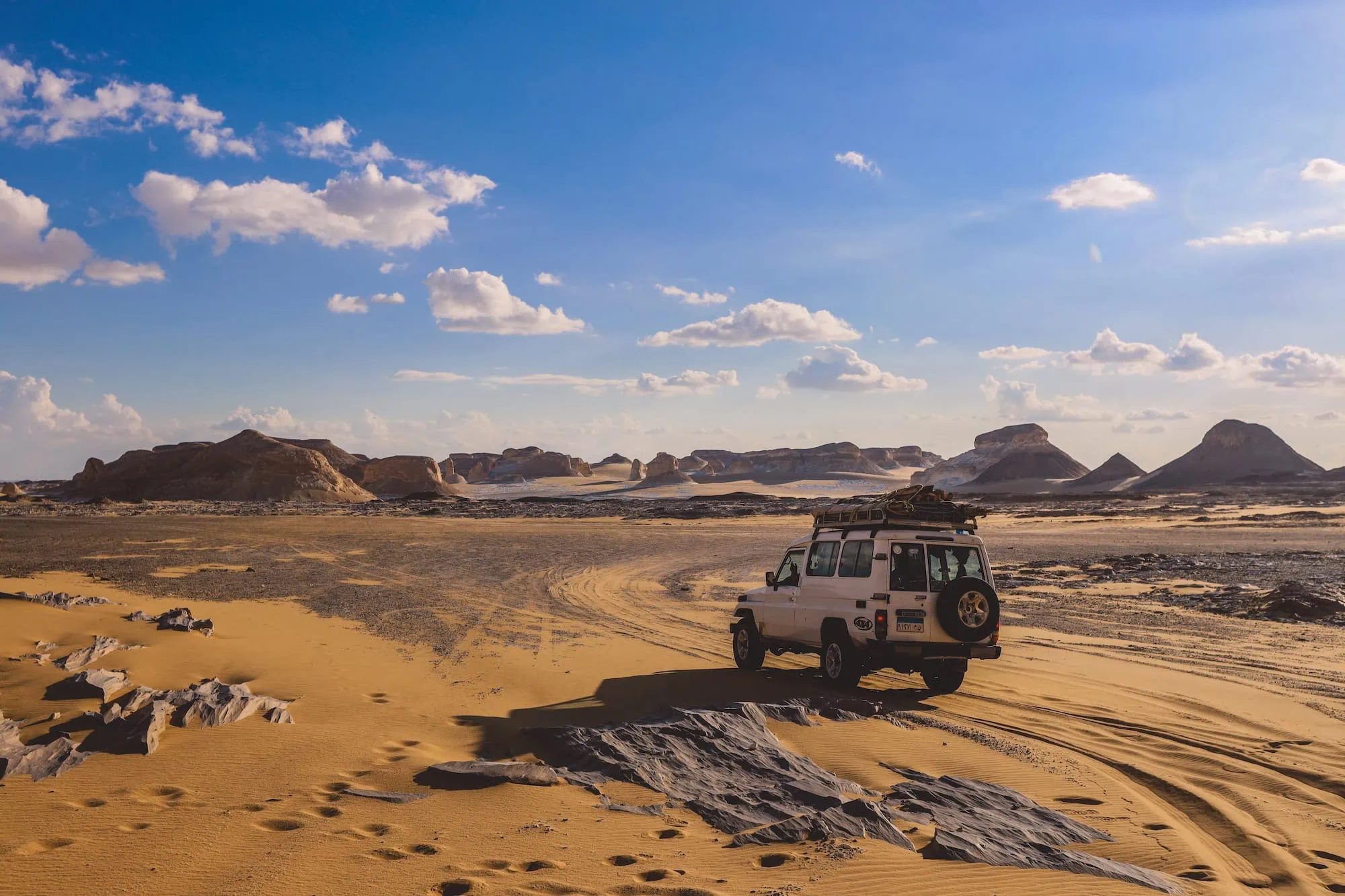
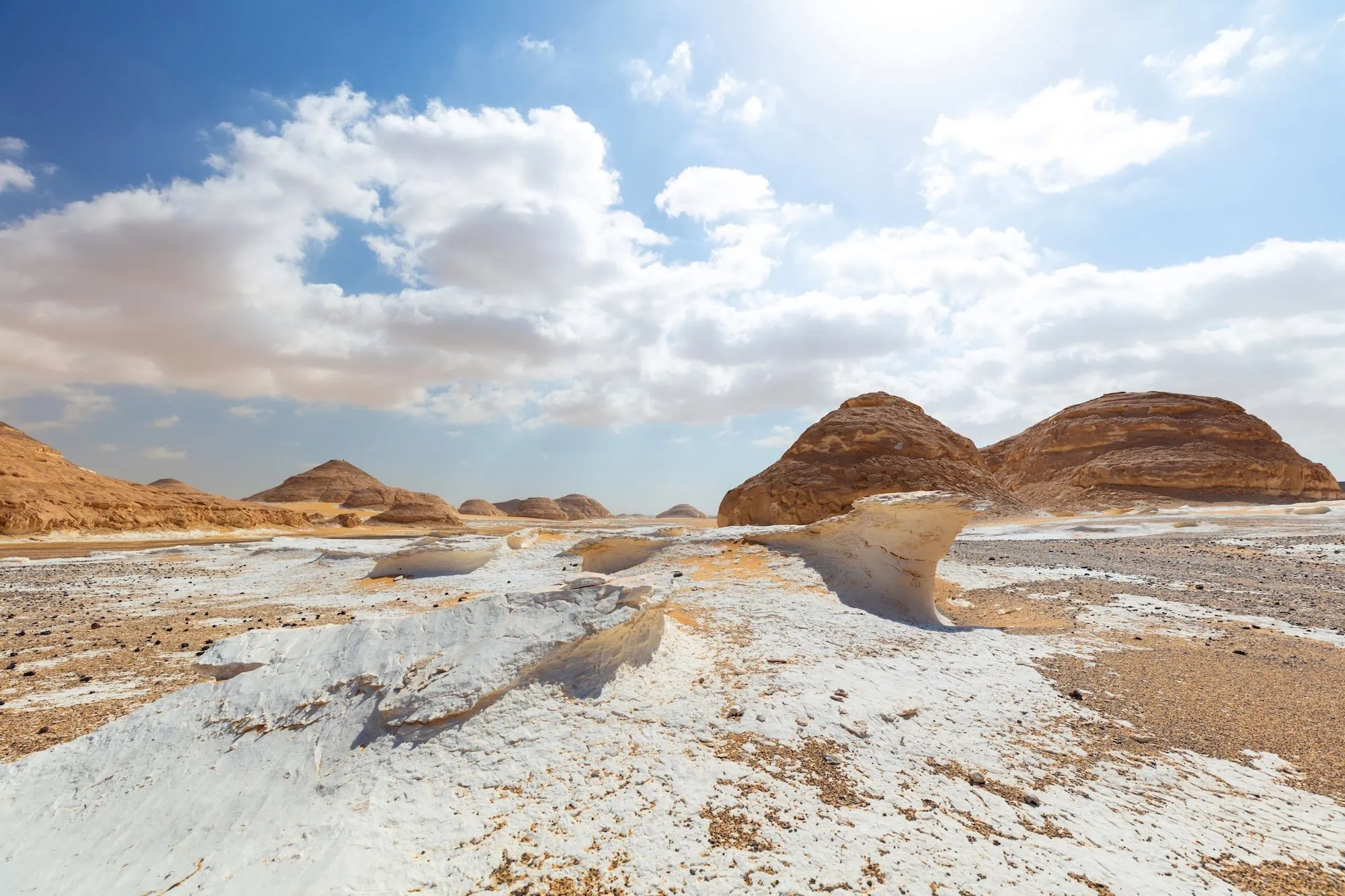
Desert regions west of the Nile require specialized transportation arrangements. Siwa Oasis and White Desert adventures demand 4×4 vehicles with experienced desert drivers. These remote areas offer incredible landscapes but need careful planning for safety and navigation.
Temperature considerations affect travel comfort throughout Egypt. Winter months (December through February) provide ideal conditions for overland travel, with comfortable daytime temperatures around 22°C (72°F). Summer heat intensifies dramatically, particularly in southern regions, making early morning or evening travel preferable.
Practical Transportation Tips and Cultural Considerations
Understanding Egyptian traffic patterns helps set realistic expectations for travel times. Cairo’s congested streets can significantly delay urban journeys during peak hours around 8:00 am (08:00) and 5:00 pm (17:00). Rural highways generally maintain steady traffic flow except during major holidays when families travel between cities.
Cultural aspects enhance transportation experiences when approached with openness and respect. Egyptian drivers often engage in friendly conversation, sharing local knowledge about destinations and customs. Tipping remains customary for various transportation services, typically 10-20 Egyptian pounds for short journeys and more for day-long private drivers.
Safety standards meet international expectations on major tourist routes, with regular vehicle maintenance and professional drivers. Our decades of experience ensuring traveler safety include modern vehicles, comprehensive insurance, and customer support throughout your journey. Licensed guides accompanying private transportation provide cultural context that transforms simple transfers into educational experiences.
Language barriers rarely pose significant challenges, as tourism industry workers typically speak functional English. However, having hotel names and major destinations written in Arabic helps with communication during independent travel.
Luggage considerations affect transportation choices, particularly for travelers with multiple suitcases or specialized equipment like photography gear. Private vehicles accommodate varying luggage needs, while train travel has specific weight and size restrictions. Domestic flights within Egypt allow generous baggage allowances compared to international standards.
Travel documents remain important regardless of transportation method. Keep passport copies accessible and understand that some remote destinations require tourist police coordination for security purposes. This coordination happens seamlessly with professional tour operators but may cause delays for independent travelers.
Seasonal Transportation Planning and Weather Factors
Spring months (March through May) bring occasional sandstorms that can temporarily affect flight schedules and visibility for overland travel. These weather events typically last 24-48 hours and are followed by crystal-clear conditions perfect for sightseeing and photography.
Summer transportation requires air conditioning and frequent hydration breaks. Private vehicles maintain comfortable interior temperatures even when outside temperatures soar above 45°C (113°F). Train cars and domestic flights provide reliable climate control, making them preferable to budget bus options during hot months.
Winter represents peak tourist season with optimal weather conditions for all transportation methods. December through February sees increased demand for private transportation and Nile cruises, making advance booking essential for preferred travel dates.
Autumn months (September through November) offer excellent conditions as temperatures moderate from summer highs. This period provides ideal overland travel weather while avoiding peak season crowds and pricing.
Religious holidays and local festivals can impact transportation schedules, particularly during Ramadan when many services operate on modified timetables. Eid celebrations may reduce availability of private drivers and guide services as families gather for traditional observances.
Frequently Asked Questions
Domestic flights are the fastest way to travel between Cairo and Luxor, taking approximately 90 minutes compared to 10-12 hours by train or 8-9 hours by road. Multiple daily flights connect Cairo International Airport with Luxor International Airport, making same-day sightseeing possible. Flying is particularly valuable for travelers on 7-10 day Egypt itineraries who want to maximize time at sites such as Karnak Temple and the Valley of the Kings. Book early morning departures to make the most of your first day in Luxor.
Self-driving in Egypt is possible, but most international visitors find private drivers to be a safer and more comfortable option. Traffic patterns in Cairo, road signage, local driving customs, and long desert highways can be challenging for first-time visitors. Professional drivers are familiar with tourist routes between destinations such as Cairo, Luxor, Aswan, and Abu Simbel. A private driver also eliminates navigation stress and allows you to focus on sightseeing rather than road conditions.
Private transportation in Egypt typically costs between $80 and $150 per day depending on distance, vehicle category, and itinerary complexity. A full-day vehicle with driver in Cairo generally falls near the lower end of that range, while long-distance transfers between cities cost more. Pricing often includes fuel, tolls, parking fees, and waiting time. For families or small groups, private transportation can provide excellent value compared to coordinating multiple taxis throughout the day.
Egypt’s overnight sleeper trains generally operate on relatively reliable schedules, while regular rail services can experience occasional delays. Routes between Cairo, Luxor, and Aswan are among the country’s most popular tourist rail corridors and receive consistent service. Factors such as track maintenance, weather conditions, and network congestion can affect arrival times. Travelers with tight flight connections should build a buffer into their schedules rather than relying on exact arrival times.
Most private transportation services include a professional driver, fuel, tolls, parking fees, and door-to-door transfers between destinations. Many premium services also provide air-conditioned vehicles, bottled water, and customer support throughout the journey. English-speaking drivers are common on tourist routes connecting Cairo, Giza, Luxor, and Aswan. Always verify inclusions before booking, especially if airport meet-and-greet services or long-distance transfers are part of your itinerary.
Yes, ride-sharing apps such as Uber and Careem operate extensively in Cairo and Alexandria and are widely used by both residents and visitors. These services provide transparent pricing, GPS tracking, and cashless payment options that many travelers find convenient. Availability is strongest in major urban centers and can be more limited in destinations such as Luxor, Aswan, and smaller resort towns. Download the apps before arrival and ensure mobile data access for easier transportation.
Booking transportation 2 to 4 weeks in advance is recommended during Egypt’s peak travel season from December through February. High-demand periods such as Christmas, New Year, and spring holidays can significantly reduce availability for premium vehicles, Nile cruises, and sleeper trains. Summer travel generally offers more flexibility and last-minute options. Travelers with fixed schedules or domestic flights should reserve transportation as early as possible to secure preferred departure times.
Direct flights between Luxor and Aswan are limited, and many airline itineraries connect through Cairo instead. Because the two cities are only about 220 km (137 miles) apart along the Nile Valley, overland travel is often more practical than flying. Private vehicles, tour transfers, and Nile cruises frequently provide a more efficient and scenic experience. Travelers planning temple visits along the route often prefer road or river travel over air connections.
Weather-related disruptions in Egypt are uncommon but can occasionally affect flights, road travel, and Nile cruise schedules. Sandstorms, particularly during spring Khamsin season, may reduce visibility and lead to temporary delays. Professional operators monitor conditions closely and can arrange alternative transportation or revised itineraries when necessary. Maintaining some flexibility in your schedule helps minimize disruption if weather conditions temporarily affect travel plans.
Standard tourist visas allow unrestricted travel between Egypt’s major destinations, including Cairo, Alexandria, Luxor, Aswan, and the Red Sea resorts. Certain remote desert regions and border-adjacent areas may require additional security coordination or permits arranged through licensed operators. Most visitors following traditional sightseeing routes will never encounter permit requirements. If your itinerary includes remote desert expeditions, confirm requirements before departure.
Nile cruises are designed to minimize transportation time by docking close to major archaeological sites whenever possible. Temples such as Kom Ombo and Edfu are often within walking distance of cruise docks, while attractions like the Valley of the Kings require short motor coach transfers. Guided excursions are typically organized according to ship schedules to maximize sightseeing efficiency. Early departures also help visitors avoid the hottest part of the day.
The overnight sleeper train is one of the most comfortable ways to travel from Cairo to Aswan, combining transportation, accommodation, and scenic Nile Valley views in a single journey. The trip takes approximately 12-14 hours and includes private cabins with beds and meal service. Unlike a domestic flight, travelers arrive rested while saving a hotel night. Choose a private sleeper cabin for the best balance of comfort, convenience, and value.
Explore our most popular guides and expert tips to make your trip safe, smooth, and unforgettable.
Plan Your Egypt Adventure with Confidence
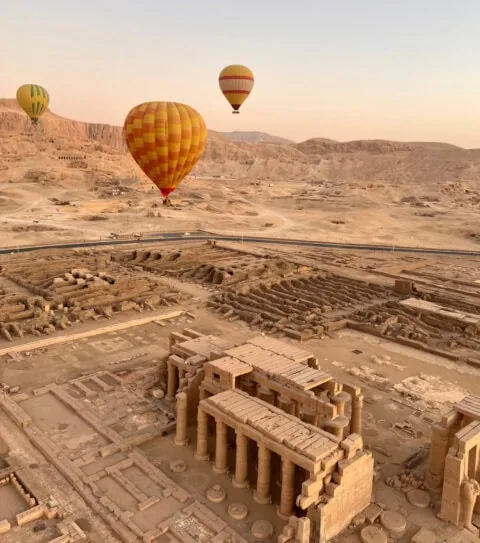
How to Plan a Trip Egypt
Step-by-step guide to help you plan the perfect Egypt trip — from routes and budget to booking.
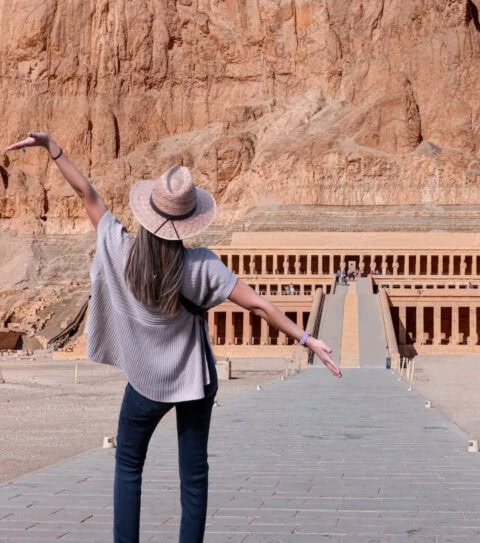
Best Time to Visit Egypt
Learn the best months to visit Egypt based on weather, crowds, and local travel experiences.
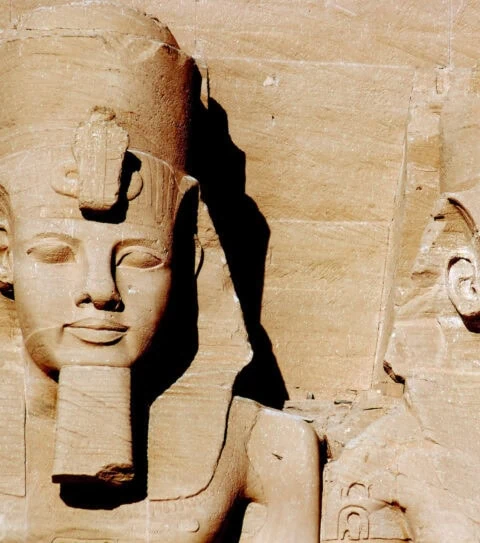
Must Visit Places in Egypt
Explore Egypt’s top sights — from pyramids to temples — and hidden gems worth seeing.
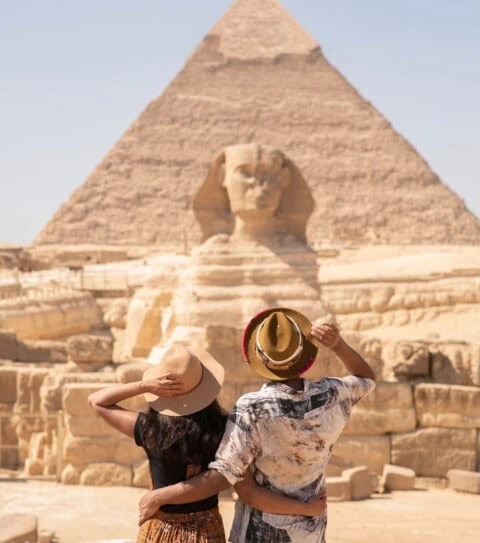
Top-Rated Egypt Tours
Handpicked private tours with local guides — our most loved and best-reviewed experiences.
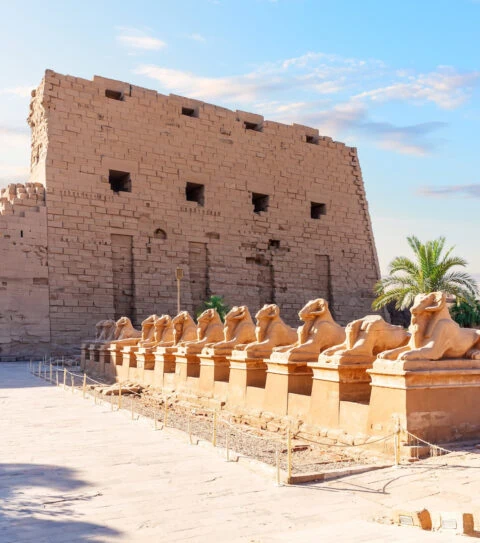
How Many Days to Visit Egypt?
Find out how many days you need in Egypt — from quick trips to full itineraries.
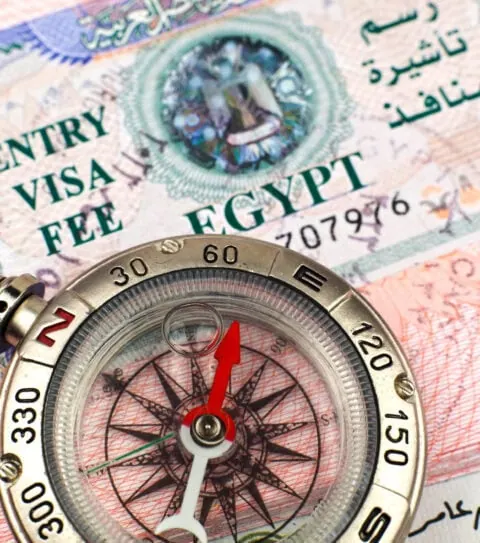
Egypt Visa Requirements
Check if you need a visa and get simple, up-to-date entry info based on your nationality.

Is it Safe to Travel to Egypt?
Is Egypt safe? Get honest safety tips, area advice, and what to know before you travel.
What to Pack for Egypt
A quick packing guide with essentials, cultural tips, and clothing advice for your Egypt trip.
Design Your Custom Tour
Explore Egypt your way by selecting only the attractions you want to visit