

Alserkal Art District – Where Industry Meets Art
Art transforms industrial spaces into cultural heartbeats.
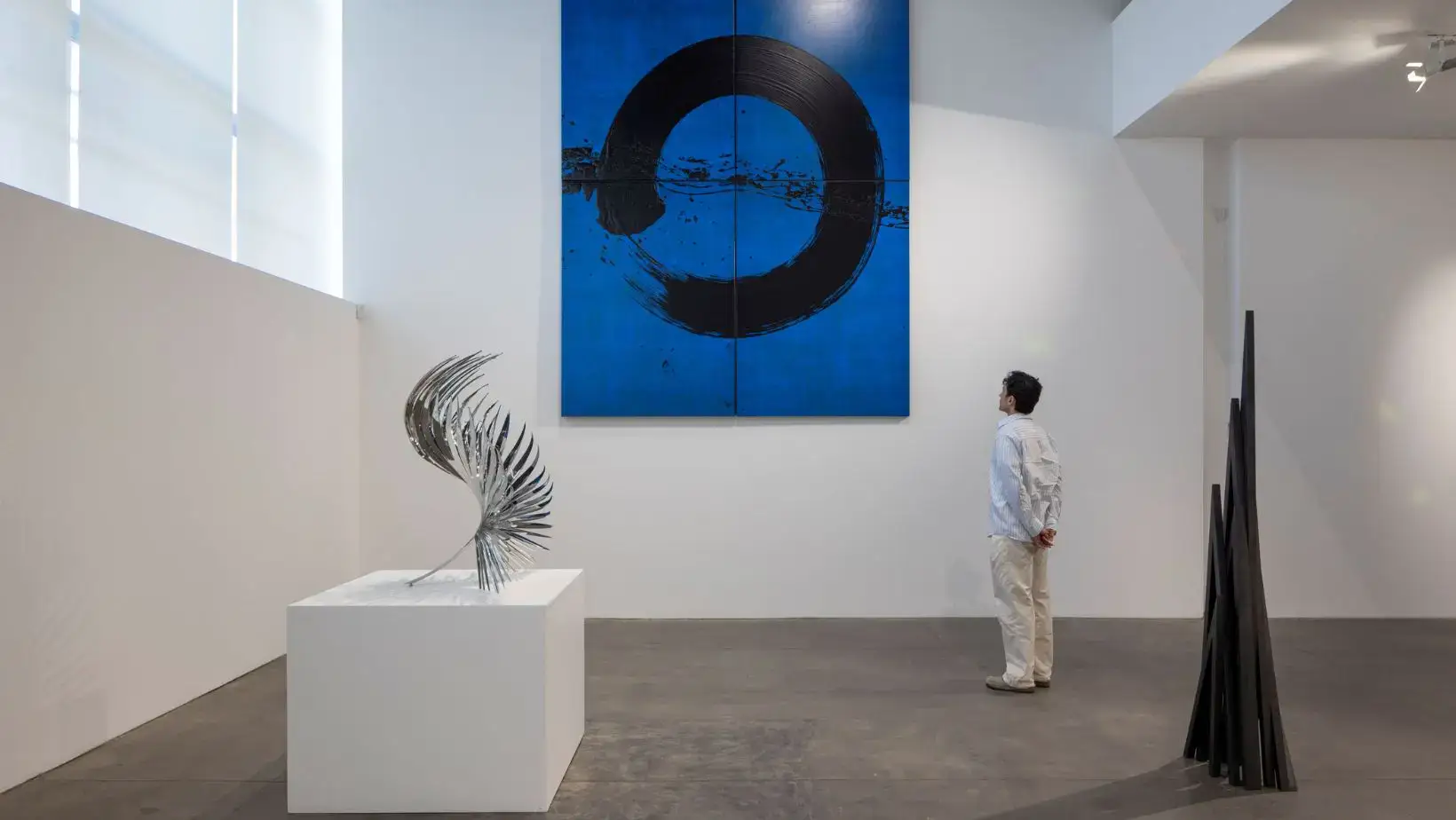
Dubai’s creative landscape underwent a remarkable transformation when a former warehouse district evolved into one of the Middle East’s most significant art destinations. Located in the Al Quoz industrial area, this cultural hub has redefined how art, community, and commerce intersect in the region. What began as 39 converted warehouses has grown into a dynamic ecosystem of international galleries, experimental spaces, and community-driven events.
Today, Alserkal Art District attracts art enthusiasts, cultural travelers, and creative professionals from around the world.
Alserkal Art District can be included in our Egypt and Dubai vacation packages, where Dubai’s contemporary culture is explored alongside its modern landmarks and Egypt’s ancient historical treasures.
For visitors looking to experience a different side of Dubai—beyond luxury and skyscrapers—this district offers an authentic and evolving cultural perspective.
Table of Contents
The Industrial Evolution Into Cultural Powerhouse
The transformation story begins in 2008 when visionary developer Abdelmonem Bin Eisa Alserkal recognized the potential hidden within Al Quoz’s industrial infrastructure. These weren’t ordinary warehouses destined for typical commercial use. Instead, they became the foundation for what would emerge as the region’s most concentrated collection of contemporary art spaces.
The conversion process required careful planning and architectural sensitivity. Original industrial elements were preserved while creating flexible spaces that could accommodate everything from large-scale installations to intimate gallery exhibitions. This approach honored the area’s manufacturing heritage while embracing its cultural future.
Architectural Innovation Meets Heritage
Office for Metropolitan Architecture, led by renowned architect Rem Koolhaas, contributed their first Dubai project here – a striking concrete structure that exemplifies the marriage between industrial functionality and contemporary design. This addition elevated the district’s architectural profile and demonstrated how international design excellence could enhance rather than overshadow local character.
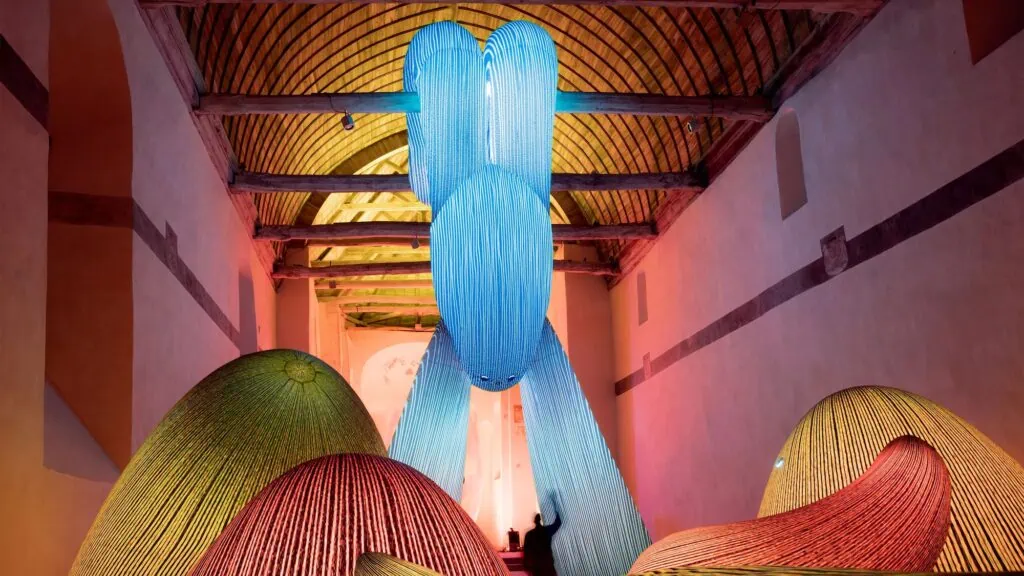
The architectural diversity extends beyond single landmark buildings. Each converted space maintains its own identity while contributing to the collective character. High ceilings, exposed beams, and concrete floors provide the perfect backdrop for contemporary art, while natural light floods through strategically placed windows and skylights.
Geographic and Cultural Positioning
Situated within the broader Al Quoz industrial area, the avenue occupies a unique position in Dubai’s cultural geography. Unlike the city’s more touristic cultural offerings, this location maintains an authentic, working-neighborhood feel. The industrial context creates an interesting juxtaposition where cutting-edge art coexists with ongoing manufacturing and commercial activities.
This positioning has proven strategic for building genuine creative communities rather than artificial cultural attractions. Artists, gallery owners, and cultural entrepreneurs have gravitated toward the area precisely because of its authentic urban character and relatively affordable spaces compared to Dubai’s more commercial districts.
Gallery Concentration and International Recognition
Twenty-five contemporary art galleries operate within a remarkably compact radius, creating the highest concentration of art spaces in the MENA region. This density isn’t accidental – it’s the result of deliberate curation and community building that has attracted both established and emerging galleries.
Ayyam Gallery showcases contemporary Middle Eastern and North African artists, while Taymour Grahne Projects focuses on emerging talents from diverse cultural backgrounds. Efie Gallery brings international perspectives alongside regional voices. Each gallery maintains its distinct curatorial vision while contributing to the area’s collective artistic narrative. The variety ensures visitors encounter different artistic movements, mediums, and cultural perspectives within a single walking tour.
The concentration creates a unique viewing experience. Art enthusiasts can experience dozens of exhibitions representing various artistic movements and cultural perspectives without traveling across the city. This density has attracted international attention, with Art Basel and other major art fair representatives regularly visiting to scout new talent and trends.
Weekend Cultural Experiences and Community Life
Saturday transforms the avenue into a car-free cultural destination. This weekly transformation creates a pedestrian-friendly environment where families, art lovers, and curious visitors can explore at a relaxed pace. The car-free policy isn’t merely practical – it’s a statement about prioritizing human-scale cultural experiences over vehicle convenience.
Weekend programming extends far beyond gallery exhibitions. Live performances, artist talks, and community workshops create a dynamic cultural calendar. These events attract both long-term Dubai residents and international visitors, fostering genuine cultural exchange rather than superficial tourist experiences.
Food and Beverage Culture Integration
Pekoe Tea & Bread Bar represents the thoughtful integration of culinary experiences within the cultural ecosystem. Rather than treating food as an afterthought, the avenue has cultivated dining destinations that complement and enhance the artistic experience. Nightjar Coffee provides spaces for informal gatherings and conversations between artists, collectors, and visitors.
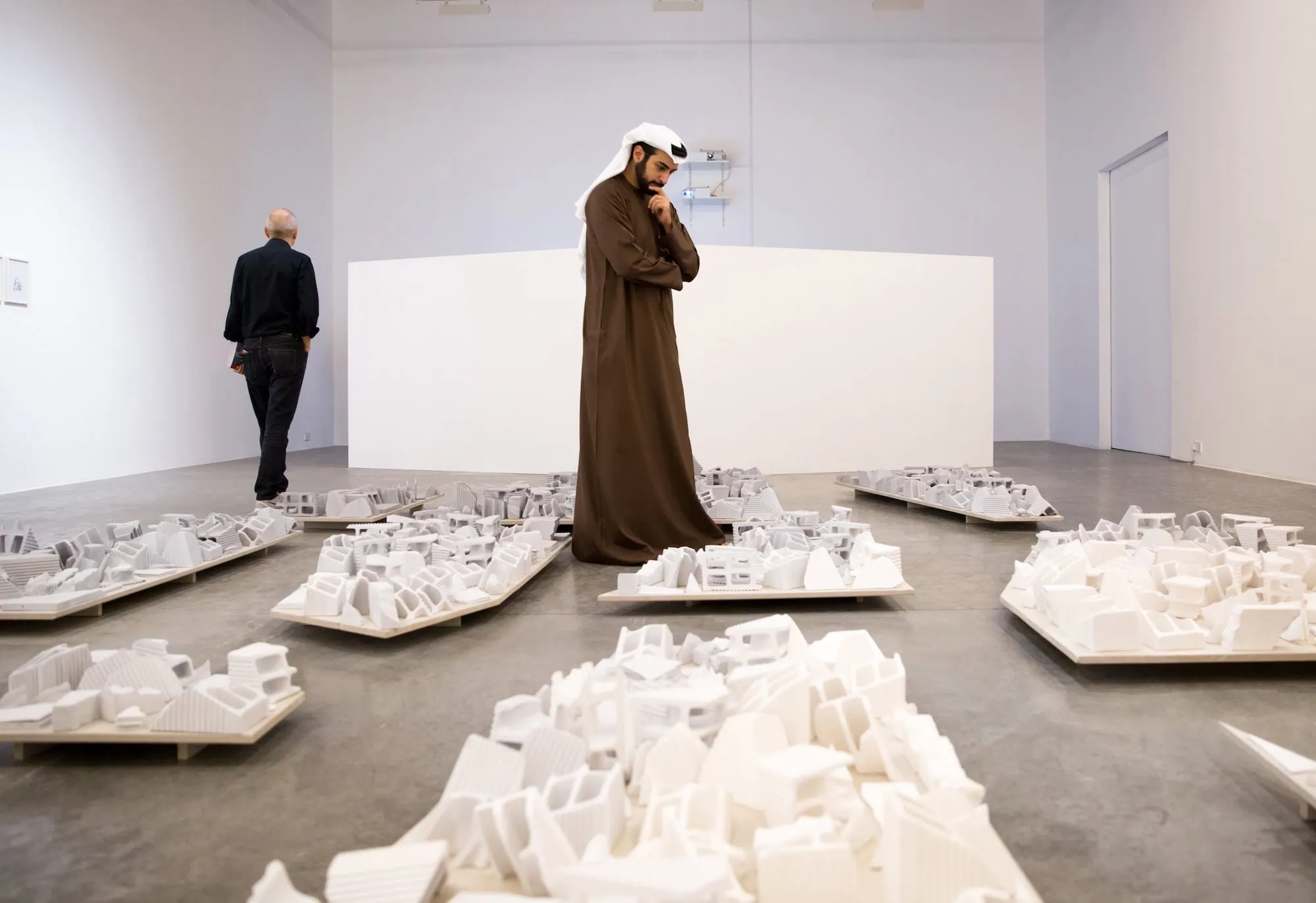
BKRY demonstrates how artisanal food production aligns with the district’s creative ethos. These establishments aren’t simply commercial add-ons – they’re integral to creating the community atmosphere that distinguishes this destination from more formal cultural institutions.
Creative Workshops and Maker Spaces
Tashkeel Makerspace exemplifies the district’s commitment to active creative participation rather than passive consumption. These facilities provide access to equipment, instruction, and community support that enables both professional artists and creative hobbyists to develop their skills and produce original works.
Orient 499 and NALA represent different approaches to creative space provision. Some focus on specific mediums or techniques, while others offer broader access to various creative disciplines. This diversity ensures the district serves creators at different skill levels and with varying artistic interests.
The maker spaces create important connections between the exhibition spaces and active creative practice. Visitors can observe professional artwork in galleries and then engage in hands-on creative activities within the same district. This progression from observation to participation deepens cultural engagement and understanding.
Workshop programming regularly features visiting artists and international creative professionals. These collaborations bring fresh perspectives and techniques to the local creative community while providing networking opportunities that extend far beyond Dubai’s borders.
Regional Art Scene Development
The Alserkal Arts Foundation operates comprehensive artist residency programs that connect regional and international creative communities. These residencies aren’t tourism initiatives – they’re serious professional development opportunities that bring established and emerging artists to Dubai for extended creative periods.
Participating artists from the MENA-South Asia region gain access to world-class facilities, international networking opportunities, and cross-cultural collaborative experiences. The program has contributed to developing artistic careers and fostering regional cultural connections that extend far beyond individual residencies.
International partnerships with institutions across Europe, Asia, and the Americas create ongoing cultural exchanges. These relationships result in exhibition exchanges, collaborative projects, and educational programs that position Dubai as a significant node in global contemporary art networks.
The foundation’s work addresses the region’s historical underrepresentation in international art contexts. By providing platforms, resources, and connections, these programs help establish regional artists in global art market and critical conversations.
Practical Visitor Information
Most visitors spend 2-3 hours exploring the galleries and public spaces, though art enthusiasts often extend their stays significantly longer. The compact layout makes comprehensive exploration feasible within a single visit, while the depth and quality of exhibitions reward longer, more contemplative engagement.
Weekend visits offer the fullest experience due to expanded programming and the car-free environment. However, weekday visits provide quieter, more intimate gallery experiences for those preferring less crowded cultural encounters.
The industrial setting requires comfortable walking shoes and weather-appropriate clothing, as much of the experience involves outdoor movement between buildings. Dubai’s climate makes morning and evening visits particularly pleasant during warmer months.
Public transportation connections exist, though many visitors prefer taxi or ride-sharing services for convenience. Parking is available for those choosing to drive, particularly during weekday visits when the car-free policy isn’t in effect.
Frequently Asked Questions
Most galleries operate Tuesday through Sunday, 10:00 am to 7:00 pm, with some staying open later.
The avenue itself is free to explore, though special exhibitions may charge admission fees.
Taxi or ride-sharing services take approximately 20-25 minutes, costing around 30-40 AED.
Yes, galleries remain open with modified schedules and some restaurants have restricted daytime service.
Self-guided exploration is encouraged, though galleries offer curator-led tours by appointment for collectors.
Saturdays offer the most comprehensive experience with car-free access and extended programming.
Most galleries welcome families, though some exhibitions may contain mature content requiring discretion.
Yes, most galleries facilitate art sales and can arrange international shipping for purchases.
Limited storage options exist, so traveling light is recommended for your visit.
Advance booking isn’t required, though calling ahead ensures access during your preferred time.
The nearby Dubai Miracle Garden and Global Village complement cultural visits perfectly.
Design Your Custom Tour
Explore Egypt and Dubai your way by selecting only the attractions you want to visit