

Mount Nebo In Jordan – One Of The Most Famous Pilgrimage Sites
Standing where Moses is believed to have seen the Promised Land for the first time creates a powerful connection to biblical history.
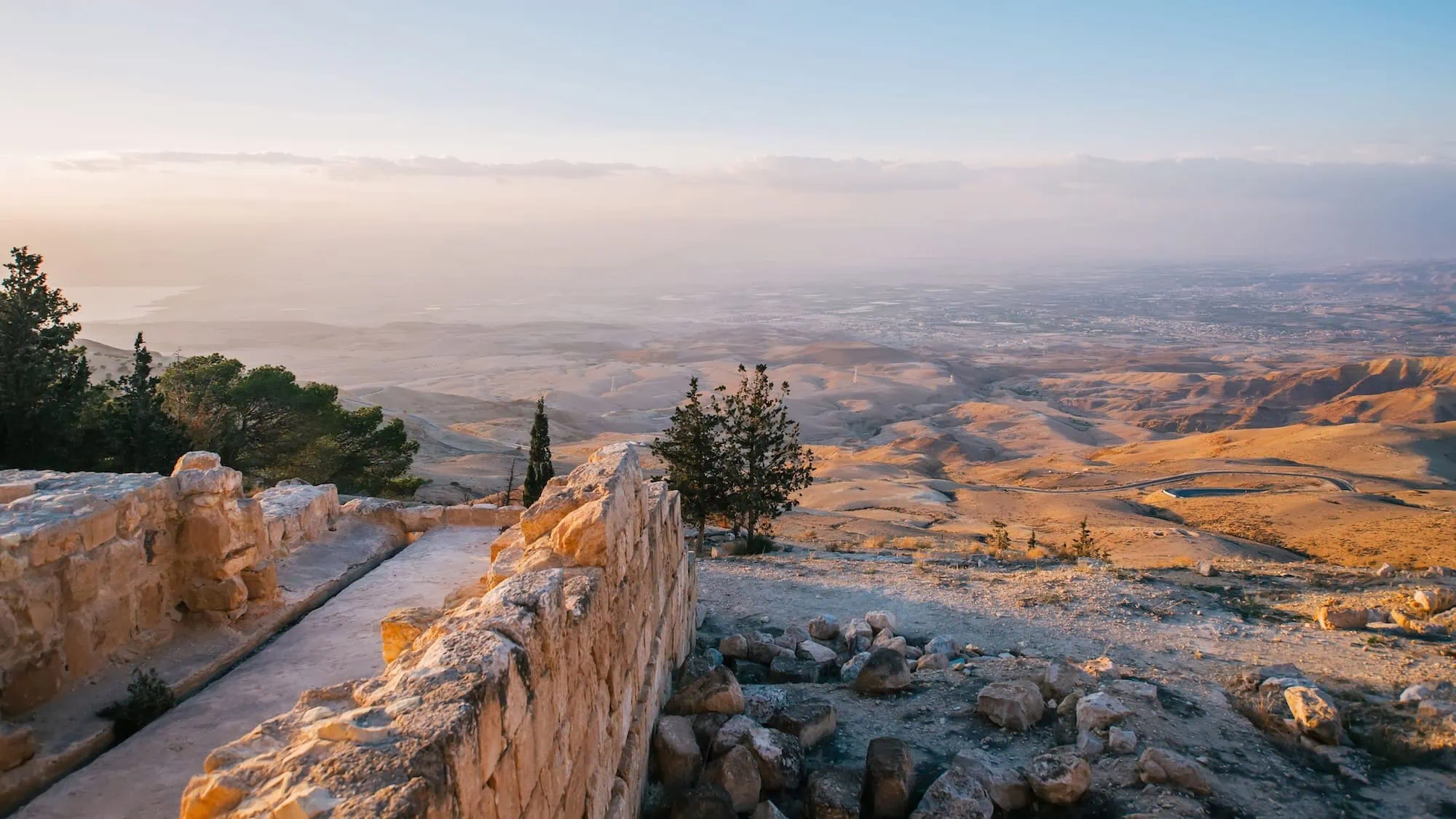
Rising approximately 700 metres (2,300 feet) above sea level in Jordan’s highlands, Mount Nebo offers sweeping views across the Jordan River Valley toward the West Bank. This sacred site has attracted Christian pilgrims since the 4th century, when early churches were built to commemorate Moses’ final moments after witnessing Canaan before him. Today, visitors continue to describe the experience as deeply moving—whether driven by faith or a broader interest in history.
Mount Nebo combines important archaeological remains with some of the most impressive panoramic views in the region. From the summit, you can see the Dead Sea shimmering below, and on clear days, even glimpse Jerusalem and Bethlehem in the distance—making it one of Jordan’s most meaningful cultural and historical landmarks.
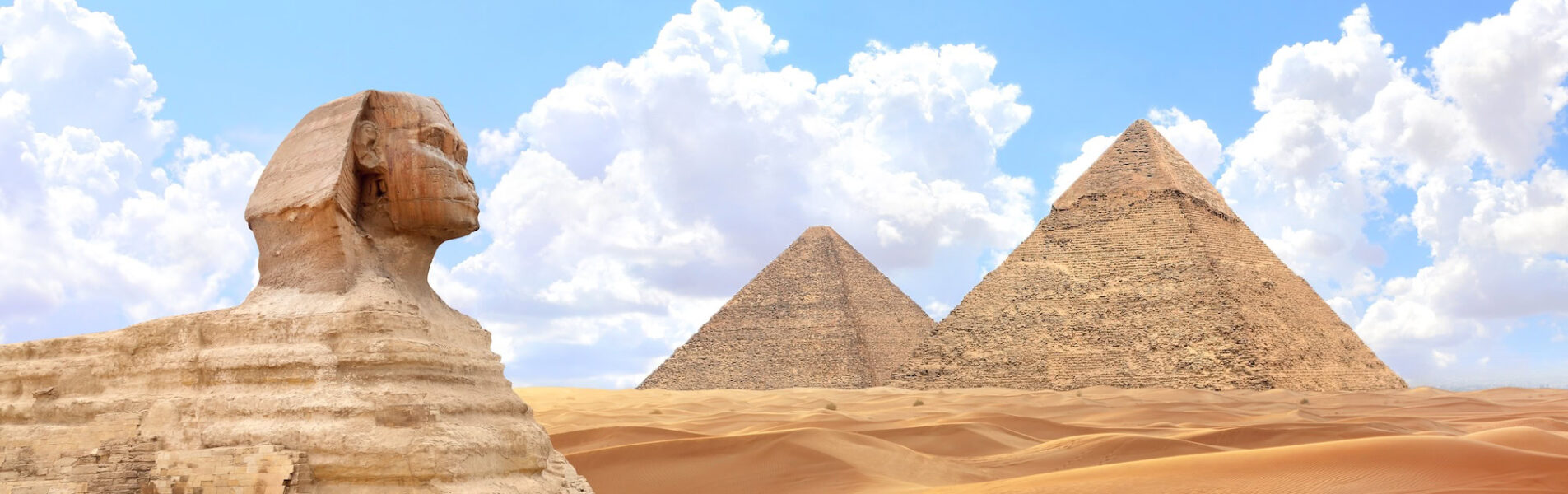
To experience Mount Nebo alongside Petra, Wadi Rum, and Egypt’s iconic sites, explore our Egypt and Jordan travel packages.
Table of Contents
Biblical Significance of Mount Nebo
Moses climbed these slopes during his final days as leader of the Israelites. According to Deuteronomy, God showed him the entire Promised Land from this elevated ridge but told him “you shall not go over there.” The profound biblical narrative places Moses’ death somewhere on this mountain after viewing Canaan.
Where Faith and History Converge
The Book of Deuteronomy specifically mentions that “Moses went up from the plains of Moab to the top of Pisgah, which is across from Jericho.” Archaeological evidence supports the mountain’s ancient importance, with discoveries revealing continuous religious activity spanning over 1,500 years.
Prophet Jeremiah also referenced this location, declaring “Woe to Nebo! For it is plundered,” while Isaiah noted the city remained with the Moabites. These multiple biblical references establish Mount Nebo as a cornerstone of Old Testament geography and theology.
Sacred Ground for Multiple Faiths
Early Christians recognized the mountain’s significance by constructing their first memorial structures in the 4th century. The site holds meaning across different religious traditions, creating an atmosphere of reverence that transcends denominational boundaries. Many visitors, regardless of their personal faith, report feeling a deep sense of connection to the ancient stories that unfolded here.
The mountain’s role in biblical narrative extends beyond Moses’ final moments. It represents the culmination of the Israelites’ 40-year journey through the wilderness and symbolizes both fulfillment and longing—seeing the goal without reaching it.
Archaeological Wonders Hidden Beneath
Franciscan monks made groundbreaking discoveries in 1933 when they uncovered an elaborate Byzantine church and monastery complex. The excavations, led by Sylvester Saller, revealed exquisite mosaics that archaeologists immediately covered back with soil for protection.
The site contains remarkable artistic treasures from the Byzantine period. Master craftsmen Soelos, Kaiomos, and Elias created intricate mosaic floors in 530 AD, featuring geometric patterns, animal motifs, and religious symbolism. The floor of the southern section displays a large cross, while the northern baptistery showcases detailed mosaic work depicting local wildlife and Mediterranean flora. Hidden passages containing graves decorated with mosaics reveal the site’s use as both a place of worship and a burial ground for early Christian pilgrims. Two small churches were specifically designed for performing burial prayers, indicating the mountain’s role as a final resting place for the faithful.
The three domed buildings erected in the fourth century represent some of the earliest Christian architecture in the region. Archaeological evidence suggests the complex served not only religious functions but also provided accommodation for the growing number of pilgrims making the journey to honor Moses’ memory.
Modern Structures Protecting Ancient Heritage
Between December 2007 and 2016, construction teams built a new shelter—essentially a complete basilica—over the archaeological site. This modern Memorial Church of Moses protects the ancient mosaics while allowing visitors to experience the historical significance of the location.
The metal shelter design respects both the ancient foundations and the need for contemporary preservation standards. Restoration work continues under the supervision of international heritage experts, ensuring that future generations can appreciate these Byzantine treasures.
Balancing Access and Conservation
The new structure addresses the challenge of protecting delicate 1,500-year-old artwork from weather exposure while maintaining public access. Climate control systems help preserve the mosaics, while carefully planned walkways allow visitors to view the archaeological remains without causing damage.
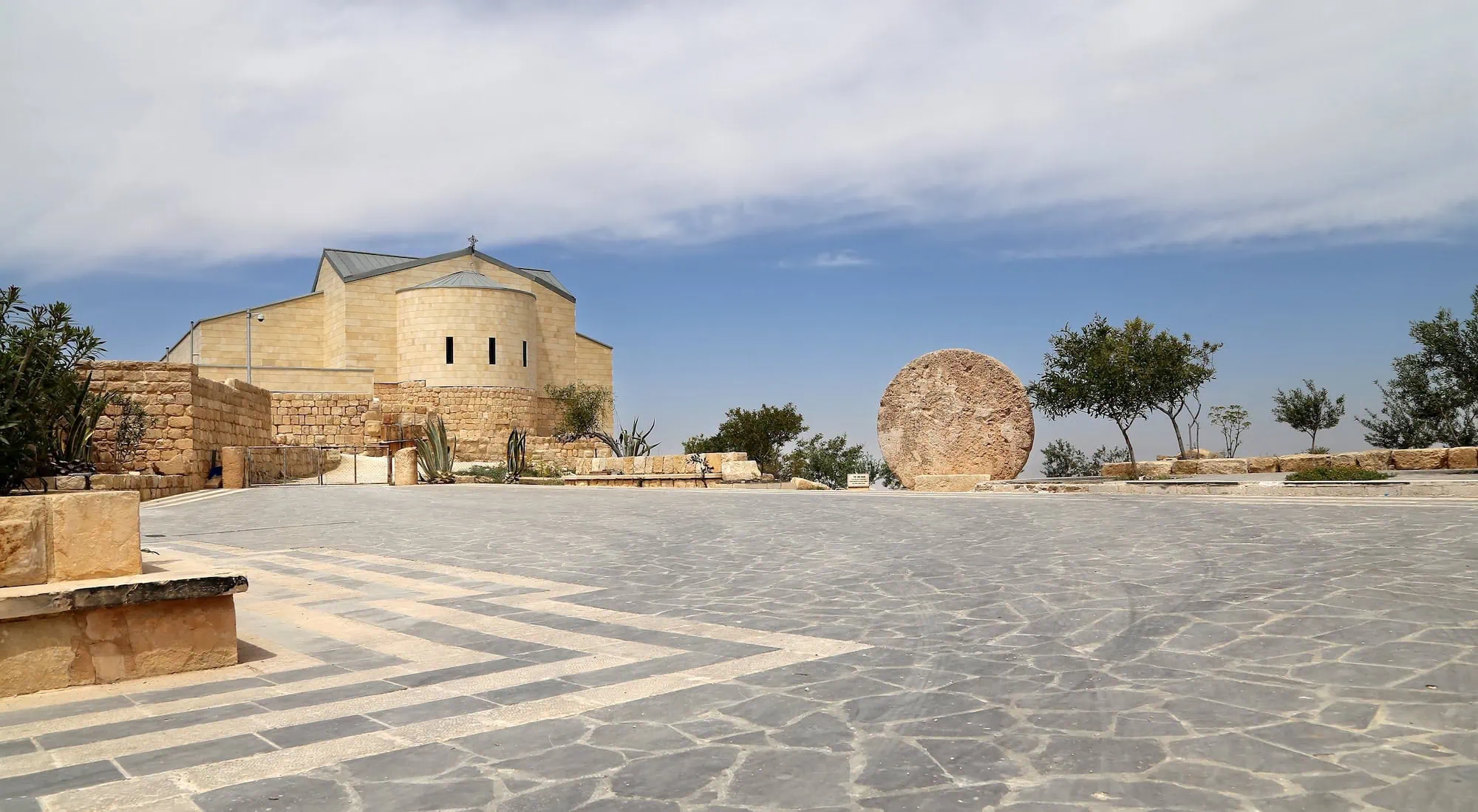
The Memorial Church serves multiple functions beyond preservation. It provides a space for contemplation and worship, hosts special services including Midnight Christmas Mass, and accommodates the thousands of annual visitors who come to walk in Moses’ footsteps.
Visiting Mount Nebo: Practical Information
Mount Nebo sits just 15 minutes from the city of Madaba and approximately 30 minutes from Queen Alia Airport. Entry costs 3 Jordanian Dinars per person and is not included in the Jordan Pass, so budget separately for this experience.
The site provides western-style toilets and basic facilities for visitors. Opening hours vary seasonally, so confirm current times before traveling. Most tour operators include Mount Nebo in combination packages with other biblical sites like the Jordan River baptismal location and Madaba’s famous mosaic map.
Best Times to Visit
Early morning visits offer the clearest views across the Dead Sea toward Jerusalem and Bethlehem. The panoramic vistas are particularly stunning during golden hour, when the light illuminates the Jordan River valley below. Weather conditions significantly impact visibility, with spring and fall generally providing the best atmospheric clarity.
Peak tourist seasons coincide with Christian holidays, particularly Easter and Christmas. If you prefer quieter moments for reflection, consider visiting during weekdays or outside major religious observances.
Transportation Options
Private vehicles provide the most flexibility for exploring Mount Nebo at your own pace. Taxi rides from central Amman typically take 45 minutes to one hour. Many visitors combine their trip with stops in Madaba to see the famous 6th-century mosaic map of the Holy Land.
Guided tour packages offer comprehensive experiences connecting Mount Nebo with other regional attractions. Popular combinations include day tours covering Nebo, Dead Sea swimming, and Madaba mosaics, or multi-day packages incorporating Petra and Wadi Rum.
Religious Tourism and Spiritual Experiences
Christian pilgrims have journeyed to Mount Nebo since the Byzantine era, continuing a tradition spanning nearly 1,700 years. The site attracted significant international attention when Pope John Paul II visited the summit in March 2000, followed by Pope Benedict XVI, who planted an olive tree as a symbol of peace.
Interfaith Respect and Understanding
Jordan’s predominantly Muslim population—approximately 93% according to official statistics—demonstrates remarkable tolerance and hospitality toward Christian pilgrims. Visitors often comment on the respectful atmosphere surrounding religious observances at the site.
The mountain’s significance transcends individual denominations, welcoming Catholic, Orthodox, Protestant, and other Christian traditions. Many non-Christian visitors also find the experience meaningful from historical and cultural perspectives.
Spiritual Reflections and Personal Journeys
Travelers consistently describe feeling connected to something larger than themselves while standing where Moses viewed the Promised Land. The combination of biblical history, archaeological evidence, and sweeping landscape views creates an atmosphere conducive to contemplation and personal reflection.
Whether participating in organized religious services or simply sitting quietly with the panoramic vista, visitors often report that Mount Nebo provides a peaceful space for processing life’s bigger questions and connecting with ancient traditions.
Combining Mount Nebo with Other Attractions
Dead Sea Adventures
The Dead Sea lies visible from Mount Nebo’s summit, making it a natural combination for day trips. Swimming in the hypersaline waters provides a unique physical experience, while the sea’s historical and biblical significance adds depth to your journey through Jordan’s sacred landscape.
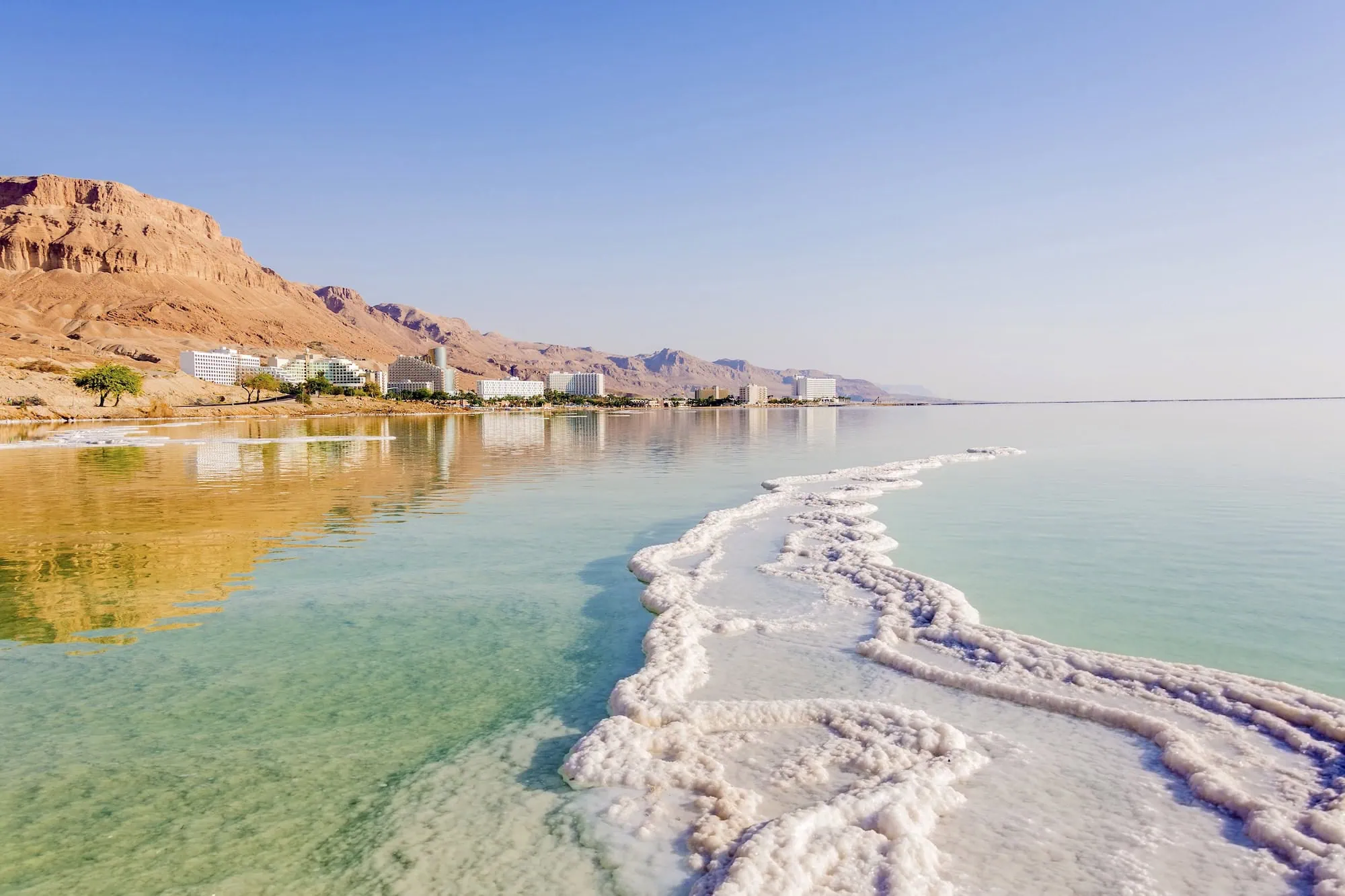
Many tour packages combine Mount Nebo with Dead Sea visits, allowing you to walk where Moses stood in the morning and float in the world’s saltiest body of water by afternoon. The contrast between spiritual reflection and playful recreation creates memorable travel experiences.
Madaba’s Mosaic Treasures
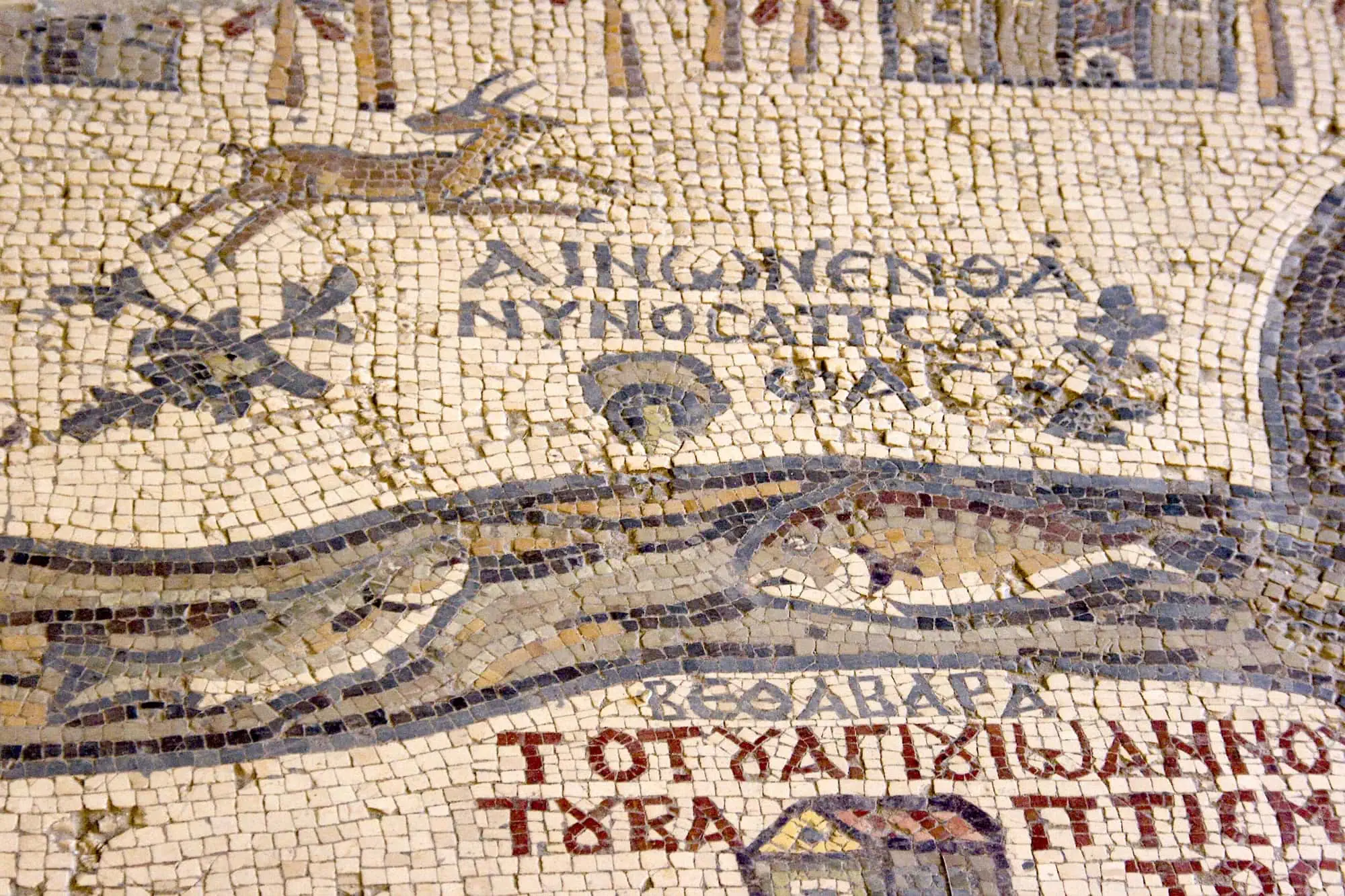
Madaba, known as the “City of Mosaics,” houses the famous 6th-century mosaic map of the Holy Land. This ancient cartographic masterpiece originally contained over two million pieces and provides geographical context for biblical narratives, including Moses’ journey to Mount Nebo.
Petra and Wadi Rum Extensions
Seven-day Jordan itineraries often incorporate Mount Nebo with visits to Petra and Wadi Rum. These three destinations showcase different aspects of Jordan’s rich heritage—biblical history at Nebo, Nabataean civilization at Petra, and dramatic desert landscapes at Wadi Rum.
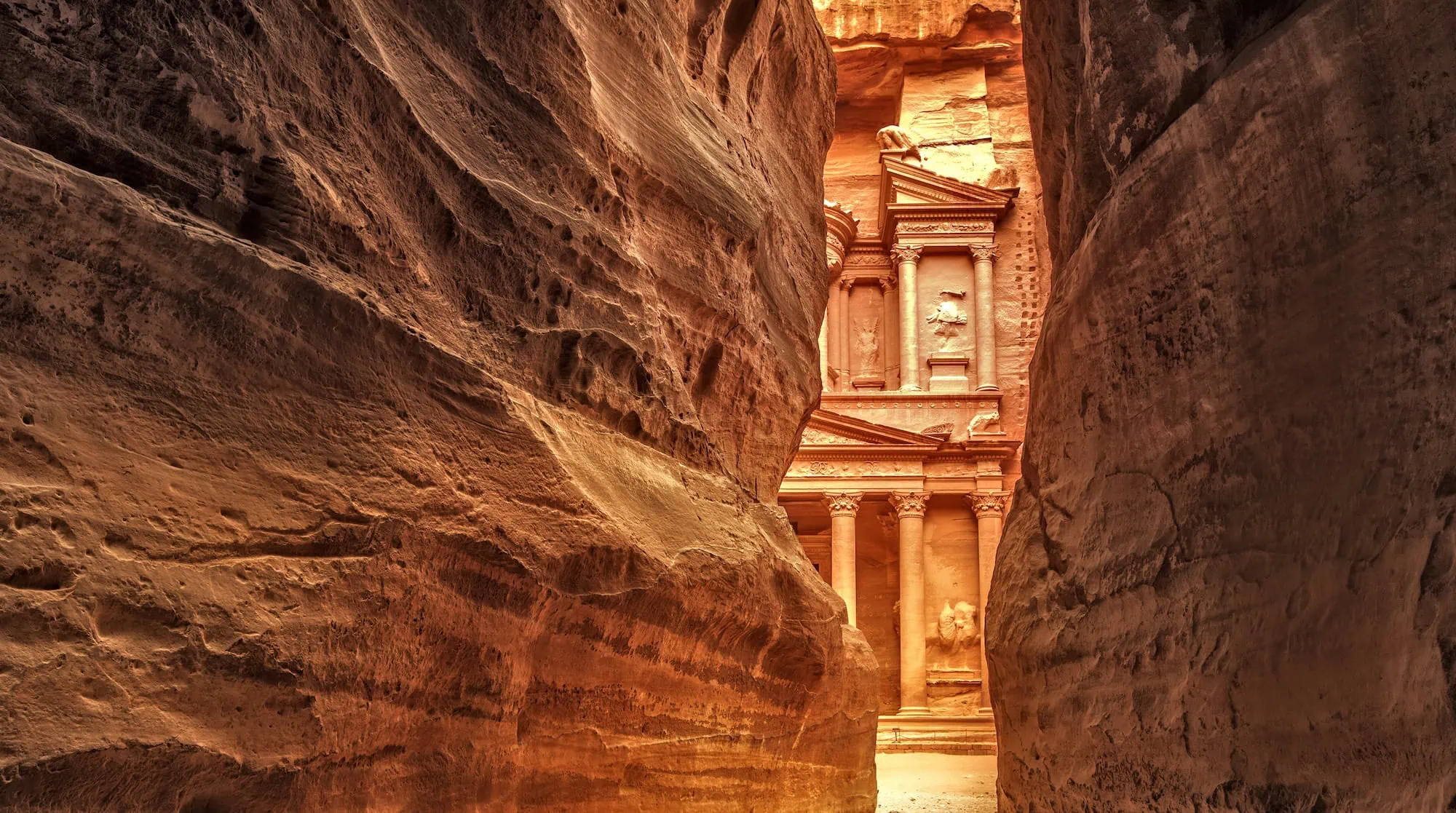
Three-day packages from Amman efficiently cover these highlights while allowing sufficient time to appreciate each location’s unique character.
Planning Your Mount Nebo Experience
Consider your personal interests when planning your visit. Photography enthusiasts should bring wide-angle lenses to capture the expansive valley views. Those interested in archaeology might want to research Byzantine art and architecture beforehand to better appreciate the mosaic work and church foundations.
Comfortable walking shoes are essential, as the site involves some uphill walking on uneven surfaces. The elevation provides cooling breezes even on warm days, but bring sun protection for the exposed summit areas.
Group Tours vs Independent Travel
Group tours provide historical context through professional guides who explain the biblical significance and archaeological discoveries. These organized experiences often include transportation, entry fees, and connections to related sites, simplifying logistics for first-time Jordan visitors.
Independent travelers enjoy more flexibility to spend extended time contemplating the views or exploring the Memorial Church at their own pace. Private guides can be arranged through local tour operators for personalized experiences that balance structure with spontaneity.
Frequently Asked Questions
Most visitors spend 1-2 hours exploring the Memorial Church and summit views.
Visibility depends on weather conditions; clear days offer views of Jerusalem and Bethlehem.
Main viewing areas and Memorial Church are accessible despite some uneven stone surfaces.
Basic refreshment facilities are available; consider eating in nearby Madaba for more options.
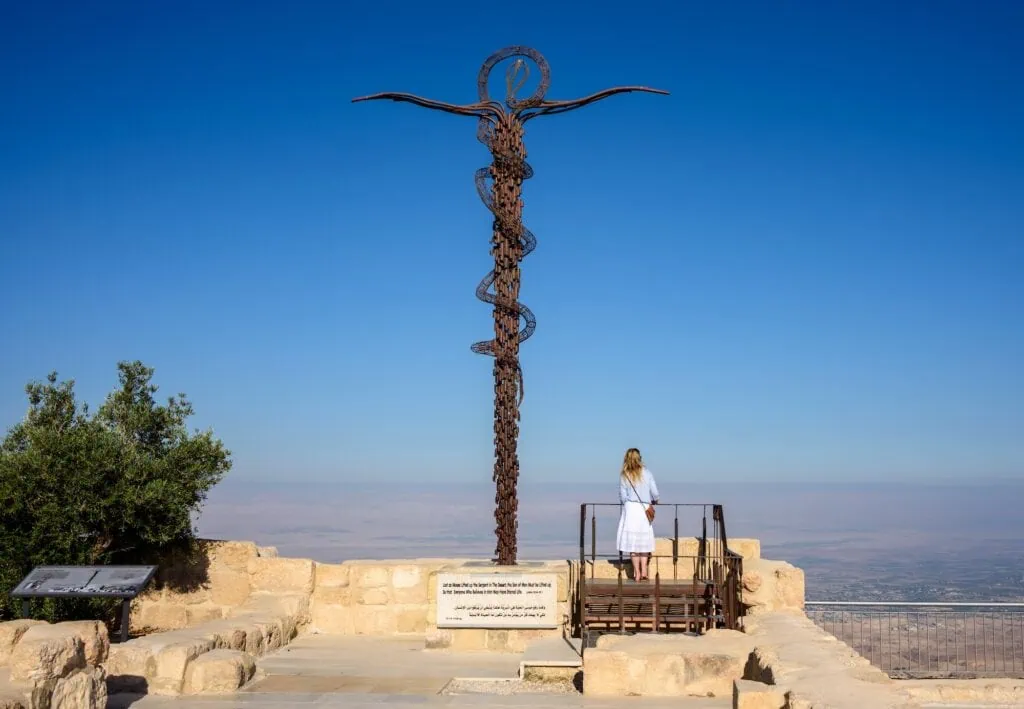
The sculpture represents the bronze serpent Moses lifted in the wilderness, symbolizing healing and salvation.
Guides enhance the experience by explaining biblical connections and archaeological discoveries.
Yes, many tours combine Mount Nebo with Qasr al-Yahud at the Jordan River.
Dress modestly out of respect and wear comfortable walking shoes for archaeological areas.
Photography is generally permitted but check for flash restrictions near ancient mosaics.
The site can be busy during Easter and Christmas; weekday visits are typically quieter.
Private taxi, rental car or organized tours; journey takes approximately 45 minutes from Amman.
The site welcomes families though parents should supervise children around archaeological areas and elevated viewing points.
Design Your Custom Tour
Explore Egypt and Jordan your way by selecting only the attractions you want to visit