

Madaba City Of Mosaics And St. George Greek Orthodox Church
Many travelers pass through Amman on their way to Petra, often overlooking one of Jordan’s most rewarding cultural stops. Just 30 km (18.6 miles) southwest of the capital, Madaba offers a rich historical experience that deserves a place on any itinerary.
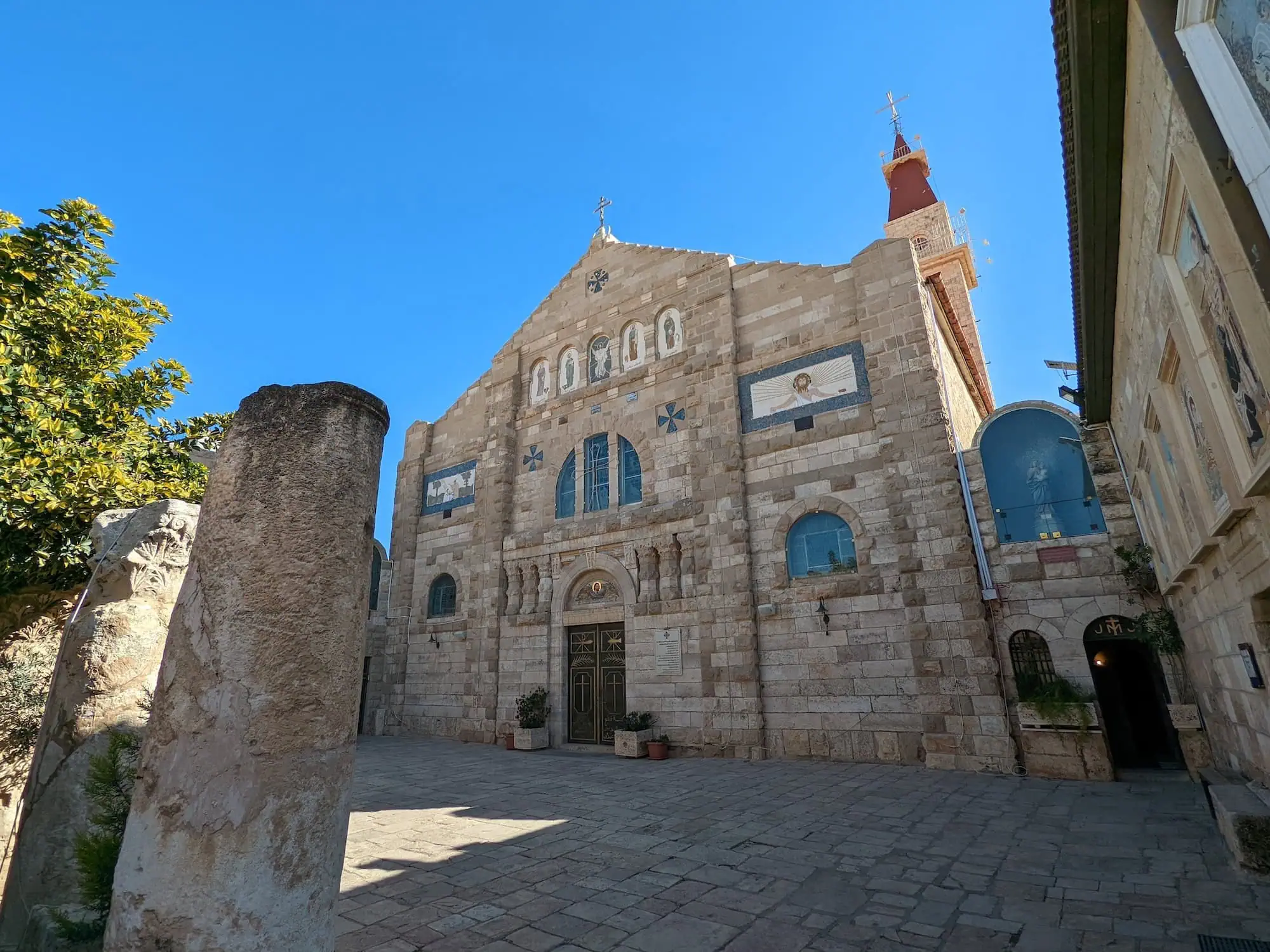
Known as the “City of Mosaics,” Madaba is home to an extraordinary legacy of Byzantine art. Its most famous treasure is found inside St. George’s Greek Orthodox Church, where the world’s oldest surviving geographical mosaic map is preserved. Dating back to the 6th century, this remarkable floor mosaic depicts the Holy Land with impressive detail and accuracy.
Composed of more than two million carefully arranged tesserae, the map offers a rare glimpse into how early civilizations interpreted geography during a pivotal period in Christian history. It is far more than a visual attraction—it is a cultural and historical document of global significance.
Even seasoned travelers are often surprised by Madaba’s depth and authenticity. Its convenient location, combined with its historical importance and strong religious heritage, makes it an essential stop for anyone looking to better understand Jordan’s Christian roots.
To experience Madaba alongside other iconic destinations in the region, explore our Egypt and Jordan vacation packages.
Table of Contents
The Church of Saint George
Walking through the entrance of this 19th-century Greek Orthodox church feels unremarkable at first glance. The building itself replaced an earlier Byzantine structure, but what lies beneath your feet represents one of archaeology’s most significant discoveries.
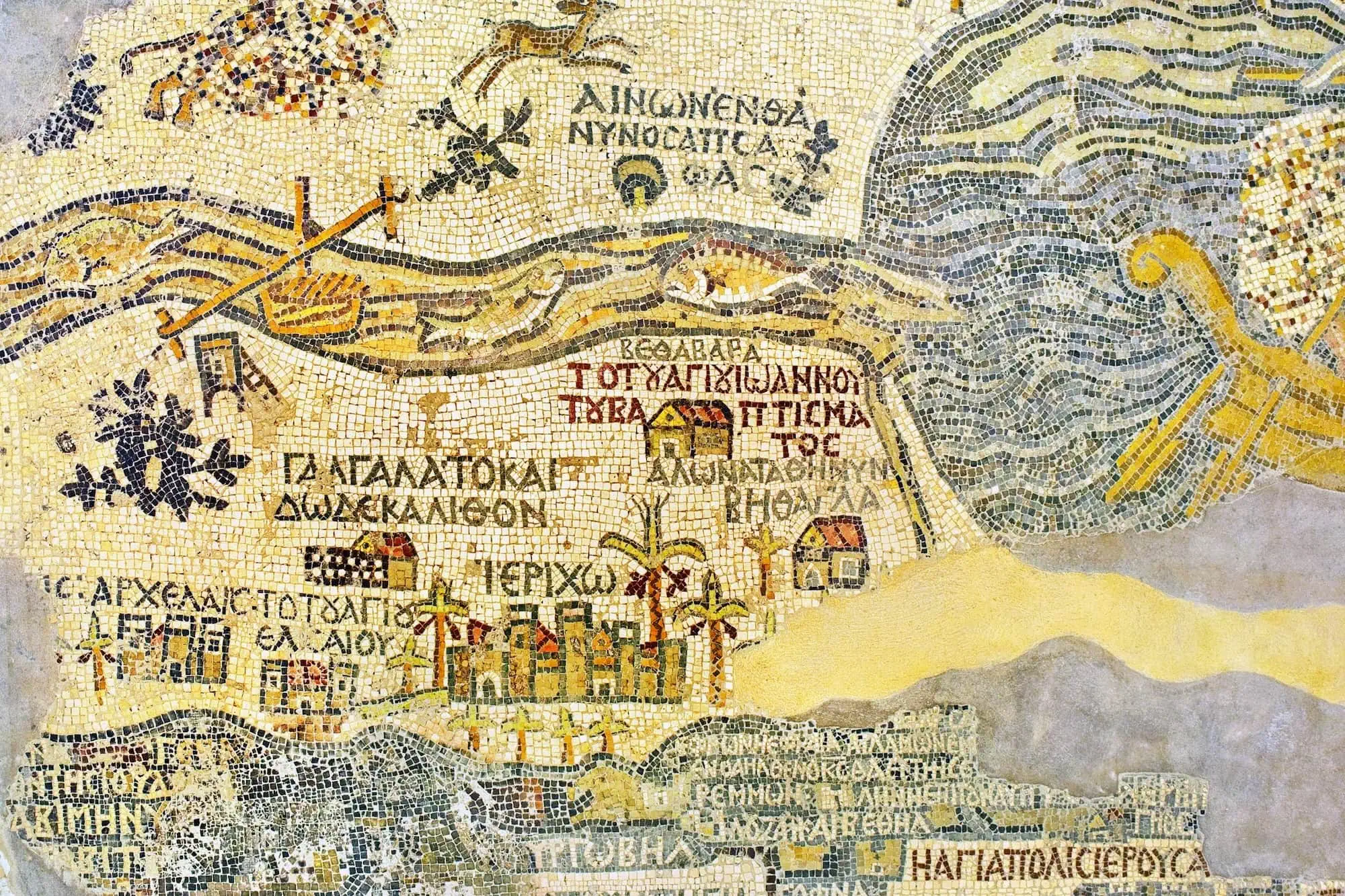
The Madaba Map: Oldest Geographic Mosaic
The floor mosaic stretches across much of the church’s interior, originally measuring 15.6 x 6 meters (51.2 x 19.7 feet) before centuries of wear reduced its size. Created between 542-570 AD, this cartographic masterpiece depicts the Holy Land from Lebanon to the Nile Delta, with Jerusalem prominently featured at its center.
Local craftsmen used natural colored stones to create 157 detailed captions in Greek, marking major biblical sites including Bethlehem, Jericho, and the Jordan River. The precision astounds modern cartographers – distances and geographical relationships remain remarkably accurate despite being created 1,500 years ago without satellite technology.
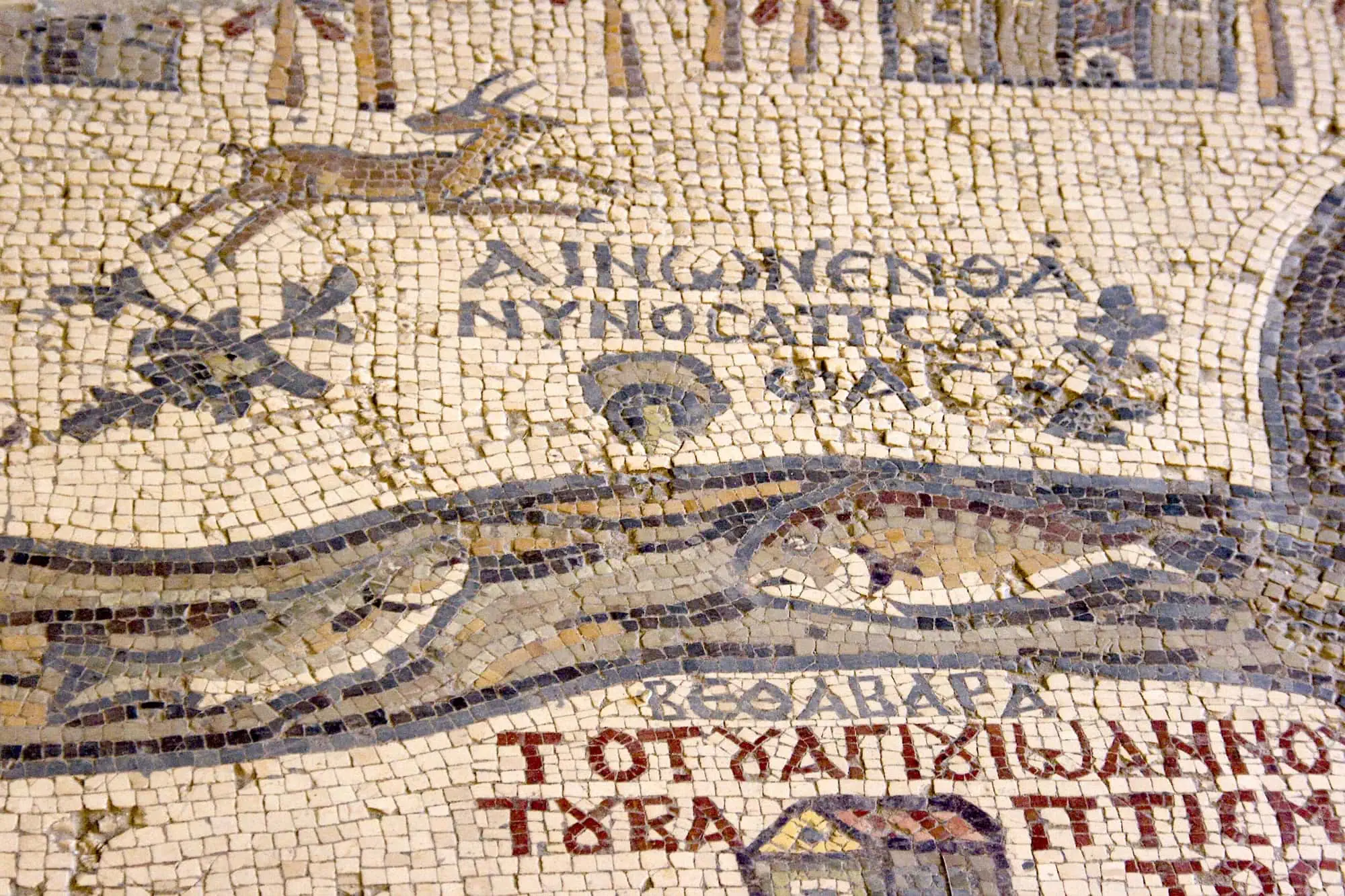
Artistic Techniques and Construction
Byzantine artists employed sophisticated mosaic techniques, embedding millions of tesserae into lime mortar. Each tiny stone piece was carefully selected for color and placed to create readable text and recognizable landmarks. The New Church of Theotokos in Jerusalem appears in stunning detail, complete with architectural elements that match historical records.
Fish swimming in the Jordan River and the Dead Sea demonstrate the artists’ attention to natural details, while palm trees and other vegetation mark regional characteristics. This level of detail required extensive geographical knowledge and suggests the mosaic served both decorative and educational purposes for 6th-century Christian communities.
Discovery and Modern Recognition
German archaeologist Ulrich Seetzen first documented the mosaic in 1806, but serious archaeological study didn’t begin until the 1890s. The Palestine Exploration Fund published detailed studies, bringing international attention to Madaba’s significance.
Recent restoration work, supported by the Volkswagen Foundation, has stabilized the mosaic and improved visitor access through climate control and protective barriers. The interpretative center adjacent to the church provides multilingual context, helping visitors understand both the artistic achievement and historical importance.
Byzantine Heritage and Religious Significance
Madaba’s Christian community traces its roots to the early Byzantine period when the city flourished as a regional religious center. Archaeological evidence suggests continuous Christian presence since the 4th century, making St. George’s Church part of an unbroken tradition spanning over 1,600 years.
The Greek Orthodox community maintains active worship services while accommodating thousands of annual visitors. This balance between religious function and tourism creates an authentic experience where ancient faith traditions continue alongside modern pilgrimage. Sunday morning services (9:00 am / 09:00) offer visitors the opportunity to experience living Orthodox liturgy in a space connected to Christianity’s earliest centuries.
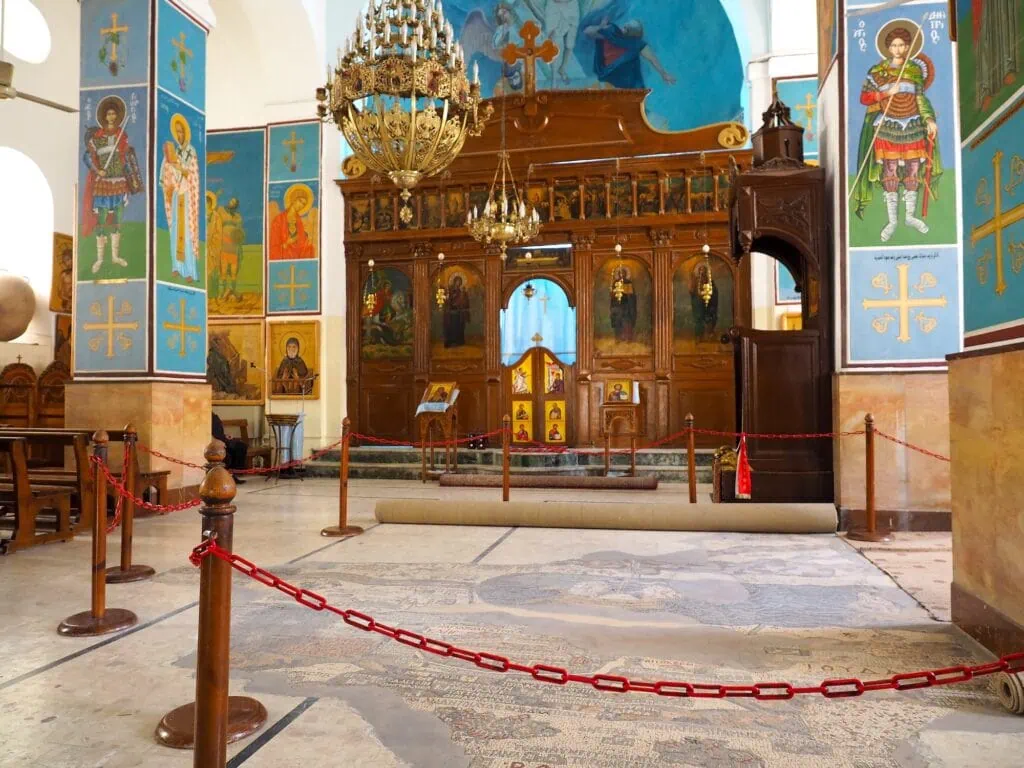
Archaeological surveys have uncovered over 30 mosaic sites throughout Madaba, indicating the city’s prominence as a center for this artistic form. The concentration of Christian mosaics suggests a thriving religious community with sufficient resources to commission elaborate decorative programs. St. George’s Church represents the crown jewel of this artistic heritage, but visitors can explore additional sites including the Archaeological Park and Madaba Museum for broader context.
Byzantine artistic traditions emphasized theological symbolism alongside geographical accuracy. The Madaba Map functions simultaneously as artistic decoration, educational tool, and religious statement about Christianity’s connection to the Holy Land. This multilayered significance explains why the mosaic has attracted scholarly attention across disciplines from archaeology to theology to cartographic history.
Practical Visitor Information
Location and Transportation
Madaba sits along the King’s Highway, Jordan’s ancient trade route connecting Amman to southern destinations including Petra. We arrange private transportation from Amman (45-minute drive) as part of comprehensive Jordan itineraries, but independent travelers can reach Madaba via public bus or rental car.
The church occupies a central location on Palestine Street, walking distance from Madaba’s main attractions including the Archaeological Park and traditional craft workshops. Limited parking exists near the church, so arrival before 10:00 am (10:00) typically ensures space during peak tourist seasons.
Opening Hours and Admission
St. George’s Church welcomes visitors Sunday through Friday from 8:00 am to 6:00 pm (08:00-18:00), with Saturday hours from 9:00 am to 5:00 pm (09:00-17:00). Admission costs 2 JOD for international visitors, with reduced rates for students and groups. The fee supports ongoing conservation work and facility maintenance.
Religious services occur Sunday mornings, and visitors should dress respectfully with covered shoulders and knees. Photography is permitted, but flash photography may damage the ancient tesserae and is therefore prohibited.
Best Times to Visit
Morning hours offer the best lighting for viewing mosaic details and smaller crowds for photography. Tourist groups typically arrive between 10:00 am and 2:00 pm (10:00-14:00), so early morning or late afternoon visits provide more contemplative experiences.
Winter months (December through February) feature comfortable temperatures averaging 15°C (59°F), while summer visits require preparation for temperatures reaching 30°C (86°F). The church’s stone construction provides natural cooling, making it a pleasant respite during hot weather.
Archaeological Context and Discoveries
Recent archaeological investigations have revealed additional layers beneath St. George’s Church, suggesting continuous occupation since Roman times. Ground-penetrating radar has identified possible earlier church foundations, though excavation remains limited due to the building’s active religious use.
Dating and Construction Methods
Radiocarbon analysis of organic materials found during restoration confirms the mosaic’s 6th-century origins. The craftsmen used local limestone tesserae for basic areas and imported materials for special details, indicating significant investment in the project’s completion.
Analysis of the mortar composition reveals sophisticated understanding of materials science, with lime-based formulas that have preserved the mosaic through centuries of wear and regional earthquakes. Modern conservation efforts replicate these ancient techniques while adding contemporary stabilization methods.
Comparative Studies
Scholars compare the Madaba Map to contemporary mosaics throughout the Eastern Mediterranean, revealing shared artistic conventions and theological concepts. Similar cartographic mosaics existed in other Byzantine churches, but none survive with comparable completeness and detail.
The map’s depiction of Jerusalem provides valuable information about the city’s 6th-century appearance, complementing written sources and archaeological evidence. Details like the Damascus Gate and Church of the Holy Sepulchre help historians understand urban development during the Byzantine period.
Planning Your Jordan Itinerary
Madaba serves as an ideal day trip from Amman or stopping point en route to Petra and southern Jordan attractions. We typically recommend combining Madaba with nearby Mount Nebo, where Moses viewed the Promised Land according to biblical tradition.
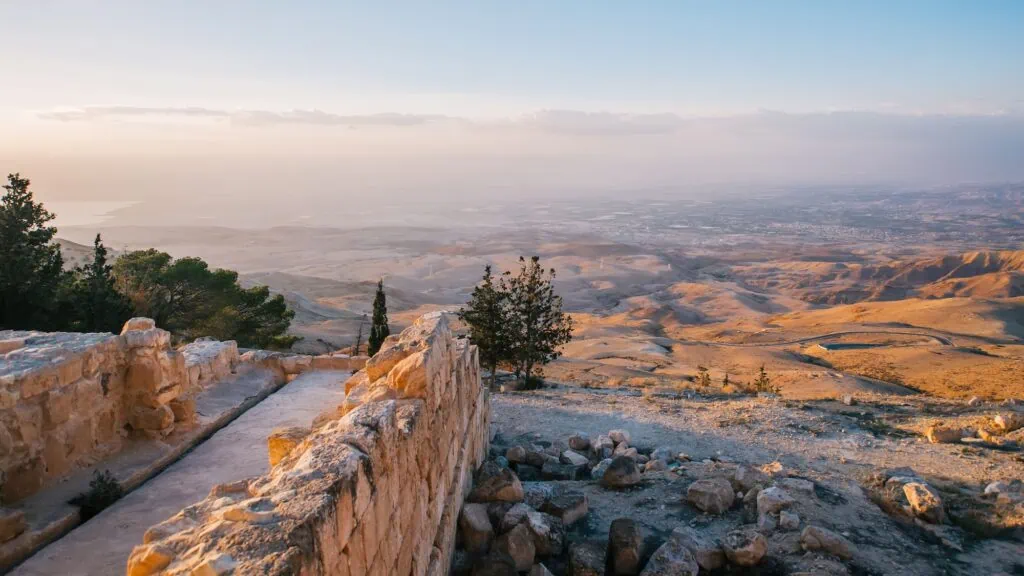
The drive from Madaba to Mount Nebo takes 15 minutes, offering stunning views across the Jordan Valley to the West Bank and Israel. On clear days, visitors can see Jerusalem’s skyline from Mount Nebo’s summit, creating powerful connections between the ancient map and modern geography.
Multi-Day Options
On extended Jordan itineraries, Madaba is often included as part of a well-balanced cultural route alongside Amman and the Dead Sea. This combination allows travelers to explore each destination at a relaxed pace without feeling rushed.
Throughout the journey, private guides provide valuable historical insight while respecting the religious significance of each site, helping visitors connect with both the archaeological heritage and the living culture of Jordan. Professional drivers ensure smooth and comfortable transfers between locations in modern, climate-controlled vehicles.
To explore more highlights across the country, discover the top Jordan Tourist Attractions.
Integration with Petra
Travelers continuing south toward Petra can use Madaba as a cultural introduction to Jordan’s archaeological heritage before encountering the Nabataean capital’s dramatic rock-cut architecture. The contrast between Byzantine Christian art and Nabataean commercial sophistication illustrates Jordan’s position at the crossroads of ancient civilizations.
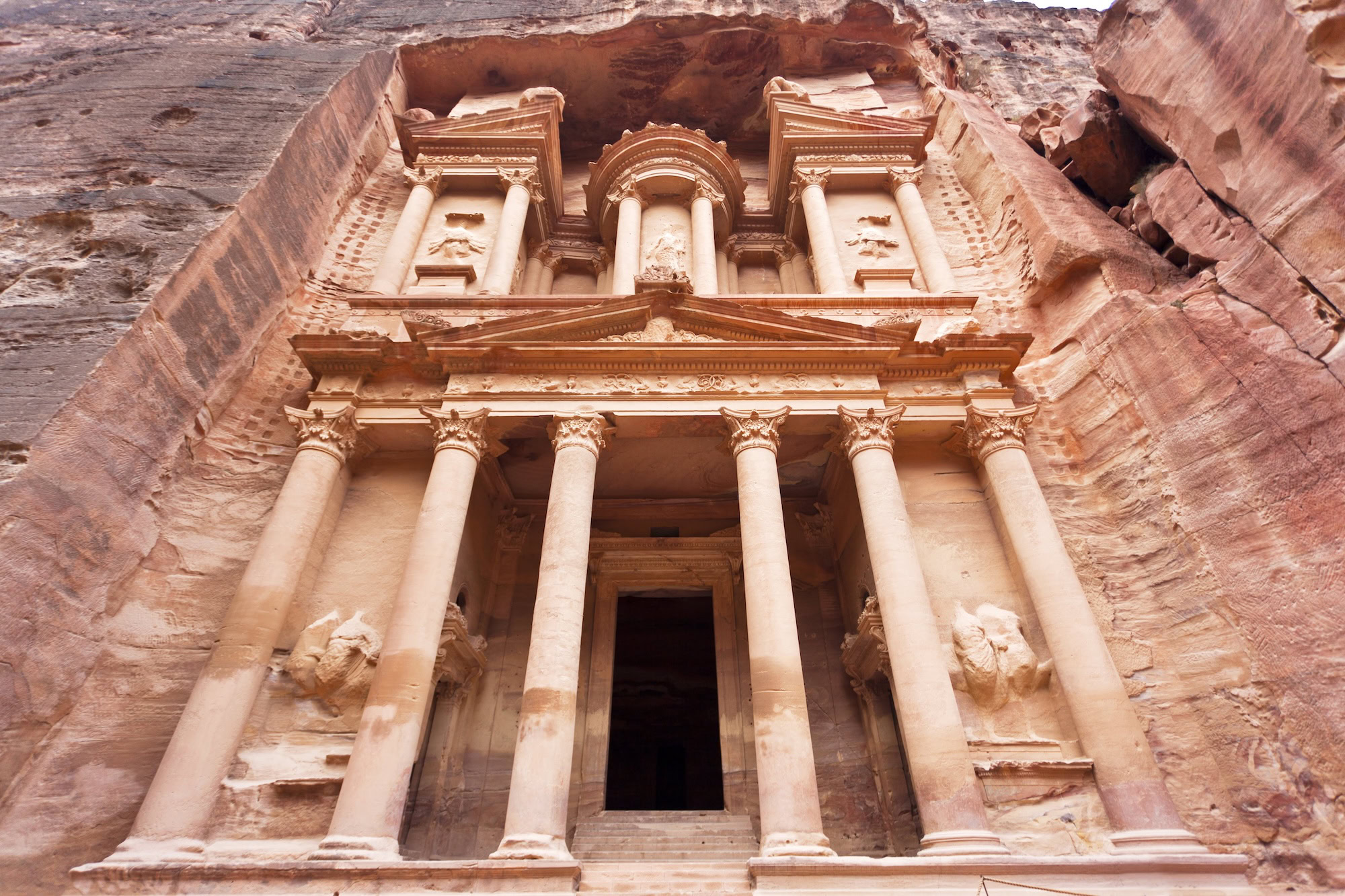
We arrange seamless transportation between all major Jordan destinations, with comfortable overnight accommodations and expert local guidance throughout your journey. Our decades of experience in Jordan tourism ensure smooth logistics while maximizing time for meaningful cultural encounters.
Frequently Asked Questions
Plan 45 minutes to 1 hour for a thorough visit, including time to study the mosaic details.
The main floor is accessible, though some viewing angles may be limited.
Visitors are welcome during services but should remain respectful and avoid flash photography.
The Archaeological Park features several significant mosaics, including the Church of the Virgin Mary.
Yes, but flash photography is prohibited to protect the ancient tesserae from light damage.
Local guides offer services in multiple languages, or we can arrange expert interpretation.
Conservative dress is required, with covered shoulders and knees. Comfortable walking shoes recommended.
The church gift shop sells books, postcards, and replica items supporting conservation efforts.
Approximately 30 km (18.6 miles) or 30-minute drive, making both possible in one day.
Private transfer takes approximately 1 hour, while public transportation requires 2-3 hours total.
Design Your Custom Tour
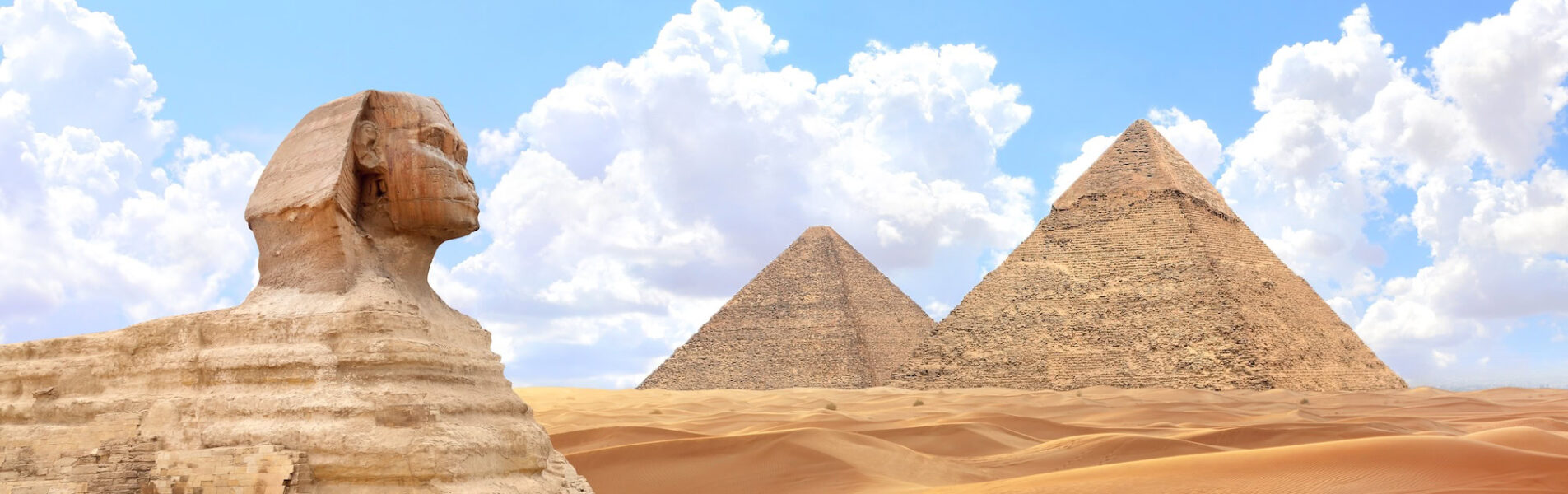
Explore Egypt and Jordan your way by selecting only the attractions you want to visit