

Abu Darwish Mosque – A Gem on One of Amman’s 7 Mounts
This is far more than just another mosque.
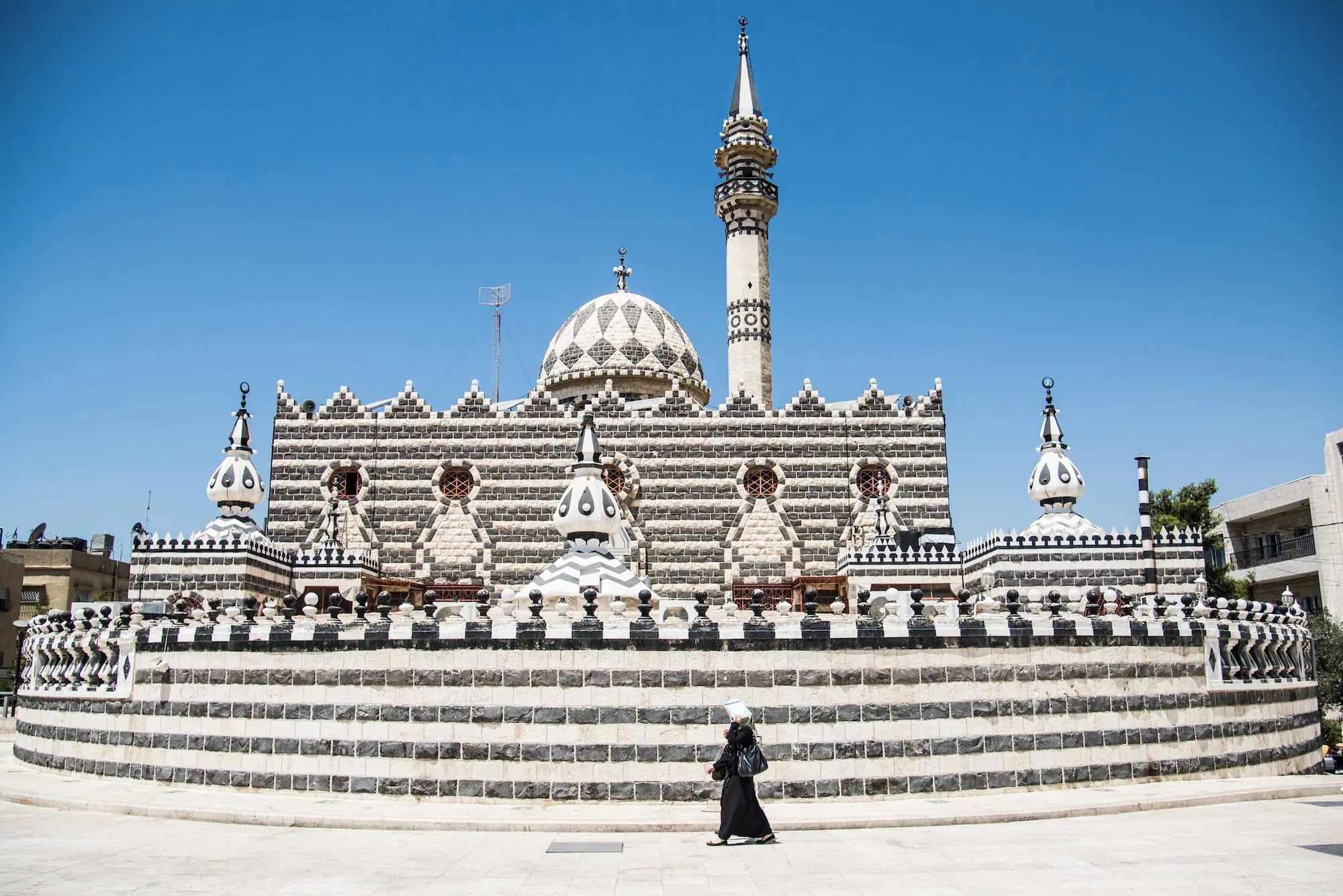
Perched on one of Amman’s iconic hills, Abu Darwish Mosque is among the most recognizable religious landmarks in Jordan. Its striking black-and-white checkerboard façade immediately captures attention, standing out dramatically against the city’s skyline.
Constructed in 1961 by skilled Palestinian craftsmen, the mosque reflects traditional Syrian architectural influences combined with modern building techniques. Commissioned by the merchant Mustafa Hassan, known as Abu Darwish, the structure represents a unique fusion of heritage and innovation that continues to draw visitors from around the world.
Beyond its visual appeal, the mosque serves as an active place of worship and a meaningful cultural site. Visitors are rewarded not only with its architectural beauty but also with panoramic views over Amman, making it a compelling stop for those interested in history, religion, and local culture.
To explore Abu Darwish Mosque along with other highlights across the region, discover our Egypt and Jordan vacation packages.
Table of Contents
Architectural Marvel: Understanding the Black and White Stone Design
The moment you approach Abu Darwish Mosque, its most striking feature becomes immediately apparent. The alternating pattern of dark basalt and white limestone creates a visual rhythm that’s both bold and harmonious, setting this structure apart from every other mosque in Jordan.
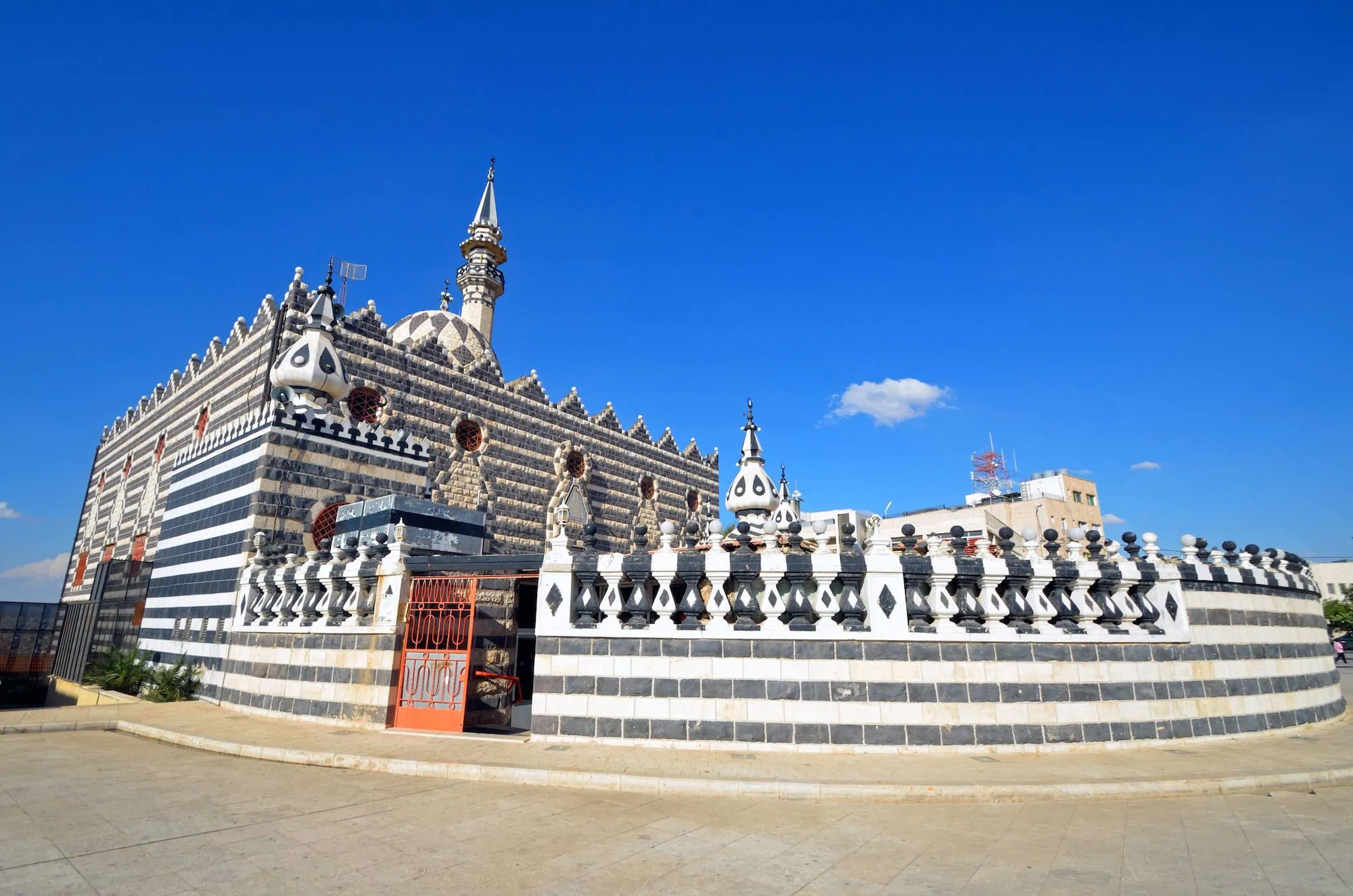
Syrian-Influenced Construction Techniques
Palestinian master builders brought centuries-old Syrian architectural traditions to life when constructing this mosque. These craftsmen used techniques passed down through generations, carefully selecting and cutting each stone to create the precise alternating pattern.
The 2,500 square meter complex required thousands of precisely cut stones, each positioned to maintain the geometric integrity of the design.
The construction process took several years to complete, with workers ensuring that every black basalt stone from local quarries perfectly matched its white limestone counterpart. This meticulous attention to detail reflects the deep respect for traditional Islamic architecture while incorporating regional building materials.
Interior Design Elements
Inside, visitors discover a prayer hall adorned with intricate stained glass windows that cast colorful light patterns across the marble floors. The mihrab features delicate calligraphy and geometric patterns typical of Syrian mosque design, while the minbar showcases hand-carved wooden details that complement the exterior stonework.
The interior maintains the same attention to detail as the exterior, with traditional Islamic decorative elements creating a serene atmosphere for prayer and contemplation.
Historical Background and Cultural Significance
Mustafa Hassan’s vision for Abu Darwish Mosque emerged from his desire to create a distinctive place of worship that would serve Amman’s growing Muslim population in the Ashrafiyeh neighborhood.
Construction began in the late 1950s when Jordan was experiencing significant urban growth and development. Hassan, a successful merchant who had earned the nickname “Abu Darwish,” invested his personal fortune into this project, determined to create something that would honor both his Palestinian heritage and his adopted Jordanian home.
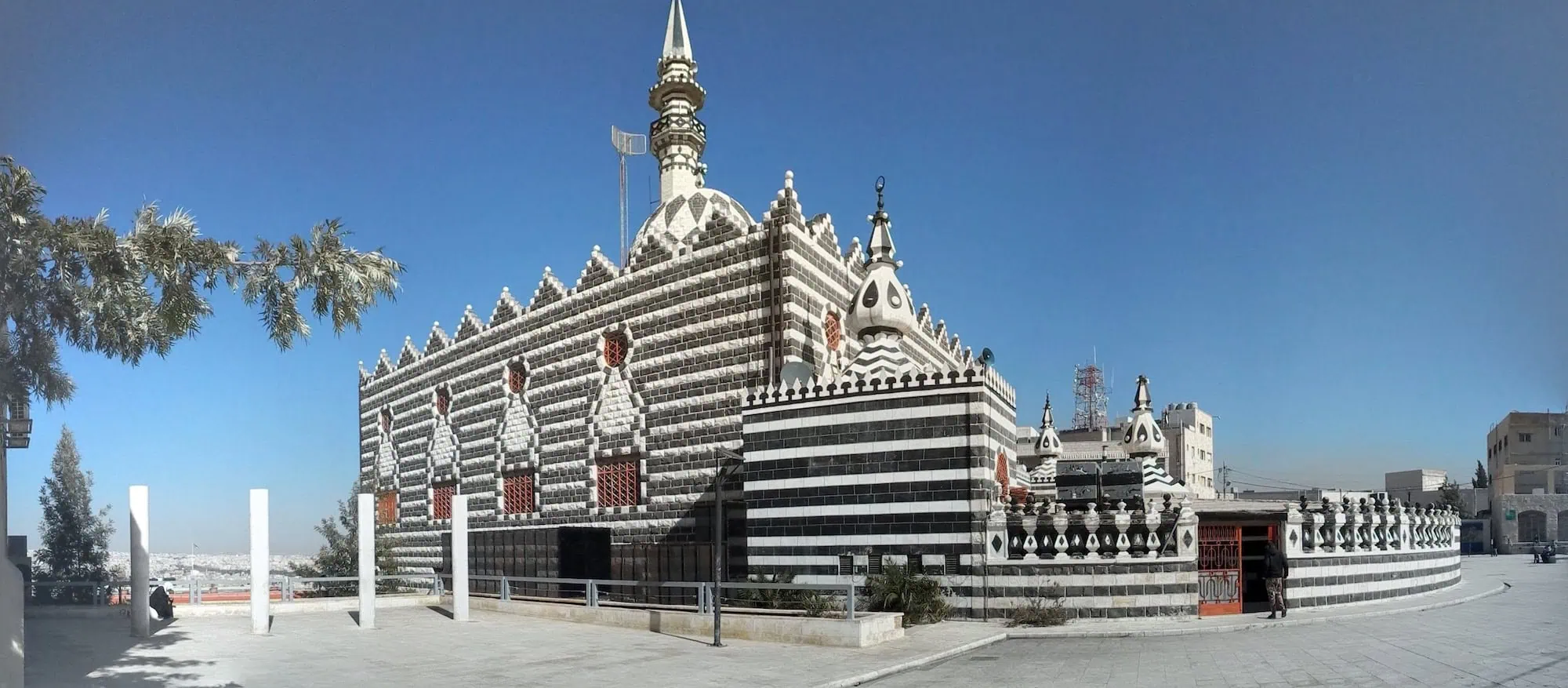
The mosque’s completion in 1961 marked a significant moment in Amman’s architectural history, introducing a design aesthetic that had never been seen before in the city.
The choice of Syrian architectural style reflected the strong cultural connections between Palestine, Syria, and Jordan, regions that share similar building traditions and religious practices. Palestinian builders brought not only their technical expertise but also their cultural understanding of how sacred spaces should feel and function within Muslim communities.
Local residents embraced the mosque immediately, drawn to its unique appearance and excellent location on one of Amman’s seven hills. Over the decades, it has become an integral part of the Ashrafiyeh community, serving multiple generations of families who live and work in the surrounding neighborhoods.
Visiting Abu Darwish Mosque: Practical Information
Location and Access
Abu Darwish Mosque sits prominently on a hill in the Ashrafiyeh area of Amman, offering visitors panoramic views of Jordan’s capital city. The elevated position makes it visible from various points throughout the city, serving as both a navigation landmark and a photographic subject.
Reaching the mosque requires a moderate uphill walk or taxi ride from central Amman. The surrounding neighborhood features traditional residential streets and local businesses, giving visitors a glimpse into everyday Jordanian life.
Visitor Guidelines and Etiquette
As an active place of worship, Abu Darwish Mosque maintains specific guidelines for non-Muslim visitors. Photography of the exterior is generally permitted and encouraged, but visitors should ask permission before taking photos inside the prayer hall.
The mosque welcomes respectful visitors who dress modestly and remove their shoes before entering.
Women visitors should cover their hair, arms, and legs, while men should avoid shorts and sleeveless shirts. The mosque provides coverings for visitors who arrive unprepared.
Prayer times take precedence over tourism, so visitors should plan their arrival outside of the five daily prayer periods: Fajr (dawn), Dhuhr (midday), Asr (afternoon), Maghrib (sunset), and Isha (evening). These times vary throughout the year according to the Islamic lunar calendar.
Best Times for Photography
Early morning light creates dramatic shadows across the black and white stone pattern, making it ideal for architectural photography. Late afternoon sun provides warm lighting that enhances the contrast between the dark basalt and white limestone.
Many photographers prefer visiting during golden hour, approximately one hour before sunset, when the mosque’s elevated position offers stunning views over Amman while the stone pattern remains clearly visible.
Cultural Impact and Community Role
Beyond its architectural significance, Abu Darwish Mosque serves as a vital community center for the Ashrafiyeh neighborhood and surrounding areas of Amman.
The mosque hosts daily prayers that bring together Muslims from diverse backgrounds, creating a sense of unity within Jordan’s multicultural capital. Friday prayers often draw larger congregations, including visitors from other parts of Amman who appreciate the mosque’s unique atmosphere and spiritual significance.
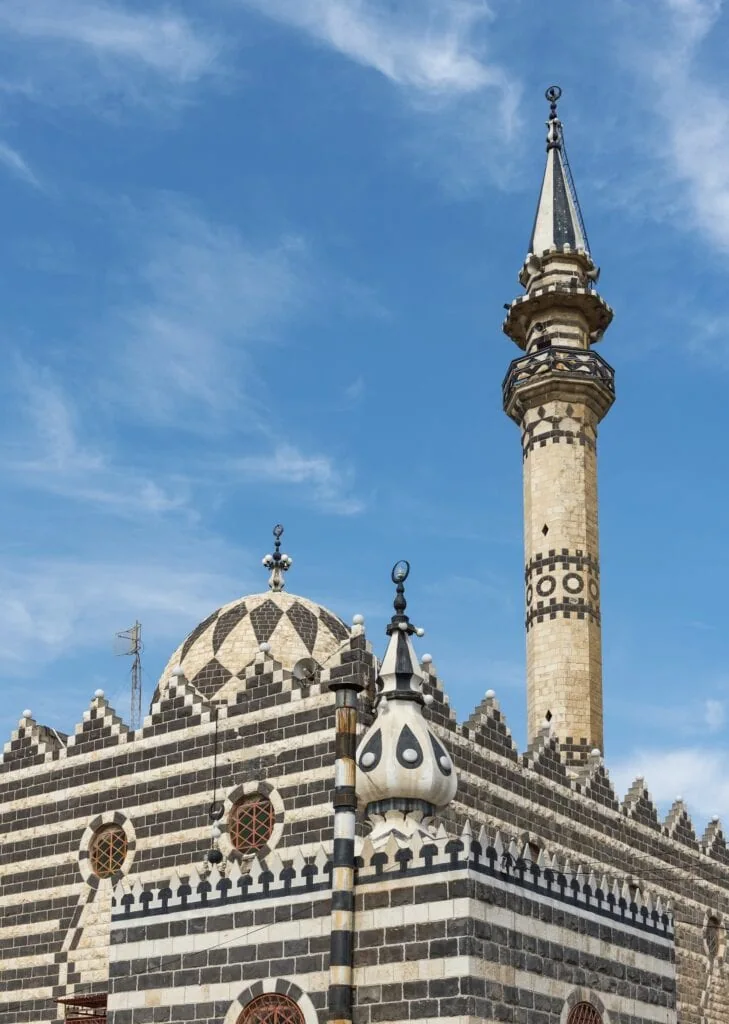
Religious education classes take place regularly, providing children and adults with opportunities to study Islamic texts and traditions. These programs strengthen community bonds while preserving religious knowledge for future generations.
During Ramadan, the mosque becomes particularly active, hosting iftar meals and evening prayers that strengthen the sense of community among local residents. The building’s spacious prayer hall can accommodate large numbers of worshippers during important religious occasions.
The mosque also serves an informal role as a cultural bridge, welcoming visitors from different faiths who wish to learn about Islamic architecture and religious practices. This openness reflects Jordan’s broader commitment to religious tolerance and cultural exchange.
Planning Your Visit to Jordan
We recommend including Abu Darwish Mosque as part of a well-rounded exploration of Amman’s historical and cultural highlights. With expert guides, visitors gain deeper insight into the mosque’s architectural details and its role within the broader context of Islamic heritage in Jordan.
Our Amman city tours combine a visit to the mosque with other key landmarks such as the Roman Theater, the Amman Citadel, and Rainbow Street. Each stop is carefully scheduled to respect prayer times while still allowing for an enjoyable and unhurried experience, including excellent photo opportunities.
For those interested in Jordan’s religious and cultural diversity, specialized tours offer a more in-depth journey, combining Abu Darwish Mosque with other important sites across the country. These itineraries are designed to provide a richer understanding of Jordan’s spiritual traditions and architectural legacy.
To discover more must-see sites across the country, explore the top Jordan Tourist Attractions.
Frequently Asked Questions
The distinctive black and white checkerboard stone pattern makes it architecturally unique, combining Syrian design traditions with local materials.
Yes, respectful visitors are welcome outside of prayer times, provided they dress modestly and follow mosque etiquette guidelines.
Palestinian craftsmen constructed the mosque between 1958-1961, funded by merchant Mustafa Hassan using traditional Syrian architectural techniques.
Early morning and late afternoon provide optimal lighting for capturing the stone pattern contrast and panoramic Amman views.
Most visitors spend 30-45 minutes exploring the exterior and interior, plus additional time enjoying the city views.
No, the mosque welcomes visitors free of charge as it remains an active place of worship.
Modest clothing covering arms, legs, and hair for women; long pants and shirts with sleeves for men.
Muslim visitors may join congregation prayers, while non-Muslim visitors should observe respectfully from designated areas.
The mosque’s Ashrafiyeh location provides easy access to Rainbow Street, local markets, and traditional Jordanian restaurants.
The hilltop location requires some uphill walking, though taxis can reach the immediate vicinity of the mosque entrance.
Design Your Custom Tour
Explore Egypt and Jordan your way by selecting only the attractions you want to visit